
Ghumoopedia — Explore, Discover, Experience
Sign in
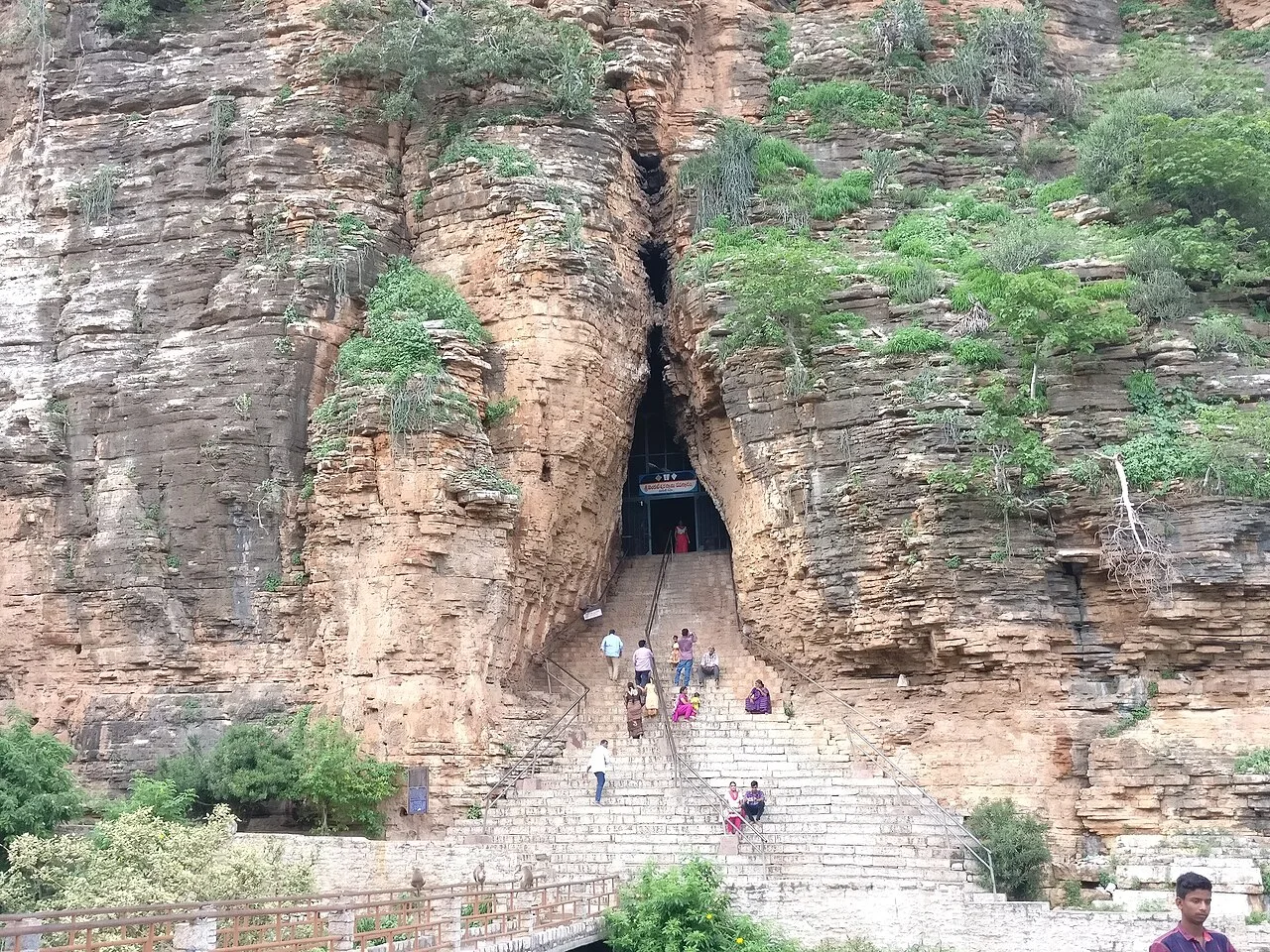
Yaganti temple, near Banaganapalli

City guide · Andhra Pradesh

Banaganapalli

Banaganapalli is a small town in Andhra Pradesh’s Nandyal district, about 38 km west of Nandyal. Its importance comes from a distinctive mix of agriculture, regional history and religious heritage.

Famous for

  • Banganapalle mangoes
  • Former princely-state capital
  • Banaganapalle Nawabs
  • Veerabrahmendra Swamy
  • Ravvalakonda hill
In the city
1
District
Nandyal

Why Banaganapalli matters

Banaganapalli is a small town in Andhra Pradesh’s Nandyal district, about 38 km west of Nandyal. Its importance comes from a distinctive mix of agriculture, regional history and religious heritage. The town’s name is closely associated with Banganapalle mangoes, a well-known cultivar that is also recognised under India’s Geographical Indications system. During the harvest season, the fruit draws attention to the area’s orchards and local produce trade.

Banaganapalli was also the capital of the princely state of Banganapalle for much of the period from 1790 to 1948. Traces of that political past sit alongside places associated with the saint and writer Pothuluri Veerabrahmendra Swamy, who is traditionally linked to Ravvalakonda hill near town. Visitors come for this heritage as well as for a quieter stop in the Nandyal region. The Srisailam Right Branch Canal passes nearby, and Banaganapalli forms part of a local cluster with Betamcherla and Koilakuntla. It remains a regional town rather than a large tourist centre, making its mango season and layered history its most distinctive draws.

Famous for: crafts, trade & products

The best-known product associated with Banaganapalli is its mango, particularly the Banganapalle cultivar. The fruit is prized for its size, firm flesh and sweet flavour, and is commonly sold fresh during the mango season, usually in the warmer months. Visitors can look for it at local fruit sellers and produce markets; availability varies with the harvest. The name is also used beyond the town, so a mango labelled Banganapalle is not necessarily grown locally.

The surrounding area has an agricultural economy, and local trade serves nearby towns and villages. Banaganapalli is not especially known as a centre for textiles, sarees or a named handicraft tradition, and there is no need to expect specialist craft markets. Instead, its identity is tied to regional produce and its historic role as the seat of a princely state. For a sense of everyday commerce, browse the town’s general markets and shops, where seasonal fruit and routine household goods are more likely finds than souvenirs. The nearby canal and agricultural landscape help explain the importance of farming to the area.

History

Banaganapalli’s recorded political history includes the conquest of its fort in 1601 by Sultan Ismail Adil Shah of Bijapur. Control passed through officials and local rulers; in the seventeenth century, Muhammad Beg Khan-e Rosebahani received the town and surrounding lands as a jagir. After his death, the estate passed to his adopted son Faiz Ali Khan Bahadur. The Mughal conquest of Bijapur in 1686 did not end the family’s position: intervention by Mubariz Khan helped secure Faiz Ali Khan’s fief.

The Nawabs of Banaganapalli later ruled a princely state, which retained its identity through the British era. The town served as its capital from 1790 until the state’s integration in 1948. This legacy remains central to Banaganapalli’s historical character, although it is now a town within Nandyal district rather than a seat of princely government. Its modern regional role is shaped more by local administration, road connections and agriculture, especially the mango trade, than by its former political authority.

Food, festivals & culture

Telugu is the principal language of everyday life in Banaganapalli. Urdu is also part of the area’s historical and cultural mix, reflecting the town’s long association with the Nawabs. Local meals follow the broader Rayalaseema and Andhra pattern: rice, lentils, vegetable dishes and boldly seasoned curries are common. Mangoes are a seasonal highlight, eaten fresh and used in household preparations when the crop is available; the town is not especially associated with a single signature sweet.

Hindu festivals such as Sankranti in January, Ugadi in spring and Dasara in autumn are observed in the wider region, while Muslim festivals are part of the town’s cultural calendar. The exact scale and customs vary among communities. Devotional practice is an important part of local life, including traditions connected with Pothuluri Veerabrahmendra Swamy. His writings, known as Kalagnanam, are associated with Ravvalakonda near Banaganapalli, and his ashram is a point of religious interest. Music and dance are largely part of wider Telugu and Andhra traditions rather than a distinct local performance style.

Visiting the city

The cooler months, roughly November to February, are generally more comfortable for exploring. April to June brings mango season, but temperatures are hotter. The nearest airport serving the area is Kurnool Airport at Orvakal; check current flight options before planning. Nandyal railway station is the main rail access point, about 38 km east of Banaganapalli. Road travel from Nandyal and nearby towns is the practical way to reach and get around the area; local taxis and autos may be available.

In town, explore the historic fort environs and the area associated with the former princely capital. The Veerabrahmendra Swamy ashram and Ravvalakonda hill, traditionally linked with his writings, are nearby places of interest. Local markets are worth a stop, especially during mango season. Ask locally about access and road conditions for sites outside the town centre.

Attractions

Places to visit in Banaganapalli

Sights within about 12 km of each other, even when they fall in different districts.

Map

Banaganapalli on the map

  1. 1Yaganti temple

Andhra Pradesh

Other cities to explore