
Ghumoopedia — Explore, Discover, Experience
Sign in
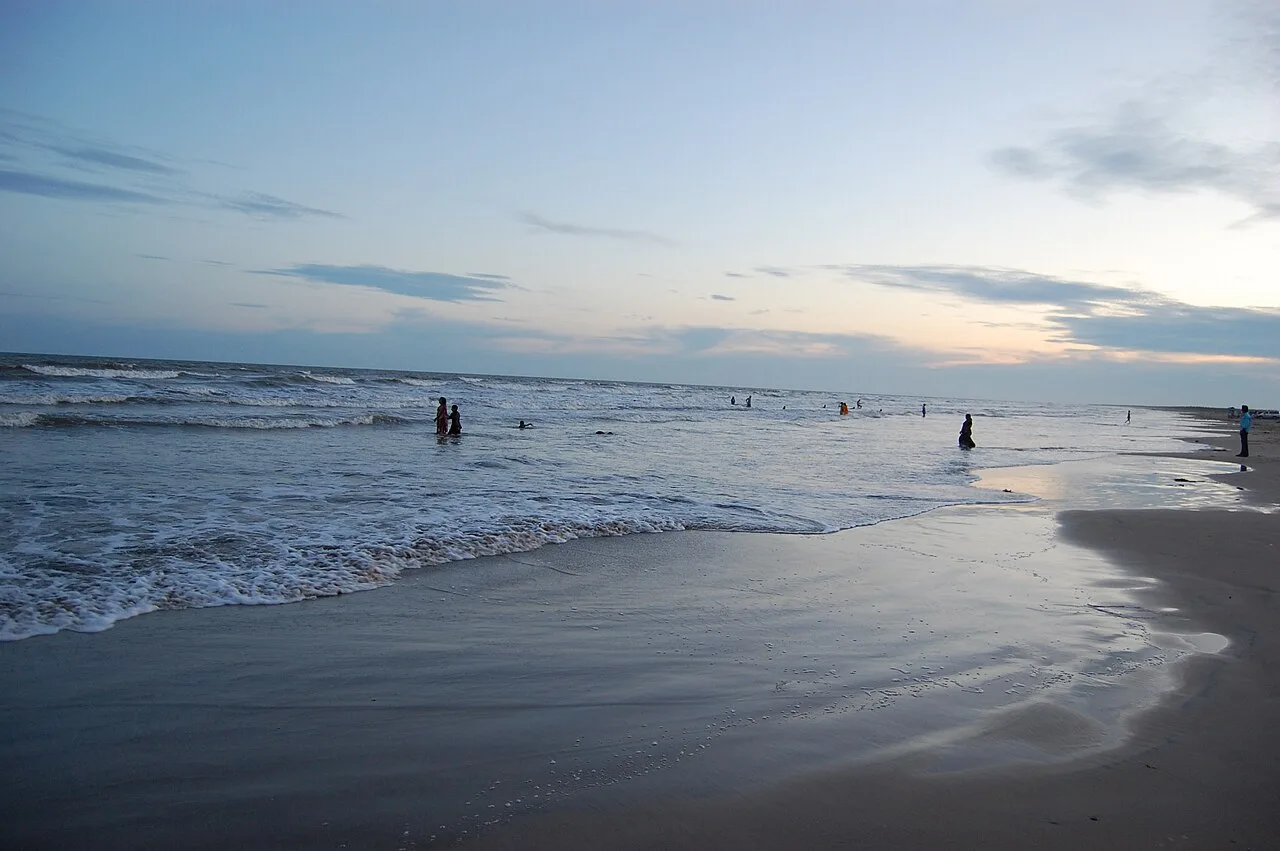
Manginapudi Beach, near Kanuru

City guide · Andhra Pradesh

Kanuru

Kanuru is a neighbourhood of Vijayawada in Andhra Pradesh’s Krishna district. Its importance today comes chiefly from its role in the expanding city and its concentration of educational institutions.

Famous for

  • Educational institutions
  • Vijayawada metropolitan growth
  • Access to Vijayawada
  • Andhra regional culture
In the city
1
District
Krishna

Why Kanuru matters

Kanuru is a neighbourhood of Vijayawada in Andhra Pradesh’s Krishna district. Its importance today comes chiefly from its role in the expanding city and its concentration of educational institutions. It is part of the wider Vijayawada metropolitan area, linking a growing residential and institutional district with one of the state’s main urban centres.

Kanuru is not usually a stand-alone sightseeing destination, but it offers a convenient base for exploring Vijayawada and the surrounding region. Visitors can reach the city’s major temples, markets and cultural attractions from here, while the Krishna River and the landscape around Vijayawada add to the area’s appeal. The neighbourhood is best known locally for education and urban growth rather than for a separate craft or historic monument. Its everyday character—busy roads, colleges and residential development—shows how Vijayawada is extending beyond its traditional central districts. For travellers, Kanuru is most useful as part of a broader Vijayawada visit, with city attractions and regional excursions within reach.

Famous for: crafts, trade & products

Kanuru’s clearest local association is with education: it is an important institutional and residential neighbourhood within Vijayawada. It is not especially known as a centre for a particular textile, handicraft or GI-tagged product, so visitors looking for a distinctive local craft bazaar should explore the wider city rather than expect one in Kanuru itself.

Vijayawada’s commercial areas offer clothing, textiles, household goods and everyday shopping, while the city provides access to products and crafts from across Andhra Pradesh. Kondapalli wooden toys, for example, are associated with Kondapalli rather than Kanuru; travellers interested in them can look for regional craft sellers in Vijayawada or visit the craft’s home area. Kanuru’s shops mainly serve neighbourhood needs, and its colleges and other educational institutions are more central to its identity than manufacturing or trade. For a broader shopping visit, explore Vijayawada’s established retail districts and ask locally about current craft displays or specialist sellers.

History

Kanuru’s development is closely tied to the growth of Vijayawada. The wider region has a long history shaped by the Krishna River and changing dynasties, including the Satavahanas and Eastern Chalukyas. Vijayawada later became an important settlement and commercial centre, and its position on major transport routes helped it expand during the colonial period. Rail connections and river crossings strengthened the city’s role as a regional hub.

Kanuru’s more recent story is one of outward urban growth. As Vijayawada expanded, residential areas and educational institutions spread into its surrounding neighbourhoods. This gradual change gave Kanuru a strong place in the city’s modern educational and suburban landscape. In 2017, a state government order included Kanuru within the Vijayawada metropolitan area, reflecting its growing connection to the wider urban region. Today, its identity is shaped less by a separate historic core than by its close relationship with Vijayawada and its ongoing development.

Food, festivals & culture

Telugu is the principal language of everyday life in Kanuru and Vijayawada; English is also used in educational and professional settings. Food reflects the broader Andhra tradition, with rice-based meals, lentils, vegetable curries, pickles and spicy preparations common in local eateries. Breakfast favourites around the city include pesarattu and idli, while tea shops and bakeries serve snacks and sweets. Kanuru does not have a widely recognised signature dish of its own, but Vijayawada offers a broad range of regional food.

Ugadi, the Telugu New Year in spring, and Sankranti in January are widely celebrated, often with family gatherings and seasonal customs. Dasara, usually in September or October, is especially prominent in Vijayawada, where the Kanaka Durga Temple on Indrakeeladri draws devotees. Religious life includes Hindu temples as well as churches and mosques across the urban area. Telugu music and dance traditions are part of the region’s cultural life, while performances and celebrations are more often encountered in the wider city than in Kanuru alone.

Visiting the city

The cooler months, roughly October to February, are generally the most comfortable time to visit. Kanuru is served by Vijayawada International Airport at Gannavaram, while Vijayawada Junction is the main railway station for the city. From either, visitors can continue by taxi or other local transport.

Buses, auto-rickshaws and app-based or hired cars are practical ways to get around, though travel times vary with traffic. Kanuru works well as a base for visiting central Vijayawada, including the Indrakeeladri area and the city’s shopping districts. Explore Kanuru itself for its educational institutions and suburban streets, then venture toward the city centre for markets, temples and riverfront views. For trips beyond Vijayawada, local transport operators can advise on suitable connections.

Attractions

Places to visit in Kanuru

Sights within about 12 km of each other, even when they fall in different districts.

Map

Kanuru on the map

  1. 1Manginapudi Beach

Andhra Pradesh

Other cities to explore