
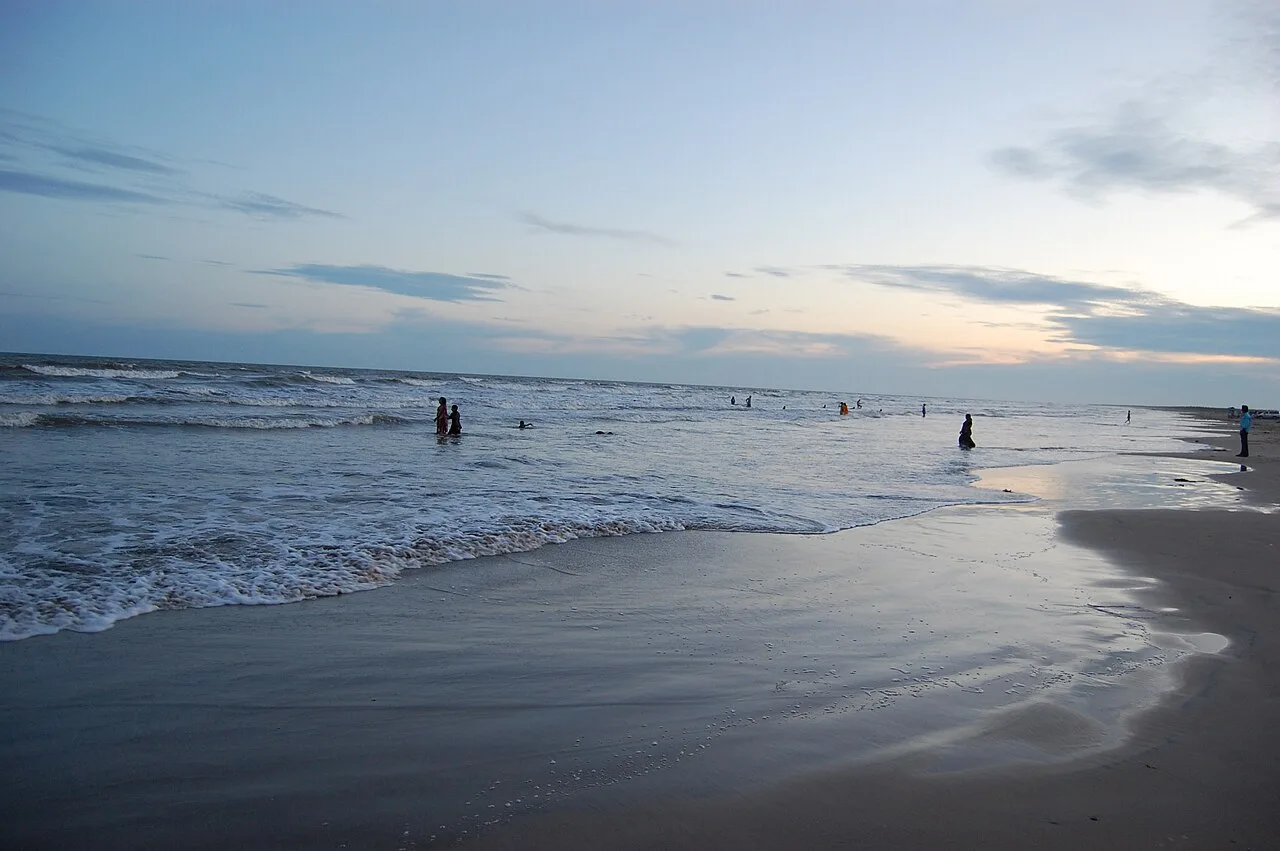
Manginapudi Beach
Manginapudi Beach is a coastal destination in Krishna district, Andhra Pradesh, where visitors can spend time beside the Bay of Bengal. It is 11 km (6.8 mi) from Machilipatnam.
Key facts · verified by Ghumoopedia editors
- Type of place
- Natural attraction
- Best time to visit
- November to February; Araku and Horsley Hills are pleasant for much of the year
- Nearest railway station
- Vijayawada Junction · about 73 km (straight line)
- Nearest airport
- Vijayawada (Gannavaram) Airport · about 57 km (straight line)
- Verified
- 21 Nov 2026
Plan a trip from Manginapudi Beach — a day-by-day route through places nearby.
Manginapudi Beach lies in Krishna district, in the state of Andhra Pradesh. The Bay of Bengal gives the beach its coastal setting, making it a place for visitors seeking time by the water. Machilipatnam is 11 km (6.8 mi) from the beach. This distance places Manginapudi near the city, while the beach remains part of Krishna district’s coastline. The state tourism board, APTDC, maintains the beach. Its main identifying features are its seaside position, its location in Andhra Pradesh, and its distance from Machilipatnam. Andhra Pradesh stretches from the beaches and harbour hills of Visakhapatnam through the lush Godavari–Krishna delta to the sacred hills of Tirumala and the granite gorge of Gandikota, with ancient Buddhist sites at Amaravati and Nagarjunakonda, the forts of Kondaveedu and Chandragiri and the cave systems of Belum and Borra. The coast is hot and humid from March to June, the southwest monsoon brings rain from June to September, and October to December can bring cyclones off the Bay of Bengal. The pleasant season is November to February; the Eastern Ghat hills around Araku stay cooler. The usual best time to visit is November to February; Araku and Horsley Hills are pleasant for much of the year. Timings, fees and access arrangements must be confirmed locally. For official information, see Andhra Pradesh Tourism at https://aptourism.gov.in.
Why it matters
Manginapudi Beach is a coastal destination on the Bay of Bengal in Krishna district, about 11 km from Machilipatnam. Its importance is mainly local and regional: it offers residents and visitors a seaside outing close to the district’s principal town, and can be combined with visits to places around Machilipatnam. The existing destination guide identifies the Andhra Pradesh Tourism Development Corporation (APTDC) as responsible for maintaining the beach; visitors should check locally for current management and facilities. No UNESCO World Heritage status or ASI-protected designation for the beach is established here. As with other exposed Bay of Bengal shores, its appeal comes with the need to heed local advice about tides, currents and safe areas.
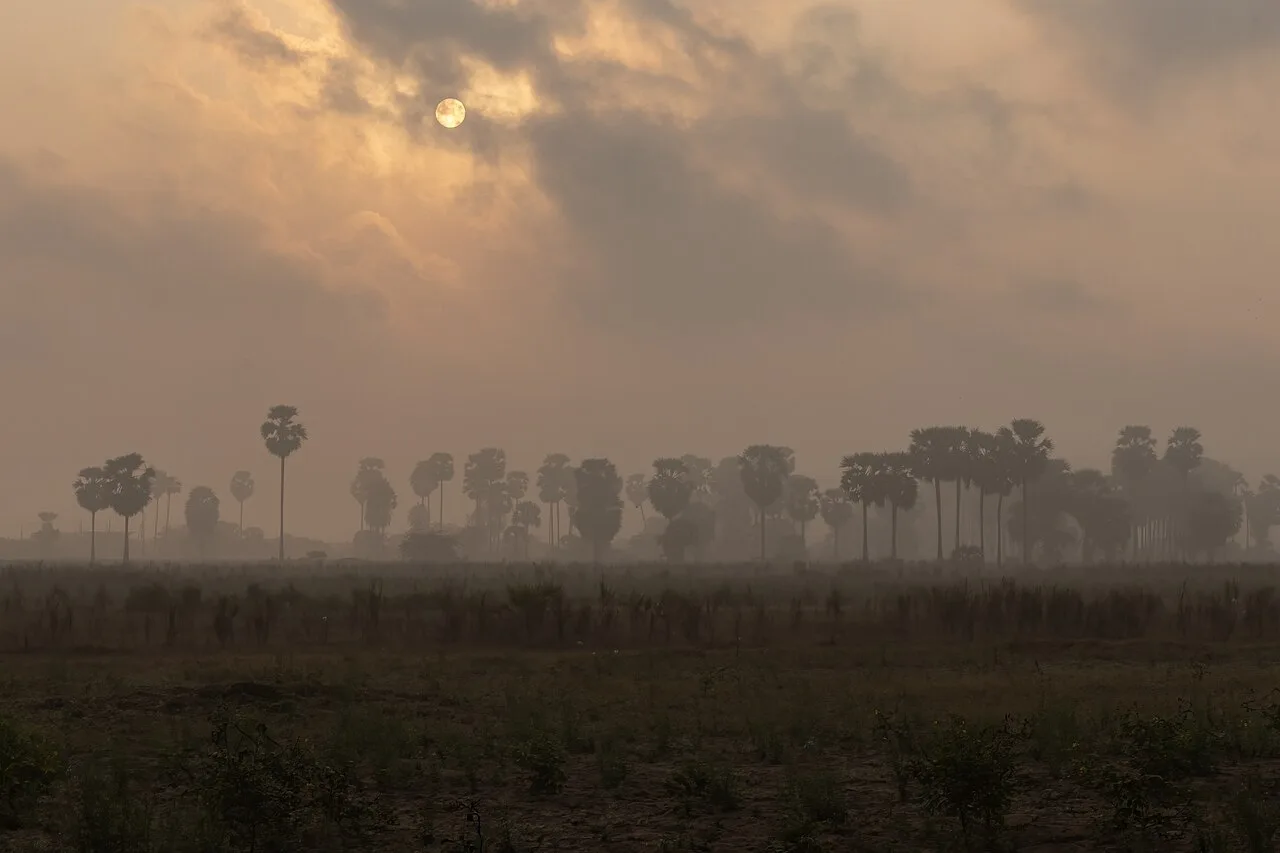
The beach lies within the wider coastal setting of Machilipatnam, a port town with a long history of maritime trade. Historical accounts of Machilipatnam describe its role in regional commerce and its connections with European trading powers in the early modern period. That history belongs to the town and coast as a whole; it should not be taken as evidence that the present beach itself was a major port or has a documented founding date. Published accounts of Manginapudi Beach provide limited detail about when it first became a recreational destination or how its shoreline has changed over time. Its present identity is chiefly that of a public seaside attraction near Machilipatnam. The existing guide says APTDC maintains the beach, reflecting its place in Andhra Pradesh’s tourism offer. As with many coastal sites, shore conditions can change with seasons, tides and weather, so older descriptions may not reflect current access or facilities. There is no well-established record of a major restoration project or a specific historic structure on the beach. For its wider historical context, visitors can explore Machilipatnam’s documented maritime past and nearby heritage sites.
Origin stories & folklore
Local stories about the sea, fishing grounds and coastal life may be shared within families and communities, but visitors should treat such accounts as local tradition rather than verified history. The wider Krishna delta has strong religious and cultural associations, and some nearby temples have their own traditions; these should not be transferred to the beach without evidence. If residents share a story, listen respectfully and ask whether it is appropriate to record or photograph. The shoreline is also a working and changing natural environment, not only a setting for folklore.
Enjoy Manginapudi Beach early in the morning or at sunset, when the sand is cooler and the light is best. Swim only where lifeguards are posted — the Bay of Bengal and the Arabian Sea both have strong rip currents, and several famous city beaches (such as Marina) are unsafe for swimming. Agree boat, taxi and water-sports prices before you start, and never leave valuables unattended on the sand. A comfortable itinerary is one main visit in the morning, a local meal at midday and a short nearby stop before an afternoon return. Use the district list on this site to find other places in Krishna, but check the route and its condition before combining stops. If a festival is on — such as the Tirumala Brahmotsavam, the Godavari and Krishna Pushkarams, Sankranti or the Visakha Utsav — roads and stays can be busy, and the experience can be unforgettable. Leave no litter: many sites are protected by the communities around them.
Suggested itineraries
Half day: Travel from Machilipatnam, spend a relaxed morning or late afternoon on the beach, take a break for a local meal, then return. Full day: Visit the beach in the cooler part of the day, return to Machilipatnam for lunch, explore a town attraction or market, and head back before evening travel becomes difficult. Gentler option: Arrange a drop-off close to a suitable viewing point, enjoy a short seated visit, and avoid walking far over soft sand.
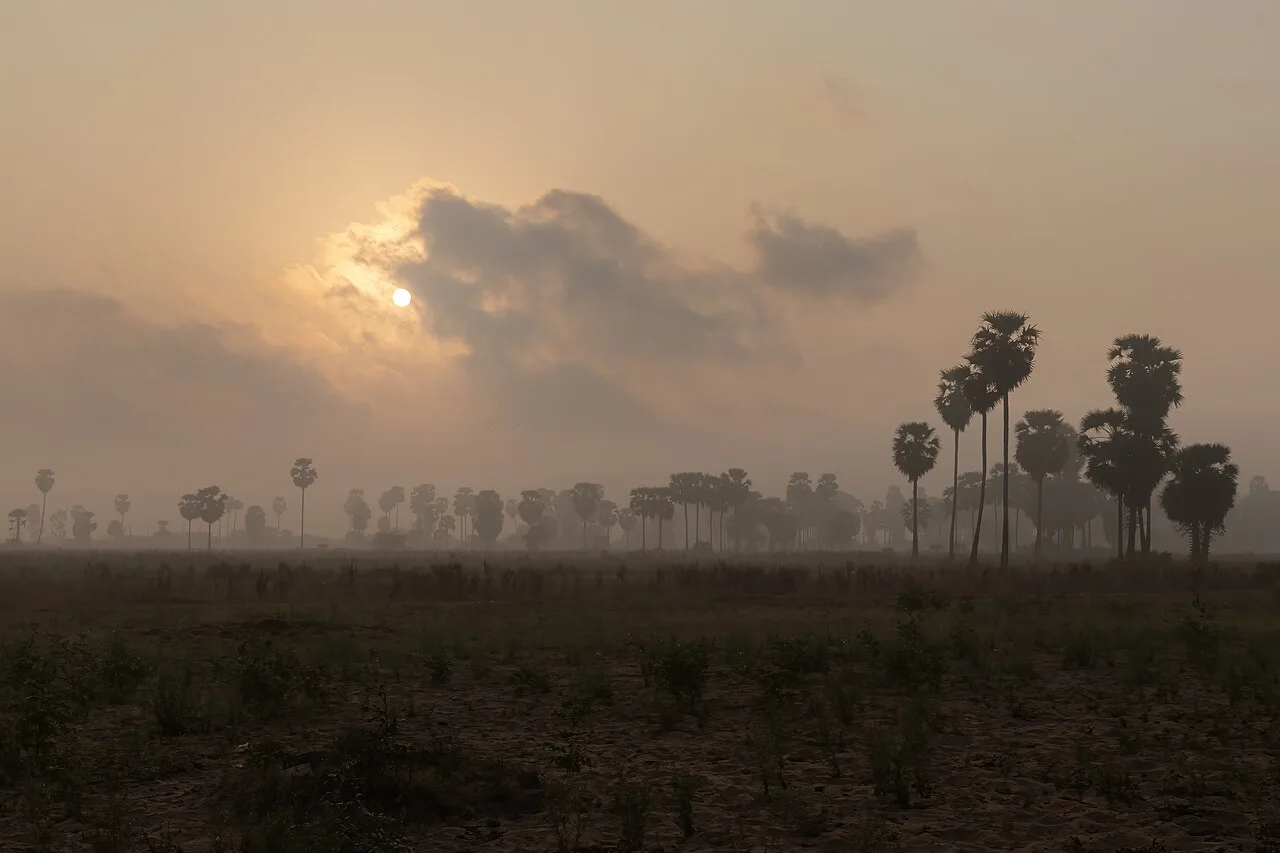
Telugu is the principal language of the surrounding region, and visitors may also hear other languages from domestic travellers. Everyday culture here is connected to Machilipatnam and the Krishna coast: family outings, seafood and other local foods, and the livelihoods of coastal residents shape the visitor experience. Hindu festivals such as Sankranti are widely observed in the region, alongside celebrations in local temples and neighbourhoods. There is no single dress code for the beach, but modest, practical clothing is considerate around town and religious sites. Music, dance and performances may feature at public or festival events, though programmes vary and should not be assumed to take place on every visit.
Local communities
People connected with the beach include residents of Machilipatnam and nearby settlements, local vendors, tourism and transport workers, and fishing households along the coast. Fishing is an important livelihood in the wider coastal area, alongside trade, services and other work in the town. The beach may be both a leisure space and part of a lived coastal landscape; visitors should avoid obstructing boats, gear or work areas and should ask before photographing individuals. Local residents are the best source of current advice about sea conditions and access. Do not assume that every person on the shore is working in tourism or available to provide directions or services.
Festivals & events
Sankranti, usually celebrated in January, is an important seasonal festival across Andhra Pradesh and may bring more visitors to coastal destinations and nearby towns. Machilipatnam and surrounding communities also observe religious festivals and temple events at different times of year; their schedules and scale vary. The beach may be busier on public holidays, weekends and during organised local events, but a regular beach festival or fixed annual programme should not be assumed. Crowds can affect road access, parking and the availability of food or transport. Check local announcements before travelling and allow extra time if a festival or public event is taking place.
Local food in Andhra Pradesh includes Andhra meals on a banana leaf with fiery gongura and avakaya pickles, pesarattu with upma, pulihora, Rayalaseema ragi sangati, fresh seafood along the coast, bandar laddu and pootharekulu sweets, and Tirupati laddu prasadam. Ask what is fresh that day; many small eateries cook a limited daily menu. Andhra food is famously spicy — ask for 'medium' if you are unsure, and cool down with curd rice. In Tirupati and other temple towns the food is strictly vegetarian. Remote sites may have no restaurant at all. Carry water and snacks, eat a proper breakfast before long drives, and ask your accommodation for a packed lunch if you are heading out early. Try a home-cooked or local thali meal when you can — it is often the best food on the route. Choose busy, clean places, drink sealed or filtered water, and carry your packaging back with you.
Shopping & local experiences
For everyday purchases, Machilipatnam has more options than the beach itself; availability of stalls at the shore can vary. Visitors can look for local snacks, seasonal produce and seafood dishes at established eateries, asking about ingredients and preparation where needed. Machilipatnam is also associated with Kalamkari textile work, but confirm the origin and authenticity of items rather than assuming every product sold locally is made nearby. Small souvenirs and refreshments may be offered by vendors, especially on busy days. Buy respectfully, agree on what is being purchased before a service or activity, and avoid collecting shells, plants or other natural material from the shore.
Manginapudi is an open shoreline on the Bay of Bengal, in the coastal landscape of Krishna district. The beach experience is shaped by the meeting of land and sea, changing tides, wind and seasonal weather. Shoreline conditions and the firmness of sand can vary, so take care when walking close to the water. The wider district forms part of the Krishna delta region, where wetlands and agricultural landscapes occur, but habitats vary by location and should not be assumed to be present right beside the beach. Coastal birds may be seen in the area, though sightings depend on season and conditions; no particular species is guaranteed. The Bay can have strong currents. Do not enter the water unless local safety guidance permits it, and follow lifeguard instructions where lifeguards are present.
November to February; Araku and Horsley Hills are pleasant for much of the year
The nearest principal railway station by straight-line distance is Vijayawada Junction, roughly 73 km away. The nearest operating airport by straight-line distance is Vijayawada (Gannavaram) Airport, roughly 57 km away. These figures are calculated from map coordinates — actual road distance is longer. Visakhapatnam, Vijayawada and Tirupati are the main rail and air gateways; Rajahmundry serves the Godavari districts, and Renigunta is the railhead for Tirumala. APSRTC buses connect the district towns, and shared autos cover the last stretch to most temples and beaches; for Papikondalu and Araku, book the packaged boat or road trip from Rajahmundry or Visakhapatnam. When comparing train, bus and flight, count the complete door-to-door time: a flight saves the most time only if the onward road transfer is short, while an overnight train can save a hotel night. Book your return before you leave, because seats fill quickly on weekends, festivals and holidays. Current train numbers, timings, return services and fares are not listed here; check IRCTC and NTES for trains and the airline's own schedule for flights. No permit is needed to visit Andhra Pradesh. For Tirumala, book darshan in advance on the official TTD website — Special Entry Darshan tickets sell out weeks ahead, and the free sarva darshan queue can take many hours; the TTD dress code (dhoti or kurta-pyjama for men, saree or salwar for women) is enforced inside the temple. Forest areas such as Papikondalu and Maredumilli may need forest-department entry permission, and boats on the Godavari are run by licensed operators.
Confirm onward and return timings on IRCTC / NTES, the state bus operator or your airline before travel. A dash means current timings or fares have not been verified.
Getting around
Machilipatnam is the usual base for reaching the beach, which the guide places about 11 km away. Local autos and taxis can make the onward trip; agree the destination and return arrangements before leaving town. Ask locally whether a bus serves the route and where to board, as services and stopping points may vary. Walking is practical on the beach itself only for visitors comfortable with sand, heat and changing shore conditions. Check where vehicles may be parked and avoid blocking access for residents or emergency services. Boat rides or water activities should not be assumed to operate; use only locally authorised services and follow safety advice.
Hours, tickets & permissions
Entry rules, operating arrangements and any event restrictions can change. There may be no formal ticket gate for ordinary beach access, but do not assume that every area or activity is unrestricted. Special events, maintenance or safety conditions may affect access, and separate rules may apply to organised activities or photography. No camera fee or permit requirement is confirmed here. Check current hours, fees and rules with the managing authority or local officials before setting out. Follow notices on the beach, keep clear of restricted work areas, and ask before using equipment such as a drone.
Facilities
Facilities at the beach can vary with season, maintenance and visitor numbers. There may usually be basic food stalls or refreshments and places to park, but availability, cleanliness and operating status should be checked locally. Toilets and drinking water may be available in the vicinity, though visitors should not rely on them without confirming. Machilipatnam is more likely to have a wider choice of meals, shops, cash services and accommodation. Guides are not necessarily available for a simple beach visit. Carry drinking water, sun protection and any essential medicines, and take rubbish back to an appropriate bin or disposal point.
Accessibility
The beach surface is sand, which can be soft and uneven, and access from a vehicle or road may involve walking across it. No step-free route, beach matting, accessible toilet or wheelchair facility is confirmed here, so wheelchair users and visitors with limited mobility should check arrangements before travelling. Strollers can also be difficult to push on loose sand. Shade may be limited on the open shore; plan rests and protection from sun and heat. Older visitors may find a short visit near a convenient drop-off easier than walking along the waterline. Tides and wet sand can change the safest route, so seek local advice.
No permit is needed to visit Andhra Pradesh. For Tirumala, book darshan in advance on the official TTD website — Special Entry Darshan tickets sell out weeks ahead, and the free sarva darshan queue can take many hours; the TTD dress code (dhoti or kurta-pyjama for men, saree or salwar for women) is enforced inside the temple. Forest areas such as Papikondalu and Maredumilli may need forest-department entry permission, and boats on the Godavari are run by licensed operators. Carry a photo ID at all times and save the emergency number 112 and your accommodation's contact offline. The sea is the main risk: obey lifeguard flags, never swim where boards warn of currents (many city beaches are no-swimming zones), and avoid the water during the monsoon and cyclone warnings. Stay on marked paths, keep away from cliff edges and fast water, and never approach wild animals.
Photography
Early morning and sunset often give softer light and more comfortable conditions for photographing the shore. Look for compositions from stable, publicly accessible parts of the beach, while keeping a safe distance from waves and wet, unstable edges. Ordinary personal photography is generally suitable in public areas, but follow any posted restrictions and ask permission before making close portraits of people. Avoid photographing work areas in a way that interferes with residents or fishers. Drone rules can change and may require permissions; do not fly near crowds, restricted sites or aircraft routes, and confirm current regulations before use.
Choose a stay by the full journey to Manginapudi Beach, not just the district name. Visakhapatnam, Vijayawada and Tirupati offer the widest choice; Araku has AP Tourism resorts and tribal homestays, and Rajahmundry is the base for Godavari cruises. In summer, check air-conditioning; in the monsoon, check that the property is accessible if roads flood. Book in advance for weekends, festivals and the peak season (November to February; Araku and Horsley Hills are pleasant for much of the year). Confirm the exact location, meals included, check-in time and cancellation terms in writing. Avoid sending money to unverified contacts or touts at stations. Carry some cash, as card and digital payments can be unreliable in remote areas.
Machilipatnam is the most practical nearby town for meals, services and a wider exploration of the district. The town’s Panduranga Swamy Temple is a possible cultural stop; visitors should check current access and observance rules. Hamsaladeevi, on the Krishna coast, is associated with the river’s meeting with the Bay of Bengal and can be considered as a separate excursion after checking road conditions and local access. Ghantasala is known for its Buddhist archaeological remains, while Mopidevi is associated with the Subramanya Swamy Temple. These places are not all immediate beach-side stops, so check routes and travel time before combining them in one day.
For couples, Manginapudi Beach rewards a slow pace: arrive early for soft light and fewer crowds, share a local meal and keep the evening free. A sunrise over the Araku valley, a Godavari cruise at dusk from Rajahmundry or a walk along Rushikonda beach makes the trip memorable. Public displays of affection can be frowned upon in conservative communities and at religious sites, so be discreet. Keep a buffer in your itinerary, because weather and road conditions can delay plans.
Q: How much time should I allow for Manginapudi Beach? A: A few relaxed hours can suit a beach visit; allow extra time if travelling from Machilipatnam or combining it with other stops. Q: What is a good season to visit? A: November to February is generally the more pleasant period in coastal Andhra Pradesh. Check weather and sea conditions before travel, especially during the monsoon and cyclone season. Q: Is there an entry ticket? A: No ticket requirement is confirmed here. Rules can change, so check current access arrangements and any fees with the managing authority or locally. Q: Is the beach suitable for children and elderly visitors? A: Families can enjoy a shore visit, but supervise children closely near the water. Soft sand, heat and uneven access may make walking difficult for some older visitors. Q: Where should I stay nearby? A: Machilipatnam is the practical base for the beach. Check current accommodation availability and transport arrangements before booking.
Be the first to share photos, stories, advice or a helpful contact for Manginapudi Beach.
Loading…