
Ghumoopedia — Explore, Discover, Experience
Sign in
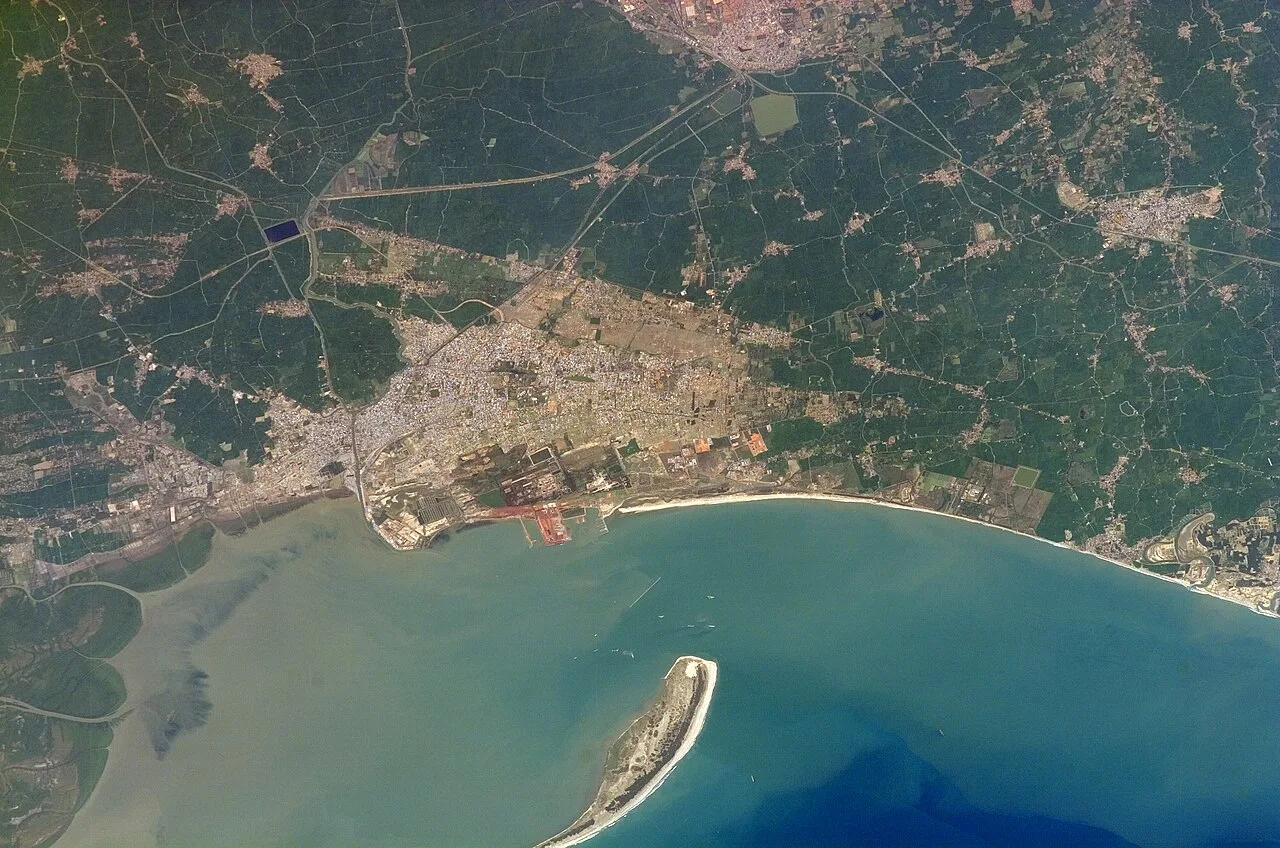
Hope Island, Kakinada, near Kakinada

City guide · Andhra Pradesh

Kakinada

Kakinada is a coastal port city on the Bay of Bengal and the administrative headquarters of Kakinada district. Its harbour and industries make it an important centre for trade, energy and manufacturing in the Godavari region.

Famous for

  • Kakinada Kaja sweets
  • Uppada Jamdani sarees
  • Coringa mangrove sanctuary
  • Hope Island
  • Bay of Bengal port
  • Fertilizer and energy industries
In the city
1
District
Kakinada

Why Kakinada matters

Kakinada is a coastal port city on the Bay of Bengal and the administrative headquarters of Kakinada district. Its harbour and industries make it an important centre for trade, energy and manufacturing in the Godavari region. Fertilizer production, edible-oil refining, natural-gas activity, food processing and power generation contribute to the local economy, while colleges and technical institutions give the city a strong educational role. Kakinada was also selected for India’s Smart Cities Mission.

Visitors come for the city’s seaside setting, its food and its access to natural attractions. Hope Island lies off the coast, while Coringa Wildlife Sanctuary protects extensive mangrove habitat near the Godavari estuary. The city is associated with Kakinada Kaja, a well-known local sweet, and is a convenient base for exploring nearby coastal and river landscapes. Its orderly street layout and measured pace have also earned it the informal nickname “Pensioners’ Paradise.” Kakinada’s appeal lies in this mix of working port, regional hub and gateway to the coast.

Famous for: crafts, trade & products

Kakinada’s best-known food product is Kakinada Kaja, a syrup-soaked sweet sold by sweet shops across the city. It is a popular edible gift to take home. The city is also a place to shop for regional foods and everyday goods in its central commercial streets and main markets. Seafood and products connected with the wider Godavari region reflect the importance of fishing, aquaculture and agriculture in the local economy.

Kakinada is not itself a major saree-weaving centre, but it is a useful place to look for nearby regional textiles. Uppada, on the coast north of the city, is known for Uppada Jamdani sarees, a GI-tagged handloom product. These can be sought at handloom outlets and textile shops in Kakinada or bought in Uppada. The city’s industrial identity is shaped by fertilizer plants, edible-oil refineries, natural-gas operations, food processing and power generation, supported by its port and links to the Krishna-Godavari Basin. Its educational institutions include Jawaharlal Nehru Technological University, Rangaraya Medical College, Andhra Polytechnic and an Indian Institute of Foreign Trade campus.

History

Kakinada’s history is closely connected to nearby Coringa, once a busy port and shipbuilding centre on a branch of the Godavari. Repeated coastal disasters and the silting of the river mouth weakened Coringa’s harbour. The devastating cyclone of 1839 was a major blow, and trade increasingly shifted to Kakinada, then known to Europeans as Cocanada. Dutch traders had earlier established a settlement at Jaggernaickpuram, now part of the city; British control followed after a period of Dutch and British contest for the coast.

Kakinada became the headquarters of Godavari district in 1859 and developed as a port for regional exports, including cotton during the American Civil War. A municipality was established in 1866, and steamship links helped connect the port with other major coastal cities. The city also became associated with the Buckingham Canal’s trade route. After independence, Cocanada was officially renamed Kakinada. In recent decades, port-linked industries, energy activity and educational institutions have expanded its role as a regional centre.

Food, festivals & culture

Rice-based meals, seafood and Andhra-style cooking are part of everyday food culture in Kakinada. The city’s signature treat is Kakinada Kaja, a crisp, layered sweet soaked in syrup; sweet shops make it easy to find. Coastal fish dishes are also common, while nearby villages and towns contribute to the wider region’s varied food traditions.

Telugu is the principal language, with English used in education and business and other languages heard across the city. Sankranti, celebrated in January, is an important harvest festival; Ugadi falls in March or April, while Dasara and Diwali are usually observed in autumn. Ganesh Chaturthi is also celebrated. Hindu temples, mosques and churches serve the city’s diverse communities. Kuchipudi, classical music and Telugu film culture are part of the broader Andhra cultural landscape, and festivals often bring devotional music and community performances into public spaces.

Visiting the city

The cooler, drier months from October to February are generally the most comfortable time to visit; summers are hot and humid, and the coast can be affected by monsoon weather. The nearest commercial airport is Rajahmundry Airport. Kakinada Town railway station is the main station for rail journeys into the city.

Auto-rickshaws, local buses and taxis are useful for getting around. Explore the central market streets for shops and sweets, and visit Jagannaickpuram for a glimpse of the city’s older urban fabric. The seafront and Kakinada Beach offer a coastal break; nearby Sarpavaram is known for its temple. Coringa Wildlife Sanctuary and Hope Island are popular excursions, but access and conditions can depend on weather and local arrangements. Uppada is another nearby stop for handloom sarees and a coastal drive.

Attractions

Places to visit in Kakinada

Sights within about 12 km of each other, even when they fall in different districts.

Map

Kakinada on the map

  1. 1Hope Island, Kakinada

Andhra Pradesh

Other cities to explore