Ghumoopedia — Explore, Discover, Experience
Sign in
Bapu Museum, near Vijayawada

City guide · Andhra Pradesh

Vijayawada

Vijayawada is a major commercial and transport hub in Andhra Pradesh, set on the banks of the Krishna River within the state’s capital region. Its location between the river and the Eastern Ghats has helped it grow as a centre for trade, education and travel.

Famous for

  • Kanaka Durga Temple
  • Krishna River and barrage
  • Nunna mango trade
  • Kondapalli wooden toys
  • Mangalagiri textiles
In the city
6
Districts
NTR, Krishna

Why Vijayawada matters

Vijayawada is a major commercial and transport hub in Andhra Pradesh, set on the banks of the Krishna River within the state’s capital region. Its location between the river and the Eastern Ghats has helped it grow as a centre for trade, education and travel. Vijayawada is also the administrative headquarters of NTR district and an important link between coastal Andhra and inland parts of the state.

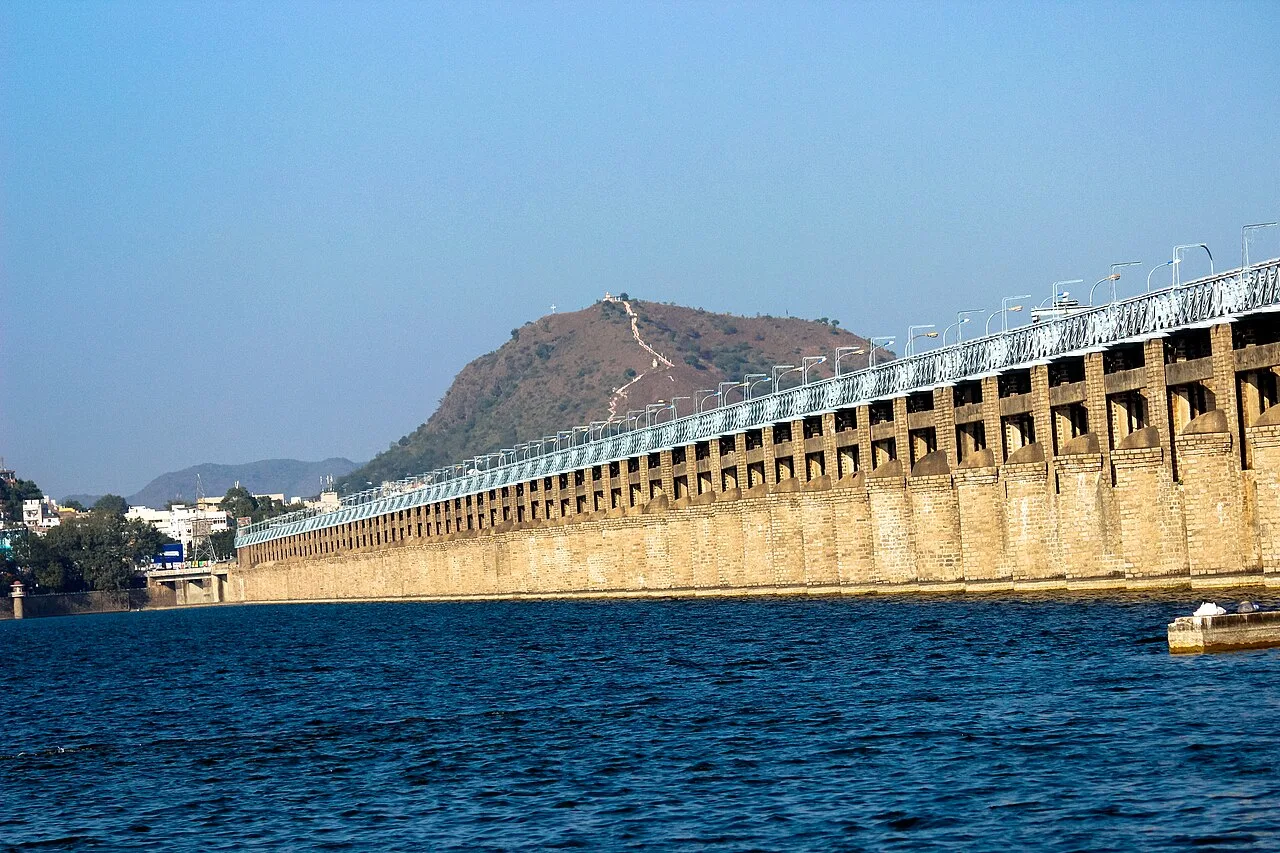
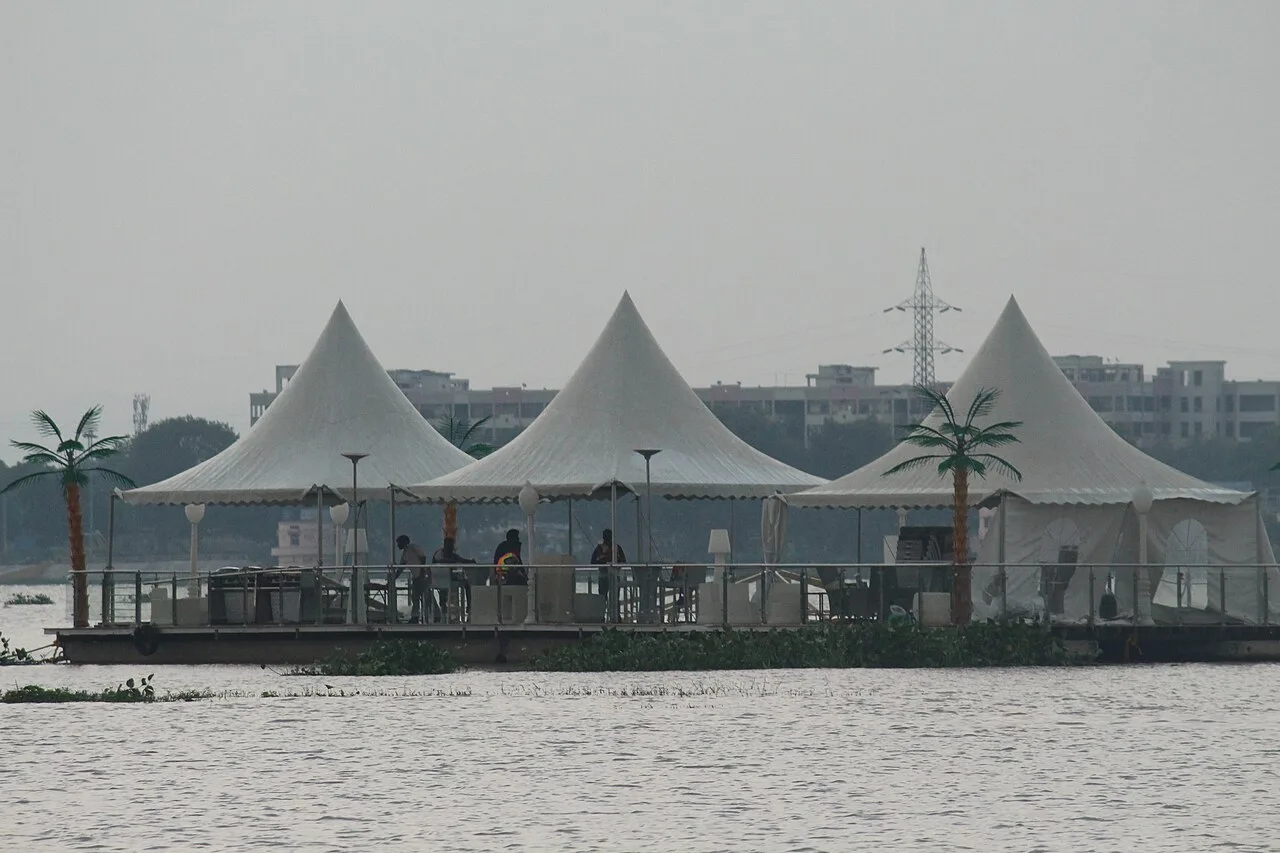
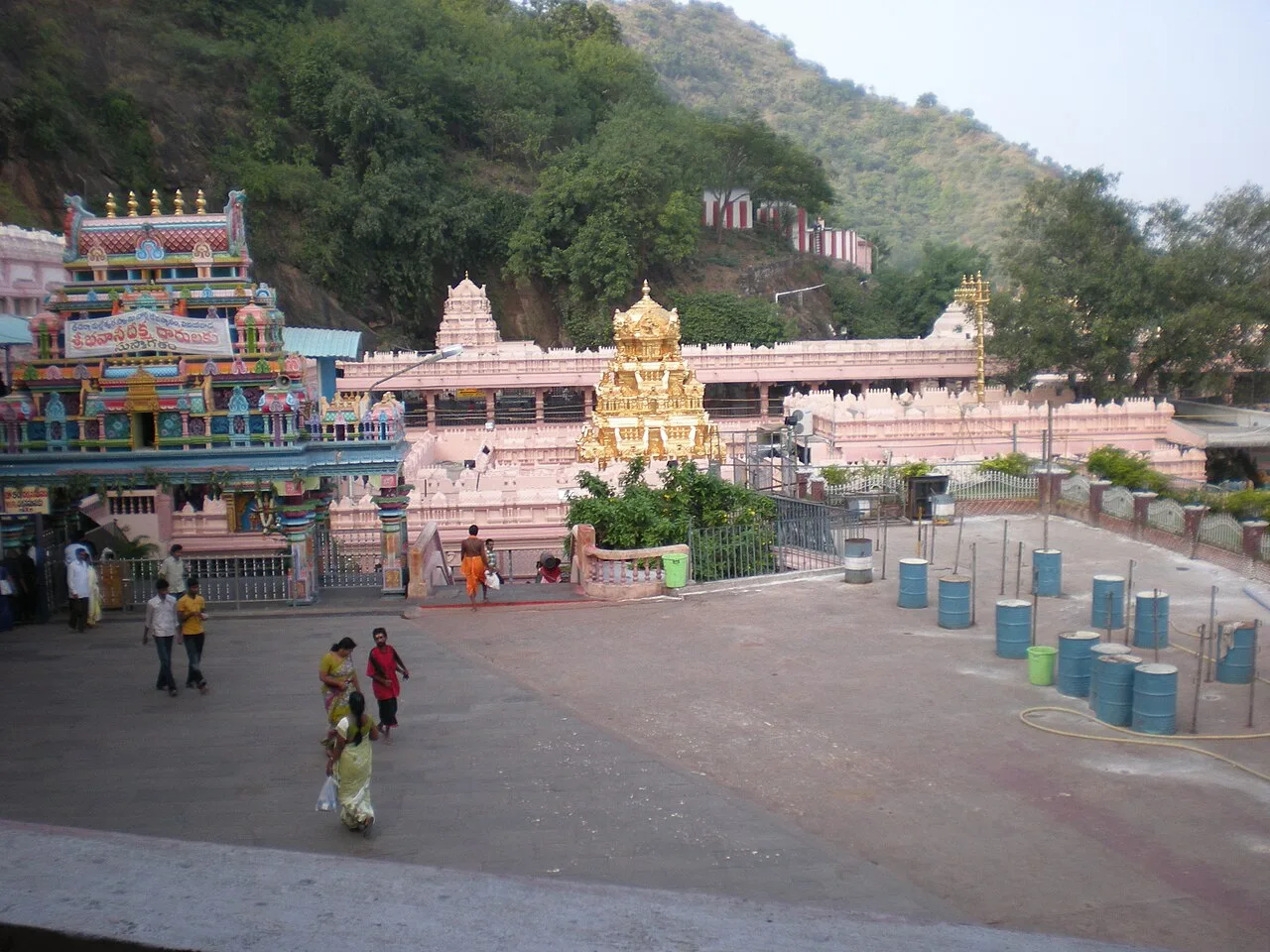
The city’s best-known landmark is Kanaka Durga Temple, which stands on Indrakeeladri Hill and draws pilgrims throughout the year, especially during the autumn Dasara festival. The Krishna riverfront, Prakasam Barrage and nearby islands offer a different perspective on the city. Vijayawada is also a gateway to regional attractions such as the Kondapalli toy-making village and Mangalagiri’s textile shops. Its busy markets reflect the area’s agricultural wealth, particularly the seasonal trade in mangoes from Nunna and surrounding growing districts. For visitors, the appeal lies in the combination of pilgrimage, river scenery, regional food and easy connections across Andhra Pradesh.
Famous for: crafts, trade & products

Vijayawada is closely associated with the trade in mangoes grown around Nunna, Nuzvid and other nearby areas. Banganapalle, Totapuri and other regional varieties appear in markets during the mango season; Nunna is especially known as a wholesale trading centre. For everyday shopping, Besant Road and the One Town market area have a broad mix of clothing, jewellery, household goods and food shops.

The city also provides access to two notable regional crafts. Kondapalli, west of Vijayawada, is known for light wooden toys painted in bright colours, while Mangalagiri, southeast of the city, is a centre for handwoven cotton sarees and fabrics. Both are recognised craft traditions, and visitors can look for them in their respective towns as well as in Vijayawada’s textile and handicraft shops. Vijayawada itself has a strong trading and service economy, with commercial activity in textiles, jewellery and agricultural goods, alongside workshops and manufacturing in areas such as Auto Nagar. The city is a useful base for exploring these nearby producers, but their best-known products are made in the surrounding towns rather than exclusively within Vijayawada.

History

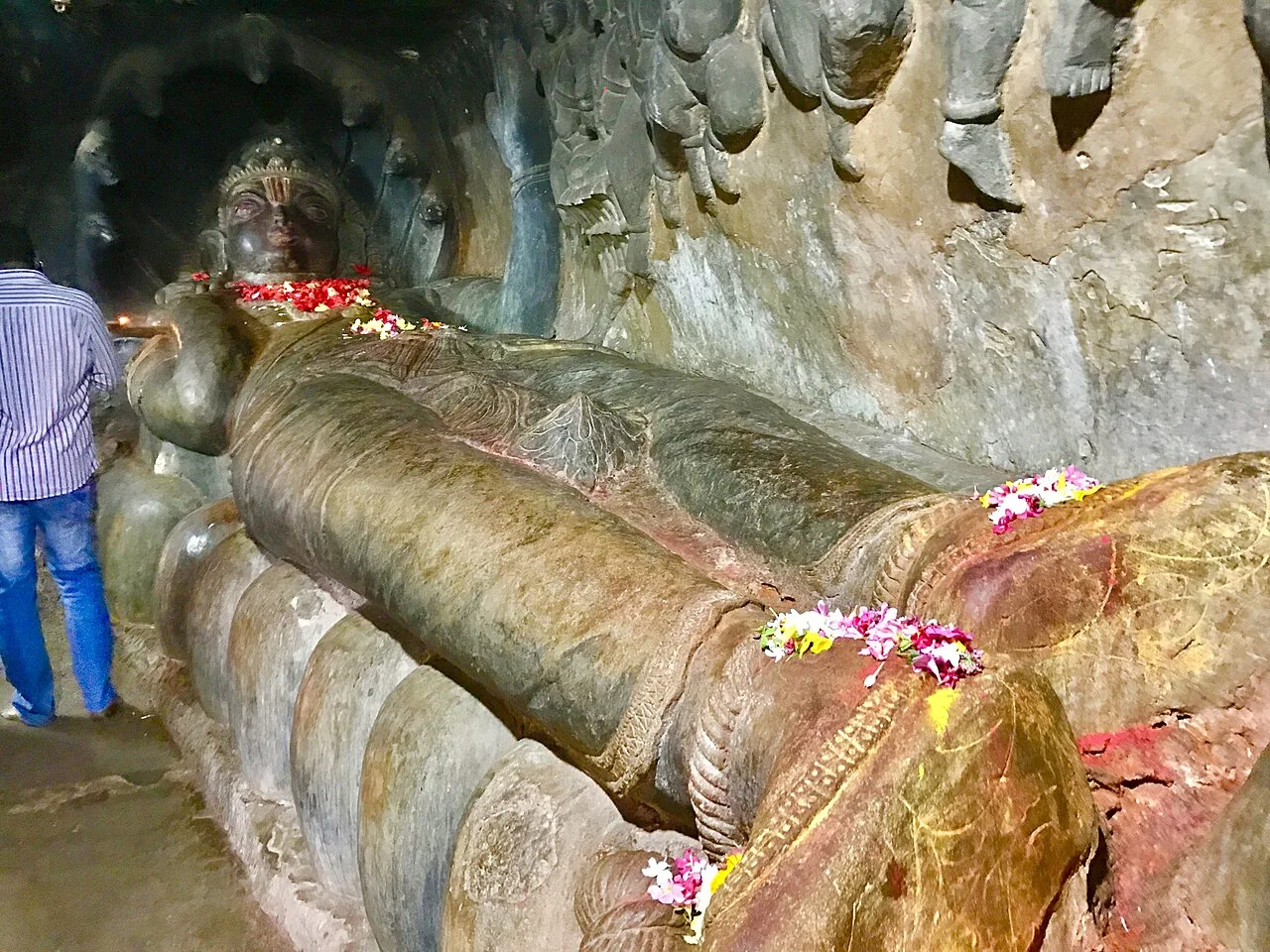
The settlement, historically known as Bezawada, developed on the Krishna River at a natural crossing and along routes connecting the coast with the interior. Hindu traditions link Indrakeeladri Hill with Arjuna’s penance and the goddess Durga’s victory over Mahishasura; these stories are part of the city’s religious identity. The area was governed at different times by regional dynasties, including the Vishnukundinas and Eastern Chalukyas. Rock-cut shrines at Mogalarajapuram and inscriptions near the river and hill attest to its long history of worship and settlement. The region also came under the Qutb Shahi rulers, during whose period diamond mining took place in parts of the Krishna valley.

Under British rule, Vijayawada formed part of the Madras Presidency. Irrigation works on the Krishna and later rail connections strengthened its role in agriculture and trade. The Prakasam Barrage became a major landmark and supports irrigation across the delta. In modern Andhra Pradesh, the city has expanded as a centre for transport, commerce, education and administration, with its position on key road and rail corridors underpinning continued growth.

Food, festivals & culture

Andhra cuisine is central to eating out in Vijayawada, with rice meals, pickles, lentil dishes and fiery chutneys common on menus. Local favourites include pesarattu, often served with upma, along with punugulu and mirchi bajji as popular snacks. Mangoes and mango pickles are especially prominent in season. The city’s restaurants and street-food stalls offer a range of regional dishes, from home-style meals to late-evening snacks.

Dasara, usually in September or October, is the major festival at Kanaka Durga Temple; the hill shrine is especially busy during this period. Sankranti in January is celebrated with harvest customs, decorated homes and kite-flying. Krishna Pushkaram, a river-worship festival held every twelve years, brings pilgrims to the riverbanks. Telugu is the principal language, with Urdu, Hindi and English also heard. Classical music and dance are part of the wider cultural life of Andhra Pradesh, while nearby Kuchipudi is the birthplace of the classical dance form of the same name. Temples, mosques and churches reflect the city’s varied communities.

Visiting the city

The cooler, generally drier months from November to February are the most comfortable time to explore Vijayawada. Summer can be very hot, while monsoon showers are more frequent from June into autumn. The nearest airport is Vijayawada International Airport at Gannavaram; the city’s main rail gateway is Vijayawada Junction, a major station on India’s rail network.

Auto-rickshaws, city buses and app-based cabs are useful for getting around, though traffic can be busy near the centre. Explore Indrakeeladri and Kanaka Durga Temple, the Krishna riverfront and Prakasam Barrage, and the historic One Town area. Gandhi Hill and the Mogalarajapuram caves offer additional stops within the city. Benz Circle and MG Road are convenient areas for restaurants, shops and accommodation. Bhavani Island is a popular river outing, while Kondapalli and Mangalagiri make rewarding trips for toys and textiles.

Attractions

Places to visit in Vijayawada

Sights within about 12 km of each other, even when they fall in different districts.

Map

Vijayawada on the map

  1. 1Bapu Museum
  2. 2Bhavani Island
  3. 3Kanaka Durga Temple, Vijayawada
  4. 4Kondapalli Fort
  5. 5Prakasam Barrage
  6. 6Undavalli Caves

Andhra Pradesh

Other cities to explore