
Kotappakonda Temple
A Hindu pilgrimage destination in Palnadu district, Andhra Pradesh, Kotappakonda is visited for the Trikoteswara Swamy Temple, a shrine to Shiva on the hill.
Key facts · verified by Ghumoopedia editors
- Type of place
- Temple / pilgrimage site
- Best time to visit
- November to February; Araku and Horsley Hills are pleasant for much of the year
- Nearest railway station
- Guntur Junction · about 46 km (straight line)
- Nearest airport
- Vijayawada (Gannavaram) Airport · about 92 km (straight line)
- Verified
- 21 Nov 2026
Plan a trip from Kotappakonda Temple — a day-by-day route through places nearby.
Kotappakonda Temple is in Guntur district, Andhra Pradesh, while the hill is in Palnadu district. The site is a Hindu pilgrimage destination. The Trikoteswara Swamy Temple stands on the hill and is dedicated to Shiva. Pilgrims visit the shrine to worship Shiva at Kotappakonda. Kotappakonda is approximately 62 km from Guntur city. Narasaraopet is around 20 km from the hill. The hill and its Shiva temple form the focus of pilgrimage to Kotappakonda. The temple’s name is Trikoteswara Swamy Temple. Andhra Pradesh stretches from the beaches and harbour hills of Visakhapatnam through the lush Godavari–Krishna delta to the sacred hills of Tirumala and the granite gorge of Gandikota, with ancient Buddhist sites at Amaravati and Nagarjunakonda, the forts of Kondaveedu and Chandragiri and the cave systems of Belum and Borra. The coast is hot and humid from March to June, the southwest monsoon brings rain from June to September, and October to December can bring cyclones off the Bay of Bengal. The pleasant season is November to February; the Eastern Ghat hills around Araku stay cooler. The usual best time to visit is November to February; Araku and Horsley Hills are pleasant for much of the year. Timings, fees and access arrangements must be confirmed locally. For official information, see Andhra Pradesh Tourism at https://aptourism.gov.in.
Why it matters
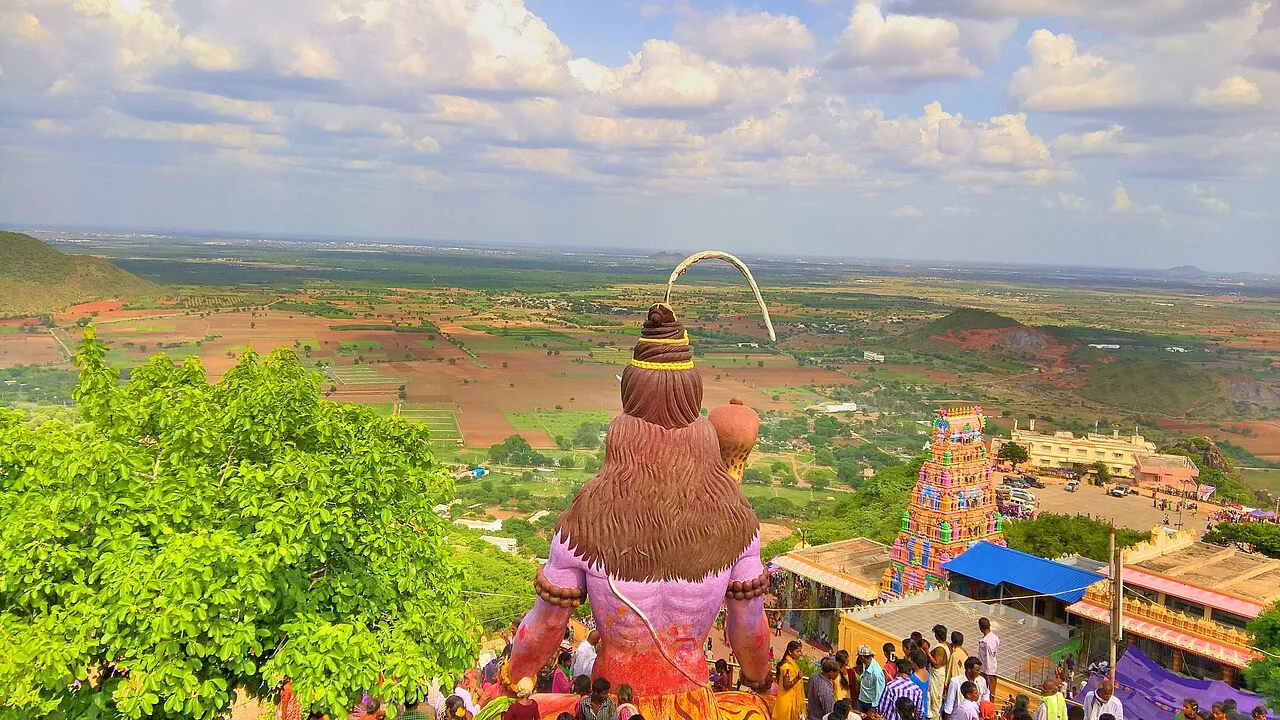
Kotappakonda is a hilltop Hindu pilgrimage site in Palnadu district, Andhra Pradesh, historically associated with Guntur district. Its Trikoteswara Swamy Temple is dedicated to Shiva and draws worshippers from nearby towns and villages, as well as visitors travelling through the region. The hill’s setting is an important part of the pilgrimage: devotees come both to worship and to take in the temple’s elevated surroundings. Kotappakonda is especially associated with the Maha Shivaratri season and its large local gathering.
The hill and its Shiva shrine have a longstanding place in local religious tradition, but a precise foundation date should not be assumed without supporting inscriptions or reliable historical records. The temple is known as the Trikoteswara Swamy Temple, and the hill is also associated with the name Trikuta, referring in tradition to its three peaks. For generations, the shrine has served worshippers from the surrounding countryside and nearby towns. Its prominence is particularly visible during the annual Maha Shivaratri gathering, when pilgrimage, worship and a large public fair bring many people to the hill. The area was historically described as part of Guntur district; Kotappakonda is now in Palnadu district following administrative reorganisation. Details of major construction phases, named patrons, archaeological findings or specific restoration campaigns should be confirmed with the temple or local authorities rather than inferred from the site’s age or appearance.
Origin stories & folklore
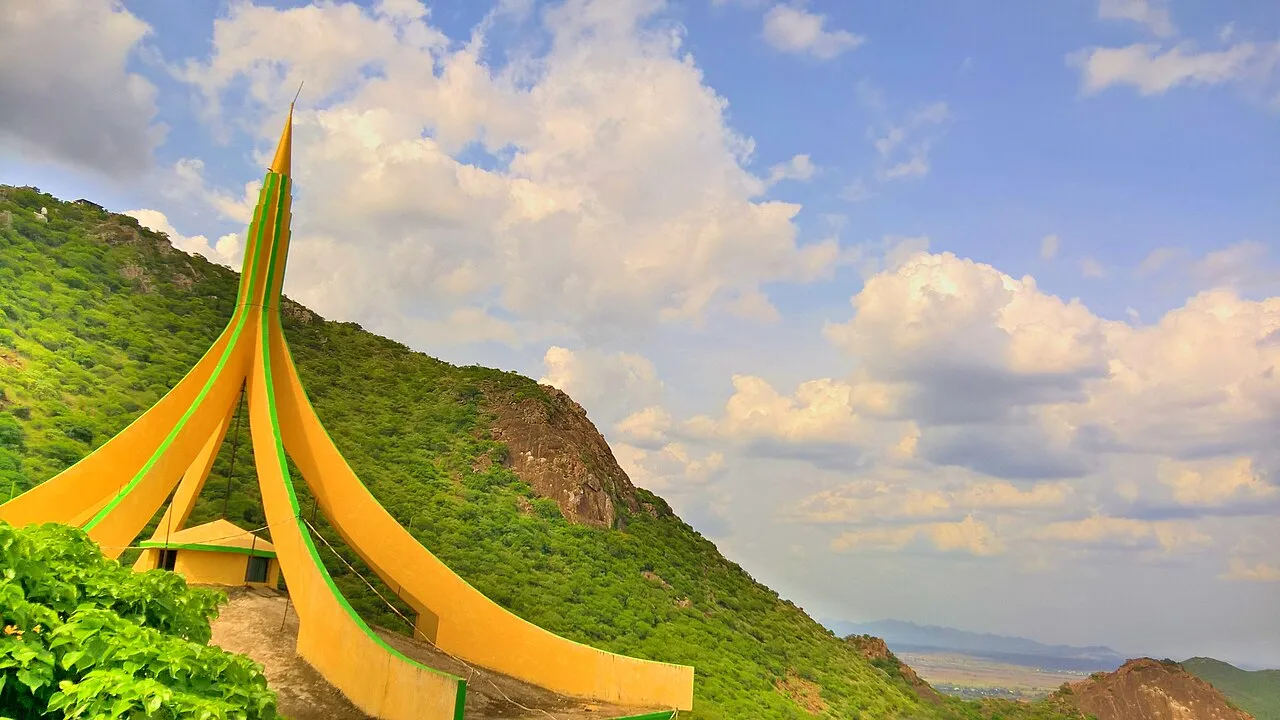
According to local tradition, Kotappakonda is connected with Shiva and is known as Trikuta because of its three peaks, associated in some tellings with Brahma, Vishnu and Shiva. The hill is regarded by devotees as a sacred landscape, not simply a setting for the temple. Stories linked to the shrine vary in their details, and visitors may hear different versions from worshippers or local residents. These accounts belong to religious belief and oral tradition; they should not be treated as independently established historical events. Ask about local stories respectfully, and avoid interrupting prayers or ceremonies to seek explanations.
Architecture & design
The temple stands on Kotappakonda hill, and its elevated setting is a defining part of the visit. The principal shrine is dedicated to Trikoteswara Swamy, a form of Shiva worshipped at the site. As with many Hindu temples, the worship area is arranged around a sanctum, with spaces for devotees to approach, pray and make offerings; access to particular areas may be restricted during worship. The surrounding hill and its peaks frame the complex and give the approach a distinctly pilgrimage character. The available information does not reliably identify a specific architectural school, dated building phase, construction material or named architect, so these should not be guessed from appearance alone. Visitors can observe the arrangement of the shrine and its devotional spaces from permitted areas, while following signs and directions from temple staff. The terrain and approach are part of the experience, but visitors should check locally which routes and sections are open.
Important objects & sculptures
The central object of worship is the shrine of Trikoteswara Swamy, Shiva. Visitors may see a Shiva linga or other customary forms of Shiva worship within the shrine, subject to the temple’s access rules and the arrangements in force that day. The temple’s ritual objects and offerings are part of active worship rather than a museum collection; do not touch them or enter restricted areas. The hill’s three-peaked profile is also a notable feature to observe from suitable viewpoints.
Religious significance
Kotappakonda is a Hindu pilgrimage site centred on Trikoteswara Swamy, a form of Shiva. For worshippers, the shrine and hill together form a sacred destination where they can offer prayers, seek blessings and take part in communal observances. Devotional practices may include darshan, prayer and offerings, with procedures varying according to temple arrangements and the occasion. Maha Shivaratri is especially significant here and brings a large gathering of devotees. Visitors who are unfamiliar with temple customs should observe what others do, follow staff instructions and ask before approaching ritual spaces. Entry to sanctums or particular areas may be limited by religious practice or local rules; do not assume that every part of the complex is open to all visitors.
Visit Kotappakonda Temple with time to observe daily prayers and rituals respectfully. Follow the posted rules on footwear, photography, phones, head covering and dress — many major temples require modest clothing, prohibit leather items and phones inside, and have separate darshan queues; non-Hindus may not be admitted to some sanctums. Ask caretakers which areas are open to visitors, and beware of unofficial 'guides' or agents offering quick darshan for a fee. A comfortable itinerary is one main visit in the morning, a local meal at midday and a short nearby stop before an afternoon return. Use the district list on this site to find other places in Guntur, but check the route and its condition before combining stops. If a festival is on — such as the Tirumala Brahmotsavam, the Godavari and Krishna Pushkarams, Sankranti or the Visakha Utsav — roads and stays can be busy, and the experience can be unforgettable. Leave no litter: many sites are protected by the communities around them.
Suggested itineraries
Half day: Reach the hill in the morning, visit Trikoteswara Swamy Temple and spend time at permitted viewpoints; allow about three to four hours including the approach. Full day: Visit the temple in the morning, pause for a local meal, then explore Narasaraopet or another nearby stop before returning; allow most of the day and check travel conditions. Gentler option: Arrange a vehicle as close to the permitted temple access point as possible, ask locally about the least demanding route, take frequent rests and limit the visit to the accessible shrine areas.
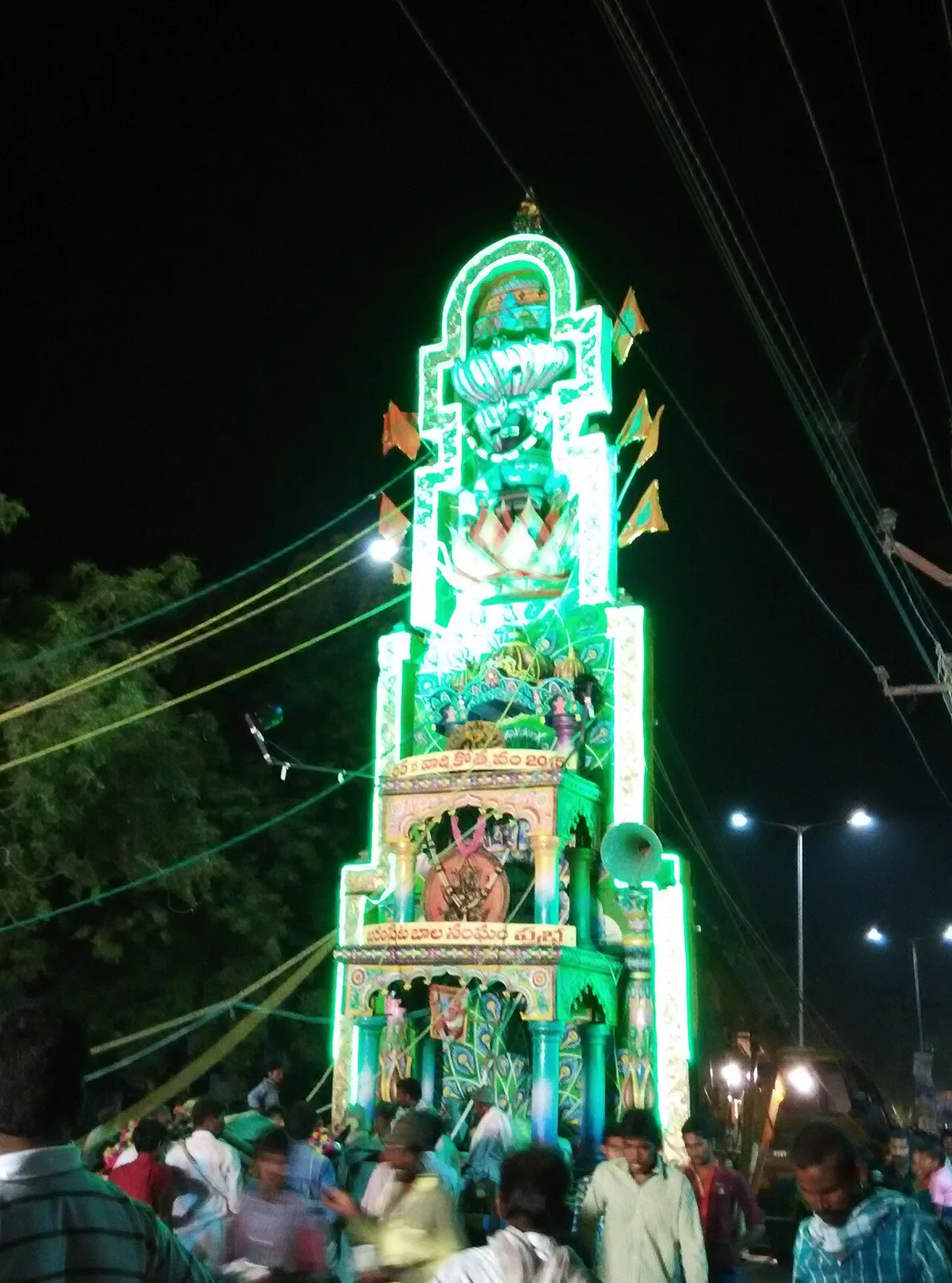
Kotappakonda’s living culture is shaped by pilgrimage, local worship and the seasonal gathering of devotees. Telugu is widely used in the surrounding region, though visitors may also encounter people who speak other languages. During major observances, devotional songs, prayer and the movement of pilgrims contribute to the atmosphere; specific performances or ceremonies can vary from year to year. Dress is generally modest, and worshippers may remove footwear before entering designated temple areas. The hill’s well-known festival gathering includes decorated prabhas, tall ceremonial structures carried by devotees, though arrangements and participation should be checked locally. Visitors should treat worship as an active religious practice, not a performance, and seek permission before photographing people.
Festivals & events
Maha Shivaratri, usually observed in February or March, is the principal festival associated with Kotappakonda. The occasion draws many worshippers and is accompanied by the locally prominent Tirunalla gathering, including decorated prabhas carried by devotees. The hill and approaches can become crowded, and traffic, parking and accommodation may be under pressure. Festival observances follow the lunar calendar, so the season varies from year to year. Other worship and temple events may take place during the year; confirm the current programme with local authorities or the temple before travelling. Allow extra time and follow crowd-control directions during large gatherings.
Local food in Andhra Pradesh includes Andhra meals on a banana leaf with fiery gongura and avakaya pickles, pesarattu with upma, pulihora, Rayalaseema ragi sangati, fresh seafood along the coast, bandar laddu and pootharekulu sweets, and Tirupati laddu prasadam. Ask what is fresh that day; many small eateries cook a limited daily menu. Andhra food is famously spicy — ask for 'medium' if you are unsure, and cool down with curd rice. In Tirupati and other temple towns the food is strictly vegetarian. Remote sites may have no restaurant at all. Carry water and snacks, eat a proper breakfast before long drives, and ask your accommodation for a packed lunch if you are heading out early. If prasad is offered, accept it according to local custom. Choose busy, clean places, drink sealed or filtered water, and carry your packaging back with you.
Shopping & local experiences
Small stalls near a pilgrimage site may sell devotional items, offerings, souvenirs or snacks, but what is available can change and should be checked on arrival. Visitors looking for a wider selection of everyday goods and local food can browse markets in Narasaraopet or Guntur. Consider buying only what you can carry safely on the hill, and ask before taking packaged offerings into restricted areas. Choose locally made goods when available, check that food is freshly prepared, and avoid single-use plastic where possible. Do not assume that a particular craft or official temple souvenir is sold at the site.
November to February; Araku and Horsley Hills are pleasant for much of the year
The nearest principal railway station by straight-line distance is Guntur Junction, roughly 46 km away. The nearest operating airport by straight-line distance is Vijayawada (Gannavaram) Airport, roughly 92 km away. These figures are calculated from map coordinates — actual road distance is longer. Visakhapatnam, Vijayawada and Tirupati are the main rail and air gateways; Rajahmundry serves the Godavari districts, and Renigunta is the railhead for Tirumala. APSRTC buses connect the district towns, and shared autos cover the last stretch to most temples and beaches; for Papikondalu and Araku, book the packaged boat or road trip from Rajahmundry or Visakhapatnam. When comparing train, bus and flight, count the complete door-to-door time: a flight saves the most time only if the onward road transfer is short, while an overnight train can save a hotel night. Book your return before you leave, because seats fill quickly on weekends, festivals and holidays. Current train numbers, timings, return services and fares are not listed here; check IRCTC and NTES for trains and the airline's own schedule for flights. No permit is needed to visit Andhra Pradesh. For Tirumala, book darshan in advance on the official TTD website — Special Entry Darshan tickets sell out weeks ahead, and the free sarva darshan queue can take many hours; the TTD dress code (dhoti or kurta-pyjama for men, saree or salwar for women) is enforced inside the temple. Forest areas such as Papikondalu and Maredumilli may need forest-department entry permission, and boats on the Godavari are run by licensed operators.
Confirm onward and return timings on IRCTC / NTES, the state bus operator or your airline before travel. A dash means current timings or fares have not been verified.
Getting around
Narasaraopet is a useful nearby town for arranging local transport, while visitors may also travel from Guntur. APSRTC services connect towns in the region, but the final approach to the hill may require a local bus, auto-rickshaw, taxi or private vehicle; check current services and road conditions locally. Confirm with the driver where the vehicle can stop and whether vehicles are permitted to proceed up the hill that day. Parking and traffic management may change during festivals. The temple and hill involve walking, so allow time for the approach and avoid relying on a last-minute return connection.
Hours, tickets & permissions
Entry arrangements can vary with worship, festivals, maintenance and crowd management. Tickets, permits, camera permissions, identification requirements, dress rules and access to particular shrine areas should be checked with the temple or managing authority before visiting. Do not rely on unofficial offers of special access or assume that all areas are open to every visitor. Confirm current opening hours and any applicable fees locally, as these details can change. During major observances, entry procedures and routes may differ from those on an ordinary day.
Facilities
Facilities may include basic toilets, drinking-water points, food stalls or small eateries, and parking areas, but availability and condition can vary; check locally, especially outside festival periods. Narasaraopet is a better place to look for a wider choice of meals, shops, cash services and other visitor needs. Do not assume that an ATM, trained guide, medical service or reliable supply of water is available on the hill. Carry essential medicines and drinking water, and ask temple staff where visitors may use facilities without disturbing worship. During major gatherings, services can be busy.
Accessibility
Kotappakonda is a hill pilgrimage site, so reaching and moving around the temple may involve sloping ground, steps or uneven walking surfaces. The exact route open to visitors and the distance from vehicle access can vary; confirm current conditions before setting out. Shade and places to rest may be limited along parts of the approach, particularly in hot weather. The site may be challenging for wheelchair users, people using strollers and visitors with limited mobility, and ramps or lifts should not be assumed. Older visitors should consider travelling with a companion, taking breaks and checking whether a vehicle can reach a convenient access point. Avoid attempting a steep or crowded route beyond your comfort level.
No permit is needed to visit Andhra Pradesh. For Tirumala, book darshan in advance on the official TTD website — Special Entry Darshan tickets sell out weeks ahead, and the free sarva darshan queue can take many hours; the TTD dress code (dhoti or kurta-pyjama for men, saree or salwar for women) is enforced inside the temple. Forest areas such as Papikondalu and Maredumilli may need forest-department entry permission, and boats on the Godavari are run by licensed operators. Carry a photo ID at all times and save the emergency number 112 and your accommodation's contact offline. Heat in summer and heavy rain in the monsoon are the main weather risks; carry water, avoid midday sun and allow extra time when roads flood. Watch your belongings in crowds and on public transport, and follow posted instructions.
Visitor rules
Wear modest clothing and follow any posted dress requirements. Remove footwear where directed and use the designated place for shoes. Photography, phones, leather items and entry to inner areas may be restricted; obey signs and staff instructions rather than assuming general rules apply everywhere. Do not touch ritual objects, cross barriers or interrupt prayers. Keep voices low in worship areas, ask permission before photographing people and do not leave litter, including plastic. During festivals, follow crowd-control measures and use authorised access routes. Treat the shrine as an active place of worship and be considerate of devotees.
Photography
The hill’s surroundings may be clearest in soft morning light, but weather and visibility vary. Photograph only from places where it is permitted, and check current rules before using a camera or phone near the temple. Photography inside the shrine or during rituals may be prohibited even when outdoor photographs are allowed. Ask before photographing worshippers, priests or processions, and do not obstruct movement for a picture. Drone use may require permissions and may be restricted around the temple or crowds; do not fly one without confirming the applicable rules with the authorities. Avoid unsafe edges and crowded viewpoints.
Choose a stay by the full journey to Kotappakonda Temple, not just the district name. Visakhapatnam, Vijayawada and Tirupati offer the widest choice; Araku has AP Tourism resorts and tribal homestays, and Rajahmundry is the base for Godavari cruises. In summer, check air-conditioning; in the monsoon, check that the property is accessible if roads flood. Book in advance for weekends, festivals and the peak season (November to February; Araku and Horsley Hills are pleasant for much of the year). Confirm the exact location, meals included, check-in time and cancellation terms in writing. Avoid sending money to unverified contacts or touts at stations. Carry some cash, as card and digital payments can be unreliable in remote areas.
Narasaraopet is the nearest useful town for meals, transport connections and everyday services. Guntur can serve as a wider base for exploring the district. Visitors with more time may consider Kondaveedu Fort, a hilltop historic fort in the region, or the Buddhist archaeological site at Amaravati, though each requires a separate route and should not be added without checking road conditions and travel time. These are not immediate stops on the temple visit. Confirm current access and opening arrangements for any additional attraction, and avoid combining distant sites with the hill if doing so would make the day rushed.
For couples, Kotappakonda Temple rewards a slow pace: arrive early for soft light and fewer crowds, share a local meal and keep the evening free. A sunrise over the Araku valley, a Godavari cruise at dusk from Rajahmundry or a walk along Rushikonda beach makes the trip memorable. Public displays of affection can be frowned upon in conservative communities and at religious sites, so be discreet. Keep a buffer in your itinerary, because weather and road conditions can delay plans.
Q: How much time should I allow for a visit? A: A half day is a practical allowance for the hill, temple and a pause at suitable viewpoints; festival crowds can extend the visit. Q: When is a good season to visit? A: November to February is generally a more comfortable season in Andhra Pradesh. Maha Shivaratri is important here but can be very crowded. Q: Is there an entry fee, and can every visitor enter the shrine? A: Check current entry arrangements and any fees with the temple. Access to inner areas may be subject to religious rules and local instructions. Q: Is the visit suitable for children and elderly visitors? A: Families can visit, but the hill approach may involve slopes, steps or uneven ground. Assess mobility needs and check vehicle access and route conditions beforehand. Q: Where can I stay nearby? A: Narasaraopet is a practical nearby town to check for accommodation; confirm availability locally, especially around Maha Shivaratri.
Be the first to share photos, stories, advice or a helpful contact for Kotappakonda Temple.
Loading…