
Pulicat Lake
Pulicat Lake is India’s second-largest brackish-water lagoon, covering 759 square kilometres and ranking after Chilika. Visitors come to experience its wetland setting and Pulicat Lake Bird Sanctuary.
Key facts · verified by Ghumoopedia editors
- Type of place
- Natural attraction
- Best time to visit
- November to February; Araku and Horsley Hills are pleasant for much of the year
- Nearest railway station
- MGR Chennai Central · about 55 km (straight line)
- Nearest airport
- Chennai International Airport · about 64 km (straight line)
- Verified
- 21 Nov 2026
Plan a trip from Pulicat Lake — a day-by-day route through places nearby.
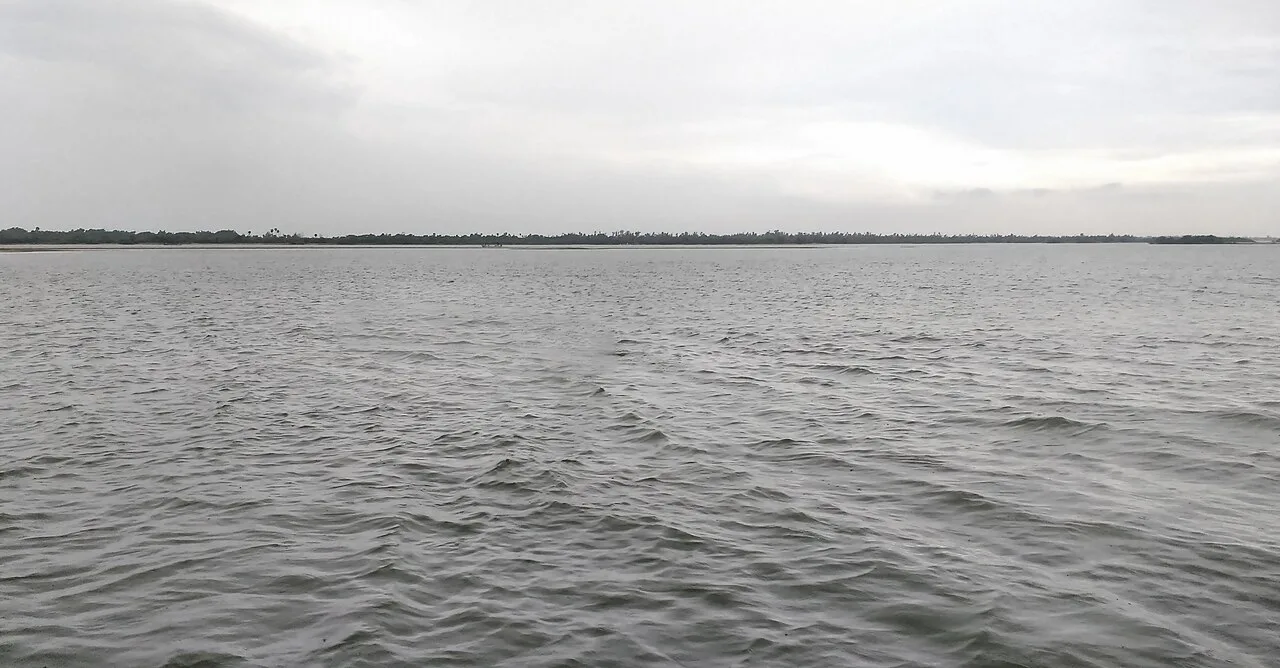
Pulicat Lake lies in Sri Potti Sriramulu Nellore district, Andhra Pradesh, and extends into Tamil Nadu. Much of the lagoon is in Tirupati district, while the remaining part is in Thiruvallur district. At 759 square kilometres, it is the country’s second-largest brackish-water lagoon, after Chilika Lake. The wetland is among three important areas that draw northeast monsoon rain clouds between October and December. Its components include Pulicat Lake, which spans Andhra Pradesh and Tamil Nadu; marsh and wetland areas in Andhra Pradesh; and the Venadu and Pernadu reserve forests, also in Andhra Pradesh. Sriharikota Link Road crosses the lagoon’s middle, splitting the water body into lagoon and marshland. The Pulicat Lake Bird Sanctuary lies within the wetland. Sriharikota, the barrier island between the lagoon and the Bay of Bengal, is also home to the Indian Space Research Organisation’s Satish Dhawan Space Centre. Andhra Pradesh stretches from the beaches and harbour hills of Visakhapatnam through the lush Godavari–Krishna delta to the sacred hills of Tirumala and the granite gorge of Gandikota, with ancient Buddhist sites at Amaravati and Nagarjunakonda, the forts of Kondaveedu and Chandragiri and the cave systems of Belum and Borra. The coast is hot and humid from March to June, the southwest monsoon brings rain from June to September, and October to December can bring cyclones off the Bay of Bengal. The pleasant season is November to February; the Eastern Ghat hills around Araku stay cooler. The usual best time to visit is November to February; Araku and Horsley Hills are pleasant for much of the year. Timings, fees and access arrangements must be confirmed locally. For official information, see Andhra Pradesh Tourism at https://aptourism.gov.in.
Why it matters
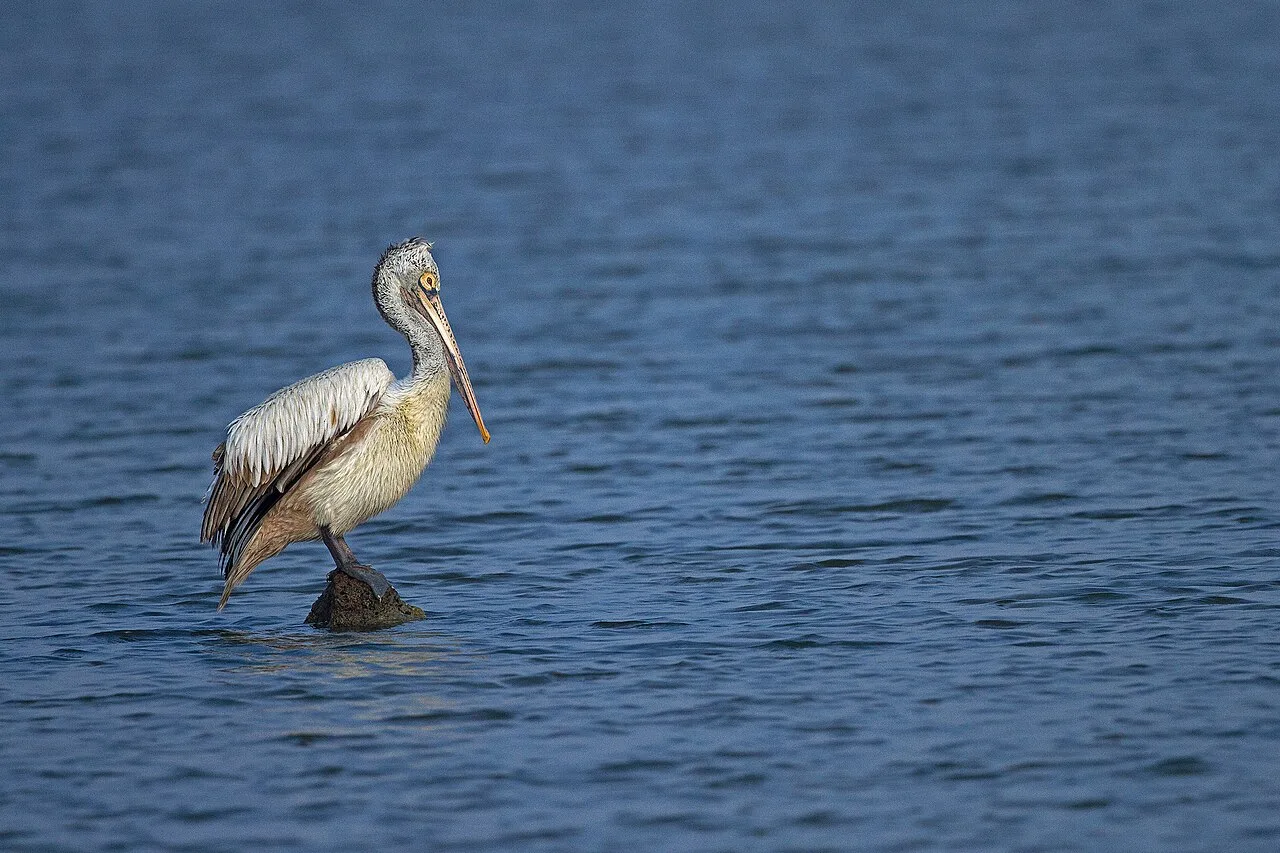
Pulicat Lake is a large brackish-water lagoon on the Andhra Pradesh–Tamil Nadu coast. Published accounts describe it as India’s second-largest brackish-water lagoon after Chilika Lake, covering about 759 square kilometres; its area and water conditions vary with season and the lagoon mouth. It is important locally for fishing and other wetland livelihoods, and regionally as a feeding and resting habitat for waterbirds. The Pulicat Lake Bird Sanctuary encompasses part of the lagoon and gives its wetlands a protected-area role. Pulicat also has a place in the history of Coromandel Coast trade. The barrier island of Sriharikota separates much of the lagoon from the Bay of Bengal; the island is also home to the Satish Dhawan Space Centre, whose access is controlled.
Pulicat’s history is closely tied to the coastal lagoon, its fishing settlements and its position on maritime routes along the Coromandel Coast. Local communities used the lagoon and shore for fishing and exchange well before European trading companies arrived, although the earliest stages of settlement are not documented in detail. Portuguese traders were active on this coast, and the Dutch East India Company established a trading presence at Pulicat in the early seventeenth century. The Dutch built Fort Geldria there in 1613, making the town an important centre of their Coromandel operations. British influence later grew as Dutch commercial power declined; the town’s trading role changed over time, while fishing and local commerce remained important. The lagoon itself has continually responded to coastal processes, including sediment movement, freshwater inflows and changes to its connection with the sea. Sriharikota forms a natural barrier between lagoon and ocean, while the Sriharikota Link Road crosses the lagoon area and separates open water from marshy land in places. The Pulicat Lake Bird Sanctuary reflects a later conservation focus. The lagoon spans present-day Andhra Pradesh and Tamil Nadu, so management and access arrangements can differ across its shores.
Origin stories & folklore
There is no single, widely documented origin legend for Pulicat Lake that can be confidently presented as a shared local account. Around coastal settlements, oral knowledge is more often associated with practical experience: fishers read changing winds, tides, water colour and channels to judge where conditions may be safe or productive. Such knowledge belongs to particular families and working communities, and visitors should not treat it as a spectacle or assume that a boat route is safe. Stories about the lagoon’s changing shoreline may also reflect lived memories of shifting sandbars, seasonal water and storms. These accounts are best understood as local experience rather than as a verified explanation of how the lagoon formed.
Spend unhurried time at Pulicat Lake: walk the marked paths, use official viewpoints and ask locally whether a guide, entry ticket or forest permission is needed. Enjoy the water from safe, marked points; rocks near falls and dams are slippery and currents are dangerous, especially in the monsoon when waterfalls in the Ghats swell suddenly. A comfortable itinerary is one main visit in the morning, a local meal at midday and a short nearby stop before an afternoon return. Use the district list on this site to find other places in Sri Potti Sriramulu Nellore, but check the route and its condition before combining stops. If a festival is on — such as the Tirumala Brahmotsavam, the Godavari and Krishna Pushkarams, Sankranti or the Visakha Utsav — roads and stays can be busy, and the experience can be unforgettable. Leave no litter: many sites are protected by the communities around them.
Suggested itineraries
Half day: Arrive at a public lagoon access point; spend 1–2 hours observing the landscape and birds from permitted areas; have a local meal; return by road. Full day: Visit a permitted Pulicat shoreline or sanctuary area in the morning; allow 2–3 hours for low-impact bird and wetland viewing; stop for lunch in a nearby town; spend 1–2 hours exploring Pulicat town’s historic surroundings, including the Dutch cemetery from public areas where access is allowed; return before dark. Gentler option: Choose one accessible roadside or village-side viewpoint, remain close to the vehicle, and limit walking to a short stretch on firm ground.
Life around Pulicat reflects both Telugu- and Tamil-speaking coastal cultures, with language and customs varying between villages and across the state boundary. Fishing shapes daily rhythms, local food and knowledge of the lagoon’s seasons. Rice, fish and other locally available seafood feature in everyday meals, though menus differ by household and season. Religious observances and family celebrations follow the calendars of nearby communities; visitors should ask before photographing ceremonies or people. Traditional clothing is generally practical for a warm, humid coast, and modest dress is considerate around places of worship and village neighbourhoods. The lagoon is a working landscape as well as a place for wildlife viewing, so respectful conduct matters.
Local communities
Fishing families in settlements around the lagoon depend on its waters and shore for livelihoods, using locally established practices that vary by village and season. Other residents earn income through small-scale trade, transport, food services and agriculture in the surrounding region. Telugu and Tamil are commonly spoken in the wider area, alongside other languages among visitors and workers. Pulicat’s communities are not a single cultural group, and access to fishing grounds or local knowledge should not be assumed. Visitors can support local businesses by buying food or arranging any permitted local service directly, while following community guidance and sanctuary rules.
Festivals & events
Sankranti, usually observed in January, is an important seasonal festival across Andhra Pradesh and is marked in nearby communities, though customs vary locally. Tamil-speaking settlements also observe their own annual religious and family festivals. A bird-focused Flamingo Festival has been organised in the Pulicat–Sullurpeta region in some years, often during the winter birding season; it is not safe to assume it takes place every year or at the same venue. Festival periods and bird events can increase traffic and demand for local services. Check current announcements before planning, and give wildlife and residents space during busy occasions.
Local food in Andhra Pradesh includes Andhra meals on a banana leaf with fiery gongura and avakaya pickles, pesarattu with upma, pulihora, Rayalaseema ragi sangati, fresh seafood along the coast, bandar laddu and pootharekulu sweets, and Tirupati laddu prasadam. Ask what is fresh that day; many small eateries cook a limited daily menu. Andhra food is famously spicy — ask for 'medium' if you are unsure, and cool down with curd rice. In Tirupati and other temple towns the food is strictly vegetarian. Remote sites may have no restaurant at all. Carry water and snacks, eat a proper breakfast before long drives, and ask your accommodation for a packed lunch if you are heading out early. Try a home-cooked or local thali meal when you can — it is often the best food on the route. Choose busy, clean places, drink sealed or filtered water, and carry your packaging back with you.
Shopping & local experiences
Pulicat is not primarily a shopping destination. In nearby towns and village markets, visitors may find everyday goods, seasonal produce and locally prepared snacks. Seafood is part of the region’s food culture; choose established eateries and ask what is locally available rather than expecting a particular catch. Small purchases from local vendors can support community businesses, but avoid buying wildlife, shells or other items taken from protected habitats. Carry reusable bags and take packaging away from the lagoon. Craft and souvenir selection may be limited, so do not plan the visit around specialist shopping.
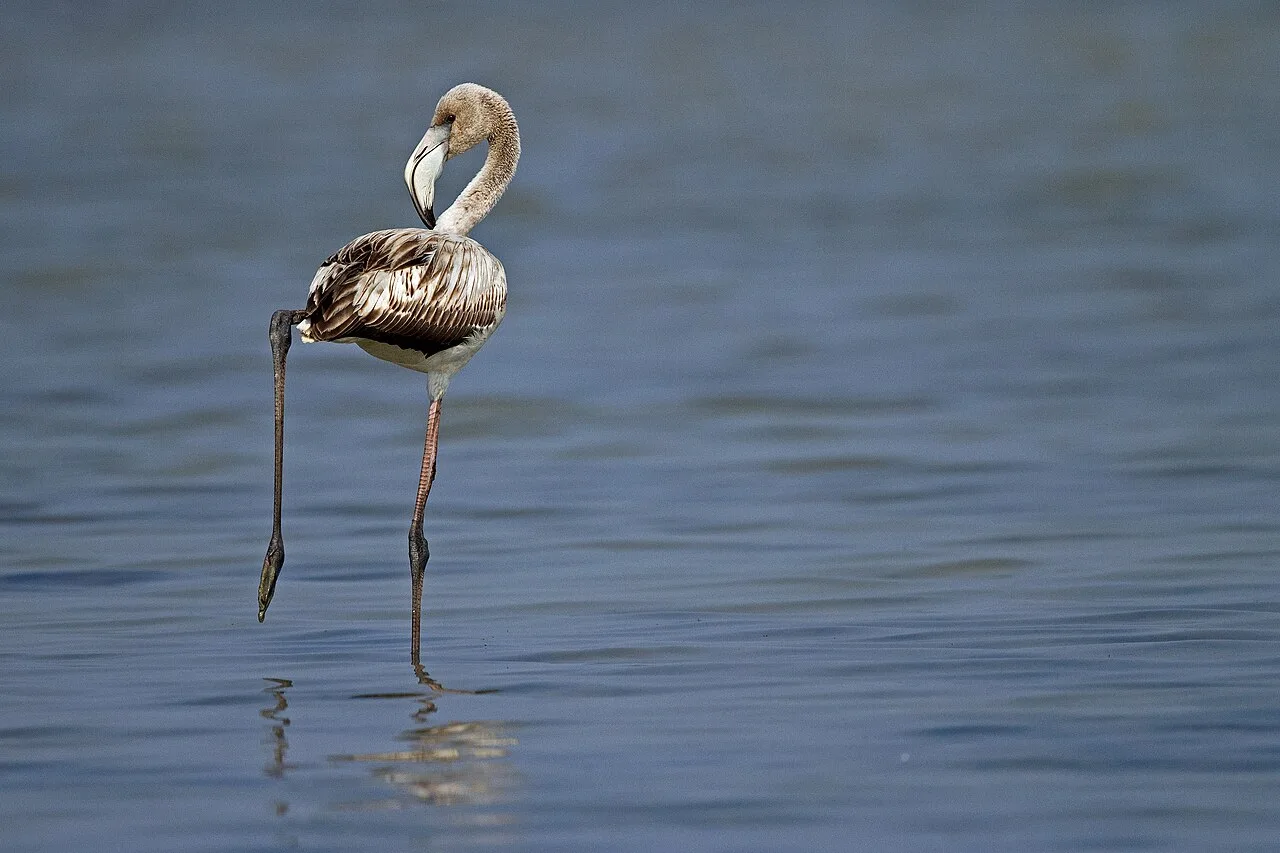
Pulicat is a shallow brackish-water lagoon bordered by mudflats, marshes, sandbars and coastal settlements. Its salinity and water levels shift with rainfall, river inflows, tides and the changing opening to the Bay of Bengal. Sriharikota’s barrier island separates much of the lagoon from the sea, while the Sriharikota Link Road crosses the lagoon area and divides open water from marshland in places. Wetland vegetation includes salt-tolerant plants and mangrove habitats in parts of the broader lagoon landscape. The Pulicat Lake Bird Sanctuary protects important wetland habitat. Migratory and resident waterbirds use the lagoon and nearby wetlands; flamingos are among the birds associated with the area, but sightings depend on season and conditions and are never guaranteed. Keep to permitted areas and avoid disturbing birds.
November to February; Araku and Horsley Hills are pleasant for much of the year
The nearest principal railway station by straight-line distance is MGR Chennai Central, roughly 55 km away. The nearest operating airport by straight-line distance is Chennai International Airport, roughly 64 km away. These figures are calculated from map coordinates — actual road distance is longer. Visakhapatnam, Vijayawada and Tirupati are the main rail and air gateways; Rajahmundry serves the Godavari districts, and Renigunta is the railhead for Tirumala. APSRTC buses connect the district towns, and shared autos cover the last stretch to most temples and beaches; for Papikondalu and Araku, book the packaged boat or road trip from Rajahmundry or Visakhapatnam. When comparing train, bus and flight, count the complete door-to-door time: a flight saves the most time only if the onward road transfer is short, while an overnight train can save a hotel night. Book your return before you leave, because seats fill quickly on weekends, festivals and holidays. Current train numbers, timings, return services and fares are not listed here; check IRCTC and NTES for trains and the airline's own schedule for flights. No permit is needed to visit Andhra Pradesh. For Tirumala, book darshan in advance on the official TTD website — Special Entry Darshan tickets sell out weeks ahead, and the free sarva darshan queue can take many hours; the TTD dress code (dhoti or kurta-pyjama for men, saree or salwar for women) is enforced inside the temple. Forest areas such as Papikondalu and Maredumilli may need forest-department entry permission, and boats on the Godavari are run by licensed operators.
Confirm onward and return timings on IRCTC / NTES, the state bus operator or your airline before travel. A dash means current timings or fares have not been verified.
Getting around
Pulicat and its shore settlements are reached by road, with local buses serving some towns and villages; services for the final stretch may be limited. Autos and locally arranged taxis can help with short journeys, but agree on the destination and return plan before setting out. Roads and access points around the lagoon are spread across Andhra Pradesh and Tamil Nadu, so confirm which shore or sanctuary entrance you intend to visit. Walking is suitable only for short, safe stretches on public paths. Do not enter mudflats or marsh channels without local guidance. Use a boat only where an authorised operator is available and conditions are considered safe; parking arrangements vary by access point.
Hours, tickets & permissions
There is no single visitor schedule that applies to every part of this cross-state lagoon. Public access, sanctuary entry, boat services and access to forest or reserve areas may be subject to local rules, seasonal restrictions or permissions. Tickets, camera conditions, identification requirements and guide rules can vary by entry point and managing authority. Confirm current hours, fees and entry requirements with the relevant forest or sanctuary authority before travelling. Sriharikota and the Satish Dhawan Space Centre are not open for unrestricted visitor access.
Facilities
Facilities vary considerably between villages, sanctuary access points and shoreline locations. Nearby towns usually offer basic food shops and local eateries, while toilets, drinking water, shaded seating and visitor information may not be available at every lagoon access point. Parking is informal or limited in some places; check locally and avoid blocking village roads. Guides or boat operators may be available seasonally, but confirm that they are authorised and that conditions are safe. ATMs and broader services are more likely in larger nearby towns than at the water’s edge. Carry drinking water and take all waste away with you.
Accessibility
Access is not uniform: shorelines may have uneven ground, loose sand, mud, narrow paths or no developed visitor infrastructure. Walking distances and surfaces depend on the chosen entry point, and marsh edges can be unstable. Shade may be limited, especially in open wetland areas. Wheelchair and stroller access cannot be assumed, and steps, firm paths or accessible toilets may not be provided. Elderly visitors and anyone with limited mobility may find a short visit from a vehicle-accessible public viewpoint more manageable than walking across the shore. Check the precise location and surface conditions in advance, and avoid wet or muddy ground.
No permit is needed to visit Andhra Pradesh. For Tirumala, book darshan in advance on the official TTD website — Special Entry Darshan tickets sell out weeks ahead, and the free sarva darshan queue can take many hours; the TTD dress code (dhoti or kurta-pyjama for men, saree or salwar for women) is enforced inside the temple. Forest areas such as Papikondalu and Maredumilli may need forest-department entry permission, and boats on the Godavari are run by licensed operators. Carry a photo ID at all times and save the emergency number 112 and your accommodation's contact offline. Heat in summer and heavy rain in the monsoon are the main weather risks; carry water, avoid midday sun and allow extra time when roads flood. Waterfalls and dams are dangerous in the monsoon: keep behind barriers and leave the area if the water level rises suddenly.
Photography
Early morning and late afternoon often provide softer light over the water and better conditions for observing birds, though sightings and access vary. Photograph only from public or permitted viewpoints and follow sanctuary instructions. Keep a respectful distance from birds, fishing activity, homes and places of worship; never use calls or bait to attract wildlife. Drone use may be restricted by wildlife rules, local authorities or security requirements, particularly near Sriharikota and the space centre. Confirm permissions before flying, and ask people before making close-up portraits.
Choose a stay by the full journey to Pulicat Lake, not just the district name. Visakhapatnam, Vijayawada and Tirupati offer the widest choice; Araku has AP Tourism resorts and tribal homestays, and Rajahmundry is the base for Godavari cruises. In summer, check air-conditioning; in the monsoon, check that the property is accessible if roads flood. Book in advance for weekends, festivals and the peak season (November to February; Araku and Horsley Hills are pleasant for much of the year). Confirm the exact location, meals included, check-in time and cancellation terms in writing. Avoid sending money to unverified contacts or touts at stations. Carry some cash, as card and digital payments can be unreliable in remote areas.
Pulicat town is worth exploring for its coastal settlement character and historic Dutch-era remains, including the Dutch cemetery where public access is permitted. Nelapattu Bird Sanctuary, near Sullurpeta, is another important wetland and birding destination in the wider region; check its current access conditions separately. Sullurpeta is a practical nearby town for services and onward travel. Sriharikota forms the lagoon’s barrier island and hosts the Satish Dhawan Space Centre, but the centre and much of the island are controlled facilities, not ordinary sightseeing stops. Choose nearby visits according to the shore you are visiting, road conditions and current permissions.
For couples, Pulicat Lake rewards a slow pace: arrive early for soft light and fewer crowds, share a local meal and keep the evening free. A sunrise over the Araku valley, a Godavari cruise at dusk from Rajahmundry or a walk along Rushikonda beach makes the trip memorable. Public displays of affection can be frowned upon in conservative communities and at religious sites, so be discreet. Keep a buffer in your itinerary, because weather and road conditions can delay plans.
Q: How much time should I allow for Pulicat Lake? A: A half day can suit one shoreline or viewing area. Allow a full day if you are combining separate wetlands or towns, and verify access before setting out. Q: When is a good season to visit? A: The cooler months from about November to February are generally more comfortable, and bird activity can be seasonal. Weather and sightings vary, so check local conditions. Q: Is entry free, or do I need permission? A: Rules depend on the access point and whether it is within a sanctuary or reserve. Confirm current entry, permit and fee requirements with the relevant authority. Q: Is the visit suitable for children and older people? A: It can be, with supervision and a short visit from a safe public viewpoint. Shorelines may be uneven, muddy, exposed to sun or unsuitable for wheelchairs and strollers. Q: Where can I stay nearby? A: Sullurpeta and larger towns in the region are practical places to look for accommodation. Availability and onward transport vary, so check lodging and return arrangements before travelling.
Be the first to share photos, stories, advice or a helpful contact for Pulicat Lake.
Loading…