Ghumoopedia — Explore, Discover, Experience
Sign in
Suryalanka Beach, near Ponnur

City guide · Andhra Pradesh

Ponnur

Ponnur is a municipal town and mandal headquarters in Guntur district, serving as an administrative and commercial centre for nearby settlements. Its position in the Tenali revenue division makes it a useful base for local services and travel through this part of Andhra Pradesh.

Famous for

  • Bhavanarayana Swamy Temple
  • Giant Hanuman statue
  • Nidubrolu temple inscription
  • Ponnuru-Chandavolu manuscript
  • Regional market town

Why Ponnur matters

Ponnur is a municipal town and mandal headquarters in Guntur district, serving as an administrative and commercial centre for nearby settlements. Its position in the Tenali revenue division makes it a useful base for local services and travel through this part of Andhra Pradesh. The town is best known to visitors for its places of worship, especially the Bhavanarayana Swamy Temple and a prominent large Hanuman statue.

Ponnur also offers a point of entry to the wider area’s Telugu religious and literary heritage. Nearby Nidubrolu has a temple inscription dated to 1132 CE that records the erection of 90 temples, while a Telugu manuscript titled Ponnuru-Chandavolu Shasanam is associated with the region. Visitors typically come for temple darshan, local markets and journeys to surrounding heritage sites rather than for a large resort or specialist craft scene. Its everyday character is that of a working Andhra town, where civic institutions, shops and religious life serve both residents and visitors from surrounding villages.
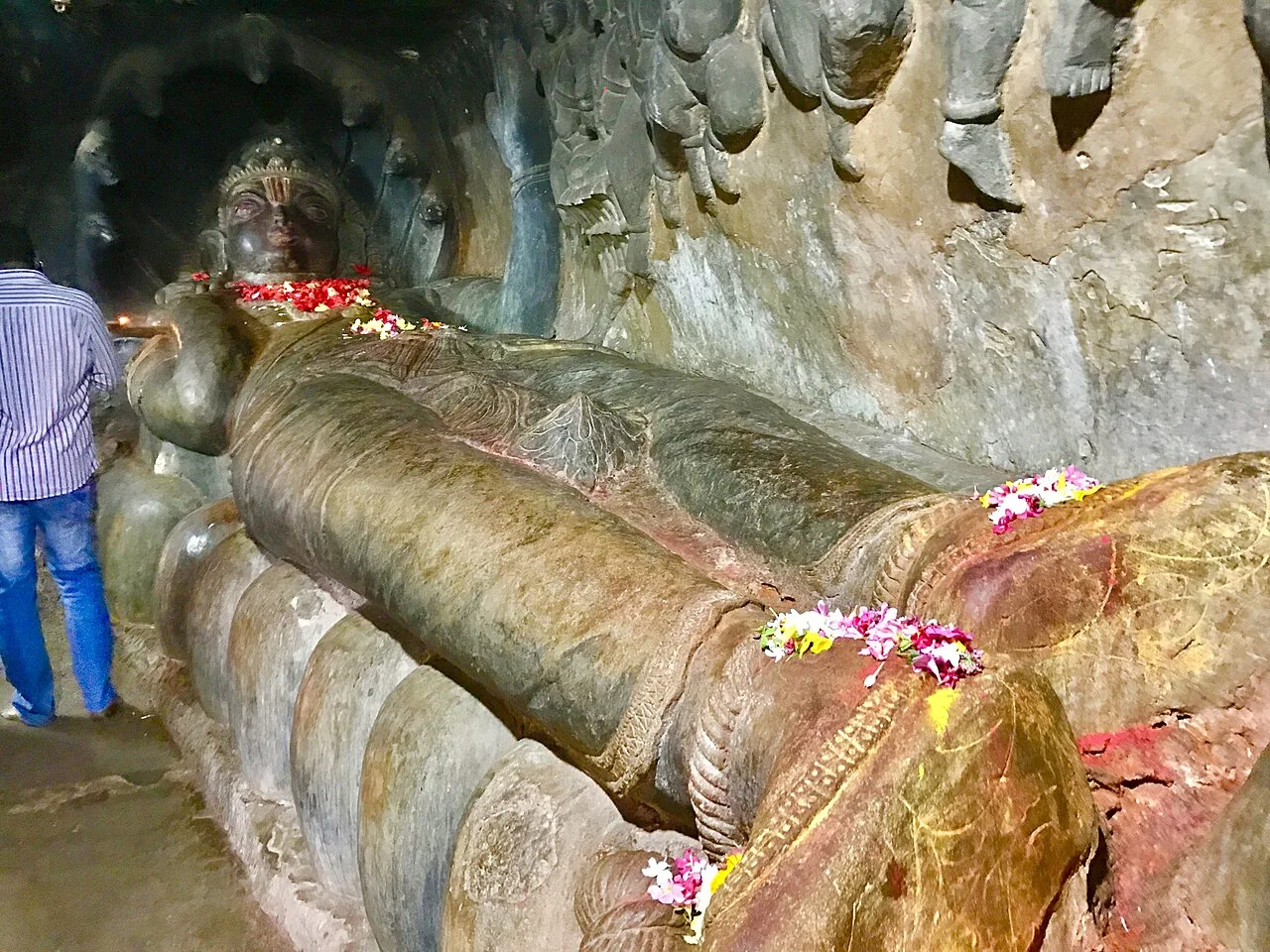
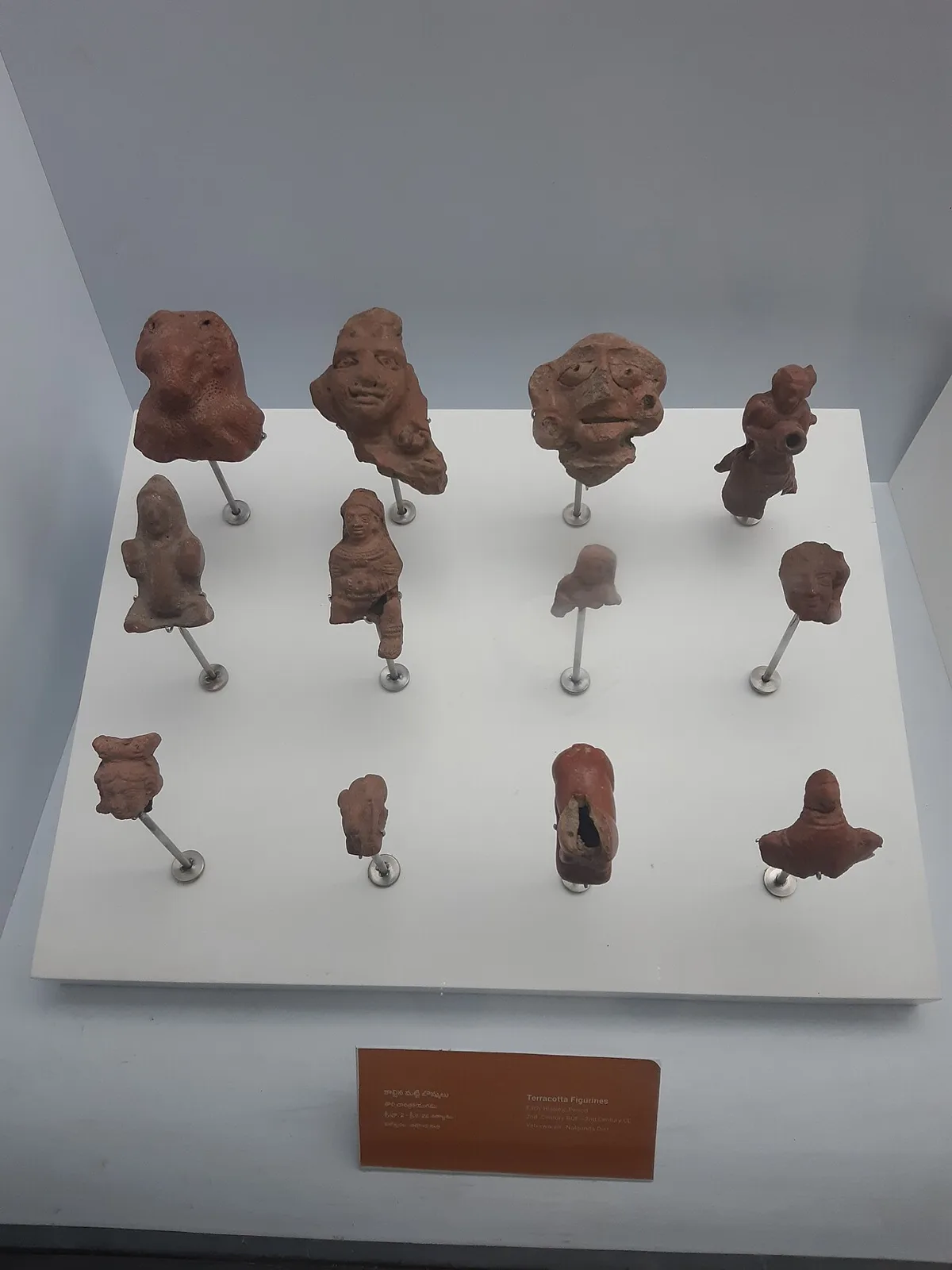
Famous for: crafts, trade & products

Ponnur’s best-known attractions are religious rather than commercial: the Bhavanarayana Swamy Temple and the large Hanuman statue draw pilgrims and visitors. For a wider heritage outing, nearby Nidubrolu is notable for an inscription recording the construction of 90 temples in 1132 CE. The Telugu manuscript known as Ponnuru-Chandavolu Shasanam is another link to the area’s literary past.

The town functions as a local market and service centre for its surrounding settlements. Its shops and market streets cater to everyday needs and farm-linked trade, but Ponnur is not especially identified with a distinctive saree tradition, handicraft or GI-tagged product. Visitors looking for locally made goods can browse general retailers and food shops in the central commercial area; these are better understood as neighbourhood businesses than as a specialist craft market. For a visit focused on the town’s identity, the temple precinct and the surrounding heritage sites are more characteristic stops than a particular product or industry.

History

Ponnur’s history is closely connected with the temple landscape and Telugu heritage of the surrounding region. Nearby Nidubrolu preserves a stone inscription dated to 1132 CE that records the erection of 90 temples, offering evidence of substantial religious building activity in the area. The manuscript titled Ponnuru-Chandavolu Shasanam also reflects the region’s place in Telugu literary and documentary traditions.

The available local record does not establish a single founding account or a clear succession of rulers for Ponnur itself. Its later growth is better understood through its role as a market and service centre for nearby settlements. Under modern administration, Ponnur became a municipality and the headquarters of Ponnur mandal within the Tenali revenue division. Roads and rail connections have supported its links with neighbouring towns, while its temples continue to give the town a visible historical and devotional identity. This combination of local administration, trade and religious importance shapes Ponnur today.

Food, festivals & culture

Telugu is the principal language of everyday life in Ponnur. Religious observances, temple visits and family celebrations are important parts of the local calendar. Sankranti, held in midwinter, is associated with the harvest season; Ugadi marks the Telugu New Year in spring, while Dasara is observed in autumn. Temple events and devotional singing add to the town’s religious life, particularly around its prominent shrines.

Meals generally reflect Andhra cooking, with rice, lentils, vegetables, pickles and chilli-forward flavours common at local eateries and homes. Visitors may also find familiar regional snacks and sweets, though Ponnur is not especially known for one signature dish. Kuchipudi and devotional music belong to the wider Andhra cultural tradition and may feature at regional celebrations, rather than being unique to the town. The Bhavanarayana Swamy Temple and other local places of worship are natural places to observe devotional customs respectfully; visitors should follow any posted guidance on dress, photography and access.

Visiting the city

The cooler months, roughly November to February, are generally the most comfortable time to explore Ponnur. Summers can be hot, and monsoon conditions may make road journeys less predictable. The nearest major airport is Vijayawada International Airport at Gannavaram. Ponnur has its own railway station; Tenali Junction is another useful rail hub for connections in the region.

Auto-rickshaws and local road transport can help with short trips around town, while hired vehicles are useful for visiting places such as Nidubrolu. Begin around the Bhavanarayana Swamy Temple and the prominent Hanuman statue, then explore the central market streets for a sense of daily town life. Check local directions before setting out to nearby heritage sites, as they lie beyond the main temple area.

Trips from the city

Nearest places to visit from Ponnur

Our closest destination guides, by straight-line distance.

Suryalanka Beach

27 km away · Bapatla district

Suryalanka Beach

Suryalanka Beach, also called Bapatla Beach, is a coastal destination in Andhra Pradesh’s Bapatla district, visited for its Bay of Bengal shoreline and nearby resorts.

37 km away · Guntur district

Kondaveedu Fort

Kondaveedu Fort is a hill stronghold in Andhra Pradesh, known for its association with the Reddy dynasty and a succession of rulers. Visitors explore its ruined fortifications and the remains of magazines and storehouses.

Undavalli Caves

47 km away · NTR district

Undavalli Caves

Undavalli Caves is a monolithic rock-cut site in Andhra Pradesh, drawing interest for its sandstone carvings and association with the Vishnukundina period.

Bapu Museum

49 km away · NTR district

Bapu Museum

Bapu Museum is an archaeological museum in Vijayawada, housed in a century-old Indo-European-style building. Visitors explore its sculptures, paintings and artefacts linked to Buddhist and Hindu heritage.

Prakasam Barrage

49 km away · NTR district

Prakasam Barrage

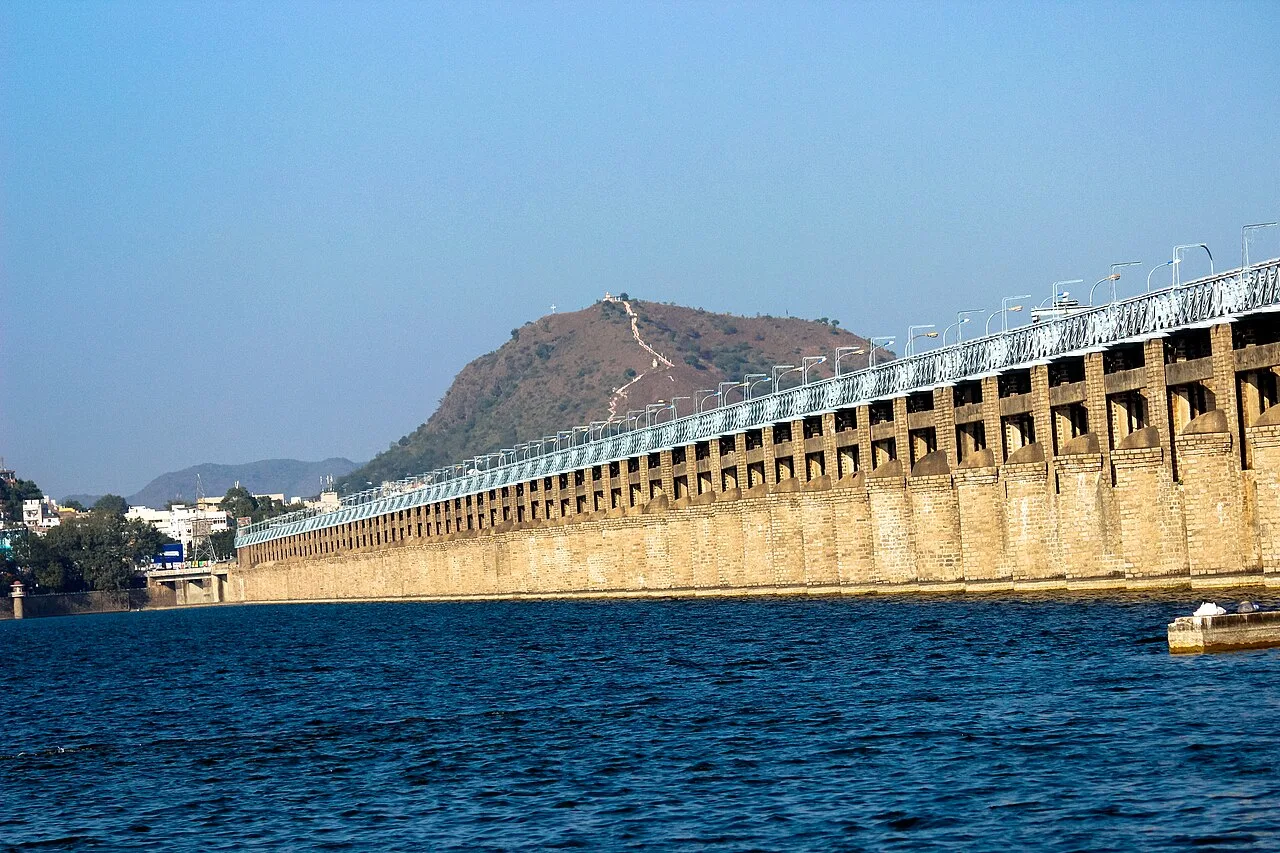
Prakasam Barrage is a tidal crossing on the Krishna River in Andhra Pradesh, linking Vijayawada and Guntur districts. Visitors can see its road span, the lake held by its wall and canals crossing Vijayawada.

Bhavani Island

50 km away · Krishna district

Bhavani Island

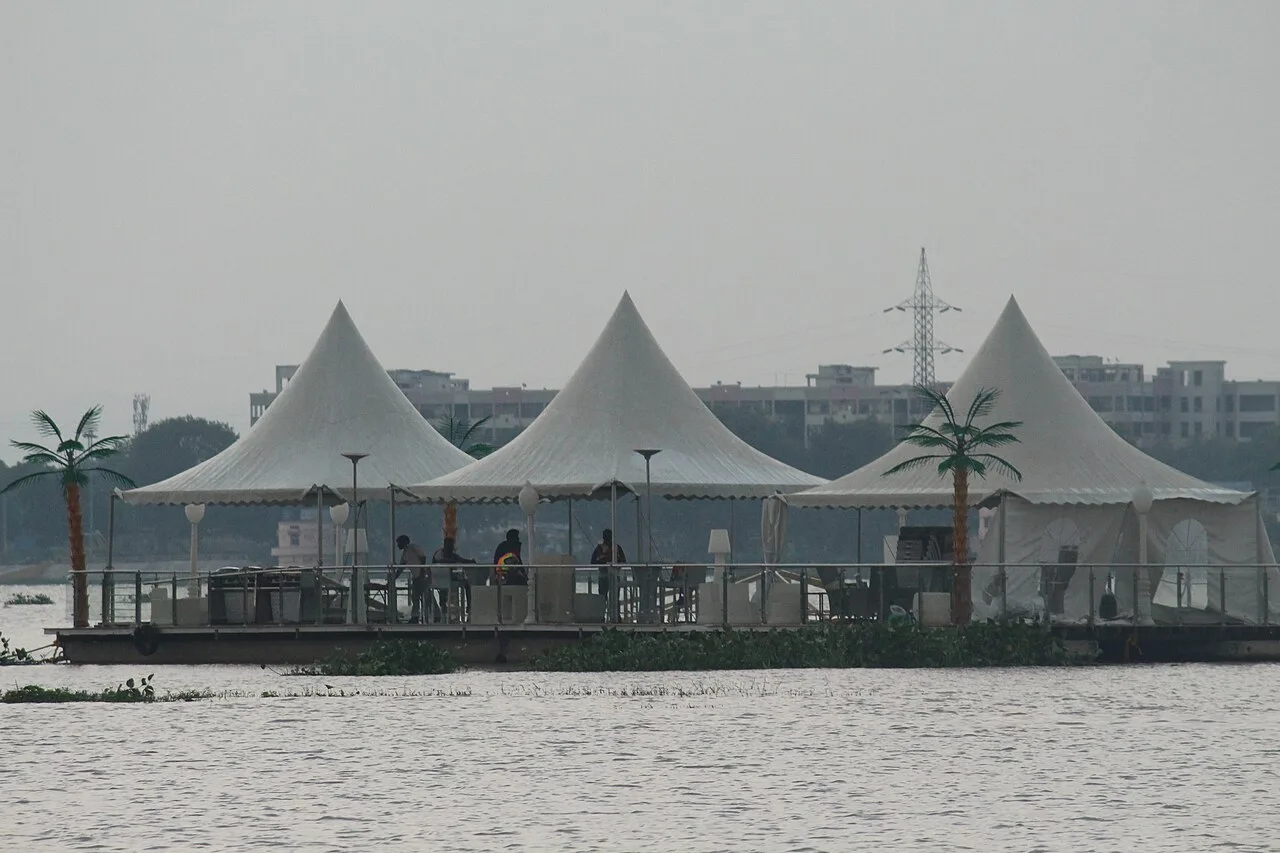
Bhavani Island is a large river island in the Krishna River at Vijayawada, Andhra Pradesh. Visitors can enjoy its recreational attractions, from mazes and cycling to sports simulators.

Kanaka Durga Temple, Vijayawada

50 km away · NTR district

Kanaka Durga Temple, Vijayawada

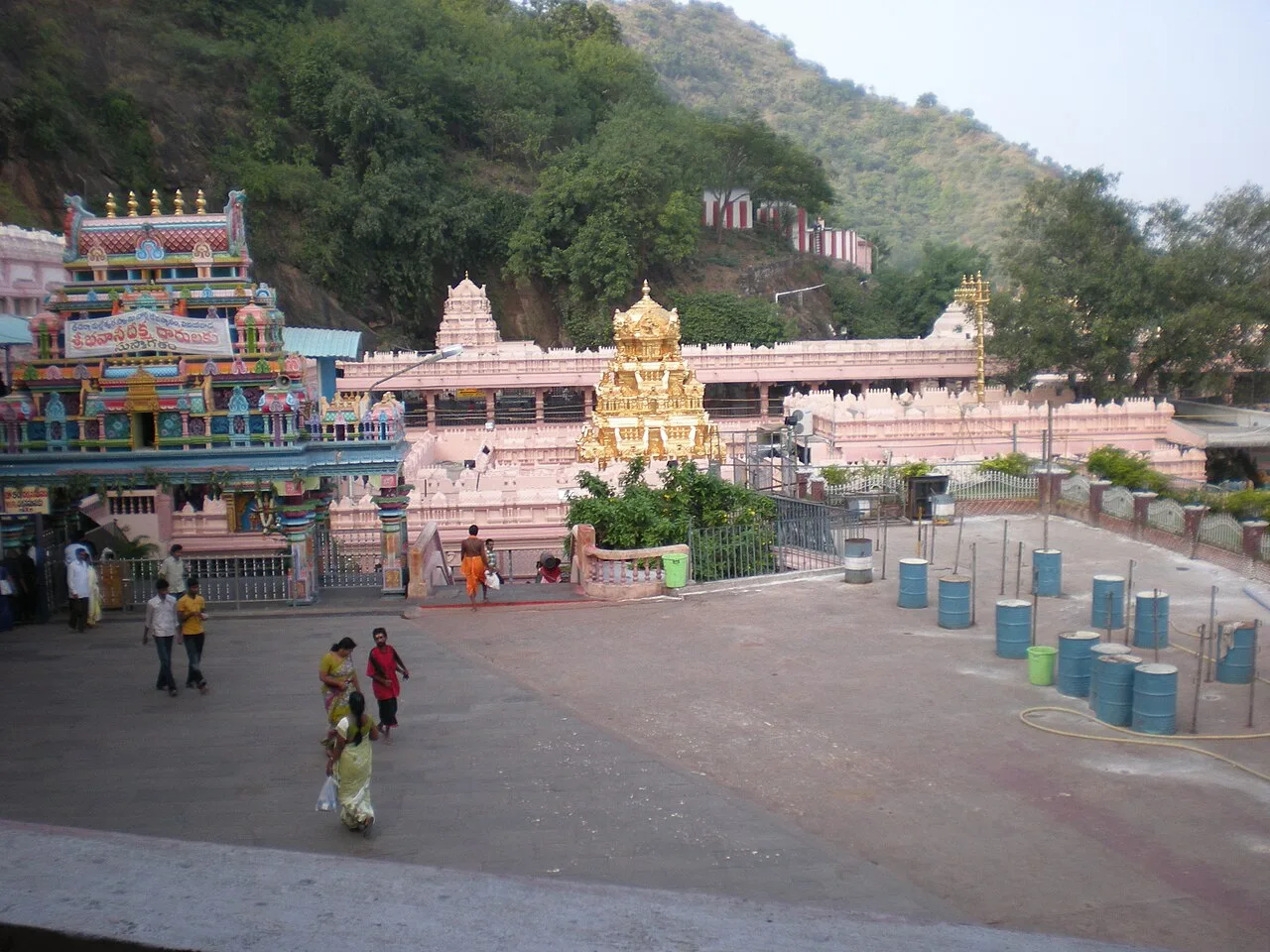
Set on Indrakeeladri hill in Vijayawada, this Hindu shrine is devoted to Kanaka Durga. Visitors come to worship the deity, whose presence at the hill is recorded in sacred texts.

Kotappakonda Temple

55 km away · Guntur district

Kotappakonda Temple

A Hindu pilgrimage destination in Palnadu district, Andhra Pradesh, Kotappakonda is visited for the Trikoteswara Swamy Temple, a shrine to Shiva on the hill.

Map

Ponnur on the map

  1. 1Suryalanka Beach
  2. 2Kondaveedu Fort
  3. 3Undavalli Caves
  4. 4Bapu Museum
  5. 5Prakasam Barrage
  6. 6Bhavani Island
  7. 7Kanaka Durga Temple, Vijayawada
  8. 8Kotappakonda Temple

Andhra Pradesh

Other cities to explore