Ghumoopedia — Explore, Discover, Experience
Sign in
Puttaparthi (Prasanthi Nilayam), near Penukonda

City guide · Andhra Pradesh

Penukonda

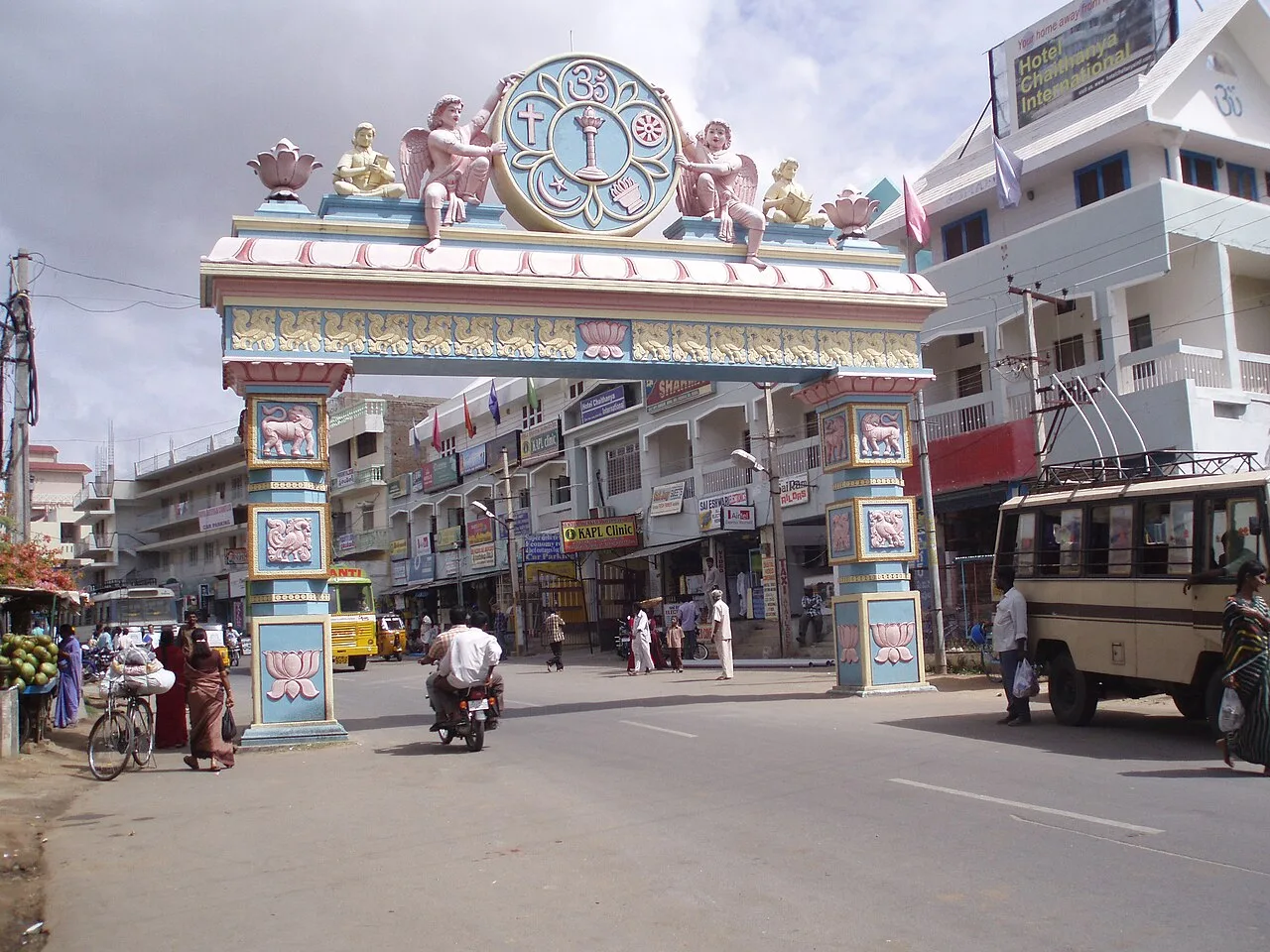
Penukonda is a historic town in Sri Sathya Sai district, in Andhra Pradesh’s Rayalaseema region. Its strategic hill fort and religious landmarks recall centuries of changing rule, while its most notable place in imperial history came after the Vijayanagara defeat at Talikota: the empire’s capital was moved here and remained until 1592.

Famous for

  • Penukonda Fort
  • Vijayanagara-era capital
  • Pache Parsvanath Temple
  • Jain pilgrimage heritage
  • Kumbhakarna statue
  • Baba Fakruddin Dargah

Why Penukonda matters

Penukonda is a historic town in Sri Sathya Sai district, in Andhra Pradesh’s Rayalaseema region. Its strategic hill fort and religious landmarks recall centuries of changing rule, while its most notable place in imperial history came after the Vijayanagara defeat at Talikota: the empire’s capital was moved here and remained until 1592. Today, visitors come for the fort, Jain temples and the town’s distinctive mix of Hindu, Jain and Sufi heritage.

The Pache Parsvanath Swamy Temple, with its green-stone image of Parshvanath, is a significant Jain pilgrimage site. Other draws include the historic Ajitnath temple, the tomb of Sufi saint Baba Fakruddin and the large reclining Kumbhakarna statue at Kumbhakarna Garden. Penukonda is about 70 km from Anantapur and makes a rewarding heritage stop for travellers exploring the district. Its appeal lies less in a busy urban scene than in the layers of history and worship visible across a compact town and its surrounding hills.

Famous for: crafts, trade & products

Penukonda is best known for heritage rather than for a signature textile, handicraft or GI-tagged product. Its Jain temples are the town’s most distinctive institutions: the Pache Parsvanath shrine preserves an image consecrated in the medieval period, and the historic Ajitnath temple has also been renovated. The former Jain Bhattaraka seat reflects Penukonda’s past as a centre of Jain learning, though that seat is no longer active.

The Penukonda family name is associated with the development and popular use of Kadapa stone, a durable material used in building and countertop finishes. This is a historical association, not a sign that the town is a major stone-production or showroom centre. Visitors will find everyday goods through local shops, but Penukonda is not widely known for a dedicated craft bazaar, saree market or specialty food trade. For locally made goods, ask in town about current sellers rather than expecting a particular product or market. The fort, temples and Kumbhakarna Garden are the main places to experience what Penukonda is known for.

History

Penukonda’s fort and town are associated with early Hoysala rulers, whose Jain faith helped shape the area’s religious heritage. Over time, the region came under Chalukya and Vijayanagara control, followed by other powers including the Nawabs, Maratha chieftain Murari Rao, Tipu Sultan and the Nizam of Hyderabad. Its position as a fortified settlement made it important through these successive eras.

After Vijayanagara’s defeat at the Battle of Talikota in 1565, Tirumala moved the empire’s capital to Penukonda. It served as the capital until 1592. In the seventeenth century, the Vijayanagara ruler Venkatapathi Rayalu appointed Koneti Naidu to govern Penukonda and nearby forts; Naidu and his descendants later ruled the area. The territory eventually passed from the Nizam to the British. Penukonda is now part of Sri Sathya Sai district, and its historic fort and religious sites remain central to its identity.

Food, festivals & culture

Penukonda’s culture reflects its position in Rayalaseema and its long history as a meeting place for different faiths. Telugu is the main language, while Kannada and Urdu are also heard in the wider region. Jain temples, Hindu shrines and the tomb of Baba Fakruddin give the town a varied devotional landscape; visitors should be respectful of worship and local customs at each site.

Everyday food follows Rayalaseema tastes, with rice and millet-based meals, ragi sangati, lentils, pickles and often spicy curries. Local eateries serve familiar Andhra dishes, while festive cooking may include sweets such as ariselu. Ugadi is celebrated in spring, Sankranti in midwinter, and Dussehra and Deepavali in the autumn season. Jain observances, including Mahavir Jayanti and Paryushan, are important to the community. Religious gatherings and temple rituals are more characteristic of local cultural life than large performance festivals; music and dance are generally encountered as part of worship and regional celebrations.

Visiting the city

The cooler months from October to February are generally the most comfortable for exploring Penukonda’s fort and outdoor sites. The nearest airport is Sri Sathya Sai Airport at Puttaparthi; for a wider choice of scheduled connections, travellers can use Kempegowda International Airport in Bengaluru. Penukonda railway station serves the town, and road connections link it with Anantapur and nearby settlements.

Auto-rickshaws and local taxis are practical for moving between the station, town and nearby attractions; arrange transport locally for the fort and sites outside the centre. Allow time for the fort and its hill setting, the Jain temple area, Baba Fakruddin’s tomb and Kumbhakarna Garden. The central town is a useful base for local food and basic services, while the main heritage sites make worthwhile short excursions.

Trips from the city

Nearest places to visit from Penukonda

Our closest destination guides, by straight-line distance.

Puttaparthi (Prasanthi Nilayam)

25 km away · Sri Sathya Sai district

Puttaparthi (Prasanthi Nilayam)

Puttaparthi is a municipality and the administrative centre of Sri Sathya Sai district in Andhra Pradesh. Visitors come for Prasanthi Nilayam and the town’s connection with Sathya Sai Baba.

Lepakshi Veerabhadra Temple

30 km away · Anantapur district

Lepakshi Veerabhadra Temple

Lepakshi Veerabhadra Temple is a temple in the Andhra Pradesh village of Lepakshi. Visitors go to the village to see the Veerabhadra Temple.

Horsley Hills

99 km away · Chittoor district

Horsley Hills

Horsley Hills, also called Horsleykonda and Yenugulla Mallamma Konda, is a hill range near Madanapalle in Andhra Pradesh, visited for its cooler, greener surroundings.

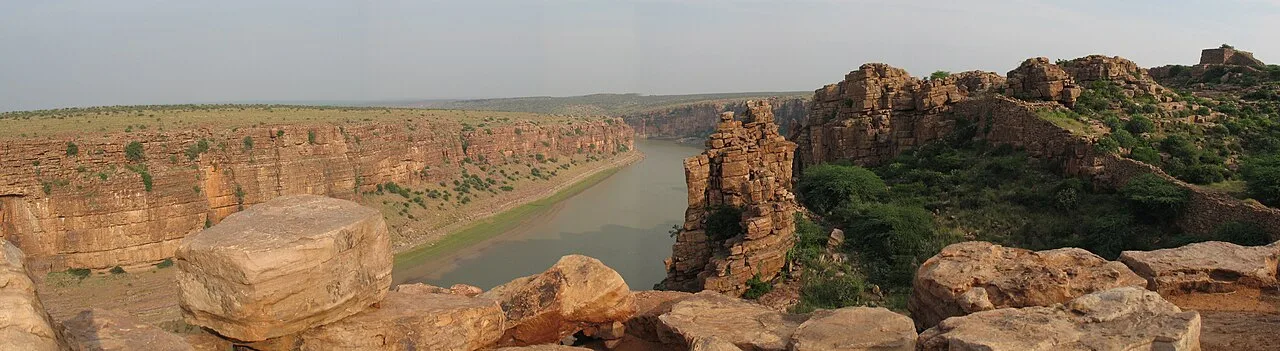
Gandikota Gorge and Fort

110 km away · YSR district

Gandikota Gorge and Fort

Gandikota is a village and historic fort beside the Penna in Andhra Pradesh. Visitors come to see the gorge and fort, shaped by successive ruling powers.

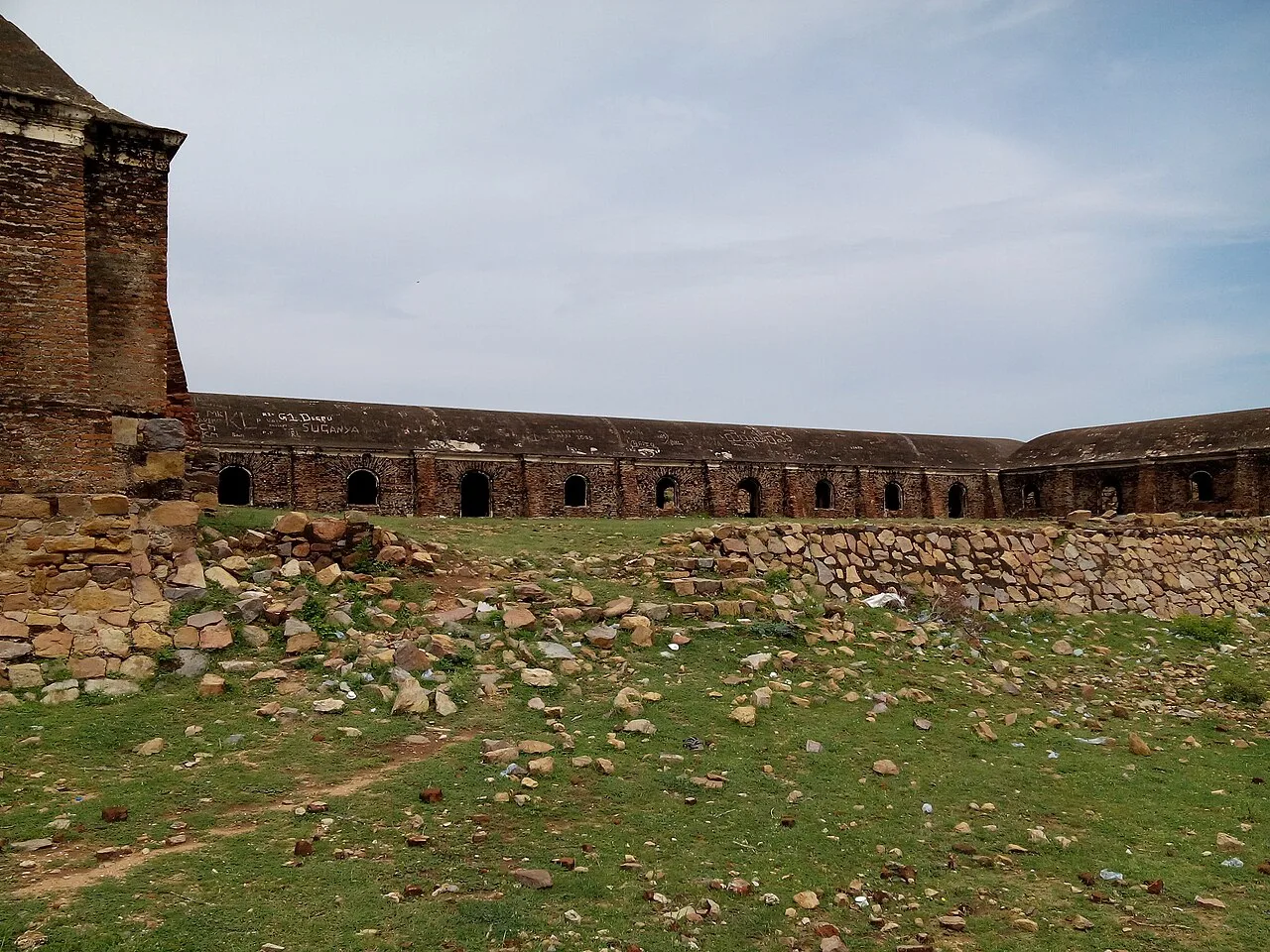
Gooty Fort

115 km away · Anantapur district

Gooty Fort

Gooty Fort is a ruined hill fort in Gooty, Andhra Pradesh, also known as Ravadurg and Gutti Kota. Visitors come to see the remains and its hilltop location.

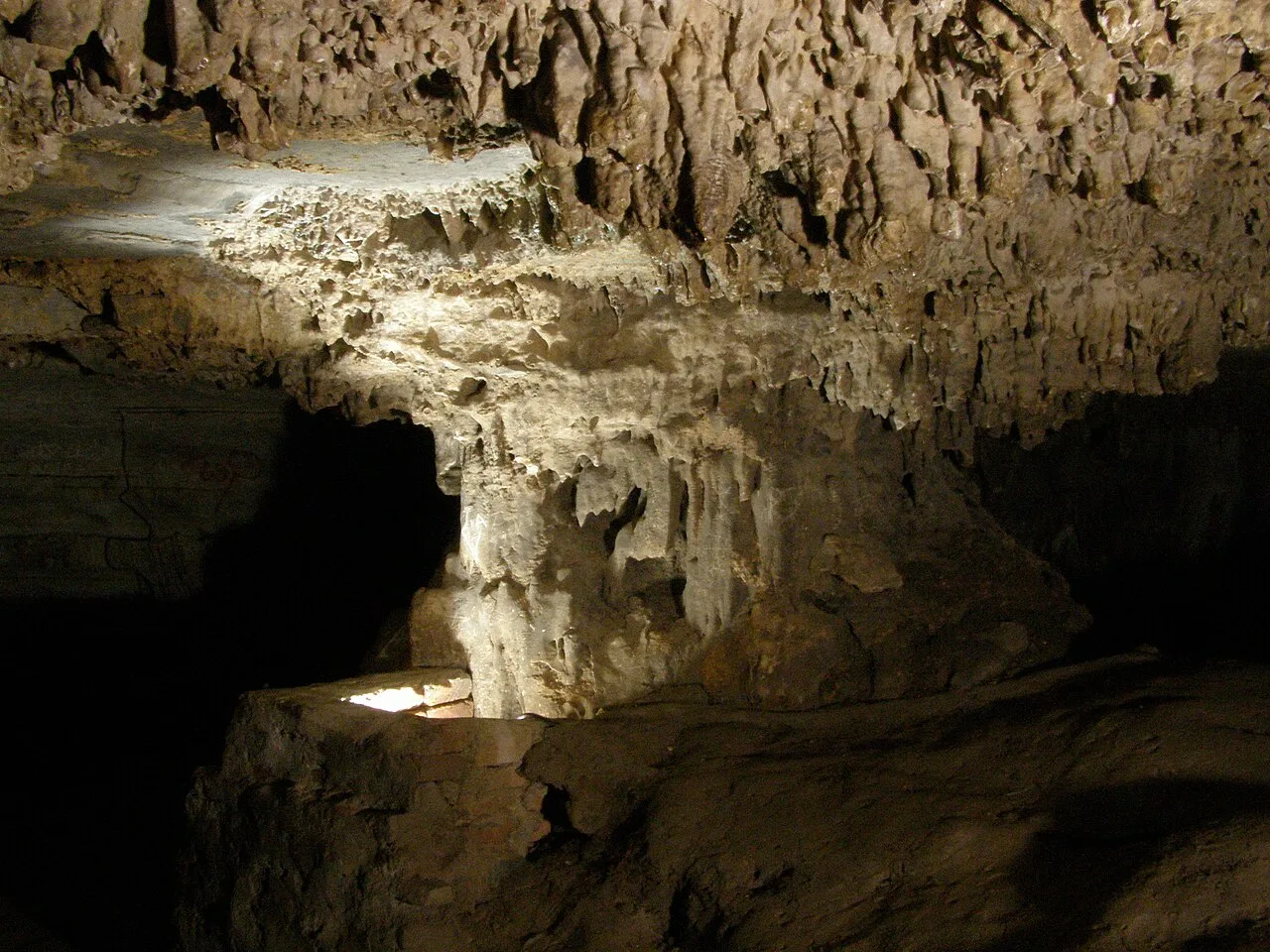
Belum Caves

127 km away · Nandyal district

Belum Caves

Belum Caves is a large limestone cave network in Nandyal district, Andhra Pradesh. Visitors explore its underground passages and distinctive karst features, while the site also draws interest for evidence of ancient human activity.

140 km away · YSR district

Ameen Peer Dargah

Ameen Peer Dargah is a Sufi shrine in Kadapa, Andhra Pradesh, within YSR district. People visit it as a place of religious devotion.

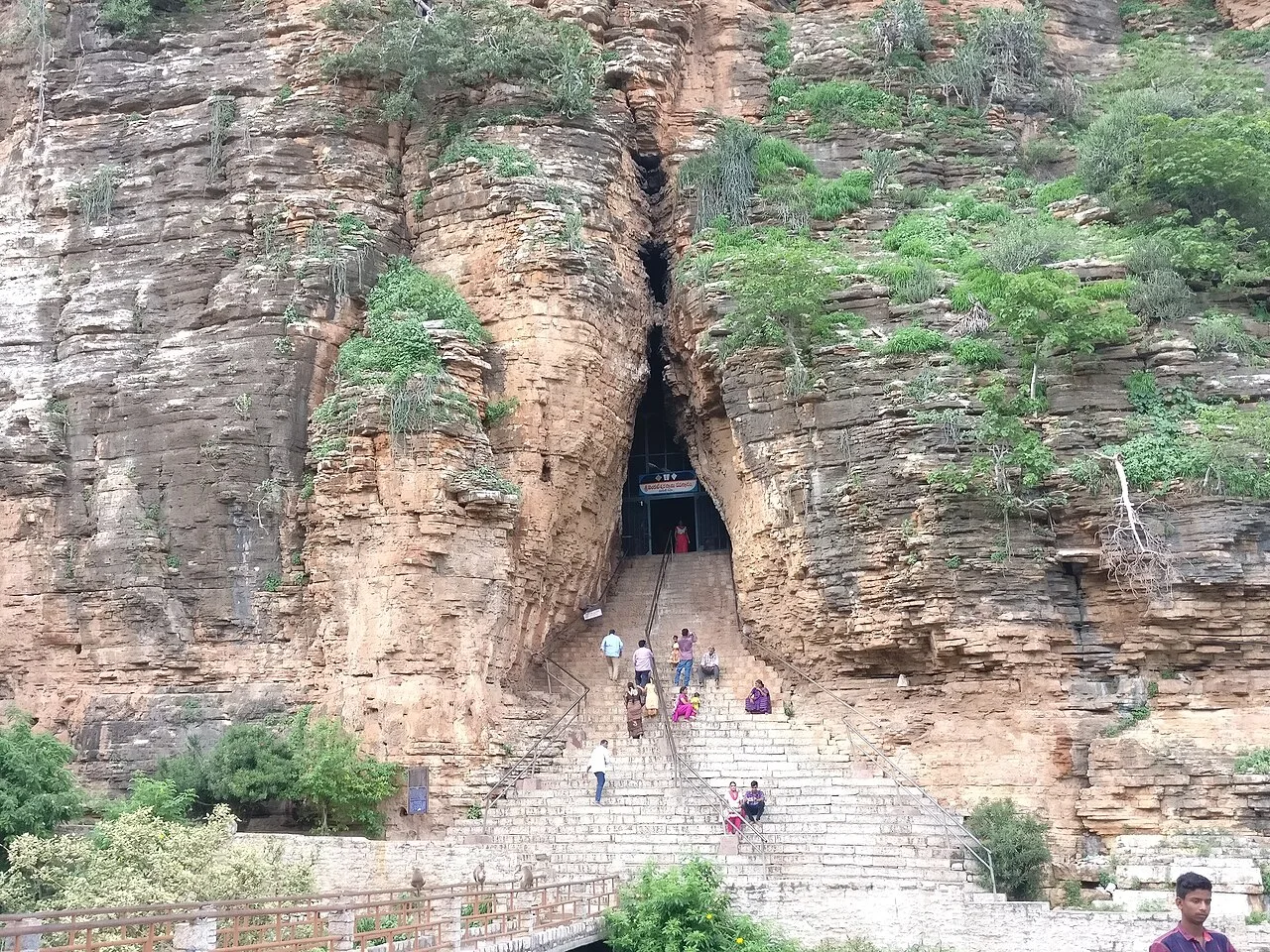
Yaganti temple

153 km away · Nandyal district

Yaganti temple

In Andhra Pradesh’s Nandyal district, Yaganti Temple is a Shiva shrine known also as Sri Yaganti Uma Maheswara Temple. Visitors come to worship Shiva at this temple.

Map

Penukonda on the map

  1. 1Puttaparthi (Prasanthi Nilayam)
  2. 2Lepakshi Veerabhadra Temple
  3. 3Horsley Hills
  4. 4Gandikota Gorge and Fort
  5. 5Gooty Fort
  6. 6Belum Caves
  7. 7Ameen Peer Dargah
  8. 8Yaganti temple

Andhra Pradesh

Other cities to explore