
Ghumoopedia — Explore, Discover, Experience
Sign in
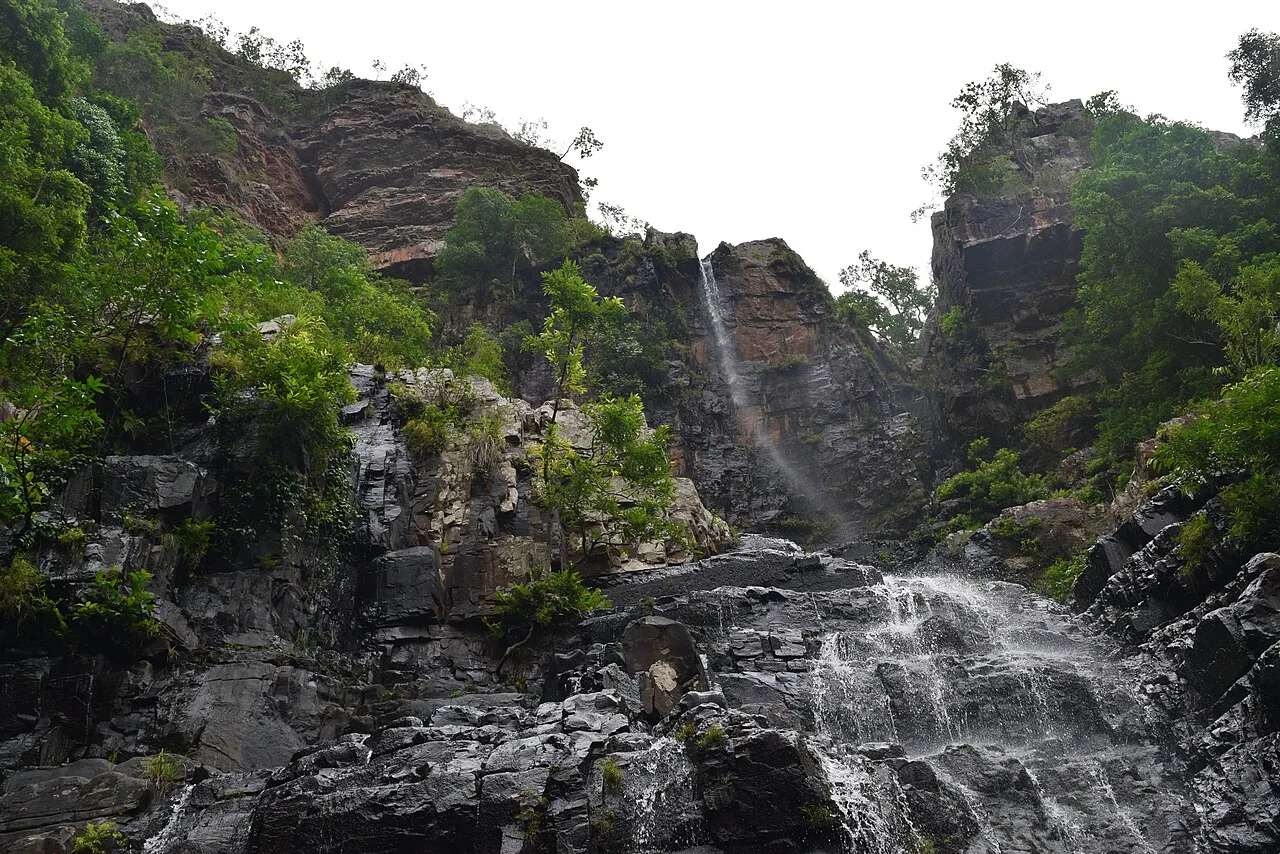
Talakona Waterfalls, near Tirumala

City guide · Andhra Pradesh

Tirumala

Tirumala is a temple town in Andhra Pradesh, set high in the Seshachalam Hills of the Eastern Ghats. Its identity centres on the Venkateswara Temple, a major Vaishnava shrine dedicated to a form of Vishnu.

Famous for

  • Venkateswara Temple
  • Tirupati laddu
  • Sapthagiri hills
  • Srivari Brahmotsavam
  • Silathoranam rock arch
  • Pilgrimage footpaths
In the city
0
Nearby
1
District
Tirupati
Plan a trip

Why Tirumala matters

Tirumala is a temple town in Andhra Pradesh, set high in the Seshachalam Hills of the Eastern Ghats. Its identity centres on the Venkateswara Temple, a major Vaishnava shrine dedicated to a form of Vishnu. Pilgrims come throughout the year to worship, fulfil vows and take part in temple rituals; many also climb the traditional footpaths from Tirupati as an act of devotion. The temple and pilgrimage facilities are administered by Tirumala Tirupati Devasthanams (TTD), which also shapes much of the town’s daily life.

Beyond the shrine, Tirumala draws visitors to the wooded hills, the natural Silathoranam rock arch, Srivari Padalu and the Sri Venkateswara Museum. The surrounding landscape forms part of a distinctive hill environment with streams, waterfalls and protected forests. For many visitors, the town is both a destination in its own right and the sacred summit of a journey that begins in Tirupati. Its religious importance, busy pilgrimage routes and hill setting make it one of the region’s most recognisable places.

Famous for: crafts, trade & products

Tirumala is not primarily a textile or handicraft centre: its best-known product is the Tirupati laddu, a sweet offered as temple prasadam. TTD makes and distributes the laddu through its temple services, and it is recognised as a Geographical Indication product. Visitors can obtain prasadam through the temple’s designated distribution arrangements. The town’s strictly vegetarian character is reflected in its food offerings and the services available to pilgrims.

The other defining institution is TTD, which administers the temple and much of the pilgrimage infrastructure. The Sri Venkateswara Museum displays religious objects, historic artefacts and material relating to local traditions. Shops and stalls in the temple precincts cater chiefly to pilgrims, with devotional objects and souvenirs rather than a major local craft trade. For a geological point of interest, the Silathoranam is a natural rock arch in the hills; it is not a manufactured product but a notable feature of the area. Visitors looking for broader shopping, crafts or regional markets can explore Tirupati, the larger city at the foot of the hill.

History

Tirumala’s history is closely bound to the Venkateswara Temple and to the growth of pilgrimage on the Sapthagiri hills. Early Tamil literature refers to a sacred place called Vengadam, though scholars differ on whether every such reference means Tirumala. The shrine is counted among the Divya Desams celebrated by the Alvar poet-saints. Temple tradition associates its early foundation with the ruler Tondaiman, while later accounts describe the discovery of the deity at the site.

The temple’s rites were formalised by Ramanuja in the 11th century. Chola, Pandya and Vijayanagara rulers contributed to its expansion and patronage. In 1789, administration passed under the East India Company, which later entrusted oversight to local Hindu leaders. TTD was established in 1932 as a dedicated administrative body. In modern times, roads, buses, footpaths and visitor services have developed around the continuing flow of pilgrims, while the town remains closely managed in connection with the temple.

Food, festivals & culture

Tirumala’s food culture is vegetarian and closely linked to temple worship. Its signature sweet is the Tirupati laddu, distributed as prasadam; meals served to pilgrims also follow the town’s vegetarian norms. Non-vegetarian food, liquor and tobacco are prohibited. Telugu is the principal local language, while Tamil and other Indian languages are commonly heard among pilgrims from across the country.

The major annual event is Srivari Brahmotsavam, a nine-day celebration usually held around September or October. Vaikunta Ekadasi, whose date varies in the Hindu calendar, is marked by the opening of the Vaikuntha entrance. Rathasapthami, generally in January or February, features processions of the festival deity on different mounts. Sankranti and Ugadi are also observed. Devotional singing and temple music accompany religious life, while rituals, offerings and pilgrim vows shape the town’s cultural rhythm. The Venkateswara Temple is the central place of worship; the nearby Varahaswami shrine is another important stop for pilgrims.

Visiting the city

The cooler months, roughly November to February, are generally more comfortable for exploring, though November can bring monsoon rain. Tirupati Airport is the nearest airport, and Tirupati railway station is the main rail gateway. From Tirupati, state buses and other road services connect with Tirumala by the ghat roads; pilgrims can also climb from Alipiri or Srivarimettu on designated footpaths. Free local buses operate within Tirumala.

Allow time for the temple precincts, Srivari Padalu, the Sri Venkateswara Museum and the Silathoranam. The wooded hill roads and viewpoints offer a different perspective from the busy shrine area. Tirupati is the practical base for wider shopping and city services, while Tirumala itself is best explored as a pilgrimage centre, with movement and visits planned around temple arrangements and visitor guidance.

Short trips

Around Tirumala

Within about 40 km — easy half-day or day trips from the city.

Map

Tirumala on the map

  1. 1Talakona Waterfalls

Andhra Pradesh

Other cities to explore