Ghumoopedia — Explore, Discover, Experience
Sign in
Undavalli Caves, near Mangalagiri

City guide · Andhra Pradesh

Mangalagiri

Mangalagiri is a historic temple town and handloom centre between Vijayawada and Guntur, on National Highway 16. Today it forms part of Mangalagiri–Tadepalli Municipal Corporation, a growing urban area in the wider Vijayawada–Guntur corridor.

Famous for

  • Panakala Lakshmi Narasimha Temple
  • Mangalagiri cotton sarees
  • Handloom weaving
  • Temple hill and gopuram
  • Panakam offering

Why Mangalagiri matters

Mangalagiri is a historic temple town and handloom centre between Vijayawada and Guntur, on National Highway 16. Today it forms part of Mangalagiri–Tadepalli Municipal Corporation, a growing urban area in the wider Vijayawada–Guntur corridor. Its location makes it a convenient stop for pilgrims, textile shoppers and travellers moving through coastal Andhra Pradesh.

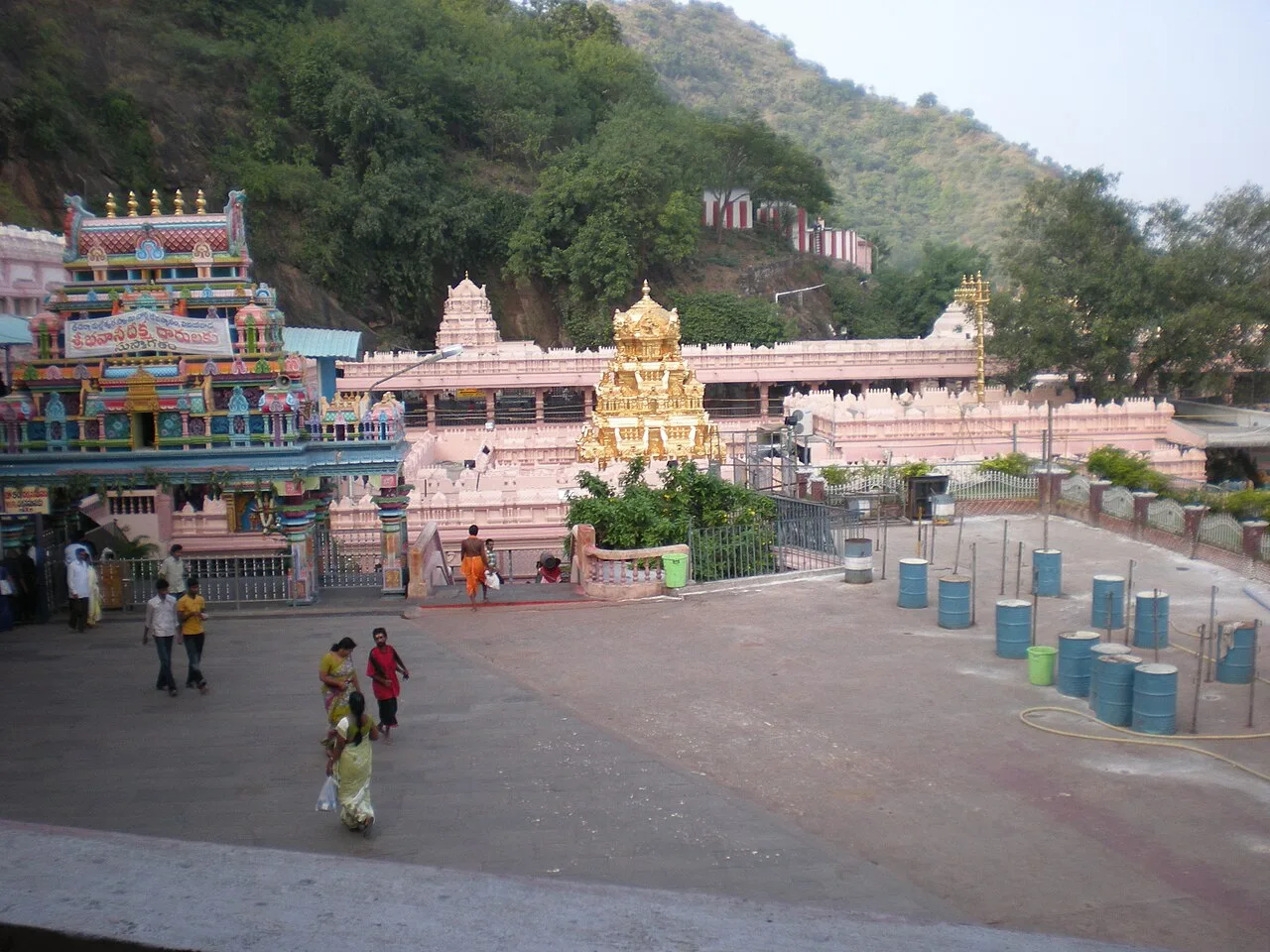
The town’s best-known landmark is the Lakshmi Narasimha Swamy temple complex, set on and around a prominent hill. At the Panakala Narasimha Swamy shrine, devotees offer panakam, a sweet drink made with jaggery. The hill’s long stone stairway and the striking gopuram at its base give the town a distinctive profile. Mangalagiri is also closely associated with cotton handloom sarees and fabrics, traditionally woven in the town and sold through local shops. Together, its religious heritage, weaving community and position near major regional centres make it more than a temple stop: it is a place where pilgrimage and everyday craft remain visible parts of city life.
Famous for: crafts, trade & products

Mangalagiri is especially known for its handloom cotton sarees and fabrics, including products recognised under the Mangalagiri Sarees and Fabrics geographical indication. Traditional sarees often have a relatively restrained body set off by contrasting borders, sometimes woven with zari. The town’s weaving tradition also supplies cotton dress materials and fabric for everyday wear. Its reputation rests on handloom production rather than large-scale textile mills, and the work of local weavers remains central to its identity.

Visitors can look for handloom shops and cooperative outlets in the town’s market area, where sarees and fabrics are available alongside everyday goods. Asking whether a piece is handwoven and checking its weave and border can help distinguish traditional products from powerloom alternatives. The Lakshmi Narasimha temple is another major draw: its Panakala shrine is associated with panakam, a jaggery-based offering that is part of worship rather than a packaged city speciality. Mangalagiri is not chiefly known for a wide range of manufactured goods; its strongest links are the temple, cotton weaving and the trade that serves pilgrims and local residents.

History

Mangalagiri’s name means “auspicious hill” in Telugu and is associated with the hill that dominates the town. The area’s temple history is reflected in Vijayanagara-era inscriptions: records from the sixteenth century refer to grants and to the capture of Kondavidu by the forces of Sri Krishnadevaraya. The temple’s tall gopuram at the hill’s foot was commissioned by Raja Vasireddy Venkatadri Nayudu in the early nineteenth century.

The town later came under the Golkonda Nawabs. It endured a failed attack in 1780 and a Pindari raid in 1816, then gradually recovered under Venkatadri Nayudu’s influence. During the colonial era, it remained part of the changing political landscape of the region, while its temple and local trade continued to shape town life. In the modern period, municipal administration and expanding settlement linked Mangalagiri more closely with neighbouring Tadepalli, Vijayawada and Guntur. The combined Mangalagiri–Tadepalli urban body was constituted in 2021, reflecting the area’s growth and shared civic needs.

Food, festivals & culture

Telugu is the main language of daily life, and the town’s culture is strongly shaped by the Lakshmi Narasimha temples and the handloom community. At the Panakala Narasimha shrine, devotees offer panakam, a sweet jaggery drink. Local meals reflect Andhra cooking, with rice, lentils, pickles and spicy vegetable or other curries; familiar tiffin dishes such as idli and dosa are widely available. Food choices vary by season and by the many small eateries serving residents and pilgrims.

Temple observances draw visitors through the year, with the hill shrine’s annual celebrations generally falling around February or March, according to the lunar calendar. Sankranti in January, Ugadi in spring and Dasara in autumn are also widely observed in the region. Worship at the hill and foothill shrines is accompanied by devotional singing and music during festivals and processions. The town’s religious life sits alongside the everyday rhythms of weaving, market visits and family celebrations, giving Mangalagiri a distinctly Telugu character.

Visiting the city

The cooler months, roughly November to February, are generally the most comfortable time to visit. Summer can be very hot, while monsoon showers may affect outdoor plans. The nearest airport is Vijayawada International Airport at Gannavaram. For major rail connections, use Vijayawada Junction; Mangalagiri also has a local railway station, though services and connections vary.

Auto-rickshaws, local buses and taxis are useful for getting around, including between the railway station, town centre and temple. Start at the Lakshmi Narasimha temple at the foot of the hill, then visit the hill shrines and explore the old market streets for handloom shops. Tadepalli and the wider Vijayawada–Guntur corridor offer further stops if you have time. Wear comfortable footwear for the hill steps and dress respectfully at places of worship.

Trips from the city

Nearest places to visit from Mangalagiri

Our closest destination guides, by straight-line distance.

Undavalli Caves

7 km away · NTR district

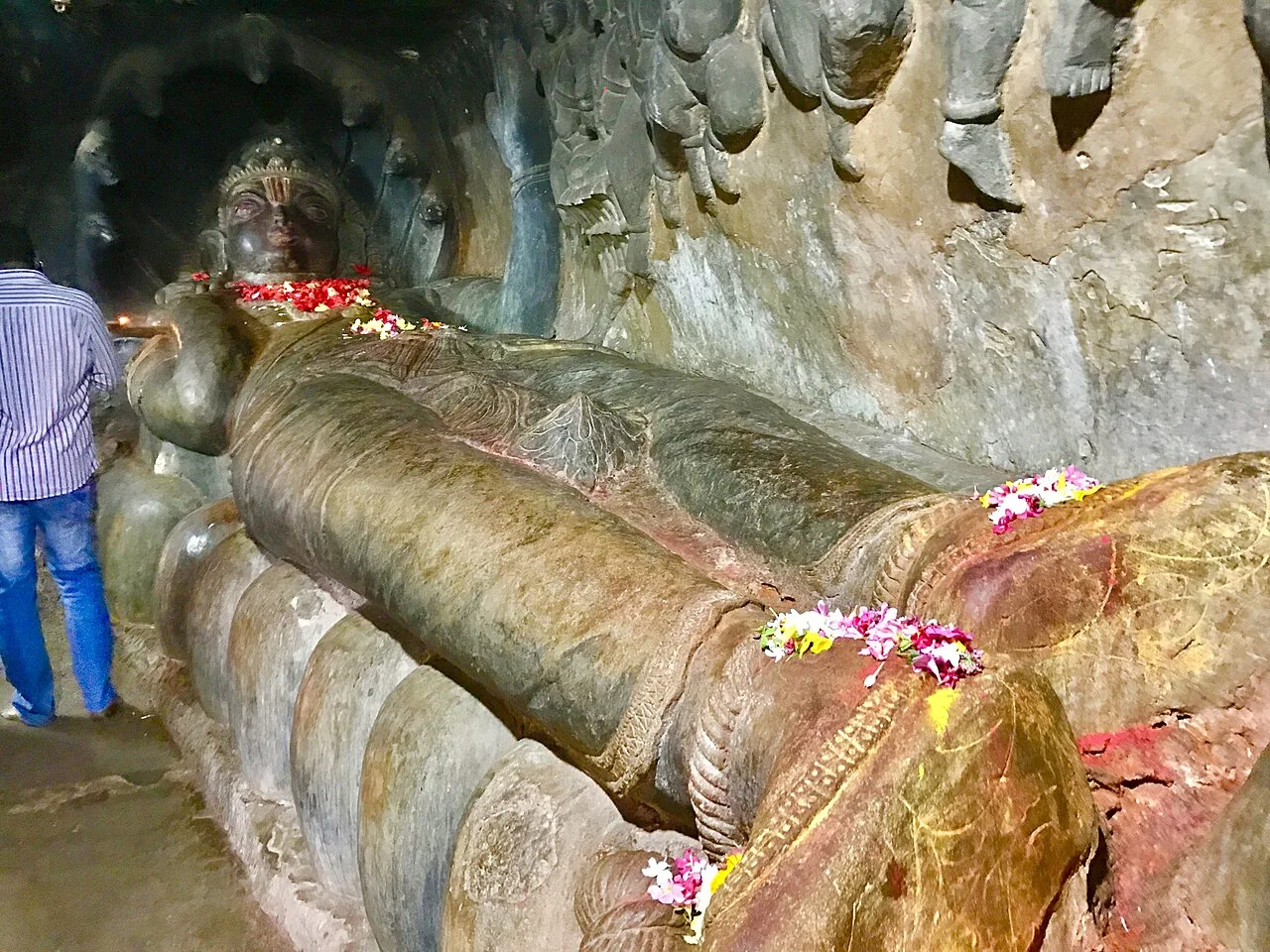
Undavalli Caves

Undavalli Caves is a monolithic rock-cut site in Andhra Pradesh, drawing interest for its sandstone carvings and association with the Vishnukundina period.

Prakasam Barrage

9 km away · NTR district

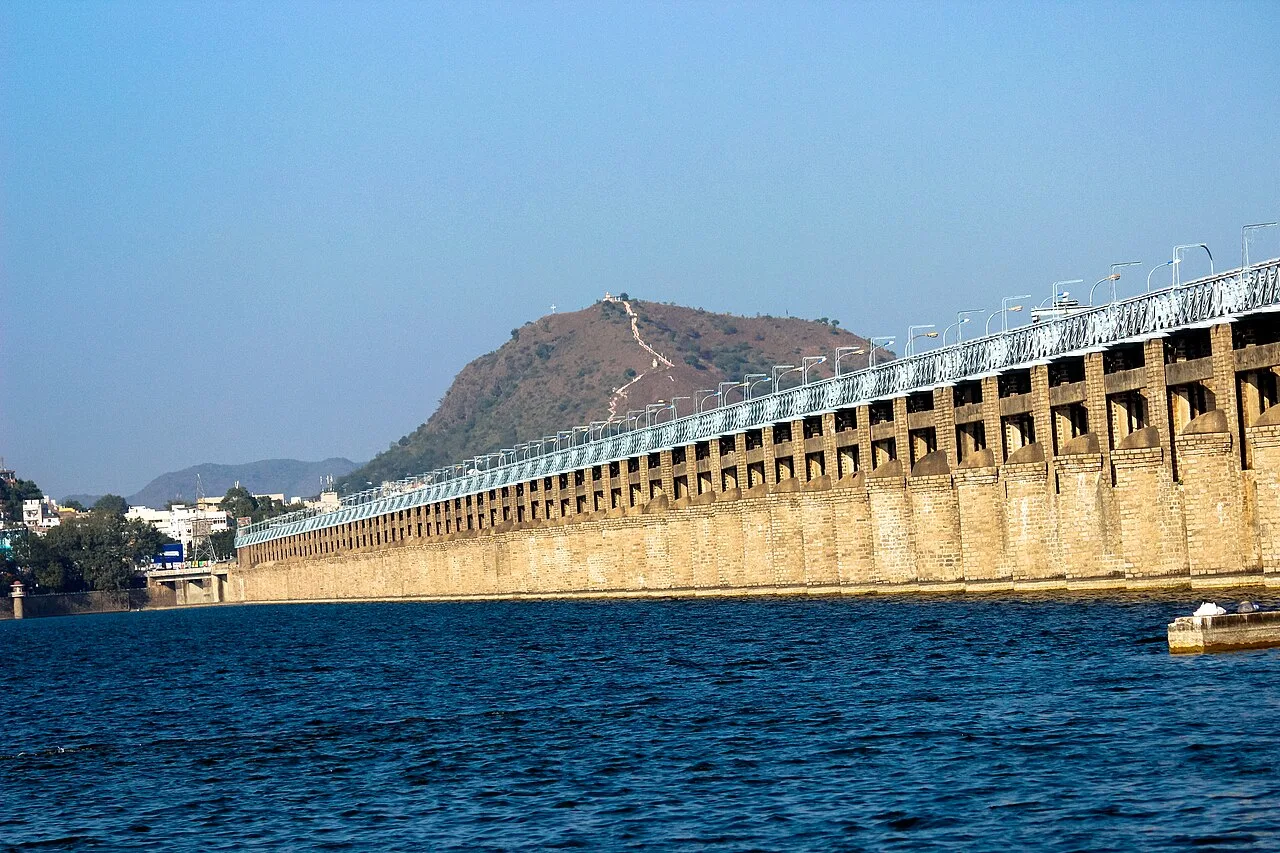
Prakasam Barrage

Prakasam Barrage is a tidal crossing on the Krishna River in Andhra Pradesh, linking Vijayawada and Guntur districts. Visitors can see its road span, the lake held by its wall and canals crossing Vijayawada.

Bhavani Island

10 km away · Krishna district

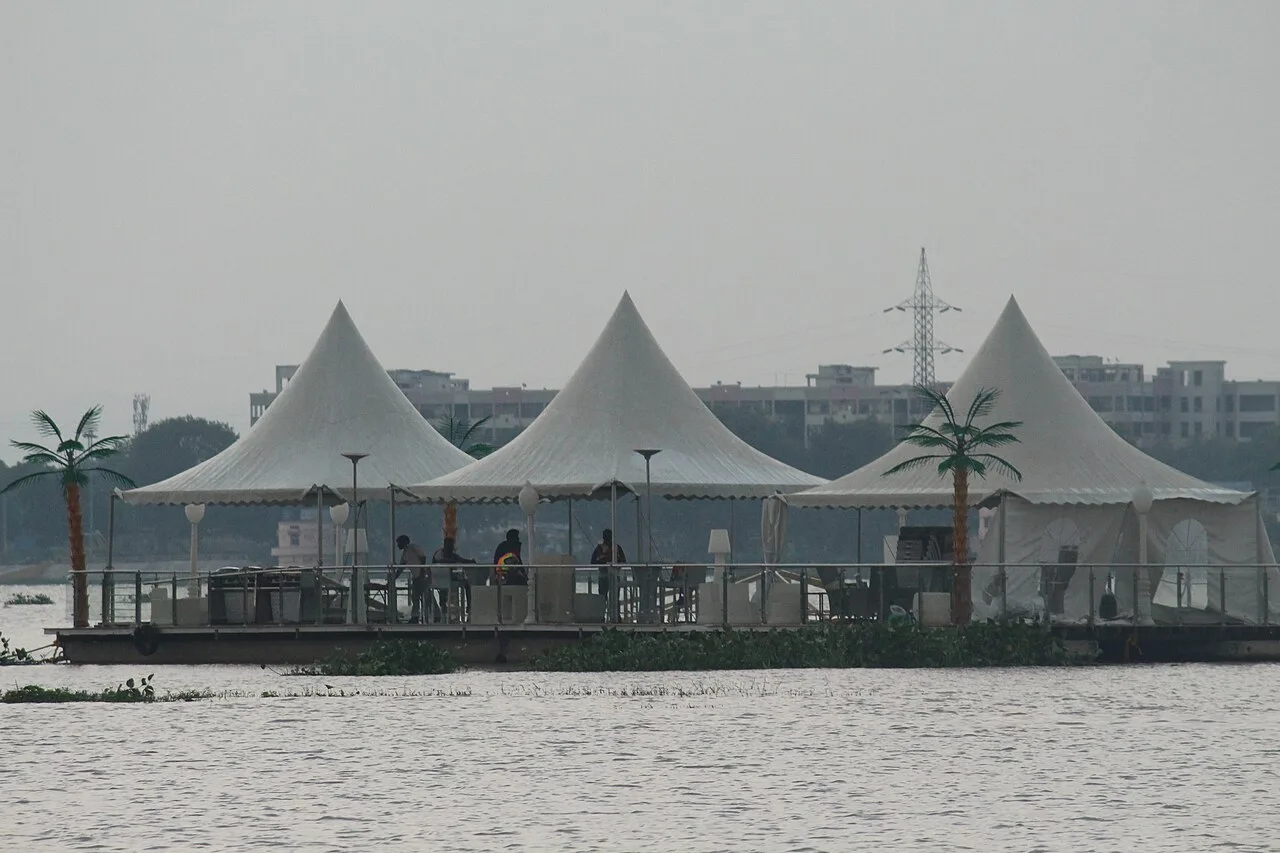
Bhavani Island

Bhavani Island is a large river island in the Krishna River at Vijayawada, Andhra Pradesh. Visitors can enjoy its recreational attractions, from mazes and cycling to sports simulators.

Bapu Museum

11 km away · NTR district

Bapu Museum

Bapu Museum is an archaeological museum in Vijayawada, housed in a century-old Indo-European-style building. Visitors explore its sculptures, paintings and artefacts linked to Buddhist and Hindu heritage.

Kanaka Durga Temple, Vijayawada

11 km away · NTR district

Kanaka Durga Temple, Vijayawada

Set on Indrakeeladri hill in Vijayawada, this Hindu shrine is devoted to Kanaka Durga. Visitors come to worship the deity, whose presence at the hill is recorded in sacred texts.

Kondapalli Fort

21 km away · Krishna district

Kondapalli Fort

Kondapalli Fort, also called Kondapalli Kota, stands on the western side of Kondapalli village in Andhra Pradesh. Visitors come to see the fort and the village’s well-known toys.

Amaravati Mahachaitya (Great Stupa)

28 km away · Guntur district

Amaravati Mahachaitya (Great Stupa)

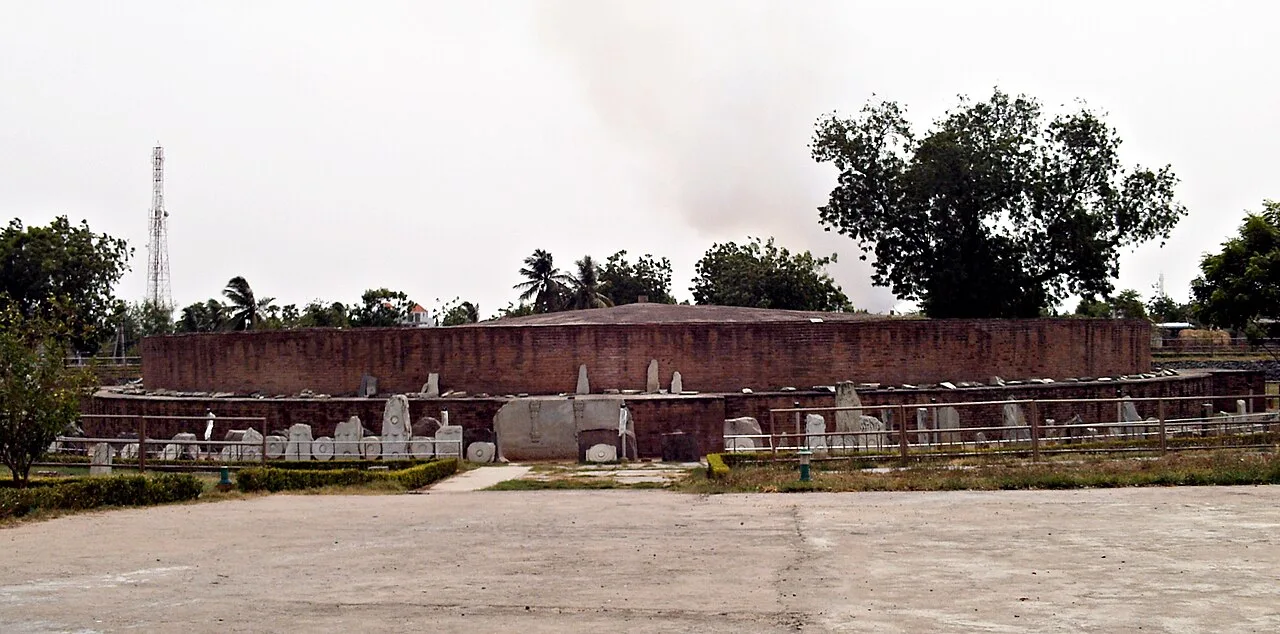
Amaravati Mahachaitya is the remains of a major Buddhist stupa in Andhra Pradesh. Visitors come to see its archaeological remains and learn about its influential sculpture and history.

38 km away · Guntur district

Kondaveedu Fort

Kondaveedu Fort is a hill stronghold in Andhra Pradesh, known for its association with the Reddy dynasty and a succession of rulers. Visitors explore its ruined fortifications and the remains of magazines and storehouses.

Map

Mangalagiri on the map

  1. 1Undavalli Caves
  2. 2Prakasam Barrage
  3. 3Bhavani Island
  4. 4Bapu Museum
  5. 5Kanaka Durga Temple, Vijayawada
  6. 6Kondapalli Fort
  7. 7Amaravati Mahachaitya (Great Stupa)
  8. 8Kondaveedu Fort

Andhra Pradesh

Other cities to explore