Ghumoopedia — Explore, Discover, Experience
Sign in

City guide · Andhra Pradesh

Ongole

Ongole is the administrative headquarters of Prakasam district and an important service and trading centre for the surrounding towns and farming communities. Its best-known emblem is the Ongole breed of cattle, a hardy indigenous breed recognised well beyond Andhra Pradesh.

Famous for

  • Ongole cattle
  • Prakasam district headquarters
  • Historic Shiva temples
  • Regional tobacco trade
  • Nearby coastal beaches

Why Ongole matters

Ongole is the administrative headquarters of Prakasam district and an important service and trading centre for the surrounding towns and farming communities. Its best-known emblem is the Ongole breed of cattle, a hardy indigenous breed recognised well beyond Andhra Pradesh. The city also has a group of historic temples and a long connection with the region’s agricultural trade.

Visitors come for the temples, the town’s everyday markets and its role as a base for exploring the wider district. The Bay of Bengal coast, including Kothapatnam, is accessible from Ongole, while nearby places such as Chimakurthy are associated with the region’s distinctive granite. Telugu is the principal language of daily life. Ongole is not a large resort destination, but its railway connections, district services and central location make it a practical stop on journeys through coastal Andhra. Its character is shaped by a mix of administrative activity, local commerce, religious life and the rural landscape around it.
Famous for: crafts, trade & products

Ongole’s strongest product association is its namesake cattle breed, valued for strength and known across India. The breed is part of the area’s agricultural identity rather than a conventional shop-bought souvenir. Livestock and farming are important in the wider district, while Ongole’s markets serve nearby rural communities with produce and everyday goods.

The Prakasam region also has a long association with tobacco cultivation and trade. Nearby Chimakurthy is known for Black Galaxy granite, a distinctive stone quarried in the region; this is a regional industry rather than a craft made in central Ongole. The city itself is not especially known for a signature saree, textile tradition or handicraft. Visitors looking for locally made items can browse the central commercial streets and markets for food, household goods and regional products, but should not expect a dedicated craft district. Ongole cattle is a celebrated breed, not a packaged GI-tagged product. For agricultural or stone-related trade, the relevant activity is generally spread across the district rather than concentrated in a visitor-oriented market.

History

The Ongole region has ancient roots: inscriptions from the Satavahana period have been found at Chinaganjam, near the city, and the area later came under several South Indian powers. Temple inscriptions associate Ongole’s founding with the Cholas, while Pallava records also refer to the area. It was subsequently connected with the Kakatiyas and the Vijayanagara ruler Krishna Deva Raya. During the Kakatiya period, nearby Motupalli and Vodarevu served as important ports. Before British rule, the Mandapati zamindars were among the last local rulers.

Temples dedicated to Kaasi Visweswara, Chenna Kesava and Veeranjaneya were built in the early seventeenth century. Christian institutions followed in the colonial era: Jewett Memorial Baptist Church dates to 1866, and Andhra Baptist Mission High School was established later in the nineteenth century. Ongole district was formed in 1970 and renamed Prakasam district in 1972. As its headquarters, the city grew as an administrative and commercial centre.

Food, festivals & culture

Telugu is the main language heard in homes, shops and public life; English and Urdu are also used by some residents. Food reflects the wider coastal Andhra style: rice with pappu, vegetable curries, spicy pickles and gongura are common, with chilli used generously. Local eateries offer everyday meals and snacks, though Ongole is not defined by one nationally famous dish or sweet.

Sankranti, usually in January, is a major harvest-season celebration, while Ugadi in March or April marks the Telugu New Year. Dasara in September or October and Deepavali are also widely observed. Maha Shivaratri brings worshippers to Shiva temples, including the historic Kaasi Visweswara Swami temple. Chenna Kesava Swami and Veeranjaneya Swami temples are other longstanding places of worship. Churches and mosques reflect the city’s varied religious life. Telugu devotional music and regional dance traditions appear at religious and community events, alongside contemporary performances and celebrations.

Visiting the city

The most comfortable time to visit is generally October to February, when conditions are cooler and drier. Summers can be very hot, and rain or cyclonic weather is more likely in the monsoon and post-monsoon months. Vijayawada International Airport is the nearest major airport; Ongole railway station is the city’s main rail stop, on a major coastal rail corridor.

Auto-rickshaws, local buses and taxis are useful for getting around. Explore the central commercial area and its older temples, including the Kaasi Visweswara Swami, Chenna Kesava Swami and Veeranjaneya Swami temples. The railway station area is convenient for onward travel, while Kothapatnam offers a coastal outing beyond the city. Check local conditions before planning beach visits during unsettled weather.

Trips from the city

Nearest places to visit from Ongole

Our closest destination guides, by straight-line distance.

Suryalanka Beach

62 km away · Bapatla district

Suryalanka Beach

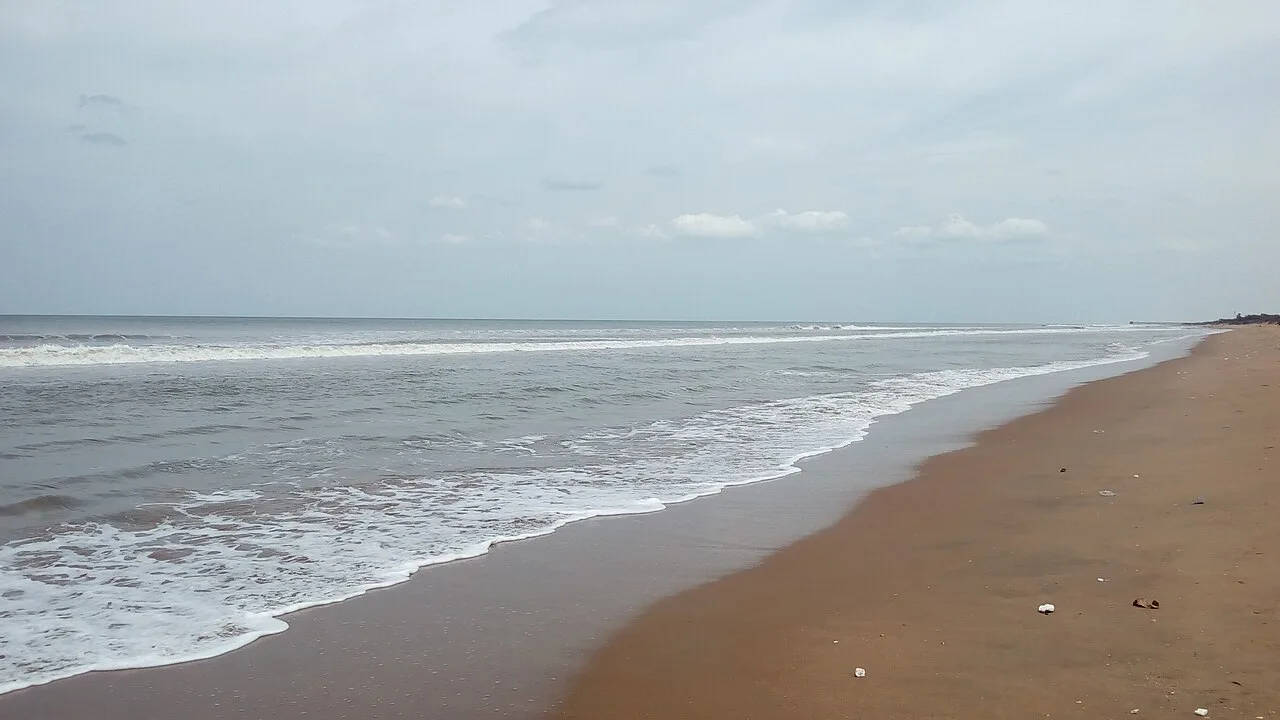
Suryalanka Beach, also called Bapatla Beach, is a coastal destination in Andhra Pradesh’s Bapatla district, visited for its Bay of Bengal shoreline and nearby resorts.

Kotappakonda Temple

71 km away · Guntur district

Kotappakonda Temple

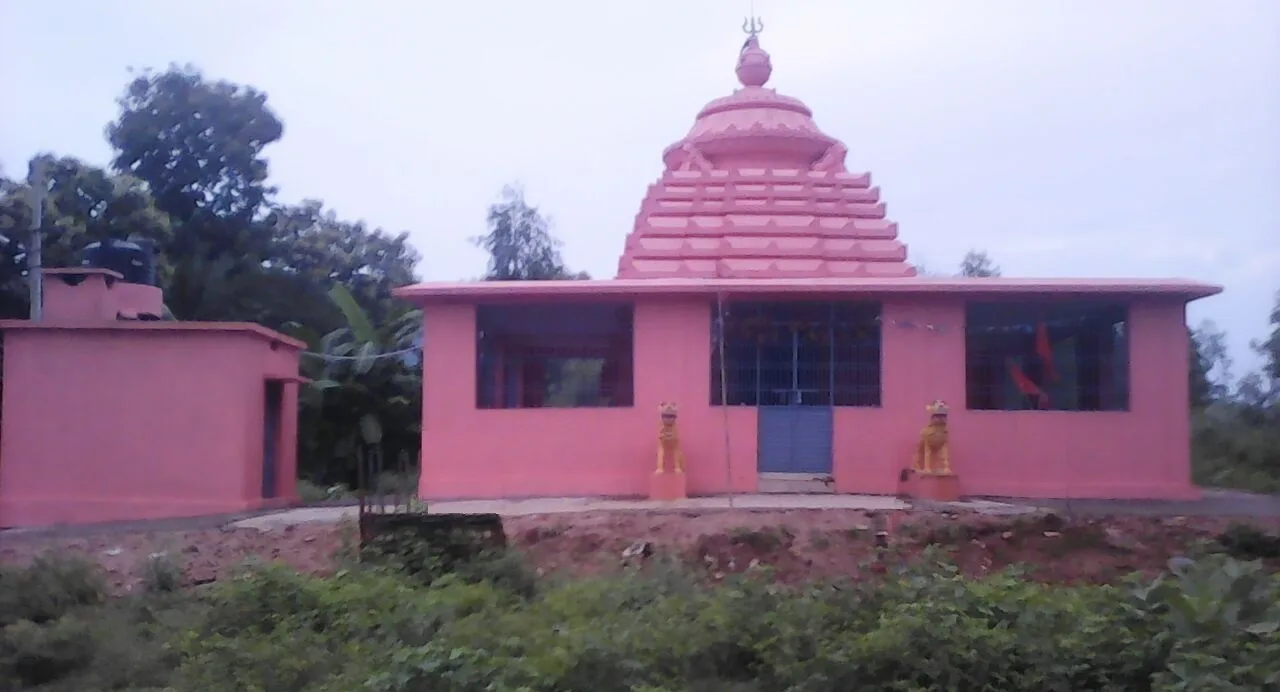
A Hindu pilgrimage destination in Palnadu district, Andhra Pradesh, Kotappakonda is visited for the Trikoteswara Swamy Temple, a shrine to Shiva on the hill.

87 km away · Guntur district

Kondaveedu Fort

Kondaveedu Fort is a hill stronghold in Andhra Pradesh, known for its association with the Reddy dynasty and a succession of rulers. Visitors explore its ruined fortifications and the remains of magazines and storehouses.

Mypadu Beach

112 km away · Sri Potti Sriramulu Nellore district

Mypadu Beach

Mypadu Beach is a coastal destination in Andhra Pradesh’s SPSR Nellore district, about 20 km from Nellore. Visitors can take cruises, while the beach also supports fishing by local communities.

Durgi Stone-Carving Village

116 km away · Palnadu district

Durgi Stone-Carving Village

Durgi, in Palnadu district, Andhra Pradesh, is an administrative centre known for its limestone carving tradition. Visitors come to learn about the craft and see the work artisans continue to produce.

Amaravati Mahachaitya (Great Stupa)

124 km away · Guntur district

Amaravati Mahachaitya (Great Stupa)

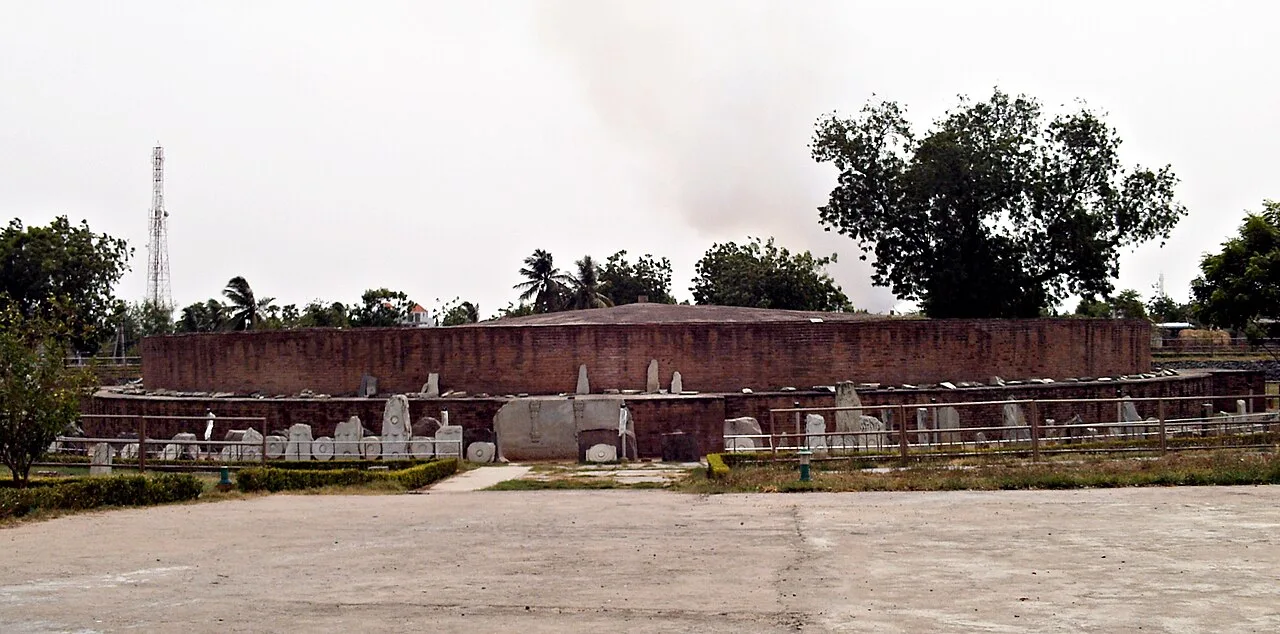
Amaravati Mahachaitya is the remains of a major Buddhist stupa in Andhra Pradesh. Visitors come to see its archaeological remains and learn about its influential sculpture and history.

Undavalli Caves

124 km away · NTR district

Undavalli Caves

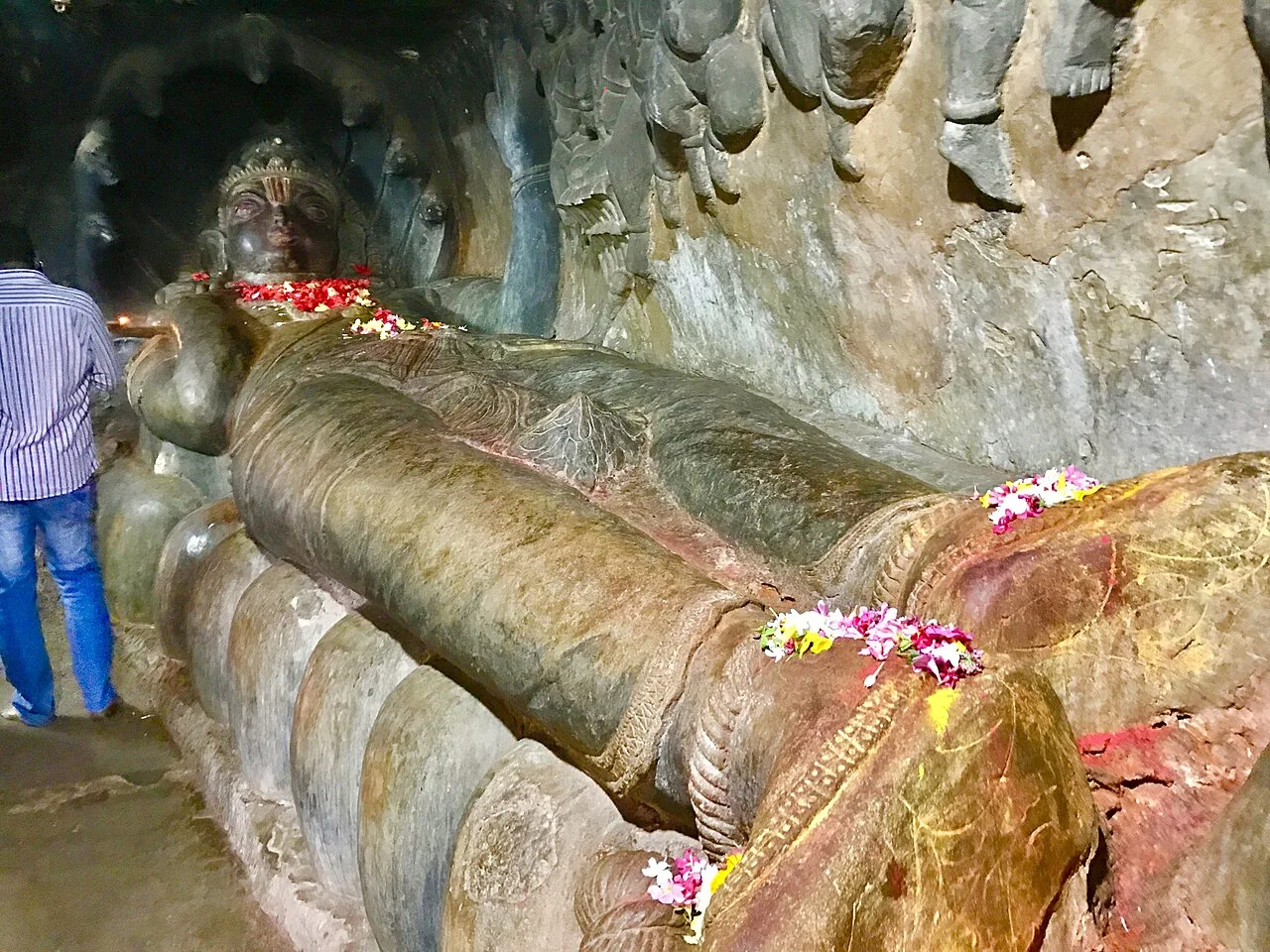
Undavalli Caves is a monolithic rock-cut site in Andhra Pradesh, drawing interest for its sandstone carvings and association with the Vishnukundina period.

Bhavani Island

127 km away · Krishna district

Bhavani Island

Bhavani Island is a large river island in the Krishna River at Vijayawada, Andhra Pradesh. Visitors can enjoy its recreational attractions, from mazes and cycling to sports simulators.

Map

Ongole on the map

  1. 1Suryalanka Beach
  2. 2Kotappakonda Temple
  3. 3Kondaveedu Fort
  4. 4Mypadu Beach
  5. 5Durgi Stone-Carving Village
  6. 6Amaravati Mahachaitya (Great Stupa)
  7. 7Undavalli Caves
  8. 8Bhavani Island

Andhra Pradesh

Other cities to explore