Ghumoopedia — Explore, Discover, Experience
Sign in
Mahanandi Temple, near Cumbum

City guide · Andhra Pradesh

Cumbum

Cumbum, also called Kambham, is a small town in Andhra Pradesh’s Markapuram district and the administrative headquarters of Cumbum mandal. Its importance rests on its position as a local service and transport centre, as well as its close connection to Cumbum Lake, the historic reservoir on the Gundlakamma rivulet beneath the Nallamala hills.

Famous for

  • Cumbum Lake
  • Gundlakamma irrigation
  • Vijayanagara lake heritage
  • Historic Cumbum inscriptions
  • Cumbum railway station

Why Cumbum matters

Cumbum, also called Kambham, is a small town in Andhra Pradesh’s Markapuram district and the administrative headquarters of Cumbum mandal. Its importance rests on its position as a local service and transport centre, as well as its close connection to Cumbum Lake, the historic reservoir on the Gundlakamma rivulet beneath the Nallamala hills.

The lake is the town’s best-known attraction. Its broad waters and surrounding hill country draw visitors interested in scenery, local history and irrigation heritage. The Cumbum Tank received recognition as a World Heritage Irrigation Structure in 2020, reflecting the long-standing engineering and agricultural value of the reservoir. The town also has a layered past, with evidence of Mughal-era administration and a place in the early resistance to British rule. Visitors can combine a stop in Cumbum with a trip to the lake, while the railway and road links make it a useful local centre in this part of the state.
Famous for: crafts, trade & products

Cumbum is not especially known for a particular textile, handicraft, GI-tagged product or specialist manufacturing industry. Its clearest distinction is the historic Cumbum Tank and its role in irrigation. The reservoir supports farmland in the surrounding area, and local trade largely serves residents, travellers and nearby villages rather than drawing visitors for a signature product.

For everyday shopping, look around the town centre and bazaar streets, where small shops and vendors provide groceries, household essentials, clothing and routine services. These are practical places to browse local retail life, but visitors should not expect a dedicated craft market or a recognised local speciality comparable to the celebrated products of larger Andhra cities. The lake and its irrigation heritage are the town’s most notable public-facing identity. For a wider choice of goods, travellers may need to look to larger regional centres such as Markapur or Ongole. Ask locally about seasonal produce and market days, as availability can vary.

History

Cumbum’s history is visible in its lake, inscriptions and changing administrative role. Cumbum Tank is associated with the Vijayanagara period: tradition credits its construction to Varadharajamma, also known as Ruchidevi, wife of Sri Krishna Devaraya and a daughter of the Gajapati rulers of Odisha. The reservoir was built across the Gundlakamma rivulet and became an important source of irrigation.

Inscriptions at Cumbum and nearby Bestavaripeta record officials from the Mughal period. One, from 1706, concerns Khaja Muhammad, a fort commander; another, from 1729, refers to governor Muhammad Sahib and a mosque he commissioned. Under British rule, Cumbum was a municipal centre in Kurnool district, with a garrison and collectorate. On 10 June 1846, Uyyalawada Narasimha Reddy raided the local treasury as part of his revolt against British authority. Cumbum was later included in Prakasam district and is now in Markapuram district.

Food, festivals & culture

Everyday life in Cumbum reflects the wider traditions of inland Andhra Pradesh. Telugu is the principal language of daily communication; visitors may also encounter Urdu and English. Rice-based meals, lentils, vegetable curries, pickles and chilli-rich preparations are common across the region, though Cumbum is not widely associated with a distinctive local dish or sweet. Small eateries and shops in the town centre are the most straightforward places to try ordinary local meals.

Hindu festivals such as Sankranti in January, Ugadi in spring and Dasara in autumn are observed alongside Muslim festivals, including Ramadan and Eid. Celebrations vary by community and year. Temple visits, devotional singing and folk music form part of the broader cultural life of the area; there is no single performance tradition for which Cumbum is especially renowned. The town’s religious landscape includes places of Hindu worship and a historic association with a mosque mentioned in an eighteenth-century inscription. The lake and its surrounding countryside are also part of local life and identity.

Visiting the city

The cooler months from October to February are generally more comfortable for exploring Cumbum and the lake; summers can be hot, while monsoon conditions may affect road journeys. Cumbum railway station is the town’s main rail stop on the Guntur–Guntakal line. Kadapa Airport is a nearby airport option, though travellers should check current flight availability and onward road connections before planning. Kurnool’s Orvakal airport may also be considered.

State highways and local roads connect Cumbum with nearby towns. Buses and auto-rickshaws are useful for getting around; arrange local transport for the lake, which lies outside the town centre. Explore the bazaar and central streets for everyday town life, then visit the railway-station area or make the lake the main outing. Check local conditions before setting out, particularly during the rainy season.

Trips from the city

Nearest places to visit from Cumbum

Our closest destination guides, by straight-line distance.

Mahanandi Temple

53 km away · Nandyal district

Mahanandi Temple

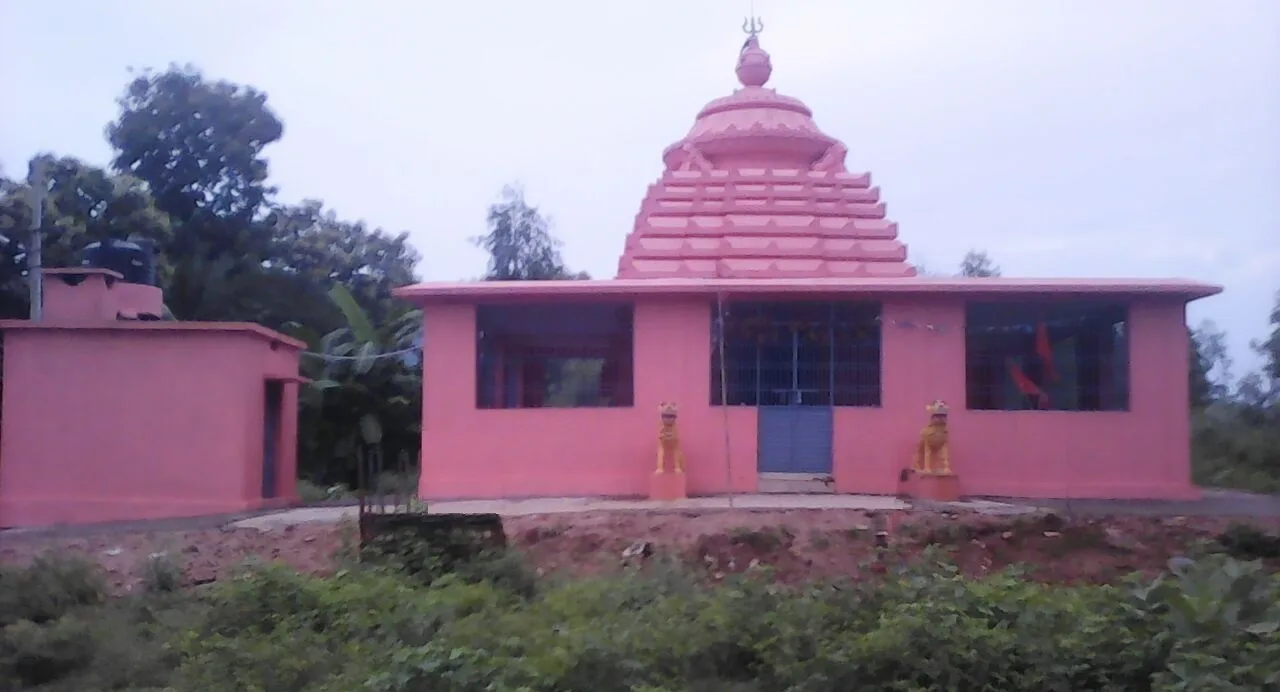
Mahanandi is an Andhra Pradesh village centred on the Mahanandiswara Swamy Temple, one of the Nava Nandi shrines. Visitors come to worship and take part in the annual Maha Shivaratri festival.

Srisailam (Mallikarjuna Jyotirlinga)

62 km away · Nandyal district

Srisailam (Mallikarjuna Jyotirlinga)

Srisailam, in Andhra Pradesh’s Nandyal district, is a census town known for the Mallikarjuna Jyotirlinga Temple. Pilgrims visit for its importance in Shaivism and Shaktism and its status as a Jyotirlinga and Shakta pitha.

Ahobilam Nava Narasimha Temples

65 km away · Nandyal district

Ahobilam Nava Narasimha Temples

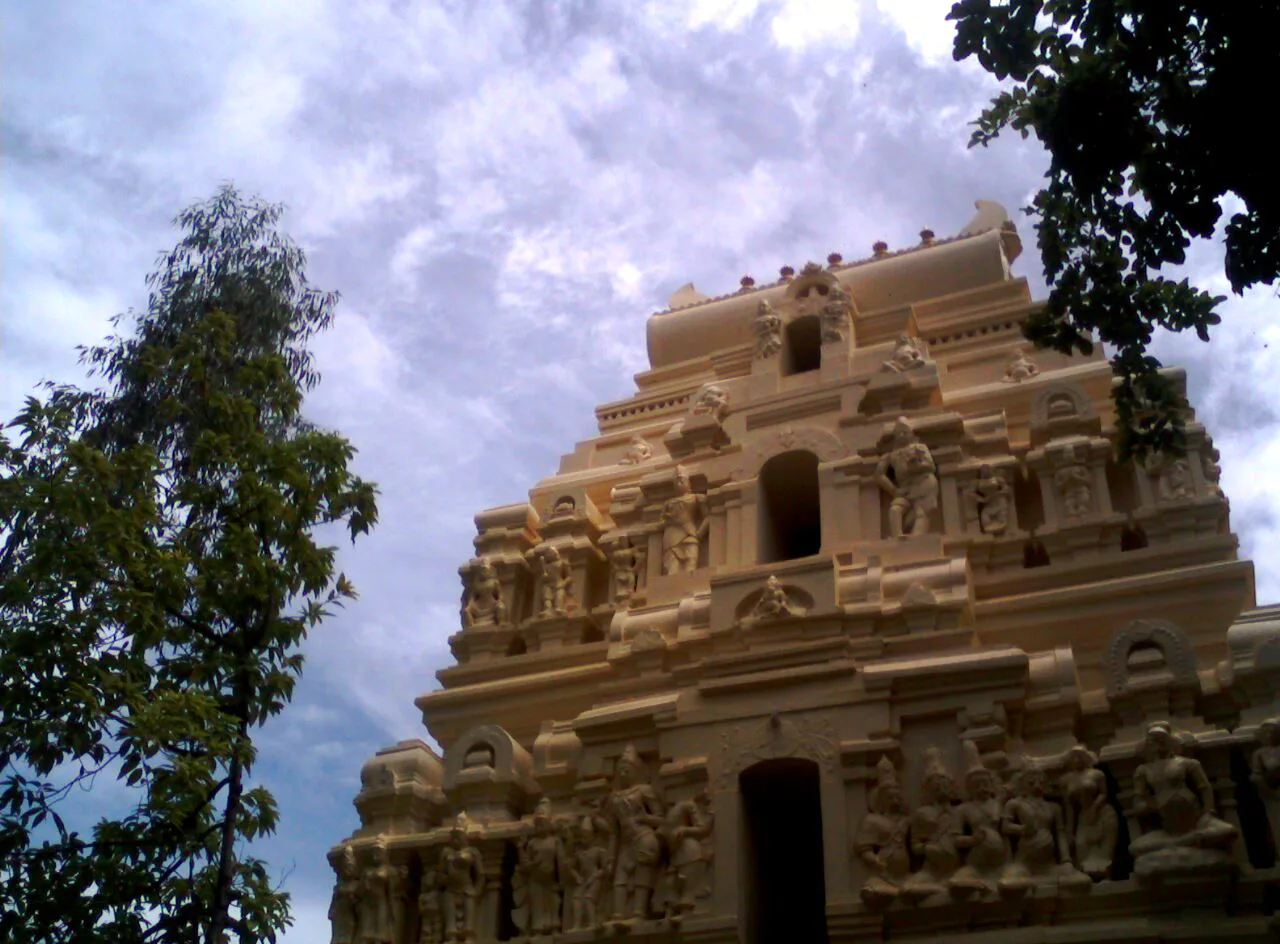
Ahobilam is a sacred settlement in Andhra Pradesh’s Nandyal district, known for its shrines honouring Narasimha. Visitors come to worship at temples located in both Lower and Upper Ahobilam.

Rollapadu Wildlife Sanctuary

81 km away · Nandyal district

Rollapadu Wildlife Sanctuary

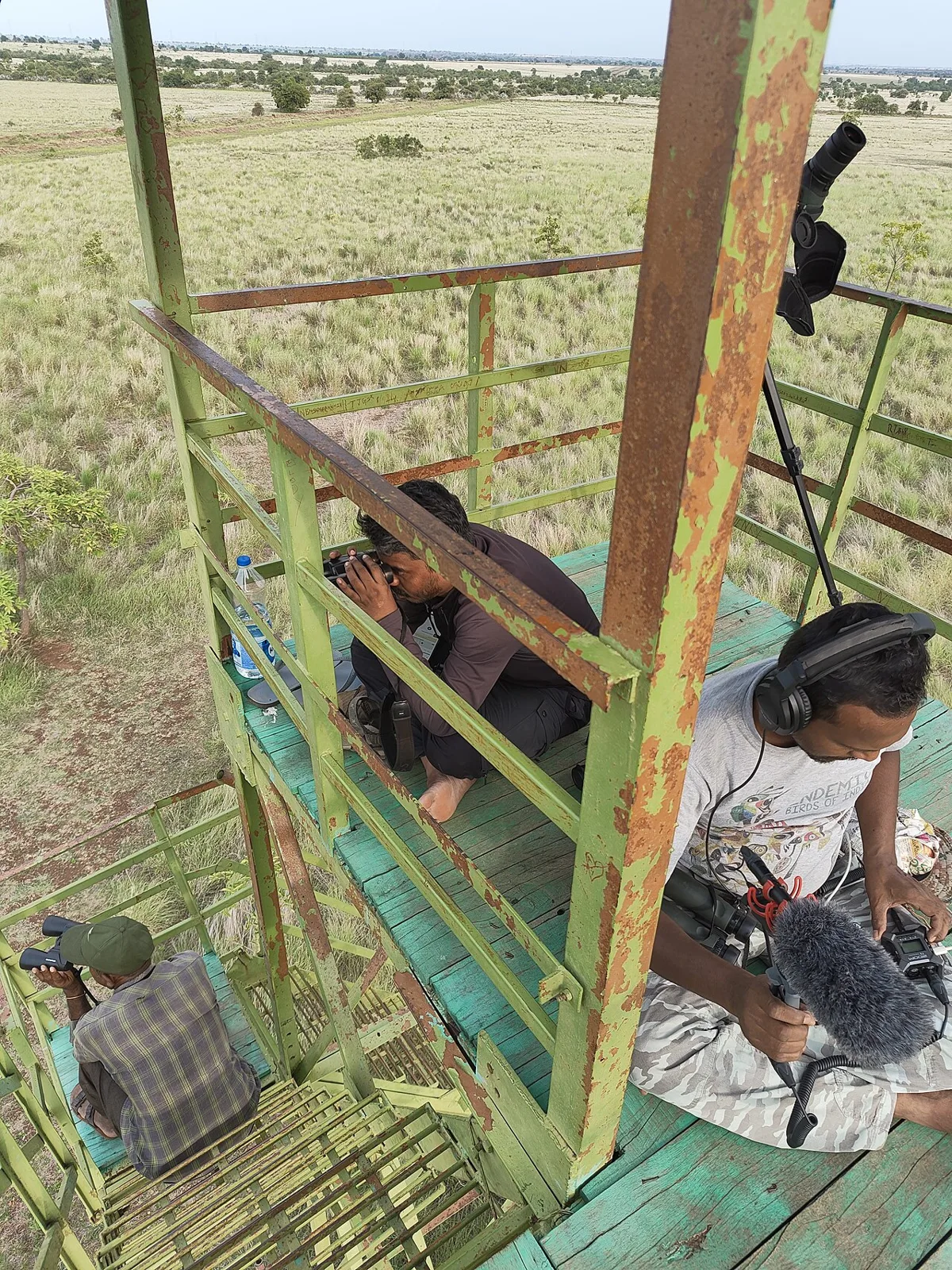
In Andhra Pradesh’s Nandyal district, Rollapadu is a wildlife sanctuary known chiefly as habitat for the great Indian bustard, whose numbers within the sanctuary have dropped sharply in recent years.

Orvakal Rock Garden

101 km away · Kurnool district

Orvakal Rock Garden

Orvakal Rock Garden is a place to visit in Andhra Pradesh’s Kurnool district, associated with Orvakal village; people come to see the site identified as a rock garden.

Durgi Stone-Carving Village

105 km away · Palnadu district

Durgi Stone-Carving Village

Durgi, in Palnadu district, Andhra Pradesh, is an administrative centre known for its limestone carving tradition. Visitors come to learn about the craft and see the work artisans continue to produce.

Nagarjunakonda

105 km away · Palnadu district

Nagarjunakonda

Nagarjunakonda is an archaeological island in Andhra Pradesh, preserving relocated remains of the historic settlement of Vijayapuri. Visitors come to see its Buddhist and Hindu remains and learn about its monastic centre.

Yaganti temple

107 km away · Nandyal district

Yaganti temple

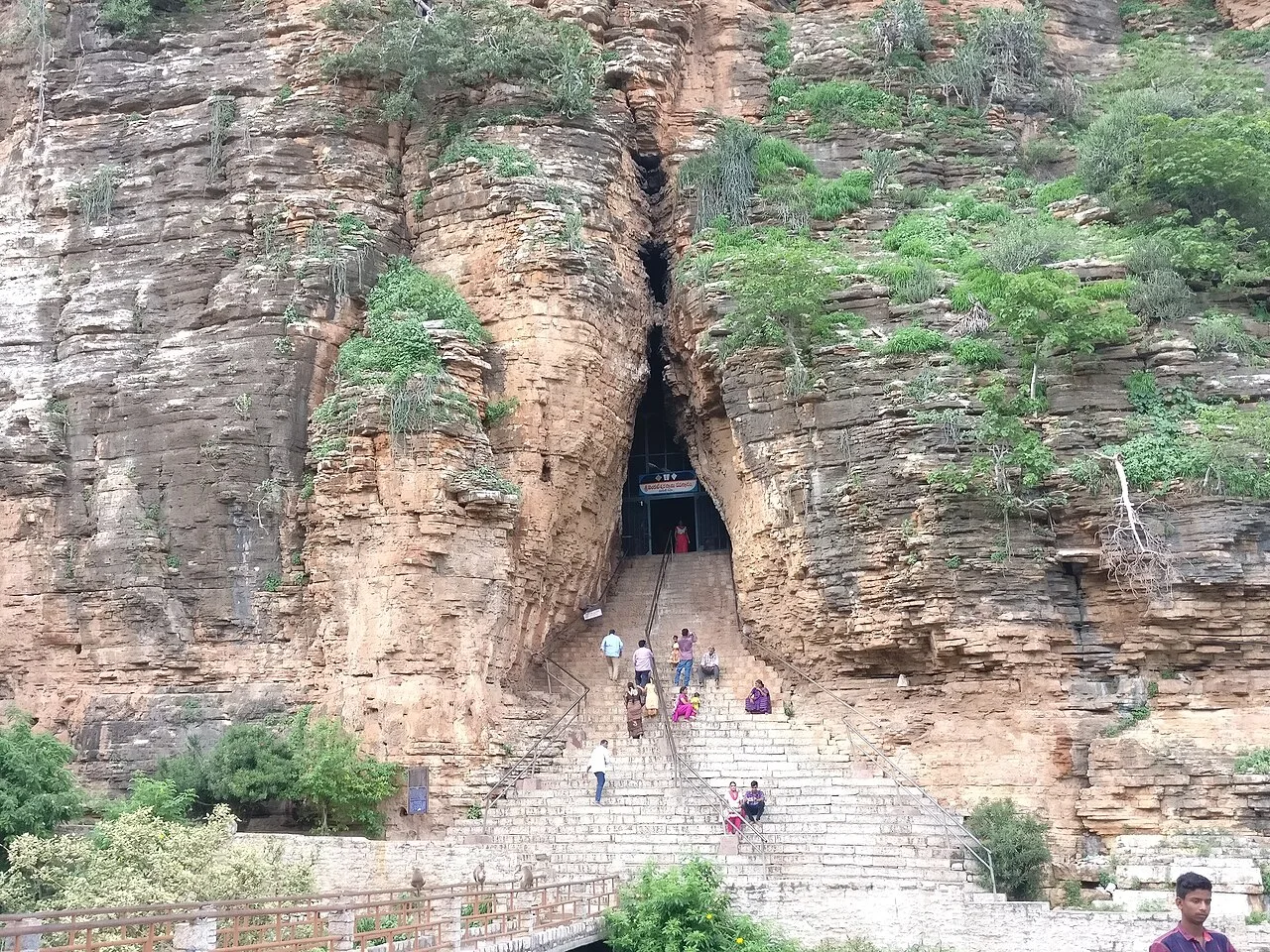
In Andhra Pradesh’s Nandyal district, Yaganti Temple is a Shiva shrine known also as Sri Yaganti Uma Maheswara Temple. Visitors come to worship Shiva at this temple.

Map

Cumbum on the map

  1. 1Mahanandi Temple
  2. 2Srisailam (Mallikarjuna Jyotirlinga)
  3. 3Ahobilam Nava Narasimha Temples
  4. 4Rollapadu Wildlife Sanctuary
  5. 5Orvakal Rock Garden
  6. 6Durgi Stone-Carving Village
  7. 7Nagarjunakonda
  8. 8Yaganti temple

Andhra Pradesh

Other cities to explore