Ghumoopedia — Explore, Discover, Experience
Sign in
Ramatheertham Temple, near Bobbili

City guide · Andhra Pradesh

Bobbili

Bobbili is a historic town in Vizianagaram district, in northern Andhra Pradesh. It serves as a local centre for the surrounding towns and rural communities, with shops, services and transport links connecting the area.

Famous for

  • GI-tagged Bobbili Veena
  • Bobbili Fort
  • 1757 Battle of Bobbili
  • Bobbili royal heritage
  • Traditional veena making

Why Bobbili matters

Bobbili is a historic town in Vizianagaram district, in northern Andhra Pradesh. It serves as a local centre for the surrounding towns and rural communities, with shops, services and transport links connecting the area. Its name is closely associated with the Bobbili Veena, a traditional musical instrument made by local artisans and recognised with a Geographical Indication tag.

Visitors come for the town’s royal history, the remains and setting of Bobbili Fort, and opportunities to learn about veena-making. Bobbili is also remembered for the 1757 Battle of Bobbili, a defining episode in the region’s past involving the Bobbili rulers, the Vizianagaram kingdom and French forces. The town is not a large resort destination, but its heritage and living craft tradition make it a worthwhile stop for travellers exploring Vizianagaram district. Its character combines a working Andhra town with a distinctive legacy of courtly history and instrument making.
Famous for: crafts, trade & products

Bobbili’s best-known product is the Bobbili Veena, a large, elaborately crafted string instrument associated with the town. Its traditional making is recognised by a Geographical Indication tag. Artisans shape and assemble the instrument by hand, and the craft is especially associated with Gollapalli, near Bobbili. Visitors interested in the process can ask locally about working workshops; availability for visits and finished instruments may vary. Local instrument sellers and shops are also places to enquire about veenas and related items.

Bobbili is not chiefly known as a saree-weaving centre, and it does not have a widely recognised local textile tradition. Its markets primarily serve residents and nearby communities, with everyday goods and agricultural produce rather than a single signature shopping district. Small-scale trade and services are an important part of the town’s local economy. For travellers, the most distinctive purchase to seek out is a veena or a smaller craft item connected with the instrument-making tradition. Buying directly from a maker, when possible, can also offer insight into the skill and work involved.

History

Bobbili was founded in the 17th century by Pedda Rayudu, a descendant of the rulers of Venkatagiri. The town’s name is said to have developed through earlier forms, including Pebbuli and Bebbuli, before becoming Bobbili. It grew as the seat of a zamindari estate and became closely identified with its ruling family.

The Battle of Bobbili in 1757 remains the best-known episode in its history. Forces of the Vizianagaram kingdom, supported by French commander Marquis de Bussy, defeated the Bobbili forces. The conflict left a lasting place in regional memory, and Tandra Paparayudu is remembered for his role in its aftermath. Bobbili’s rulers continued to hold local influence in the centuries that followed, including during the colonial period, when zamindari estates operated within British administration. In modern times the town has developed as a local centre for transport, education, trade and public services, while its royal past and veena craft remain central to its identity.

Food, festivals & culture

Telugu is the main language of everyday life in Bobbili. The food reflects northern Andhra tastes: rice-based meals served with lentils, vegetable curries, pickles and chutneys, often with a pronounced chilli tang. Sweets such as bobbatlu and ariselu are enjoyed at festive times, though they are shared across the wider region rather than unique to Bobbili.

Sankranti, usually celebrated in January, is a major harvest-season festival. Ugadi, the Telugu New Year in March or April, and Dasara, generally in September or October, are also observed with family gatherings and worship. Temples provide important community spaces; the Venugopala Swamy temple is among the town’s places of worship. The Bobbili Veena links local identity with Indian classical music, even though the town is best known for making the instrument rather than for a particular music or dance festival. Visitors can experience this craft heritage by enquiring about local makers.

Visiting the city

October to February is generally the most comfortable period to visit, with milder weather than the hot summer months. The nearest major airport commonly used by travellers is Visakhapatnam International Airport. Bobbili has its own railway station, Bobbili Junction, and road connections with towns including Vizianagaram and Parvathipuram.

Auto-rickshaws and local taxis are practical for getting around town; arrange transport in advance for nearby villages or craft visits. Begin in the town centre and explore Bobbili Fort and its surrounding historic area, then ask locally about veena-making workshops, particularly in Gollapalli. The central market is useful for everyday shopping and refreshments. Workshop visits may need prior local arrangements, so allow time to make enquiries rather than relying on fixed visitor facilities.

Trips from the city

Nearest places to visit from Bobbili

Our closest destination guides, by straight-line distance.

Ramatheertham Temple

47 km away · Vizianagaram district

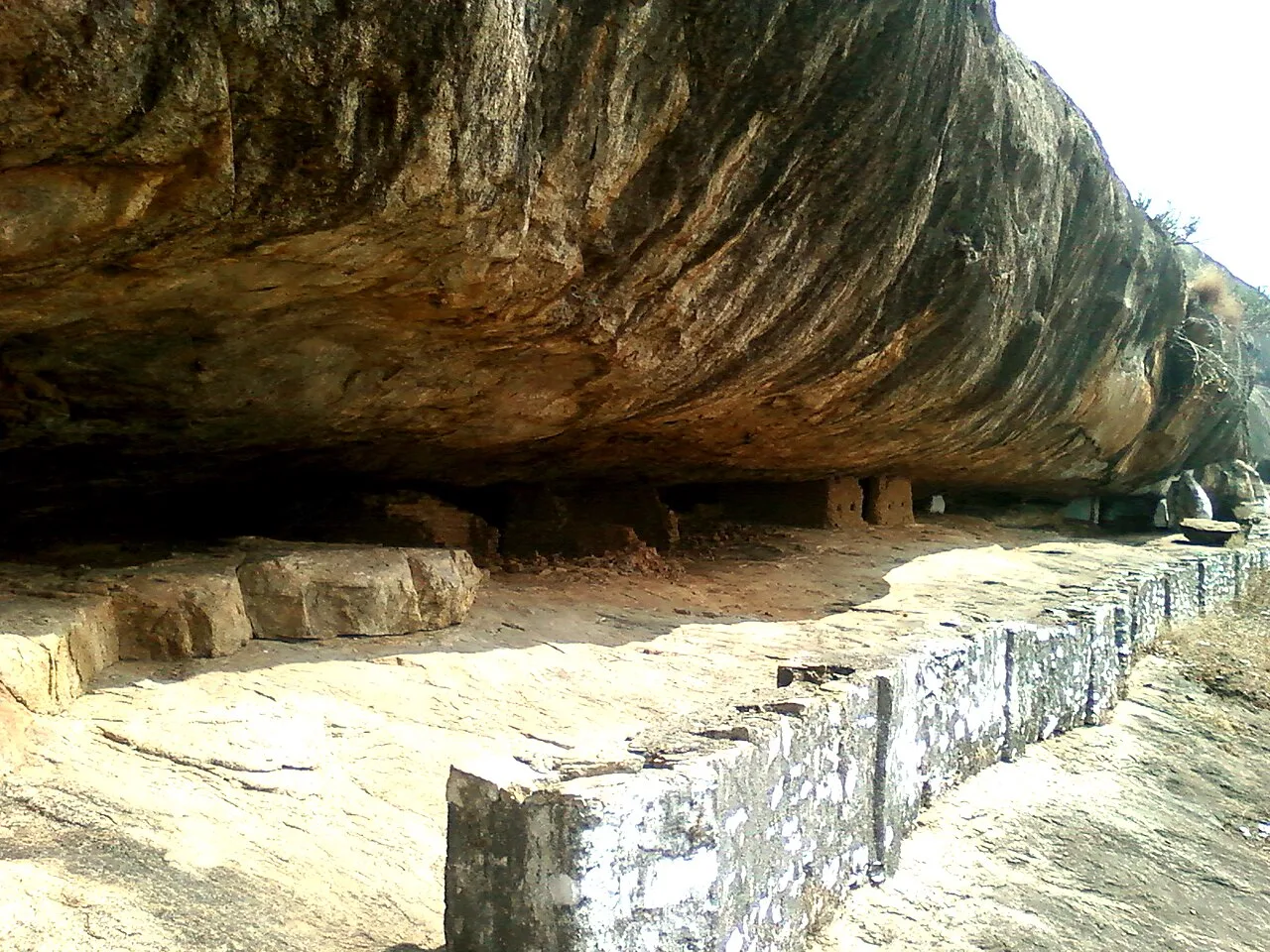
Ramatheertham Temple

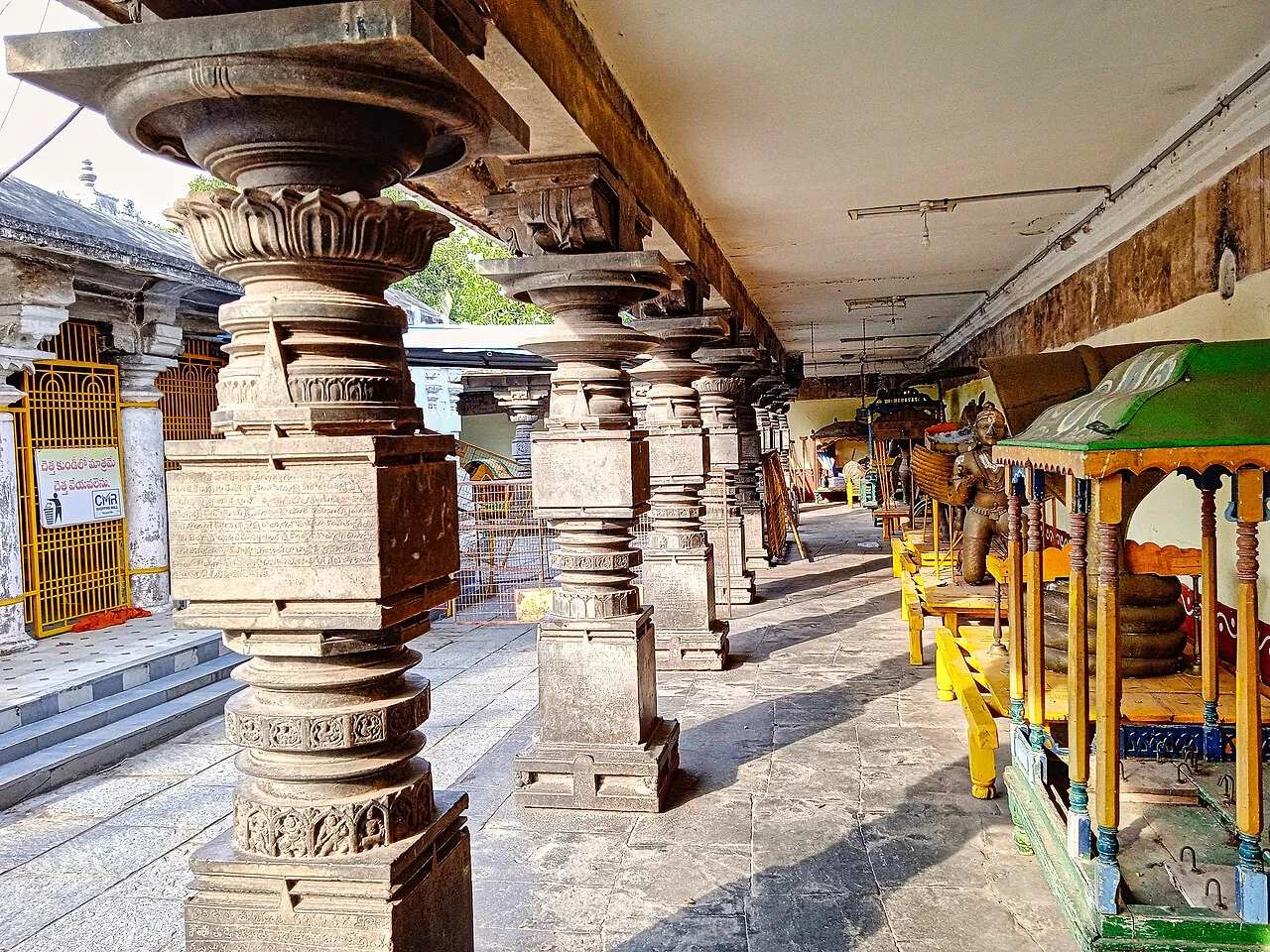
Ramatheertham Temple is a religious and archaeological destination in Vizianagaram district, drawing visitors to the Kodanda Rama shrine and nearby Buddhist and Jain remains.

Katiki Waterfalls

50 km away · Alluri Sitharama Raju district

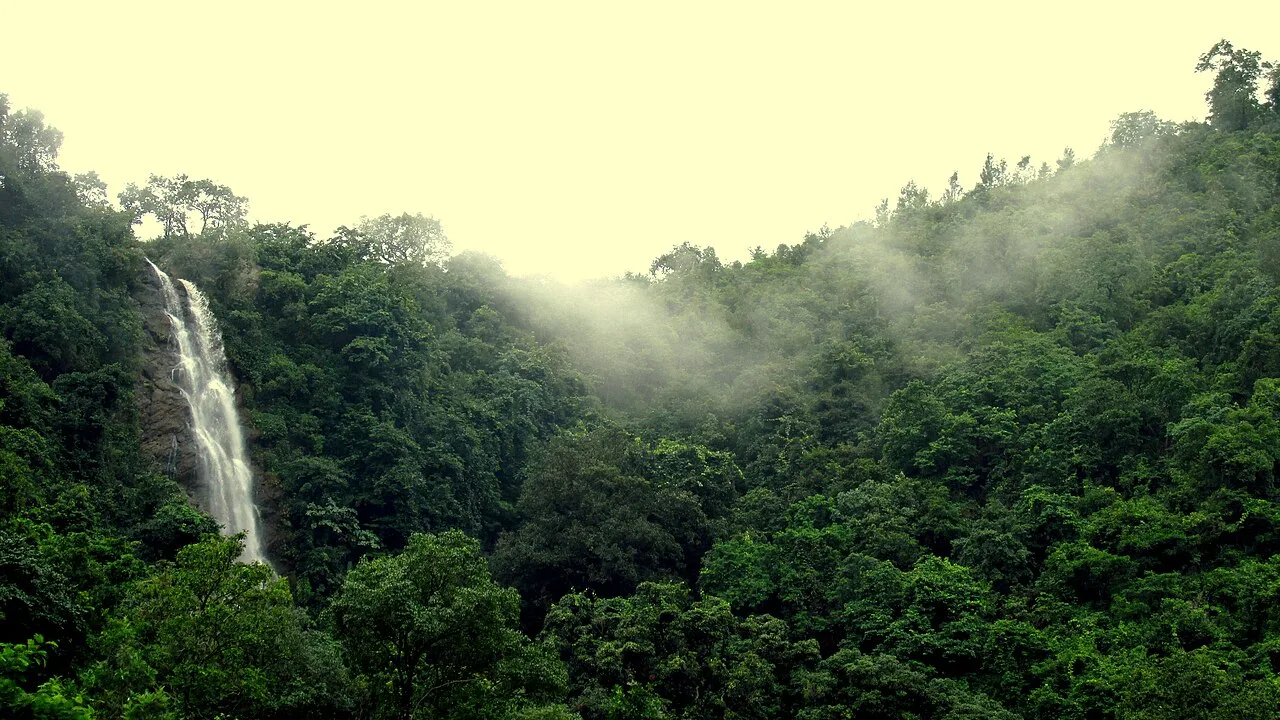
Katiki Waterfalls

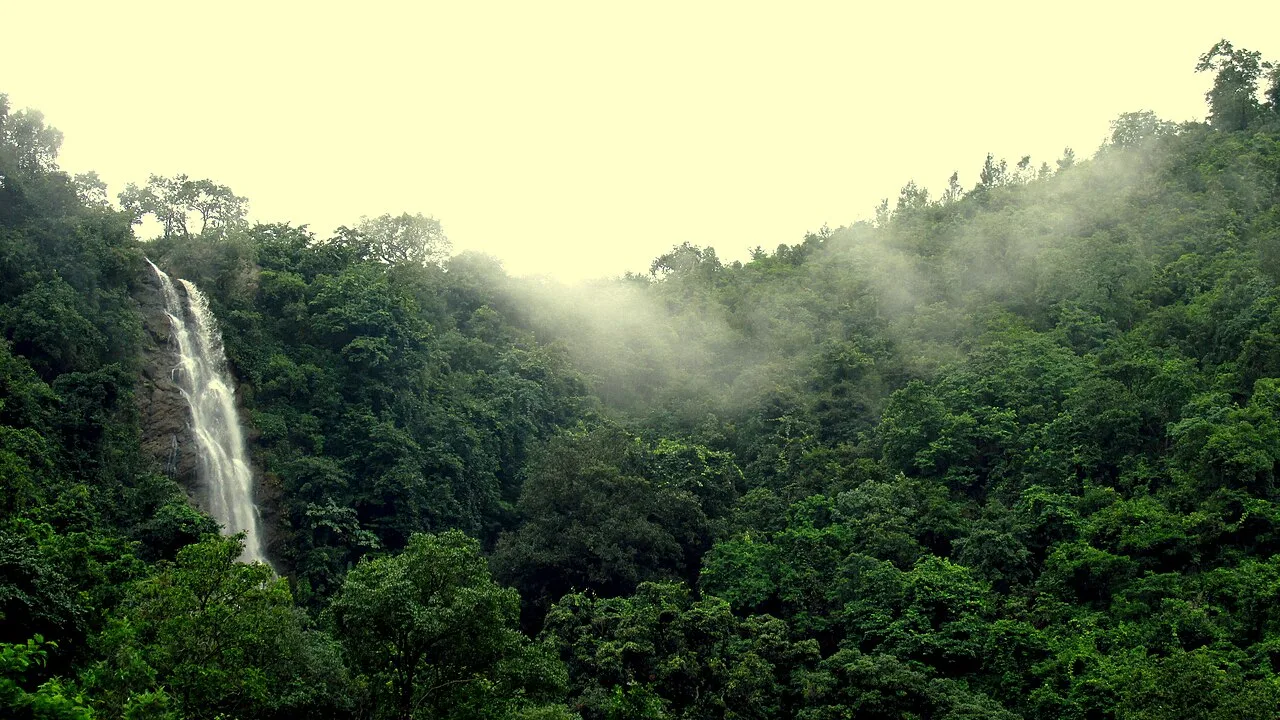
Katiki Waterfalls is a waterfall in Andhra Pradesh’s Alluri Sitharama Raju district. Visitors come to see the falls, which are close to Borra Caves and fed by River Gosthani.

Vizianagaram Fort

52 km away · Vizianagaram district

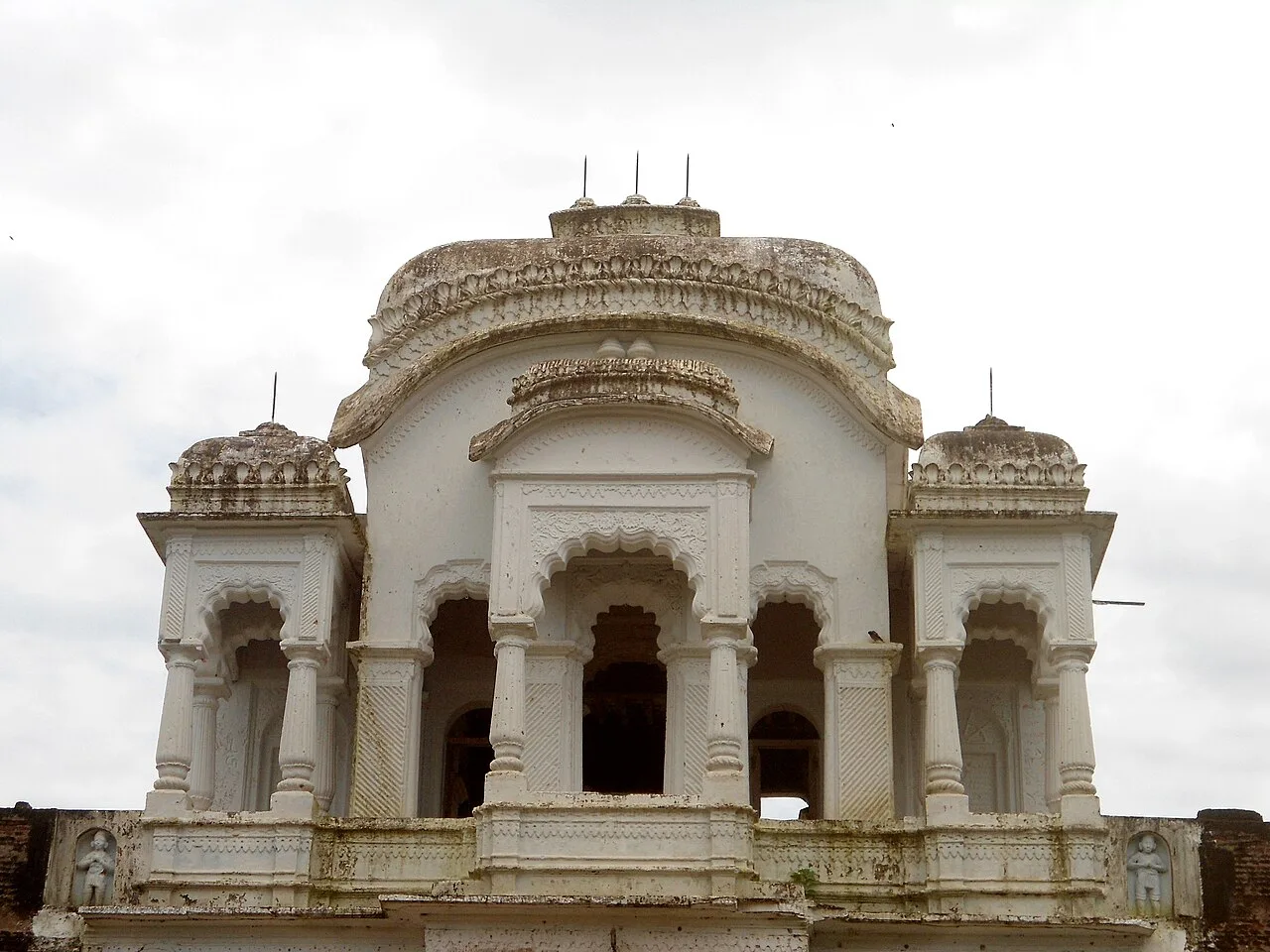
Vizianagaram Fort

Vizianagaram Fort is an early eighteenth-century stronghold in Andhra Pradesh, visited for its gateways, temples, palaces, victory tower and history of a ceremonial foundation.

Araku Valley

58 km away · Alluri Sitharama Raju district

Araku Valley

Araku Valley is a hill station in Andhra Pradesh’s Alluri Sitharama Raju district, 111 km from Visakhapatnam. Visitors come to experience it as a hill-station destination.

Borra Caves

59 km away · Alluri Sitharama Raju district

Borra Caves

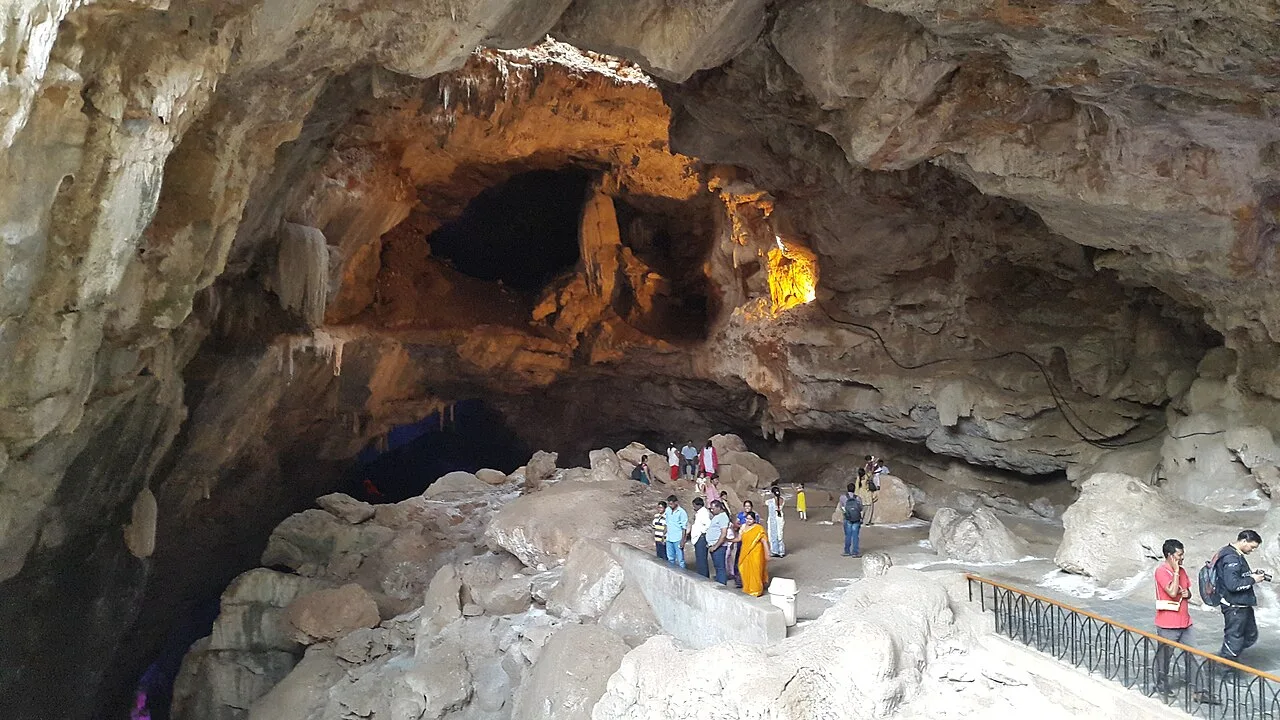
Borra Caves are a limestone cave network in the Ananthagiri hills near Araku Valley, Andhra Pradesh. Visitors explore the caves to view their stalactites, stalagmites and other karst features.

Arasavalli Sun Temple

65 km away · Srikakulam district

Arasavalli Sun Temple

Arasavalli Sun Temple is a shrine to Surya in Andhra Pradesh, drawing worshippers and visitors interested in its ancient history and Kalinga-style architecture.

Srikurmam Temple

76 km away · Srikakulam district

Srikurmam Temple

Srikurmam Temple is a shrine in Andhra Pradesh associated with Vishnu’s Kurma incarnation. Visitors come to honour this form of the deity in the village that takes its name from the temple.

Rushikonda Beach

88 km away · Visakhapatnam district

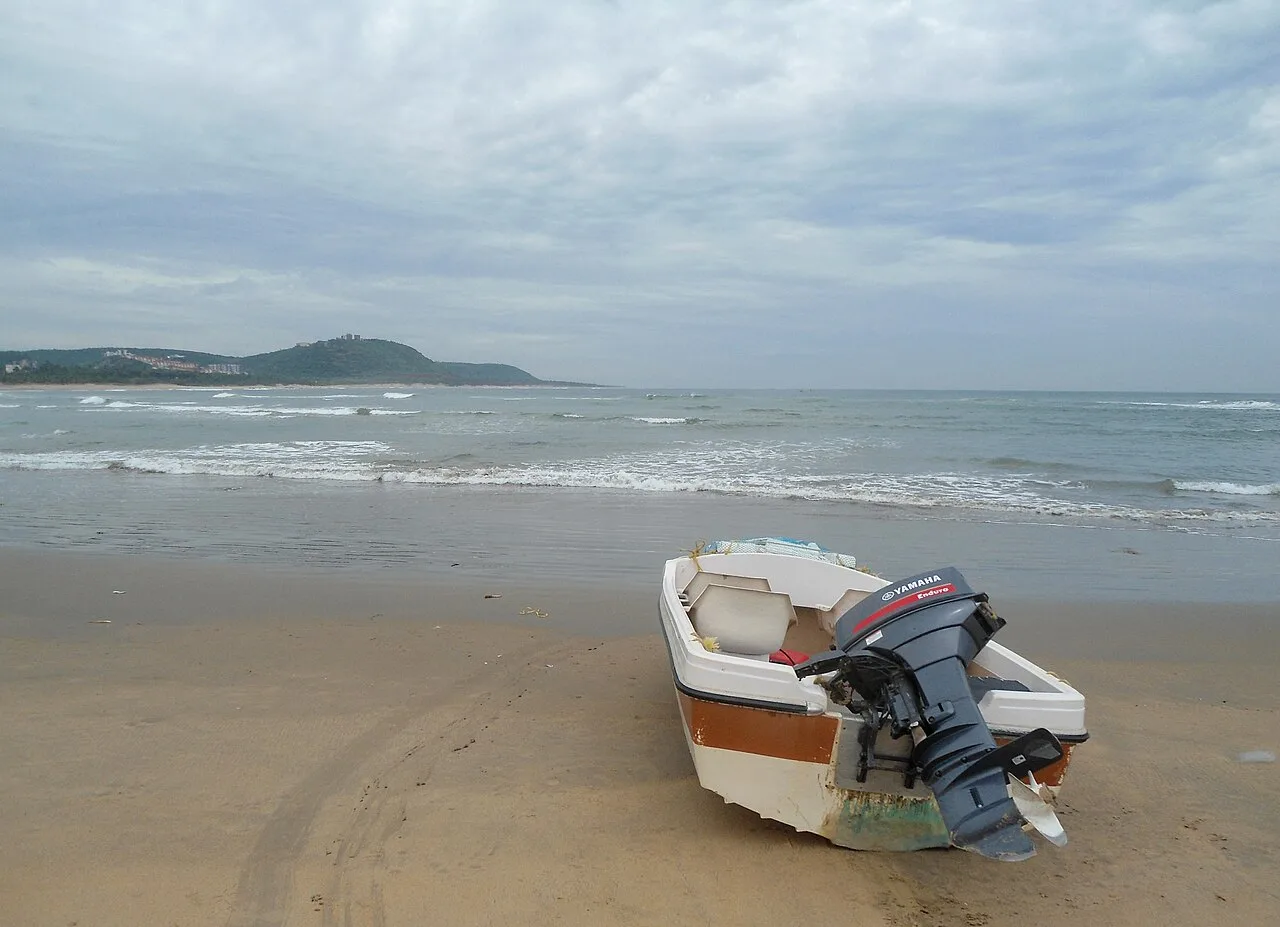
Rushikonda Beach

Rushikonda Beach is a seaside destination in Visakhapatnam, Andhra Pradesh, on the Bay of Bengal. Visitors come to spend time by the sea, and the Andhra Pradesh Tourism Development Corporation maintains it.

Map

Bobbili on the map

  1. 1Ramatheertham Temple
  2. 2Katiki Waterfalls
  3. 3Vizianagaram Fort
  4. 4Araku Valley
  5. 5Borra Caves
  6. 6Arasavalli Sun Temple
  7. 7Srikurmam Temple
  8. 8Rushikonda Beach

Andhra Pradesh

Other cities to explore