Ghumoopedia — Explore, Discover, Experience
Sign in
Yaganti temple, near Dhone

City guide · Andhra Pradesh

Dhone

Dhone is a municipality in Nandyal district and the administrative headquarters of Dhone revenue division. Its position in the Rayalaseema region makes it a useful local centre for travel, public services and trade.

Famous for

  • Dronachalam hill tradition
  • Sri Vasavi Temple
  • Erramala hill setting
  • Dhone railway junction
  • Limestone quarry heritage

Why Dhone matters

Dhone is a municipality in Nandyal district and the administrative headquarters of Dhone revenue division. Its position in the Rayalaseema region makes it a useful local centre for travel, public services and trade. The town is also a railway junction, linking it with destinations across Andhra Pradesh and beyond, and serving visitors travelling through this part of the state.

The landscape is a distinctive part of Dhone’s identity: the Erramala hills rise around the town, particularly to its south. A local tradition connects the former name Dronachalam with Dronacharya of the Mahabharata, who is said to have meditated on a nearby hill. Places of worship on the hill reflect the area’s varied religious life. Within town, Sri Vasavi Temple is a notable landmark, while the region’s limestone deposits recall an earlier period of quarrying. Dhone is best approached as a working regional town, with its appeal resting on its hill setting, local traditions and transport connections rather than a large cluster of visitor attractions.
Famous for: crafts, trade & products

Dhone is not especially known for a signature textile, handicraft, GI-tagged product or specialist food trade. Its best-documented industrial association is limestone: deposits in the surrounding area supported quarrying, although the quarry is no longer active. This history is part of the town’s regional identity, but visitors should not expect an operating quarry or a dedicated limestone market.

For everyday shopping, the town’s local market areas are the practical places to look for groceries, household goods and basic travel needs. They serve residents and nearby communities rather than functioning as destination shopping districts. No particular craft bazaar or recognised artisan quarter is established as a major attraction. Visitors seeking a wider choice of branded goods or specialised products can compare options in larger regional centres. Dhone’s most distinctive places to explore are cultural and geographical: Sri Vasavi Temple, the hill associated with the Dronachalam tradition, and the railway junction that underscores the town’s role as a local transport hub.

History

Dhone was formerly known as Dronachalam. According to local tradition, the name refers to Dronacharya, the teacher in the Mahabharata, who is believed to have meditated on a hill near the village. A Hanuman temple, a dargah and a church are now associated with that hill, reflecting the area’s diverse devotional traditions. Sri Vasavi Temple, constructed in 1916, is identified as the town’s oldest temple.

Dhone’s wider history is part of Rayalaseema’s changing political landscape, shaped over time by powers of the Deccan and southern India and later by British rule. The available local record does not establish a detailed sequence of rulers specifically for the town. In modern times, Dhone developed as a municipal and administrative centre, and its railway connections strengthened its role in regional movement. Limestone quarrying also contributed to its economic past; the quarry has since ceased operating. Dhone is now in Nandyal district and serves as headquarters of Dhone revenue division.

Food, festivals & culture

Telugu is the principal language of everyday life in Dhone, and English and Urdu may also be heard in public settings. Local food follows familiar Rayalaseema and Andhra patterns: rice, lentils, vegetable curries, pickles and spicy preparations are common. Menus vary between homes and eateries, so visitors can ask locally about seasonal dishes and sweets rather than expect a single town speciality.

Hindu festivals such as Sankranti in January, Ugadi in spring and Dasara in autumn are observed in the wider region, alongside celebrations by Muslim and Christian communities. The hill’s Hanuman shrine, dargah and church offer a visible example of Dhone’s plural religious life. Sri Vasavi Temple is another important place of worship and a local landmark. Music, devotional singing and community celebrations are part of festival life, though Dhone is not widely identified with a particular classical dance form or specialist performing-arts tradition. Visitors should dress respectfully at places of worship and follow local customs.

Visiting the city

The cooler months, roughly October to February, are generally more comfortable for exploring Dhone and its surrounding hills; summers in Rayalaseema can be very hot. Dhone Junction is the main railway station and a convenient arrival point. The nearest airport is Kurnool Airport at Orvakal; check current flight availability and onward transport before planning around it.

Auto-rickshaws and local road transport are useful for getting around town, while a hired vehicle is more practical for reaching nearby areas. Explore the central market streets for everyday town life, Sri Vasavi Temple for a local landmark, and the hill associated with the Dronachalam tradition for its places of worship and views. Ask locally about access and suitable routes to the hill, particularly in hot weather. Dhone works well as a short stop or regional base rather than a resort destination.

Trips from the city

Nearest places to visit from Dhone

Our closest destination guides, by straight-line distance.

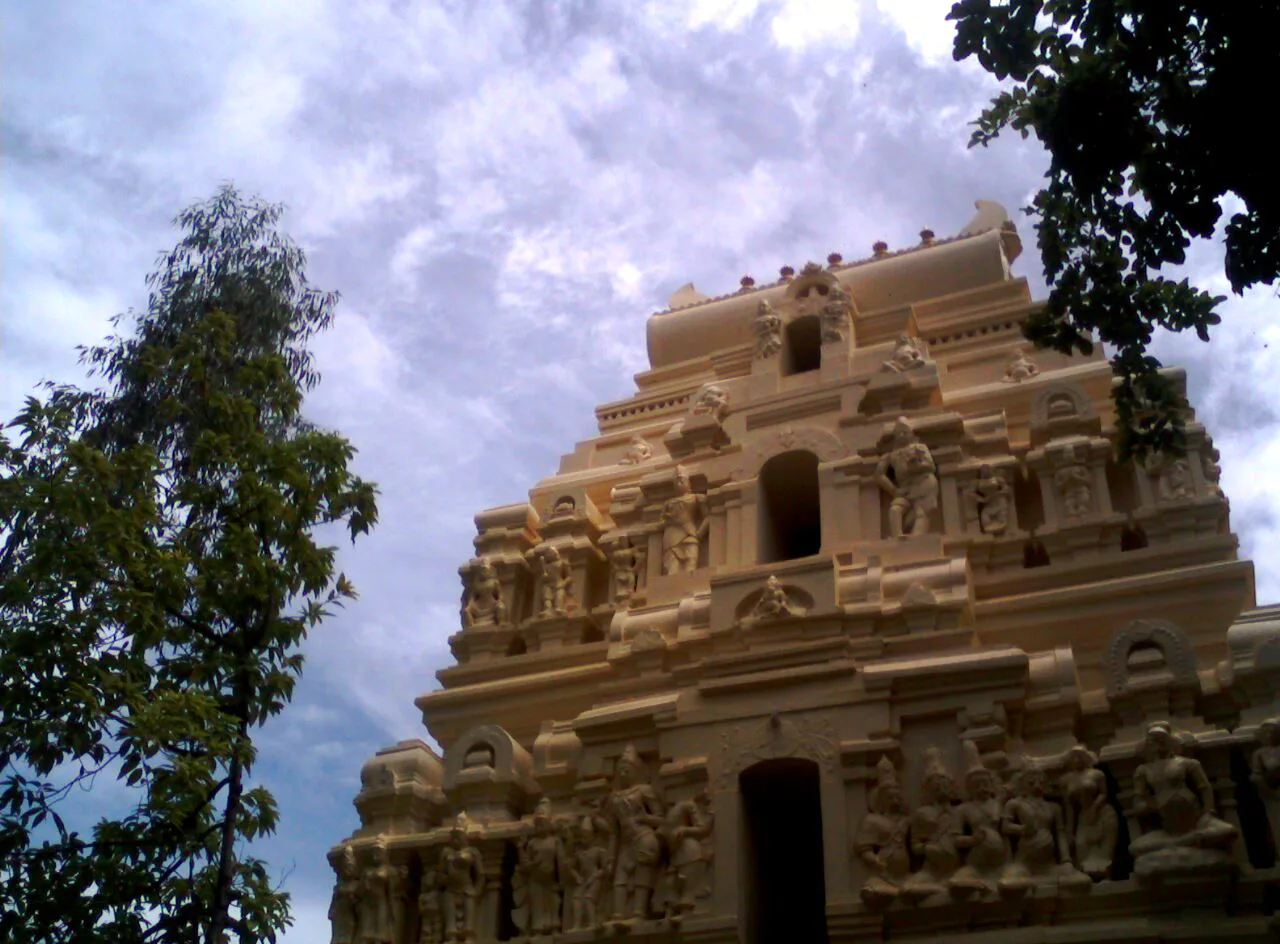
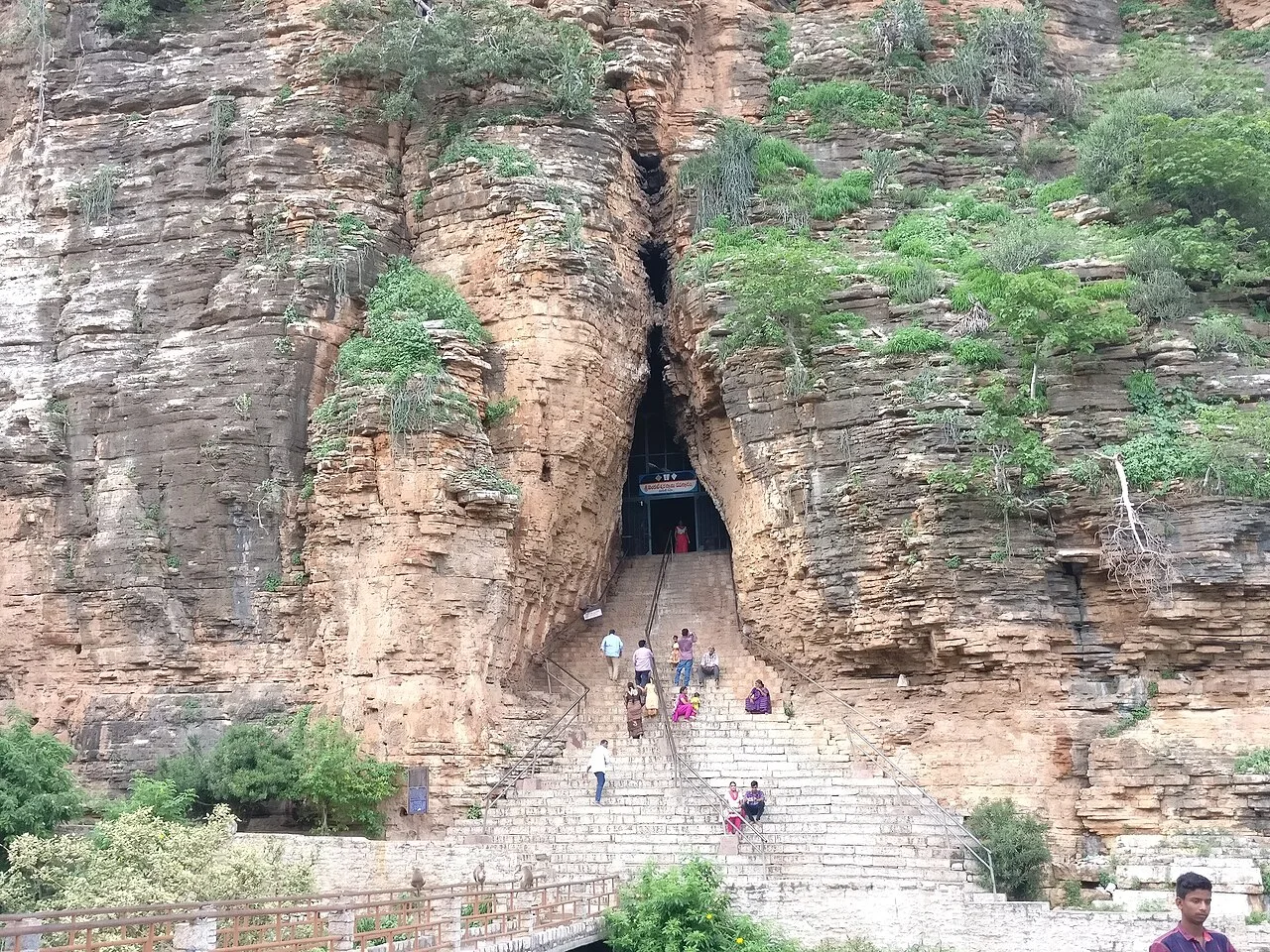
Yaganti temple

29 km away · Nandyal district

Yaganti temple

In Andhra Pradesh’s Nandyal district, Yaganti Temple is a Shiva shrine known also as Sri Yaganti Uma Maheswara Temple. Visitors come to worship Shiva at this temple.

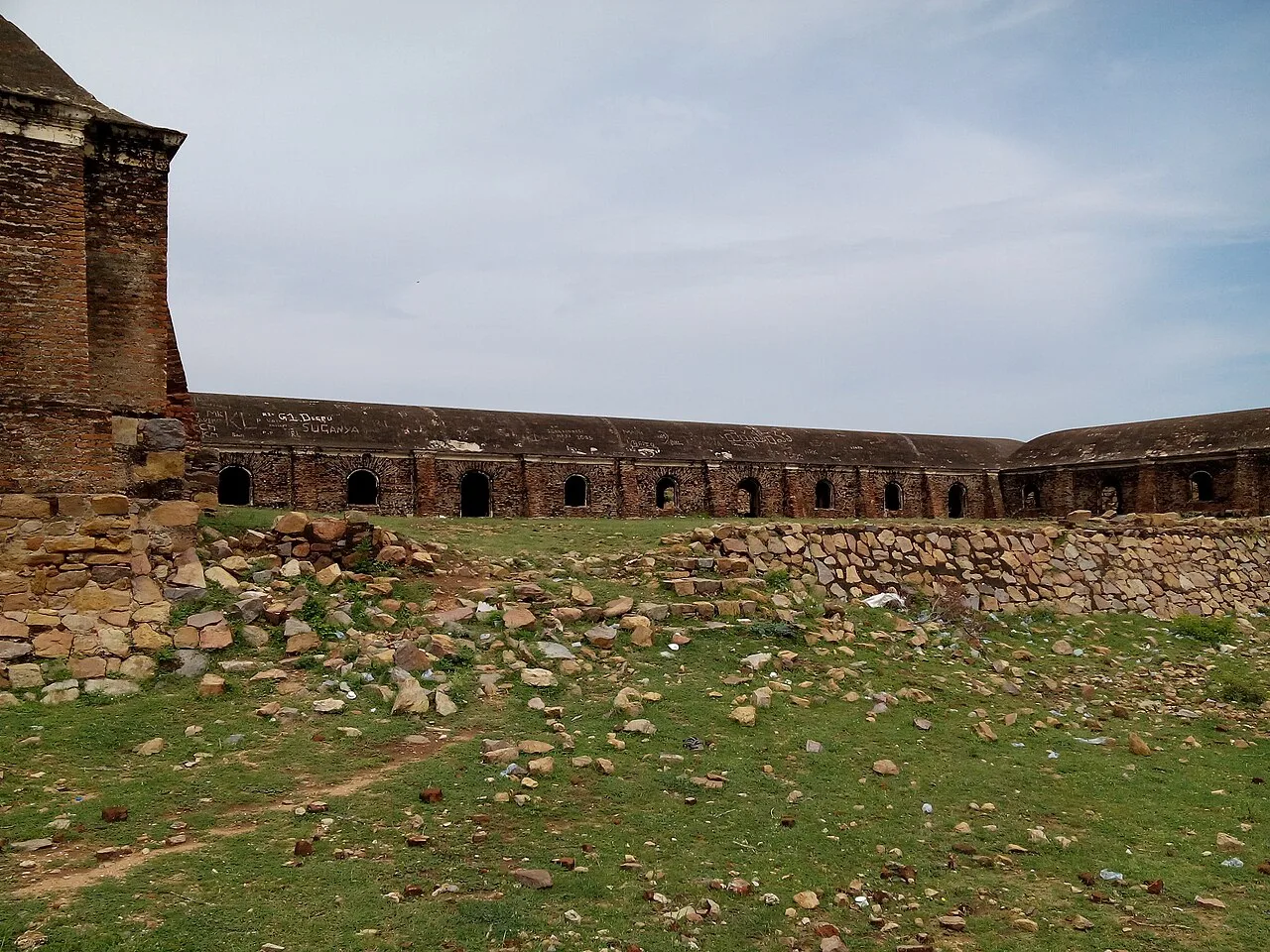
Gooty Fort

39 km away · Anantapur district

Gooty Fort

Gooty Fort is a ruined hill fort in Gooty, Andhra Pradesh, also known as Ravadurg and Gutti Kota. Visitors come to see the remains and its hilltop location.

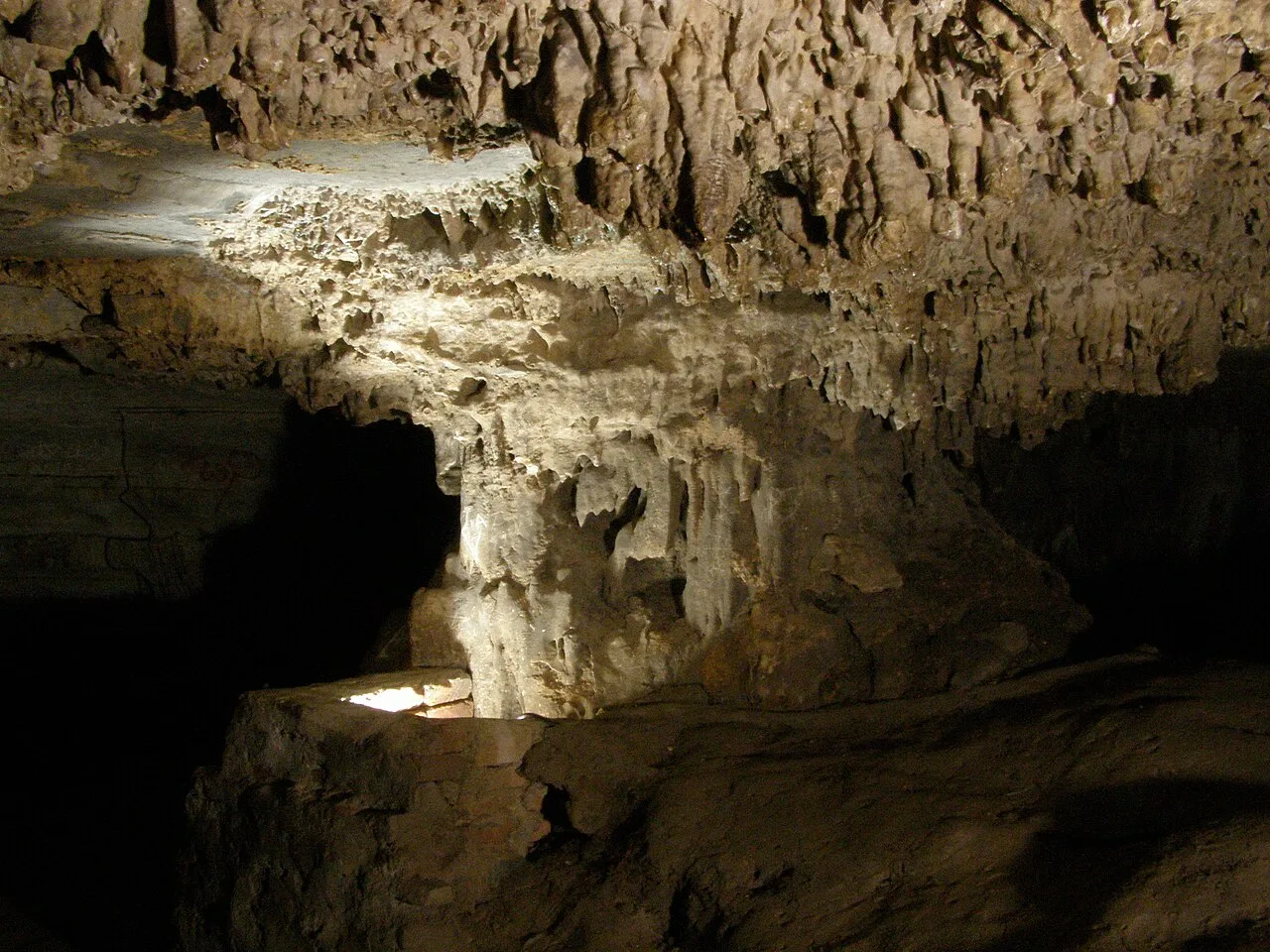
Belum Caves

43 km away · Nandyal district

Belum Caves

Belum Caves is a large limestone cave network in Nandyal district, Andhra Pradesh. Visitors explore its underground passages and distinctive karst features, while the site also draws interest for evidence of ancient human activity.

Orvakal Rock Garden

46 km away · Kurnool district

Orvakal Rock Garden

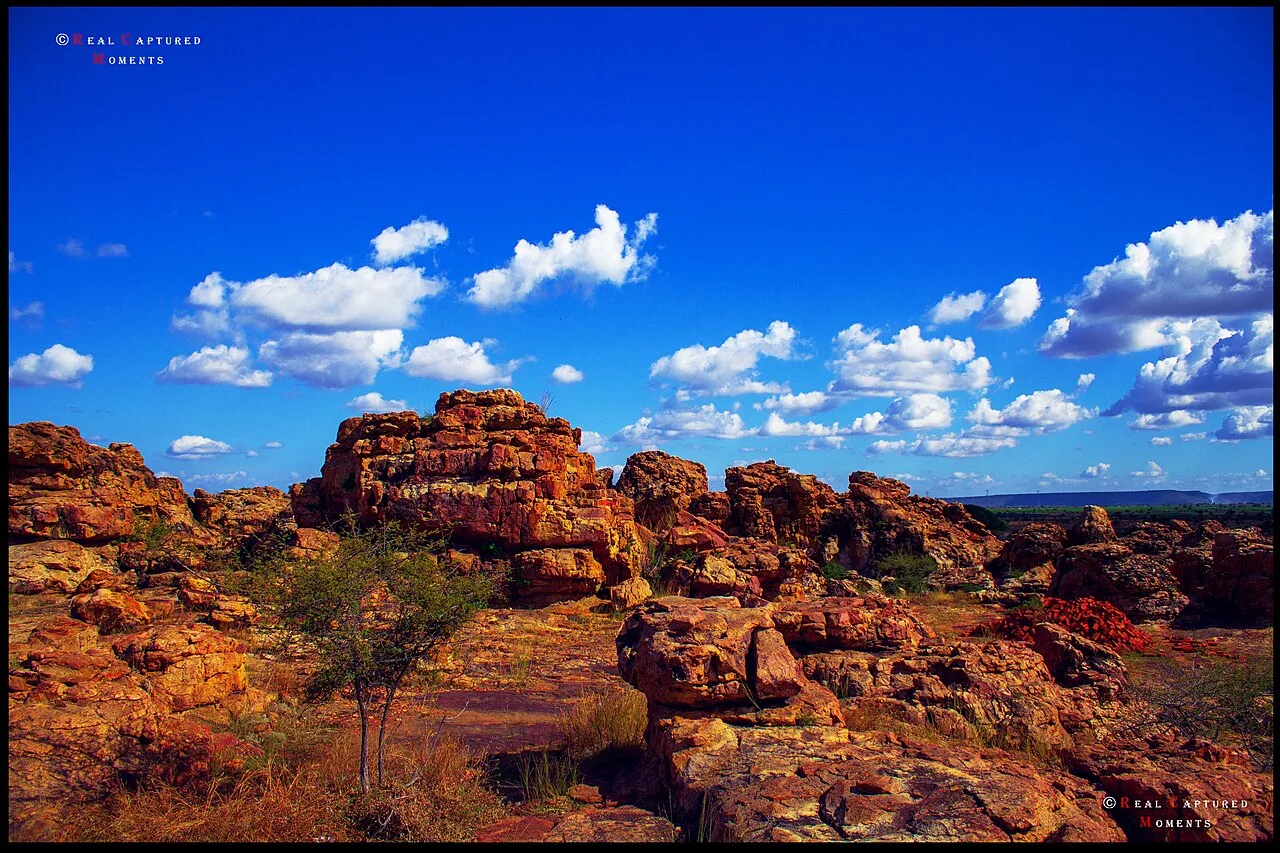
Orvakal Rock Garden is a place to visit in Andhra Pradesh’s Kurnool district, associated with Orvakal village; people come to see the site identified as a rock garden.

Konda Reddy Fort

52 km away · Kurnool district

Konda Reddy Fort

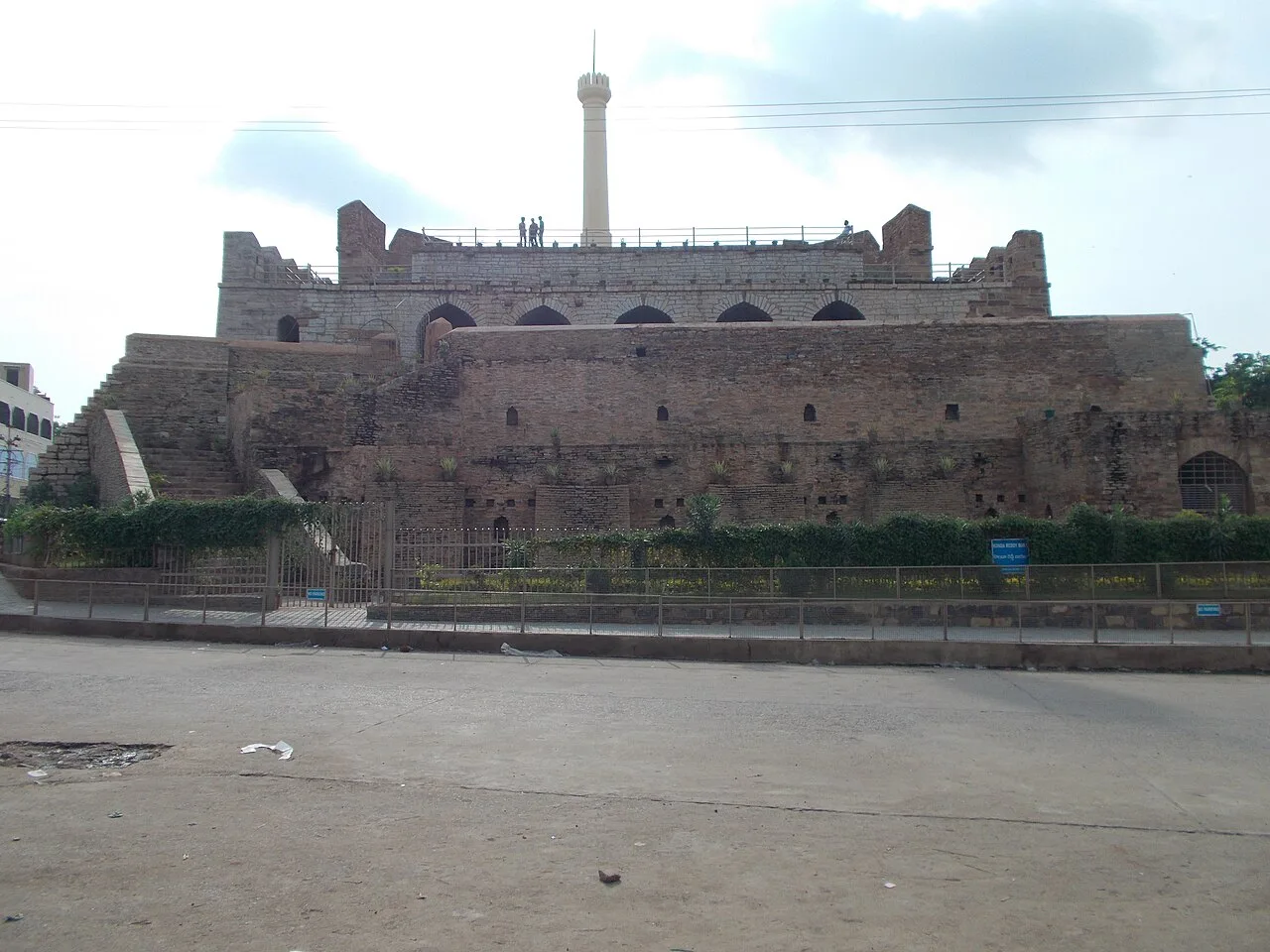
Konda Reddy Fort is a surviving fort structure in Kurnool, Andhra Pradesh. Visitors come to see its semi-circular bastion and tower, remnants of the city’s former fortification.

Rollapadu Wildlife Sanctuary

66 km away · Nandyal district

Rollapadu Wildlife Sanctuary

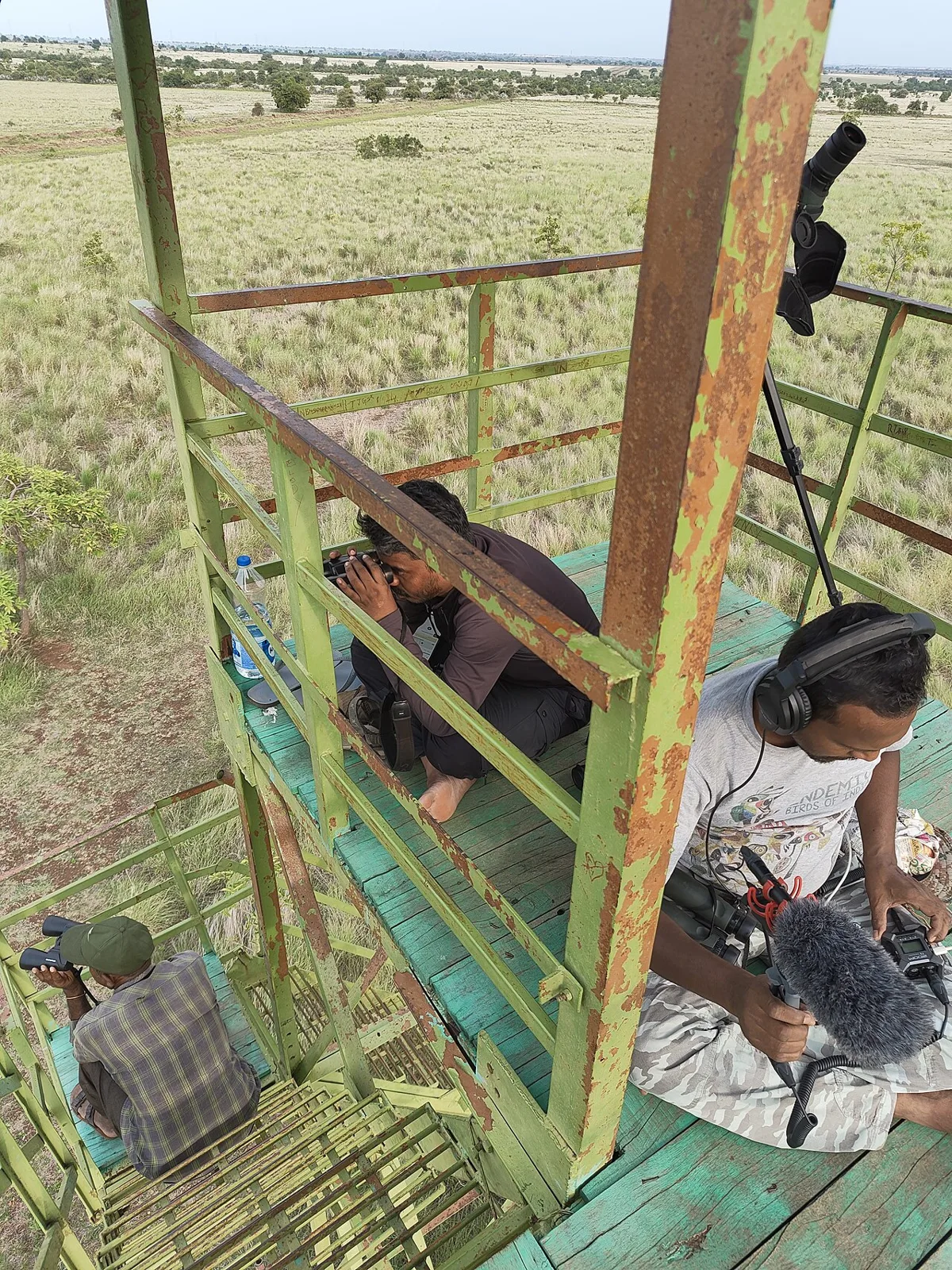
In Andhra Pradesh’s Nandyal district, Rollapadu is a wildlife sanctuary known chiefly as habitat for the great Indian bustard, whose numbers within the sanctuary have dropped sharply in recent years.

Gandikota Gorge and Fort

78 km away · YSR district

Gandikota Gorge and Fort

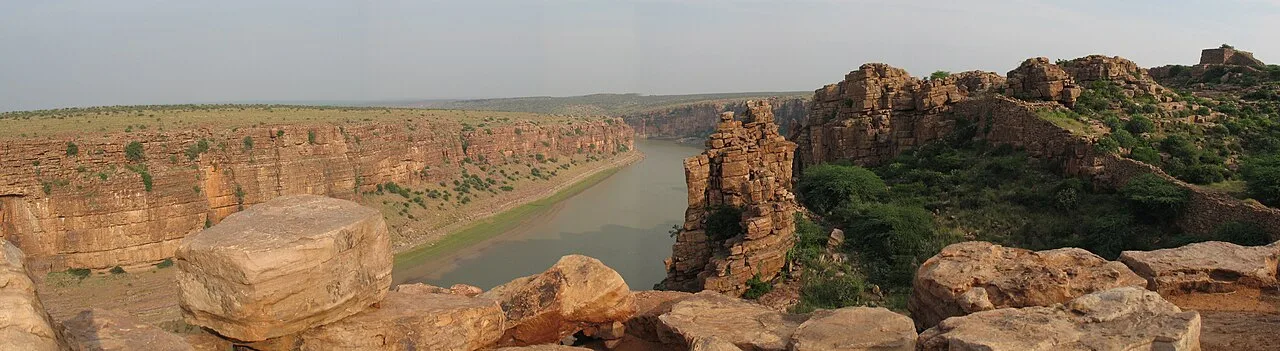
Gandikota is a village and historic fort beside the Penna in Andhra Pradesh. Visitors come to see the gorge and fort, shaped by successive ruling powers.

Mahanandi Temple

81 km away · Nandyal district

Mahanandi Temple

Mahanandi is an Andhra Pradesh village centred on the Mahanandiswara Swamy Temple, one of the Nava Nandi shrines. Visitors come to worship and take part in the annual Maha Shivaratri festival.

Map

Dhone on the map

  1. 1Yaganti temple
  2. 2Gooty Fort
  3. 3Belum Caves
  4. 4Orvakal Rock Garden
  5. 5Konda Reddy Fort
  6. 6Rollapadu Wildlife Sanctuary
  7. 7Gandikota Gorge and Fort
  8. 8Mahanandi Temple

Andhra Pradesh

Other cities to explore