Ghumoopedia — Explore, Discover, Experience
Sign in
Gooty Fort, near Ananthapuram

City guide · Andhra Pradesh

Ananthapuram

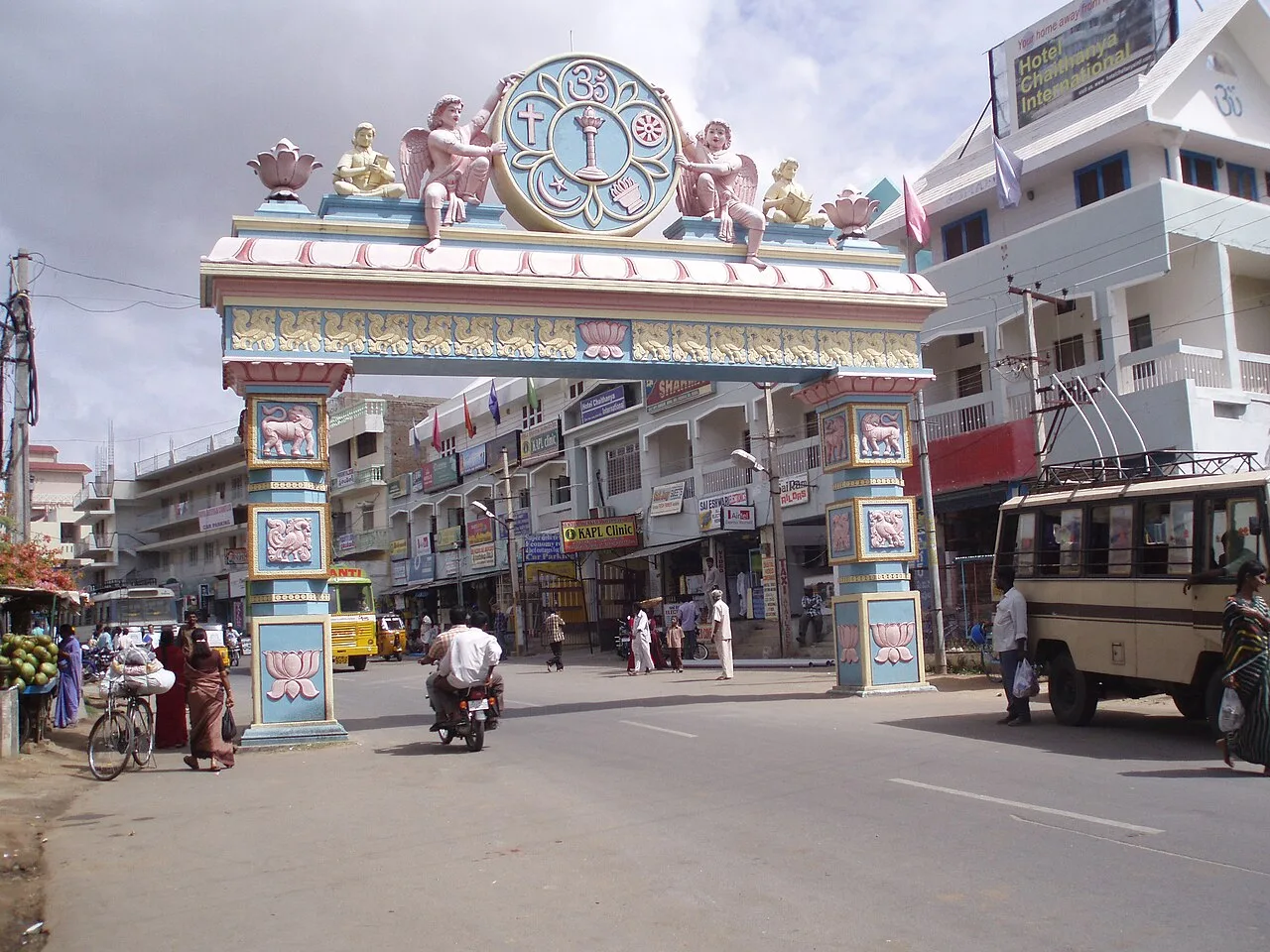
Anantapur, officially Ananthapuramu, is a major administrative and commercial centre in Andhra Pradesh’s Rayalaseema region. It serves as the headquarters of Anantapur mandal and Anantapur revenue division, and its position on National Highway 44 connects it with Bengaluru and other cities across southern India.

Famous for

  • Rayalaseema administrative centre
  • Groundnut and oilseed trade
  • Dharmavaram silk sarees
  • Lepakshi heritage nearby
  • Rayalaseema spicy cuisine

Why Ananthapuram matters

Anantapur, officially Ananthapuramu, is a major administrative and commercial centre in Andhra Pradesh’s Rayalaseema region. It serves as the headquarters of Anantapur mandal and Anantapur revenue division, and its position on National Highway 44 connects it with Bengaluru and other cities across southern India. The surrounding region is known for dryland farming, especially groundnuts, and the city supports agricultural trade as well as education, healthcare and government services.

Visitors often use Anantapur as a base for exploring the wider region. Nearby attractions include the celebrated Veerabhadra Temple at Lepakshi, known for its Vijayanagara-era architecture, and the spiritual centre of Puttaparthi. The city itself offers a useful introduction to Rayalaseema’s food, markets and everyday urban life. Its hot, semi-arid climate and open landscapes are characteristic of the region. Anantapur’s importance lies less in a single landmark than in its role as a transport and service hub linking local communities, agricultural markets and heritage destinations.
Famous for: crafts, trade & products

Groundnuts and other oilseeds are important regional crops, and Anantapur’s markets serve the surrounding agricultural hinterland. Groundnut trading and processing are part of the local economy, alongside shops and services catering to the city and nearby towns. For visitors, market streets around the central parts of town offer a glimpse of everyday commerce; availability of particular produce varies by season.

Anantapur is also a convenient place to shop for textiles associated with the wider region. Dharmavaram, a separate town, is the principal weaving centre for its well-known handloom silk sarees and pavadas, which have a Geographical Indication (GI) tag; specialist sari shops in Anantapur may carry them. The city is not itself the main production centre. Leather shadow-puppet traditions are another regional craft, with workshops and makers associated with Nimmalakunta. Those looking for a craft-focused visit can seek out makers there rather than assuming the work is produced in Anantapur city. Ask sellers about the place of weaving or making when buying, particularly for handloom goods.

History

The history of Anantapur is closely tied to the changing fortunes of Rayalaseema. The wider region was part of the Vijayanagara sphere before passing through the hands of later regional powers. Its position between the Deccan and southern India gave it strategic and administrative significance over time.

In 1799, Anantapur became the headquarters of Datta Mandalam, an administrative unit that included the Rayalaseema districts and Bellary. Under British rule, the city continued to serve as a regional centre. Its strategic value was again recognised during the Second World War, when it was important to the British Indian Army. In the modern era, improved road and rail connections and the growth of public services have strengthened its role as a hub for the surrounding district. Today, administration, education, healthcare and agricultural commerce are central to the city’s character.

Food, festivals & culture

Telugu is the principal language of Anantapur, with Urdu and Kannada also heard in the city and surrounding region. Local food reflects Rayalaseema’s fondness for robust flavours: meals may include ragi sangati, jonna rotte, spicy curries and groundnut-based chutneys. Festival and home cooking also features sweets such as ariselu and bobbatlu, though menus and recipes differ between households.

Sankranti, usually celebrated in January, and Ugadi, which falls in spring, are important festive occasions. Dasara and Vinayaka Chavithi bring devotional observances, while Eid and Muharram are marked by the city’s Muslim communities. Temple visits, devotional music and family gatherings are part of religious life. Anantapur’s ISKCON temple and local shrines draw worshippers; the Veerabhadra Temple at Lepakshi is a notable regional pilgrimage and heritage destination. Folk performance traditions belong to the wider Rayalaseema cultural landscape, alongside popular Telugu music and cinema.

Visiting the city

October to February is generally the most comfortable season to visit, with milder, drier weather. Summers are very hot, while the monsoon period can bring rain. For most visitors arriving by air, Kempegowda International Airport in Bengaluru is the practical major gateway, about 210 km away; Puttaparthi has a small airport, but services are limited and should be checked before planning. The main rail station is Anantapur railway station.

Auto-rickshaws, local buses and taxis are useful for getting around. Explore the central streets around the Clock Tower and the old-town markets for a sense of local life. Anantapur also works as a base for day trips to regional sights such as Lepakshi and Puttaparthi; arrange transport in advance if travelling beyond the city.

Trips from the city

Nearest places to visit from Ananthapuram

Our closest destination guides, by straight-line distance.

Gooty Fort

49 km away · Anantapur district

Gooty Fort

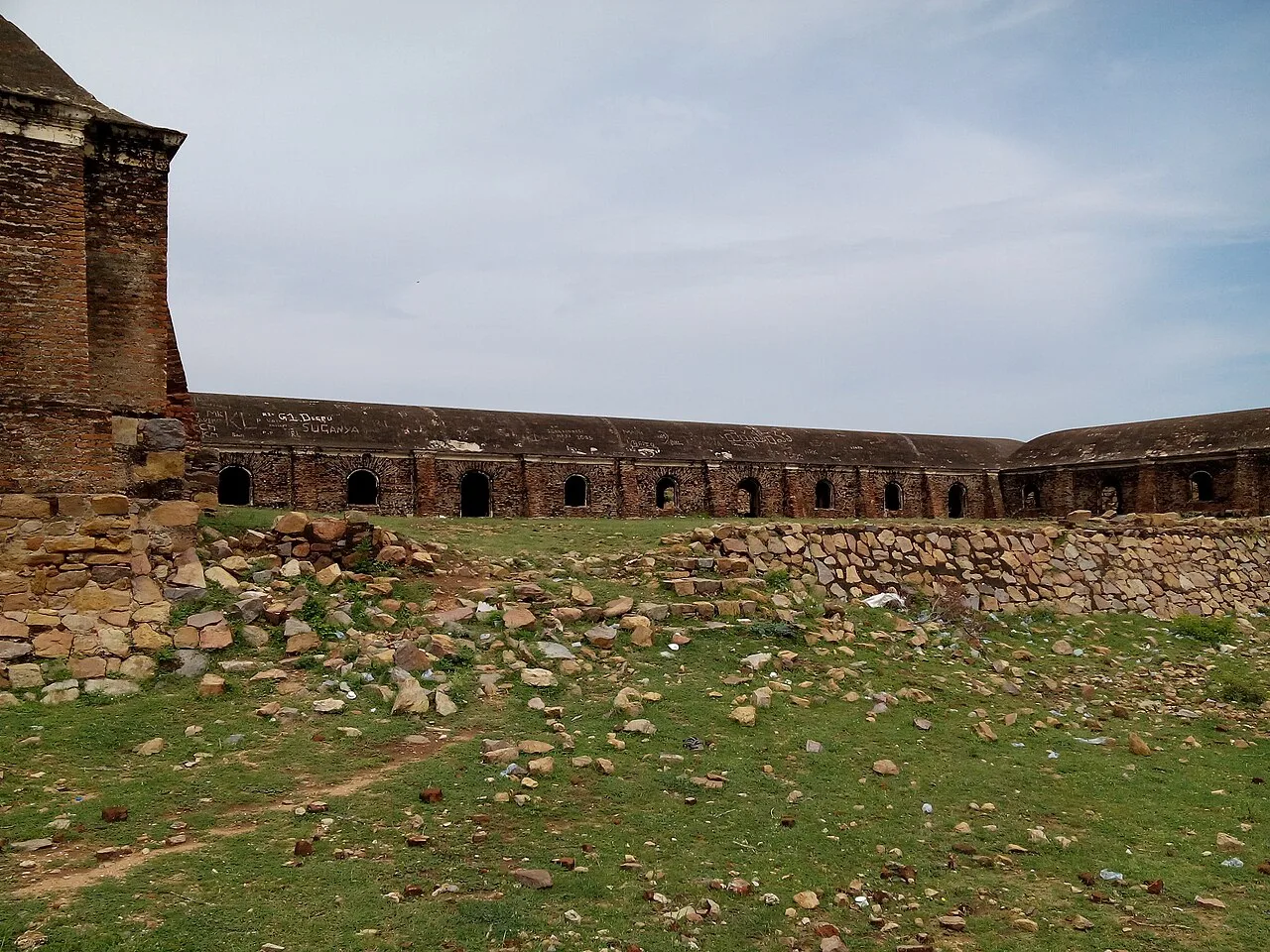
Gooty Fort is a ruined hill fort in Gooty, Andhra Pradesh, also known as Ravadurg and Gutti Kota. Visitors come to see the remains and its hilltop location.

Puttaparthi (Prasanthi Nilayam)

61 km away · Sri Sathya Sai district

Puttaparthi (Prasanthi Nilayam)

Puttaparthi is a municipality and the administrative centre of Sri Sathya Sai district in Andhra Pradesh. Visitors come for Prasanthi Nilayam and the town’s connection with Sathya Sai Baba.

Belum Caves

73 km away · Nandyal district

Belum Caves

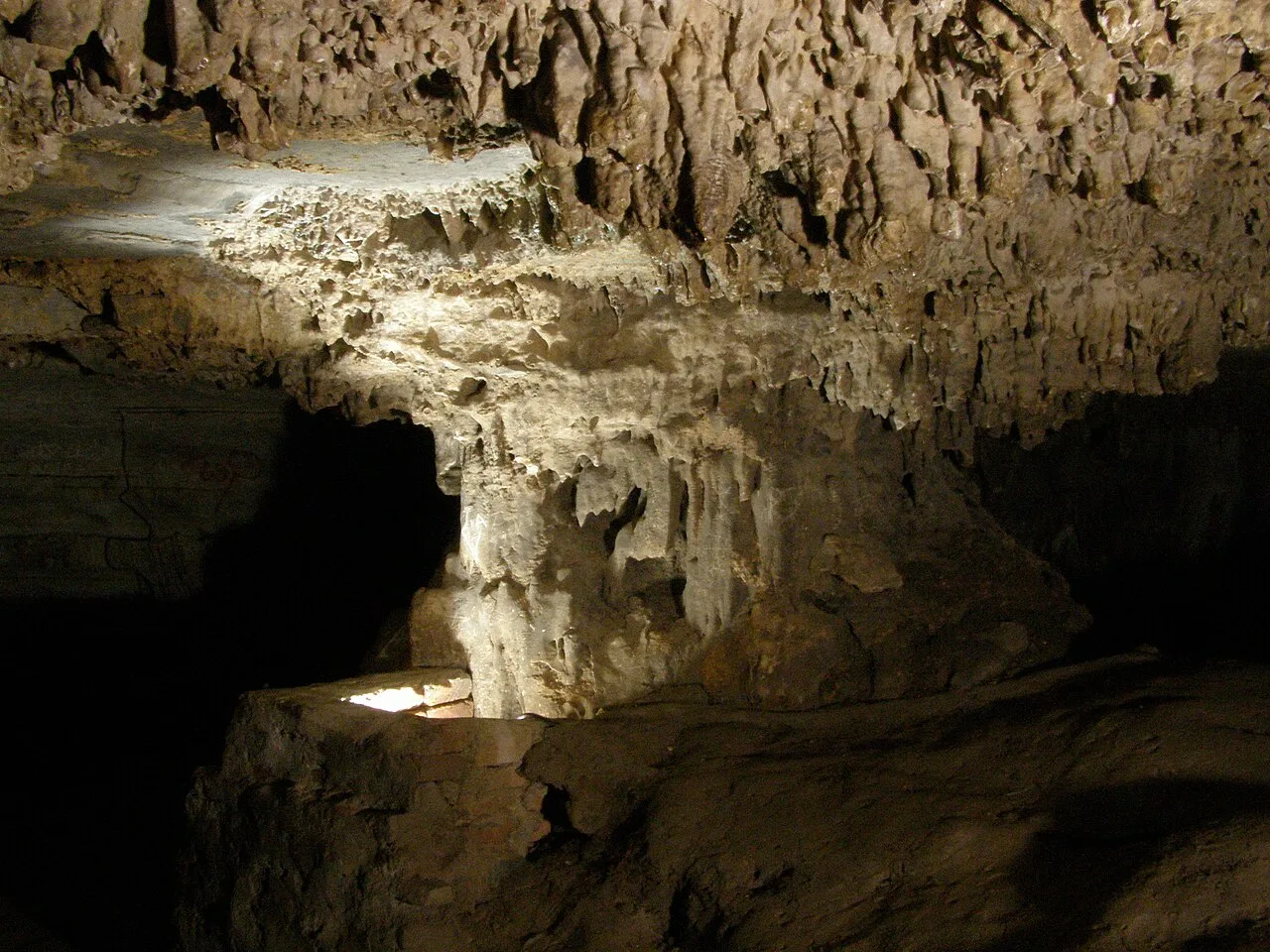
Belum Caves is a large limestone cave network in Nandyal district, Andhra Pradesh. Visitors explore its underground passages and distinctive karst features, while the site also draws interest for evidence of ancient human activity.

Gandikota Gorge and Fort

75 km away · YSR district

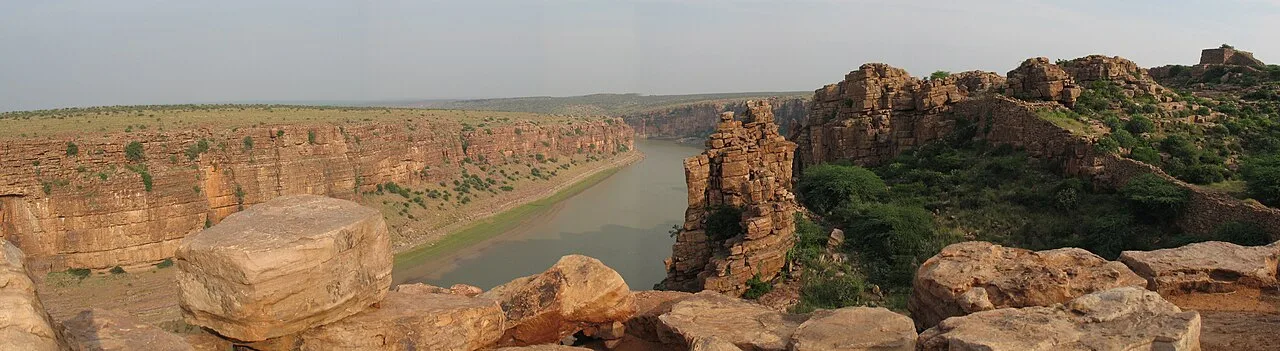
Gandikota Gorge and Fort

Gandikota is a village and historic fort beside the Penna in Andhra Pradesh. Visitors come to see the gorge and fort, shaped by successive ruling powers.

Yaganti temple

94 km away · Nandyal district

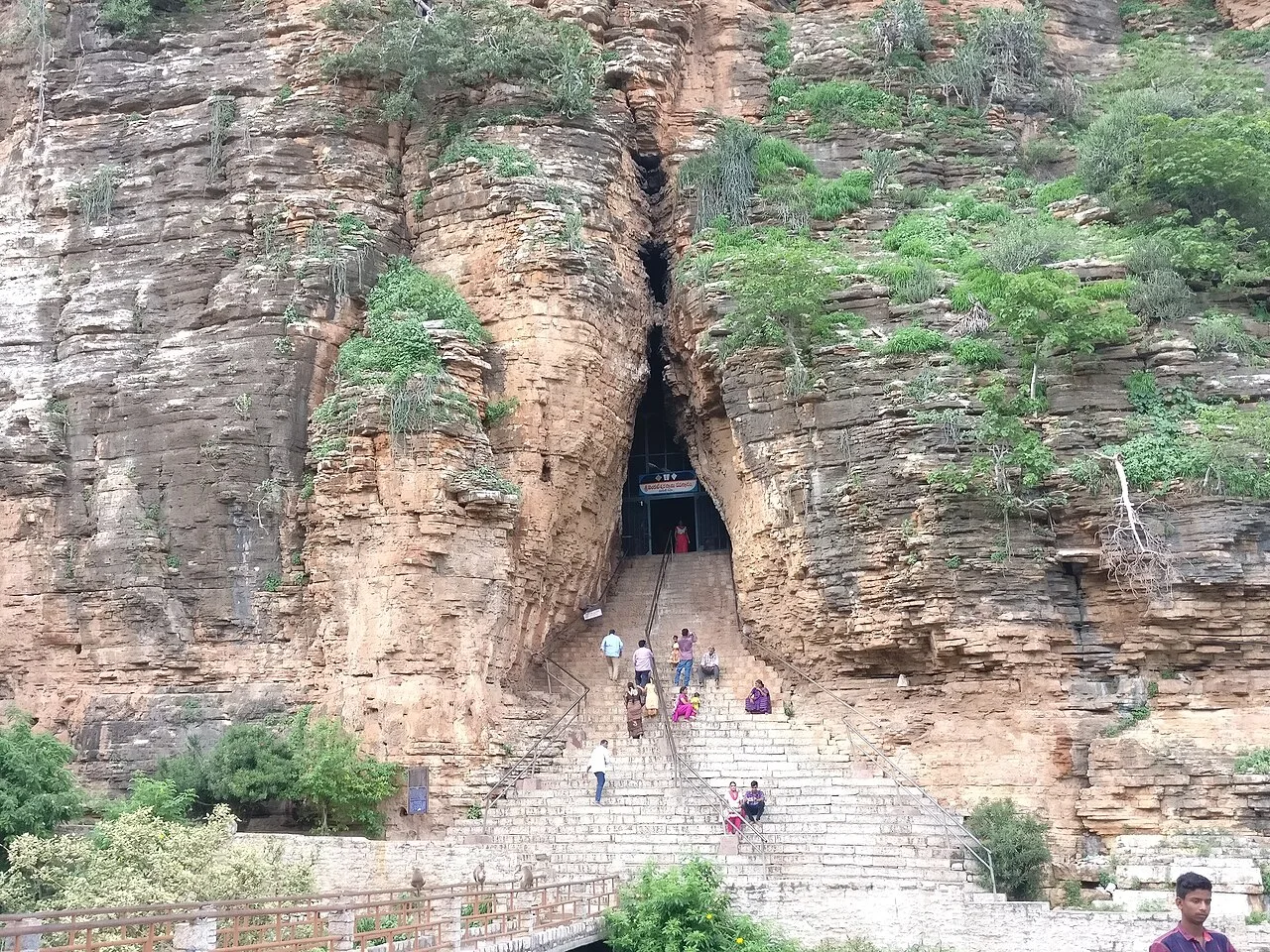
Yaganti temple

In Andhra Pradesh’s Nandyal district, Yaganti Temple is a Shiva shrine known also as Sri Yaganti Uma Maheswara Temple. Visitors come to worship Shiva at this temple.

Lepakshi Veerabhadra Temple

96 km away · Anantapur district

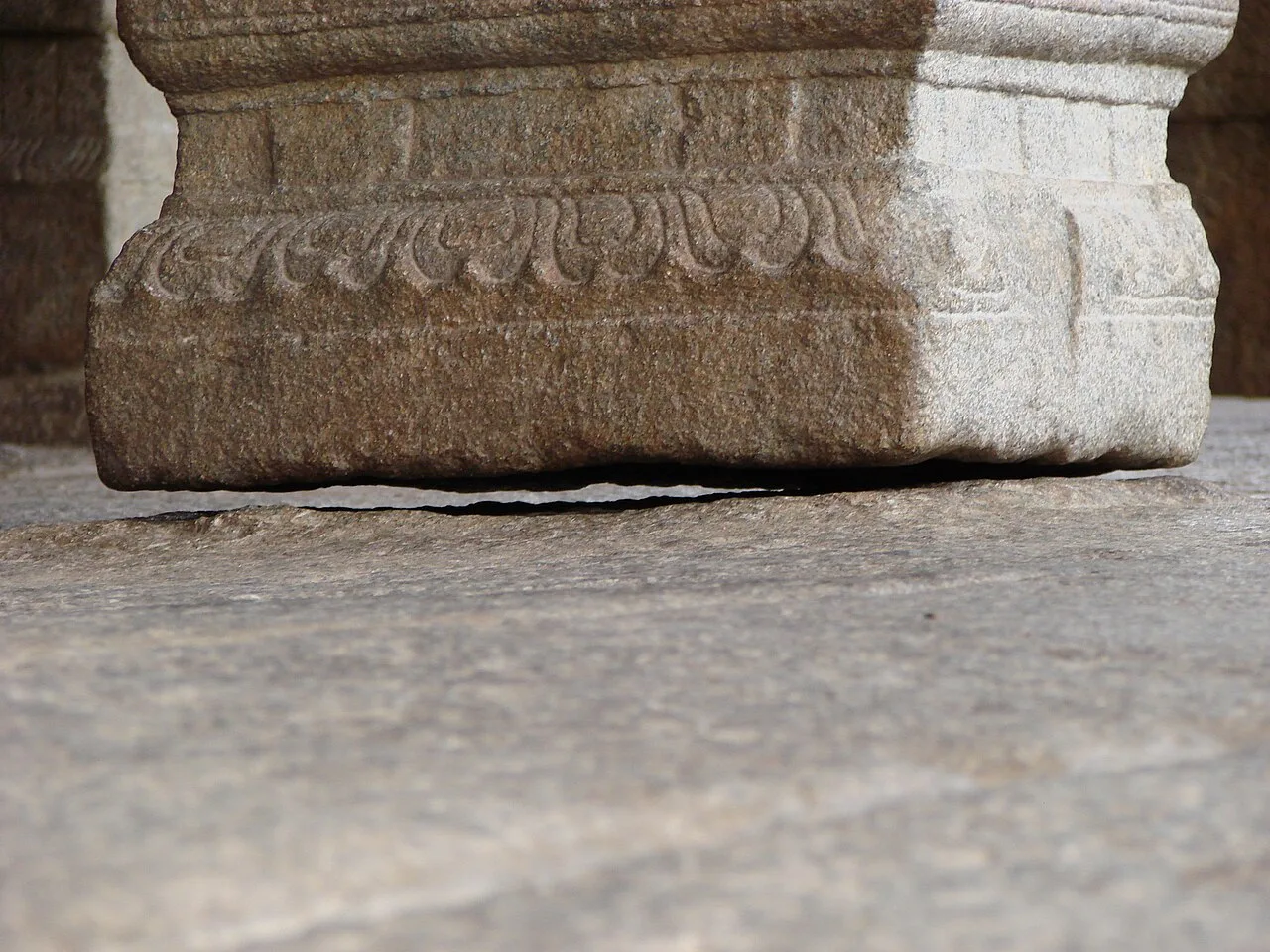
Lepakshi Veerabhadra Temple

Lepakshi Veerabhadra Temple is a temple in the Andhra Pradesh village of Lepakshi. Visitors go to the village to see the Veerabhadra Temple.

Orvakal Rock Garden

127 km away · Kurnool district

Orvakal Rock Garden

Orvakal Rock Garden is a place to visit in Andhra Pradesh’s Kurnool district, associated with Orvakal village; people come to see the site identified as a rock garden.

Ahobilam Nava Narasimha Temples

129 km away · Nandyal district

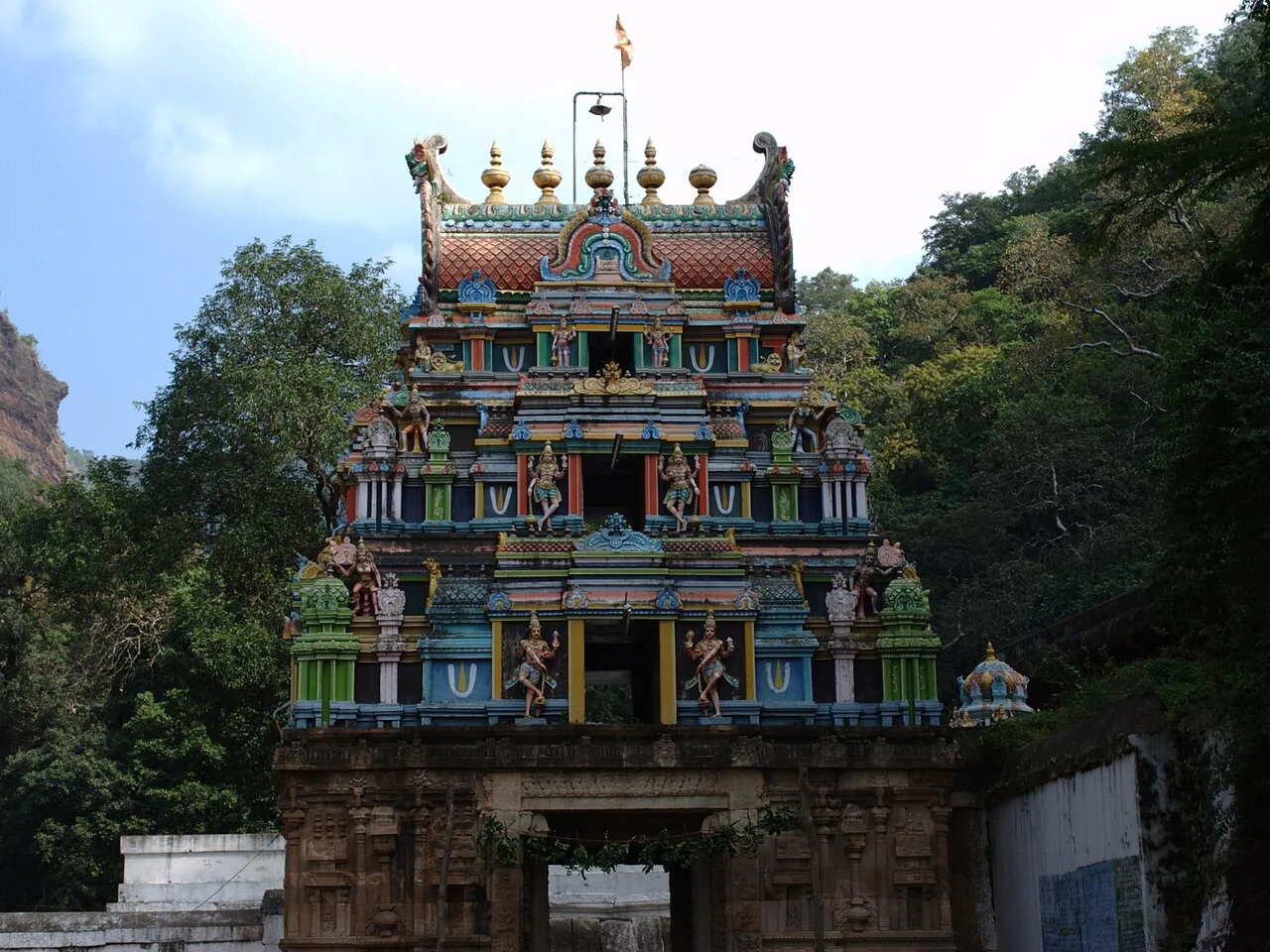
Ahobilam Nava Narasimha Temples

Ahobilam is a sacred settlement in Andhra Pradesh’s Nandyal district, known for its shrines honouring Narasimha. Visitors come to worship at temples located in both Lower and Upper Ahobilam.

Map

Ananthapuram on the map

  1. 1Gooty Fort
  2. 2Puttaparthi (Prasanthi Nilayam)
  3. 3Belum Caves
  4. 4Gandikota Gorge and Fort
  5. 5Yaganti temple
  6. 6Lepakshi Veerabhadra Temple
  7. 7Orvakal Rock Garden
  8. 8Ahobilam Nava Narasimha Temples

Andhra Pradesh

Other cities to explore