Ghumoopedia — Explore, Discover, Experience
Sign in
Uppada Beach, near Tuni

City guide · Andhra Pradesh

Tuni

Tuni is a market town in Kakinada district, serving as a commercial centre for more than 200 surrounding villages. Its shops and trading networks connect local producers with buyers across the region.

Famous for

  • Mango production
  • Betel leaves
  • Jute bags
  • Cashew nuts
  • Kummarilova Buddhist stupas
Plan a tripHotels near Tuni

Why Tuni matters

Tuni is a market town in Kakinada district, serving as a commercial centre for more than 200 surrounding villages. Its shops and trading networks connect local producers with buyers across the region. The town is especially associated with mangoes, betel leaves, cashew nuts and jute bags, and is often called the “Mango City” for its fruit trade and production. Mangoes are particularly prominent in season, when produce from the area moves through local markets and onward to other destinations.

For visitors, Tuni offers a view of everyday commerce in coastal Andhra Pradesh as well as links to the area’s past. The nearby village of Kummarilova is notable for Buddhist remains, including stupas, and can be visited as an excursion from town. Tuni also has a connection to the freedom movement: Alluri Sitarama Raju studied at Raja Kalasala, one of the town’s long-established schools. The railway station and busy town centre make Tuni a useful stop for travellers exploring Kakinada district and nearby villages.
Famous for: crafts, trade & products

Tuni’s best-known products are agricultural. Mangoes are grown in the surrounding area, with many varieties associated with its trade; betel leaves and cashew nuts are also important local produce. Jute bags are among the town’s established products. Tuni serves as a marketing centre for nearby villages, so its general and produce markets are the most practical places to look for seasonal fruit, betel leaves, nuts and locally made bags. Availability varies with harvests and the season, and visitors can ask local sellers which products are currently in stock.

The town’s commercial identity is rooted more in produce and everyday trade than in a widely documented tradition of handloom textiles or handicrafts. No particular saree style or craft market is a defining attraction of Tuni. Mangoes and other goods may be sold through traders and shops in town, while the railway connection helps link local commerce with wider markets. Visitors seeking a specific variety or product should check with sellers on arrival; there is no need to assume that every variety is available year-round.

History

Tuni’s earlier name is recorded as Tundi, associated with the period of the Vishnukundina dynasty. The area also has an older Buddhist history. At nearby Kummarilova, formerly known as Kummararam, stupas and other remains point to a Buddhist presence, with the site linked to activity from roughly the second to sixth centuries CE. Five stupas have been found there, giving the village its association with a “Panchasheela Buddhist Centre.”

In the fifteenth century, Tuni was a pargana—a regional subdivision—in Keemarseema under the Vatsavai dynasty. It later became the capital of Kottam Estate and developed as a marketplace during the nineteenth century. The railway station gained importance on the Howrah–Madras line during British rule and remained significant after independence. In the modern period, Tuni has grown as a trading hub for surrounding villages. Raja Kalasala, a school with more than a century of history, is part of that local story; freedom fighter Alluri Sitarama Raju studied there.

Food, festivals & culture

Telugu is the main language of everyday life, and the town’s food reflects the wider Andhra tradition. Rice is central to meals, often served with dal, vegetable curries, pulusu, pickles and chutneys. Mangoes and cashews are familiar local products, though what is available depends on the season. Visitors can look for everyday Andhra meals at local eateries rather than expecting a single signature dish unique to Tuni.

Festivals observed across the region include Sankranti in January, Ugadi in March or April, Dasara in September or October, and Deepavali in autumn; dates vary by the calendar. Families and communities mark these occasions with prayers, festive foods and gatherings. Telugu devotional music and folk performances may feature at celebrations, though programmes differ from year to year. Hindu temples and neighbourhood shrines are part of local worship. The Buddhist remains at nearby Kummarilova offer a different perspective on the area’s religious history and are of particular interest to visitors exploring the region.

Visiting the city

The cooler months, usually November to February, are generally the most comfortable time to visit. Summers can be hot, while monsoon rains may affect travel from around June into September. The nearest practical airport is Rajahmundry Airport; check current flight options before planning a connection. Tuni Railway Station is the town’s main rail stop, on the historic Howrah–Madras rail corridor.

Auto-rickshaws and local vehicles are useful for getting around town, while buses and hired transport can help with trips to nearby villages. Explore the central market area for local trade, and visit the junction with the statue of Alluri Sitarama Raju and Raja Kalasala for their historical associations. Kummarilova, known for its Buddhist stupas, makes a worthwhile excursion; arrange local transport and allow time for the village visit.

Trips from the city

Nearest places to visit from Tuni

Our closest destination guides, by straight-line distance.

Uppada Beach

38 km away · Kakinada district

Uppada Beach

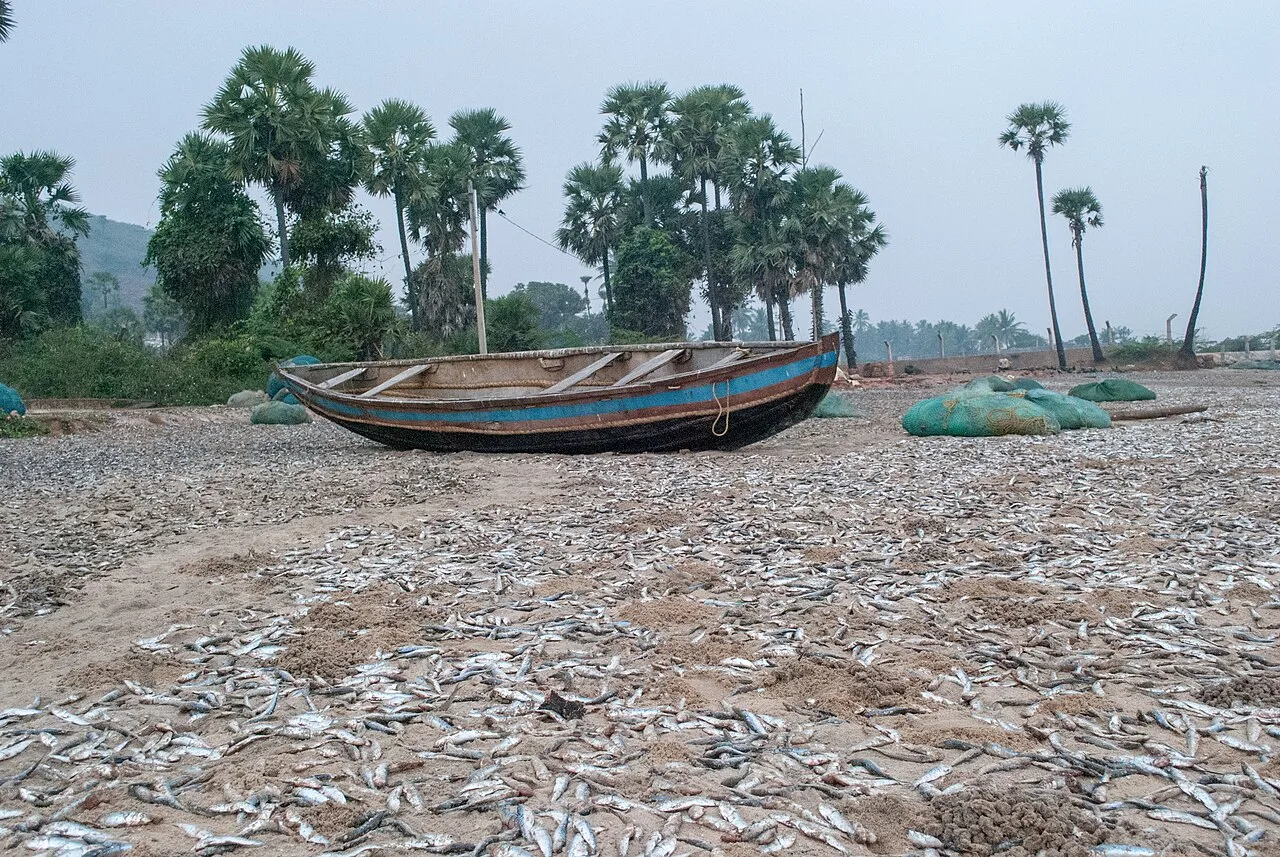
Uppada Beach lies by the village of Uppada in Andhra Pradesh’s Kakinada district. Visitors find a coastal setting alongside local associations with prawn fishing and handwoven Jamdani saris.

Uppada Jamdani Weaving Village

38 km away · Kakinada district

Uppada Jamdani Weaving Village

Uppada is a village in Andhra Pradesh known for its handwoven Jamdani sari, which has geographical-indication status, and for its prawn fishery. Visitors come for its weaving tradition and fishing connection.

Hope Island, Kakinada

48 km away · Kakinada district

Hope Island, Kakinada

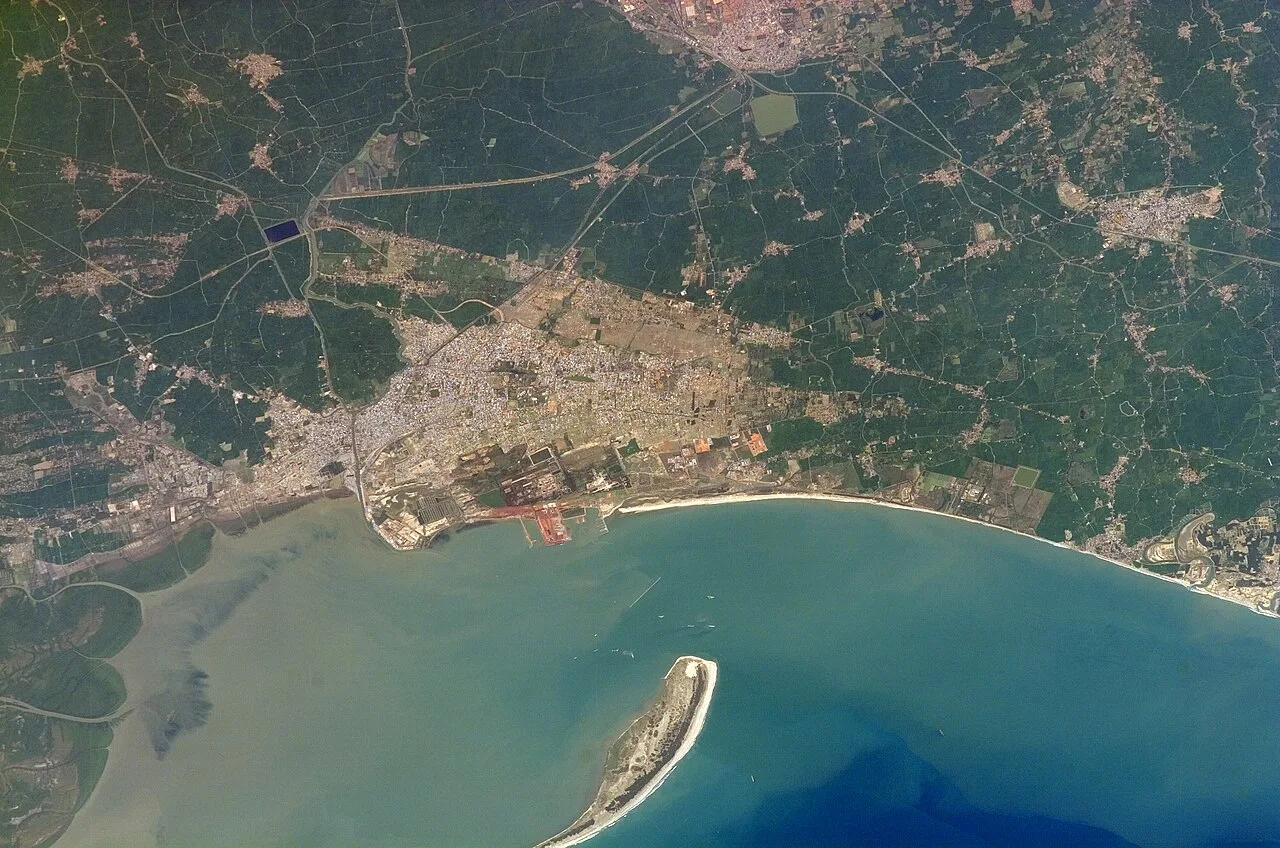
Near Kakinada in Andhra Pradesh, Hope Island is a small, tadpole-shaped island in the Bay of Bengal. Visitors can see its distinctive outline and setting off the coast.

Lambasingi

51 km away · Alluri Sitharama Raju district

Lambasingi

Lambasingi, also called Lammasingi, is a village in Andhra Pradesh’s Alluri Sitharama Raju district. Travellers visit for its cool highland setting, plantations and varied birdlife.

Coringa Wildlife Sanctuary

63 km away · Kakinada district

Coringa Wildlife Sanctuary

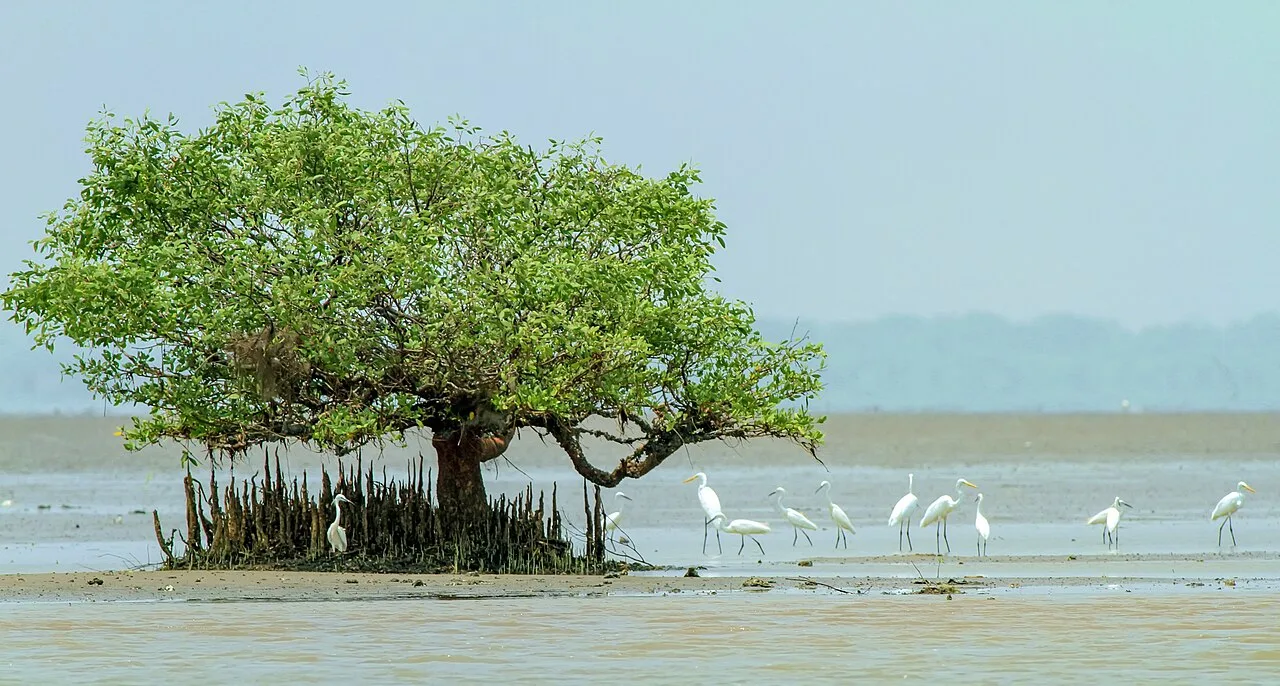
People visit Coringa Wildlife Sanctuary, an estuarine mangrove reserve near Kakinada in Andhra Pradesh, for its rich birdlife, rare vultures and extensive tidal forest.

Dolphin's Nose

87 km away · Visakhapatnam district

Dolphin's Nose

This rocky headland in Visakhapatnam is known for its dolphin-like outline and lighthouse beacon. Visitors are drawn to its distinctive shape and status as a prominent local landmark.

Varaha Lakshmi Narasimha temple

87 km away · Visakhapatnam district

Varaha Lakshmi Narasimha temple

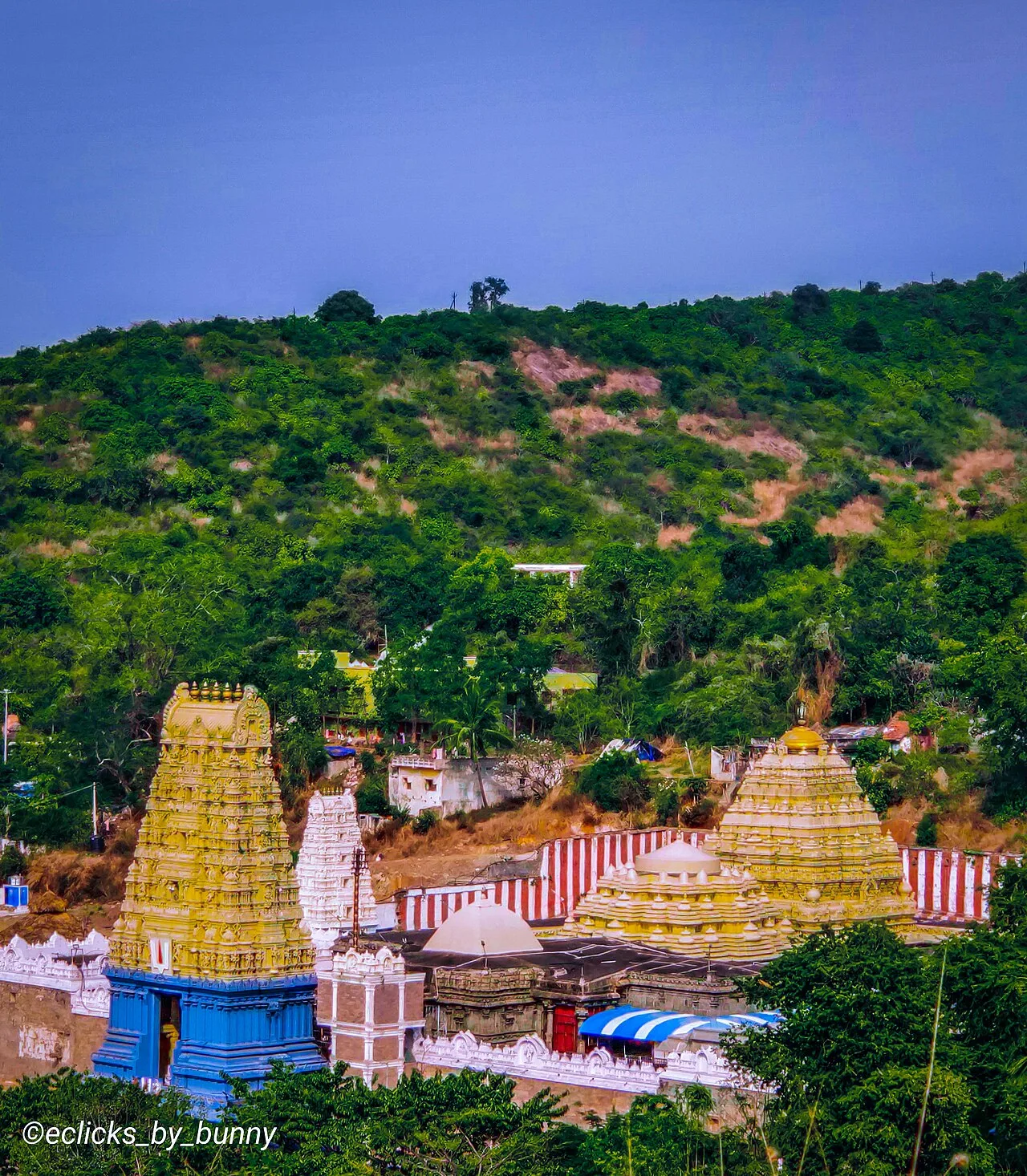
The Varaha Lakshmi Narasimha temple is a Hindu shrine on a hill in Visakhapatnam, where people worship Vishnu as Varaha Narasimha and see an image covered with sandalwood paste for most of the year.

Rajahmundry (Rajamahendravaram)

90 km away · East Godavari district

Rajahmundry (Rajamahendravaram)

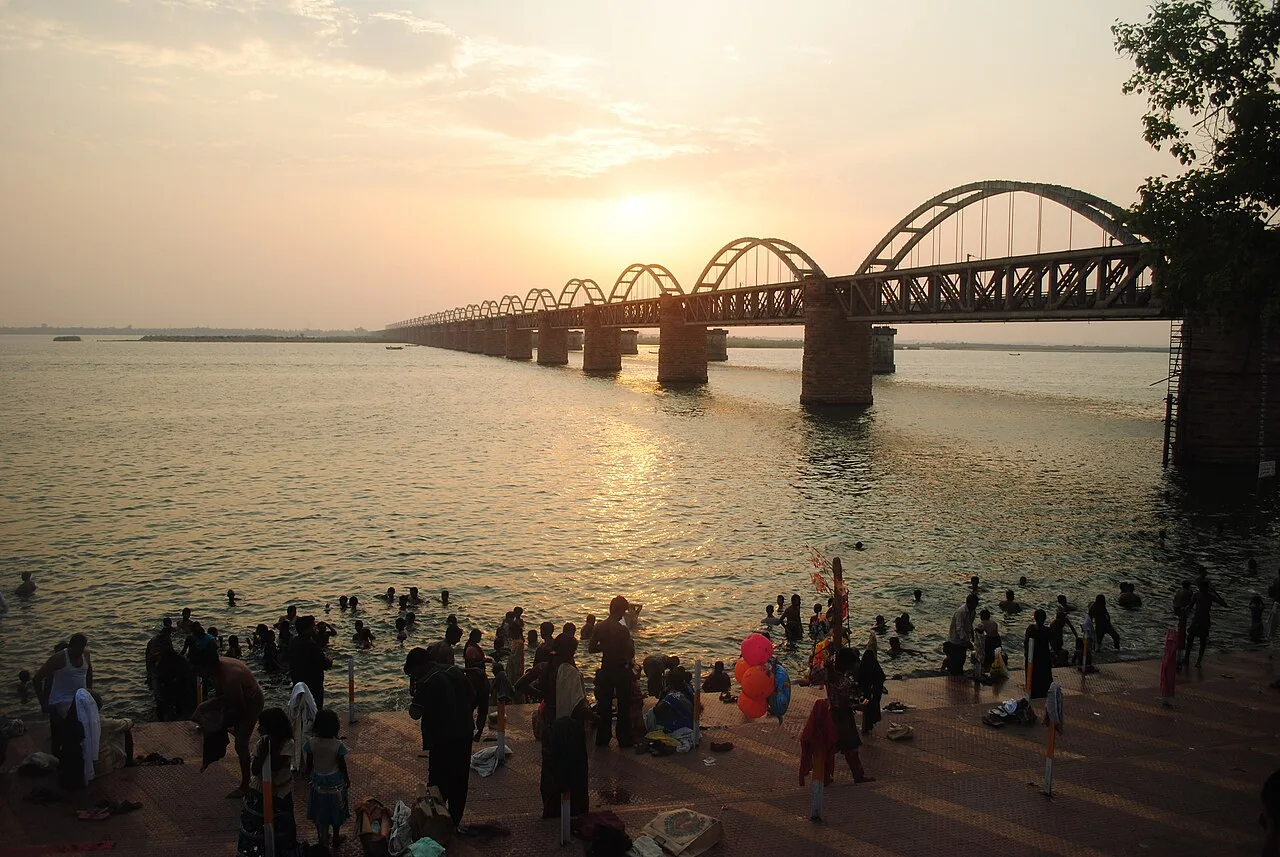
Rajamahendravaram, formerly Rajahmundry, is a city in Andhra Pradesh known for its history, Telugu literature and cultural heritage. Visitors also find its floriculture and agricultural traditions of interest.

Map

Tuni on the map

  1. 1Uppada Beach
  2. 2Uppada Jamdani Weaving Village
  3. 3Hope Island, Kakinada
  4. 4Lambasingi
  5. 5Coringa Wildlife Sanctuary
  6. 6Dolphin's Nose
  7. 7Varaha Lakshmi Narasimha temple
  8. 8Rajahmundry (Rajamahendravaram)

Andhra Pradesh

Other cities to explore