Ghumoopedia — Explore, Discover, Experience
Sign in

City guide · Andhra Pradesh

Kalyanadurgam

Kalyanadurgam, also known as Kalyandurg, is a town in Andhra Pradesh’s Anantapur district and serves as the headquarters of both Kalyandurg mandal and revenue division. Its importance today comes from this administrative role and its position as a local service and trading centre for surrounding settlements.

Famous for

  • Sri Subrahmanyeswara Swamy Temple
  • Boya Palegar history
  • Vijayanagara-era heritage
  • Nearby megalithic monuments
  • Diamond-bearing kimberlite discoveries

Why Kalyanadurgam matters

Kalyanadurgam, also known as Kalyandurg, is a town in Andhra Pradesh’s Anantapur district and serves as the headquarters of both Kalyandurg mandal and revenue division. Its importance today comes from this administrative role and its position as a local service and trading centre for surrounding settlements. Visitors are drawn by its historic temple, its connections to the Vijayanagara period and the archaeological remains scattered across the nearby countryside.

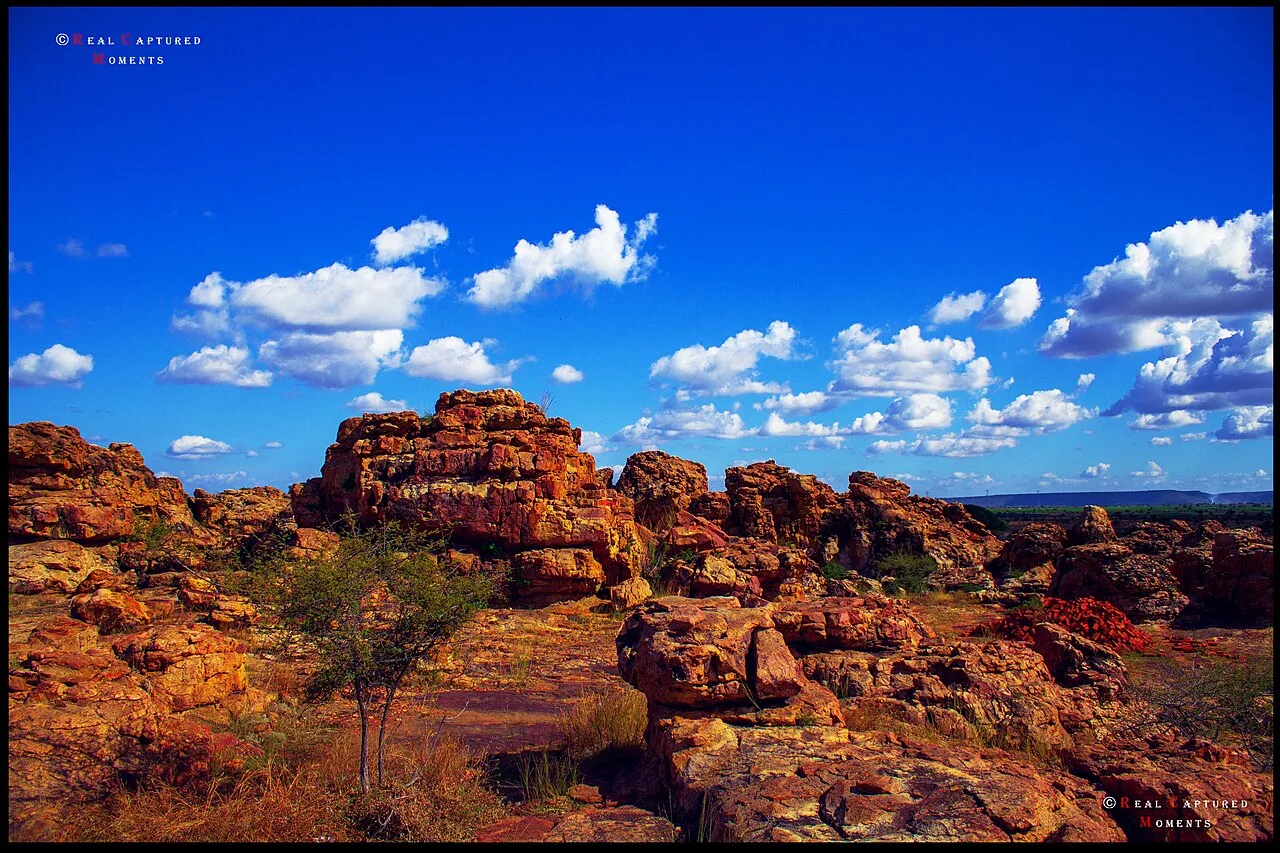
At the heart of town, Sri Subrahmanyeswara Swamy Temple is a prominent place of worship, traditionally dated to around the 16th century. The rocky landscape around Akkamma Vari hills and nearby villages contains megalithic burial monuments, including cairn circles and dolmen-like structures. Kalyandurg is also associated with discoveries of diamond-bearing kimberlites, an aspect of geological interest rather than a local diamond-shopping trade. The town offers a quieter, locally rooted stop for travellers exploring the wider Anantapur region, especially those interested in history, temples and archaeology.
Famous for: crafts, trade & products

Kalyanadurg is not especially known for a signature textile, saree, handicraft or GI-tagged product. Its best-known points of distinction are historical and geological: the town’s association with the Boya Palegars and Vijayanagara-era rule, nearby megalithic sites, and discoveries of diamond-bearing kimberlites in the surrounding area. The kimberlite finds are of geological interest; they should not be mistaken for a developed diamond market or a promise of public access to exploration sites.

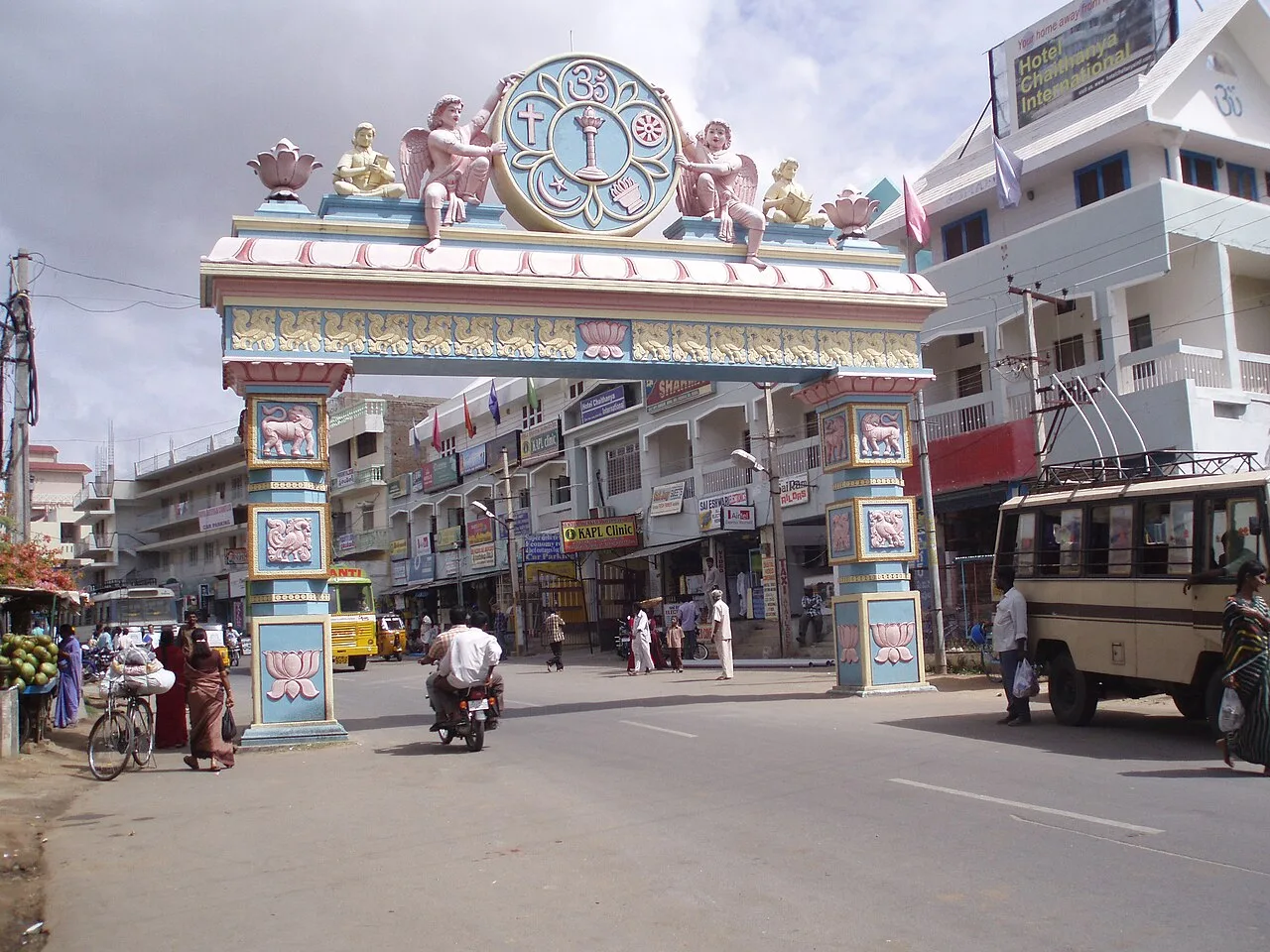
For everyday shopping, the town centre is the practical place to look for groceries, household goods, snacks and locally used items. Small shops and markets serve residents of Kalyandurg and nearby villages, but there is no widely established visitor district for specialist crafts or branded regional products. Travellers seeking Andhra textiles, handloom work or notable regional food products may find a broader selection in larger cities in the state. In Kalyanadurg, the most rewarding local stops are its temple and, where access and local guidance permit, archaeological locations around Akkamma Vari hills, Mudigallu, Muthalabanda and Gallapalli. These are heritage places, not organised retail attractions.

History

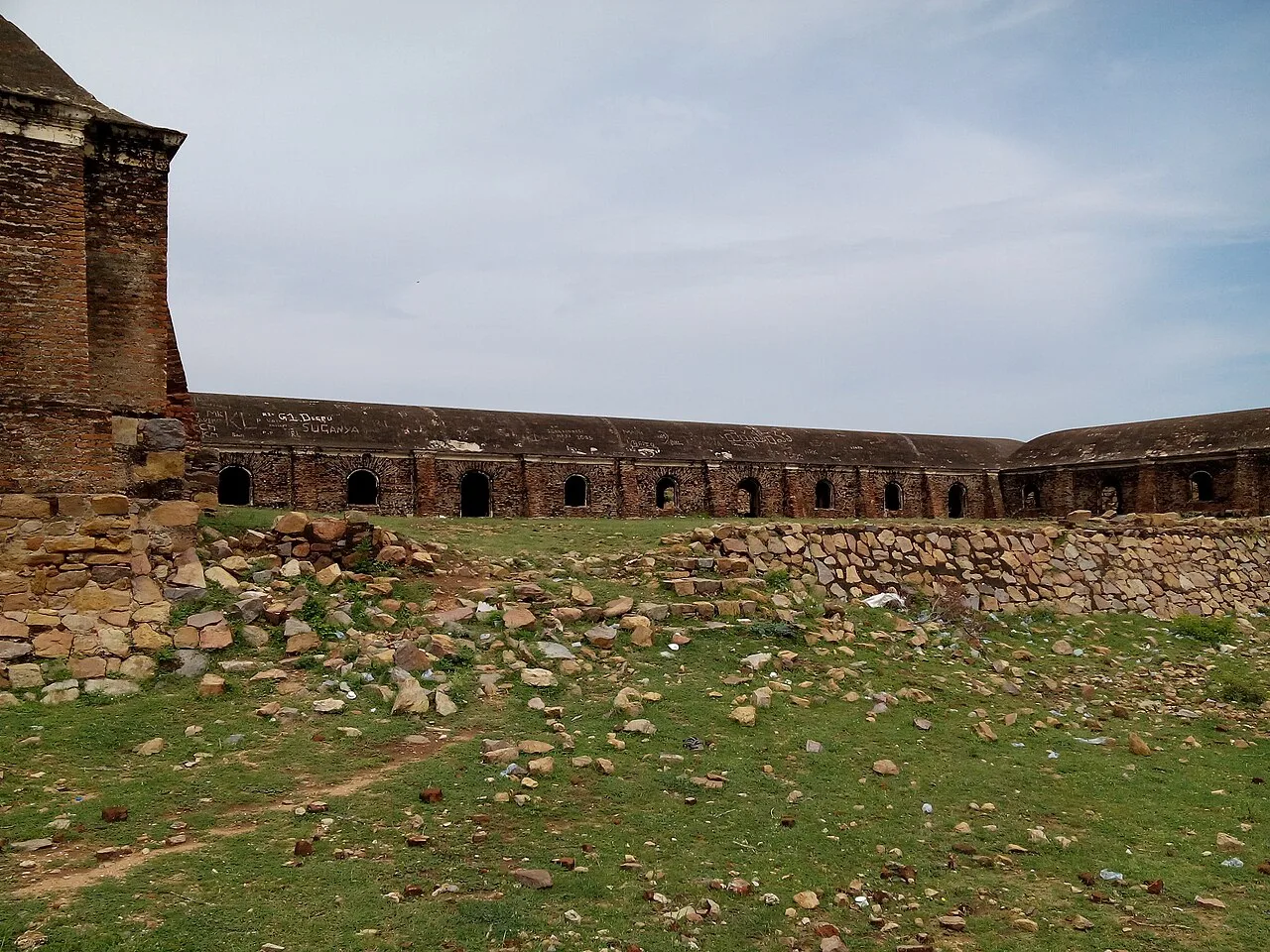
Kalyanadurg’s history is tied to the Vijayanagara Empire and the local Boya Palegars, who held power over important forts in this region. The town’s name is associated with Boya Kalyanappa, a 16th-century Palegar. The area was under the rule of Sri Krishnadevaraya, and historical accounts describe Kalyandurg as part of a politically unsettled frontier during the Vijayanagara period. Megalithic monuments in and around the town point to human activity in the area long before these recorded kingdoms.

Under British administration, Kalyandurg taluk was formed in December 1893 from portions of Dharmavaram and Rayadurg taluks. The town remained part of Anantapur district through later administrative changes. Its role as a local administrative centre continued into the modern era, and Kalyandurg became a municipality in 2012. Today it is the headquarters of Kalyandurg mandal and revenue division, linking its historic identity with a practical regional role.

Food, festivals & culture

Telugu is the principal language of everyday life in Kalyanadurg, and local customs reflect the wider Rayalaseema region. Meals commonly draw on rice, millets, lentils, vegetables and boldly seasoned curries, with staples such as pappu, pachadi and rice-based dishes. Small eateries and town shops are the most convenient places to sample everyday food; Kalyanadurg is not widely identified with a particular signature sweet or restaurant dish.

The Hindu calendar shapes the year’s celebrations. Sankranti, usually in January, is marked across the region with family gatherings and seasonal customs; Ugadi, around March or April, welcomes the Telugu New Year. Dasara and Maha Shivaratri are also observed, with dates varying by the lunar calendar. Sri Subrahmanyeswara Swamy Temple, in the town centre, is an important focus for worship and community life. Telugu devotional music and regional folk performance traditions form part of the broader cultural setting, though specific programmes vary. Visitors should dress respectfully at places of worship and check locally for festival events.

Visiting the city

The cooler months, roughly October to February, are generally more comfortable for exploring; summers can be very hot, so plan outdoor visits for early or late in the day. The closest airport is Sri Sathya Sai Airport at Puttaparthi, though flight availability may be limited; Bengaluru’s Kempegowda International Airport is a larger gateway. Kalyandurg railway station serves the town, but check current connections before travel.

Auto-rickshaws and local buses are useful for getting around town, while a hired vehicle can make visits to outlying archaeological sites easier. Begin in the central area around Sri Subrahmanyeswara Swamy Temple, then ask locally about access to the megalithic remains near Akkamma Vari hills and villages such as Mudigallu or Muthalabanda. These sites may lack visitor facilities, so arrange transport and guidance in advance and avoid disturbing the monuments.

Trips from the city

Nearest places to visit from Kalyanadurgam

Our closest destination guides, by straight-line distance.

Gooty Fort

86 km away · Anantapur district

Gooty Fort

Gooty Fort is a ruined hill fort in Gooty, Andhra Pradesh, also known as Ravadurg and Gutti Kota. Visitors come to see the remains and its hilltop location.

Puttaparthi (Prasanthi Nilayam)

87 km away · Sri Sathya Sai district

Puttaparthi (Prasanthi Nilayam)

Puttaparthi is a municipality and the administrative centre of Sri Sathya Sai district in Andhra Pradesh. Visitors come for Prasanthi Nilayam and the town’s connection with Sathya Sai Baba.

Lepakshi Veerabhadra Temple

98 km away · Anantapur district

Lepakshi Veerabhadra Temple

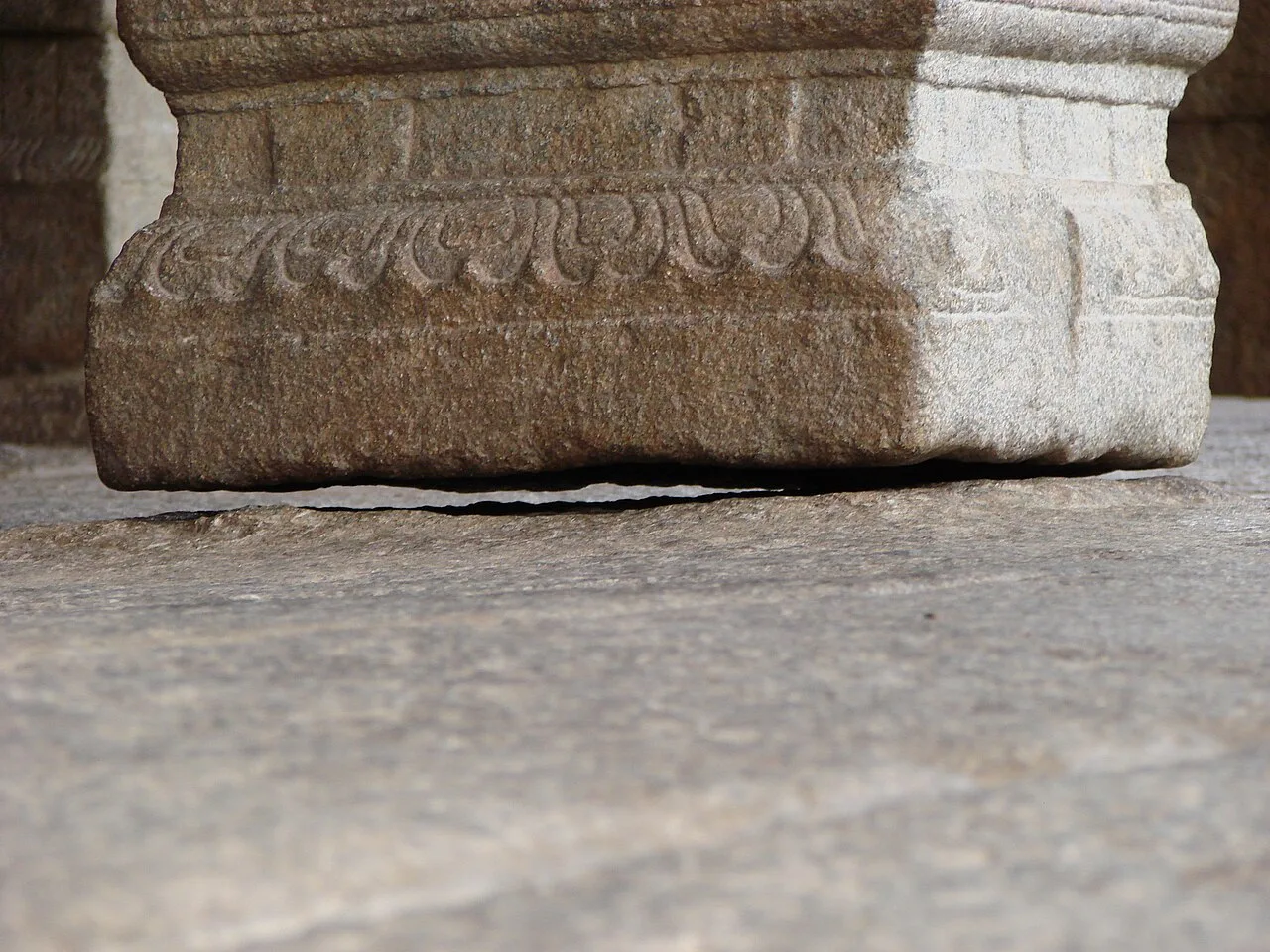
Lepakshi Veerabhadra Temple is a temple in the Andhra Pradesh village of Lepakshi. Visitors go to the village to see the Veerabhadra Temple.

Belum Caves

127 km away · Nandyal district

Belum Caves

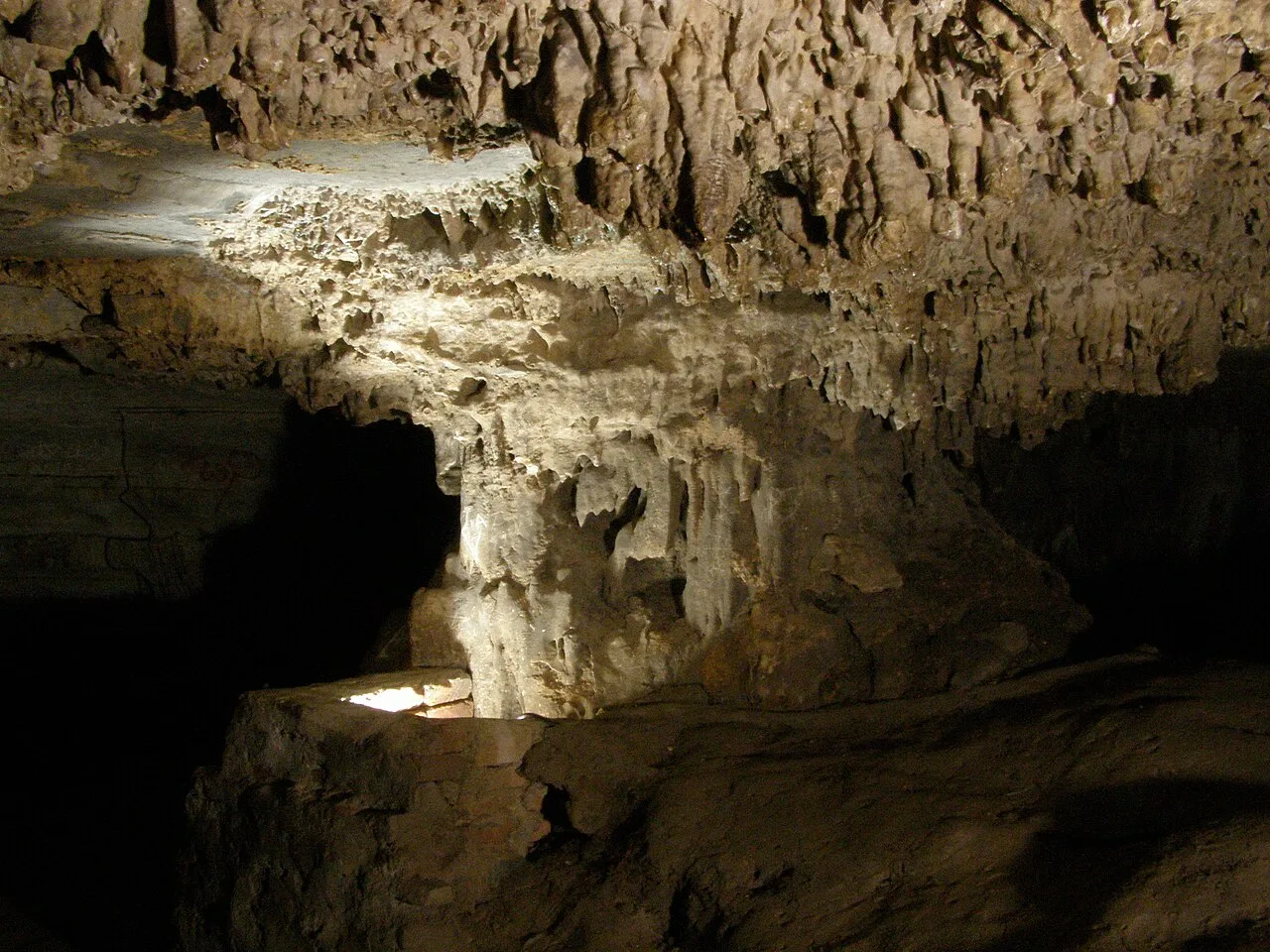
Belum Caves is a large limestone cave network in Nandyal district, Andhra Pradesh. Visitors explore its underground passages and distinctive karst features, while the site also draws interest for evidence of ancient human activity.

Gandikota Gorge and Fort

131 km away · YSR district

Gandikota Gorge and Fort

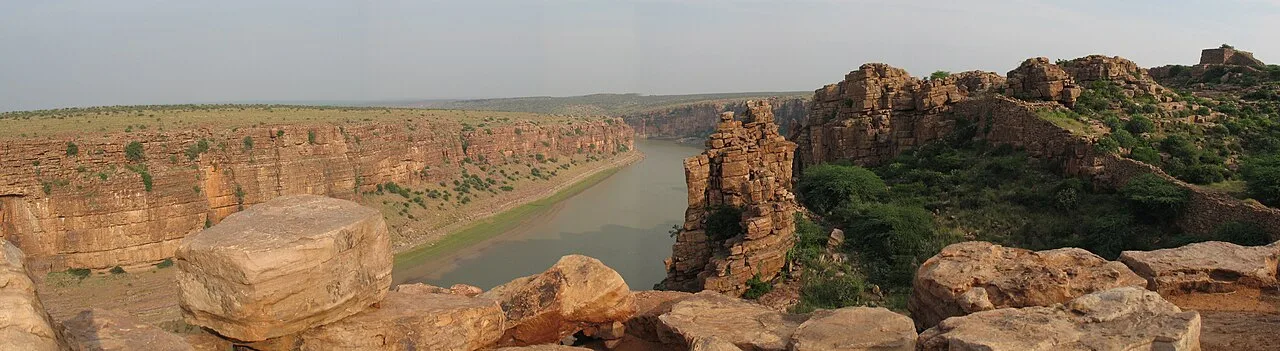
Gandikota is a village and historic fort beside the Penna in Andhra Pradesh. Visitors come to see the gorge and fort, shaped by successive ruling powers.

Yaganti temple

143 km away · Nandyal district

Yaganti temple

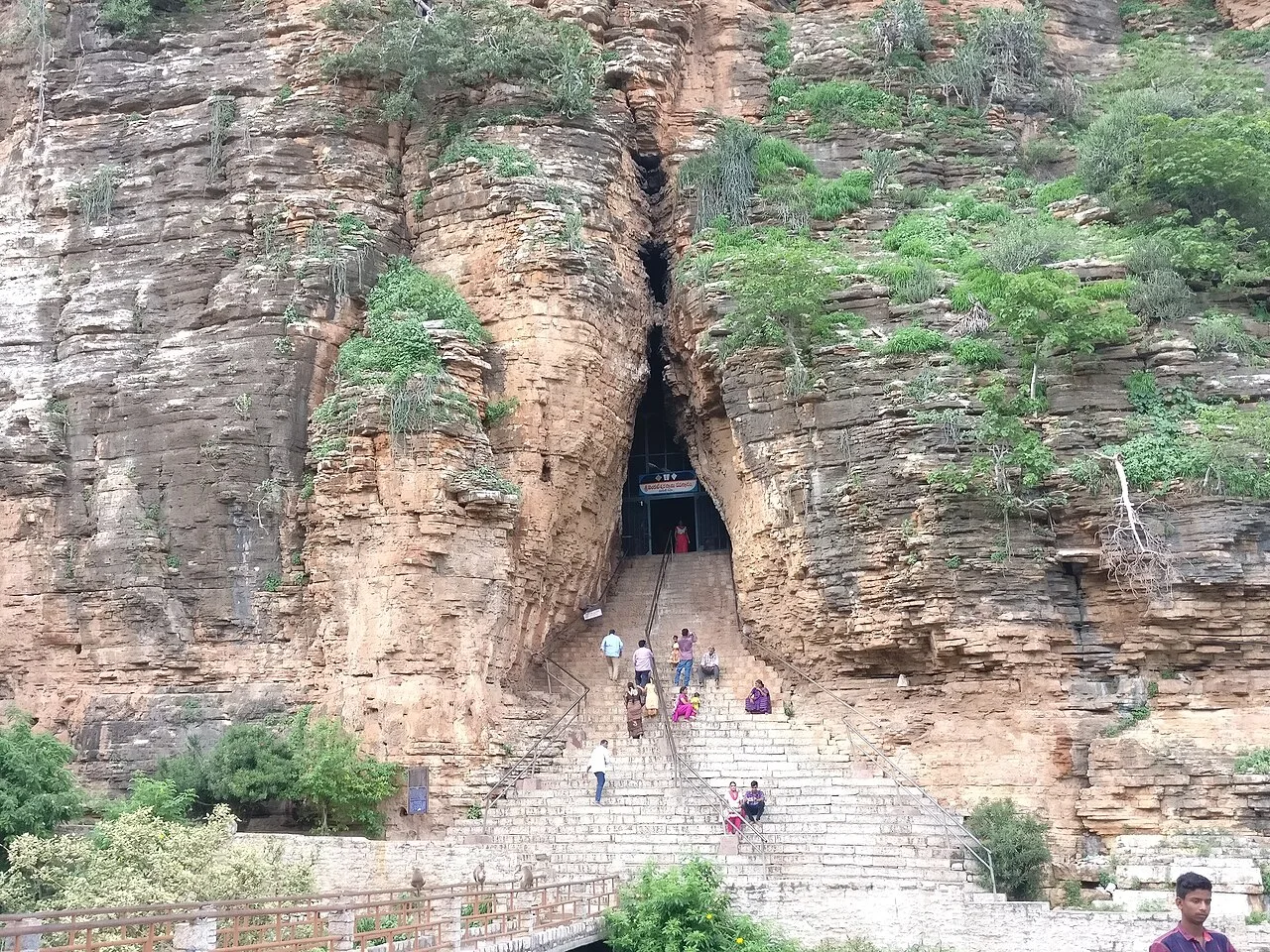
In Andhra Pradesh’s Nandyal district, Yaganti Temple is a Shiva shrine known also as Sri Yaganti Uma Maheswara Temple. Visitors come to worship Shiva at this temple.

Horsley Hills

171 km away · Chittoor district

Horsley Hills

Horsley Hills, also called Horsleykonda and Yenugulla Mallamma Konda, is a hill range near Madanapalle in Andhra Pradesh, visited for its cooler, greener surroundings.

Orvakal Rock Garden

171 km away · Kurnool district

Orvakal Rock Garden

Orvakal Rock Garden is a place to visit in Andhra Pradesh’s Kurnool district, associated with Orvakal village; people come to see the site identified as a rock garden.

Map

Kalyanadurgam on the map

  1. 1Gooty Fort
  2. 2Puttaparthi (Prasanthi Nilayam)
  3. 3Lepakshi Veerabhadra Temple
  4. 4Belum Caves
  5. 5Gandikota Gorge and Fort
  6. 6Yaganti temple
  7. 7Horsley Hills
  8. 8Orvakal Rock Garden

Andhra Pradesh

Other cities to explore