Ghumoopedia — Explore, Discover, Experience
Sign in

City guide · Andhra Pradesh

Yemmiganuru

Yemmiganuru, also commonly called Yemmiganur, is an important town in Kurnool district in Andhra Pradesh’s Rayalaseema region. It serves as a commercial and service centre for nearby settlements, with local trade and textile activity giving it a role beyond its municipal boundaries.

Famous for

  • Yemmiganur handloom textiles
  • Cotton saree weaving
  • Rayalaseema market town
  • Gateway to Mantralayam

Why Yemmiganuru matters

Yemmiganuru, also commonly called Yemmiganur, is an important town in Kurnool district in Andhra Pradesh’s Rayalaseema region. It serves as a commercial and service centre for nearby settlements, with local trade and textile activity giving it a role beyond its municipal boundaries. Its handloom tradition, particularly cotton weaving, is among the town’s best-known associations.

The town is also a useful stop for people travelling through western Kurnool district. Visitors come for local markets and textile shopping, or pass through on journeys to nearby places such as Mantralayam and Adoni. Yemmiganur is not primarily a monument-focused destination; its appeal lies more in everyday town life, regional commerce and its connection to the surrounding countryside. Telugu is central to local life, and the town’s food, festivals and worship reflect wider Rayalaseema and Andhra traditions. Its location in Adoni revenue division and its status as a municipality make it a practical base for local travel and business.
Famous for: crafts, trade & products

Yemmiganur is associated with cotton handloom weaving and textile trade. Sarees and other cotton fabrics are the products most closely linked with its weaving community, alongside the broader range of cloth sold through local shops. The town’s textile activity includes both household-scale weaving and commercial trade, though availability and designs can vary. Yemmiganur is not known for a separately identified GI-tagged textile, so shoppers should check the fabric’s weave and origin directly with sellers rather than assume a particular label.

The central market area and textile shops are the most practical places to look for locally made cloth and everyday merchandise. Small retailers also serve residents from surrounding villages, making the markets useful for seeing the town’s role as a regional trading centre. Cotton and agriculture are important to the wider area’s economy, while the town’s commercial life extends into food, household goods and services. Visitors hoping to see weaving can ask shopkeepers or local residents whether a workshop is operating and welcoming visitors; there is no single formal textile museum or visitor centre to rely on.

History

Yemmiganur’s past is connected to the changing political history of the Kurnool region. The area formed part of the Vijayanagara realm between the 14th and 16th centuries, a period that shaped much of the history of present-day Rayalaseema. In the colonial era, the wider Kurnool region came under British administration as part of the Madras Presidency.

After Independence, Yemmiganur was within Andhra State, formed in 1953, and became part of Andhra Pradesh when the state was reorganised in 1956. Its growth as a local administrative and trading centre continued alongside the development of its textile activity. The local panchayat was upgraded to a municipality in 1965, and Yemmiganur is now a Grade I municipality. Its present-day importance rests on civic services, markets and its links with settlements across the surrounding mandal and the wider Adoni revenue division.

Food, festivals & culture

Everyday food in Yemmiganur reflects Rayalaseema and Andhra cooking: rice and millet-based meals, lentils, vegetable dishes, pickles and chilli-forward curries are common regional fare. Ragi-based dishes and jonna roti are also part of the wider Rayalaseema food tradition. Sweets such as ariselu may appear during festive occasions, though menus vary between homes and eateries.

Telugu is the principal language, with Urdu also used by some residents. Sankranti, usually in January, Ugadi in spring, and Dasara and Deepavali in autumn are widely observed across the region; local temple celebrations may follow their own calendars. Hindu temples and mosques serve as important places of worship and community gathering. Devotional singing, bhajans and folk music feature in religious and seasonal events. Andhra’s classical dance tradition, including Kuchipudi, is part of the broader cultural setting, while performances in town are more likely to depend on festival or community programmes than on a regular visitor schedule.

Visiting the city

The cooler months, roughly November to February, are generally more comfortable for exploring; summers can be very hot. The nearest airport is Kurnool Airport at Orvakal, while Yemmiganur railway station serves the town. Buses connect Yemmiganur with other towns in the district, and auto-rickshaws are useful for getting around locally.

Start in the town centre and its market streets for a sense of daily life and to browse textile shops. The railway-station approach and nearby commercial streets are practical areas to explore for local services and eateries. For a wider trip, Yemmiganur can be combined with visits to Adoni or the pilgrimage centre at Mantralayam. Check local transport connections before setting out, especially if travelling onward to smaller villages.

Trips from the city

Nearest places to visit from Yemmiganuru

Our closest destination guides, by straight-line distance.

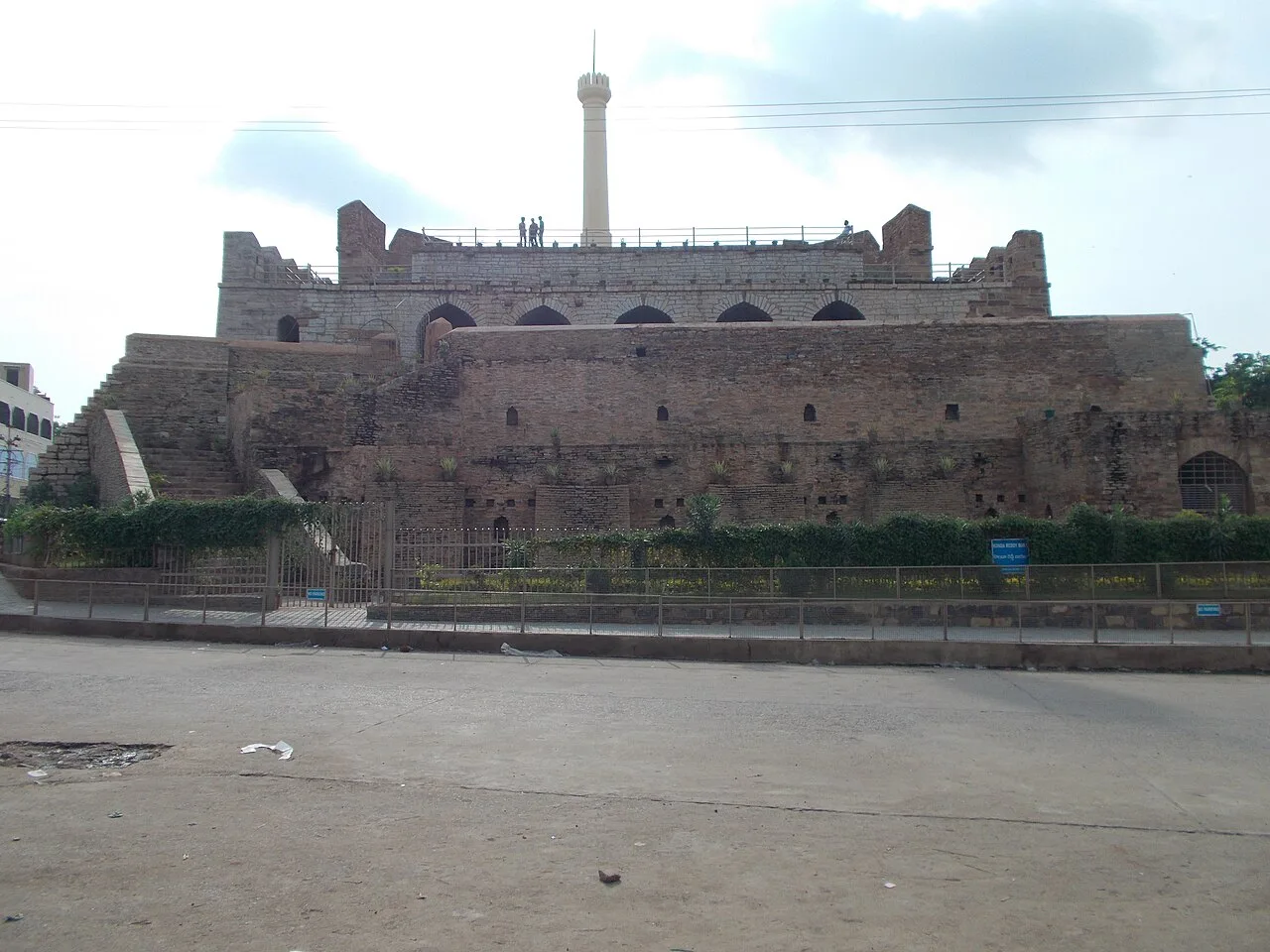
Konda Reddy Fort

61 km away · Kurnool district

Konda Reddy Fort

Konda Reddy Fort is a surviving fort structure in Kurnool, Andhra Pradesh. Visitors come to see its semi-circular bastion and tower, remnants of the city’s former fortification.

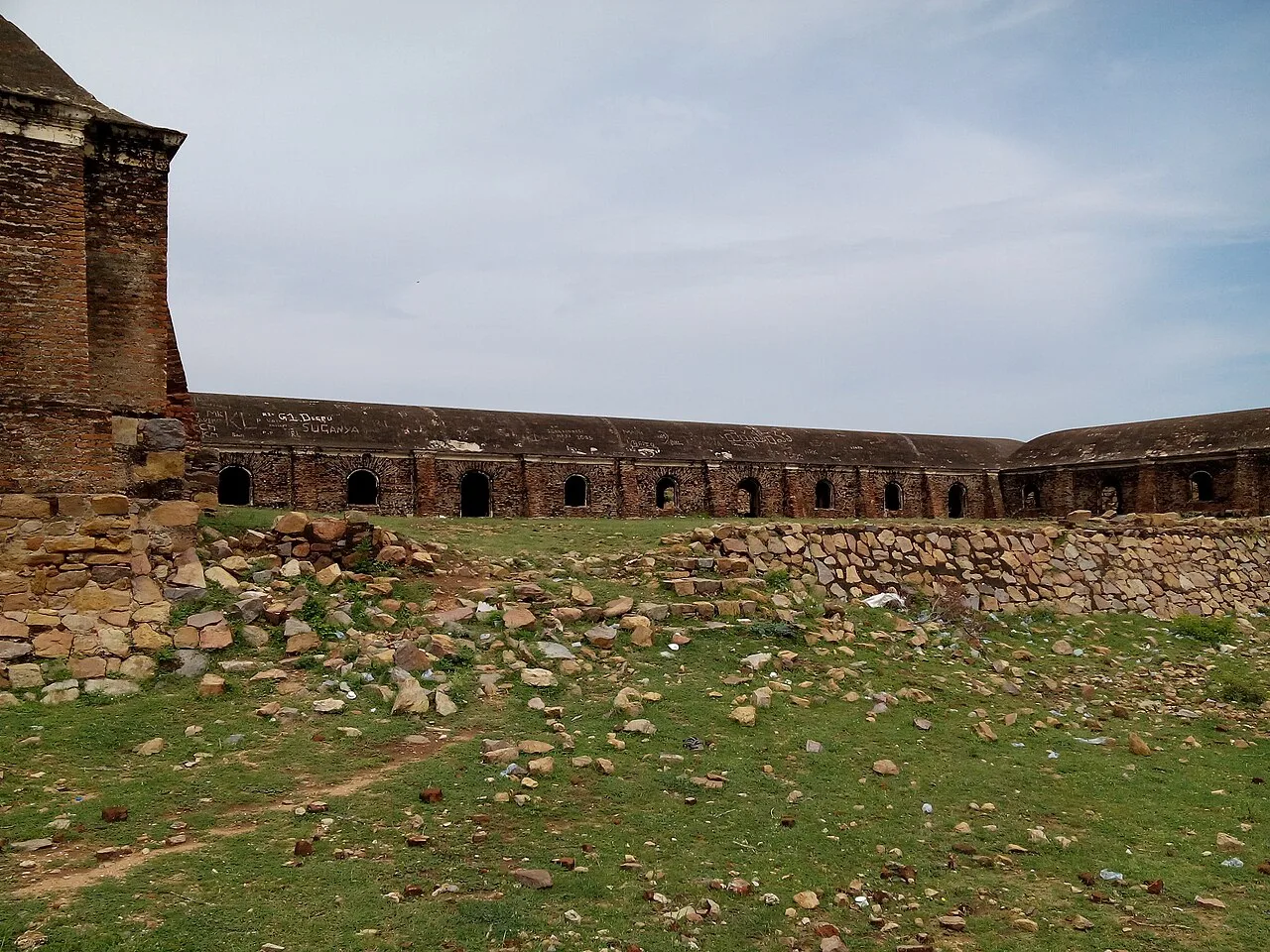
Gooty Fort

75 km away · Anantapur district

Gooty Fort

Gooty Fort is a ruined hill fort in Gooty, Andhra Pradesh, also known as Ravadurg and Gutti Kota. Visitors come to see the remains and its hilltop location.

Orvakal Rock Garden

75 km away · Kurnool district

Orvakal Rock Garden

Orvakal Rock Garden is a place to visit in Andhra Pradesh’s Kurnool district, associated with Orvakal village; people come to see the site identified as a rock garden.

Yaganti temple

84 km away · Nandyal district

Yaganti temple

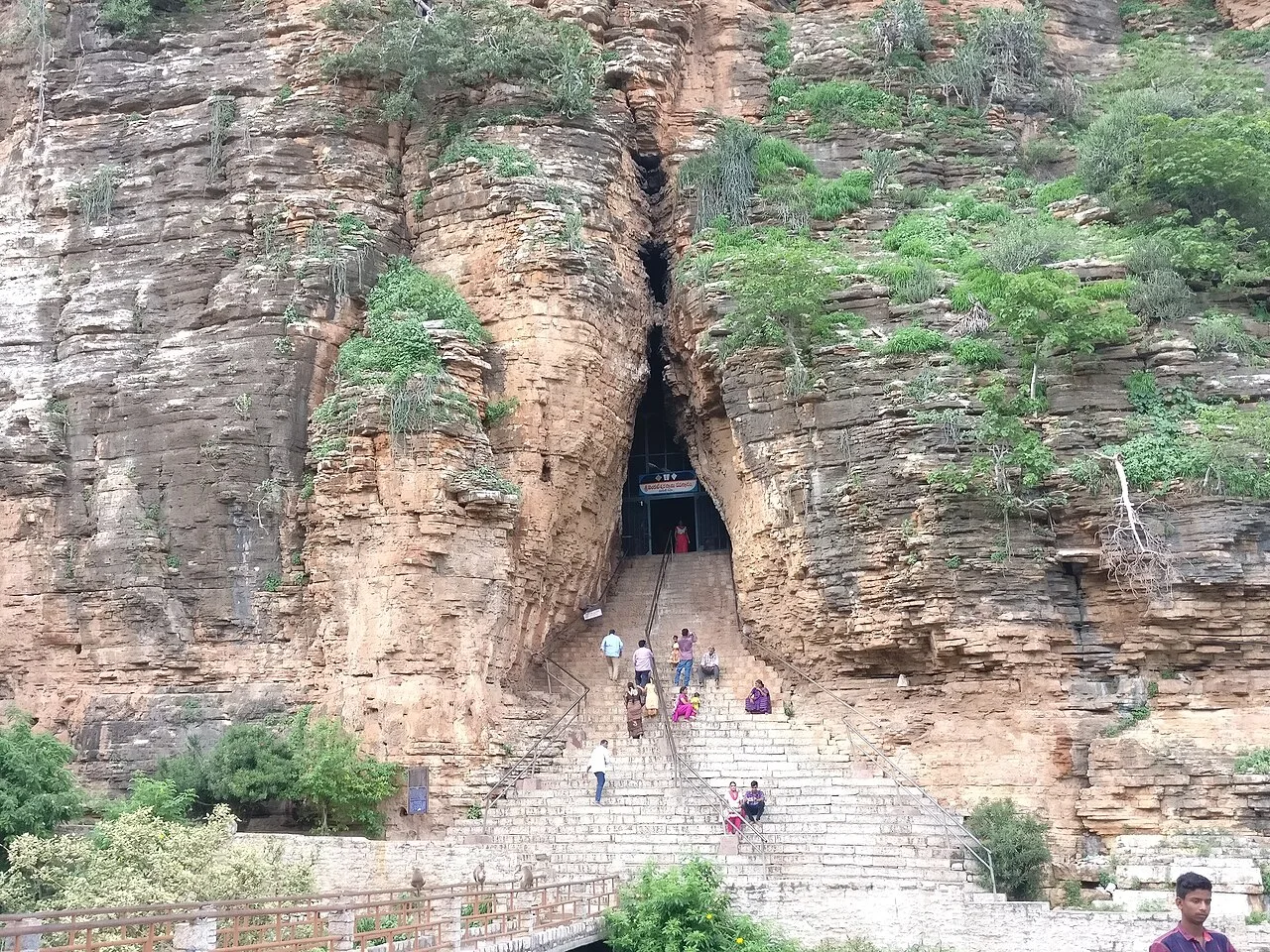
In Andhra Pradesh’s Nandyal district, Yaganti Temple is a Shiva shrine known also as Sri Yaganti Uma Maheswara Temple. Visitors come to worship Shiva at this temple.

Rollapadu Wildlife Sanctuary

95 km away · Nandyal district

Rollapadu Wildlife Sanctuary

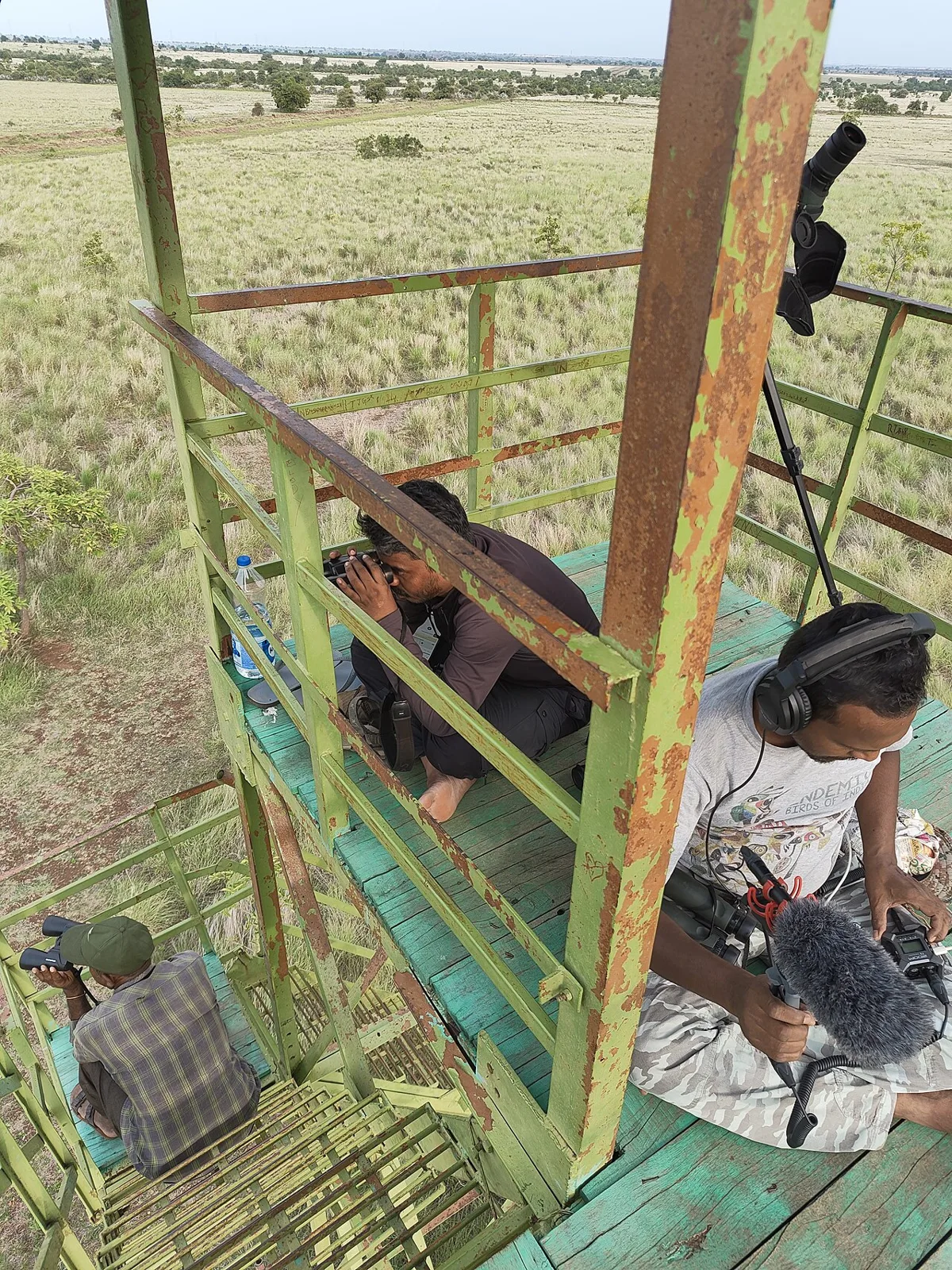
In Andhra Pradesh’s Nandyal district, Rollapadu is a wildlife sanctuary known chiefly as habitat for the great Indian bustard, whose numbers within the sanctuary have dropped sharply in recent years.

Belum Caves

102 km away · Nandyal district

Belum Caves

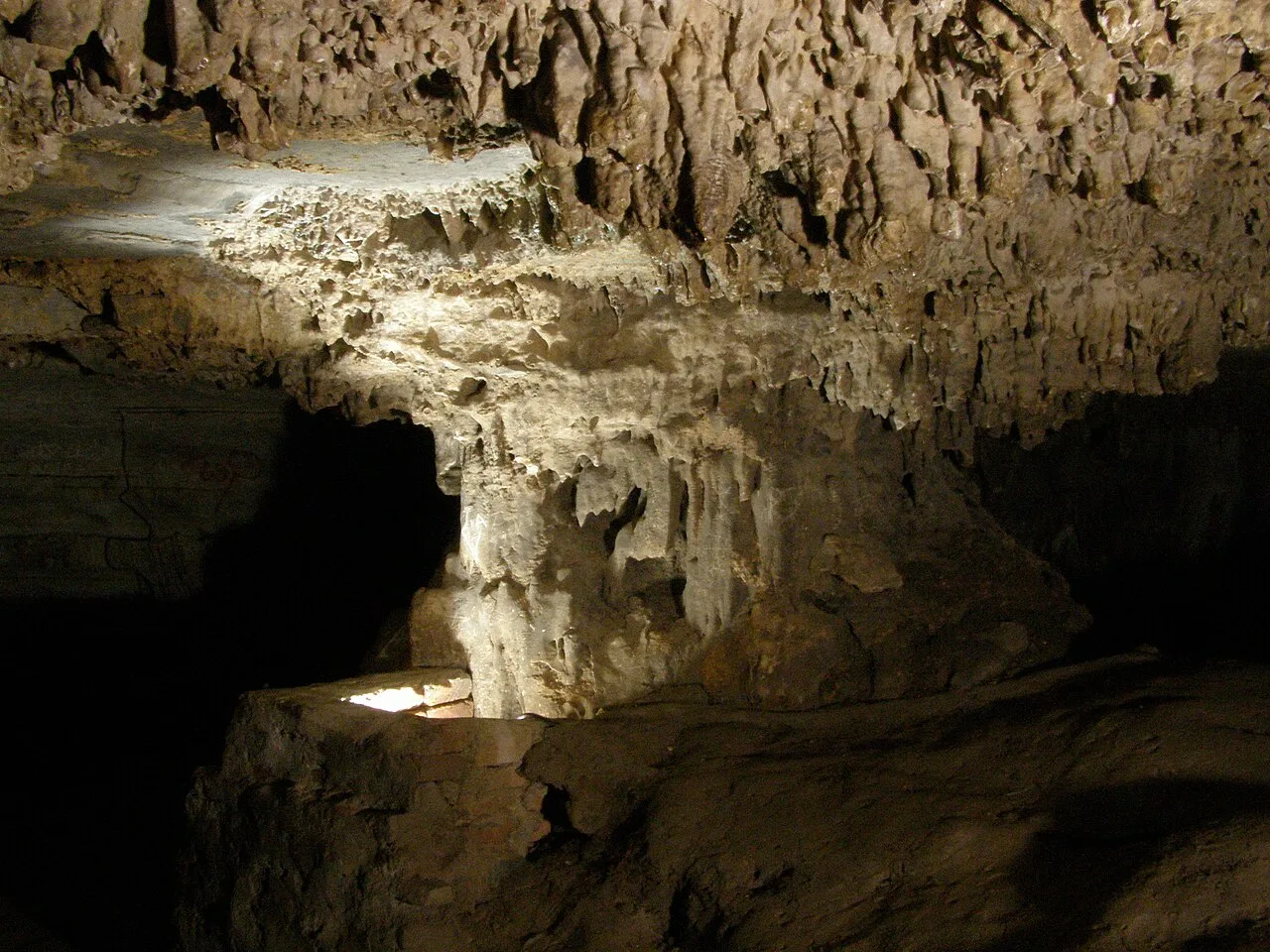
Belum Caves is a large limestone cave network in Nandyal district, Andhra Pradesh. Visitors explore its underground passages and distinctive karst features, while the site also draws interest for evidence of ancient human activity.

Mahanandi Temple

127 km away · Nandyal district

Mahanandi Temple

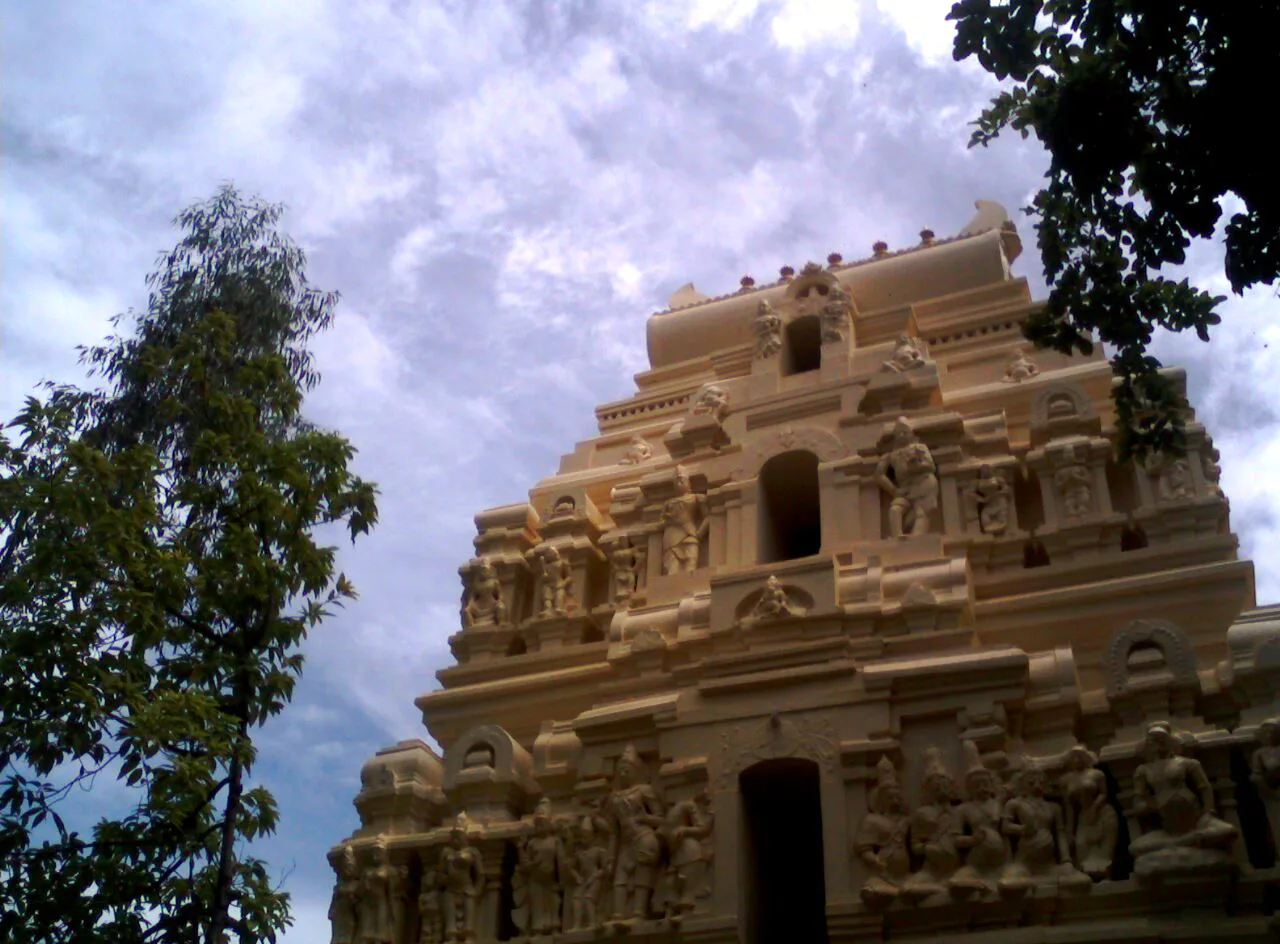
Mahanandi is an Andhra Pradesh village centred on the Mahanandiswara Swamy Temple, one of the Nava Nandi shrines. Visitors come to worship and take part in the annual Maha Shivaratri festival.

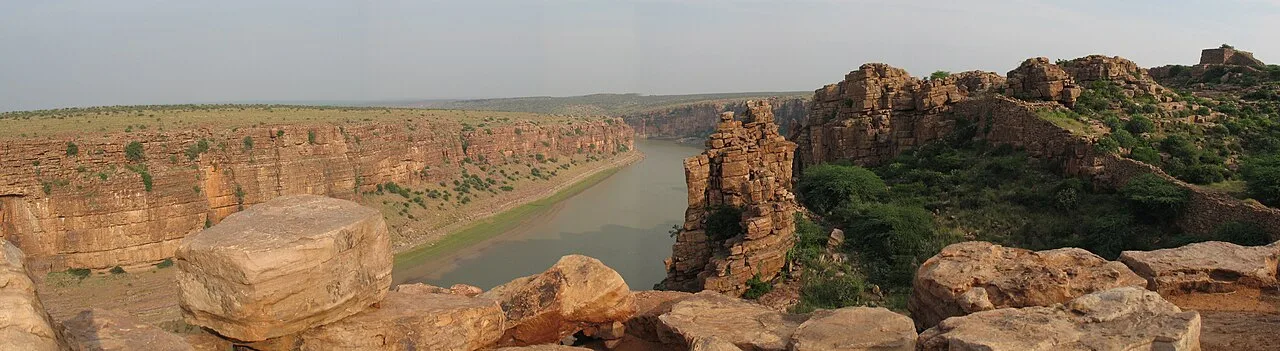
Gandikota Gorge and Fort

137 km away · YSR district

Gandikota Gorge and Fort

Gandikota is a village and historic fort beside the Penna in Andhra Pradesh. Visitors come to see the gorge and fort, shaped by successive ruling powers.

Map

Yemmiganuru on the map

  1. 1Konda Reddy Fort
  2. 2Gooty Fort
  3. 3Orvakal Rock Garden
  4. 4Yaganti temple
  5. 5Rollapadu Wildlife Sanctuary
  6. 6Belum Caves
  7. 7Mahanandi Temple
  8. 8Gandikota Gorge and Fort

Andhra Pradesh

Other cities to explore