Ghumoopedia — Explore, Discover, Experience
Sign in
Kotappakonda Temple, near Addanki

City guide · Andhra Pradesh

Addanki

Addanki is a mandal headquarters and the administrative centre of Addanki revenue division in Prakasam district, in the Coastal Andhra region of Andhra Pradesh. Its importance today is chiefly regional: government services, trade and transport connect the town with surrounding villages and agricultural areas.

Famous for

  • Addanki inscription
  • Chennakesava Swamy Temple
  • Prakasam farm markets
  • Coastal Andhra heritage

Why Addanki matters

Addanki is a mandal headquarters and the administrative centre of Addanki revenue division in Prakasam district, in the Coastal Andhra region of Andhra Pradesh. Its importance today is chiefly regional: government services, trade and transport connect the town with surrounding villages and agricultural areas. For travellers, Addanki offers a quieter stop to explore local religious life and the area’s historical traces rather than a large collection of major tourist attractions.

The town is associated with an early Telugu inscription and the Chennakesava Swamy Temple, which give it a place in the cultural history of the region. Its everyday character is shaped by Telugu-speaking communities, market streets and the movement of farm produce through local trading centres. Visitors may use Addanki as a base for seeing nearby parts of Prakasam district or as a short heritage stop while travelling across southern Andhra Pradesh. The appeal is modest but distinctive: a working regional town where administrative, agricultural and cultural life meet.

Famous for: crafts, trade & products

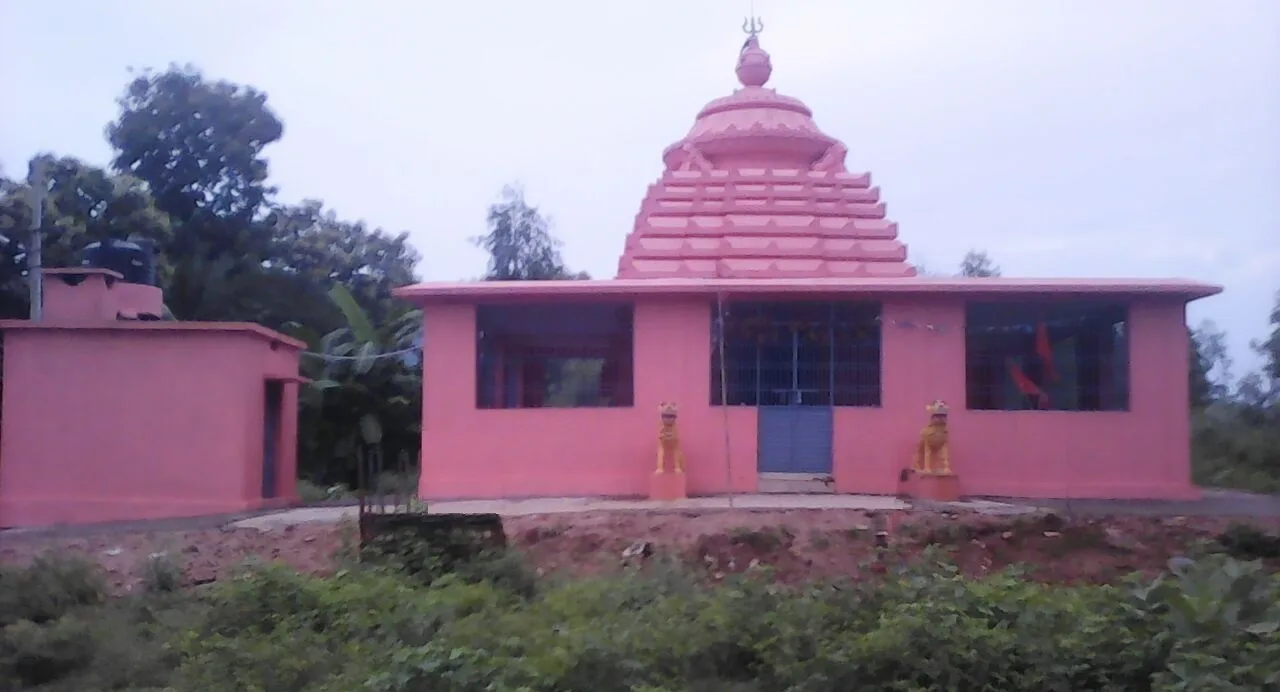
Addanki’s best-known heritage association is its early Telugu inscription, linked with the town’s Chennakesava Swamy Temple. The temple and its surroundings are the most relevant places to look for this local history. Addanki is not widely identified with a particular GI-tagged product, famous saree tradition or nationally recognised handicraft, so visitors should not expect a dedicated craft district or an established artisan market.

The town’s commercial life is more closely tied to everyday retail and the movement of produce from the surrounding agricultural areas. Local shops and market streets are places to find household goods, groceries and seasonal farm products; availability varies with the season. Nearby cultivation and trade reflect the wider Prakasam district, where crops such as tobacco, cotton, pulses and paddy are grown in different areas. These are regional products rather than an exclusive Addanki speciality. For locally made goods or produce, ask at shops and market stalls in town, and check provenance if seeking a particular craft or product. Addanki’s revenue-division offices and local services also make it an administrative centre, rather than a destination known for large-scale industry.

History

Addanki’s historical significance is most visible in its association with an early Telugu inscription, evidence of the language’s use in public and commemorative records in the region. The Chennakesava Swamy Temple is an important local setting for this heritage. The inscription places Addanki within the wider history of early medieval Andhra, when political authority and temple culture changed across the region. It is best understood as one trace of that broader history, rather than as a complete account of the town’s origins.

In later centuries, the area formed part of the changing political landscape of coastal Andhra. Under British rule, it was administered within the Madras Presidency; after independence it became part of the reorganised Andhra region and, later, Andhra Pradesh. Modern Addanki developed as a local service and trading centre for surrounding settlements. Its present administrative role grew with the establishment of Addanki revenue division, while agriculture and road connections continue to shape the town’s links with Prakasam district.

Food, festivals & culture

Telugu is the principal language of daily life in Addanki. English is useful in some official and business settings. Food follows the familiar patterns of coastal Andhra: rice served with pappu, vegetable curries, pulusu, pickles and chutneys. Meals can be strongly spiced, and local eateries generally serve everyday Andhra dishes rather than a cuisine unique to the town. Sweets such as ariselu and bobbatlu are associated with festive occasions across the region, though what is available locally varies.

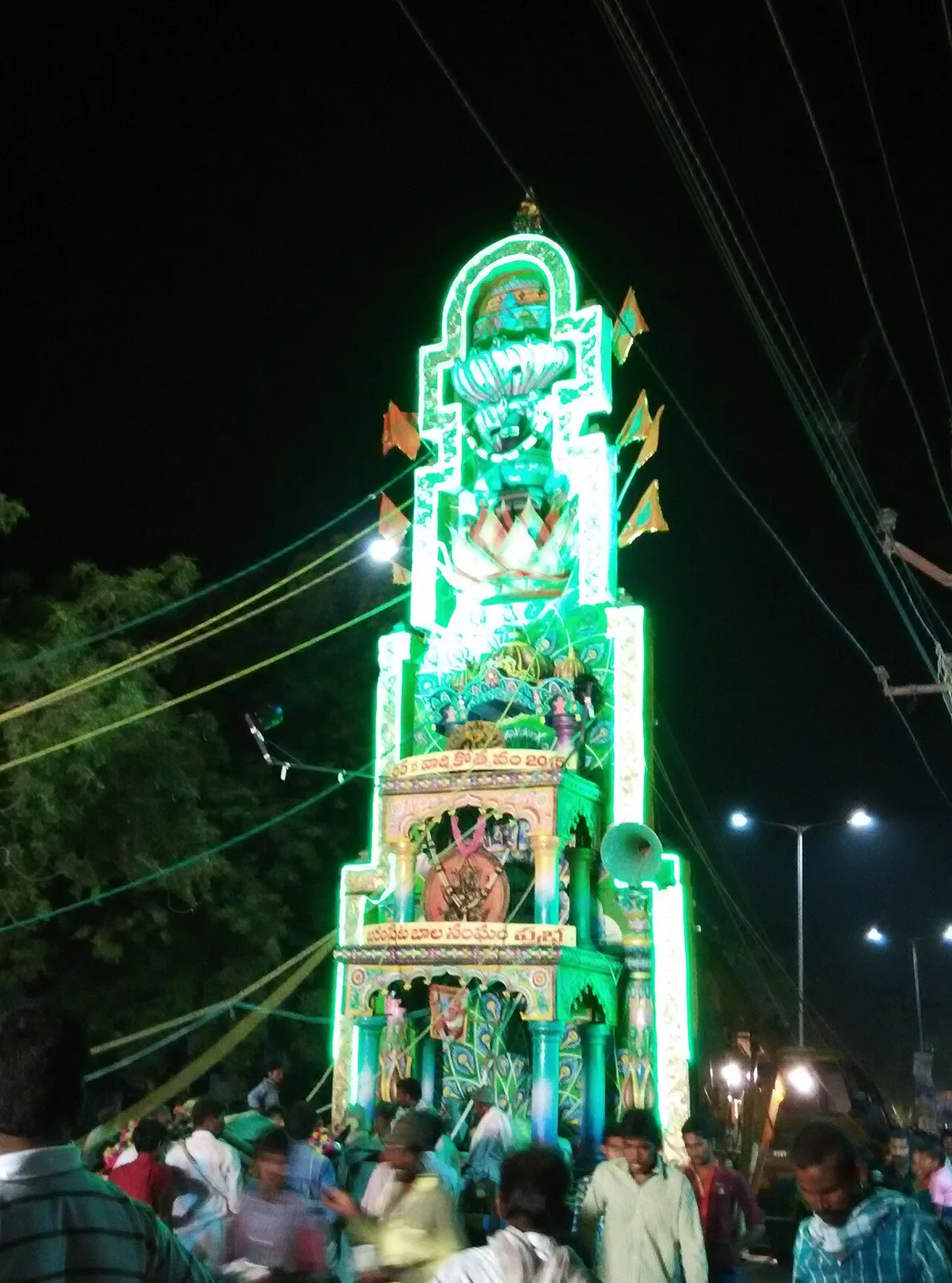
Sankranti, in mid-January, is an important harvest-season celebration, while Ugadi in spring marks the Telugu New Year. Dasara and Deepavali are also observed, with temple visits, family gatherings and seasonal rituals. The Chennakesava Swamy Temple is a focal point for worship and local religious observance. Music and dance are part of the wider Telugu cultural tradition; visitors are more likely to encounter them at festival or community events than at regular performances. Customs and celebrations may differ among families and neighbourhoods.

Visiting the city

The cooler months from October to February are generally the most comfortable time to visit. Summers can be very hot, and the monsoon season brings rain that may affect road journeys. Vijayawada International Airport at Gannavaram is the nearest major airport. Addanki does not have a principal railway station in town; Ongole railway station is a useful rail connection, with other district stations also serving the wider area.

Buses and road transport link Addanki with nearby towns. Within town, auto-rickshaws and local vehicles are practical for short trips. Begin around the Chennakesava Swamy Temple and explore the adjacent old-town streets and market area on foot where convenient. The administrative centre and surrounding villages offer a view of everyday regional life. Confirm road and onward transport arrangements locally, particularly for visits outside town.

Trips from the city

Nearest places to visit from Addanki

Our closest destination guides, by straight-line distance.

Kotappakonda Temple

38 km away · Guntur district

Kotappakonda Temple

A Hindu pilgrimage destination in Palnadu district, Andhra Pradesh, Kotappakonda is visited for the Trikoteswara Swamy Temple, a shrine to Shiva on the hill.

Suryalanka Beach

57 km away · Bapatla district

Suryalanka Beach

Suryalanka Beach, also called Bapatla Beach, is a coastal destination in Andhra Pradesh’s Bapatla district, visited for its Bay of Bengal shoreline and nearby resorts.

58 km away · Guntur district

Kondaveedu Fort

Kondaveedu Fort is a hill stronghold in Andhra Pradesh, known for its association with the Reddy dynasty and a succession of rulers. Visitors explore its ruined fortifications and the remains of magazines and storehouses.

Durgi Stone-Carving Village

83 km away · Palnadu district

Durgi Stone-Carving Village

Durgi, in Palnadu district, Andhra Pradesh, is an administrative centre known for its limestone carving tradition. Visitors come to learn about the craft and see the work artisans continue to produce.

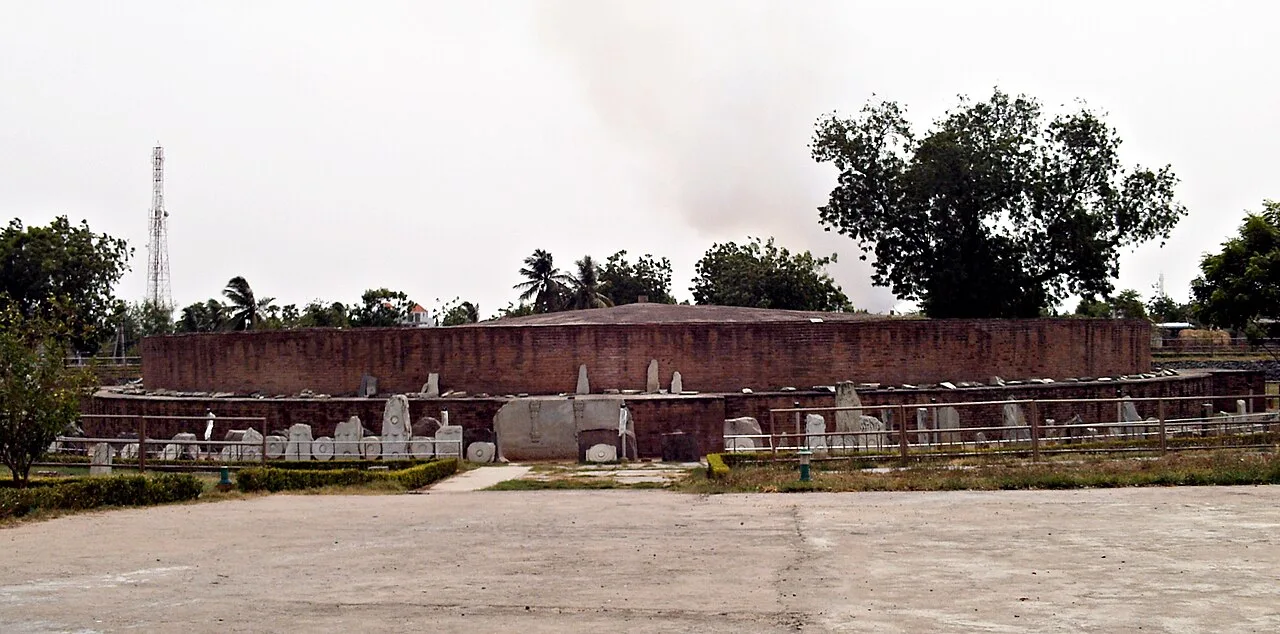
Amaravati Mahachaitya (Great Stupa)

94 km away · Guntur district

Amaravati Mahachaitya (Great Stupa)

Amaravati Mahachaitya is the remains of a major Buddhist stupa in Andhra Pradesh. Visitors come to see its archaeological remains and learn about its influential sculpture and history.

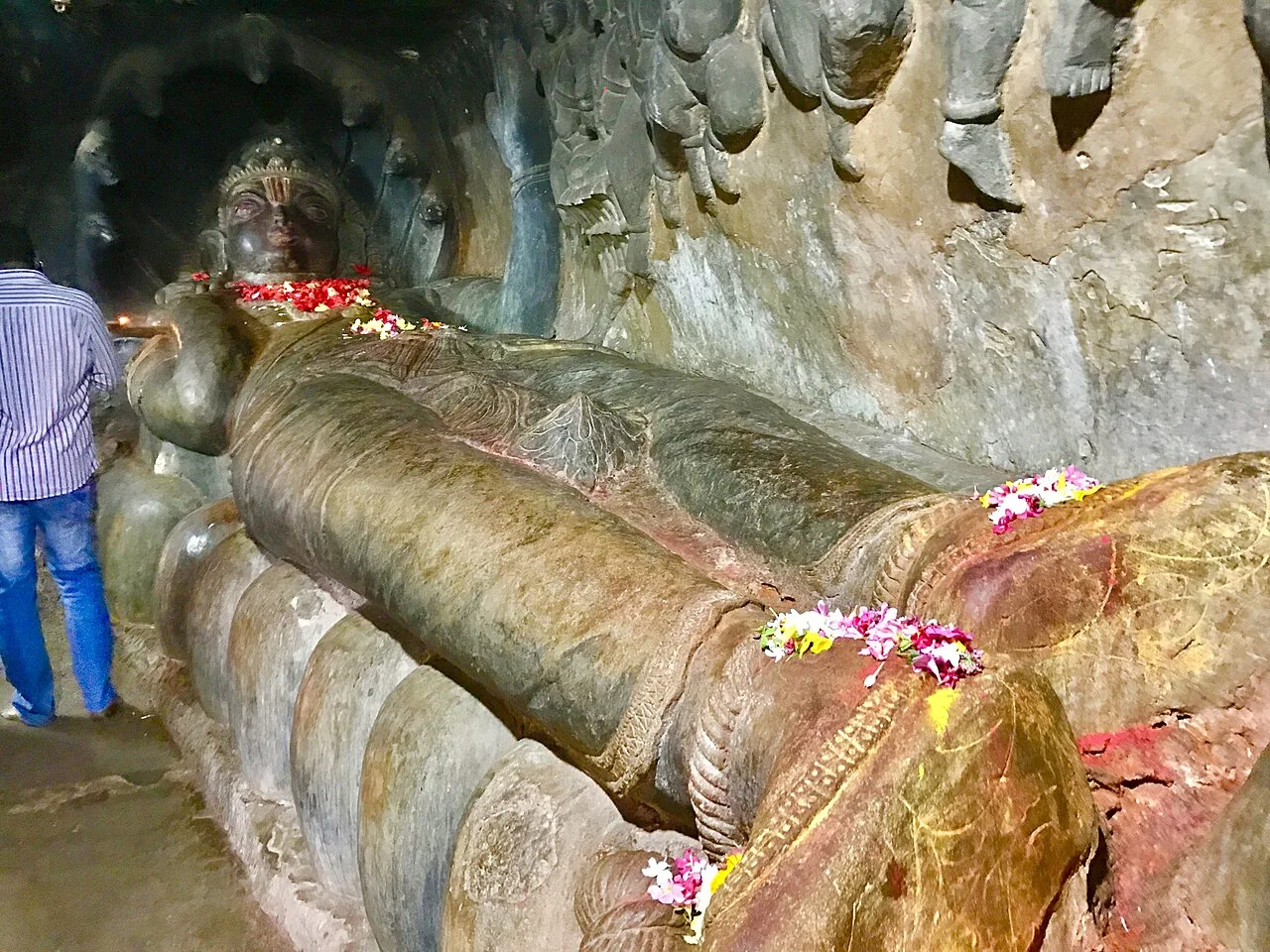
Undavalli Caves

100 km away · NTR district

Undavalli Caves

Undavalli Caves is a monolithic rock-cut site in Andhra Pradesh, drawing interest for its sandstone carvings and association with the Vishnukundina period.

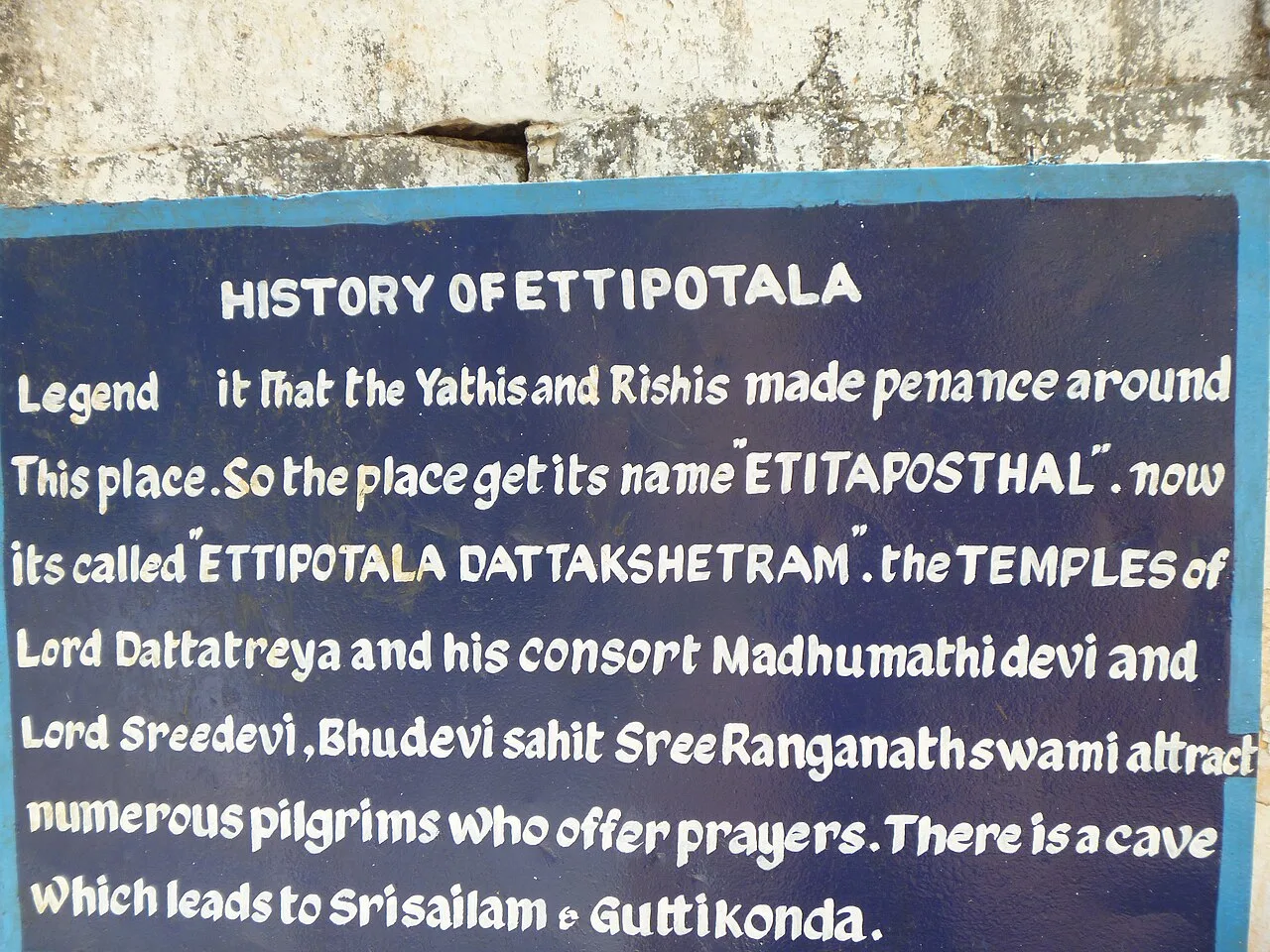
Ethipothala Falls

101 km away · Palnadu district

Ethipothala Falls

Ethipothala Falls is a 70-foot cascade in Palnadu district, formed by three streams. Visitors come to see the waterfall and crocodile breeding centre and visit the nearby temple.

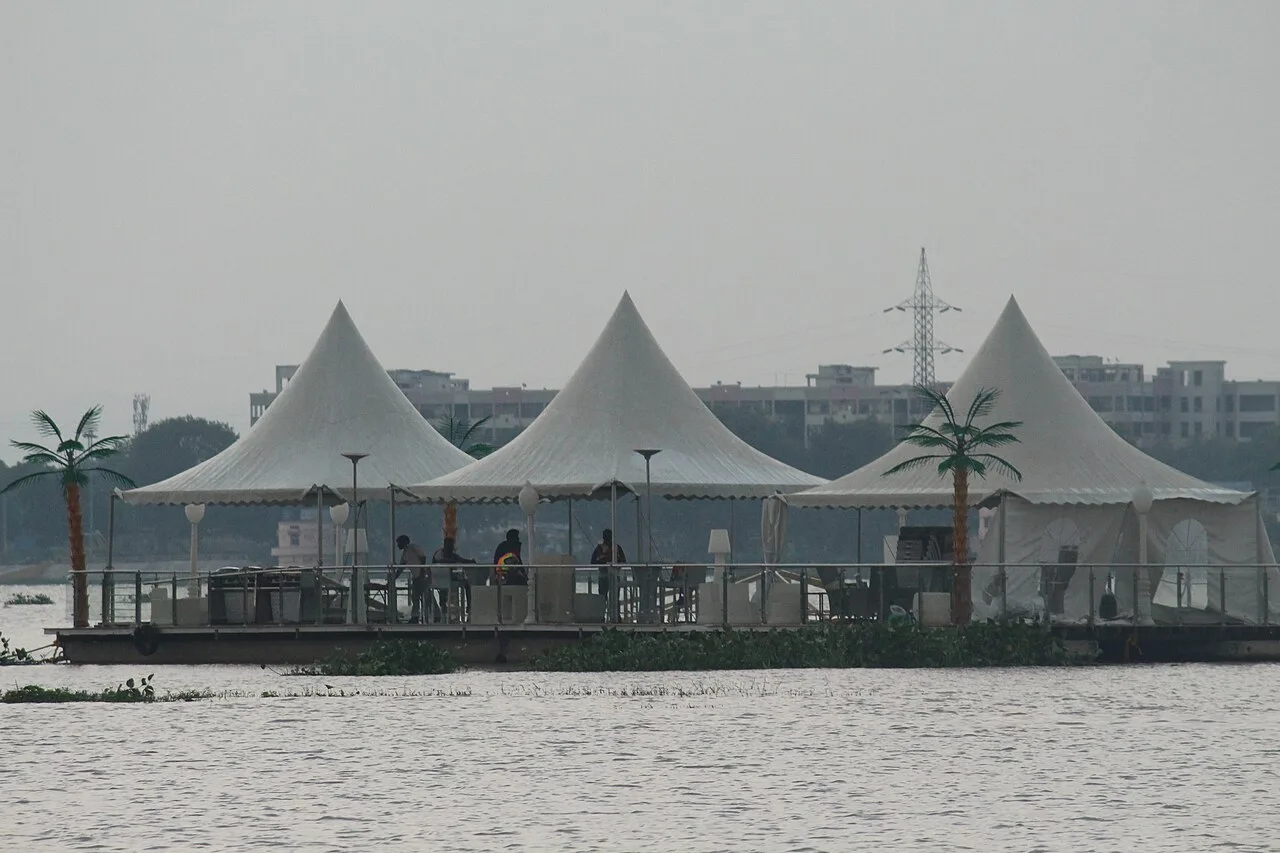
Bhavani Island

102 km away · Krishna district

Bhavani Island

Bhavani Island is a large river island in the Krishna River at Vijayawada, Andhra Pradesh. Visitors can enjoy its recreational attractions, from mazes and cycling to sports simulators.

Map

Addanki on the map

  1. 1Kotappakonda Temple
  2. 2Suryalanka Beach
  3. 3Kondaveedu Fort
  4. 4Durgi Stone-Carving Village
  5. 5Amaravati Mahachaitya (Great Stupa)
  6. 6Undavalli Caves
  7. 7Ethipothala Falls
  8. 8Bhavani Island

Andhra Pradesh

Other cities to explore