Ghumoopedia — Explore, Discover, Experience
Sign in
Borra Caves, near Madugula

City guide · Andhra Pradesh

Madugula

Madugula is a rural settlement in Anakapalli district, in the hill-and-farmland country of northern Andhra Pradesh. Its importance comes less from urban attractions than from its history as the seat of the Matsya rulers, a dynasty whose fortunes were linked with the Eastern Ganga kingdom and later with Nandapur and Jeypore.

Famous for

  • Matsya dynasty heritage
  • Old Matsya palace
  • Endrikaparvatam hills
  • Matsyakunda river origins
  • Rural paddy landscape

Why Madugula matters

Madugula is a rural settlement in Anakapalli district, in the hill-and-farmland country of northern Andhra Pradesh. Its importance comes less from urban attractions than from its history as the seat of the Matsya rulers, a dynasty whose fortunes were linked with the Eastern Ganga kingdom and later with Nandapur and Jeypore. The old Matsya palace and the surrounding landscape give the village a distinctive heritage character.

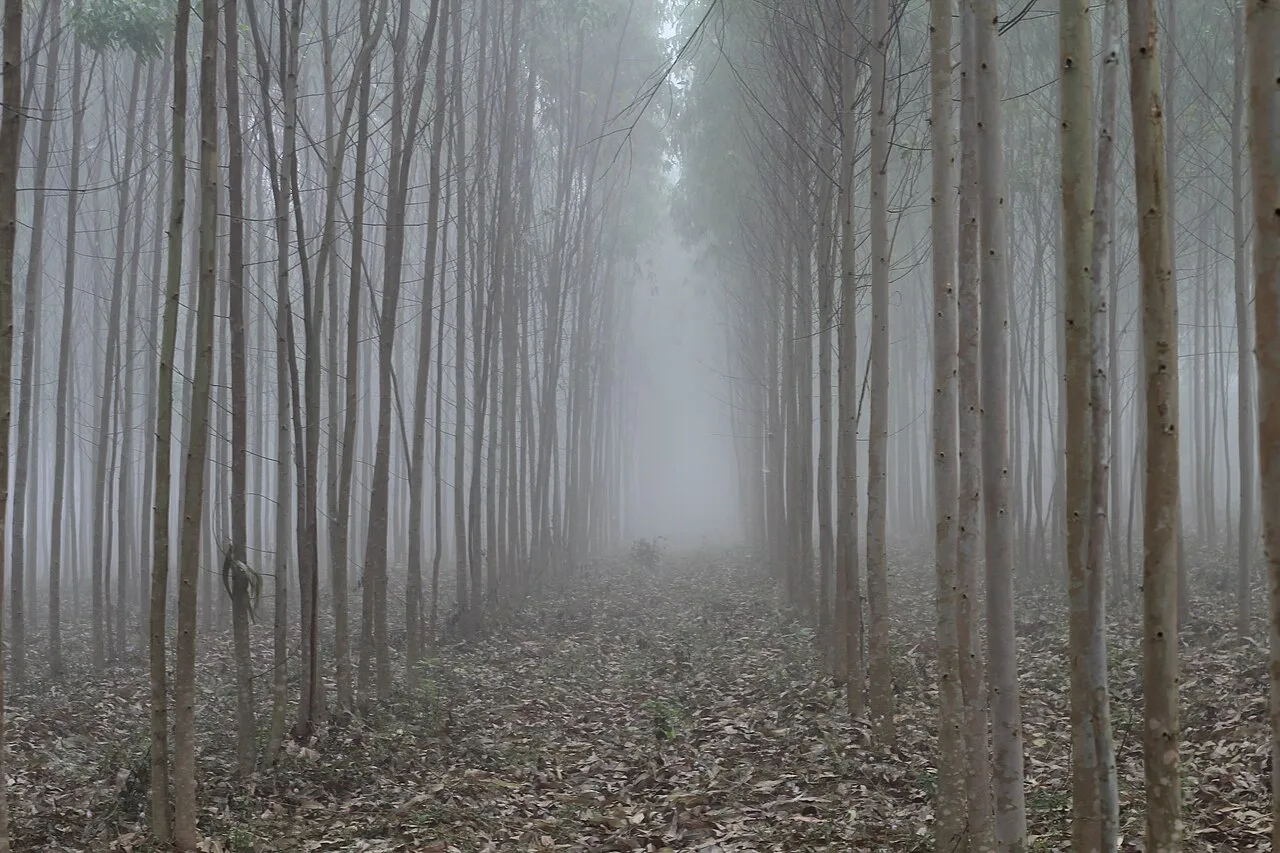
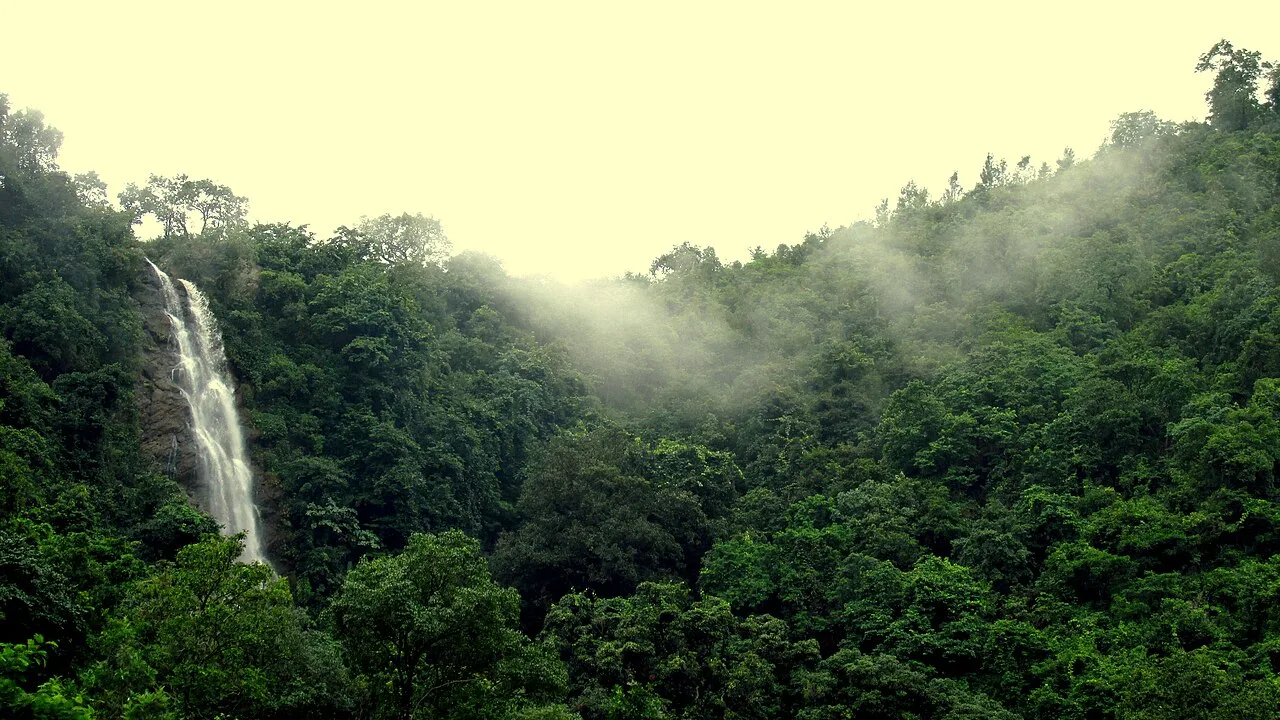
Visitors interested in regional history can explore the village and its rural setting, while nearby hills, streams and paddy fields offer a glimpse of life away from the coast. Endrikaparvatam is a prominent natural landmark associated with the area, and the historic Matsyakunda river is said to rise in the surrounding hills. Madugula is also the name of an Andhra Pradesh assembly constituency, giving it a role in local administration and public life. It is best understood as a quiet heritage stop rather than a major urban or resort destination; visits are most rewarding when planned around the landscape and the area’s layered past.
Famous for: crafts, trade & products

Madugula is not widely identified with a signature textile, craft, GI-tagged product or large manufacturing industry. Its strongest associations are historical and geographical: the Matsya dynasty, the old palace, the surrounding agricultural landscape and the river tradition connected with Matsyakunda. Paddy cultivation is part of the rural setting, but the village is not known as a major branded rice or commodity-trading centre.

For everyday purchases, visitors should expect small local shops and market stalls serving residents, rather than specialist craft bazaars or destination shopping streets. These are the practical places to look for routine provisions and seasonal local produce. The village’s most distinctive “finds” are therefore its historic associations and views of the surrounding countryside, not a formal shopping or industrial scene.

History

Madugula was historically known as Vaddadi or Vaddadimadugula and served as the capital of the Matsya rulers, southern vassals of the Eastern Ganga dynasty. Over time, the old name became associated with two separate settlements, Waddadi and Madugula. Matsya rulers left a record of grants and alliances, and their territory was drawn into the changing power struggles of the eastern Deccan and Kalinga.

In later centuries, the Matsya domain came under the influence of Nandapur and then Jeypore. During the British period, Madugula remained a separate zamindari for a time. In 1915, the Madugula and Pachipenta zamindaris were acquired by Maharaja Vikram Dev III and incorporated into Jeypore Samasthanam, which governed them until the end of princely rule in 1947. Today Madugula is a village in Anakapalli district, with its history reflected chiefly in local memory and the old palace rather than in a large urban centre.

Food, festivals & culture

Telugu is the principal language of daily life. Madugula’s food culture is part of the broader northern Andhra tradition, where rice is commonly served with lentils, vegetable curries, chutneys and pickles. Home cooking and seasonal produce are more representative than a widely recognized local specialty or sweet; visitors should not expect a dedicated food district.

Sankranti, celebrated in midwinter, is an important harvest-season festival across Andhra Pradesh. Ugadi, the Telugu New Year in spring, and Dasara in autumn are also commonly observed, alongside village and temple festivals whose dates and customs can vary locally. Worship and community gatherings are centred on local places of worship, though no major pilgrimage shrine is established as Madugula’s defining attraction. Telugu folk music and dance traditions belong to the wider regional culture and may feature at festive gatherings, rather than being presented as a regular tourist performance. The village’s cultural character is best encountered through everyday community life and seasonal celebrations.

Visiting the city

The cooler, generally drier months from around October to February are the most comfortable time to explore Madugula and its surrounding countryside. The nearest major airport is Visakhapatnam Airport. Anakapalle railway station is a practical main rail gateway; onward travel is by road. Confirm current connections locally, as services and road conditions can change.

Within Madugula, walking is useful for the village centre, while local autos or a hired vehicle can help with longer trips to nearby settlements and rural viewpoints. Allow time for the old palace area, the village streets and the surrounding paddy fields and hills. Ask locally before entering historic buildings or private land, and check road access before setting out for more remote natural areas. Madugula is a quiet rural destination, so arranging onward transport in advance can make a visit easier.

Trips from the city

Nearest places to visit from Madugula

Our closest destination guides, by straight-line distance.

Borra Caves

34 km away · Alluri Sitharama Raju district

Borra Caves

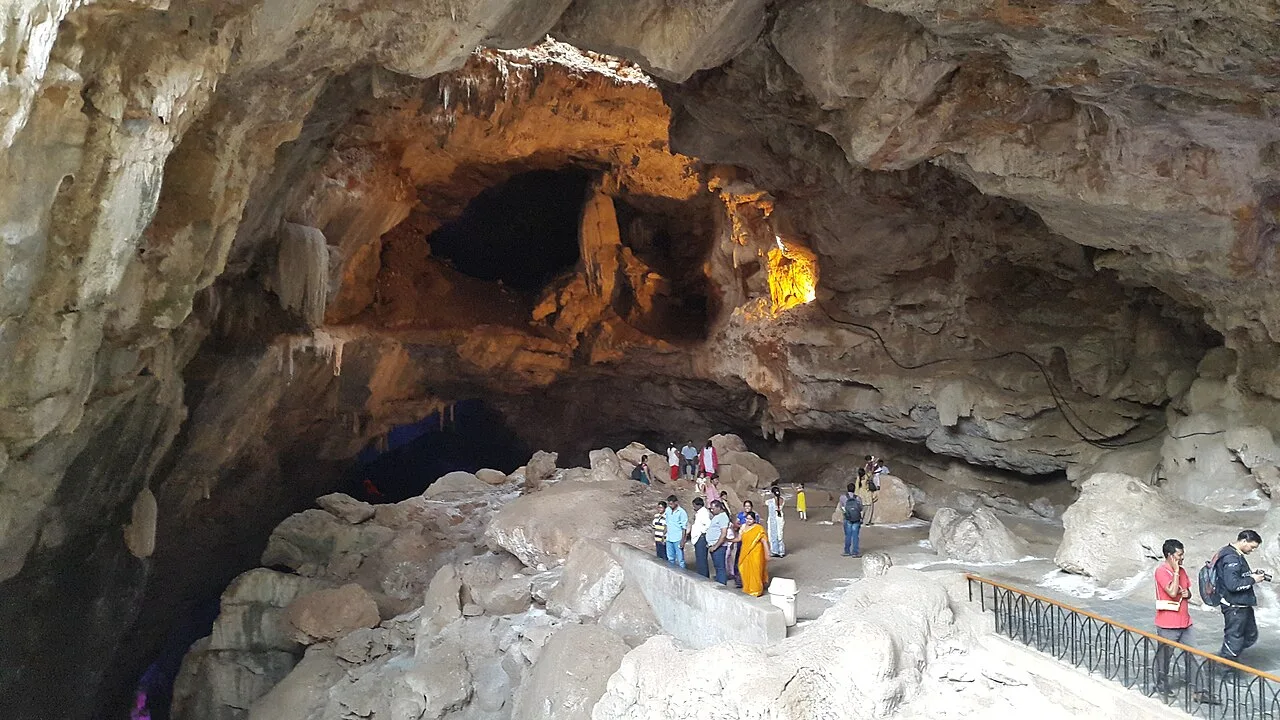
Borra Caves are a limestone cave network in the Ananthagiri hills near Araku Valley, Andhra Pradesh. Visitors explore the caves to view their stalactites, stalagmites and other karst features.

Lambasingi

36 km away · Alluri Sitharama Raju district

Lambasingi

Lambasingi, also called Lammasingi, is a village in Andhra Pradesh’s Alluri Sitharama Raju district. Travellers visit for its cool highland setting, plantations and varied birdlife.

Katiki Waterfalls

45 km away · Alluri Sitharama Raju district

Katiki Waterfalls

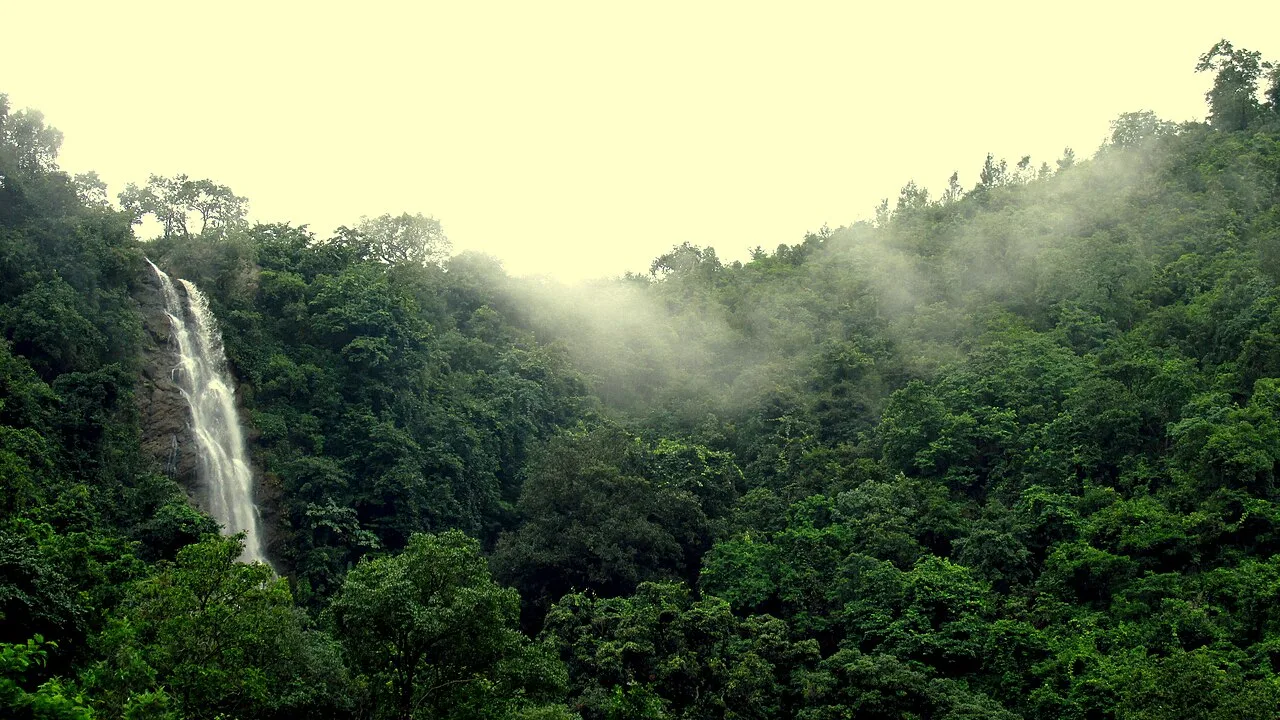
Katiki Waterfalls is a waterfall in Andhra Pradesh’s Alluri Sitharama Raju district. Visitors come to see the falls, which are close to Borra Caves and fed by River Gosthani.

Araku Valley

47 km away · Alluri Sitharama Raju district

Araku Valley

Araku Valley is a hill station in Andhra Pradesh’s Alluri Sitharama Raju district, 111 km from Visakhapatnam. Visitors come to experience it as a hill-station destination.

Varaha Lakshmi Narasimha temple

49 km away · Visakhapatnam district

Varaha Lakshmi Narasimha temple

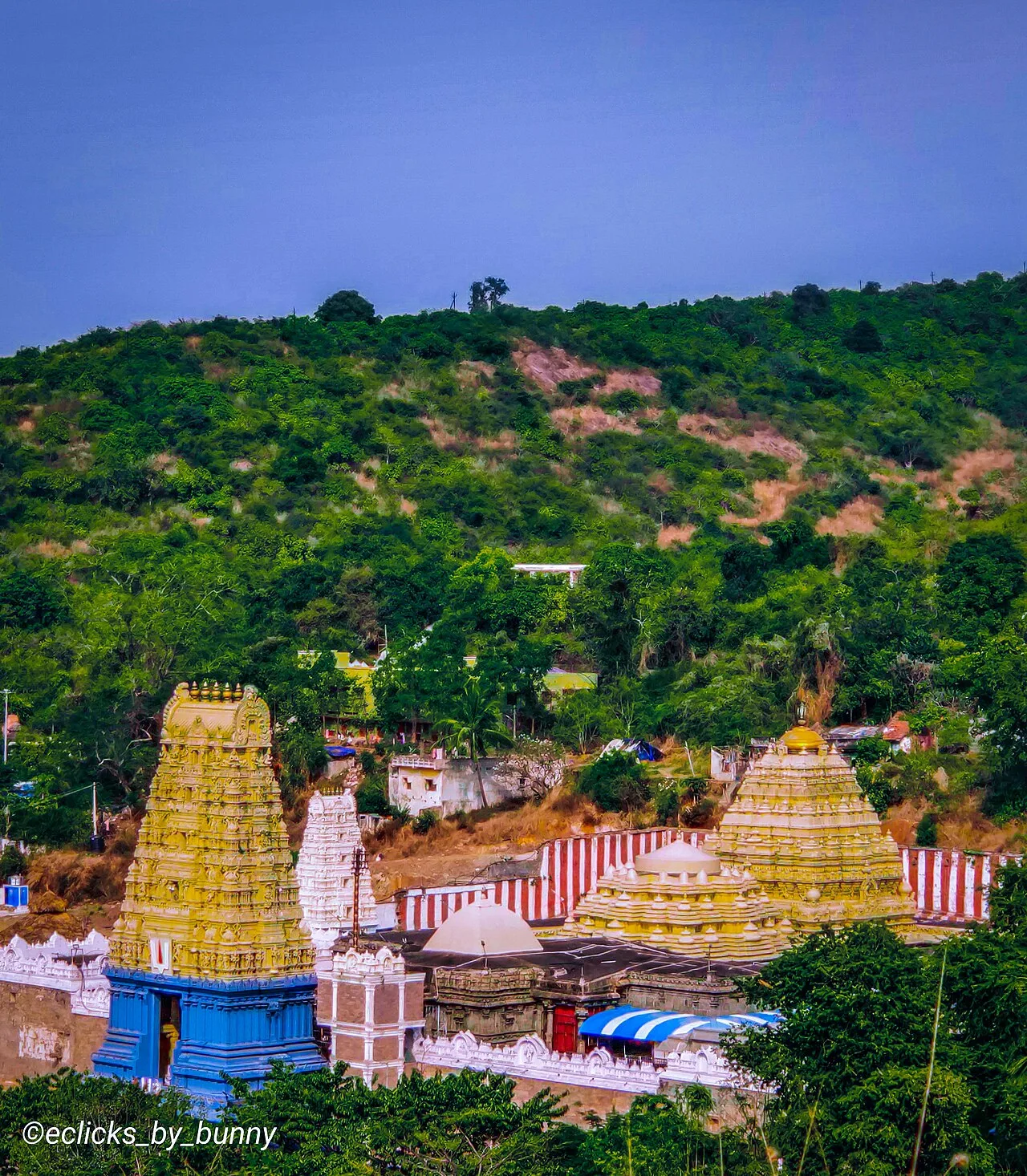
The Varaha Lakshmi Narasimha temple is a Hindu shrine on a hill in Visakhapatnam, where people worship Vishnu as Varaha Narasimha and see an image covered with sandalwood paste for most of the year.

Dolphin's Nose

57 km away · Visakhapatnam district

Dolphin's Nose

This rocky headland in Visakhapatnam is known for its dolphin-like outline and lighthouse beacon. Visitors are drawn to its distinctive shape and status as a prominent local landmark.

58 km away · Visakhapatnam district

RK Beach

RK Beach is a seaside destination in Visakhapatnam, Andhra Pradesh, beside the Bay of Bengal. Visitors come to spend time by the water, and a nearby Ramakrishna Mission ashram gives the beach its name.

INS Kursura Submarine Museum

59 km away · Visakhapatnam district

INS Kursura Submarine Museum

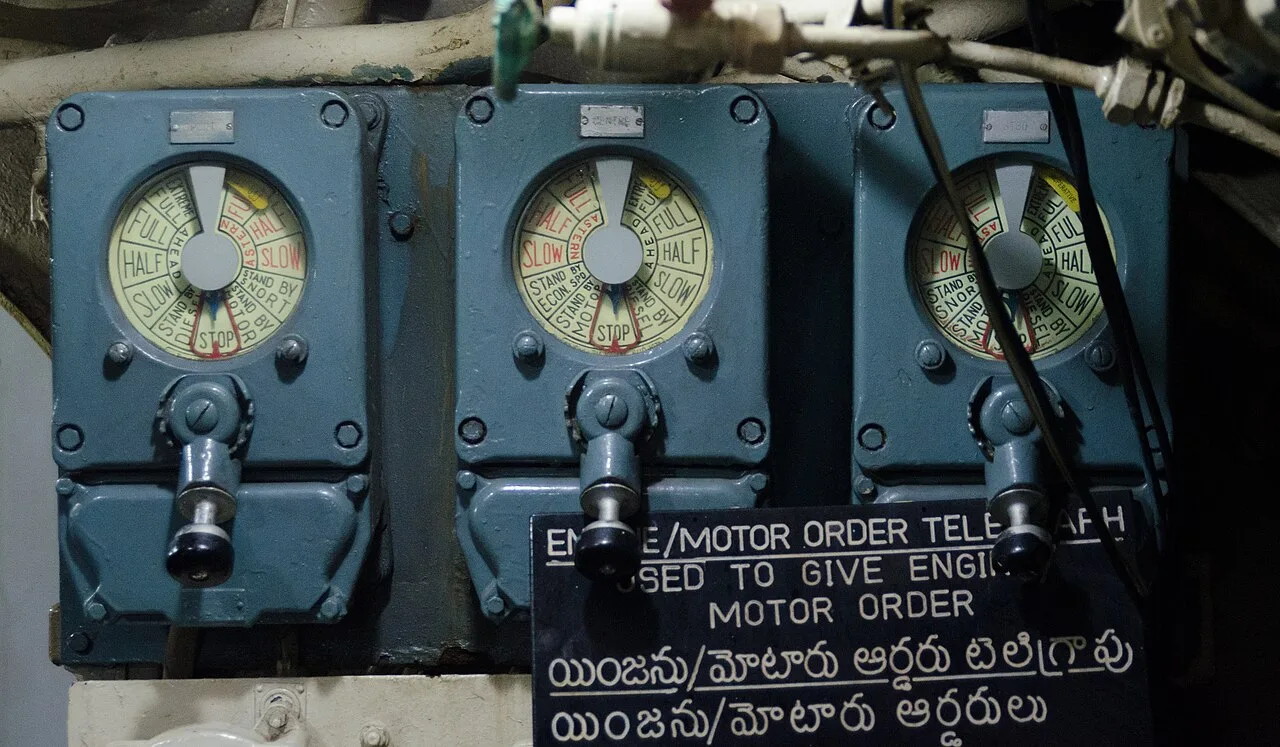
The INS Kursura Submarine Museum preserves a former Indian Navy submarine on Visakhapatnam’s RK Beach, where visitors can learn about its naval service and its preservation as a museum.

Map

Madugula on the map

  1. 1Borra Caves
  2. 2Lambasingi
  3. 3Katiki Waterfalls
  4. 4Araku Valley
  5. 5Varaha Lakshmi Narasimha temple
  6. 6Dolphin's Nose
  7. 7RK Beach
  8. 8INS Kursura Submarine Museum

Andhra Pradesh

Other cities to explore