Ghumoopedia — Explore, Discover, Experience
Sign in
Arasavalli Sun Temple, near Rajam

City guide · Andhra Pradesh

Rajam

Rajam is a town in Vizianagaram district, in northern Andhra Pradesh, and serves as the headquarters of Rajam mandal. Its importance today is chiefly regional: it is a centre for local administration, everyday shopping and services for nearby settlements.

Famous for

  • Thandra Paparaya association
  • Bobbili battle heritage
  • Rajam mandal headquarters
  • Northern Andhra market town

Why Rajam matters

Rajam is a town in Vizianagaram district, in northern Andhra Pradesh, and serves as the headquarters of Rajam mandal. Its importance today is chiefly regional: it is a centre for local administration, everyday shopping and services for nearby settlements. The town lies about 51 kilometres from Vizianagaram, the district headquarters, and is connected to the surrounding countryside by road.

Rajam’s strongest historical association is with Thandra Paparaya, the celebrated Sardar of Bobbili. He is remembered for killing Vijayaramaraju, the Maharaja of Vijayanagaram, at the close of the Battle of Bobbili in 1757. That connection gives the town a place in the wider history and memory of northern Andhra, though the battle itself is associated with Bobbili. Rajam is not a major sightseeing destination, but it can interest travellers exploring the region’s history or visiting nearby towns. Its appeal is that of a working local centre rather than a city known for a large monument or a specialist tourist quarter.
Famous for: crafts, trade & products

Rajam is not widely identified with a particular textile, handicraft, GI-tagged product or signature food. Visitors should not expect a dedicated craft district or a recognised specialist market. Its commercial role is more practical: shops and market streets serve residents of the town and people from surrounding settlements, with everyday goods, household needs and locally traded produce forming the ordinary mix.

For a sense of local commerce, explore the central shopping streets and market area, where small retailers and service businesses reflect Rajam’s role as a mandal headquarters. The town is also a convenient base for arranging everyday needs while travelling through this part of Vizianagaram district. No particular large industrial cluster or named institution is a defining visitor attraction. Travellers looking for specialised textiles, crafts or regional products may find a wider selection in larger nearby centres; in Rajam, it is best to ask local shopkeepers about seasonal produce and goods from nearby villages rather than assume that a particular product is uniquely associated with the town.

History

Rajam’s historical identity is closely linked to the political rivalries of northern Andhra, especially the conflict remembered as the Battle of Bobbili in 1757. Thandra Paparaya, the valiant Sardar of Bobbili, is associated with Rajam and is remembered for killing Vijayaramaraju, the Maharaja of Vijayanagaram, at the end of that battle. This connection forms part of the region’s enduring stories of loyalty, resistance and rivalry; it does not mean that the battle took place in Rajam.

Over time, Rajam developed as a local settlement serving the surrounding countryside. Its modern role is administrative as well as commercial: it is a nagar panchayat and the headquarters of Rajam mandal. The town is now part of Vizianagaram district and remains linked by road to the district headquarters and neighbouring settlements. Its growth has centred on local services and trade rather than on a major heritage precinct or a single large industrial landmark.

Food, festivals & culture

Telugu is the principal language of everyday life in Rajam, with local speech reflecting the wider culture of northern Andhra. Rice-based meals are common, often accompanied by pappu, pulusu, vegetables and pickles. Festival cooking may include regional sweets and snacks such as ariselu, though these are not unique to the town. Small eateries and household kitchens offer a more reliable introduction to local food than a search for a signature Rajam dish.

Sankranti, usually celebrated in January, is a major harvest-season occasion across the region. Ugadi in spring, Dasara in autumn and Deepavali are also observed, alongside temple festivals and family celebrations. Religious life is expressed through local places of worship and community gatherings. Devotional singing and regional folk traditions are part of the broader cultural setting; Rajam is not especially known as a centre for a distinct music or dance form. Visitors can experience the town’s culture most naturally through its market streets, seasonal festivities and everyday social life.

Visiting the city

The cooler months, roughly October to February, are generally the most comfortable time to visit. Rajam is about 51 kilometres from Vizianagaram by road. Visakhapatnam Airport is the nearest major commercial airport. Cheepurupalli (also written Chipurupalle) railway station is a practical nearby rail stop; check onward road connections when planning a journey.

Auto-rickshaws and local vehicles are useful for getting around town, while buses and hired cars connect Rajam with nearby settlements and larger centres. Begin around the central market streets to see the town’s everyday commercial life, then explore the surrounding town centre and local places of worship. Rajam works best as a short stop or as a base for exploring the wider district, rather than as a destination with a concentrated sightseeing circuit.

Trips from the city

Nearest places to visit from Rajam

Our closest destination guides, by straight-line distance.

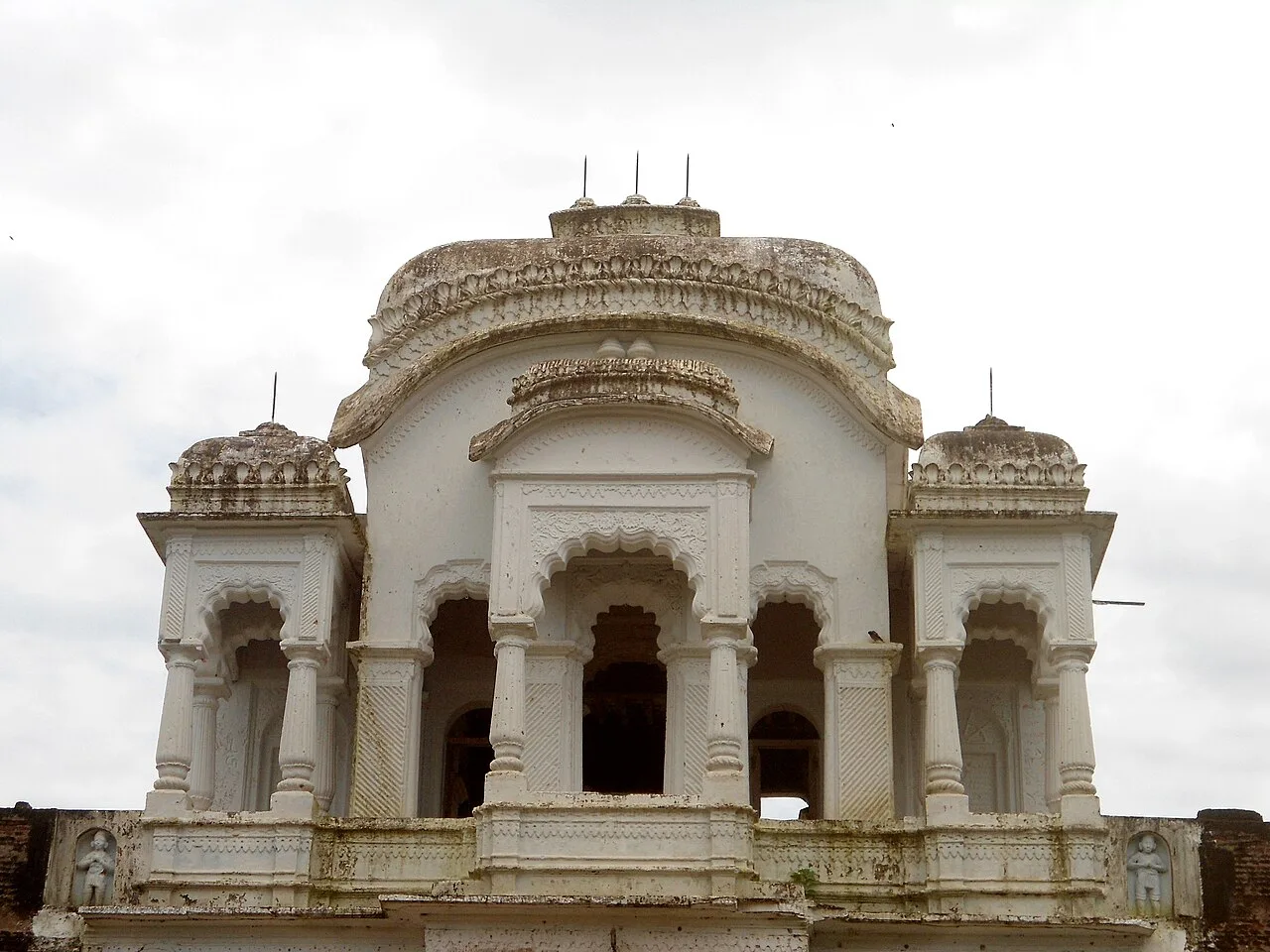
Arasavalli Sun Temple

30 km away · Srikakulam district

Arasavalli Sun Temple

Arasavalli Sun Temple is a shrine to Surya in Andhra Pradesh, drawing worshippers and visitors interested in its ancient history and Kalinga-style architecture.

Ramatheertham Temple

36 km away · Vizianagaram district

Ramatheertham Temple

Ramatheertham Temple is a religious and archaeological destination in Vizianagaram district, drawing visitors to the Kodanda Rama shrine and nearby Buddhist and Jain remains.

Srikurmam Temple

41 km away · Srikakulam district

Srikurmam Temple

Srikurmam Temple is a shrine in Andhra Pradesh associated with Vishnu’s Kurma incarnation. Visitors come to honour this form of the deity in the village that takes its name from the temple.

Vizianagaram Fort

46 km away · Vizianagaram district

Vizianagaram Fort

Vizianagaram Fort is an early eighteenth-century stronghold in Andhra Pradesh, visited for its gateways, temples, palaces, victory tower and history of a ceremonial foundation.

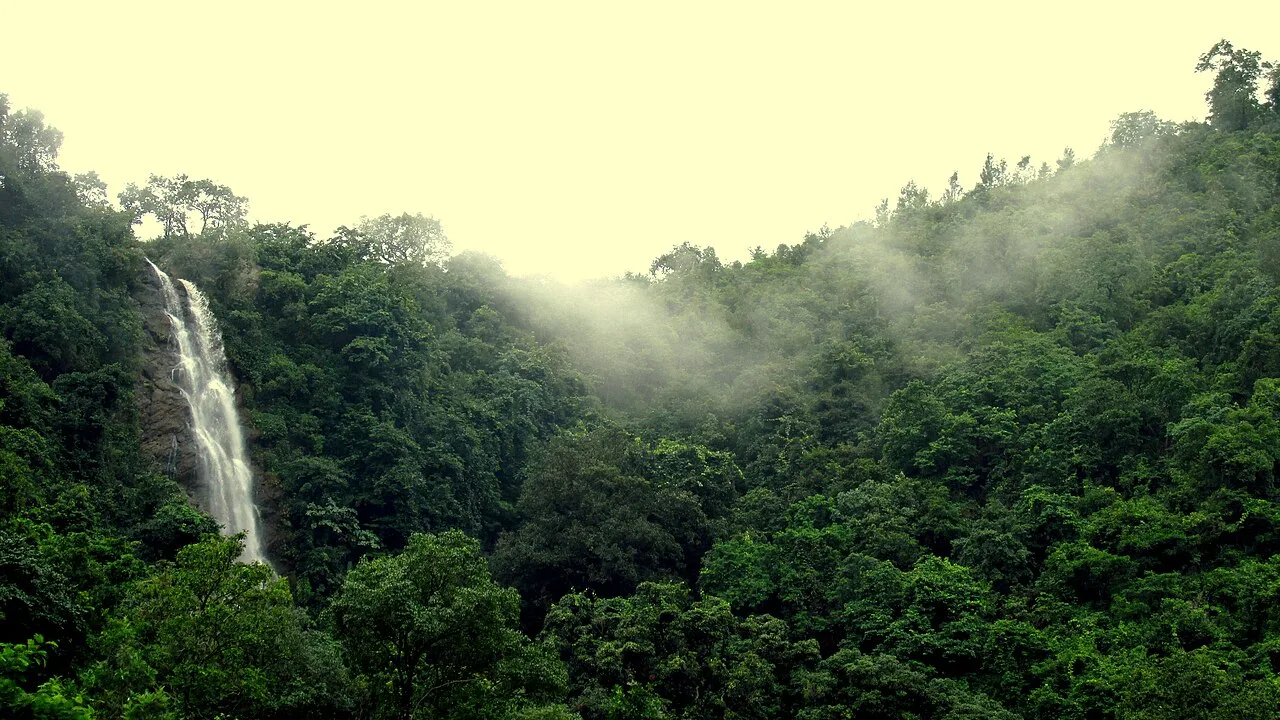
Katiki Waterfalls

72 km away · Alluri Sitharama Raju district

Katiki Waterfalls

Katiki Waterfalls is a waterfall in Andhra Pradesh’s Alluri Sitharama Raju district. Visitors come to see the falls, which are close to Borra Caves and fed by River Gosthani.

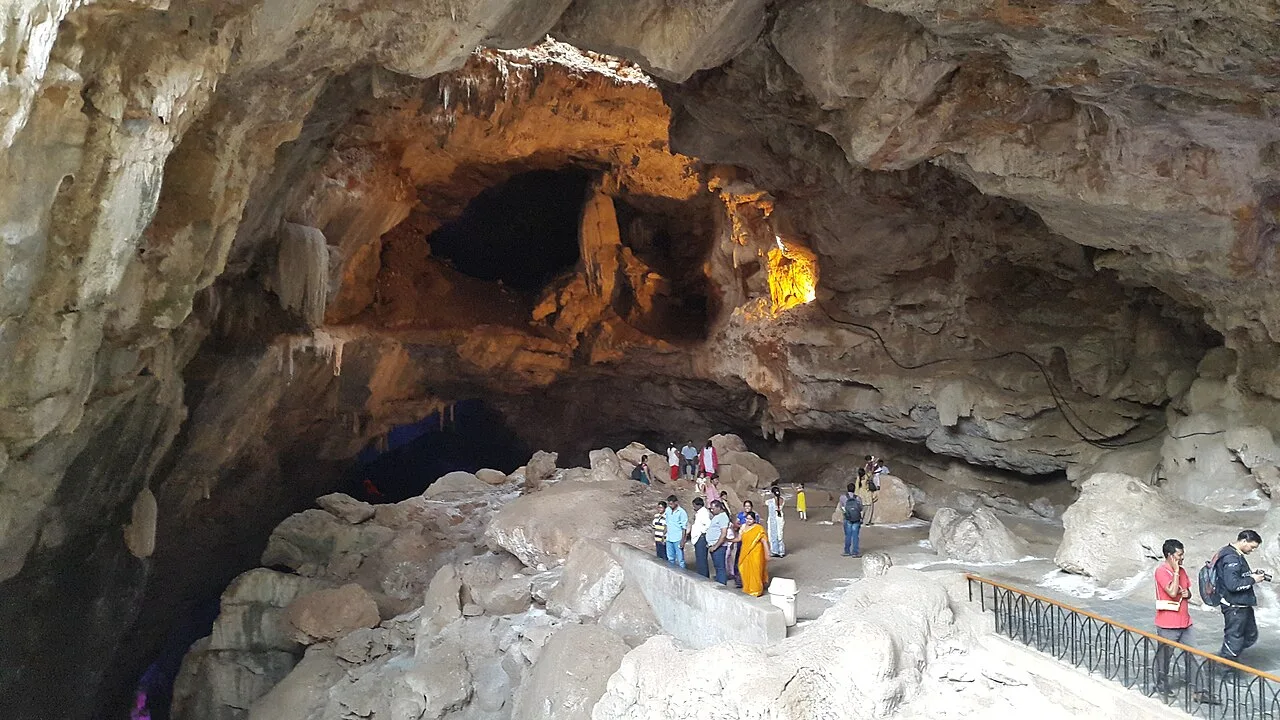
Borra Caves

76 km away · Alluri Sitharama Raju district

Borra Caves

Borra Caves are a limestone cave network in the Ananthagiri hills near Araku Valley, Andhra Pradesh. Visitors explore the caves to view their stalactites, stalagmites and other karst features.

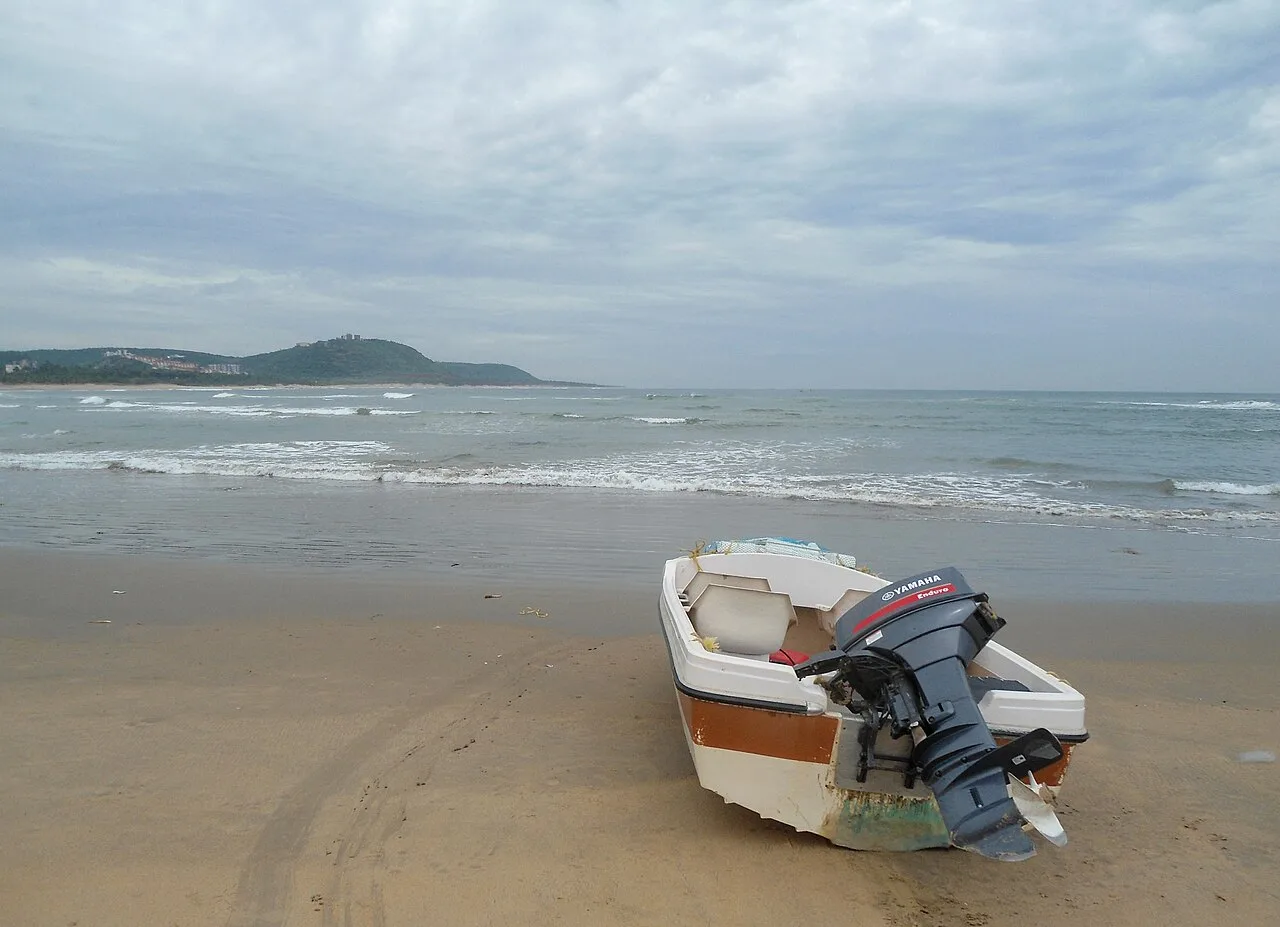
Rushikonda Beach

80 km away · Visakhapatnam district

Rushikonda Beach

Rushikonda Beach is a seaside destination in Visakhapatnam, Andhra Pradesh, on the Bay of Bengal. Visitors come to spend time by the sea, and the Andhra Pradesh Tourism Development Corporation maintains it.

Araku Valley

85 km away · Alluri Sitharama Raju district

Araku Valley

Araku Valley is a hill station in Andhra Pradesh’s Alluri Sitharama Raju district, 111 km from Visakhapatnam. Visitors come to experience it as a hill-station destination.

Map

Rajam on the map

  1. 1Arasavalli Sun Temple
  2. 2Ramatheertham Temple
  3. 3Srikurmam Temple
  4. 4Vizianagaram Fort
  5. 5Katiki Waterfalls
  6. 6Borra Caves
  7. 7Rushikonda Beach
  8. 8Araku Valley

Andhra Pradesh

Other cities to explore