Ghumoopedia — Explore, Discover, Experience
Sign in
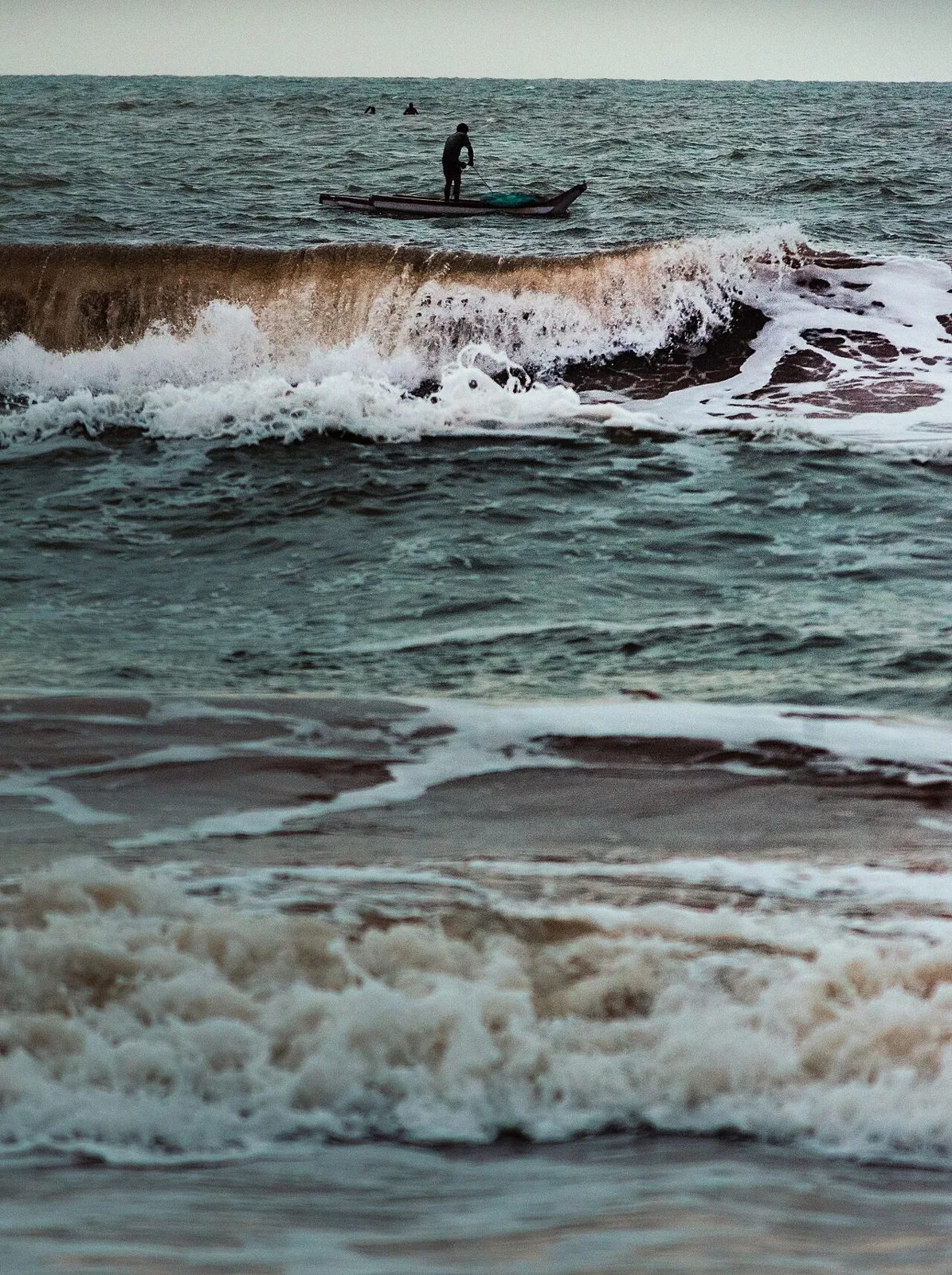
Mypadu Beach, near Kavali

City guide · Andhra Pradesh

Kavali

Kavali is a regional town in Andhra Pradesh’s Nellore district and the headquarters of both Kavali mandal and Kavali revenue division. Its location between Nellore and the Bay of Bengal gives it a practical role as a service and transport centre for nearby communities.

Famous for

  • Kavali railway station
  • Udayagiri-era origin story
  • Bay of Bengal proximity
  • AMRUT urban renewal

Why Kavali matters

Kavali is a regional town in Andhra Pradesh’s Nellore district and the headquarters of both Kavali mandal and Kavali revenue division. Its location between Nellore and the Bay of Bengal gives it a practical role as a service and transport centre for nearby communities. Nellore is about 54 km away, while the coast is roughly 8 km from town. Kavali is also among the Andhra Pradesh cities selected for the Atal Mission for Rejuvenation and Urban Transformation, reflecting its place in current urban improvement efforts.

Visitors are more likely to stop here for local business, transport or a glimpse of everyday life in coastal Andhra than for a major, established tourist circuit. The town’s name, commonly understood in Telugu as “protection” or “security,” is associated with a story about a ruler of Udayagiri stationing troops here. Kavali’s appeal lies in this historical association, its busy town centre and its convenient position for exploring the wider Nellore region. Its coastal setting is close, though the town itself is not a beach resort.
Famous for: crafts, trade & products

Kavali is not widely identified with a signature saree, handicraft or GI-tagged product. Its commercial character is chiefly that of a service town for residents and the surrounding mandal, rather than a specialist craft centre. Travellers looking for everyday goods can browse the central market streets and shops around the town’s main transport areas; these are practical places for provisions, clothing and household items, not a recognised destination for a particular regional craft.

The wider Nellore district has an agricultural economy, and Kavali’s shops and services cater to people from nearby settlements. However, products associated with the district should not automatically be treated as Kavali specialties. The town’s better-known institutional identity is administrative: it is the headquarters of Kavali mandal and revenue division. Its selection for the Atal Mission for Rejuvenation and Urban Transformation also connects it with public investment in urban services. Visitors seeking distinctive Andhra textiles, crafts or notified regional products may find a broader selection in larger commercial centres elsewhere in the state.

History

The commonly told explanation of Kavali’s name comes from the Telugu word kāvali, meaning protection or security. Local tradition links it to 1515, when Harihara Rayulu, ruler of Udayagiri, is said to have stationed his army at the settlement. This account gives the town a connection to the historic Udayagiri region, though Kavali is not chiefly known today for surviving royal monuments.

During British rule, the area formed part of the Madras Presidency and developed within the wider administrative and trading landscape of Nellore district. In modern Andhra Pradesh, Kavali grew as a local centre for government services, commerce and transport. Its present role is reflected in its status as the headquarters of Kavali mandal and Kavali revenue division. More recently, selection for the Atal Mission for Rejuvenation and Urban Transformation has placed the town within a national programme focused on improving urban infrastructure and services. These administrative and transport functions have shaped Kavali more than large-scale heritage tourism.

Food, festivals & culture

Telugu is the principal language of everyday life in Kavali, and the town also reflects the varied religious and social traditions of the Nellore region. Local Hindu temples, mosques and churches serve their communities and form part of the town’s neighbourhood life. Visitors should look to local residents or current listings for specific worship sites and event details, as observances can vary from one congregation to another.

The annual calendar follows familiar Andhra traditions. Sankranti, usually celebrated in January, brings harvest-season customs; Ugadi, generally in March or April, marks the Telugu New Year. Dasara in September or October and Deepavali in autumn are also widely observed. Meals commonly draw on Andhra cooking, with rice, lentils, vegetable dishes, pickles and spicy gravies. Given Kavali’s position near the coast, seafood is available, while Nellore-style fish curry is a regional speciality rather than an exclusively Kavali dish. The town’s cultural life is rooted in family celebrations, religious observances and local community events; it is not especially known as a centre for a distinct classical dance or music tradition.

Visiting the city

The cooler months from November to February are generally the most comfortable for a visit. Summers can be hot, and the monsoon months may bring rain. Kavali railway station is the main rail stop in town. The nearest major airport is Tirupati Airport, also known as Renigunta; allow for a substantial onward road journey. Buses and road connections link Kavali with Nellore and other regional centres.

Auto-rickshaws and local taxis are useful for getting around town. Start with the central market streets and the area around the railway station to see everyday commercial life, then explore the main town centre and its places of worship. The road towards the Bay of Bengal gives access to the coastal hinterland, but check local conditions before planning a beach outing: Kavali itself is not a beach resort, and nearby coastal spots may require separate transport. Nellore makes a useful larger hub for regional onward travel.

Trips from the city

Nearest places to visit from Kavali

Our closest destination guides, by straight-line distance.

Mypadu Beach

50 km away · Sri Potti Sriramulu Nellore district

Mypadu Beach

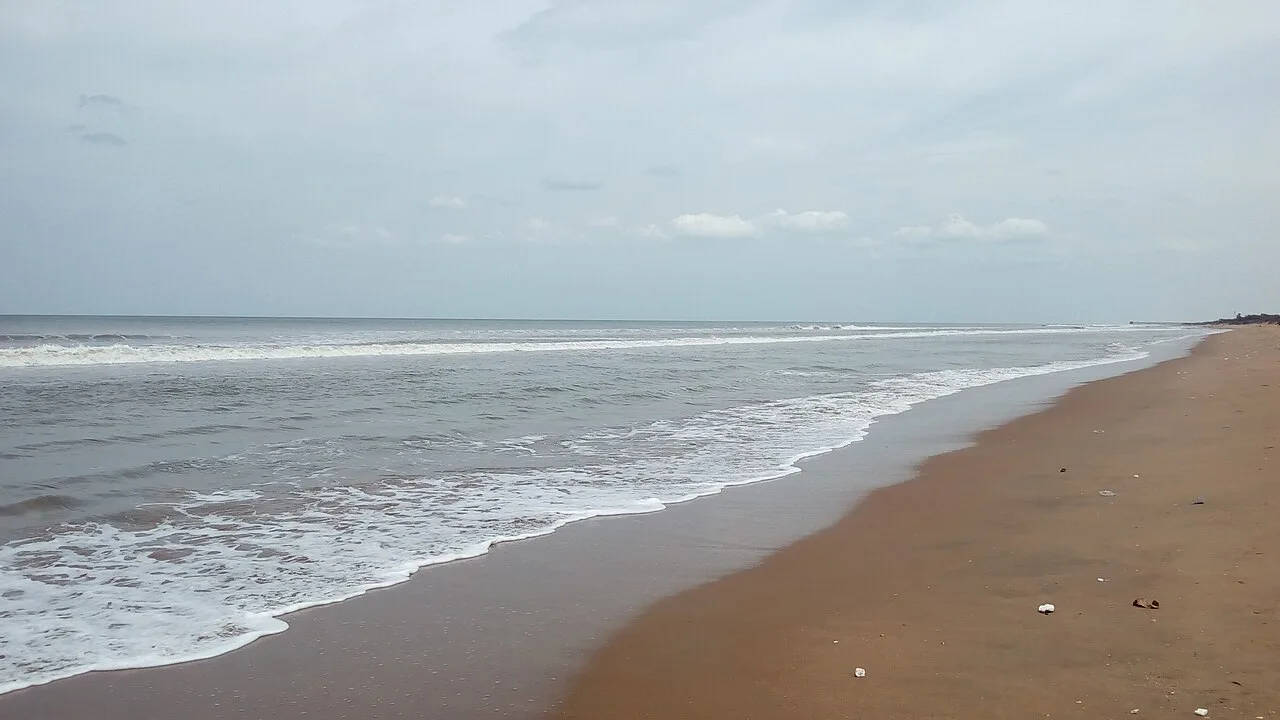
Mypadu Beach is a coastal destination in Andhra Pradesh’s SPSR Nellore district, about 20 km from Nellore. Visitors can take cruises, while the beach also supports fishing by local communities.

90 km away · Sri Potti Sriramulu Nellore district

Penchalakona Temple

Penchalakona Temple is a place of worship in Andhra Pradesh. Visitors come to the temple in Penchalakona, a village west of Nellore.

Suryalanka Beach

116 km away · Bapatla district

Suryalanka Beach

Suryalanka Beach, also called Bapatla Beach, is a coastal destination in Andhra Pradesh’s Bapatla district, visited for its Bay of Bengal shoreline and nearby resorts.

Nelapattu Bird Sanctuary

121 km away · Sri Potti Sriramulu Nellore district

Nelapattu Bird Sanctuary

Nelapattu Bird Sanctuary is a bird sanctuary in Tirupati district, Andhra Pradesh, India, near the village of Nelapattu.

Srikalahasti Temple

134 km away · Tirupati district

Srikalahasti Temple

Srikalahasti Temple is a Shiva shrine in Andhra Pradesh, visited for its Vayu Lingam and its associations with Rahu-Ketu worship and the Kannappa legend.

135 km away · YSR district

Ameen Peer Dargah

Ameen Peer Dargah is a Sufi shrine in Kadapa, Andhra Pradesh, within YSR district. People visit it as a place of religious devotion.

Kotappakonda Temple

137 km away · Guntur district

Kotappakonda Temple

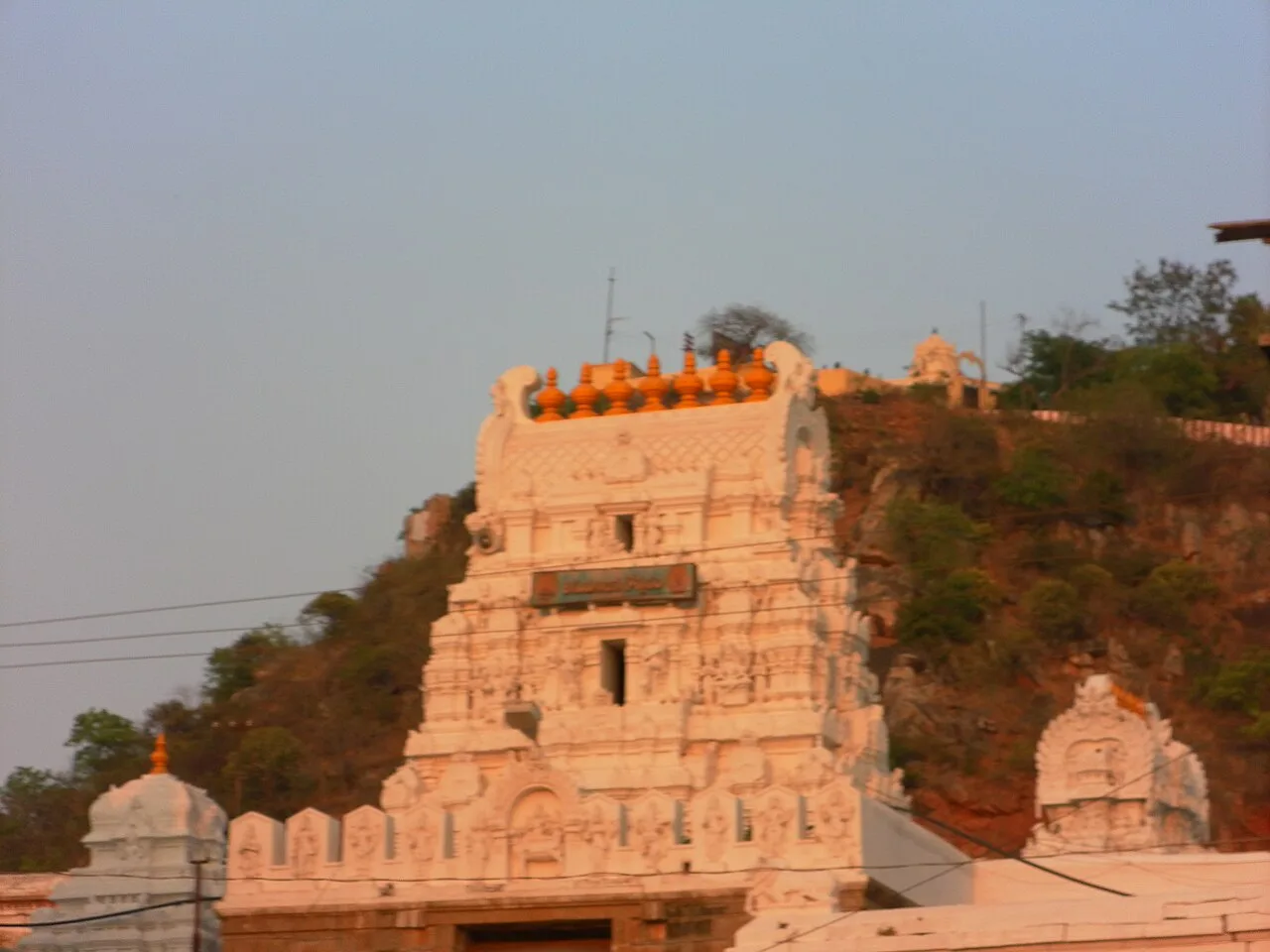
A Hindu pilgrimage destination in Palnadu district, Andhra Pradesh, Kotappakonda is visited for the Trikoteswara Swamy Temple, a shrine to Shiva on the hill.

Ahobilam Nava Narasimha Temples

139 km away · Nandyal district

Ahobilam Nava Narasimha Temples

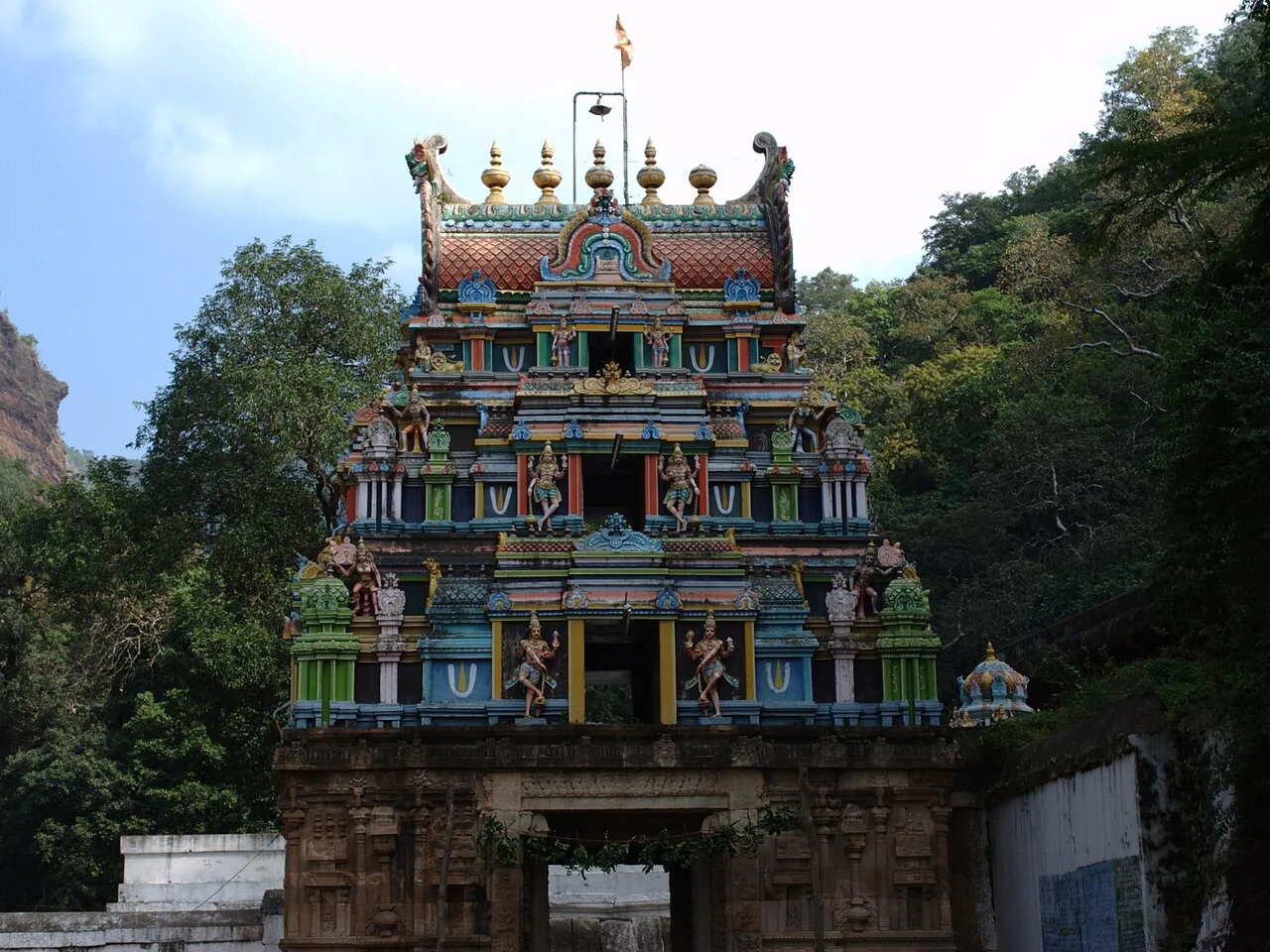
Ahobilam is a sacred settlement in Andhra Pradesh’s Nandyal district, known for its shrines honouring Narasimha. Visitors come to worship at temples located in both Lower and Upper Ahobilam.

Map

Kavali on the map

  1. 1Mypadu Beach
  2. 2Penchalakona Temple
  3. 3Suryalanka Beach
  4. 4Nelapattu Bird Sanctuary
  5. 5Srikalahasti Temple
  6. 6Ameen Peer Dargah
  7. 7Kotappakonda Temple
  8. 8Ahobilam Nava Narasimha Temples

Andhra Pradesh

Other cities to explore