
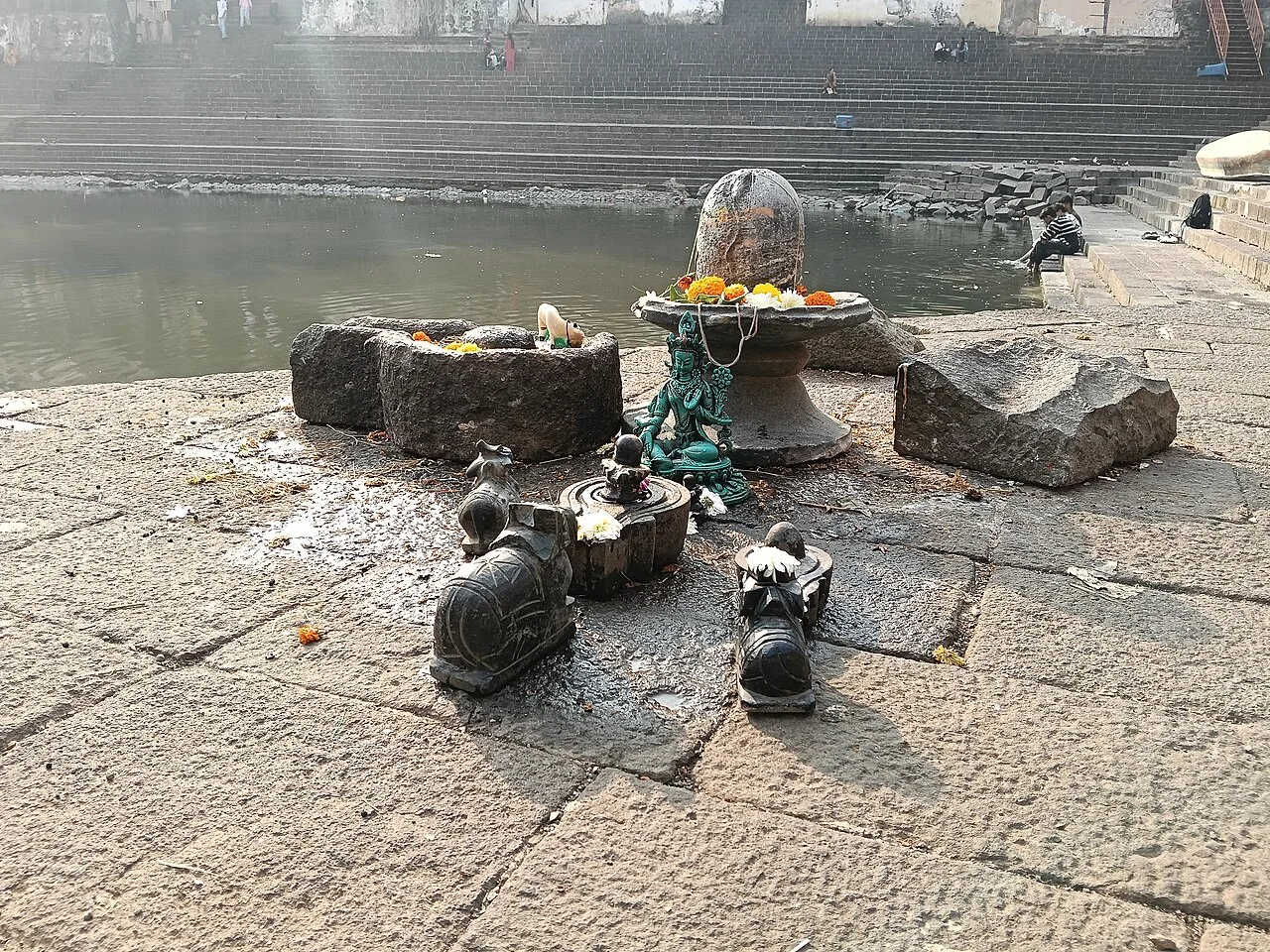
Banganga Tank
Banganga Tank is a tank within the Hindu Walkeshwar Temple complex in Mumbai’s Malabar Hill area. Visitors come to see it as part of the temple complex.
Key facts · verified by Ghumoopedia editors
- Type of place
- Temple / pilgrimage site
- Best time to visit
- October to March; June to September for green monsoon landscapes on the Ghats (expect closures)
- Nearest railway station
- Mumbai Central · about 5 km (straight line)
- Verified
- 21 Nov 2026
Plan a trip from Banganga Tank — a day-by-day route through places nearby.
In Mumbai City district, Maharashtra, Banganga Tank is located in the Malabar Hill area. It forms part of the Hindu Walkeshwar Temple complex, linking the tank to the temple setting. Visitors to the complex can see Banganga Tank as one of its features. Its location in Malabar Hill and its association with Walkeshwar Temple identify its place within Mumbai. The tank is described by its role in the Hindu temple complex, rather than as a site separate from it. Maharashtra spans Mumbai's Gothic and Art Deco skyline, the rock-cut cave temples of Ajanta, Ellora, Karla and Elephanta, the hill forts of Chhatrapati Shivaji Maharaj, the Konkan's sea forts and beaches, and the great pilgrimages of Pandharpur, Shirdi and the Jyotirlingas. The coast is hot and humid most of the year with very heavy monsoon rain from June to September; the Western Ghats hill stations are cool and misty in the monsoon and pleasant in winter; the Deccan and Vidarbha are dry, with harsh summers above 40°C in Nagpur and Chandrapur. The usual best time to visit is October to March; June to September for green monsoon landscapes on the Ghats (expect closures). Timings, fees and access arrangements must be confirmed locally. For official information, see Maharashtra Tourism at https://www.maharashtratourism.gov.in.
Why it matters
Banganga Tank is a historic temple tank within the Walkeshwar Temple complex on Malabar Hill in Mumbai City. It remains both a place of worship and a rare surviving example of the traditional temple-and-tank landscape within a densely developed metropolis. Its steps, waterside shrines and surrounding lanes preserve traces of older religious and community life in the city. The tank is associated with the Hindu tradition of Shiva worship and is valued by local devotees as well as visitors interested in Mumbai’s history and heritage. It is included in Mumbai’s heritage conservation framework; it is not a UNESCO World Heritage Site or an ASI monument. Its religious use continues alongside conservation and public interest.
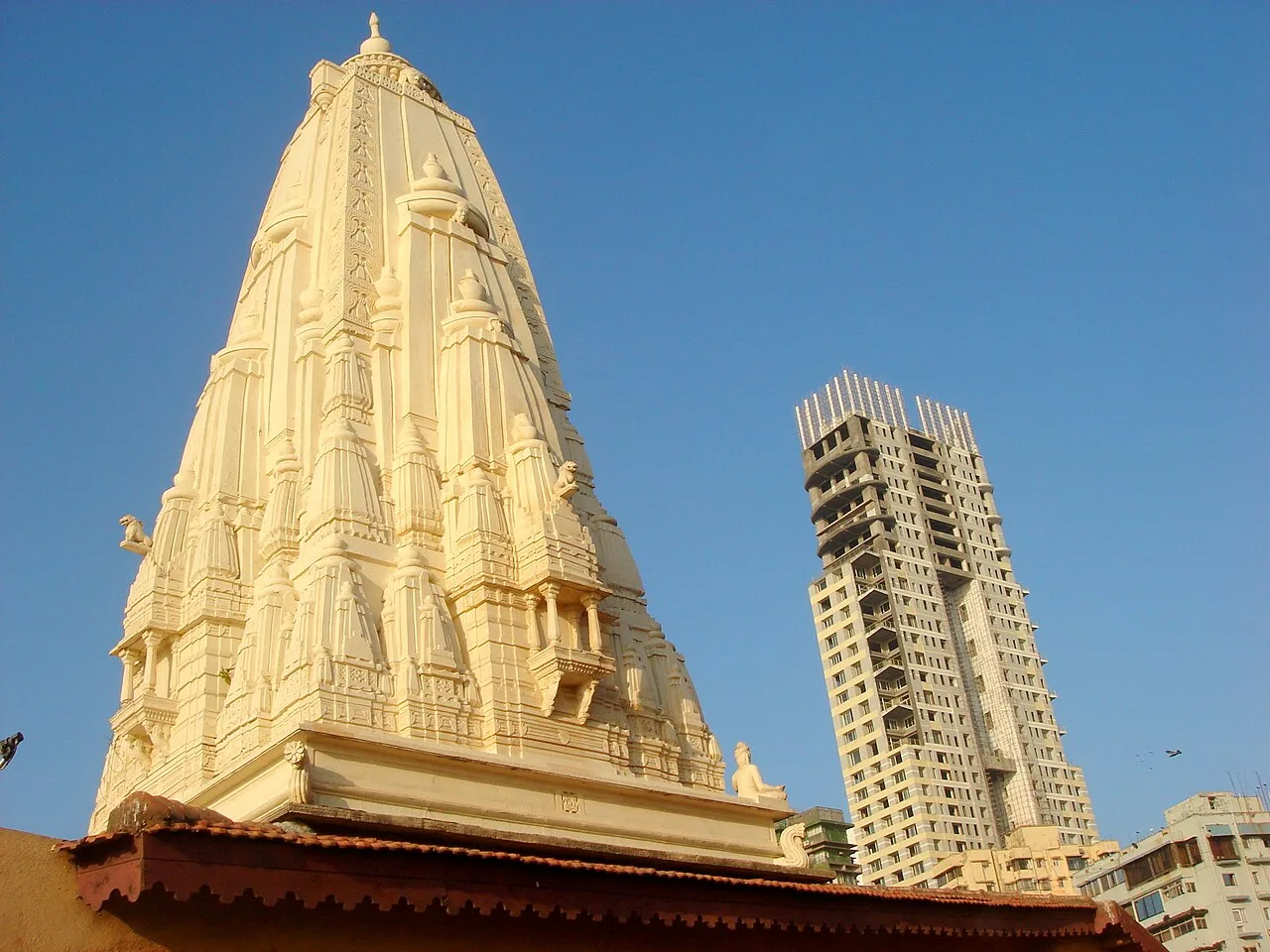
The history of Banganga Tank is closely connected with the Walkeshwar Temple. The temple is traditionally associated with the Shilahara period, when rulers governed parts of the Konkan and Mumbai region. Accounts commonly place an early temple here in the medieval period, but the surviving complex reflects later rebuilding and change rather than a single construction phase. The original temple is said to have been damaged or destroyed during Portuguese rule. The present tank is generally associated with rebuilding in the early eighteenth century, often attributed to the wealthy local benefactor Rama Kamath; details of its earliest form and successive repairs vary among accounts. The tank and its surrounding shrines served the religious needs of communities living on Malabar Hill, including local Hindu families and temple patrons. Over time, homes, small temples, memorials and other structures gathered around its stepped edge, creating a dense sacred precinct. Urban growth altered the setting, while the tank remained an active place of pilgrimage and worship. Heritage conservation efforts have sought to protect the water body and its built surroundings. Visitors may see evidence of ongoing upkeep, but the condition and access of individual structures can change; local conservation authorities and temple representatives are the best sources for current restoration information.
Origin stories & folklore
According to local Hindu tradition, Rama paused at this place during his search for Sita and wished to perform worship to Shiva. When water was unavailable, he is said to have shot an arrow into the ground, causing a stream connected with the Ganga to emerge. The name Banganga is commonly explained as “arrow Ganga,” from bana, meaning arrow, and Ganga. The story is associated with the sacred water and the Walkeshwar Temple, where Shiva is worshipped. It is a religious legend, not a verified historical account. Devotees may regard the tank’s water as sacred, although visitors should not assume it is suitable for drinking or bathing.
Architecture & design
Banganga is a rectangular temple tank enclosed by broad stone steps descending towards the water. Its stepped edges allow people to approach the water at different levels and give the tank a strong, inward-looking form. Small shrines, temple structures, stone platforms and older residential buildings cluster around the perimeter, making the wider precinct part of the architectural experience. Walkeshwar Temple, dedicated to Shiva, stands within this sacred landscape. The complex has developed over many periods, so visitors will encounter varied building forms and repairs rather than a uniform design. Stone masonry, carved or sculpted details on some shrines, and the close relationship between the water, steps and places of worship are among its notable features. The tank’s layout is practical as well as ritual: it provides access to water and space for prayer and community gatherings. The historic fabric is interwoven with modern buildings and services. Surfaces may be uneven, and some structures are active places of worship rather than display areas.
Important objects & sculptures
Look for the stone steps and platforms that descend towards the tank, along with the small shrines and sculptural details set into the surrounding precinct. Walkeshwar Temple is the principal place of worship, and its Shiva icon is central to the complex. Other nearby shrines may contain images of Hindu deities, but their access and use can vary. The tank itself, its masonry edges and the arrangement of memorials and temples around it are important elements of the site’s heritage. There is no conventional museum collection here, and not every object is labelled. Do not touch, move or climb on sculptures, offerings or ritual objects.
Religious significance
Walkeshwar Temple is dedicated to Shiva, and Banganga Tank forms part of its sacred setting. The name Walkeshwar is traditionally linked to Valuka Ishwara, or Shiva represented by a sand linga. For worshippers, the temple, tank and surrounding shrines make up a living place of devotion rather than a monument alone. Visitors may encounter prayer, offerings, bells and other acts of worship, depending on the day and temple activity. Ritual practices are led by devotees and temple authorities; visitors should observe respectfully and ask before joining or photographing. The tank is traditionally regarded as sacred, but its water should not be treated as drinking water unless local authorities explicitly confirm it is safe.
Explore Banganga Tank slowly and read the interpretation boards, use the official audio guide where available or hire an authorised guide to understand its history. Check opening days, ticket counters and camera rules in advance; many monuments and museums close on one weekday and on some public holidays. Early morning gives softer light, cooler air and smaller crowds. A comfortable itinerary is one main visit in the morning, a local meal at midday and a short nearby stop before an afternoon return. Use the district list on this site to find other places in Mumbai City, but check the route and its condition before combining stops. If a festival is on — such as Ganeshotsav, Gudi Padwa or the Ashadhi Wari to Pandharpur — roads and stays can be busy, and the experience can be unforgettable. Leave no litter: many sites are protected by the communities around them.
Suggested itineraries
Half day: Walk around Banganga Tank and its shrines (1–2 hours); visit Walkeshwar Temple if open and appropriate (30–45 minutes); take a short, respectful neighbourhood walk (30 minutes). Full day: Begin at Banganga Tank and Walkeshwar Temple (2 hours); have a meal nearby; continue to Hanging Gardens and Kamala Nehru Park (1–2 hours); finish at Girgaon Chowpatty or Marine Drive (1–2 hours), allowing for travel. Gentler option: Spend 45–60 minutes near the tank’s accessible edge, rest at a nearby café or vehicle, and skip the full circuit of steps and lanes.
The precinct remains part of Mumbai’s living Hindu religious culture. Devotees visit the temple and smaller shrines, while residents use the surrounding lanes as a neighbourhood, not simply as a visitor attraction. Marathi and Hindi are widely heard in Mumbai, alongside many other languages used by the city’s communities. Customs vary by shrine and occasion; modest clothing, removing footwear where requested and giving worshippers space are useful courtesies. The area has also attracted heritage walks and cultural events that introduce visitors to its history. The character of the tank is shaped by both daily worship and the ordinary rhythms of a busy urban neighbourhood.
Festivals & events
Shiva-related observances, including Mahashivratri, are important in the temple precinct and may bring additional worshippers. Local Hindu festivals can also affect activity around the shrines; dates follow the religious calendar and vary from year to year. Mumbai’s Banganga Festival, known for classical music performances at the tank, has been held in past years, but its schedule and continuation should be checked locally rather than assumed. During festivals or special events, the lanes and steps can become crowded, and access may be managed differently. Keep clear of ritual areas and follow directions from temple staff and event organisers.
Local food in Maharashtra includes vada pav, misal pav, pav bhaji, poha, puran poli, modak at Ganesh Chaturthi, Kolhapuri mutton with tambda and pandhra rassa, Malvani fish curry and sol kadhi on the Konkan coast, and Nagpur oranges and saoji food in Vidarbha. Ask what is fresh that day; many small eateries cook a limited daily menu. Vegetarian travellers eat well across the state, and most towns also have fish and meat dishes. Remote sites may have no restaurant at all. Carry water and snacks, eat a proper breakfast before long drives, and ask your accommodation for a packed lunch if you are heading out early. Try a home-cooked or local thali meal when you can — it is often the best food on the route. Choose busy, clean places, drink sealed or filtered water, and carry your packaging back with you.
Shopping & local experiences
Banganga Tank is a religious and heritage site rather than a dedicated shopping area. Small neighbourhood shops may sell everyday goods, snacks or devotional items, but offerings vary and should not be assumed. For a more substantial choice of Mumbai shopping, plan a separate trip to established markets or commercial districts elsewhere in the city. Local food stalls and cafés can be found in the wider area; choose clean, reputable vendors and carry water in a reusable bottle. Buy only permitted souvenirs and avoid purchasing or removing objects presented as historic material from the precinct.
October to March; June to September for green monsoon landscapes on the Ghats (expect closures)
The nearest principal railway station by straight-line distance is Mumbai Central, roughly 5 km away. The nearest operating airport by straight-line distance is Chhatrapati Shivaji Maharaj International Airport, Mumbai, roughly 20 km away. These figures are calculated from map coordinates — actual road distance is longer. Mumbai and Pune are the main rail and air gateways in the west, Chhatrapati Sambhajinagar (Aurangabad) for Ajanta and Ellora, Nagpur for Vidarbha and the tiger reserves, and the Konkan Railway serves the coast down to Sindhudurg. Within Mumbai, suburban local trains on the Western, Central and Harbour lines are the fastest way around outside rush hours (roughly 8–11 am and 5–9 pm); each train has ladies' compartments, and the Metro and app cabs are more comfortable alternatives. When comparing train, bus and flight, count the complete door-to-door time: a flight saves the most time only if the onward road transfer is short, while an overnight train can save a hotel night. Book your return before you leave, because seats fill quickly on weekends, festivals and holidays. Current train numbers, timings, return services and fares are not listed here; check IRCTC and NTES for trains and the airline's own schedule for flights. No permit is needed to visit Maharashtra. Tiger safaris in Tadoba, Pench and Melghat must be booked in advance through the official online portals. Many hill forts are popular monsoon treks: since several accidents, some districts restrict access to waterfalls, forts and ghats during heavy rain — check current district orders before setting out. Ganeshotsav (August–September) brings very large crowds to Mumbai and Pune.
Confirm onward and return timings on IRCTC / NTES, the state bus operator or your airline before travel. A dash means current timings or fares have not been verified.
Getting around
The precinct is reached through the streets of Malabar Hill. From elsewhere in Mumbai, suburban trains can bring visitors to stations in the southern city, followed by a taxi, app-based cab or local bus; the final approach may involve narrow streets and walking. Taxis and app cabs are practical for direct access, though traffic and drop-off space can be limiting. Auto-rickshaws generally do not serve much of South Mumbai, so do not count on finding one at the site. Parking is limited in the surrounding lanes. Walking is useful for nearby Malabar Hill sights, but check the route and street conditions before setting out.
Hours, tickets & permissions
The tank and the temple are connected but may not follow identical access arrangements. Entry conditions can depend on worship, conservation work, events or local management. Some areas may be freely accessible while particular temple spaces or activities have separate rules. Confirm current opening arrangements, any entry requirements, fees and camera restrictions with the temple or relevant local heritage authority before travelling. Do not rely on general city attraction schedules, and be prepared for temporary closures or restricted access during religious observances.
Facilities
Facilities within the historic precinct are limited and may vary. Toilets, drinking water, seating and waste bins are not guaranteed at the tank itself; check locally or use facilities at nearby businesses where available. Food and refreshments can usually be found in the wider Malabar Hill and South Mumbai area, rather than inside the sacred complex. Parking is limited. Guided heritage walks may be offered by local organisations, but availability and authorisation should be verified. ATMs and pharmacies are more likely to be found on larger nearby roads than within the narrow lanes.
Accessibility
The tank is approached through urban streets and lanes, and exploring its perimeter involves steps, uneven stone surfaces and changes in level. The stepped edges are an important part of the site, but they can be difficult for wheelchair users, people with limited mobility and strollers. Do not assume that ramps, lifts or accessible toilets are available. Some views may be possible from the surrounding street or a relatively level section, although access varies. Shade and places to rest are limited around parts of the tank. Elderly visitors may prefer a short visit, supportive footwear and assistance from a companion.
No permit is needed to visit Maharashtra. Tiger safaris in Tadoba, Pench and Melghat must be booked in advance through the official online portals. Many hill forts are popular monsoon treks: since several accidents, some districts restrict access to waterfalls, forts and ghats during heavy rain — check current district orders before setting out. Ganeshotsav (August–September) brings very large crowds to Mumbai and Pune. Carry a photo ID at all times and save the emergency number 112 and your accommodation's contact offline. Heat in summer and heavy rain in the monsoon are the main weather risks; carry water, avoid midday sun and allow extra time when roads flood. Watch your belongings in crowds and on public transport, and follow posted instructions.
Visitor rules
Treat Banganga as an active religious precinct. Wear modest clothing, remove footwear where requested and follow signs or instructions from temple staff. Keep voices low near worship, do not enter restricted spaces, and avoid touching idols, offerings or historic stonework. Take all litter with you; do not put rubbish or objects into the tank. Plastic restrictions and event rules may apply locally. Photography may be limited in temple interiors or during rituals, so ask before taking pictures. Do not bathe or drink from the tank unless local authorities explicitly permit it.
Photography
Early morning often offers softer light, cooler conditions and fewer visitors; the stone steps and surrounding shrines provide varied views of the precinct. Photography from public areas is generally more appropriate than entering worship spaces with a camera, but temple and event restrictions can apply. Ask permission before photographing worshippers, priests or rituals, and do not interrupt prayer for a picture. Avoid climbing onto shrines or edging into restricted areas to compose a shot. Drone use may require permissions and can be restricted in Mumbai; do not fly one without confirming current rules with the relevant authorities.
Choose a stay by the full journey to Banganga Tank, not just the district name. Mumbai is expensive, so book early; Colaba and Fort suit sightseeing, while Bandra and Juhu suit nightlife and beaches. In summer, check air-conditioning; in the monsoon, check that the property is accessible if roads flood. Book in advance for weekends, festivals and the peak season (October to March; June to September for green monsoon landscapes on the Ghats (expect closures)). Confirm the exact location, meals included, check-in time and cancellation terms in writing. Avoid sending money to unverified contacts or touts at stations. Carry some cash, as card and digital payments can be unreliable in remote areas.
On Malabar Hill, Hanging Gardens and Kamala Nehru Park are well-known nearby green spaces and can be combined with a visit if mobility and weather allow. Girgaon Chowpatty and Marine Drive offer a contrasting coastal and urban setting, though they require travel through city traffic. The historic neighbourhood around Walkeshwar is itself worth exploring slowly, with care for residents and worshippers. Mani Bhavan Gandhi Sangrahalaya is another established Mumbai attraction, but it is not immediately beside the tank and is better treated as a separate stop with travel time allowed. Check current access and routes before combining destinations.
For couples, Banganga Tank rewards a slow pace: arrive early for soft light and fewer crowds, share a local meal and keep the evening free. Sunset on Marine Drive, a misty monsoon morning in Mahabaleshwar or a quiet Konkan beach makes the trip memorable. Public displays of affection can be frowned upon in conservative communities and at religious sites, so be discreet. Keep a buffer in your itinerary, because weather and road conditions can delay plans.
Q: How much time should I allow for Banganga Tank? A: Allow around one to two hours to see the tank and nearby shrines at an unhurried pace; add time for a temple visit or a heritage walk. Q: When is a good season to visit? A: October to March is generally more comfortable in Mumbai. The monsoon can bring heavy rain and slippery surfaces, so check conditions before going. Q: Is there an entry fee? A: Entry arrangements may differ between the tank and temple and can change. Confirm current rules and any fees with the relevant local authority or temple. Q: Is the site suitable for children and elderly visitors? A: A short visit is possible, but steps and uneven surfaces require care. Keep children away from the water’s edge and consider assistance for visitors with limited mobility. Q: Where should I stay nearby? A: Malabar Hill and other parts of South Mumbai provide accommodation options. Choose based on your transport needs and verify the route to the precinct.
Be the first to share photos, stories, advice or a helpful contact for Banganga Tank.
Loading…