
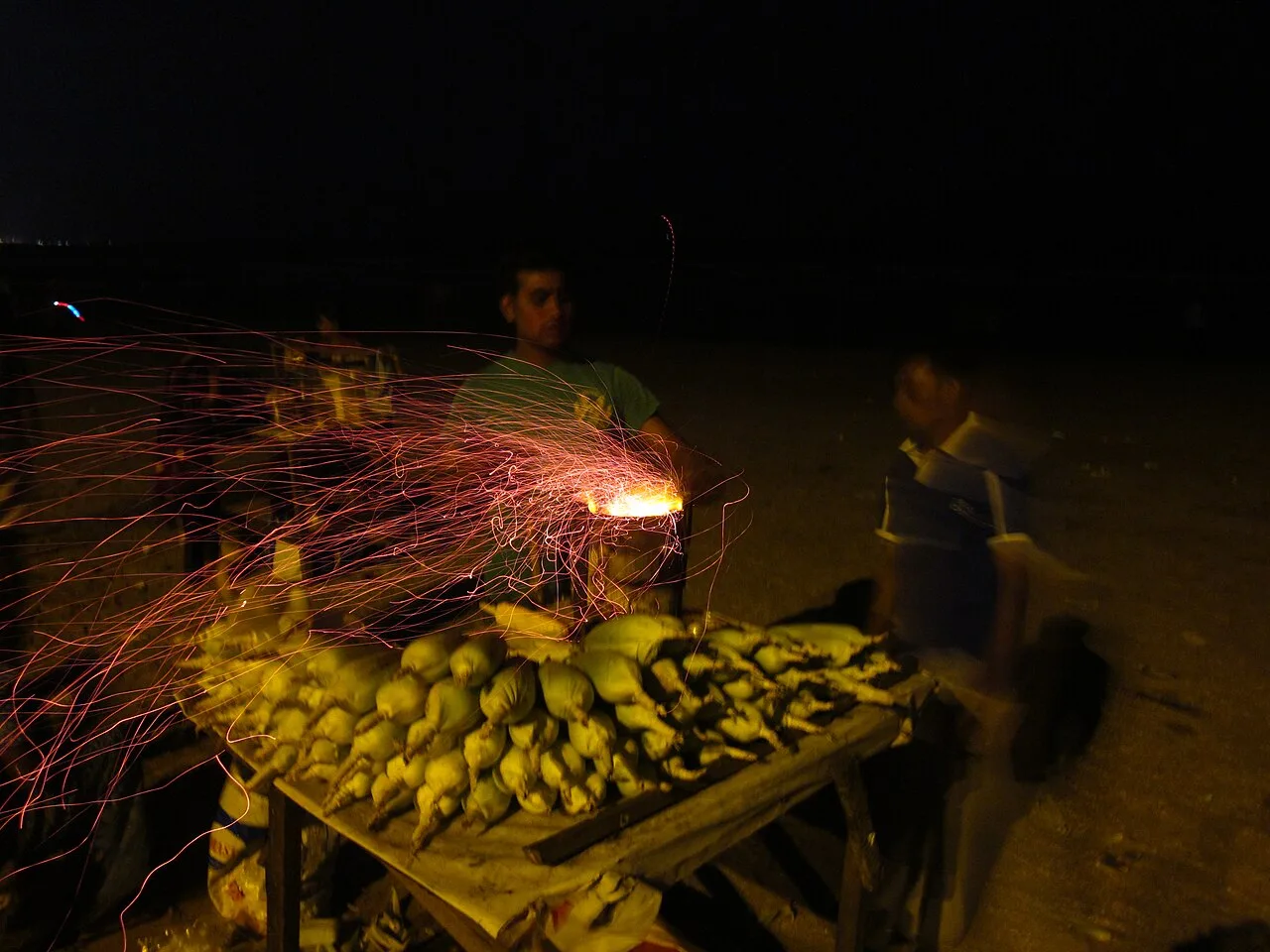
Juhu Beach
Juhu is a coastal Mumbai suburb on Salsette Island, best known for its beach. People visit the shore, and the neighbourhood is also associated with Bollywood residents.
Key facts · verified by Ghumoopedia editors
- Type of place
- Natural attraction
- Best time to visit
- October to March; June to September for green monsoon landscapes on the Ghats (expect closures)
- Nearest railway station
- Bandra Terminus · about 5 km (straight line)
- Verified
- 21 Nov 2026
Plan a trip from Juhu Beach — a day-by-day route through places nearby.
In Maharashtra’s Mumbai Suburban district, Juhu occupies the western side of Salsette Island. The Arabian Sea forms its western edge; Versova lies north, Vile Parle east and Santacruz south. Its beach is a prominent feature of the suburb. Juhu is among the metropolitan region’s costliest and most affluent neighbourhoods, and many Bollywood celebrities make their homes here. Nearby rail stations are Santacruz, Andheri and Vile Parle, connected by Mumbai Suburban Railway’s Western and Harbour lines. The closest metro stops are D. N. Nagar and Andheri West. Juhu has two small BEST bus depots. Juhu Airport has a place in Indian aviation history. On 15 October 1932, J. R. D. Tata, regarded as the father of civil aviation in India, flew a Puss Moth carrying mail from Drigh Road Airstrip in Karachi to Juhu by way of Ahmedabad. Maharashtra spans Mumbai's Gothic and Art Deco skyline, the rock-cut cave temples of Ajanta, Ellora, Karla and Elephanta, the hill forts of Chhatrapati Shivaji Maharaj, the Konkan's sea forts and beaches, and the great pilgrimages of Pandharpur, Shirdi and the Jyotirlingas. The coast is hot and humid most of the year with very heavy monsoon rain from June to September; the Western Ghats hill stations are cool and misty in the monsoon and pleasant in winter; the Deccan and Vidarbha are dry, with harsh summers above 40°C in Nagpur and Chandrapur. The usual best time to visit is October to March; June to September for green monsoon landscapes on the Ghats (expect closures). Timings, fees and access arrangements must be confirmed locally. For official information, see Maharashtra Tourism at https://www.maharashtratourism.gov.in.
Why it matters
Juhu Beach is a well-known public shoreline in the coastal suburb of Juhu, in Mumbai Suburban district. It is part of the Arabian Sea coast on the western side of Salsette Island and serves as a place for walks, recreation and informal food stalls within a densely built metropolitan area. Its popularity also reflects Juhu’s wider identity as an affluent Mumbai neighbourhood and a home to many people in the Hindi film industry. The beach has local importance as an accessible meeting place and a familiar part of Mumbai’s coastal life. Conditions, public access and beach-safety arrangements can change, so visitors should check locally.
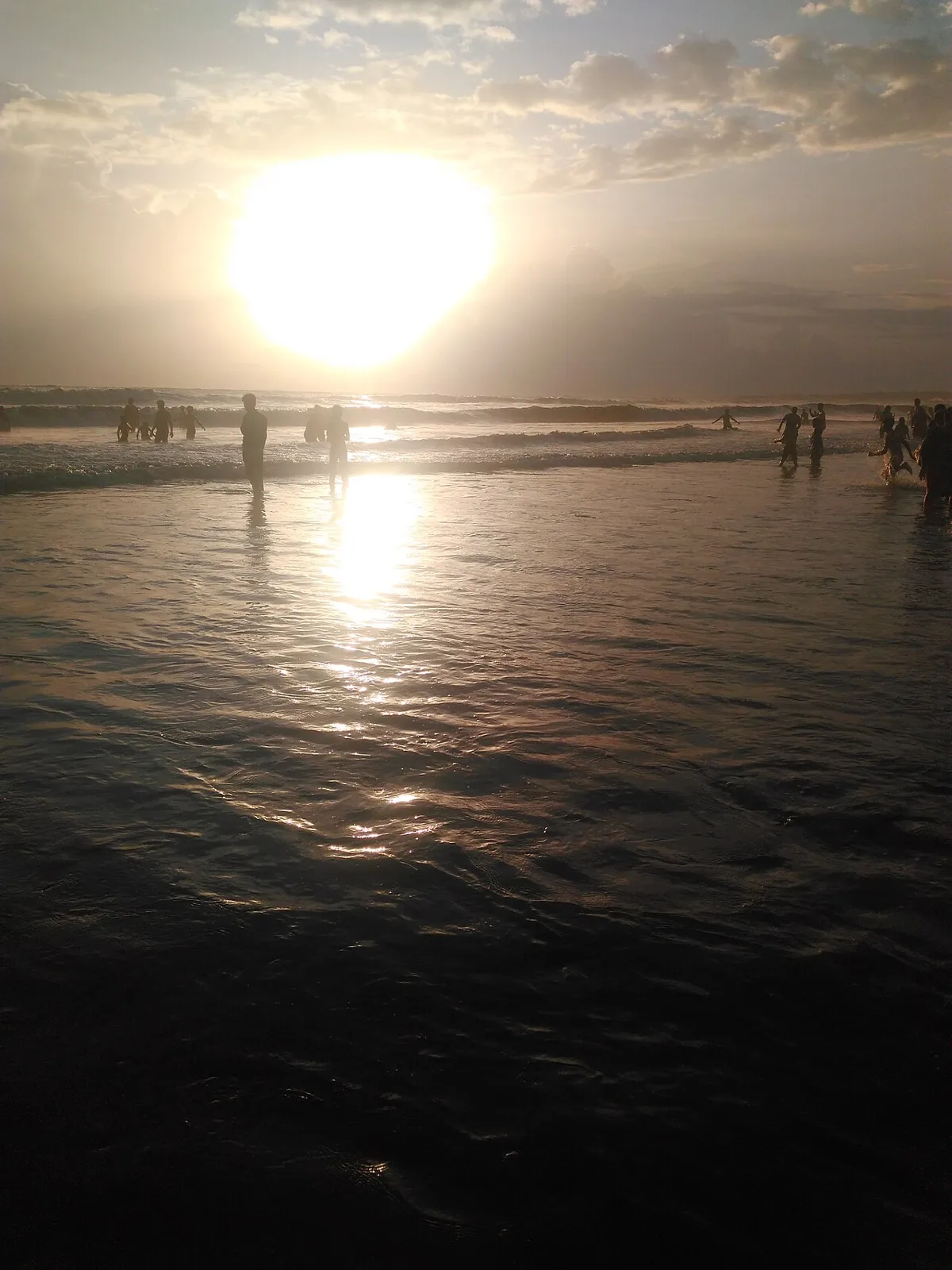
Juhu lies on the western coast of Salsette Island, whose shoreline and settlements have changed as Mumbai expanded. Coastal fishing and village life predate the suburb’s modern urban character; the wider area has long been connected to the sea and its resources. Juhu’s transformation into a residential suburb accelerated with the growth of transport links and the spread of Mumbai’s built-up area during the twentieth century. It later became associated with affluent homes and the Hindi film industry, although the beach remains a public-facing part of the neighbourhood. A notable aviation landmark is Juhu Aerodrome. It was established as an airfield in the early twentieth century, and J. R. D. Tata’s pioneering mail flight from Karachi, via Ahmedabad, arrived at Juhu on 15 October 1932 in a Puss Moth aircraft. The flight is an important episode in the history of Indian civil aviation. Today, Juhu is a busy urban coastline rather than an isolated beach landscape. Shore use, traffic and development reflect the pressures of a large city. Visitors should not assume that the beach or its facilities have a particular restoration or conservation status without checking with the relevant local authority.
Origin stories & folklore
As with many coastal places, visitors may hear local stories or beliefs connected with the sea, fishing, changing tides and the risks of entering the water. Such accounts are part of living coastal storytelling, but they should not be presented as verified history or as a single shared tradition. Ask local residents respectfully if they wish to share a story, and avoid treating personal or community beliefs as tourist spectacle. The beach’s documented identity is grounded in its setting on the Arabian Sea and in Juhu’s development as a Mumbai suburb.
Enjoy Juhu Beach early in the morning or at sunset, when the sand is cooler and the light is best. Swim only where lifeguards are posted and the beach is marked safe — rip currents are strong, especially in the monsoon, when swimming is often banned. Try local seafood at busy stalls and ask about tide times before walking out on rocks or sandbars. A comfortable itinerary is one main visit in the morning, a local meal at midday and a short nearby stop before an afternoon return. Use the district list on this site to find other places in Mumbai Suburban, but check the route and its condition before combining stops. If a festival is on — such as Ganeshotsav, Gudi Padwa or the Ashadhi Wari to Pandharpur — roads and stays can be busy, and the experience can be unforgettable. Leave no litter: many sites are protected by the communities around them.
Suggested itineraries
Half day: Walk along an accessible stretch of Juhu Beach in the morning (1–2 hours); have a local meal nearby (about 1 hour); add a short visit to Prithvi Theatre or ISKCON, subject to current access (1–2 hours). Full day: Begin with a beach walk (1–2 hours); take a relaxed meal nearby (about 1 hour); visit ISKCON or Prithvi Theatre (1–2 hours); pause at a café or return to the shore for sunset (1–2 hours). Gentler option: Choose a nearby drop-off, spend a short time at a less crowded accessible section, and rest at a nearby café; check the surface and seating locally.
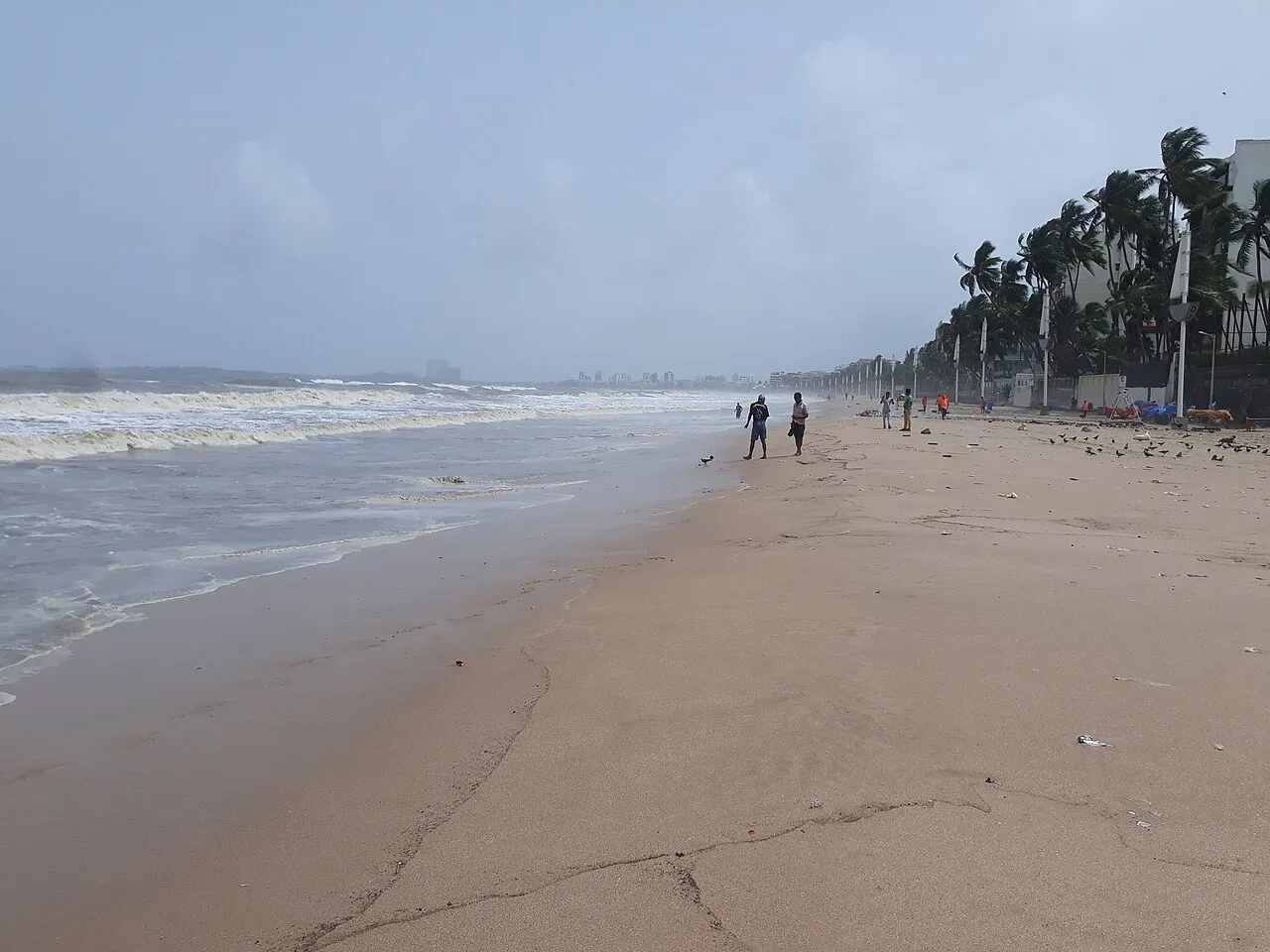
Juhu’s everyday culture combines urban leisure with coastal life. Residents and visitors come for beach walks, informal gatherings and street food, while fishing remains part of the wider coastal setting. Hindi, Marathi and English are widely heard in Mumbai; other Indian languages are also spoken in this diverse suburb. Food stalls commonly serve Mumbai-style snacks alongside seafood, though offerings and hygiene standards vary. The neighbourhood’s film-industry connections are visible in its public image, but visitors should respect residents’ privacy and avoid seeking out private homes. Festivals, family outings and evening visits contribute to the beach’s lively, sometimes crowded atmosphere.
Local communities
Juhu is home to a varied urban population, including long-established coastal residents, fishing families, newer residents and people drawn by work in Mumbai’s service, media and entertainment sectors. Koli communities are associated with Mumbai’s coastal fishing heritage, though not every person living near the beach is a fisher or belongs to the same community. Fishing and related work depend on changing sea and market conditions. Shops, food stalls, transport services and hospitality also support livelihoods around the shoreline. Be considerate when photographing people at work or in community settings, and ask permission rather than assuming that a public beach makes every person a subject.
Festivals & events
Ganeshotsav, usually observed in the late monsoon season, is celebrated across Mumbai and can bring processions, gatherings and traffic changes in the wider area. The city’s Navratri and Diwali seasons also bring local events, while Christmas and New Year can draw large numbers of people to popular public spaces. Some visitors gather at the beach during public celebrations, but arrangements and crowd levels vary from year to year. Juhu is not described here as the site of a single annual fair with fixed arrangements. Expect heavier crowds, litter and slower road access during major holidays, and follow local instructions around processions or beach activity.
Local food in Maharashtra includes vada pav, misal pav, pav bhaji, poha, puran poli, modak at Ganesh Chaturthi, Kolhapuri mutton with tambda and pandhra rassa, Malvani fish curry and sol kadhi on the Konkan coast, and Nagpur oranges and saoji food in Vidarbha. Ask what is fresh that day; many small eateries cook a limited daily menu. Vegetarian travellers eat well across the state, and most towns also have fish and meat dishes. Remote sites may have no restaurant at all. Carry water and snacks, eat a proper breakfast before long drives, and ask your accommodation for a packed lunch if you are heading out early. Try a home-cooked or local thali meal when you can — it is often the best food on the route. Choose busy, clean places, drink sealed or filtered water, and carry your packaging back with you.
Shopping & local experiences
The beachside area is known more for casual food and everyday neighbourhood shopping than for a dedicated craft market. Visitors can look for Mumbai street snacks and seafood at busy stalls or eat at nearby cafés and restaurants; choose vendors carefully and check food handling. Small shops in Juhu and nearby commercial streets sell refreshments, clothing and daily-use goods. Mumbai-made souvenirs and crafts are easier to seek out in larger city markets than directly on the beach. Avoid buying shells, wildlife products or anything presented as collected from a protected natural area. Carry reusable bags and dispose of packaging responsibly.
Juhu is a broad urban beach facing the Arabian Sea, with sandy shore, changing tides and a low-lying coastal setting. The visible shoreline changes with tide, wave conditions and weather; exposed rocks or sandbars can be hazardous, so do not walk out without checking local advice. The beach is bordered by a densely developed suburb rather than a large natural forest. Coastal plants may occur in pockets, but visitors should not expect an undisturbed habitat. Shorebirds and other urban-adapted birds may be seen along the coast, particularly when conditions suit them, but sightings are never guaranteed. Monsoon weather can bring rough seas and strong currents. Avoid swimming unless lifeguards identify a safe area, and leave no litter or food waste.
October to March; June to September for green monsoon landscapes on the Ghats (expect closures)
The nearest principal railway station by straight-line distance is Bandra Terminus, roughly 5 km away. The nearest operating airport by straight-line distance is Chhatrapati Shivaji Maharaj International Airport, Mumbai, roughly 5 km away. These figures are calculated from map coordinates — actual road distance is longer. Mumbai and Pune are the main rail and air gateways in the west, Chhatrapati Sambhajinagar (Aurangabad) for Ajanta and Ellora, Nagpur for Vidarbha and the tiger reserves, and the Konkan Railway serves the coast down to Sindhudurg. Within Mumbai, suburban local trains on the Western, Central and Harbour lines are the fastest way around outside rush hours (roughly 8–11 am and 5–9 pm); each train has ladies' compartments, and the Metro and app cabs are more comfortable alternatives. When comparing train, bus and flight, count the complete door-to-door time: a flight saves the most time only if the onward road transfer is short, while an overnight train can save a hotel night. Book your return before you leave, because seats fill quickly on weekends, festivals and holidays. Current train numbers, timings, return services and fares are not listed here; check IRCTC and NTES for trains and the airline's own schedule for flights. No permit is needed to visit Maharashtra. Tiger safaris in Tadoba, Pench and Melghat must be booked in advance through the official online portals. Many hill forts are popular monsoon treks: since several accidents, some districts restrict access to waterfalls, forts and ghats during heavy rain — check current district orders before setting out. Ganeshotsav (August–September) brings very large crowds to Mumbai and Pune.
Confirm onward and return timings on IRCTC / NTES, the state bus operator or your airline before travel. A dash means current timings or fares have not been verified.
Getting around
On arrival in Juhu, autos, taxis and app-based cabs can take visitors between the beach, nearby neighbourhoods and railway or Metro stations. Santacruz, Andheri and Vile Parle are nearby suburban railway options; D. N. Nagar and Andheri West are Metro stations serving the wider area. BEST buses operate in Mumbai, though routes and stops depend on the exact beach access point. Walking is practical for short distances within the neighbourhood, but roads can be busy and sidewalks uneven. Parking availability near the shore is limited and can be difficult during crowded periods. There are no regular visitor boat services to the beach.
Hours, tickets & permissions
Public access and any restrictions can vary by beach section, weather, safety conditions and local administration. The beach may be temporarily restricted during rough seas, high-risk conditions, public events or maintenance. Ordinary visits do not generally involve a formal entry permit, but do not assume that all activities or areas are unrestricted. Rules for commercial photography, filming, events, equipment or drone use may differ from casual personal photography. There may be no consistent ticketing arrangement. Confirm current access, safety notices, applicable permissions and any fees with the relevant local authority before setting out.
Facilities
Food stalls, cafés, restaurants and small shops are usually available in the surrounding neighbourhood, though quality, cleanliness and opening arrangements vary. Public toilets may be available near busy access points, but facilities and upkeep are not consistent; check locally before relying on them. Carry drinking water and use sealed or safely supplied water. Street vendors and nearby businesses may offer refreshments. Parking is limited and can be difficult at busy times. ATMs and pharmacies are found in the wider suburb rather than necessarily beside the sand. Lifeguard presence and beach-safety services can vary by section and conditions.
Accessibility
The beach is generally approached from urban streets, but the final route onto the sand may be uneven, soft or affected by tide and weather. Walking on sand can be tiring and difficult for wheelchairs, strollers and visitors with limited mobility. Do not assume that a continuous ramp, accessible toilet or firm pathway reaches the shoreline; confirm facilities at the chosen access point. Roads and pavements nearby may be crowded, uneven or exposed to traffic. Shade on the open beach is limited, so plan rests in nearby businesses or shaded areas. Elderly visitors may find a short visit from a convenient drop-off point more manageable than a long shoreline walk.
No permit is needed to visit Maharashtra. Tiger safaris in Tadoba, Pench and Melghat must be booked in advance through the official online portals. Many hill forts are popular monsoon treks: since several accidents, some districts restrict access to waterfalls, forts and ghats during heavy rain — check current district orders before setting out. Ganeshotsav (August–September) brings very large crowds to Mumbai and Pune. Carry a photo ID at all times and save the emergency number 112 and your accommodation's contact offline. Coastal weather can turn quickly: follow lifeguard flags and cyclone warnings, and keep away from the water in rough seas. Stay on marked paths, keep away from cliff edges and fast water, and never approach wild animals.
Photography
Early morning and sunset often provide softer light and attractive views across the Arabian Sea; the beach and sky can look very different with tides and weather. From public areas, casual personal photography is generally common, but rules may apply to commercial shoots, equipment or organised filming. Ask permission before photographing people, workers or children closely, and respect anyone who declines. Avoid photographing private homes in a way that intrudes on residents. Drone flights may be restricted by aviation, security or local rules; do not launch without confirming current permissions. Keep equipment and tripods clear of busy paths and other visitors.
Choose a stay by the full journey to Juhu Beach, not just the district name. Mumbai is expensive, so book early; Colaba and Fort suit sightseeing, while Bandra and Juhu suit nightlife and beaches. In summer, check air-conditioning; in the monsoon, check that the property is accessible if roads flood. Book in advance for weekends, festivals and the peak season (October to March; June to September for green monsoon landscapes on the Ghats (expect closures)). Confirm the exact location, meals included, check-in time and cancellation terms in writing. Avoid sending money to unverified contacts or touts at stations. Carry some cash, as card and digital payments can be unreliable in remote areas.
Within Juhu, visitors can consider ISKCON’s Sri Sri Radha Rasabihari Temple and Prithvi Theatre, checking current visitor or programme arrangements before going. Juhu Aerodrome is a local aviation landmark, though it is not a general sightseeing attraction and access may be restricted. Versova, another coastal neighbourhood to the north, offers a different urban shoreline and fishing-community setting. Gilbert Hill in Andheri is a distinctive geological landmark in the wider Mumbai Suburban district; check access before making a detour. These stops can be combined according to traffic and opening arrangements, but a comfortable plan should avoid packing too many cross-suburb journeys into one day.
For couples, Juhu Beach rewards a slow pace: arrive early for soft light and fewer crowds, share a local meal and keep the evening free. Sunset on Marine Drive, a misty monsoon morning in Mahabaleshwar or a quiet Konkan beach makes the trip memorable. Public displays of affection can be frowned upon in conservative communities and at religious sites, so be discreet. Keep a buffer in your itinerary, because weather and road conditions can delay plans.
Q: How much time should I set aside for Juhu Beach? A: A short beach walk and meal can fit into a half-day visit; allow more time if you plan nearby stops. Q: When is a good season to visit? A: October to March is generally more comfortable for coastal visits. Monsoon conditions can bring rough seas and access restrictions. Q: Is there an entry ticket? A: A general entry ticket is not usually required, but restrictions or charges for specific activities may apply. Check locally. Q: Is the beach suitable for children and elderly visitors? A: It can suit a brief outing, but sand, crowds, heat and strong currents need care. Keep children close to shore and follow lifeguard instructions. Q: Can I stay near Juhu? A: Hotels and guesthouses are available in the wider suburb and elsewhere in Mumbai. Choose based on your route and confirm current availability directly.
Be the first to share photos, stories, advice or a helpful contact for Juhu Beach.
Loading…