
Sanjay Gandhi National Park
Covering 103.84 square kilometres in Mumbai, Sanjay Gandhi National Park is a protected area in Maharashtra. More than two million people visit it each year.
Key facts · verified by Ghumoopedia editors
- Type of place
- National park / sanctuary
- Best time to visit
- October to March; June to September for green monsoon landscapes on the Ghats (expect closures)
- Nearest railway station
- Borivali · about 5 km (straight line)
- Verified
- 21 Nov 2026
Plan a trip from Sanjay Gandhi National Park — a day-by-day route through places nearby.
Located in Mumbai Suburban district, Maharashtra, the park extends across 103.84 square kilometres, equivalent to 40.09 square miles. Its headquarters are in Borivali. The area is known as Sanjay Gandhi National Park and lies within Mumbai. More than two million visitors come to the park each year. Together, its location in Mumbai Suburban district, its stated area and its Borivali headquarters identify the park. The annual visitor figure is over two million. Maharashtra spans Mumbai's Gothic and Art Deco skyline, the rock-cut cave temples of Ajanta, Ellora, Karla and Elephanta, the hill forts of Chhatrapati Shivaji Maharaj, the Konkan's sea forts and beaches, and the great pilgrimages of Pandharpur, Shirdi and the Jyotirlingas. The coast is hot and humid most of the year with very heavy monsoon rain from June to September; the Western Ghats hill stations are cool and misty in the monsoon and pleasant in winter; the Deccan and Vidarbha are dry, with harsh summers above 40°C in Nagpur and Chandrapur. The usual best time to visit is October to March; June to September for green monsoon landscapes on the Ghats (expect closures). Timings, fees and access arrangements must be confirmed locally. For official information, see Maharashtra Tourism at https://www.maharashtratourism.gov.in.
Why it matters
Sanjay Gandhi National Park protects a large area of forest within Mumbai Suburban district, where urban neighbourhoods meet the northern reaches of the Western Ghats. The park covers 103.84 square kilometres, according to the existing guide, and its headquarters are in Borivali. It is important as a habitat for native plants and wildlife, as a landscape containing the Kanheri Caves, and as a nearby outdoor destination for Mumbai residents. The guide reports more than two million visitors a year. The Kanheri Caves within the park are an Archaeological Survey of India-protected monument; this recognition applies to the caves, not to the park as a UNESCO World Heritage Site.
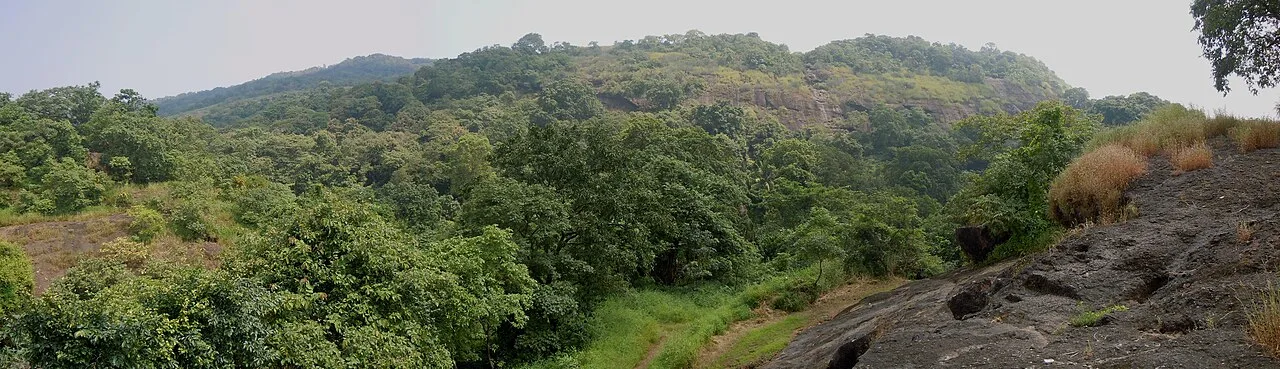
The park’s forested hills and valleys have long stood beside settlements and routes through the Mumbai region. Its better-known historic landmark is the Kanheri Caves, a complex of Buddhist rock-cut caves traditionally dated from around the first century BCE to the medieval period. Monks used the caves as a monastic and retreat centre, while inscriptions and architectural features point to support from donors and patrons over successive centuries. The caves include prayer halls, residences and water-management features cut into the rock. The protected forest area was once commonly known as Borivali National Park and later took the name Sanjay Gandhi National Park. Its boundaries and management have developed over time as conservation needs have met the pressures of a growing metropolis. Today the Maharashtra Forest Department manages the park, while the Archaeological Survey of India oversees the protected caves. The surrounding landscape also includes reservoirs important to Mumbai’s water system. Visitors should follow current restrictions: not all forest, settlement or reservoir areas are open for general access.
Spend unhurried time at Sanjay Gandhi National Park: walk the marked paths, use official viewpoints and ask locally whether a guide, entry ticket or forest permission is needed. Weather can change quickly, so carry a rain layer even on a clear morning. Wildlife sightings are never guaranteed — patience and quiet improve your chances. A comfortable itinerary is one main visit in the morning, a local meal at midday and a short nearby stop before an afternoon return. Use the district list on this site to find other places in Mumbai Suburban, but check the route and its condition before combining stops. If a festival is on — such as Ganeshotsav, Gudi Padwa or the Ashadhi Wari to Pandharpur — roads and stays can be busy, and the experience can be unforgettable. Leave no litter: many sites are protected by the communities around them.
Suggested itineraries
Half day: Enter through the main gate; spend time on a permitted walk or viewpoint; visit the Kanheri Caves if access and time allow; return to the entrance (about 3–5 hours). Full day: Begin with a quiet morning walk; visit the Kanheri Caves; pause for a meal and rest; continue to another permitted area or viewpoint; return before your onward journey (about 6–8 hours). Gentler option: Keep to the entrance area and the shortest suitable permitted route, take frequent rests, and skip steep or lengthy walks; confirm accessible transport and cave access locally.
The park is part of a diverse, multilingual metropolis. Marathi is widely spoken, alongside Hindi, Gujarati and English, and visitors will encounter Mumbai’s everyday food, music and customs in the neighbourhoods around Borivali and the park’s other edges. The Kanheri Caves reflect the region’s Buddhist heritage, but the site is also a place for contemporary recreation, nature learning and quiet walks. Adivasi communities in the wider area maintain living cultural traditions, including forms of Warli art; these should be approached respectfully and not treated as performances for visitors. Dress comfortably and modestly, particularly when visiting heritage or religious spaces.
Local communities
People connected with the park include forest and conservation staff, researchers, guides, nearby residents, vendors and visitors from across Mumbai. Adivasi communities, including Warli and other groups in the wider landscape, have longstanding connections to the region; their livelihoods and experiences are diverse. Do not assume that settlements or community land within or beside the park are visitor attractions. Ask before photographing residents, respect privacy, and use locally authorised guides or services where available. The park also matters to city residents as a place for recreation and environmental education, while its forests and reservoirs require careful protection.
Festivals & events
The park is not primarily a festival venue, but Mumbai’s seasonal celebrations can affect travel to and from it. Ganeshotsav, usually in late summer or early autumn, brings processions and heavy crowds across the city; immersion days can cause substantial road congestion. Navratri and Diwali, generally in autumn, also make neighbourhood markets and transport busier. Gudi Padwa, usually in spring, is marked in many parts of Maharashtra. Festival events are organised in surrounding communities rather than necessarily inside the park. Check local notices, allow extra travel time and do not enter closed areas or disturb wildlife for a celebration.
Local food in Maharashtra includes vada pav, misal pav, pav bhaji, poha, puran poli, modak at Ganesh Chaturthi, Kolhapuri mutton with tambda and pandhra rassa, Malvani fish curry and sol kadhi on the Konkan coast, and Nagpur oranges and saoji food in Vidarbha. Ask what is fresh that day; many small eateries cook a limited daily menu. Vegetarian travellers eat well across the state, and most towns also have fish and meat dishes. Remote sites may have no restaurant at all. Carry water and snacks, eat a proper breakfast before long drives, and ask your accommodation for a packed lunch if you are heading out early. Try a home-cooked or local thali meal when you can — it is often the best food on the route. Choose busy, clean places, drink sealed or filtered water, and carry your packaging back with you.
Shopping & local experiences
The park is primarily a nature and heritage destination rather than a shopping area. Borivali’s neighbourhood markets and food shops are the practical places to look for snacks, drinks and everyday supplies before or after a visit. Mumbai specialities such as vada pav, local sweets and farsan are widely available in the surrounding city, though offerings vary by shop. Visitors interested in Warli art should seek work made or sold with clear community consent and fair attribution, rather than buying items presented without reliable provenance. Avoid collecting plants, stones or other natural material from the park.
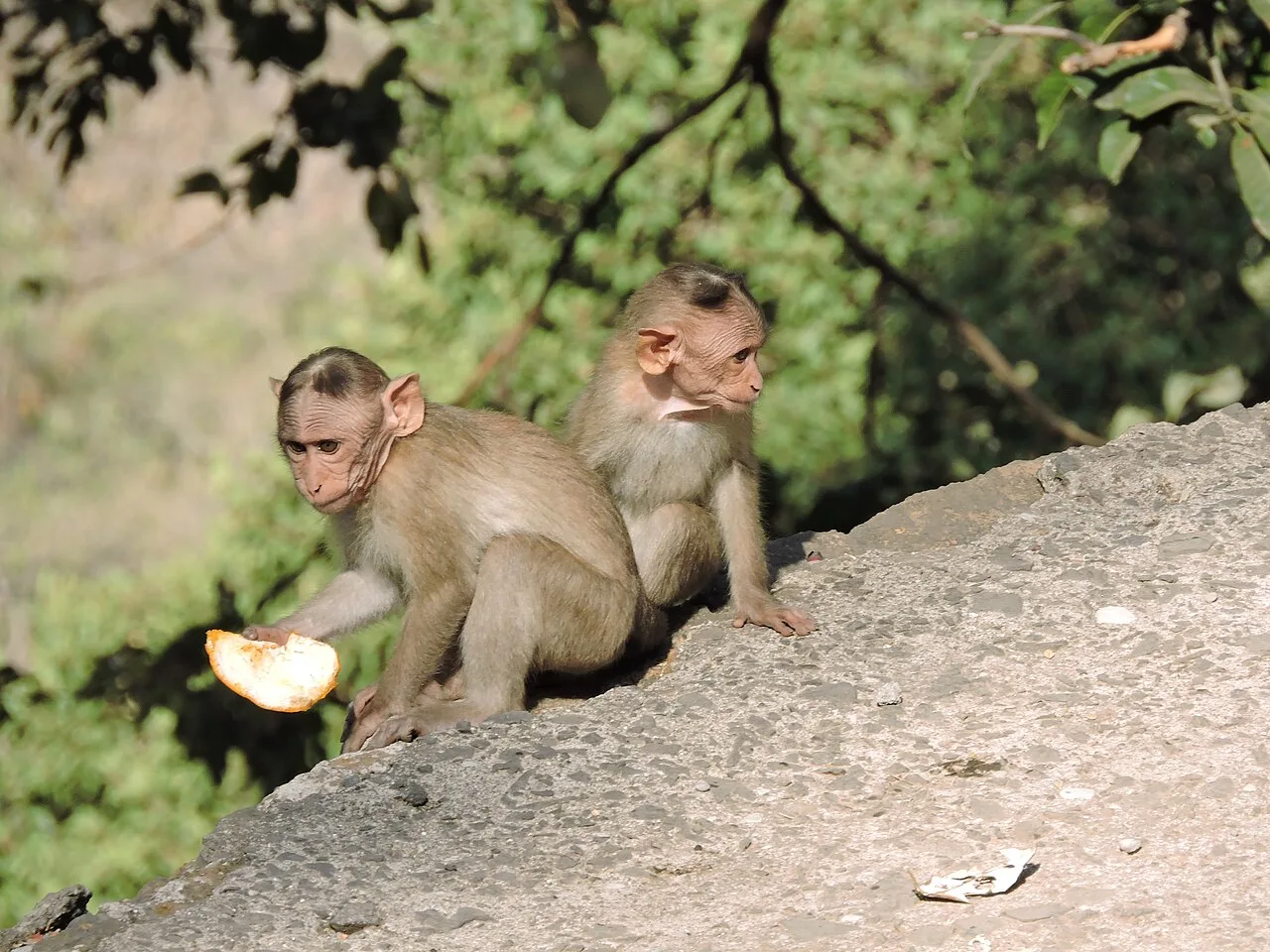
The park encompasses forested hills, rocky slopes, valleys and water bodies, including Tulsi and Vihar lakes, which are associated with Mumbai’s water supply. Vegetation varies across the terrain and includes deciduous woodland, moist forest patches, scrub and grassland. Trees, climbers, flowering plants and seasonal growth support a range of wildlife. Mammals recorded in the park include leopards, deer, wild boar, macaques and langurs; reptiles and many resident and migratory birds also use the habitat. Wildlife sightings are unpredictable, and animals may be difficult to spot in dense cover. Reservoir edges and other sensitive areas may be restricted. Keep quiet, stay on permitted routes and never feed animals.
October to March; June to September for green monsoon landscapes on the Ghats (expect closures)
The nearest principal railway station by straight-line distance is Borivali, roughly 5 km away. The nearest operating airport by straight-line distance is Chhatrapati Shivaji Maharaj International Airport, Mumbai, roughly 20 km away. These figures are calculated from map coordinates — actual road distance is longer. Mumbai and Pune are the main rail and air gateways in the west, Chhatrapati Sambhajinagar (Aurangabad) for Ajanta and Ellora, Nagpur for Vidarbha and the tiger reserves, and the Konkan Railway serves the coast down to Sindhudurg. Within Mumbai, suburban local trains on the Western, Central and Harbour lines are the fastest way around outside rush hours (roughly 8–11 am and 5–9 pm); each train has ladies' compartments, and the Metro and app cabs are more comfortable alternatives. When comparing train, bus and flight, count the complete door-to-door time: a flight saves the most time only if the onward road transfer is short, while an overnight train can save a hotel night. Book your return before you leave, because seats fill quickly on weekends, festivals and holidays. Current train numbers, timings, return services and fares are not listed here; check IRCTC and NTES for trains and the airline's own schedule for flights. No permit is needed to visit Maharashtra. Tiger safaris in Tadoba, Pench and Melghat must be booked in advance through the official online portals. Many hill forts are popular monsoon treks: since several accidents, some districts restrict access to waterfalls, forts and ghats during heavy rain — check current district orders before setting out. Ganeshotsav (August–September) brings very large crowds to Mumbai and Pune.
Confirm onward and return timings on IRCTC / NTES, the state bus operator or your airline before travel. A dash means current timings or fares have not been verified.
Getting around
Borivali is the principal nearby suburban railway station identified by the existing guide; local trains connect it with other parts of Mumbai. From the station, visitors can continue to the park entrance by local bus, auto-rickshaw or taxi, and app-based cabs are another option. Walking may suit short trips near the entrance, but the park is extensive and internal routes can involve long distances. Park-operated transport or other services to particular attractions may be available, but check locally before relying on them. Confirm the correct entrance with your driver, and expect city traffic to affect road journeys.
Hours, tickets & permissions
Entry is subject to park regulations, and access to particular areas or activities may require a separate ticket, permission or authorised guide. The Kanheri Caves may have separate access arrangements from the wider park. Camera or activity restrictions can also vary by location. Confirm current opening arrangements, fees, closures and any identification or permit requirements with the Maharashtra Forest Department or the relevant site authority before travelling. Weather, fire risk, wildlife protection and maintenance may affect access. Do not rely on old online listings for current conditions.
Facilities
Facilities vary across the park, so check locally before setting out. There are usually basic visitor services near the main entrance and at popular attractions, but toilets, drinking water and food may not be available along every route. Carry water and any food you need, and take rubbish back out. Parking may be available near the entrance, subject to conditions and capacity. Guides or organised services may be offered for some visits; confirm authorisation with park staff. ATMs, pharmacies and a wider choice of food are more readily found in nearby Borivali than on forest trails.
Accessibility
Conditions vary considerably between the entrance area, forest paths and Kanheri Caves. Some routes are uneven, rocky, sloping or exposed, and reaching attractions can involve substantial walking and steps. Shade is patchy, especially on open paths, so plan for heat and carry water. The caves’ carved spaces and approach routes may be difficult for wheelchair users, people using strollers and visitors with limited mobility. Do not assume ramps, lifts or accessible toilets are available. Elderly visitors may prefer a short, flat outing near the entrance, with a companion and rest breaks. Contact the relevant authority to check current route conditions and assistance.
No permit is needed to visit Maharashtra. Tiger safaris in Tadoba, Pench and Melghat must be booked in advance through the official online portals. Many hill forts are popular monsoon treks: since several accidents, some districts restrict access to waterfalls, forts and ghats during heavy rain — check current district orders before setting out. Ganeshotsav (August–September) brings very large crowds to Mumbai and Pune. Carry a photo ID at all times and save the emergency number 112 and your accommodation's contact offline. Heat in summer and heavy rain in the monsoon are the main weather risks; carry water, avoid midday sun and allow extra time when roads flood. Stay on marked paths, keep away from cliff edges and fast water, and never approach wild animals.
Visitor rules
Follow instructions from park staff and remain on open, marked routes; entry into forest, reservoir and other restricted areas is not permitted without authorisation. Wear sturdy footwear and clothing suited to heat, rain and insects. Do not feed, approach, chase or call wildlife, and keep noise low. Carry out all litter, including food packaging, and avoid single-use plastic where possible. Fires, smoking and alcohol may be prohibited or restricted; confirm current rules at the entrance. Respect heritage structures and community privacy. Ask staff before using equipment or taking photographs where restrictions apply.
Photography
Soft morning light can suit forest walks and views, while the Kanheri Caves offer details of rock-cut architecture and inscriptions. Stay on permitted paths and use official viewpoints rather than climbing barriers or entering closed areas. Photography may be subject to location-specific restrictions or fees, particularly at heritage sites, so check notices and ask staff. Do not use flash where it could disturb wildlife or other visitors. Drone use requires appropriate permissions and may be prohibited; never assume it is allowed. Ask people before photographing them, and be especially considerate around worship, ceremonies and private community spaces.
Choose a stay by the full journey to Sanjay Gandhi National Park, not just the district name. Mumbai is expensive, so book early; Colaba and Fort suit sightseeing, while Bandra and Juhu suit nightlife and beaches. In summer, check air-conditioning; in the monsoon, check that the property is accessible if roads flood. Book in advance for weekends, festivals and the peak season (October to March; June to September for green monsoon landscapes on the Ghats (expect closures)). Confirm the exact location, meals included, check-in time and cancellation terms in writing. Avoid sending money to unverified contacts or touts at stations. Carry some cash, as card and digital payments can be unreliable in remote areas.
The Kanheri Caves are within the national park and are the most closely connected heritage visit. In the wider Mumbai Suburban area, the Global Vipassana Pagoda and the Gorai waterfront can make separate outings, though reaching them involves travel and route planning. Aarey Milk Colony, with its green spaces, lies elsewhere in the city’s western suburbs; access and activities vary by location. Powai Lake is another urban waterside destination, but it is not part of the park. Check current access, travel conditions and opening arrangements before combining any of these with a park visit.
For couples, Sanjay Gandhi National Park rewards a slow pace: arrive early for soft light and fewer crowds, share a local meal and keep the evening free. Sunset on Marine Drive, a misty monsoon morning in Mahabaleshwar or a quiet Konkan beach makes the trip memorable. Public displays of affection can be frowned upon in conservative communities and at religious sites, so be discreet. Keep a buffer in your itinerary, because weather and road conditions can delay plans.
Q: How much time should I allow? A: Allow at least a half day for a focused visit; a full day gives more time for walking and the Kanheri Caves, subject to access. Q: When is a good season to visit? A: October to March is generally more comfortable. The monsoon brings lush scenery but rain may affect routes or access. Q: Do I need a ticket or permission? A: Entry and some attractions or activities may have separate requirements. Confirm current rules and fees with the relevant authority. Q: Is the park suitable for children and elderly visitors? A: It can suit visitors who choose a route to their abilities, but paths may be uneven and some walks or cave approaches are strenuous. Supervise children closely. Q: Where can I stay nearby? A: Borivali and other Mumbai neighbourhoods offer accommodation options. Choose based on your route and confirm availability directly.
Be the first to share photos, stories, advice or a helpful contact for Sanjay Gandhi National Park.
Loading…