
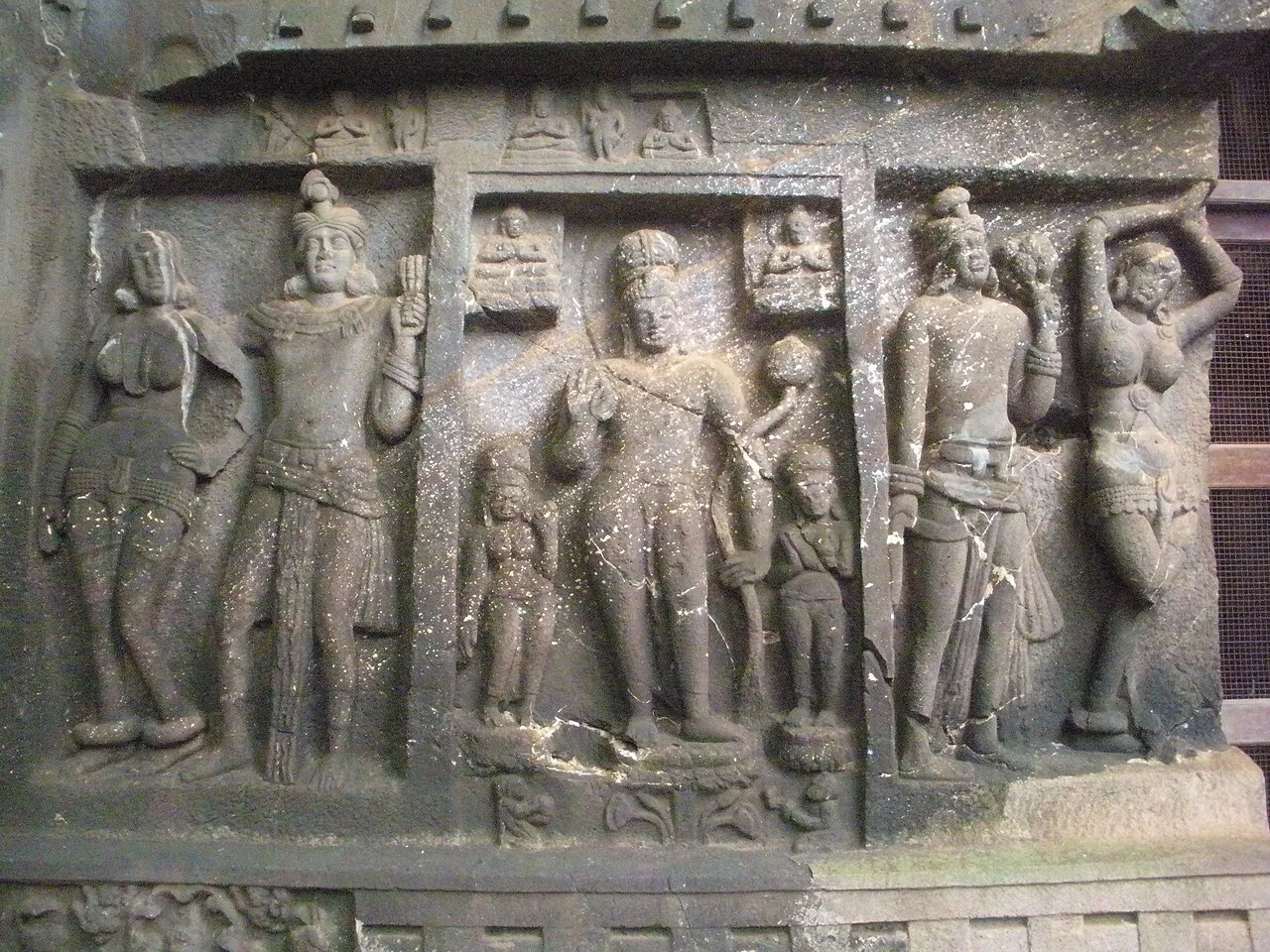
Karla Caves
Karla Caves is an ancient Buddhist cave complex near Lonavala in Maharashtra. Visitors come to see its Grand Chaitya, notable for its scale and surviving sculpture.
Key facts · verified by Ghumoopedia editors
- Type of place
- Heritage monument
- Best time to visit
- October to March; June to September for green monsoon landscapes on the Ghats (expect closures)
- Nearest railway station
- Lonavala · about 10 km (straight line)
- Nearest airport
- Pune Airport · about 50 km (straight line)
- Verified
- 21 Nov 2026
Plan a trip from Karla Caves — a day-by-day route through places nearby.
Known also as Karli, Karle and Karla Cells, this Buddhist cave complex is carved into rock near Karli, in Pune district, Maharashtra. Lonavala is 10.9 kilometres away. Other cave sites in the vicinity include Bhaja Caves, Patan Buddhist Cave, Bedse Caves and Nasik Caves. The shrines were created across a period extending from the second century BCE to the fifth century CE. The earliest is thought to date from about 160 BCE. The site grew beside an old route that led from the Arabian Sea eastwards into the Deccan. Among Maharashtra’s many Buddhist rock-cut locations, Karla is an early and relatively small group. Its best-known feature is the Grand Chaitya, or Cave 8. This hall is the biggest and most intact chaitya of its era, and contains an unusually large amount of detailed sculpture on a substantial scale. Support for building and maintaining the caves came from traders, Saka Western Satraps and Satavahana rulers. The site lies in Maharashtra, a region marking the divide between northern and southern India. In early times, Buddhist communities had close links with trade and manufacturing. Monastic sites were therefore often established in natural rock settings beside important routes, where travelling merchants could find accommodation. The Archaeological Survey of India protects the Karla complex as a monument. Maharashtra spans Mumbai's Gothic and Art Deco skyline, the rock-cut cave temples of Ajanta, Ellora, Karla and Elephanta, the hill forts of Chhatrapati Shivaji Maharaj, the Konkan's sea forts and beaches, and the great pilgrimages of Pandharpur, Shirdi and the Jyotirlingas. The coast is hot and humid most of the year with very heavy monsoon rain from June to September; the Western Ghats hill stations are cool and misty in the monsoon and pleasant in winter; the Deccan and Vidarbha are dry, with harsh summers above 40°C in Nagpur and Chandrapur. The usual best time to visit is October to March; June to September for green monsoon landscapes on the Ghats (expect closures). Timings, fees and access arrangements must be confirmed locally. For official information, see Maharashtra Tourism at https://www.maharashtratourism.gov.in.
Why it matters
Karla Caves, also called Karli or Karle Caves, is an important Buddhist rock-cut complex near Lonavala in Pune district, Maharashtra. The Archaeological Survey of India protects the site as a monument. Its main draw is the Great Chaitya, Cave 8, a large, well-preserved Buddhist prayer hall that helps illustrate the development of rock-cut architecture in western India. The caves also reflect the close historical links between Buddhist monastic communities, merchants and routes crossing the Western Ghats. Inscriptions record donations by traders and rulers, including Satavahana and Western Kshatrapa patrons. Nearby Ekvira Devi shrine remains an active place of worship, adding a living religious dimension to a visit. Karla is not a UNESCO World Heritage Site.
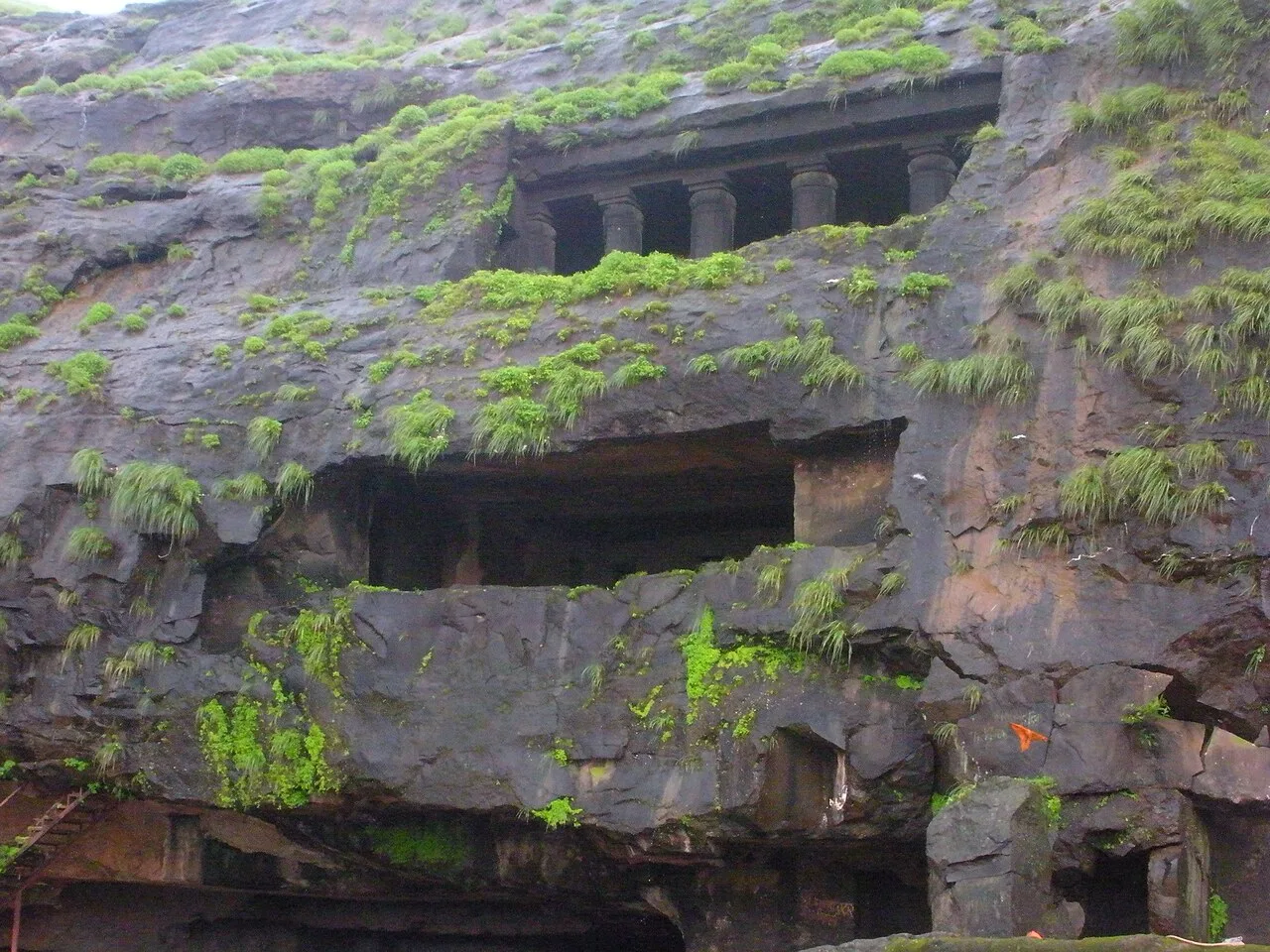
The Karla caves were excavated over several centuries, with the wider complex traditionally dated from around the 2nd century BCE to the 5th century CE. The earliest activity is associated with the growth of Buddhist monastic establishments near a major route linking the Arabian Sea coast with the Deccan. Such locations offered monks contact with travelling merchants, while monasteries could provide a place of worship and, in some cases, shelter for visitors. The complex developed through donations from merchants and other patrons. Inscriptions at the site record gifts by individuals identified with trade, as well as support associated with Satavahana and Western Kshatrapa rulers. The Great Chaitya, Cave 8, is generally dated to the early centuries CE and represents a mature phase of Buddhist rock-cut architecture. Over time, changing religious and economic patterns reduced the role of the monastery. The caves were later known as a historic and religious destination, alongside the nearby shrine of Ekvira Devi. Today, the Archaeological Survey of India protects the cave monument. Visitors should follow current conservation rules and avoid touching carved or painted surfaces.
Origin stories & folklore
According to local tradition, the hill is associated with Ekvira Devi, whose shrine near the caves continues to attract worshippers, particularly from local communities including Koli and Agri groups. Stories about the goddess vary, as is common in living oral traditions. Some popular accounts also connect ancient constructions in the region with the Pandavas, the heroes of the Mahabharata, during their period of exile. These are religious and folkloric explanations, not established accounts of who excavated the Buddhist caves. The archaeological evidence instead points to successive Buddhist patrons and donors over several centuries. Visitors can appreciate both traditions while recognising the difference between local belief and the documented history of the cave complex.
Architecture & design
Karla is a group of Buddhist rock-cut caves excavated into a hillside, using the local rock to form halls, cells and shrines. The most celebrated space is the Great Chaitya, Cave 8: a long prayer hall with a high vaulted ceiling, an apsidal end and a stupa at the far end. A large horseshoe-shaped chaitya window above the entrance brings light into the hall. Rows of pillars divide the central nave from side aisles and lead the eye towards the stupa. Carved capitals include figures and animals, while surviving wooden elements and rib-like forms recall timber construction in early Indian buildings. Other spaces in the complex include monastic cells and smaller religious chambers. The work was made by removing rock rather than assembling separate blocks, so the architecture is integral to the hillside. Take care on steps and uneven surfaces, and follow barriers around vulnerable features.
Important objects & sculptures
Inside the Great Chaitya, look for the stupa, the sequence of carved pillars and their sculpted capitals, including figures associated with elephants and human devotees. The horseshoe-shaped window above the entrance is another distinctive feature. Inscriptions in the complex record donations by patrons, including merchants, and provide evidence for the caves’ links with trade and religious life. Their lettering and placement are part of the site’s historical interest; do not touch or trace them. Some details can be difficult to see in changing light, so allow your eyes time to adjust and use only permitted lighting. The caves are architectural monuments rather than a museum collection, and visitors should not move, handle or remove any object or fragment.
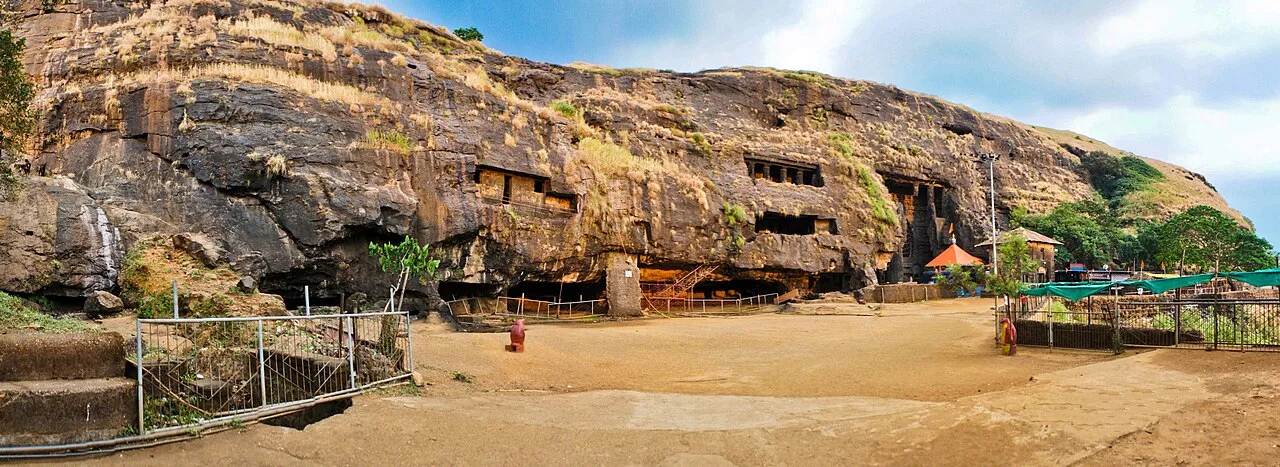
Spend unhurried time at Karla Caves: walk the marked paths, use official viewpoints and ask locally whether a guide, entry ticket or forest permission is needed. Follow the marked route inside the caves, carry a small torch and never touch the paintings or sculptures. Wildlife sightings are never guaranteed — patience and quiet improve your chances. A comfortable itinerary is one main visit in the morning, a local meal at midday and a short nearby stop before an afternoon return. Use the district list on this site to find other places in Pune, but check the route and its condition before combining stops. If a festival is on — such as Ganeshotsav, Gudi Padwa or the Ashadhi Wari to Pandharpur — roads and stays can be busy, and the experience can be unforgettable. Leave no litter: many sites are protected by the communities around them.
Suggested itineraries
Half day: Allow about 2–3 hours for the approach, a careful visit to the Great Chaitya and other accessible caves, and time to view the Ekvira shrine area respectfully. Full day: Spend the morning at Karla Caves and the shrine area, pause for a local meal, then visit Bhaja Caves or explore Lonavala, allowing for road conditions and your walking pace. Gentler option: Focus on the most accessible viewpoints and cave spaces reached comfortably, take frequent rests, and skip steep or uneven sections; confirm access conditions locally.
The caves sit within a landscape where Buddhist heritage and present-day Hindu worship coexist. The nearby Ekvira Devi shrine is an active pilgrimage place, especially important to local devotees and communities such as the Koli and Agri. Marathi is widely spoken in the area, and visitors may also encounter Hindi and English. Customs at the shrine can differ from those inside the protected caves: follow posted instructions, dress respectfully and ask before photographing worshippers. The site is visited by school groups, heritage enthusiasts, pilgrims and day-trippers from nearby towns. Quiet conduct, keeping paths clear and leaving no litter help respect both the archaeological monument and the living religious setting.
Festivals & events
Navratri is an important period for worship at the nearby Ekvira Devi shrine, usually in September or October, and can bring larger crowds and busy approaches. A local pilgrimage or fair associated with the goddess may also be observed; arrangements and crowd levels vary by year, so check locally before travelling. Ganeshotsav, generally held in August or September, is widely celebrated across Maharashtra and may affect travel in the region, although it is not a cave-specific festival. During festival periods, allow extra time for road access, queues and parking, and be especially considerate around worshippers. The caves themselves are a protected heritage site, so religious activity and monument access may be managed separately.
Local food in Maharashtra includes vada pav, misal pav, pav bhaji, poha, puran poli, modak at Ganesh Chaturthi, Kolhapuri mutton with tambda and pandhra rassa, Malvani fish curry and sol kadhi on the Konkan coast, and Nagpur oranges and saoji food in Vidarbha. Ask what is fresh that day; many small eateries cook a limited daily menu. Vegetarian travellers eat well across the state, and most towns also have fish and meat dishes. Remote sites may have no restaurant at all. Carry water and snacks, eat a proper breakfast before long drives, and ask your accommodation for a packed lunch if you are heading out early. Try a home-cooked or local thali meal when you can — it is often the best food on the route. Choose busy, clean places, drink sealed or filtered water, and carry your packaging back with you.
Shopping & local experiences
Small stalls near the approach or shrine may sell snacks, drinks, devotional items and simple souvenirs, but availability varies. Lonavala has more shops and food options, including locally popular chikki and other sweets. Look for locally made goods and buy from established sellers; avoid purchasing fragments, antiques or anything presented as an archaeological object. Carry reusable water and a bag for rubbish. Around the shrine, be considerate of religious observances and ask before taking photographs of vendors or their stalls.
October to March; June to September for green monsoon landscapes on the Ghats (expect closures)
The nearest principal railway station by straight-line distance is Lonavala, roughly 10 km away. The nearest operating airport by straight-line distance is Pune Airport, roughly 50 km away. These figures are calculated from map coordinates — actual road distance is longer. Mumbai and Pune are the main rail and air gateways in the west, Chhatrapati Sambhajinagar (Aurangabad) for Ajanta and Ellora, Nagpur for Vidarbha and the tiger reserves, and the Konkan Railway serves the coast down to Sindhudurg. For the final leg, Maharashtra State Road Transport Corporation (MSRTC) buses, including Shivneri and Shivshahi coaches, private sleeper buses and shared jeeps and autos link district towns. A private taxi gives more flexibility for remote sites. When comparing train, bus and flight, count the complete door-to-door time: a flight saves the most time only if the onward road transfer is short, while an overnight train can save a hotel night. Book your return before you leave, because seats fill quickly on weekends, festivals and holidays. Current train numbers, timings, return services and fares are not listed here; check IRCTC and NTES for trains and the airline's own schedule for flights. No permit is needed to visit Maharashtra. Tiger safaris in Tadoba, Pench and Melghat must be booked in advance through the official online portals. Many hill forts are popular monsoon treks: since several accidents, some districts restrict access to waterfalls, forts and ghats during heavy rain — check current district orders before setting out. Ganeshotsav (August–September) brings very large crowds to Mumbai and Pune.
Confirm onward and return timings on IRCTC / NTES, the state bus operator or your airline before travel. A dash means current timings or fares have not been verified.
Getting around
Lonavala is the nearest principal rail gateway named in the local guide, while the final approach to the caves is usually made by road. From Lonavala or nearby towns, visitors can consider a taxi, hired vehicle, shared jeep or local bus where available; check routes and service conditions locally. Autos may be available in nearby settlements but should not be assumed for every part of the journey. The approach involves walking and steps up the hillside. Check where parking is permitted, particularly on busy festival days, and avoid blocking access for residents or shrine visitors. Carry water for the walk and arrange a return ride in advance if relying on a private vehicle.
Hours, tickets & permissions
Entry arrangements can include a ticket, site rules and restrictions on access to particular areas; rules may differ between the protected caves and the nearby active shrine. Camera use or equipment may also be subject to conditions. Do not assume that a ticket or permission for one area covers another. Wear respectful clothing, follow signs and staff instructions, and avoid touching the rock-cut features. Confirm current opening arrangements, fees and any permit or photography requirements with the Archaeological Survey of India or the relevant local managing authority before setting out.
Facilities
Facilities at the caves and shrine area can vary with season and visitor numbers. Toilets, drinking water, small food stalls and parking may be available nearby, but visitors should check locally rather than rely on every service being open. Carry water and any food or medication you need, and take rubbish away if bins are full or absent. Guides may be available locally, but availability and qualifications can vary. Lonavala and nearby towns offer a wider choice of restaurants, accommodation, ATMs and other services. Bring cash as a backup, while avoiding assumptions about payment options on site.
Accessibility
Reaching the caves involves an uphill approach and steps, with uneven surfaces inside and around the complex. The route can be tiring, particularly in heat, rain or crowded conditions, and shade may be limited on exposed sections. Wheelchair users and visitors with strollers may find access difficult; do not assume ramps, lifts or step-free entry. Older visitors or anyone with limited mobility should assess the climb before starting, take rests and consider visiting with a companion. Surfaces may become slippery in the monsoon. Ask locally about current route conditions and which areas can be reached comfortably, and do not cross barriers to avoid a difficult section.
No permit is needed to visit Maharashtra. Tiger safaris in Tadoba, Pench and Melghat must be booked in advance through the official online portals. Many hill forts are popular monsoon treks: since several accidents, some districts restrict access to waterfalls, forts and ghats during heavy rain — check current district orders before setting out. Ganeshotsav (August–September) brings very large crowds to Mumbai and Pune. Carry a photo ID at all times and save the emergency number 112 and your accommodation's contact offline. Heat in summer and heavy rain in the monsoon are the main weather risks; carry water, avoid midday sun and allow extra time when roads flood. Stay on marked paths, keep away from cliff edges and fast water, and never approach wild animals.
Photography
The Great Chaitya’s entrance and interior details are rewarding subjects; softer morning or late-afternoon light can help with exterior views, while the interior may be dim. Check current rules before photographing, especially if using tripods, flash or other equipment. Never touch carvings or inscriptions to pose for a picture, and do not use a drone without explicit permission from the relevant authorities. The nearby Ekvira shrine is an active place of worship: ask before photographing people or rituals, follow signs and avoid obstructing devotees. Be mindful of other visitors in narrow passages and keep the visit quiet.
Choose a stay by the full journey to Karla Caves, not just the district name. Mumbai, Pune, Nashik and Chhatrapati Sambhajinagar offer the widest choice; hill stations and Konkan beaches have resorts and family homestays, and MTDC resorts are reliable value. In summer, check air-conditioning; in the monsoon, check that the property is accessible if roads flood. Book in advance for weekends, festivals and the peak season (October to March; June to September for green monsoon landscapes on the Ghats (expect closures)). Confirm the exact location, meals included, check-in time and cancellation terms in writing. Avoid sending money to unverified contacts or touts at stations. Carry some cash, as card and digital payments can be unreliable in remote areas.
Bhaja Caves and Bedse Caves are other Buddhist rock-cut sites in the wider Lonavala area and make possible heritage excursions, subject to travel time and access conditions. Lonavala offers a town stop for food and visitor services. The nearby Ekvira Devi shrine is closely associated with the Karla hillside and is an important place of worship. Other regional attractions include the hill forts of Lohagad and Visapur, though combining them with Karla may make for a strenuous or crowded day. Check routes, weather and local conditions before adding multiple sites, especially during monsoon or festival periods.
For couples, Karla Caves rewards a slow pace: arrive early for soft light and fewer crowds, share a local meal and keep the evening free. Sunset on Marine Drive, a misty monsoon morning in Mahabaleshwar or a quiet Konkan beach makes the trip memorable. Public displays of affection can be frowned upon in conservative communities and at religious sites, so be discreet. Keep a buffer in your itinerary, because weather and road conditions can delay plans.
Q: How much time should I allow for Karla Caves? A: Allow a few hours for the approach, the main cave visit and time around the nearby shrine; add more time if walking slowly or visiting on a busy day. Q: When is a comfortable season to visit? A: October to March is generally more comfortable. Monsoon brings green scenery but can mean slippery paths and changing access conditions. Q: Is entry ticketed, and are there separate rules for the shrine? A: Entry requirements can change, and the protected caves and active shrine may have separate arrangements. Confirm current rules with the managing authority and locally. Q: Are the caves suitable for children and older visitors? A: Children can visit with supervision, but the uphill approach, steps and uneven surfaces may be challenging for older visitors or anyone with limited mobility. Q: Where can I stay nearby? A: Lonavala is a practical nearby base with accommodation and food options. Check availability and travel conditions before your visit, especially during festivals.
Be the first to share photos, stories, advice or a helpful contact for Karla Caves.
Loading…