
Ghumoopedia — Explore, Discover, Experience
Sign in
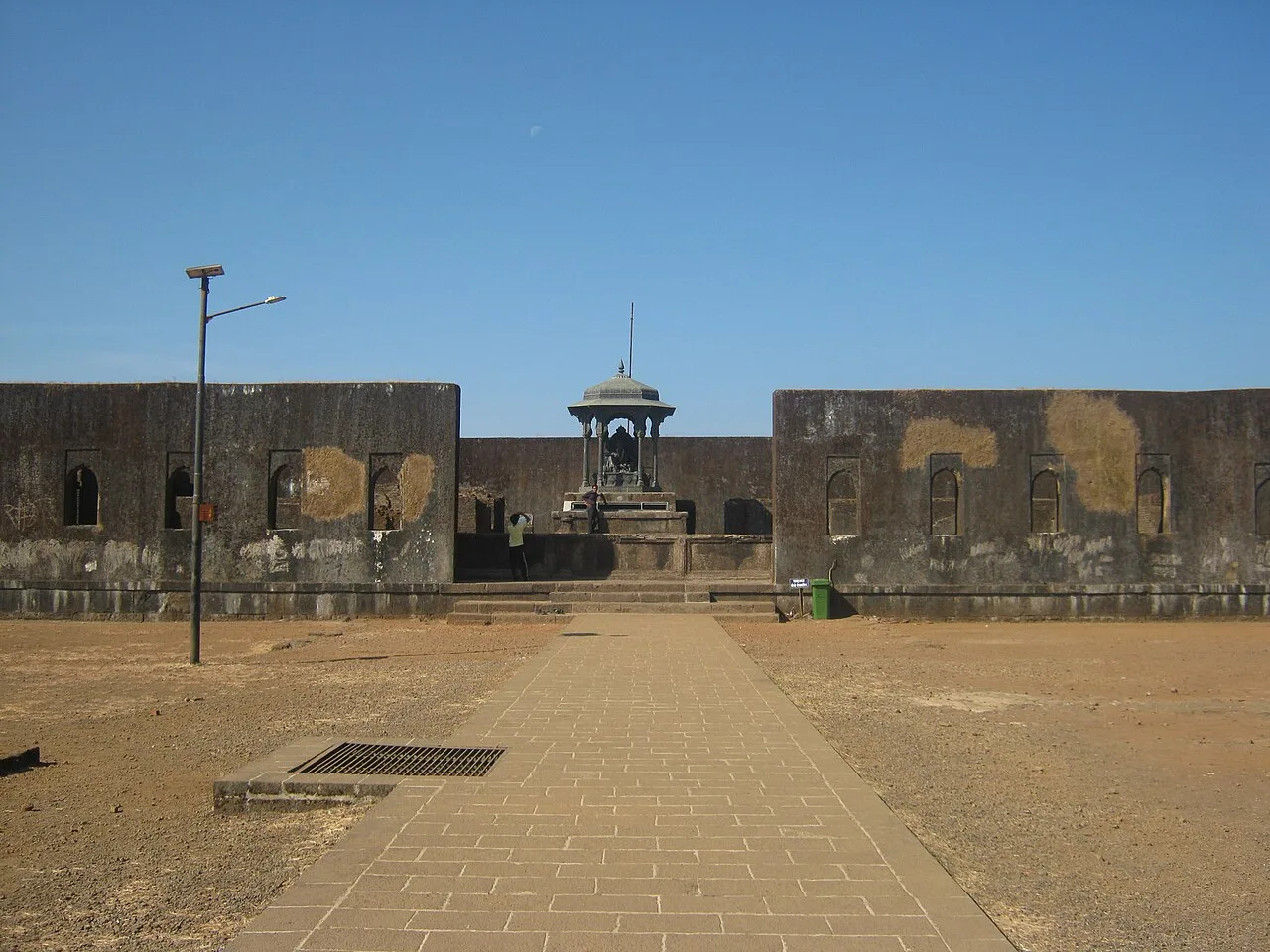
Raigad Fort, near Mahad

City guide · Maharashtra

Mahad

Mahad is a historic town in Raigad district, set among the Sahyadri foothills and the river valleys of the North Konkan. Its location makes it a regional market and service centre for nearby villages, while its industrial estate at Mahad-Birwadi supports chemical, pharmaceutical and related manufacturing.

Famous for

  • Raigad Fort
  • Chavdar Tale Satyagraha
  • Ambedkarite heritage
  • Gandharpale Buddhist caves
  • Vireshwar Chabina Utsav
  • Mahad-Birwadi industries
In the city
0
Nearby
1
District
Raigad
Plan a trip

Why Mahad matters

Mahad is a historic town in Raigad district, set among the Sahyadri foothills and the river valleys of the North Konkan. Its location makes it a regional market and service centre for nearby villages, while its industrial estate at Mahad-Birwadi supports chemical, pharmaceutical and related manufacturing. The town is also an important place of pilgrimage and remembrance for visitors interested in the region’s religious and social history.

Mahad’s best-known landmarks reach beyond its centre. Raigad Fort, associated with Chhatrapati Shivaji Maharaj and the Maratha kingdom, stands nearby, while the Gandharpale Buddhist caves preserve an older religious heritage. In town, Chavdar Tale is the site of Dr B.R. Ambedkar’s 1927 struggle against caste exclusion from public water. The annual gatherings there give Mahad a lasting place in the history of social equality. Visitors also come for local temple traditions, the surrounding Konkan landscape and excursions towards Shivtharghal and the Sahyadri ghats. Together, these histories and regional connections make Mahad more than a stop on the way to the coast or forts.

Famous for: crafts, trade & products

Mahad is not especially known for a signature textile, handicraft or GI-tagged product. Its traditional commercial role was as a market for the surrounding countryside and as a river port. Jaggery made in the Satara and Kolhapur regions was once moved through Mahad for trade, including toward Gujarat; shifting river conditions ended its role as a working port. Today, the town’s central market serves local residents and nearby settlements, with everyday goods and seasonal produce rather than a distinct visitor-focused craft bazaar.

The most prominent part of the present-day economy is the Mahad-Birwadi industrial area and its additional industrial zone. These host chemical, pharmaceutical, polymer, pigment, fertiliser and organic-chemical manufacturers. Companies with operations in the area include Pidilite, Sandoz, Vinati Organics and Hikal. These are industrial and business sites, not ordinarily retail attractions, so visitors should not expect factory shops or public tours. For local shopping, explore the central market for routine household needs and regional produce; in season, mangoes and coconuts are part of the wider Konkan offering. Mahad’s strongest identity remains its history, market-town function and industrial employment rather than a particular craft or consumer product.

History

Mahad’s history reflects its position between the Konkan coast and the Sahyadri routes. It developed as a market town and river port, linking inland producers with coastal trade. Buddhist caves at Gandharpale testify to an early Buddhist presence in the area. The town later remained an important centre under regional powers, including the Yadavas of Devagiri, and its commercial role continued through the Maratha and British periods. Raigad Fort, close to Mahad, became the capital of Chhatrapati Shivaji Maharaj’s kingdom in the seventeenth century.

British control of the region followed the fall of the Maratha power in 1818. Mahad’s defining modern chapter began in 1927, when Dr B.R. Ambedkar led a movement at Chavdar Tale asserting Dalits’ right to draw water from a public tank. In December of that year, Ambedkar and his followers also burned the Manusmriti there as a protest against caste hierarchy. The events made Mahad a landmark in India’s social justice history. In recent decades, the Mahad-Birwadi industrial zones have added manufacturing to the town’s longstanding role as a regional centre.

Food, festivals & culture

Mahad’s food reflects the Konkan setting: rice, fish, coconut-based preparations and seasonal local produce are common across the region. Alphonso mangoes are associated with the wider coastal belt in season, while jaggery recalls Mahad’s older trading links with inland districts. Menus and household cooking vary, so visitors will find both everyday Maharashtrian meals and coastal flavours rather than one defining city dish.

Marathi is the principal language of public life, and Konkani, Hindi and Urdu may also be heard. Ganeshotsav is widely observed during the monsoon season. Shimga, the Konkani spring festival around March, brings homecoming visits, worship of village deities and processions. Mahad’s celebration is known as the Chabina Utsav, centred on Vireshwar Temple and the arrival of palkhis from nearby communities. Eid is also celebrated by the town’s diverse population. Devotional singing and percussion accompany religious gatherings and processions. Vireshwar Temple is a major local place of worship, while Chavdar Tale is a site of historical remembrance and Gandharpale’s Buddhist caves offer a quieter heritage visit.

Visiting the city

October to February is generally the most comfortable period to visit. The monsoon brings very heavy rain to the Konkan, and travel can be affected by flooding or landslides, so check local conditions before setting out. Mahad is connected by road along the Mumbai-Goa route. The nearest railway station commonly used for the town is Veer, on the Konkan Railway; onward travel to Mahad is by road. Mumbai’s Chhatrapati Shivaji Maharaj International Airport is a major air gateway, with Pune another option.

Auto-rickshaws and local taxis are useful for getting around town, while a hired vehicle or local transport is practical for sites farther afield. In the centre, explore Chavdar Tale, Vireshwar Temple and the market area. Gandharpale caves, Raigad Fort and Shivtharghal make worthwhile excursions; allow extra time for mountain roads and changing weather.

Short trips

Around Mahad

Within about 40 km — easy half-day or day trips from the city.

Map

Mahad on the map

  1. 1Raigad Fort

Maharashtra

Other cities to explore