
Ghumoopedia — Explore, Discover, Experience
Sign in
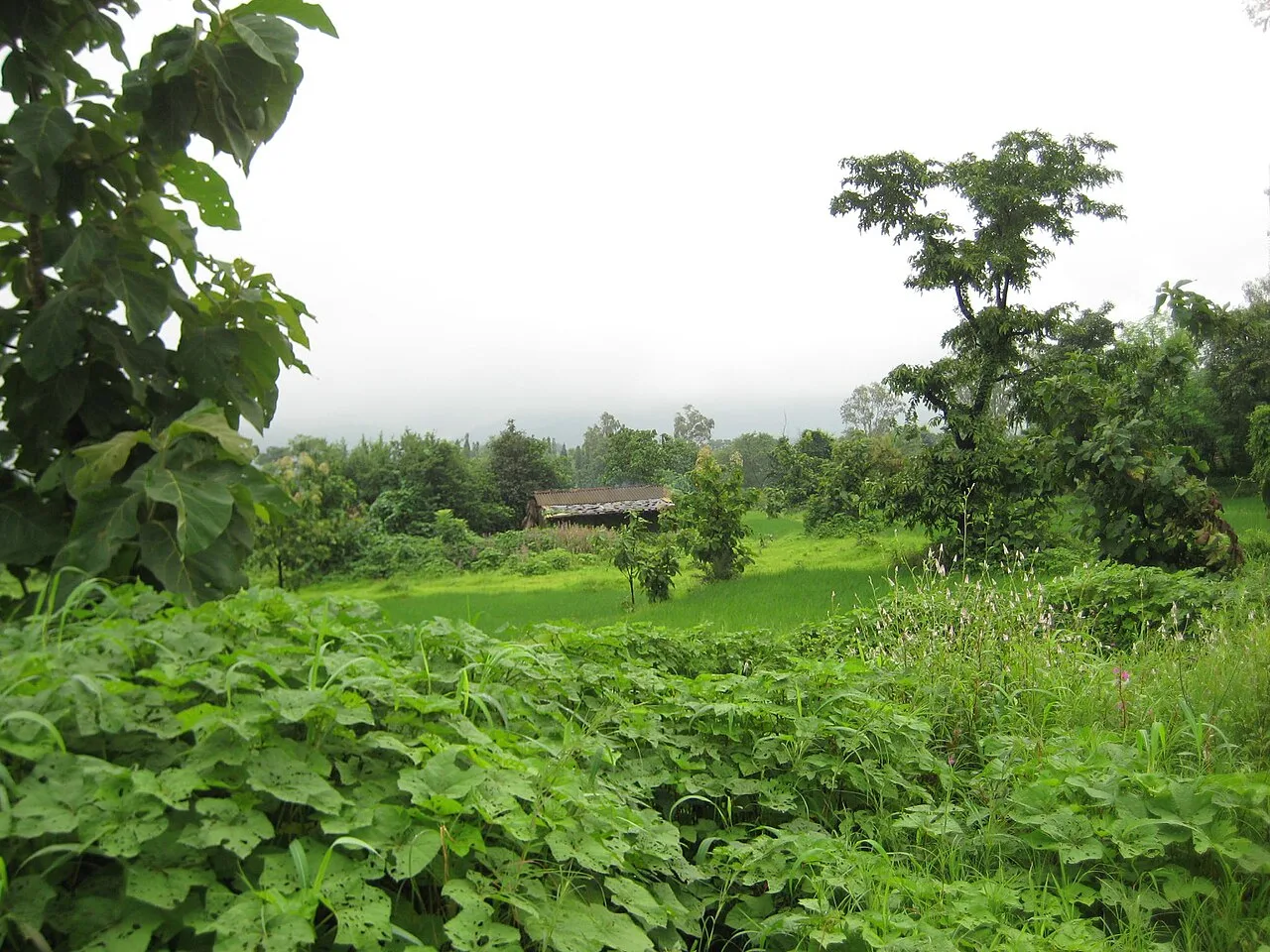
Ganjad (Warli Village), near Dahanu

City guide · Maharashtra

Dahanu

Dahanu is a coastal town in Palghar district, on Maharashtra’s northern Konkan shore, about 110 km from Mumbai. Its appeal comes from the contrast between long beaches, fruit-growing villages and a working coastal landscape.

Famous for

  • Dahanu-Gholvad chikoo
  • Warli art and culture
  • Dahanu and Bordi beaches
  • Coastal fishing
  • Dahanu Thermal Power Station
  • Vadhavan Port project
In the city
0
Nearby
1
District
Palghar
Plan a trip

Why Dahanu matters

Dahanu is a coastal town in Palghar district, on Maharashtra’s northern Konkan shore, about 110 km from Mumbai. Its appeal comes from the contrast between long beaches, fruit-growing villages and a working coastal landscape. The orchards around Dahanu and Gholvad are especially associated with chikoo, while nearby Bordi offers a quieter stretch of coast and a glimpse of the region’s rural life.

The town also serves as an important centre for surrounding villages and is connected to Mumbai and the wider region by rail and road. Its economy includes farming, fishing and the Dahanu Thermal Power Station, a major local industrial landmark. The proposed Vadhavan Port is expected to bring further attention to the coast, though it is a development project rather than a visitor attraction. Travellers come chiefly for the beaches, orchards, local food and the cultural presence of Warli communities in the surrounding area. Dahanu suits a relaxed visit, especially for those looking beyond the more developed beach destinations near Mumbai.

Famous for: crafts, trade & products

Dahanu’s best-known local produce is the Dahanu-Gholvad chikoo, a sweet, soft fruit recognised with a Geographical Indication tag. Orchards spread through the surrounding countryside, and visitors may find fresh fruit and seasonal products at local markets, roadside stalls or directly from growers. Chikoo is also used in drinks, ice cream and other desserts. Availability varies with the season, so it is worth asking locally about harvests and farm visits.

The area is also associated with Warli art, the distinctive painting tradition of Adivasi communities in this part of Maharashtra. Art and cultural events are best sought through community organisations and cultural centres in the wider region rather than assumed to be available in every shop. Fishing supports the coastal economy, and local markets may offer the day’s catch. Dahanu’s industrial profile includes the coal-fired Dahanu Thermal Power Station, commissioned in 1995. The proposed Vadhavan Port is another major development linked to the coast. Dahanu is not especially known for a signature textile or saree tradition; its strongest local identity lies in fruit, coastal livelihoods and regional art.

History

Dahanu’s story is tied to the northern Konkan coast, where fishing, farming and maritime exchange shaped settlements over many generations. The area is also home to Warli Adivasi communities, whose traditions and distinctive visual art remain an important part of regional heritage. Coastal settlements in this stretch of Konkan experienced changing political influence over the centuries, including Portuguese, Maratha and British-era rule; local history is best understood alongside the wider history of the coast.

Rail and road links later strengthened Dahanu’s role as a service and trading centre for surrounding villages, helping move agricultural produce to larger markets. In the modern era, the Dahanu Thermal Power Station became a prominent industrial presence; it was commissioned in 1995. Dahanu is now part of Palghar district, formed in 2014 from the northern part of the former Thane district. The proposed Vadhavan Port has placed the area in contemporary development discussions, while its orchards, fishing communities and beaches continue to define much of its everyday character.

Food, festivals & culture

Dahanu’s food reflects its coast and countryside. Seafood, rice and seasonal produce are common features of local meals, while chikoo is enjoyed fresh and in milkshakes, ice cream and sweets. Marathi is widely spoken; Gujarati is also heard, alongside Warli languages and dialects in Adivasi communities. Customs and food can vary from one village and community to another.

Ganesh Chaturthi, usually celebrated in August or September, and Navratri, generally in September or October, are observed in the wider region. Holi, in February or March, is also a major seasonal celebration. Warli communities are known for tarpa music and group dance, performed at community gatherings and festive occasions. The tradition of Warli painting uses simple forms to depict village life, nature and ceremonies. Hindu temples and village shrines are part of local religious life, while the nearby Bahrot Caves hold significance for the Parsi community. Visitors should be respectful of community customs and check locally before visiting sacred places.

Visiting the city

The most comfortable time to visit is generally October to February, when the weather is cooler and beach and orchard outings are easier. Summer can be hot and humid; during the monsoon, the coast is lush but sea conditions may be rough. The nearest major airport is Chhatrapati Shivaji Maharaj International Airport in Mumbai. Dahanu Road is the town’s main railway station, with rail links along the Western Railway corridor.

Auto-rickshaws, local buses and taxis can help with short trips, though services may be limited outside the town centre. Explore Dahanu beach and the town, then head towards Bordi and Gholvad for quieter coastal scenery and chikoo-growing country. Ask locally about orchard access and seasonal produce, as farms are working properties. Leave time for the surrounding villages, where the region’s rural and Warli cultural character is more visible.

Short trips

Around Dahanu

Within about 40 km — easy half-day or day trips from the city.

Map

Dahanu on the map

  1. 1Ganjad (Warli Village)

Maharashtra

Other cities to explore