
Ghumoopedia — Explore, Discover, Experience
Sign in
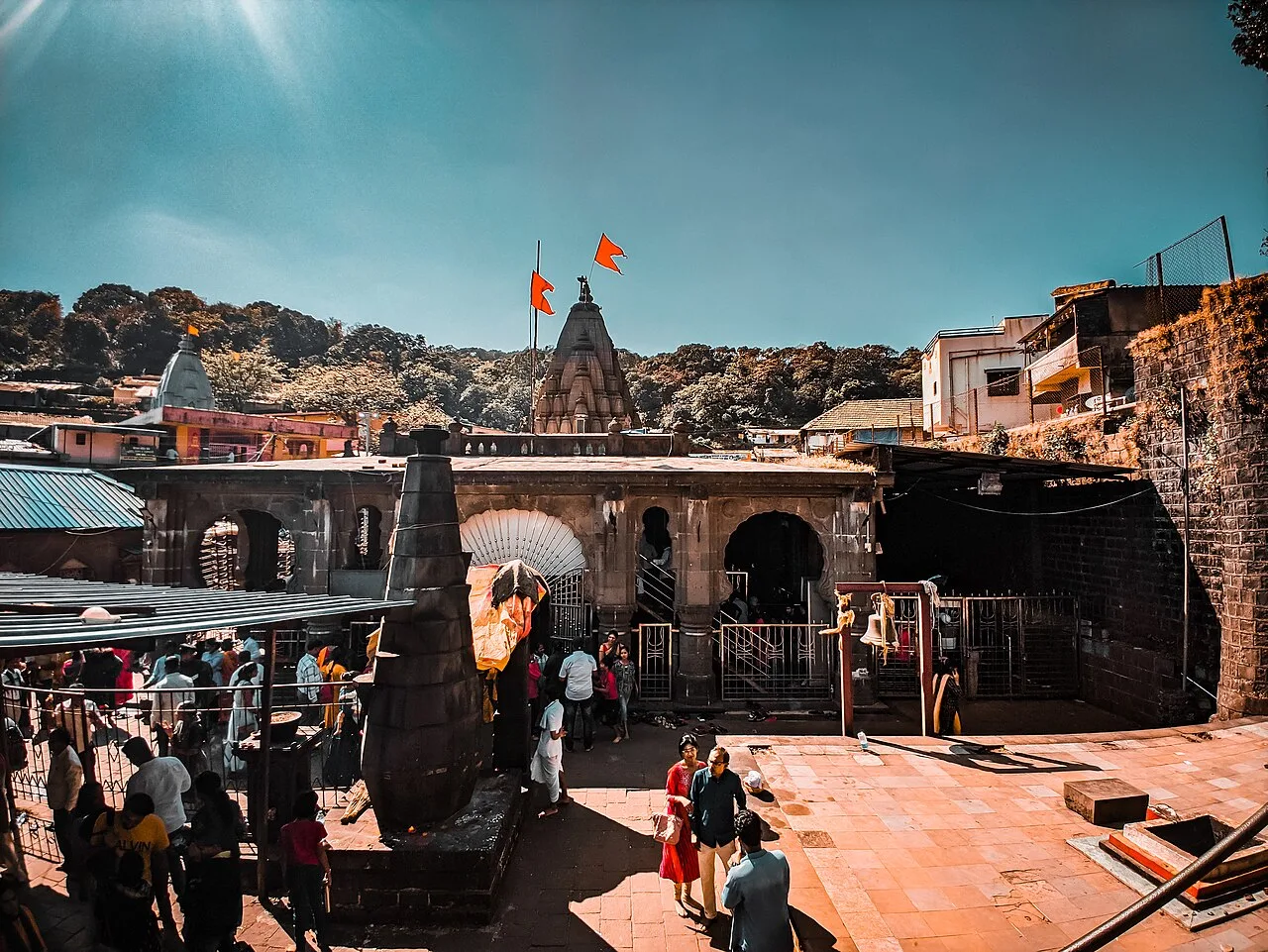
Bhimashankar Temple, near Murbad

City guide · Maharashtra

Murbad

Murbad is a small administrative and industrial centre in Thane district, in the northern part of Maharashtra’s Mumbai Metropolitan hinterland. The town and nearby villages form a nagar panchayat, while the wider taluka connects settlements between Thane district, the Sahyadri foothills and neighbouring parts of Pune and Ahmednagar districts.

Famous for

  • Murbad MIDC industry
  • Barvi Dam vicinity
  • Sahyadri monsoon setting
  • Murbad taluka centre
  • Murbadi, Kalu and Shai rivers
In the city
0
Nearby
1
District
Pune
Plan a trip

Why Murbad matters

Murbad is a small administrative and industrial centre in Thane district, in the northern part of Maharashtra’s Mumbai Metropolitan hinterland. The town and nearby villages form a nagar panchayat, while the wider taluka connects settlements between Thane district, the Sahyadri foothills and neighbouring parts of Pune and Ahmednagar districts. Its regional importance comes from this role as a service centre and from the presence of public and private enterprises in the Murbad industrial area, or MIDC.

For visitors, Murbad offers a quieter, more rural contrast to the dense urban belt around Kalyan and Thane. The surrounding landscape is shaped by seasonal rivers, green hills and heavy monsoon rain. Barvi Dam lies about five kilometres away by the Shastrinagar–Fansoli road, although visitors should check local access conditions before making a dedicated trip. Murbad is best approached as a base for exploring the nearby countryside and as a practical stop in the region, rather than as a destination with a large concentration of established tourist attractions.

Famous for: crafts, trade & products

Murbad is known more for industry and its regional service role than for a signature craft or manufactured consumer product. The Murbad MIDC area accommodates public and private enterprises, making it part of the industrial belt extending inland from the Mumbai metropolitan region. The town also serves residents of surrounding villages for everyday services and trade. There is no widely established local textile, handicraft or GI-tagged product that can confidently be identified as a defining Murbad specialty.

For shopping, visitors can look to the town’s ordinary local markets and shops for daily goods and food supplies; these are practical neighbourhood markets rather than a documented destination bazaar for specialist crafts. Industrial premises are workplaces, not visitor attractions, and access may be restricted. Murbad’s wider appeal is tied instead to its setting: the Murbadi, Kalu and Shai rivers flow seasonally through the region, and Barvi Dam is nearby. Those seeking locally made goods or specific products should ask shopkeepers or residents about current availability, as offerings can vary and are not widely catalogued as a distinct Murbad trade.

History

Murbad’s history is best understood through its long-standing role as a settlement and administrative centre for the surrounding countryside. The present town and neighbouring villages form a nagar panchayat, while Murbad is also the headquarters of its taluka in Thane district. The wider area’s villages, river valleys and routes toward the Sahyadri foothills have shaped local life, but detailed accounts linking the town to particular rulers, forts or major political events are not firmly established enough to assign it a specific dynastic history.

During the modern period, administration, road connections and the growth of nearby urban centres strengthened Murbad’s regional role. Industrial development brought public and private enterprises into the Murbad MIDC area, adding an employment base alongside the town’s service functions. Today, Murbad remains closely connected to the expanding settlement network around Kalyan, Ambernath and Badlapur, while retaining a more rural character than those larger urban centres. Its contemporary identity is therefore shaped by both the villages it serves and its place in the district’s industrial hinterland.

Food, festivals & culture

Marathi is the main language of daily life in Murbad; Hindi is also commonly useful in shops and for interactions across the region. Food follows the broader rural Maharashtrian pattern, with home-style meals that may include bhakri, rice, lentils, vegetables and preparations such as pithla. Menus and household cooking vary, and Murbad is not particularly associated with a widely recognised local sweet or signature dish. Visitors can look for everyday Maharashtrian food at local eateries rather than expecting a specialised food district.

Ganesh Chaturthi, usually celebrated in the monsoon season, is an important festival across Maharashtra, while Diwali in autumn, Holi near the end of winter and Gudi Padwa in spring are also observed. Celebrations often centre on homes, neighbourhoods and local places of worship. Temples and small shrines serve as community gathering points, though no single landmark temple is widely established as the town’s defining attraction. Music and dance at festivals reflect wider Maharashtrian traditions, including devotional singing and community performances; specific forms and programmes vary from year to year.

Visiting the city

The most comfortable time to visit is generally October to February, when conditions are cooler and drier. The monsoon brings very heavy rain to the area, especially around July, and can make countryside roads and outdoor plans less predictable. Murbad has no railway station in the town; Kalyan Junction is the main nearby rail hub. The nearest major airport is Chhatrapati Shivaji Maharaj International Airport in Mumbai.

Road travel is the practical way to reach and explore Murbad. Local buses and hired vehicles connect the town with nearby settlements; autos may be useful for shorter trips within town. Start around the town centre for shops and everyday services, or visit the MIDC area for an understanding of its industrial role. The Shastrinagar–Fansoli road leads toward Barvi Dam, but check local access and road conditions before setting out. Nearby villages and countryside are best explored with local guidance.

Short trips

Around Murbad

Within about 40 km — easy half-day or day trips from the city.

Map

Murbad on the map

  1. 1Bhimashankar Temple

Maharashtra

Other cities to explore