
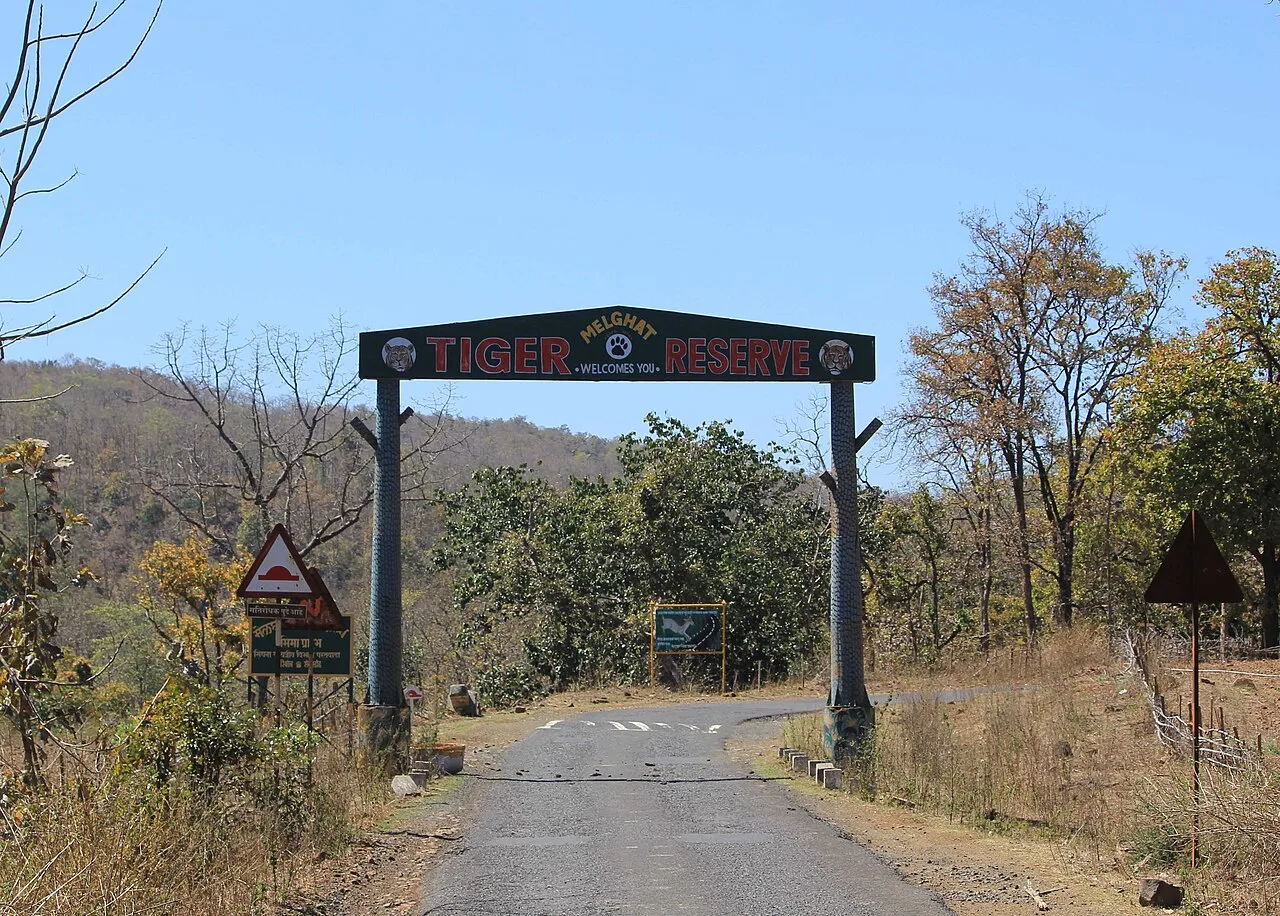
Melghat Tiger Reserve
Melghat Tiger Reserve is a protected area in northern Amravati district, Maharashtra. Visitors come to experience its wildlife and learn about its place in India’s Project Tiger programme.
Key facts · verified by Ghumoopedia editors
- Type of place
- National park / sanctuary
- Best time to visit
- October to March; June to September for green monsoon landscapes on the Ghats (expect closures)
- Nearest railway station
- Badnera Junction (Amravati) · about 85 km (straight line)
- Verified
- 21 Nov 2026
Plan a trip from Melghat Tiger Reserve — a day-by-day route through places nearby.
Melghat is a designated tiger reserve in the northern reaches of Maharashtra’s Amravati district. Its protected status and wildlife make it a place for visitors interested in natural areas. In 1973, Melghat was notified through Project Tiger as part of the first nine reserves in the programme. This marks its early inclusion in India’s tiger-conservation effort. Melghat Wildlife Sanctuary was declared in 1985. The reserve spans 2,768 square kilometres. These details distinguish the reserve’s notification, the sanctuary’s declaration and the full area recorded for Melghat. Maharashtra spans Mumbai's Gothic and Art Deco skyline, the rock-cut cave temples of Ajanta, Ellora, Karla and Elephanta, the hill forts of Chhatrapati Shivaji Maharaj, the Konkan's sea forts and beaches, and the great pilgrimages of Pandharpur, Shirdi and the Jyotirlingas. The coast is hot and humid most of the year with very heavy monsoon rain from June to September; the Western Ghats hill stations are cool and misty in the monsoon and pleasant in winter; the Deccan and Vidarbha are dry, with harsh summers above 40°C in Nagpur and Chandrapur. The usual best time to visit is October to March; June to September for green monsoon landscapes on the Ghats (expect closures). Timings, fees and access arrangements must be confirmed locally. For official information, see Maharashtra Tourism at https://www.maharashtratourism.gov.in.
Why it matters
Melghat Tiger Reserve lies in the Satpura hill region of Amravati district, Maharashtra, and is important for the protection of tiger habitat and a larger forest landscape in Vidarbha. The reserve was among the first nine tiger reserves notified in India in 1973 under Project Tiger and established reserve history. Melghat Wildlife Sanctuary was declared in 1985; the reserve covers about 2,768 square kilometres. Its forests also support many other wild animals and birds, making conservation here relevant beyond any single species. The area has national protection as a tiger reserve, but it is not identified here as a UNESCO World Heritage Site or an ASI-protected monument.
Melghat’s modern conservation history is tied to the launch of Project Tiger. In 1973, it was among the first nine tiger reserves notified under the national programme. The protected area lies in the northern part of Amravati district, within the Satpura landscape. Melghat Wildlife Sanctuary was declared in 1985, and Gugamal National Park was established within the reserve in 1987. Together, protected-area designations and reserve management have shaped how parts of the forest are conserved and visited. The reserve’s total area is about 2,768 square kilometres, though boundaries and management categories are not the same as a single visitor site or entry gate. The landscape also has a long history of human use: villages and communities in and around the forest have depended on farming, livestock and forest resources. Conservation and local livelihoods therefore meet in a lived-in regional landscape, not an uninhabited wilderness. For current details on access, protected zones and visitor arrangements, consult the responsible forest authorities; routes and permissions can change.
Spend unhurried time at Melghat Tiger Reserve: walk the marked paths, use official viewpoints and ask locally whether a guide, entry ticket or forest permission is needed. Weather can change quickly, so carry a rain layer even on a clear morning. Wildlife sightings are never guaranteed — patience and quiet improve your chances. A comfortable itinerary is one main visit in the morning, a local meal at midday and a short nearby stop before an afternoon return. Use the district list on this site to find other places in Amravati, but check the route and its condition before combining stops. If a festival is on — such as Ganeshotsav, Gudi Padwa or the Ashadhi Wari to Pandharpur — roads and stays can be busy, and the experience can be unforgettable. Leave no litter: many sites are protected by the communities around them.
Suggested itineraries
Half day: Check in at an authorised entry point, take one permitted guided forest visit (about 2–3 hours), then pause for a meal or rest nearby. Full day: Begin with a booked forest visit (about 3–4 hours), take a long midday break in a nearby settlement, then make a short, permitted stop at a viewpoint or local attraction before returning. Gentler option: Choose one accessible-by-vehicle viewpoint or short authorised outing, with frequent rest stops; confirm the surface and access with local staff first.
Culture around Melghat is part of the wider Vidarbha and Satpura region. Marathi and Hindi are widely used, while Korku is spoken by Korku communities in the area; language use varies between villages. Everyday traditions may include seasonal farming customs, village gatherings, local markets and celebrations observed by families and communities. Music, dance, clothing and food also vary, so visitors should avoid treating one practice as representative of everyone. Ask before photographing people, homes or community events, and follow local guidance around places or activities that are not open to visitors.
Local communities
Korku communities are strongly associated with the Melghat region, alongside other residents of surrounding villages. People’s livelihoods may include cultivation, livestock rearing, wage work, small businesses and gathering or processing forest produce where permitted. The balance differs between households and locations. Some villages are within or near the larger protected landscape, so conservation rules and access arrangements can affect daily life. Visitors should use local services respectfully, avoid entering homes or farmland without invitation, and not assume that community knowledge or traditions are available for public display.
Festivals & events
Festivals are generally observed in nearby villages and towns rather than as scheduled events inside the reserve. Holi, Diwali, Makar Sankranti and Pola are celebrated in parts of the region, with practices differing by community and locality. Ganeshotsav is also observed in Maharashtra, especially in towns. The festive season can bring more activity on roads, at markets and around accommodation, while village events may be small and community-centred. Check locally before planning around a celebration, and attend only when visitors are welcome; do not photograph rituals or participants without permission.
Local food in Maharashtra includes vada pav, misal pav, pav bhaji, poha, puran poli, modak at Ganesh Chaturthi, Kolhapuri mutton with tambda and pandhra rassa, Malvani fish curry and sol kadhi on the Konkan coast, and Nagpur oranges and saoji food in Vidarbha. Ask what is fresh that day; many small eateries cook a limited daily menu. Vegetarian travellers eat well across the state, and most towns also have fish and meat dishes. Remote sites may have no restaurant at all. Carry water and snacks, eat a proper breakfast before long drives, and ask your accommodation for a packed lunch if you are heading out early. Try a home-cooked or local thali meal when you can — it is often the best food on the route. Choose busy, clean places, drink sealed or filtered water, and carry your packaging back with you.
Shopping & local experiences
Look for everyday local produce, snacks and household goods in nearby town and village markets rather than expecting a dedicated souvenir centre at the reserve. Regional foods and seasonal produce can be a good way to support local businesses; ask sellers about ingredients and availability. Handicrafts or forest-based products may be offered in some places, but availability and sourcing vary. Buy only products that are legally sold, and avoid items made from wildlife, protected plants or other restricted natural materials. Carry reusable bags and follow local rules about bringing packaging into forest areas.
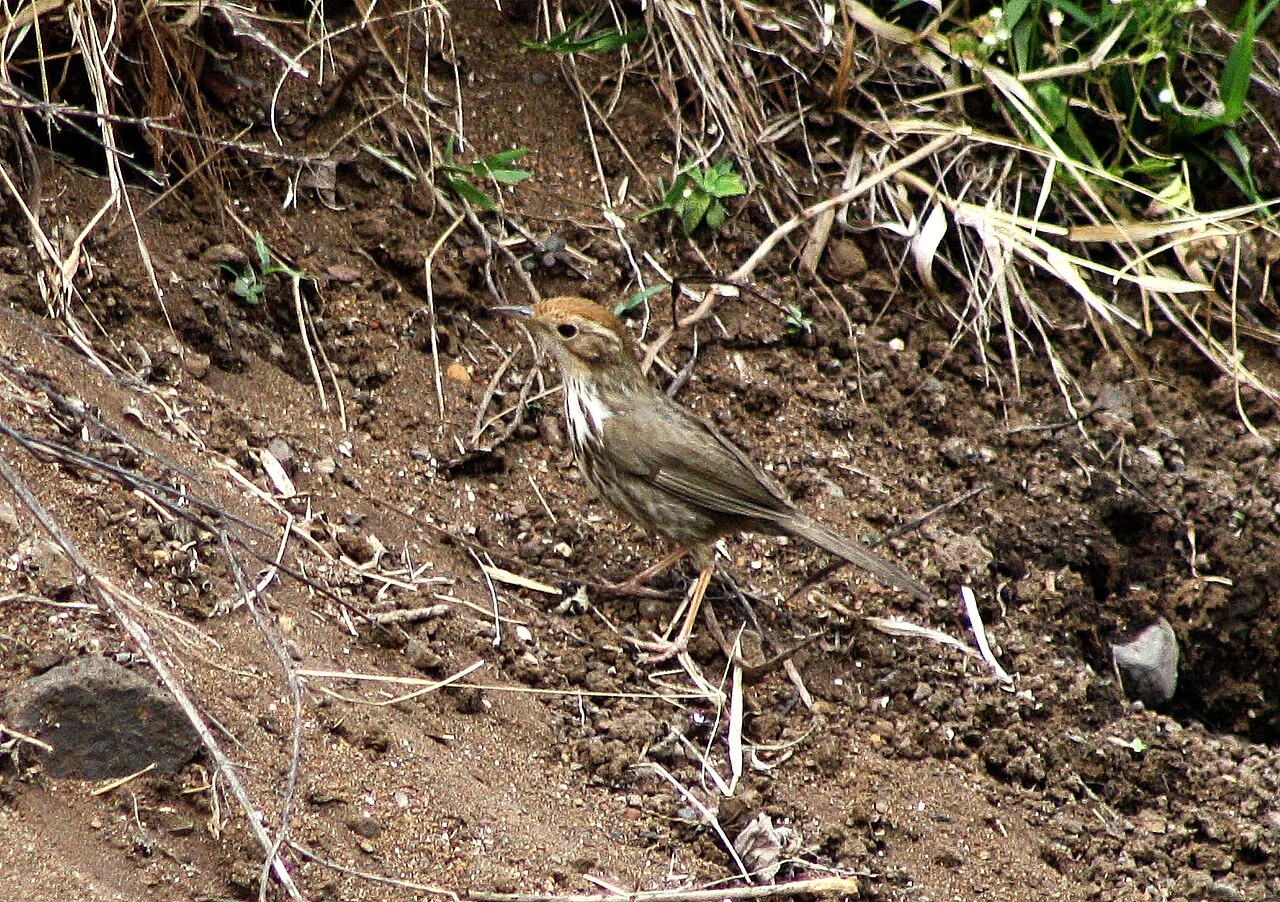
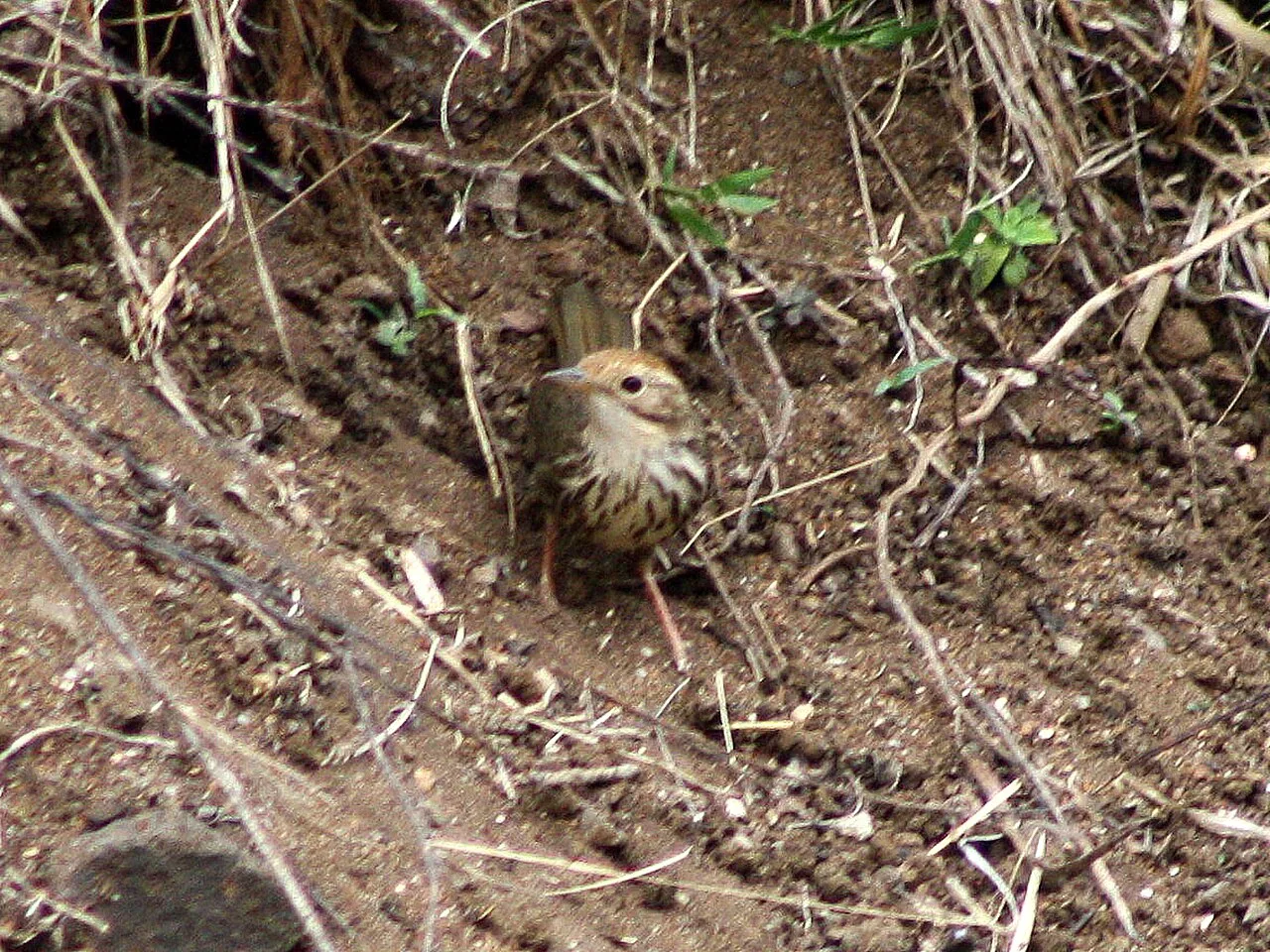
Melghat occupies rugged, forested hills and valleys in the Satpura region, with a landscape shaped by seasonal streams and tributaries of the Tapi. Dry deciduous forest is characteristic; teak and bamboo occur alongside other native trees and shrubs. Forest cover changes in appearance with the seasons, becoming greener during and after the monsoon and drier in the hotter months. The reserve protects habitat for tigers, leopards, sloth bears, gaur, deer and other mammals. Many resident and seasonal birds use the forest and watercourses. Wildlife sightings are never assured: animals may remain hidden, and visitors should observe quietly from approved areas without disturbing habitat.
October to March; June to September for green monsoon landscapes on the Ghats (expect closures)
The nearest principal railway station by straight-line distance is Badnera Junction (Amravati), roughly 85 km away. The nearest operating airport by straight-line distance is Dr. Babasaheb Ambedkar International Airport, Nagpur, roughly 195 km away. These figures are calculated from map coordinates — actual road distance is longer. Mumbai and Pune are the main rail and air gateways in the west, Chhatrapati Sambhajinagar (Aurangabad) for Ajanta and Ellora, Nagpur for Vidarbha and the tiger reserves, and the Konkan Railway serves the coast down to Sindhudurg. For the final leg, Maharashtra State Road Transport Corporation (MSRTC) buses, including Shivneri and Shivshahi coaches, private sleeper buses and shared jeeps and autos link district towns. A private taxi gives more flexibility for remote sites. When comparing train, bus and flight, count the complete door-to-door time: a flight saves the most time only if the onward road transfer is short, while an overnight train can save a hotel night. Book your return before you leave, because seats fill quickly on weekends, festivals and holidays. Current train numbers, timings, return services and fares are not listed here; check IRCTC and NTES for trains and the airline's own schedule for flights. No permit is needed to visit Maharashtra. Tiger safaris in Tadoba, Pench and Melghat must be booked in advance through the official online portals. Many hill forts are popular monsoon treks: since several accidents, some districts restrict access to waterfalls, forts and ghats during heavy rain — check current district orders before setting out. Ganeshotsav (August–September) brings very large crowds to Mumbai and Pune.
Confirm onward and return timings on IRCTC / NTES, the state bus operator or your airline before travel. A dash means current timings or fares have not been verified.
Getting around
Melghat is a broad reserve with access points spread across a rural area, so plan the last leg around the specific gate or activity you have booked. Taxis or other locally arranged vehicles can be useful from nearby towns; availability should be checked ahead, especially for early departures. Local buses connect some towns and villages, but may not reach a chosen entry point or suit a full day of sightseeing. Within the reserve, use only transport and routes authorised by the forest staff. Do not set out on forest tracks on foot unless walking is expressly permitted. Check parking arrangements at your selected gate.
Hours, tickets & permissions
Entry is controlled by the forest authorities and may depend on the selected gate, permitted activity, season and current conservation measures. Visitors may need an entry ticket, advance booking, an authorised vehicle or guide, and identification; requirements can differ for different parts of the reserve. Separate permissions or limits may apply to cameras or particular routes. Do not assume that all roads, trails or forest areas are open to independent visitors. Confirm current opening arrangements, hours, fees, bookings and rules with the managing forest authority before travelling.
Facilities
Facilities vary by gate and settlement. Some visitor points usually have basic parking or access to staff who can explain entry arrangements, while toilets, drinking water, food and seating may be limited or unavailable inside forest areas. Nearby towns and villages may offer meals, shops and other essentials, but do not rely on every service being open. Guides and authorised vehicles may need to be arranged through the relevant booking or forest office. Carry water and necessary supplies, and check locally about accommodation, toilets, parking and cash or ATM access before setting out.
Accessibility
The reserve is a large forest landscape rather than a single developed attraction. Surfaces on forest roads and paths may be uneven, dusty, muddy or steep, and shade or seating can be limited. Walking distance and terrain depend on the authorised route. Wheelchair and stroller access should not be assumed; confirm the specific gate, vehicle arrangements and stopping points with forest staff in advance. Older visitors or anyone with limited mobility may find a vehicle-based visit more manageable than walking, but vehicle access itself may involve rough roads and transfers. Plan for heat, rain and rest breaks.
No permit is needed to visit Maharashtra. Tiger safaris in Tadoba, Pench and Melghat must be booked in advance through the official online portals. Many hill forts are popular monsoon treks: since several accidents, some districts restrict access to waterfalls, forts and ghats during heavy rain — check current district orders before setting out. Ganeshotsav (August–September) brings very large crowds to Mumbai and Pune. Carry a photo ID at all times and save the emergency number 112 and your accommodation's contact offline. Heat in summer and heavy rain in the monsoon are the main weather risks; carry water, avoid midday sun and allow extra time when roads flood. Stay on marked paths, keep away from cliff edges and fast water, and never approach wild animals.
Visitor rules
Follow instructions from forest staff and authorised guides, and stay within permitted routes and visitor areas. Wear practical, modest clothing and closed, sturdy footwear suited to rough ground and changing weather. Do not approach, feed, call or chase wildlife, and keep noise low. Carry litter back out; avoid single-use plastic where restricted and never leave food waste behind. Photography may be limited in particular places or activities, so ask before using equipment. Do not enter closed areas, collect plants or disturb animals. Check current rules before arrival, as restrictions can change.
Photography
Soft light in the early morning or later afternoon can suit forest landscapes, though access depends on official visiting arrangements. Use approved viewpoints and routes, and be patient: wildlife may not appear. Follow any camera restrictions or instructions from staff, and never use flash or noise to attract animals. Drone use should not be assumed to be allowed; seek explicit permission from the relevant authorities before bringing or flying one. Ask consent before photographing residents, homes or community gatherings, and respect restrictions around rituals and private spaces.
Choose a stay by the full journey to Melghat Tiger Reserve, not just the district name. Mumbai, Pune, Nashik and Chhatrapati Sambhajinagar offer the widest choice; hill stations and Konkan beaches have resorts and family homestays, and MTDC resorts are reliable value. In summer, check air-conditioning; in the monsoon, check that the property is accessible if roads flood. Book in advance for weekends, festivals and the peak season (October to March; June to September for green monsoon landscapes on the Ghats (expect closures)). Confirm the exact location, meals included, check-in time and cancellation terms in writing. Avoid sending money to unverified contacts or touts at stations. Carry some cash, as card and digital payments can be unreliable in remote areas.
Chikhaldara, a hill station in Amravati district, is a useful nearby base or separate stop, with a cooler hill setting and local viewpoints. Gawilgarh Fort, in the Chikhaldara area, offers a historic hill-fort visit; check access and conditions locally. Semadoh is a recognised Melghat-area visitor point, but access and facilities should be confirmed with forest authorities. Harisal is another settlement in the wider Melghat region. These places are not necessarily close to one another by road, so check routes and road conditions before combining them with a reserve visit.
For couples, Melghat Tiger Reserve rewards a slow pace: arrive early for soft light and fewer crowds, share a local meal and keep the evening free. Sunset on Marine Drive, a misty monsoon morning in Mahabaleshwar or a quiet Konkan beach makes the trip memorable. Public displays of affection can be frowned upon in conservative communities and at religious sites, so be discreet. Keep a buffer in your itinerary, because weather and road conditions can delay plans.
Q: How much time should I plan for Melghat? A: Allow at least a half day for one authorised forest visit, with extra time for travel to the chosen gate. A full day allows a longer break and one nearby stop. Q: When is a good season to visit? A: October to March is generally comfortable for travel in Maharashtra. Monsoon conditions can bring greenery but may affect roads, access and activities; check locally. Q: Do I need an entry ticket or guide? A: Entry and activity requirements depend on the gate and current rules. Confirm bookings, permits, guide requirements and fees with the forest authority before travelling. Q: Is Melghat suitable for children and elderly visitors? A: It can suit visitors who are comfortable with a nature outing, but rough roads, heat and limited facilities may be challenging. Choose a short, vehicle-based visit and plan rest stops. Q: Where can I stay nearby? A: Chikhaldara and settlements around the reserve may offer accommodation, but choices and availability vary. Check current options and their distance from your booked entry point before making plans.
Be the first to share photos, stories, advice or a helpful contact for Melghat Tiger Reserve.
Loading…