
Ghumoopedia — Explore, Discover, Experience
Sign in
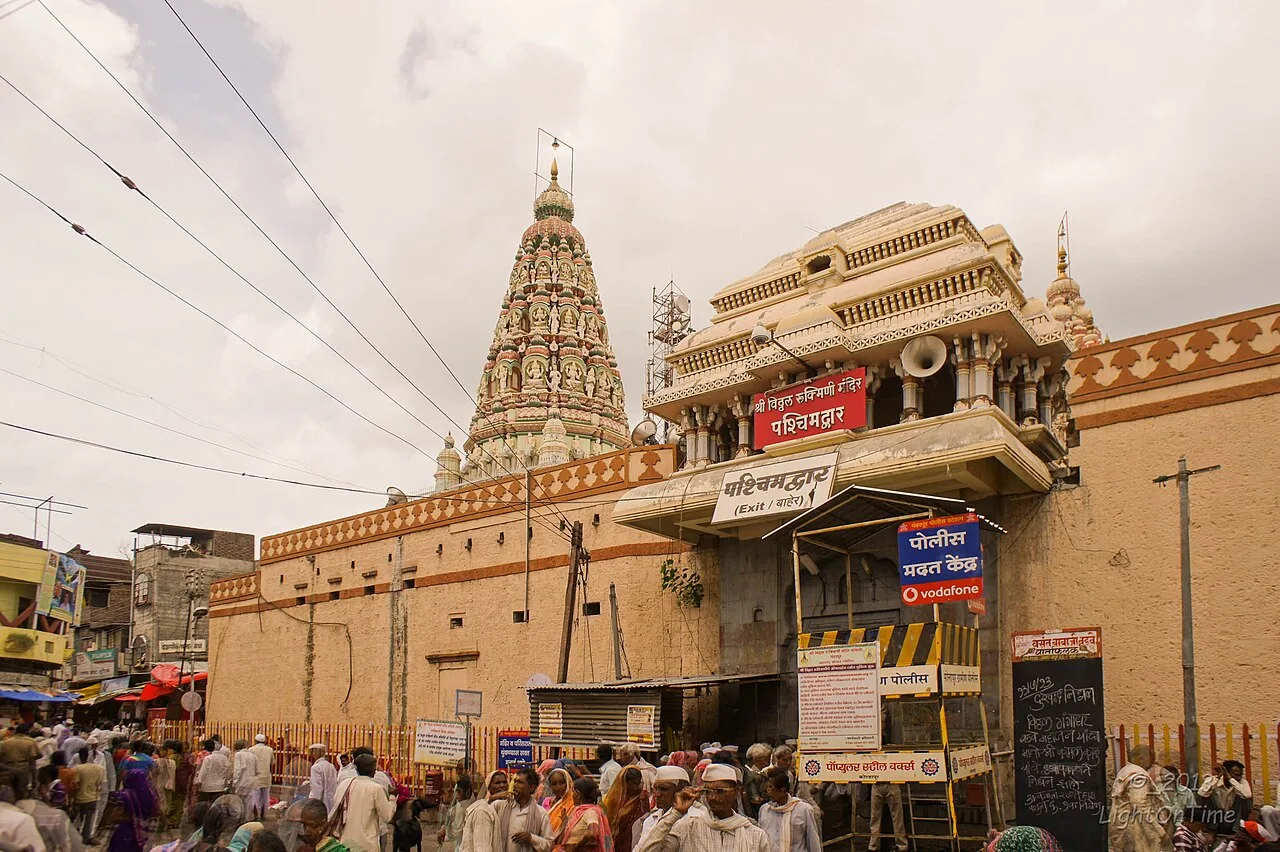
Vithoba Temple, near Pandharpur

City guide · Maharashtra

Pandharpur

Pandharpur is a major pilgrimage city in Maharashtra, closely associated with Vithoba, also called Vitthala, and the Varkari devotional tradition. The Vithoba-Rukmini Temple is the city’s central landmark and draws worshippers throughout the year.

Famous for

  • Vithoba-Rukmini Temple
  • Ashadhi Wari pilgrimage
  • Kartiki Ekadashi
  • Chandrabhaga river ghats
  • Marathi abhang tradition
In the city
1
District
Solapur

Why Pandharpur matters

Pandharpur is a major pilgrimage city in Maharashtra, closely associated with Vithoba, also called Vitthala, and the Varkari devotional tradition. The Vithoba-Rukmini Temple is the city’s central landmark and draws worshippers throughout the year. Twice annually, large processions of Varkari pilgrims travel here for Ashadhi and Kartiki Ekadashi, singing devotional songs along the way. The Ashadhi gathering, usually in June or July, is the city’s largest and most celebrated pilgrimage season.

Set on the Bhima River, locally known as the Chandrabhaga, Pandharpur is also an important regional centre and the headquarters of a tehsil in Solapur district. Visitors come to bathe at the river ghats, visit shrines associated with saints and take part in the temple’s devotional life. The city’s identity is shaped by Marathi bhakti poetry, kirtan and abhang singing, as well as the steady flow of pilgrims. Its religious importance extends well beyond Maharashtra, while its markets, transport links and services support surrounding towns and villages.

Famous for: crafts, trade & products

Pandharpur is best known for religious pilgrimage rather than for a large textile, handicraft or manufacturing industry. There is no widely recognised local GI-tagged product or signature craft for which the city is especially known. Its everyday trade is closely tied to the temple and the needs of worshippers.

The lanes around the Vithoba-Rukmini Temple and the Mahadwar locality form the main visitor-facing market area. Shops there sell devotional images, prayer items, flowers, garlands, tulsi beads and offerings, alongside books and recordings connected with Varkari saints and Marathi devotional music. These are convenient places to browse for small religious souvenirs; selection varies by shop and season. During major pilgrimage periods, temporary stalls and additional vendors serve the crowds.

Food shops and ordinary local businesses cater to residents and visitors, but Pandharpur is not generally a destination for specialist shopping in textiles or crafts. Travellers seeking Maharashtra’s established handloom or artisan products may find a broader selection in larger regional cities. In Pandharpur, the most distinctive shopping experience is the temple-side bazaar and its devotional goods.

History

Pandharpur’s recorded history is closely connected with the growth of Vithoba worship. An inscription in the temple indicates that a shrine stood here by 1189. A 1237 record refers to a settlement called Pandarage, while a 1270 inscription uses the name Pandurangapura. Further records from the late thirteenth century describe temple construction, marking a period when the settlement and its pilgrimage centre were taking shape under the Yadavas.

The city became a focal point of Maharashtra’s devotional movement, with saints including Dnyaneshwar, Namdev, Eknath and Tukaram associated with the Vithoba tradition. Accounts of the Adilshahi period describe severe destruction, including an attack attributed to Afzal Khan. In the eighteenth century, Maratha-era patrons, including the Peshwas and the Scindia and Holkar houses, supported rebuilding of the temple and city.

During British rule, Pandharpur continued as a pilgrimage and market town. In modern Maharashtra it has developed as a tehsil centre and regional service hub, while the annual Wari remains central to its public life.

Food, festivals & culture

Pandharpur’s culture is strongly shaped by Varkari devotion to Vithoba. Marathi is the principal language heard in the city; visitors may also encounter Hindi and other languages, especially during pilgrimage seasons. Abhangs, devotional verses associated with the saints, are sung in homes, temples and processions. Kirtan and bhajan performances bring together music, storytelling and worship, particularly during the Wari.

The main festivals are Ashadhi Ekadashi, usually in June or July, and Kartiki Ekadashi, generally in October or November. Pilgrim groups arrive on foot in palkhi processions, and the city becomes especially crowded around the temple and river. The Vithoba-Rukmini Temple, the shrine of Bhakta Pundalik and the Chandrabhaga ghats are central places of worship and pilgrimage.

Food is largely familiar Maharashtrian fare, with simple vegetarian meals widely available for pilgrims. Bhakri, pithla, rice and lentil dishes are common regional choices; offerings and snacks vary between eateries. During festival periods, community kitchens and food stalls help serve visitors, though arrangements and menus differ.

Visiting the city

October to February is generally comfortable for exploring the city. The Ashadhi pilgrimage season brings a distinctive devotional atmosphere but also very large crowds and monsoon weather; Kartiki is another busy period. Summers can be hot and dry. The nearest airport is Solapur Airport, though travellers should check current flight availability; Pune Airport is a larger option with broader connections. Pandharpur railway station is the main station serving the city.

Auto-rickshaws and local taxis are useful for getting around, while the temple area is best explored on foot. Allow time for queues and crowd controls during pilgrimage days. Explore the Vithoba-Rukmini Temple and the Mahadwar market lanes, then walk to Mahadwar Ghat and the Chandrabhaga riverfront. Isbavi, across the river, is another area to visit, including its Vitthala-Rukmini shrine. Check local conditions before planning a river bath.

Attractions

Places to visit in Pandharpur

Sights within about 12 km of each other, even when they fall in different districts.

Map

Pandharpur on the map

  1. 1Vithoba Temple

Maharashtra

Other cities to explore