Ghumoopedia — Explore, Discover, Experience
Sign in
Sevagram Ashram, near Sindi

City guide · Maharashtra

Sindi

Sindi is a municipal town in Wardha district, in Maharashtra’s Vidarbha region. Its strongest local identity is its association with Pola, the harvest-season festival honouring working cattle, for which the town is also known as Pola city.

Famous for

  • Pola celebrations
  • Wardha–Nagpur rail stop
  • Central Railway connection
  • Vidarbha town life

Why Sindi matters

Sindi is a municipal town in Wardha district, in Maharashtra’s Vidarbha region. Its strongest local identity is its association with Pola, the harvest-season festival honouring working cattle, for which the town is also known as Pola city. The celebration reflects the importance of farming traditions in the surrounding countryside and gives Sindi a distinctive place in the region’s cultural calendar.

Sindi is also a useful transport point on the Wardha–Nagpur railway corridor. Its station connects the town with two important regional centres and makes rail travel a practical reason to stop or pass through. Visitors are more likely to encounter everyday Vidarbha town life, local commerce and festival traditions than a large concentration of major tourist attractions. The surrounding district offers a rural setting, while Wardha and Nagpur provide access to broader regional services and journeys. Sindi’s importance today therefore rests on its local civic role, its railway link and its recognised Pola identity.
Famous for: crafts, trade & products

Sindi is not widely identified with a particular saree, handicraft, GI-tagged product or specialised industry. Its best-known cultural association is Pola, and its everyday trade serves residents and nearby rural communities. Small shops and local market streets are the practical places to look for daily goods, snacks and seasonal items; visitors should not expect a dedicated craft bazaar or a formally recognised speciality market.

The town’s commercial character is tied to its role as a municipal centre and to its position on the Wardha–Nagpur rail route. Local shops cater to routine needs, while larger selections of regional products and services are more readily found in Wardha or Nagpur. Pola-related activity is most visible around the festival season, when communities mark the occasion with customary observances and gatherings. For travellers, Sindi’s principal point of interest in trade is this connection between a small-town marketplace, its agricultural hinterland and the rail corridor, rather than a nationally known product or manufacturing tradition.

History

Sindi’s growth is closely connected to its place in Wardha district and its position along the railway route between Wardha and Nagpur. The railway made the town part of a wider movement of passengers and goods, linking local communities with regional centres. Its station remains an important feature of the town’s identity and daily connections.

Sindi developed as a local civic and trading centre serving the surrounding countryside. It is now administered as a municipal council. The available, well-established account of the town’s public identity centres more on this civic role, its railway connection and its association with Pola than on a prominent royal court or a famous monument. As the district and transport network modernised, Sindi continued to serve as a modest regional hub. Its contemporary character brings together municipal services, local commerce and connections to Wardha and Nagpur, while agricultural customs remain visible in community life.

Food, festivals & culture

Pola is Sindi’s most distinctive festival association. Celebrated during the monsoon-season agricultural calendar, it honours cattle traditionally used in farming. Observances commonly include care and decoration of the animals and community celebrations; practices can vary between households and neighbourhoods. Ganesh Chaturthi, Diwali and Holi are also observed, as in many parts of Maharashtra.

Marathi is the principal language of local life, and Hindi is also understood and used. Food reflects the broader Vidarbha region: everyday meals may include bhakri, lentils, seasonal vegetables and rice, with spicy preparations typical of the area. Sindi is not especially known for a signature sweet or a distinct restaurant tradition, though local shops serve familiar snacks and refreshments. Religious life is centred on neighbourhood places of worship and household observances. Music, devotional singing and folk performance are most likely to be encountered during festivals and community gatherings rather than at a regular tourist venue.

Visiting the city

The cooler months, roughly October to February, are generally the most comfortable time to visit; summers can be hot, and monsoon weather may affect road journeys. The nearest major airport is Dr. Babasaheb Ambedkar International Airport in Nagpur. Sindi railway station, on the Wardha–Nagpur line of Central Railway, is the town’s main rail access point. MSRTC buses connect Sindi with Wardha and Nagpur.

For a short visit, explore the town centre, local market streets and the area around the station to get a sense of everyday life. Local auto-rickshaws can help with short trips where available, while central streets are suitable for walking. If visiting during Pola, ask locally about community observances, as activities may be organised within neighbourhoods rather than at a single visitor site.

Trips from the city

Nearest places to visit from Sindi

Our closest destination guides, by straight-line distance.

Sevagram Ashram

25 km away · Wardha district

Sevagram Ashram

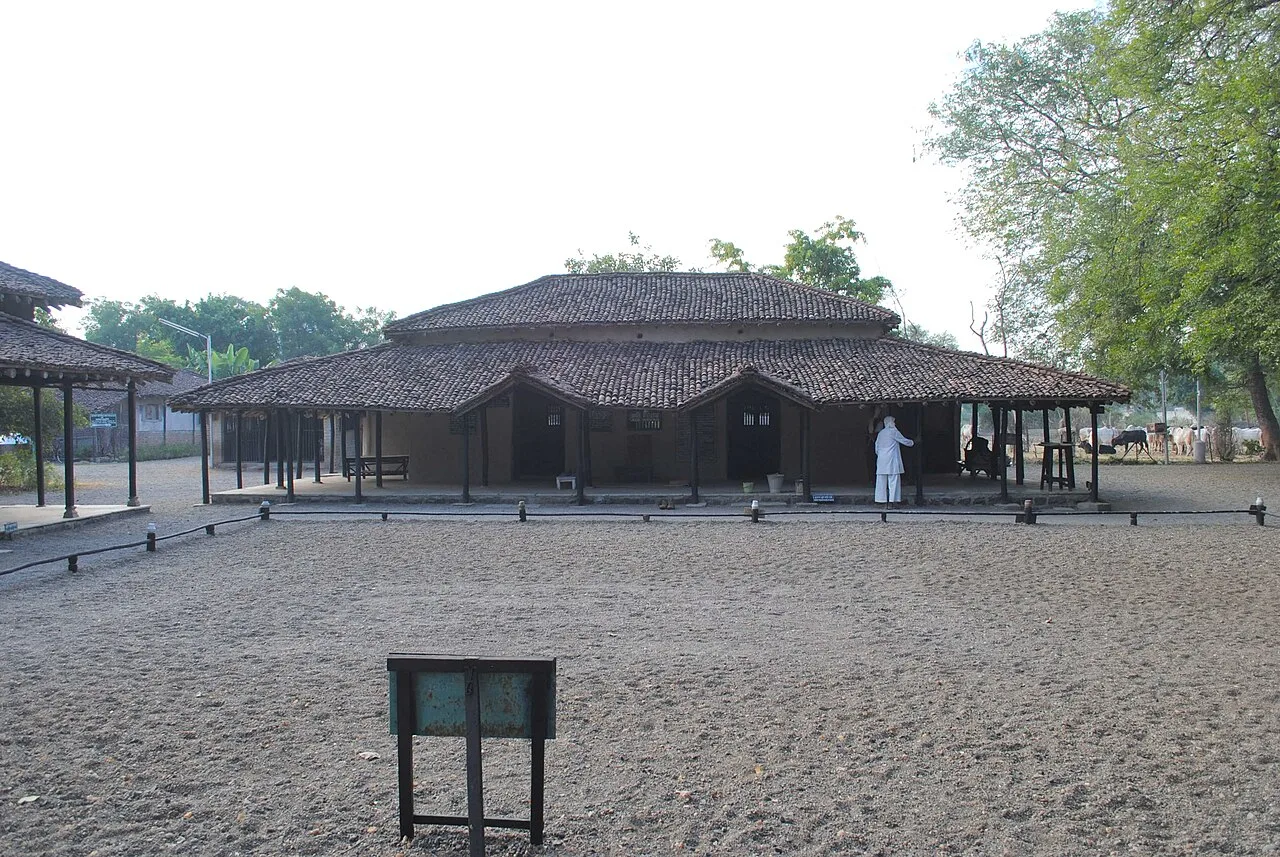
Sevagram Ashram, in Wardha district, Maharashtra, is known as Mahatma Gandhi’s ashram and home from 1936 until his death in 1948. People visit for its connection with his life.

Deekshabhoomi

40 km away · Nagpur district

Deekshabhoomi

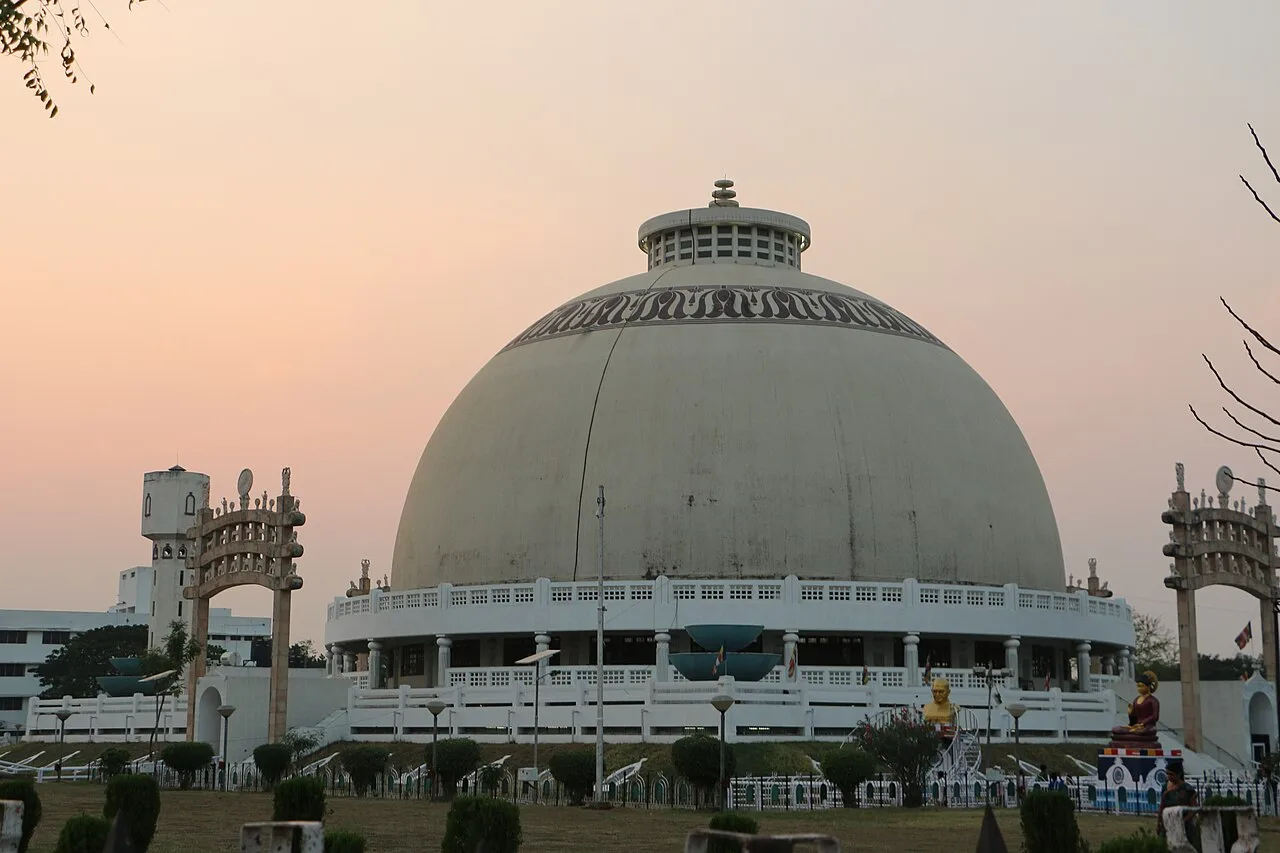
Deekshabhoomi is a Navayana Buddhist memorial in Nagpur, where B. R. Ambedkar and a vast following embraced Buddhism in 1956. Pilgrims visit to mark the conversion and its continuing significance.

Ramtek Fort Temple

80 km away · Nagpur district

Ramtek Fort Temple

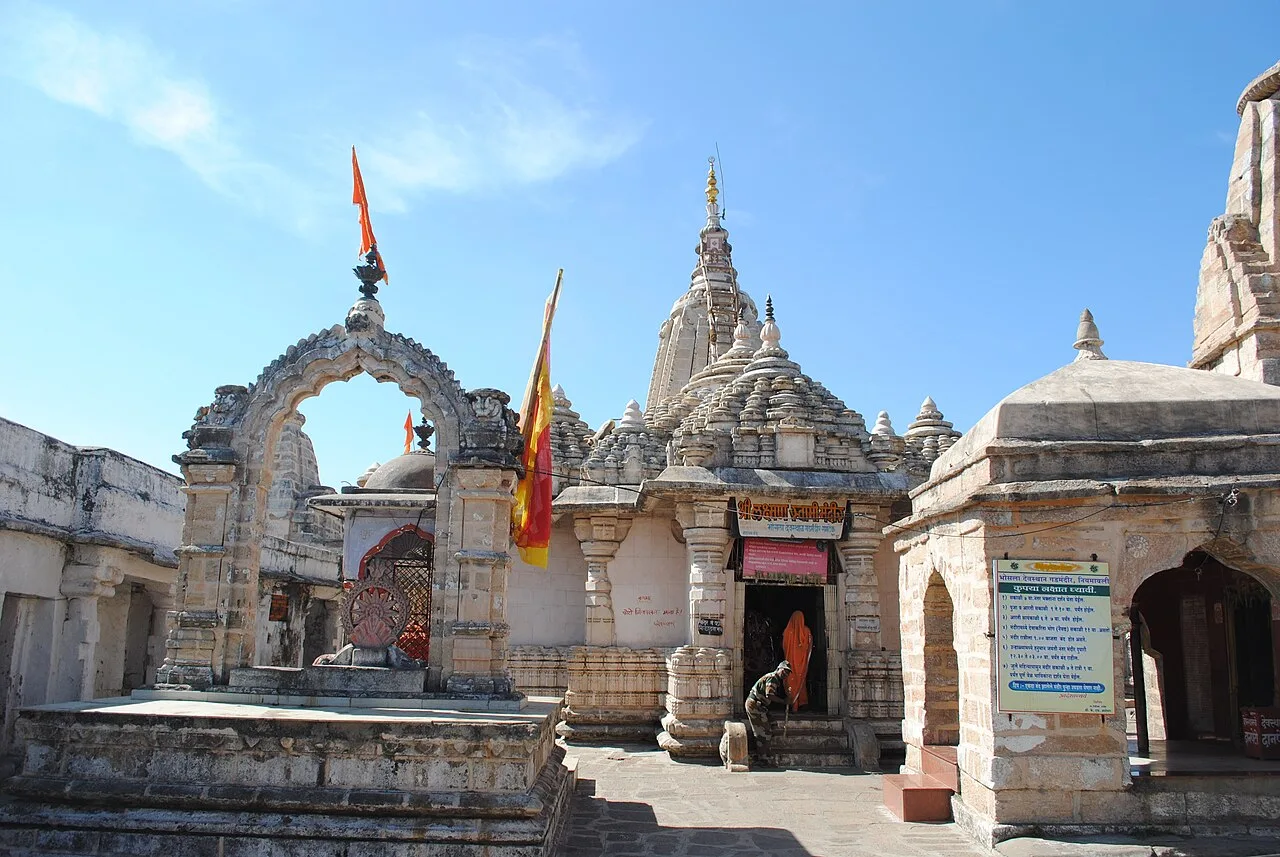
Ramtek Fort Temple is a Hindu pilgrimage site in Maharashtra, visited for its shrines on Ramtek Hill and its association with Rama and the Vakataka dynasty.

Tadoba Andhari Tiger Reserve

80 km away · Chandrapur district

Tadoba Andhari Tiger Reserve

Set in Maharashtra’s Chandrapur district, Tadoba Andhari Tiger Reserve combines a national park and wildlife sanctuary within a protected area. Visitors come to experience its forests and wildlife.

Pench Tiger Reserve

106 km away · Nagpur district

Pench Tiger Reserve

Pench Tiger Reserve spans Madhya Pradesh and Maharashtra, with its Maharashtra section in Nagpur district. People visit to experience its protected landscape and wildlife.

Chikhaldara

129 km away · Amravati district

Chikhaldara

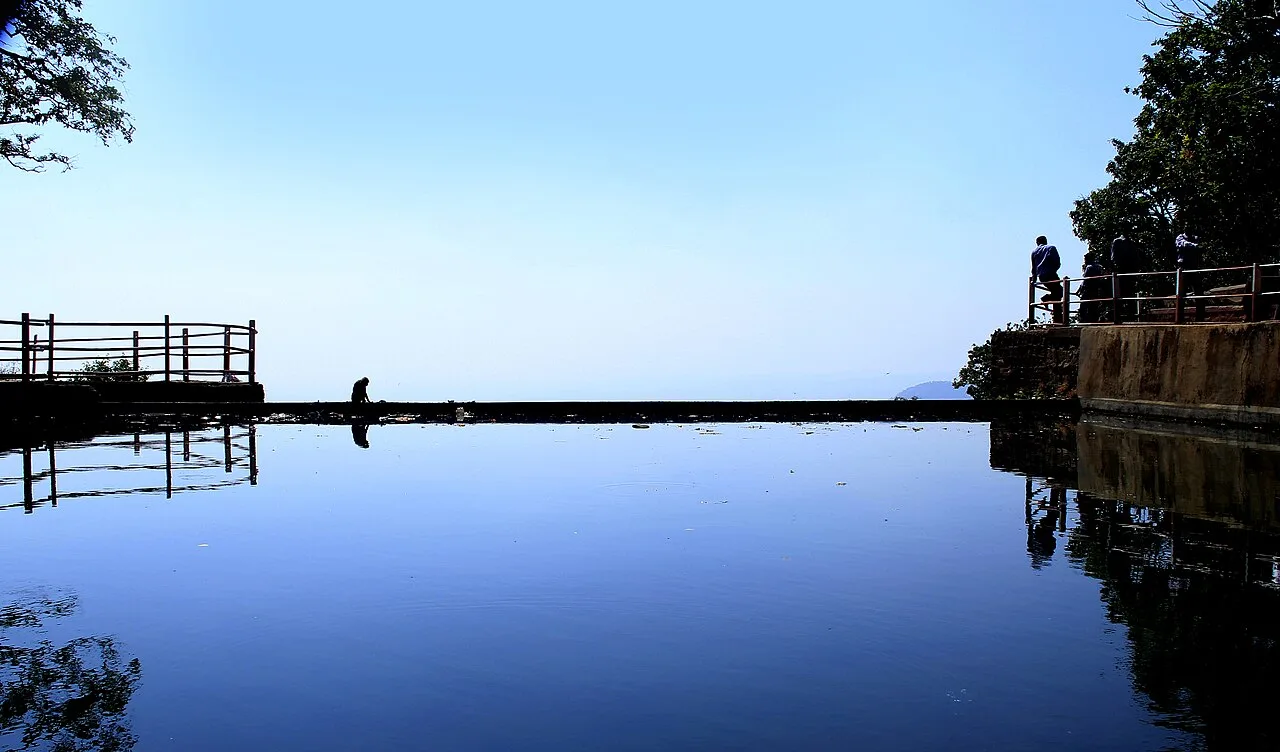
Chikhaldara is a hill settlement and municipal council in Maharashtra’s Amravati district. Visitors come for its highland setting, coffee-growing area and nearby wildlife at the Melghat Tiger Project.

Navegaon National Park

134 km away · Gondia district

Navegaon National Park

Navegaon National Park is in Gondia district, Maharashtra, within the Arjuni Morgaon subdivision. Visitors are drawn by wintering migratory birds at its lake and the park’s varied forest cover.

Melghat Tiger Reserve

189 km away · Amravati district

Melghat Tiger Reserve

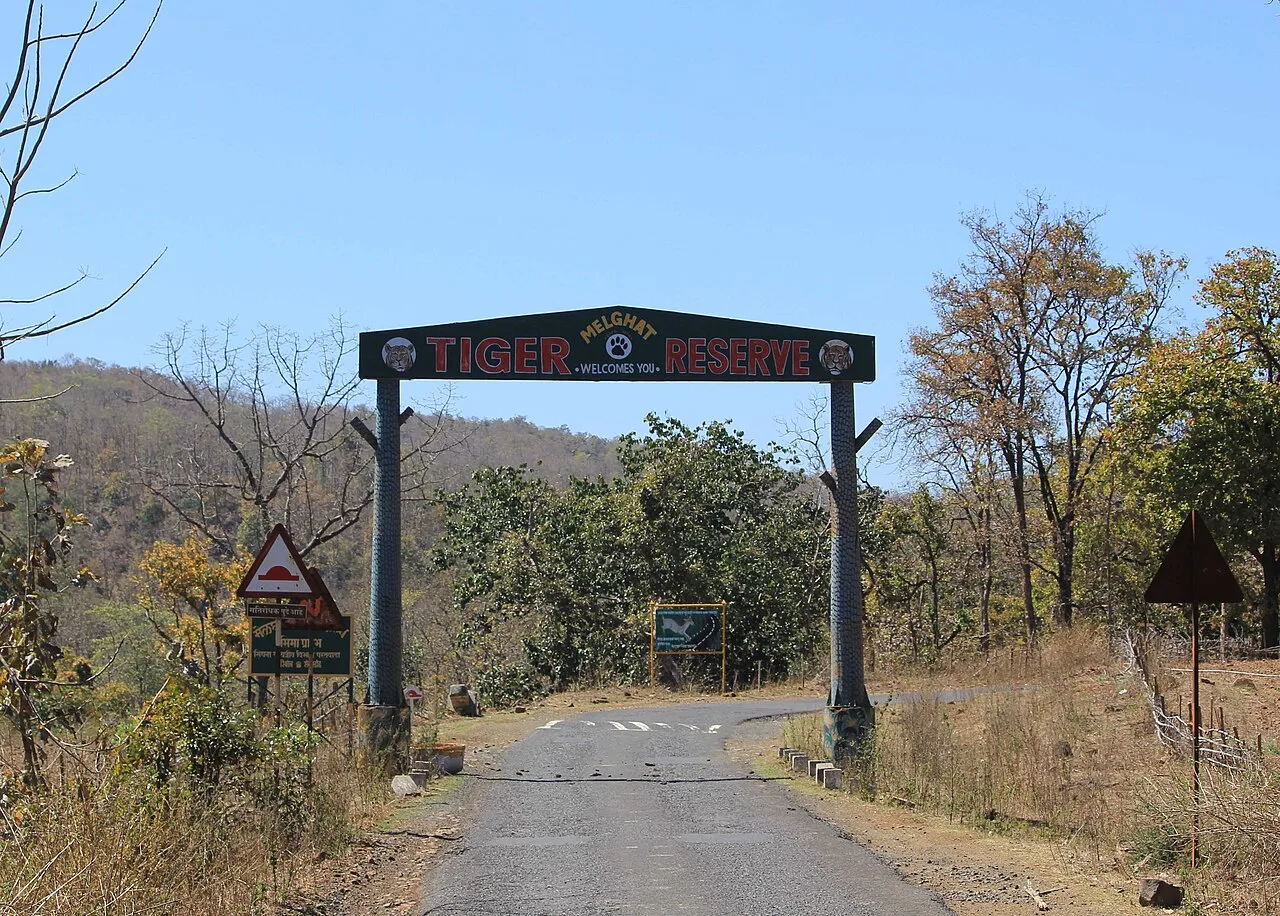
Melghat Tiger Reserve is a protected area in northern Amravati district, Maharashtra. Visitors come to experience its wildlife and learn about its place in India’s Project Tiger programme.

Map

Sindi on the map

  1. 1Sevagram Ashram
  2. 2Deekshabhoomi
  3. 3Ramtek Fort Temple
  4. 4Tadoba Andhari Tiger Reserve
  5. 5Pench Tiger Reserve
  6. 6Chikhaldara
  7. 7Navegaon National Park
  8. 8Melghat Tiger Reserve

Maharashtra

Other cities to explore