Ghumoopedia — Explore, Discover, Experience
Sign in
Shirdi Sai Baba Temple, near Yeola

City guide · Maharashtra

Yeola

Yeola is a town and taluka headquarters in Nashik district, in northern Maharashtra. It serves as an administrative and trading centre for nearby communities, but its name is best known across India for Paithani weaving.

Famous for

  • Yeola Paithani sarees
  • Silk and zari weaving
  • GI-tagged Paithani textiles
  • Mukti Bhoomi memorial
  • Traditional handloom workshops

Why Yeola matters

Yeola is a town and taluka headquarters in Nashik district, in northern Maharashtra. It serves as an administrative and trading centre for nearby communities, but its name is best known across India for Paithani weaving. The town’s workshops and showrooms draw visitors interested in silk sarees, traditional motifs and the craft behind them.

Yeola also has an important place in modern Indian history. At a gathering here in 1935, Dr B. R. Ambedkar declared his intention to leave Hinduism; the Mukti Bhoomi memorial commemorates this milestone. For travellers, Yeola offers a chance to explore both a living textile tradition and a site connected with the Dalit movement. It is also a convenient stop for journeys through the Nashik district and the wider Shirdi–Manmad region. The town is less a conventional sightseeing destination than a place to meet weavers, browse Paithani textiles and learn about a consequential chapter in India’s social history.
Famous for: crafts, trade & products

Yeola is one of Maharashtra’s prominent centres for Paithani sarees, a silk-and-zari textile associated with the state and recognised with a Geographical Indication. Weavers create richly coloured fabrics with decorative borders and motifs such as peacocks, parrots and lotuses. The work may involve handloom weaving and intricate zari detailing, though products and techniques vary. Buyers can explore the town’s weaving workshops, saree showrooms and central commercial streets; asking about the weaving process, materials and whether a piece is handwoven can help clarify what is being offered.

Paithani is the town’s signature product, rather than one item among many unrelated local crafts. Sarees are the best-known purchase, while some sellers also offer related textile pieces. Yeola’s role as a production and trading centre means visitors may find a range of designs, from traditional patterns to contemporary interpretations. The town’s weaving economy connects skilled artisans, traders and customers, and supports its reputation well beyond Nashik district. Mukti Bhoomi is another significant local destination, though it is a memorial site rather than a market.

History

Yeola developed as a regional settlement and trading town in the fertile, commercially connected landscape of what is now Nashik district. Its location linked nearby villages with larger market routes, and it grew into a taluka administrative centre. The town’s enduring association with Paithani weaving reflects the movement of textile skills and trade across the Deccan; Paithani itself has older roots in Maharashtra, while Yeola became a major centre for its production.

The area came under Maratha influence before British rule, when it was administered within the Bombay Presidency. In 1935, Dr B. R. Ambedkar addressed a gathering at Yeola and announced that he would not die a Hindu. The declaration became a landmark in the history of social reform and the movement against caste discrimination. Mukti Bhoomi now commemorates the event. After Indian independence, Yeola continued as a local administrative and market town; it became part of Maharashtra when the state was formed in 1960. Its textile trade remains a central part of its modern identity.

Food, festivals & culture

Everyday food in Yeola reflects the wider cuisine of Maharashtra. Meals commonly draw on bhakri or other flatbreads, lentils, rice and seasonal vegetables; pithla and zunka are familiar regional dishes. Puran poli and other festive sweets may appear during celebrations, though menus vary between homes and eateries. Paithani weaving is also part of the town’s cultural life, with artisan knowledge and textile work visible in workshops and shops.

Marathi is the principal language, while Hindi is also understood in many settings. Ganesh Chaturthi, usually in the monsoon season, and Navratri in autumn are widely observed across the region; Diwali and Gudi Padwa bring their own household and community customs. Bhajan, kirtan and dhol-tasha rhythms are part of Maharashtra’s devotional and festive traditions, alongside folk forms such as lavani. The town has Hindu temples and mosques serving local communities, while Mukti Bhoomi is an important Buddhist and social-history memorial associated with Ambedkar’s 1935 declaration.

Visiting the city

The cooler months, roughly October to February, are generally the most comfortable time to visit; summer can be hot, while the monsoon brings rain. Shirdi Airport is generally the closest commercial airport, with Nashik Airport at Ozar another option. Yeola railway station serves the town, and road connections link it with places including Manmad, Nashik and Shirdi.

Auto-rickshaws and local buses are useful for getting around, while many central destinations can be reached on foot. Explore the town centre and its Paithani weaving workshops and showrooms, where visitors can see textiles and ask about their making. Mukti Bhoomi is another meaningful stop. For a quieter visit to weavers, arrange time with a workshop in advance where possible.

Trips from the city

Nearest places to visit from Yeola

Our closest destination guides, by straight-line distance.

Shirdi Sai Baba Temple

30 km away · Ahilyanagar district

Shirdi Sai Baba Temple

The Shirdi Sai Baba Temple is a pilgrimage destination in Maharashtra, visited because of its association with Sai Baba, the nineteenth-century Indian saint closely connected with the town.

Ghrishneshwar Temple

71 km away · Chhatrapati Sambhajinagar district

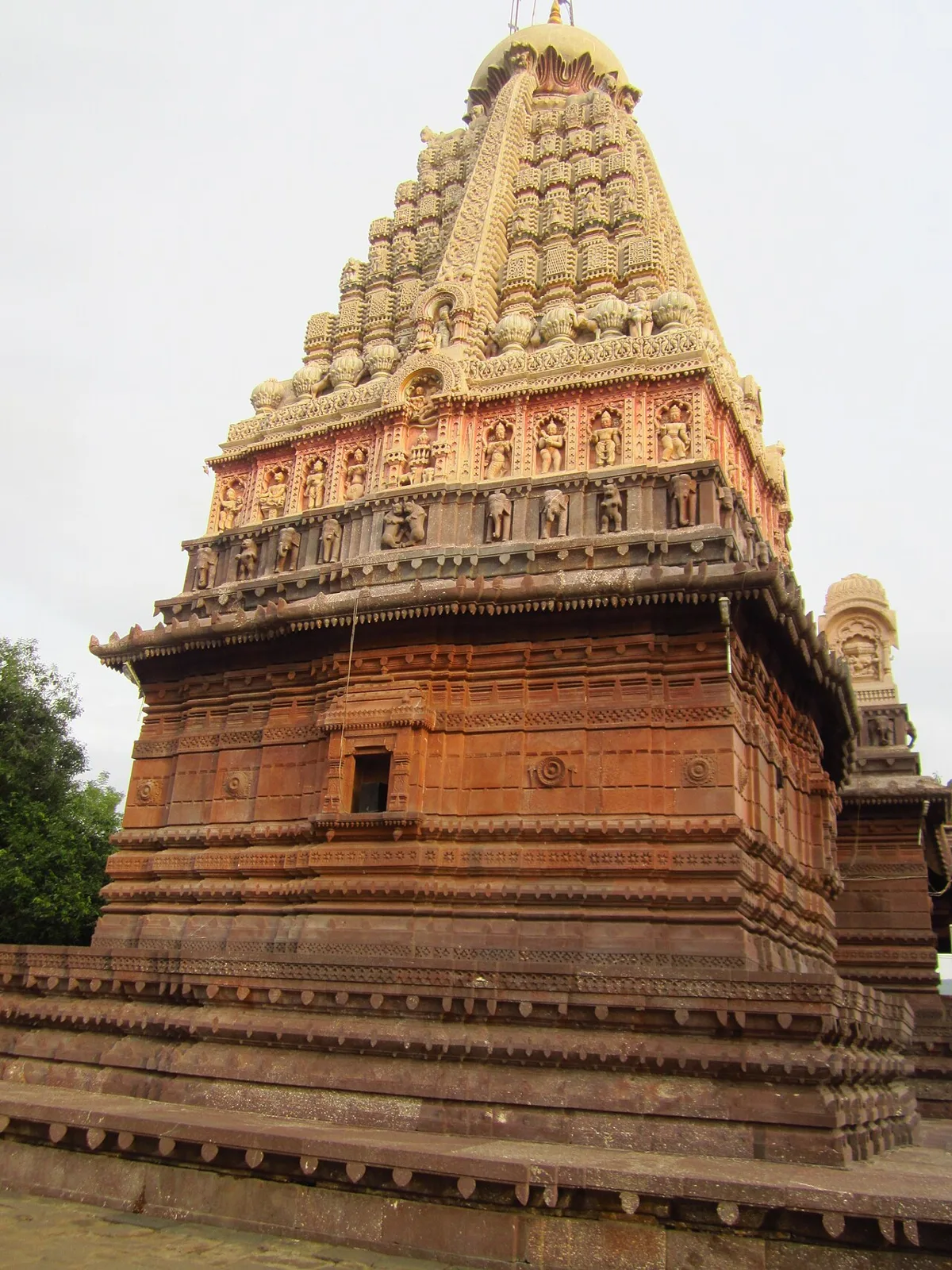
Ghrishneshwar Temple

Ghrishneshwar Temple is a Shiva shrine in Verul, Maharashtra, and one of the twelve Jyotirlingas. Visitors come to worship Shiva at this nationally protected temple.

Ellora Caves

72 km away · Chhatrapati Sambhajinagar district

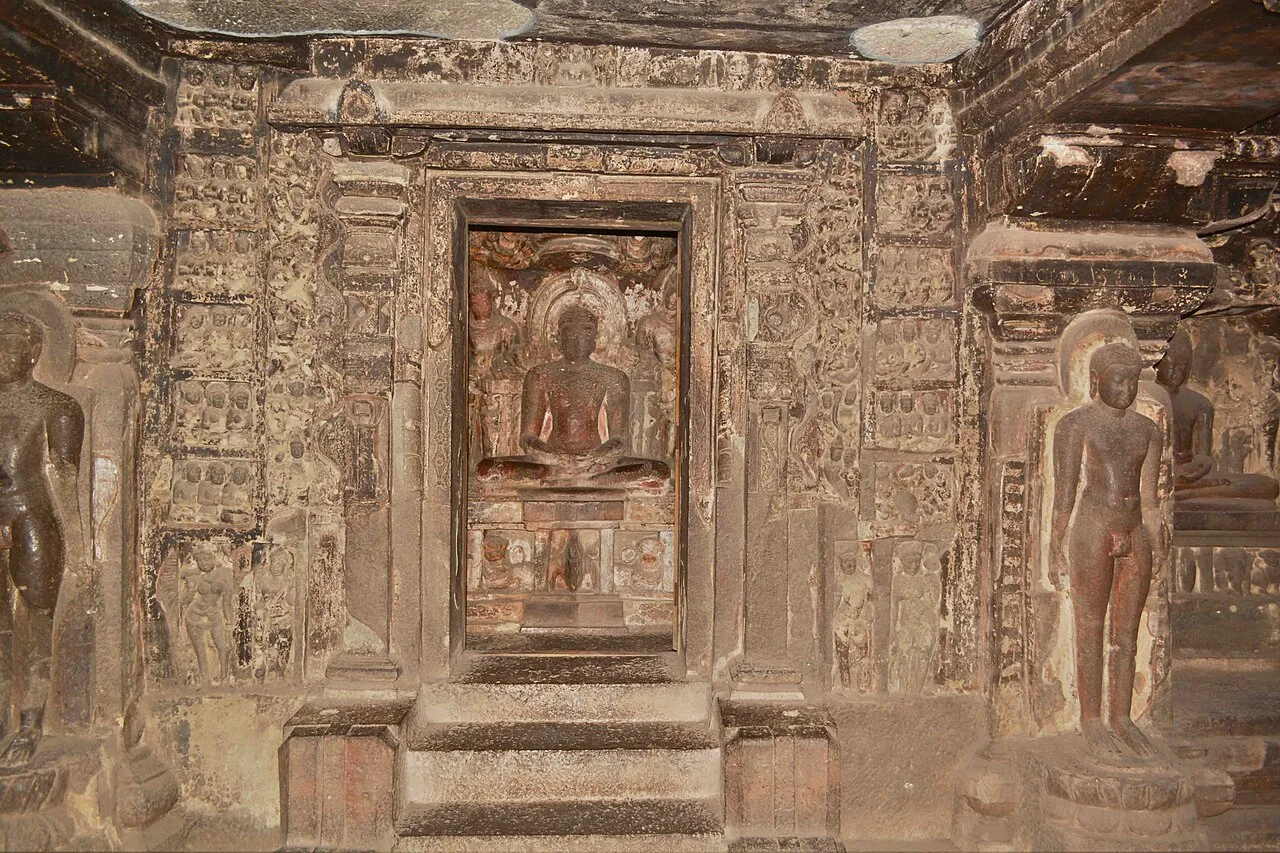
Ellora Caves

Ellora, in Maharashtra’s Chhatrapati Sambhajinagar district, is a UNESCO World Heritage Site. Visitors explore its Hindu, Buddhist and Jain monuments, including the remarkable Kailash temple carved from rock.

Saptashrungi

72 km away · Nashik district

Saptashrungi

Saptashrungi is a Hindu pilgrimage destination in Maharashtra, where the goddess is believed to dwell among seven peaks. Devotees visit its temple, which holds an important place in Shakti Peetha traditions.

Kalaram Temple

73 km away · Nashik district

Kalaram Temple

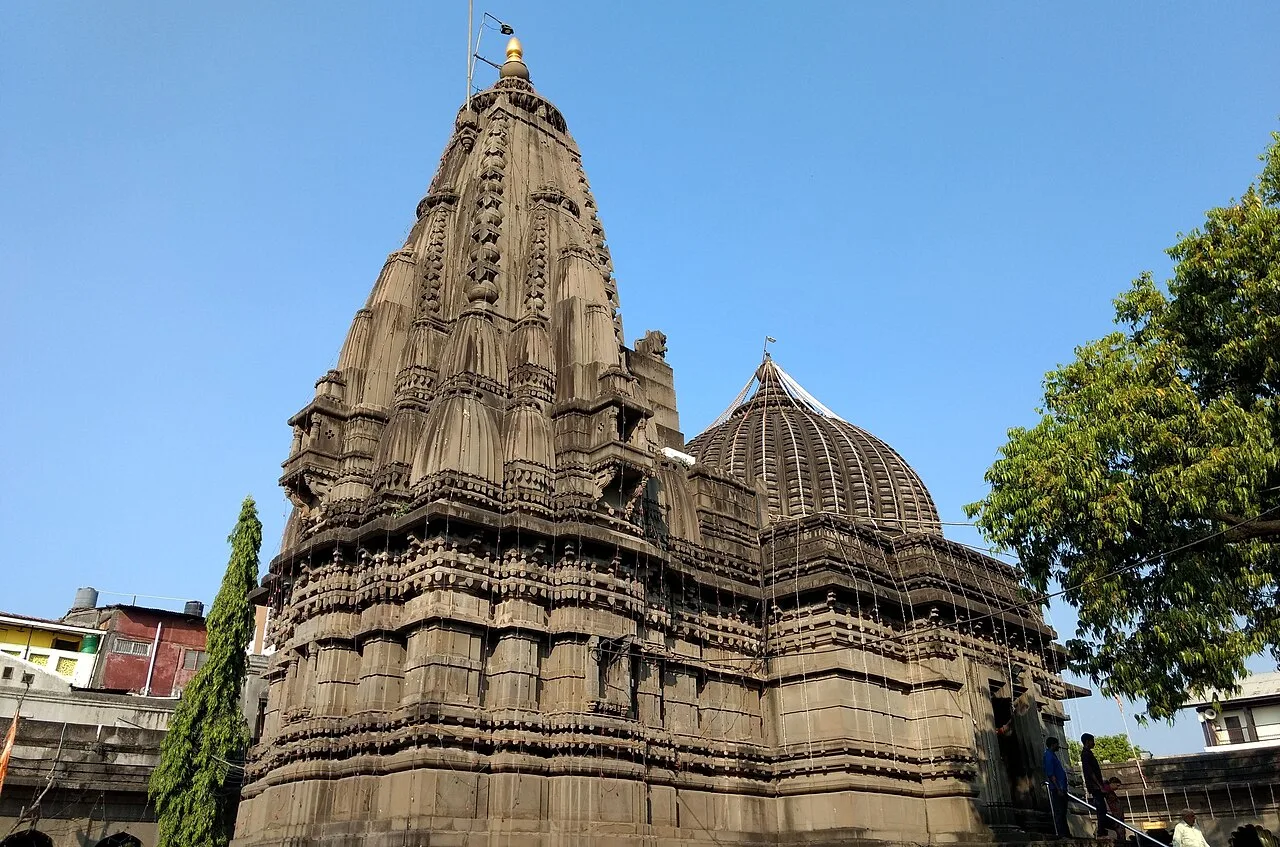
Kalaram Temple is a Hindu shrine in Nashik, Maharashtra, devoted to Rama. Visitors come to worship at the temple, whose inner sanctuary also contains images of Sita and Lakshmana.

Daulatabad Fort

76 km away · Chhatrapati Sambhajinagar district

Daulatabad Fort

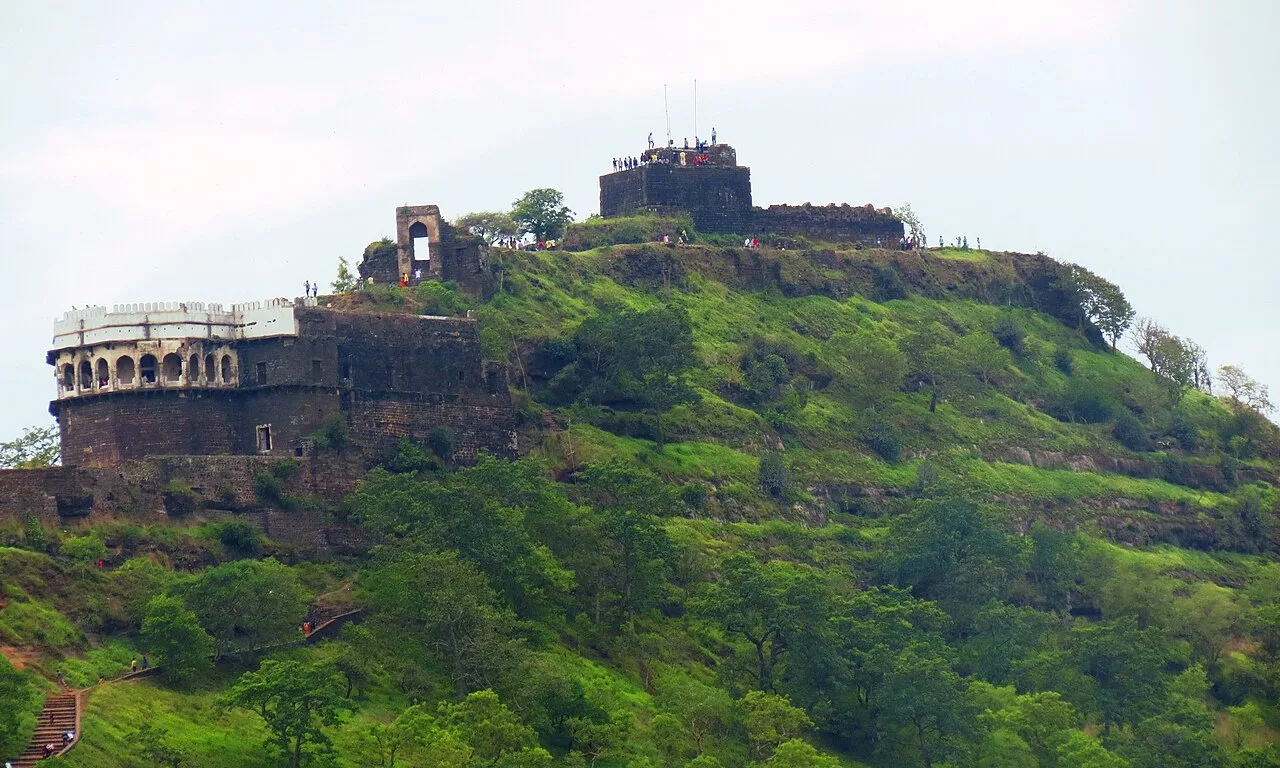
Daulatabad Fort is a historic stronghold in Maharashtra, first known as Devagiri. Visitors explore its history as a Yadava seat, briefly a Delhi Sultanate capital, and later an Ahmadnagar centre.

Pandavleni Caves

78 km away · Nashik district

Pandavleni Caves

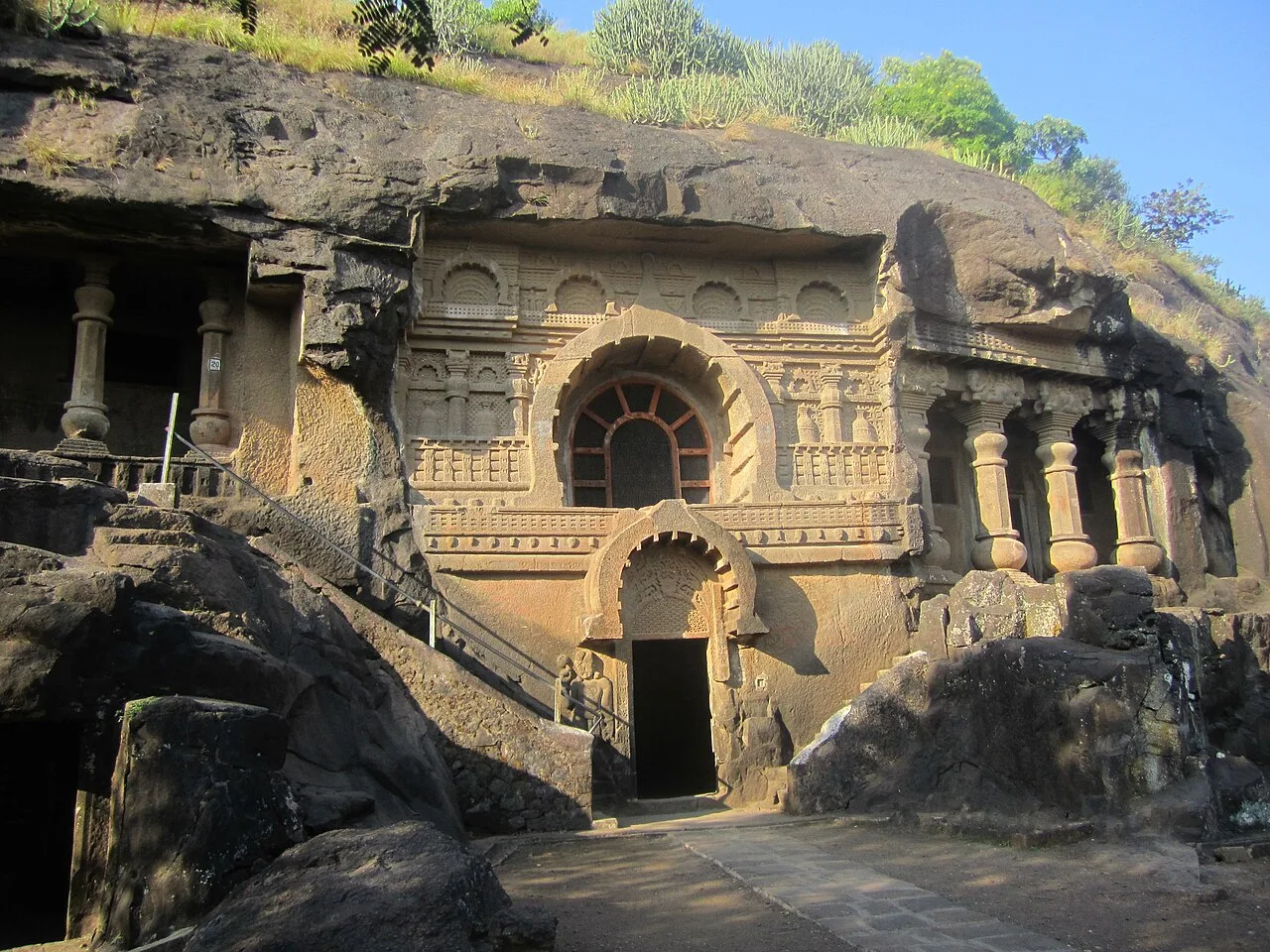
Pandavleni, also called the Trirashmi and Nashik Caves, is a Buddhist and Jain complex near Nashik, drawing visitors to its religious chambers and distinctive cave architecture.

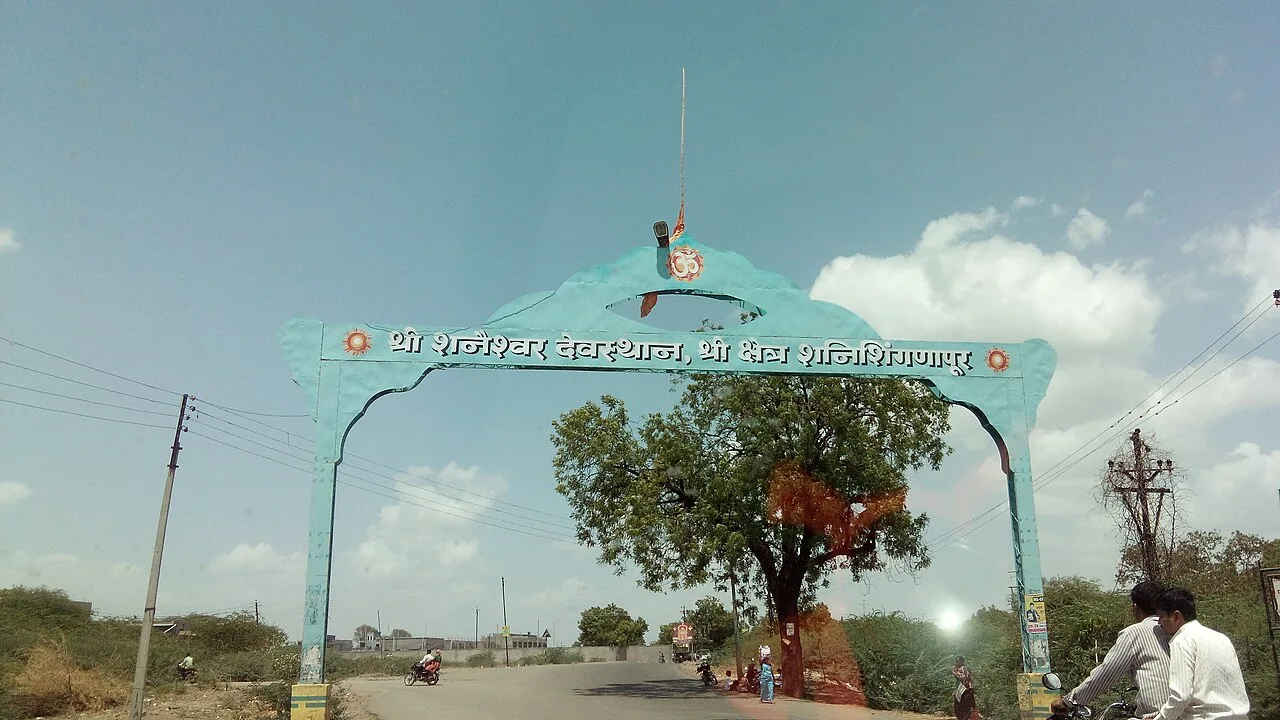
Shani Shingnapur

79 km away · Ahilyanagar district

Shani Shingnapur

In Maharashtra, Shani Shingnapur is a village visited for its temple to Shani, the Hindu deity linked to the graha Saturn.

Map

Yeola on the map

  1. 1Shirdi Sai Baba Temple
  2. 2Ghrishneshwar Temple
  3. 3Ellora Caves
  4. 4Saptashrungi
  5. 5Kalaram Temple
  6. 6Daulatabad Fort
  7. 7Pandavleni Caves
  8. 8Shani Shingnapur

Maharashtra

Other cities to explore