Ghumoopedia — Explore, Discover, Experience
Sign in

City guide · Maharashtra

Pusad

Pusad is a regional town in Yavatmal district, in Maharashtra’s Vidarbha region. Set beside the Pus River and among the hills and valleys of the Deccan Plateau, it serves as a centre for trade and everyday services for surrounding rural and tribal communities.

Famous for

  • Pus River valley
  • Banjara heritage
  • Vasantrao Naik legacy
  • Regional agricultural markets
  • Nearby Aundha Nagnath pilgrimage

Why Pusad matters

Pusad is a regional town in Yavatmal district, in Maharashtra’s Vidarbha region. Set beside the Pus River and among the hills and valleys of the Deccan Plateau, it serves as a centre for trade and everyday services for surrounding rural and tribal communities. Its setting, rather than a concentration of large monuments, is a defining part of its character.

The town is associated with Banjara heritage and with the political legacy of Vasantrao Naik, Maharashtra’s longest-serving chief minister, who was born in nearby Gahuli village. Visitors may use Pusad as a base for exploring the rural landscape and nearby reservoirs; the celebrated Aundha Nagnath temple lies to the southwest. Pusad is also known locally for its agricultural markets and its position in the Pus river valley. It remains an important service town, while residents continue to seek greater administrative recognition and investment for the area.

Famous for: crafts, trade & products

Pusad is not especially known for a nationally recognised saree, handicraft or GI-tagged product, and visitors should not expect a specialised craft district. Its commercial identity is more closely tied to serving the surrounding countryside. The wider Yavatmal region grows cotton and other crops, including pulses and oilseeds, and Pusad’s traders and markets connect local growers with buyers and services.

For everyday shopping, explore the central bazaar and the town’s main commercial streets, where general shops, food sellers and farm-supply businesses serve residents and visitors. Local traders handle agricultural goods, although availability and activity vary by season. Small businesses and services are more characteristic of Pusad than large signature industries or destination shopping. The town is also a useful place to stock up on essentials before travelling into the surrounding countryside. Those looking for distinctive Vidarbha textiles or handicrafts may find a broader selection in larger regional centres; ask locally about seasonal goods rather than assuming a particular product is made here.

History

Pusad is also associated with the traditional name Pushpawanti and takes its name from the Pus River. The surrounding area has long been home to Banjara communities; Banjara accounts of migration form part of the region’s oral heritage. In the early modern period, the area was part of Berar, a region contested by Mughal and Maratha powers. It came under the Nagpur Bhonslas before being ceded to the British in the early nineteenth century and later administered within British Berar.

After Independence, Pusad became part of Madhya Pradesh in 1950. Berar was transferred to Bombay State in 1956, and Pusad became part of Maharashtra when that state was formed in 1960. The town’s modern public life is closely linked to Vasantrao Naik, born in nearby Gahuli, and Sudhakarrao Naik, who also served as Maharashtra chief minister. Calls for Pusad to become a district centre remain part of local development debate.

Food, festivals & culture

Marathi is widely used in daily life, alongside Hindi and Lambadi, the language associated with many Banjara communities. Meals commonly draw on Vidarbha and broader Maharashtrian cooking: bhakri with pithla or vegetable dishes, lentils, rice and seasonal produce. Puran poli and other familiar regional sweets may be found around festivals, though menus vary among households and eateries.

Ganesh Chaturthi, usually in August or September, brings community celebrations; Navratri, Diwali and Holi are also observed, while Makar Sankranti falls in January. Banjara cultural traditions include distinctive dress, songs and dance, expressed at community gatherings and celebrations. Pusad’s places of worship serve local devotional life across communities. For a major pilgrimage visit from town, Aundha Nagnath, an important Shiva temple southwest of Pusad, is a notable regional destination; allow for a separate road trip rather than treating it as a town-centre attraction.

Visiting the city

The more comfortable time to visit is November to February, when days are generally milder. Summer can be intensely hot, while the monsoon brings rain that may affect rural travel. Nanded Airport is a nearby air option, but scheduled services can be limited; check current connections before planning. Washim railway station is a practical railhead, with Hingoli Deccan another possible option. Confirm onward transport when booking, as neither is in Pusad.

Auto-rickshaws and local taxis are useful for getting around town; arrange a car for reservoirs, villages or Aundha Nagnath. Explore the central bazaar and older riverside parts of town for everyday local life. Pusad works best as a low-key regional base rather than a monument-focused destination.

Trips from the city

Nearest places to visit from Pusad

Our closest destination guides, by straight-line distance.

Aundha Nagnath Temple

70 km away · Hingoli district

Aundha Nagnath Temple

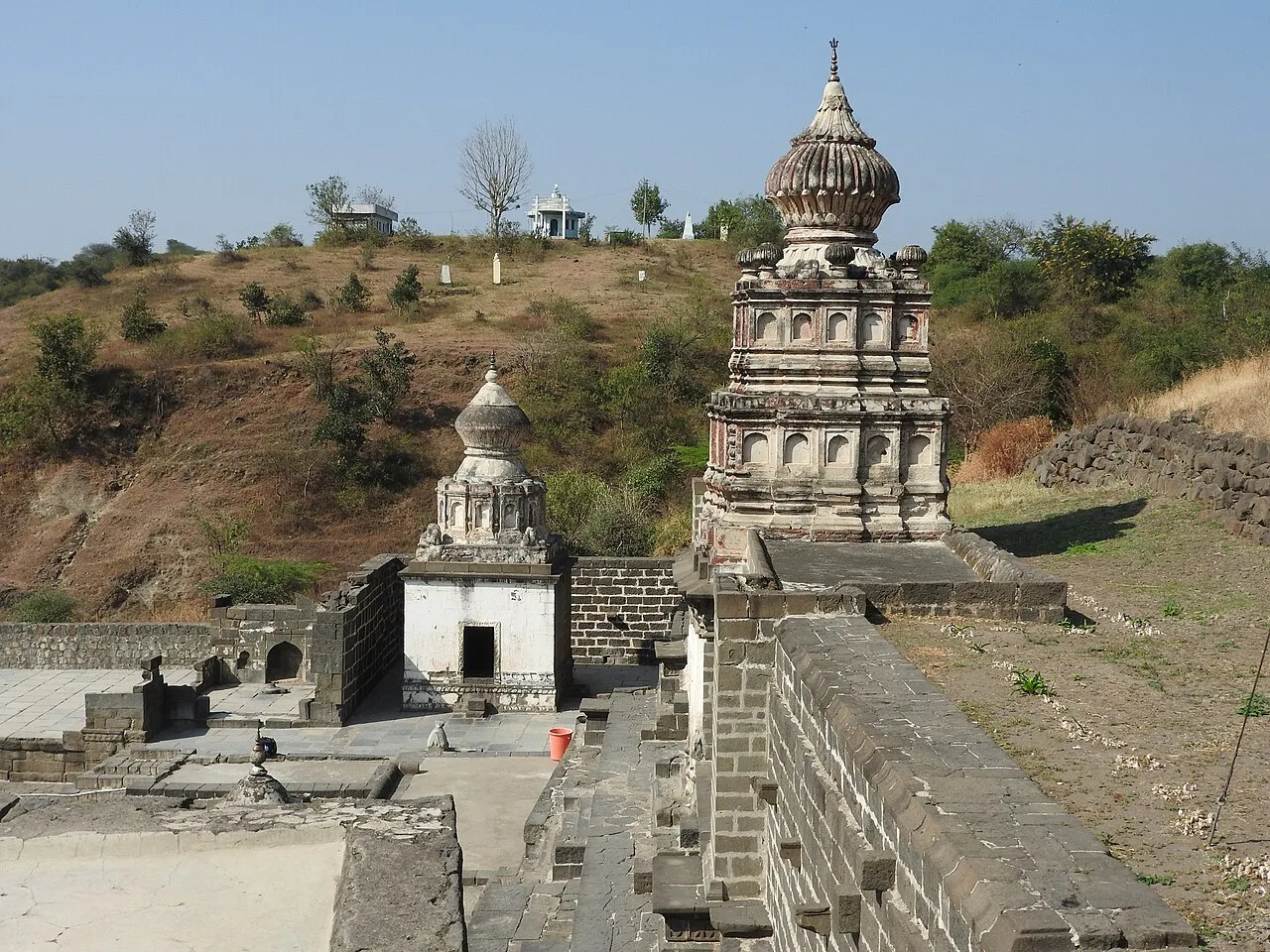
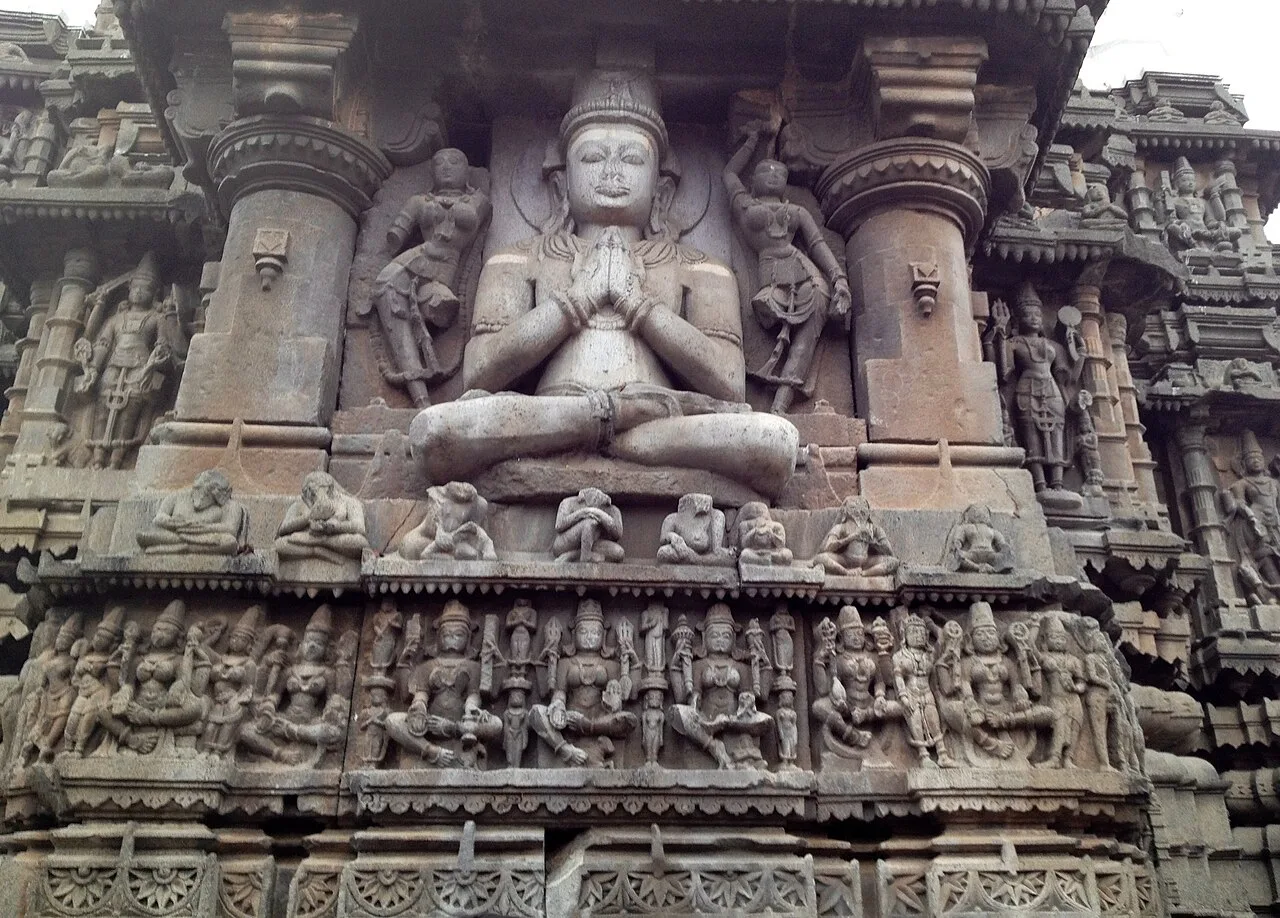
Aundha Nagnath Temple is an old Shiva shrine in Maharashtra’s Hingoli district, regarded as the eighth of the twelve Jyotirlinga shrines. Visitors come for its religious importance, historical associations and distinctive architecture.

Hazur Sahib

89 km away · Nanded district

Hazur Sahib

Takht Sachkhand Sri Hazur Abchalnagar Sahib is one of Sikhism’s five takhts, in Nanded, Maharashtra. Visitors come to worship and remember Guru Gobind Singh at the site associated with his death and cremation.

Lonar Lake

112 km away · Buldhana district

Lonar Lake

Lonar Lake is a saline, soda-rich lake in Maharashtra’s Buldhana district, set within a meteorite-impact crater. Visitors come to see its unusual geological formation and recognised conservation status.

Chikhaldara

145 km away · Amravati district

Chikhaldara

Chikhaldara is a hill settlement and municipal council in Maharashtra’s Amravati district. Visitors come for its highland setting, coffee-growing area and nearby wildlife at the Melghat Tiger Project.

Sevagram Ashram

145 km away · Wardha district

Sevagram Ashram

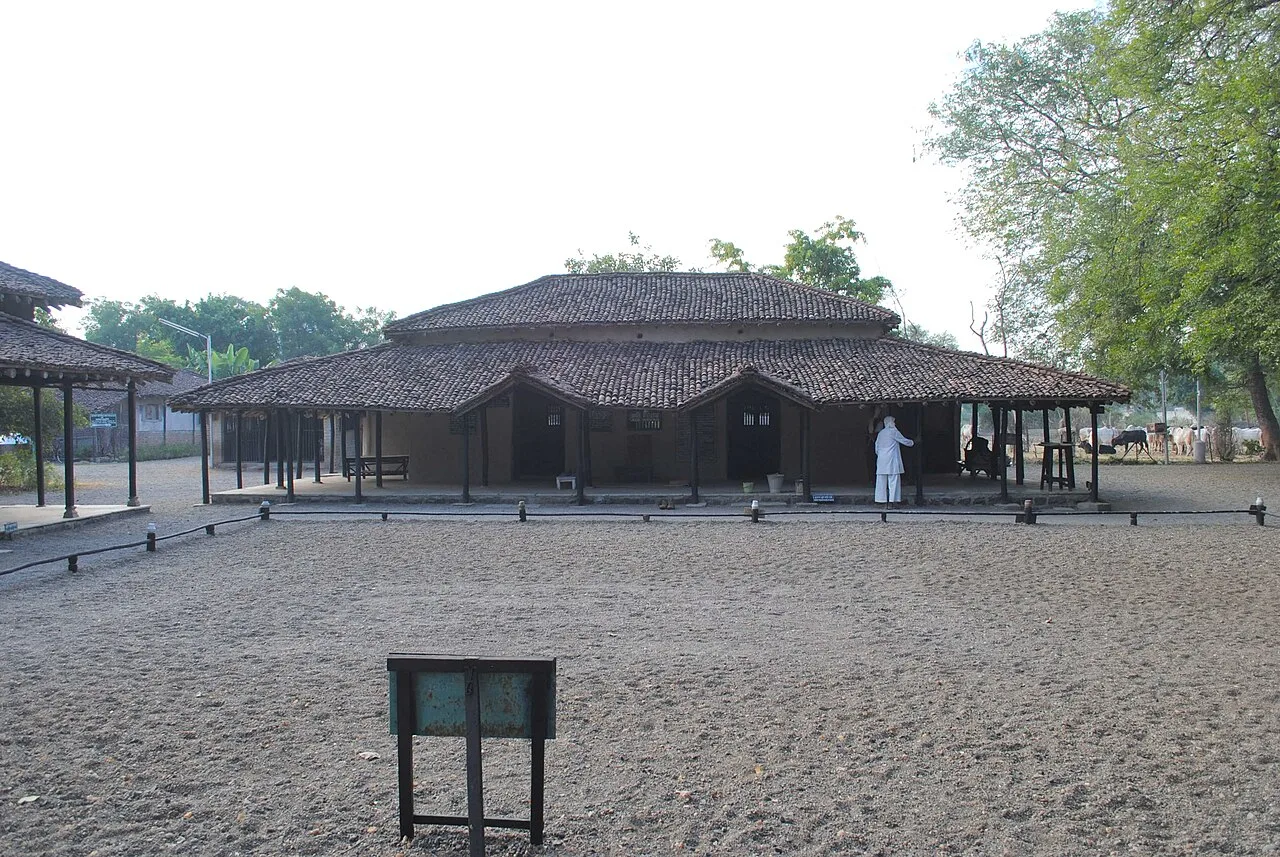
Sevagram Ashram, in Wardha district, Maharashtra, is known as Mahatma Gandhi’s ashram and home from 1936 until his death in 1948. People visit for its connection with his life.

Shri Vaijnath Temple

162 km away · Beed district

Shri Vaijnath Temple

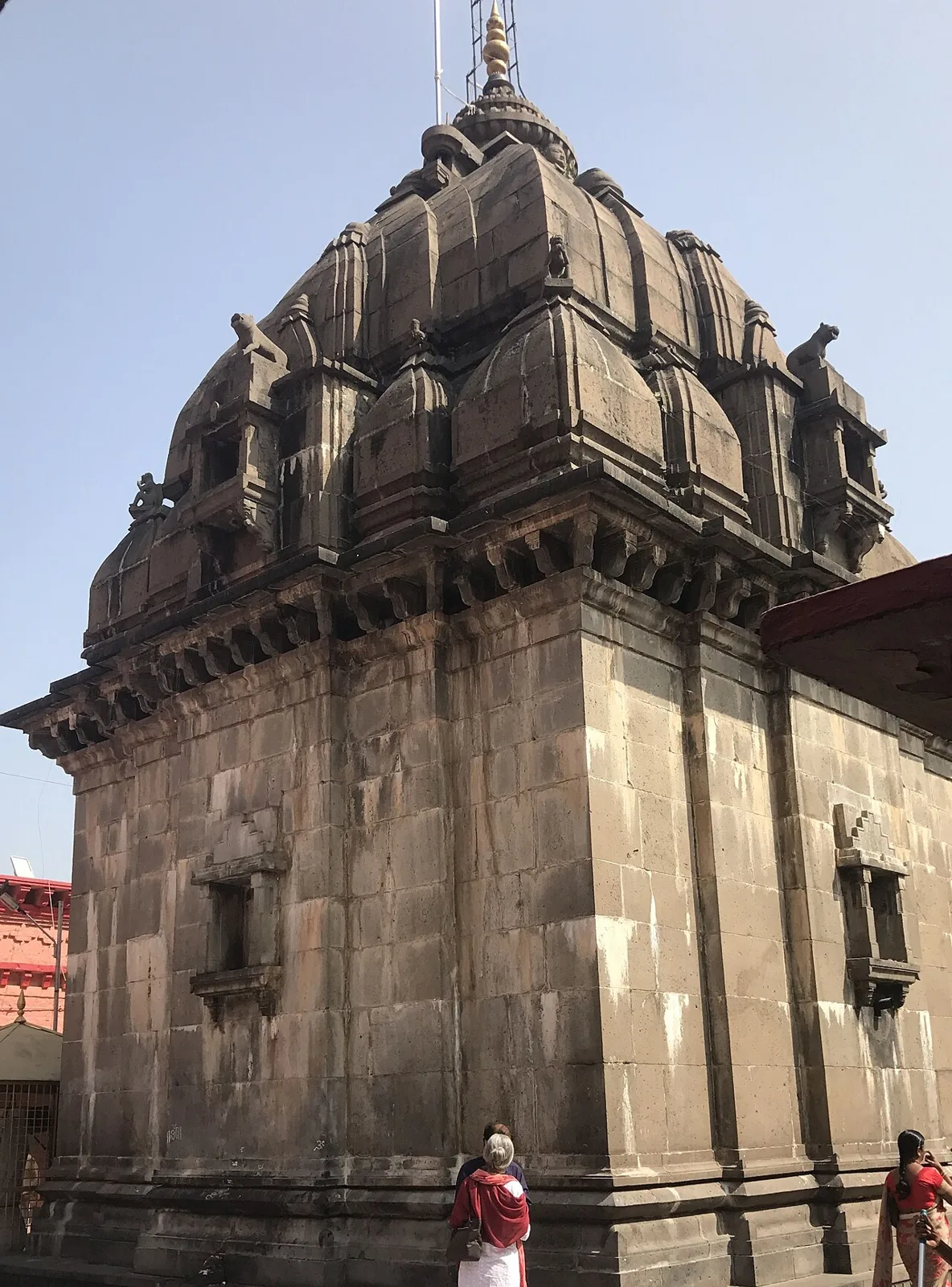
Shri Vaijnath Temple is a Shiva shrine at Parli Vaijnath in Maharashtra’s Beed district. Worshippers visit to perform abhishekam, and the temple is regarded as the fifth of Shiva’s twelve Jyotirlingas.

Melghat Tiger Reserve

175 km away · Amravati district

Melghat Tiger Reserve

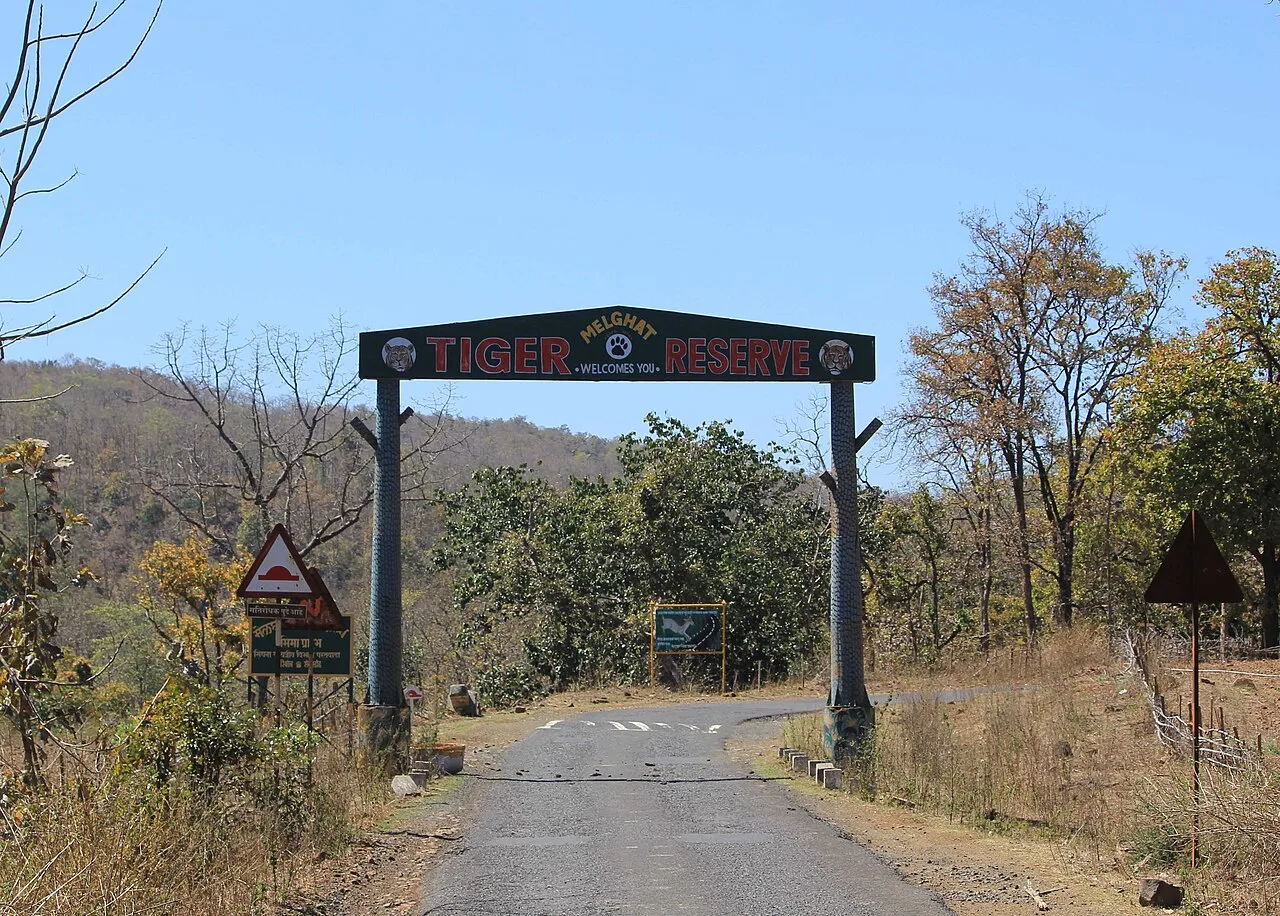
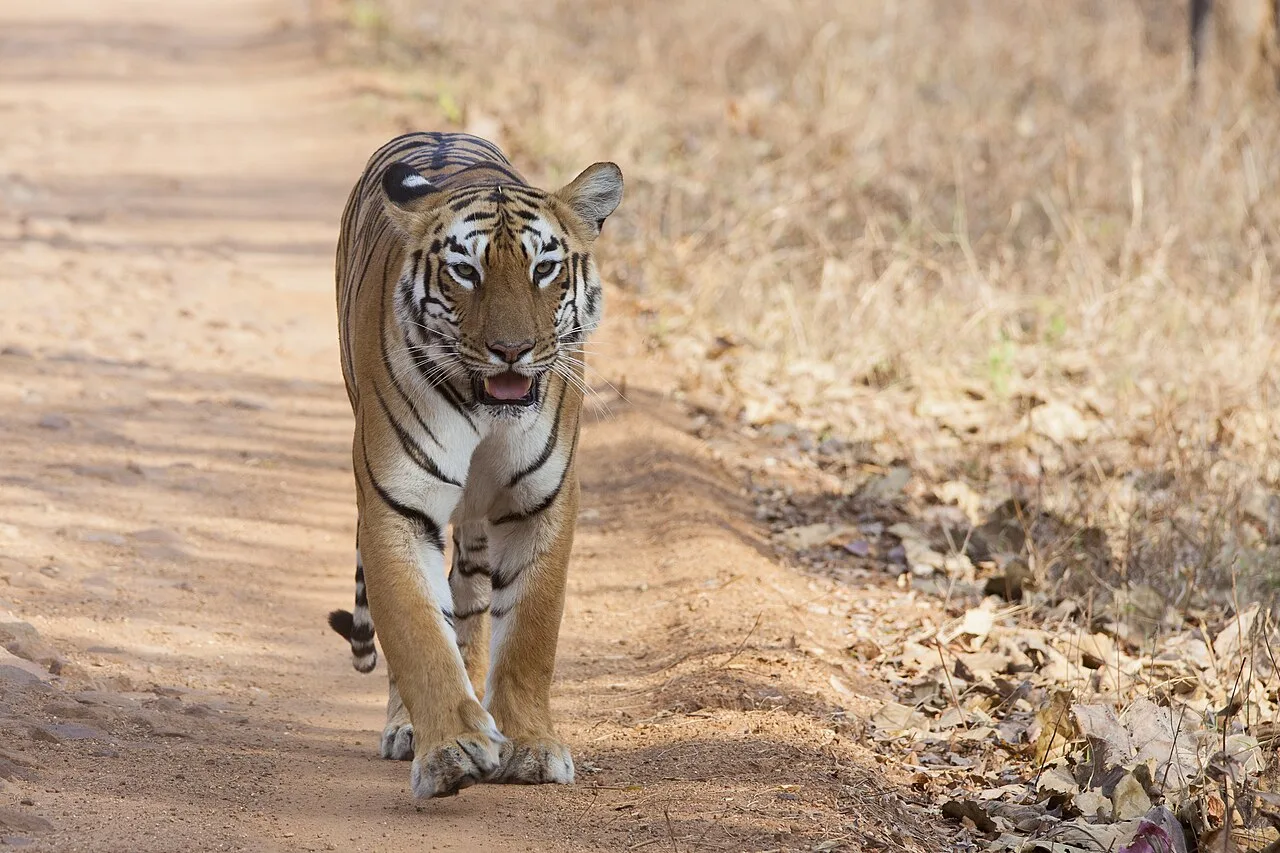
Melghat Tiger Reserve is a protected area in northern Amravati district, Maharashtra. Visitors come to experience its wildlife and learn about its place in India’s Project Tiger programme.

Tadoba Andhari Tiger Reserve

194 km away · Chandrapur district

Tadoba Andhari Tiger Reserve

Set in Maharashtra’s Chandrapur district, Tadoba Andhari Tiger Reserve combines a national park and wildlife sanctuary within a protected area. Visitors come to experience its forests and wildlife.

Map

Pusad on the map

  1. 1Aundha Nagnath Temple
  2. 2Hazur Sahib
  3. 3Lonar Lake
  4. 4Chikhaldara
  5. 5Sevagram Ashram
  6. 6Shri Vaijnath Temple
  7. 7Melghat Tiger Reserve
  8. 8Tadoba Andhari Tiger Reserve

Maharashtra

Other cities to explore