Ghumoopedia — Explore, Discover, Experience
Sign in
Ramtek Fort Temple, near Tumsar

City guide · Maharashtra

Tumsar

Tumsar is a city and the headquarters of Tumsar taluka in Bhandara district, eastern Maharashtra. Its importance comes from its role as a local centre for administration, trade and services across a largely agricultural hinterland.

Famous for

  • Bhandara Chinnor rice
  • Rice-growing hinterland
  • Tumsar rice markets
  • Kubernagri nickname

Why Tumsar matters

Tumsar is a city and the headquarters of Tumsar taluka in Bhandara district, eastern Maharashtra. Its importance comes from its role as a local centre for administration, trade and services across a largely agricultural hinterland. The town is especially associated with rice cultivation and trade, earning it the popular name “Rice City”; it is also known as Kubernagri.

Rice is central to the local economy and identity, while Tumsar’s roads and railway connections link surrounding villages with larger regional centres. Visitors are more likely to come for business, family visits or as a stop while exploring the Bhandara region than for a large collection of major tourist attractions. Its appeal lies in everyday town life: busy market streets, local places of worship and the surrounding countryside. Tumsar also offers a useful base for understanding the area’s farming traditions and the place rice holds in local commerce and food.
Famous for: crafts, trade & products

Tumsar is best known for rice, both as a cultivated crop and as a product traded through the town. The surrounding Bhandara region is associated with Bhandara Chinnor, a traditional rice variety with a Geographical Indication tag. Availability and selection vary, so visitors interested in buying it can ask at grocery shops and rice merchants in the central market. Local traders also handle other everyday varieties suited to regional tastes and household use.

The town is not especially known as a centre for a distinctive textile, saree or handicraft tradition, and it is better approached as an agricultural trading town than as a specialist craft-shopping destination. Its shops and markets mainly serve residents and nearby villages, with groceries, household goods and farm-related commerce forming part of daily business. For a more specific local product, look for rice sold by established merchants and check its variety and origin with the seller. Tumsar’s reputation rests most firmly on its rice-growing hinterland and the trade that connects farmers, buyers and surrounding communities.

History

Tumsar’s development is closely tied to the agricultural landscape of Bhandara district. Farming settlements and local exchange shaped the town’s growth, with rice cultivation becoming a defining feature of the surrounding economy. The wider region passed through changing political influences, including Gond and Maratha rule, before coming under British administration. These changes affected the district’s administration and commercial connections, though detailed accounts of Tumsar’s own early history are limited.

In the modern period, Tumsar grew as a taluka headquarters and a service and trading centre for nearby villages. Improved transport, including the railway, helped connect agricultural producers and local markets with larger towns. Today, administration, retail trade and rice-related commerce remain important parts of its role. Rather than being known for a single royal monument or a major historic event, Tumsar’s story is chiefly one of regional growth shaped by farming, market activity and its position within Bhandara district.

Food, festivals & culture

Everyday food in Tumsar reflects the rice-growing traditions of the Bhandara region. Rice is a staple, served with lentils, vegetables and seasonal preparations; Maharashtrian snacks and sweets are also found in local eateries and shops. Recipes and menus vary between households, so visitors can ask about the day’s local dishes rather than expect a single signature food. The town’s markets offer a glimpse of ordinary shopping and food habits in the surrounding farming communities.

Marathi is widely used, alongside Hindi and other languages spoken in the region. Ganesh Chaturthi, usually in the monsoon season, and Diwali in autumn are prominent occasions, while Holi and agricultural celebrations such as Pola also form part of the yearly calendar. Celebrations are centred on homes, neighbourhoods and places of worship, with devotional music and community gatherings. Hindu temples and Muslim places of worship serve local residents; visitors should observe customary etiquette and check locally for access or festival arrangements.

Visiting the city

The cooler months, roughly October to February, are generally the most comfortable time to visit. Summers can be very hot, while the monsoon brings rain and greener countryside. The nearest airport is Birsi Airport near Gondia. Tumsar Road railway station is the main rail connection for the town; confirm onward connections locally, as the station is outside the central area.

Auto-rickshaws and local road transport are useful for getting around, while walking suits the central market streets. Explore the town centre and rice-trading areas for everyday activity, and visit nearby neighbourhoods and places of worship respectfully. Tumsar works well as a short stop or a base for local business and visits to villages across the taluka; check transport availability before planning excursions into the countryside.

Trips from the city

Nearest places to visit from Tumsar

Our closest destination guides, by straight-line distance.

Ramtek Fort Temple

42 km away · Nagpur district

Ramtek Fort Temple

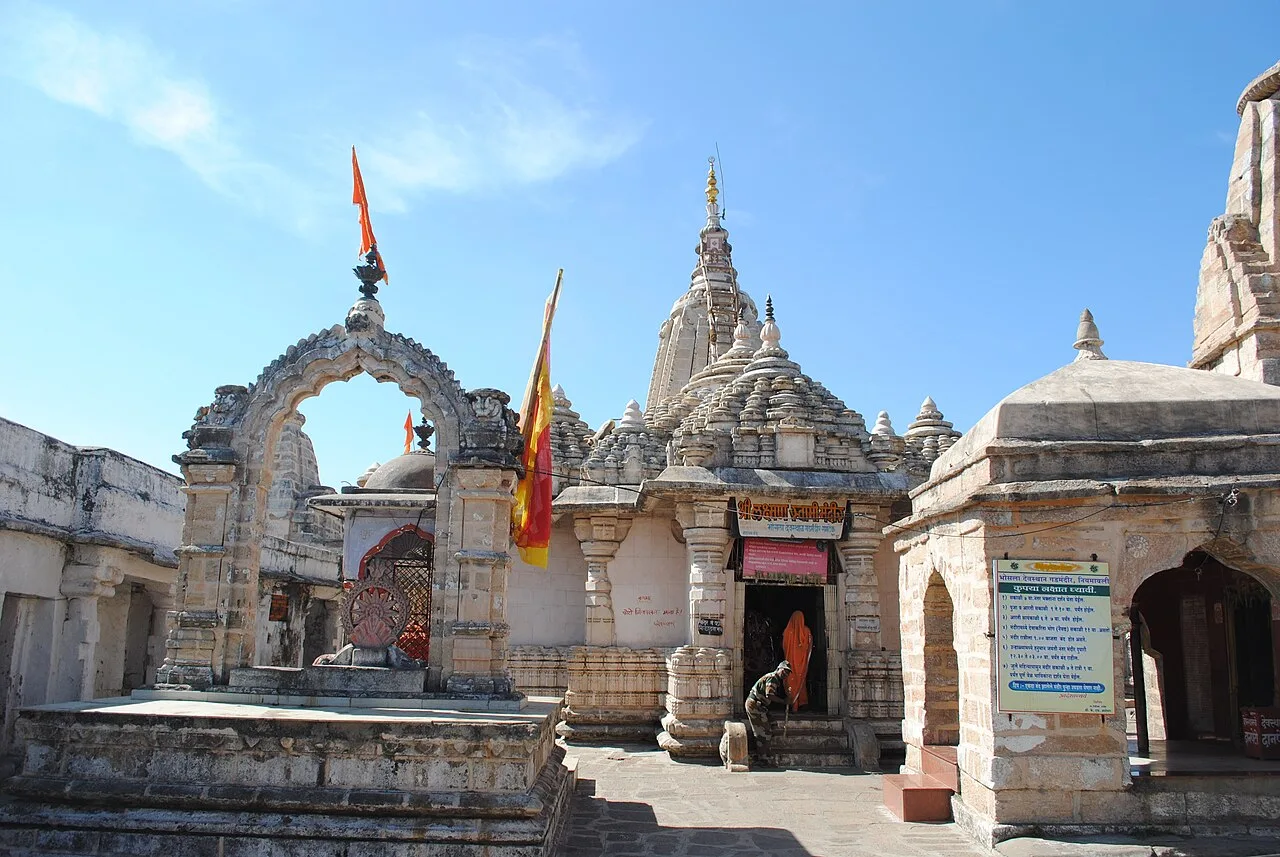
Ramtek Fort Temple is a Hindu pilgrimage site in Maharashtra, visited for its shrines on Ramtek Hill and its association with Rama and the Vakataka dynasty.

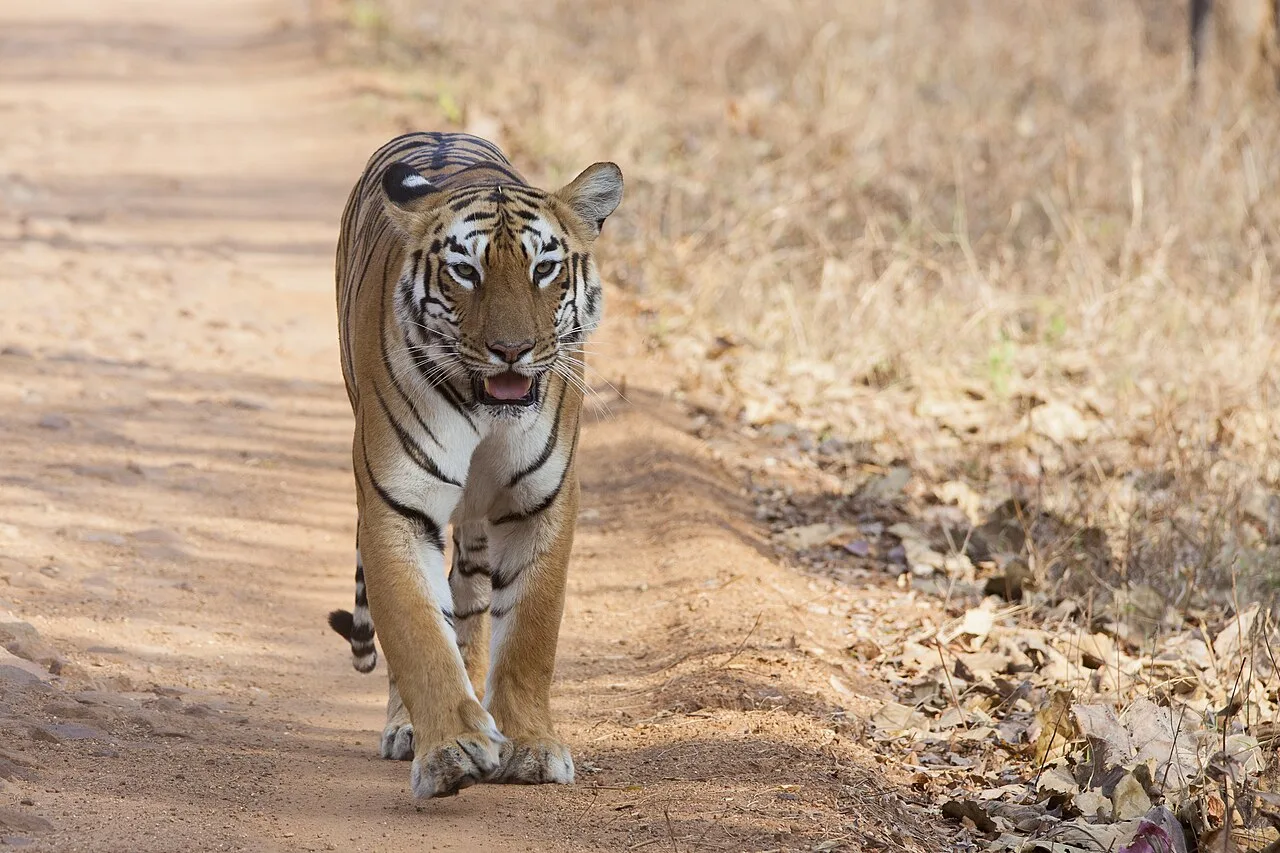
Pench Tiger Reserve

61 km away · Nagpur district

Pench Tiger Reserve

Pench Tiger Reserve spans Madhya Pradesh and Maharashtra, with its Maharashtra section in Nagpur district. People visit to experience its protected landscape and wildlife.

Navegaon National Park

67 km away · Gondia district

Navegaon National Park

Navegaon National Park is in Gondia district, Maharashtra, within the Arjuni Morgaon subdivision. Visitors are drawn by wintering migratory birds at its lake and the park’s varied forest cover.

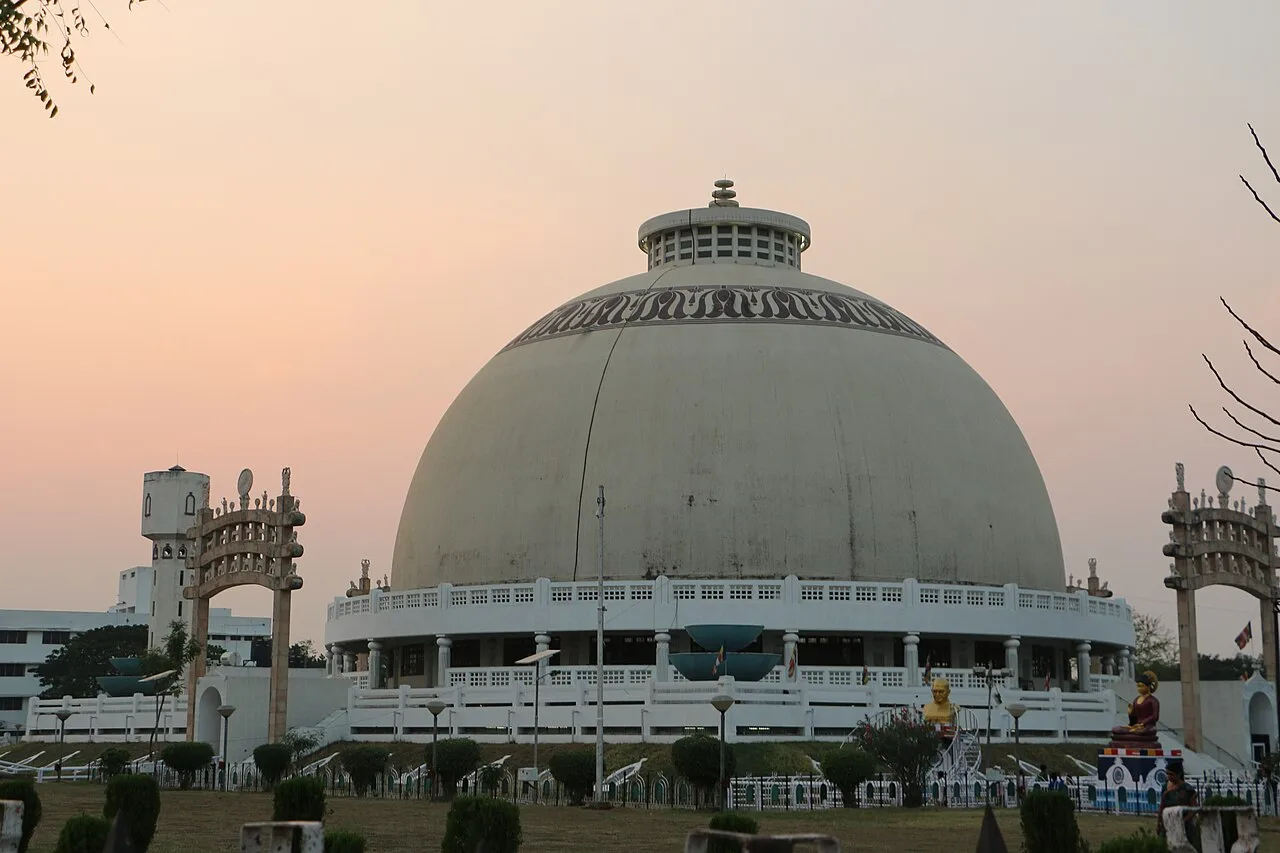
Deekshabhoomi

75 km away · Nagpur district

Deekshabhoomi

Deekshabhoomi is a Navayana Buddhist memorial in Nagpur, where B. R. Ambedkar and a vast following embraced Buddhism in 1956. Pilgrims visit to mark the conversion and its continuing significance.

Tadoba Andhari Tiger Reserve

129 km away · Chandrapur district

Tadoba Andhari Tiger Reserve

Set in Maharashtra’s Chandrapur district, Tadoba Andhari Tiger Reserve combines a national park and wildlife sanctuary within a protected area. Visitors come to experience its forests and wildlife.

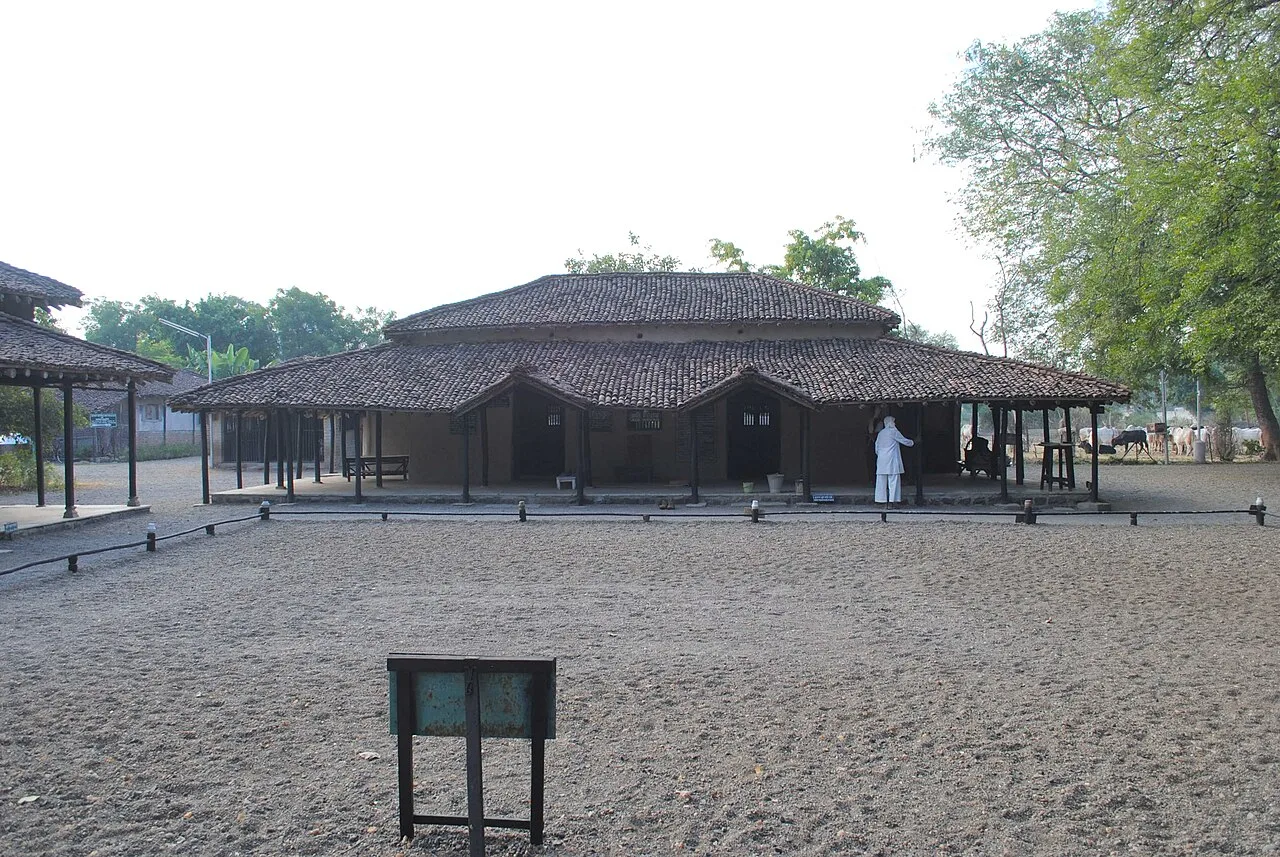
Sevagram Ashram

132 km away · Wardha district

Sevagram Ashram

Sevagram Ashram, in Wardha district, Maharashtra, is known as Mahatma Gandhi’s ashram and home from 1936 until his death in 1948. People visit for its connection with his life.

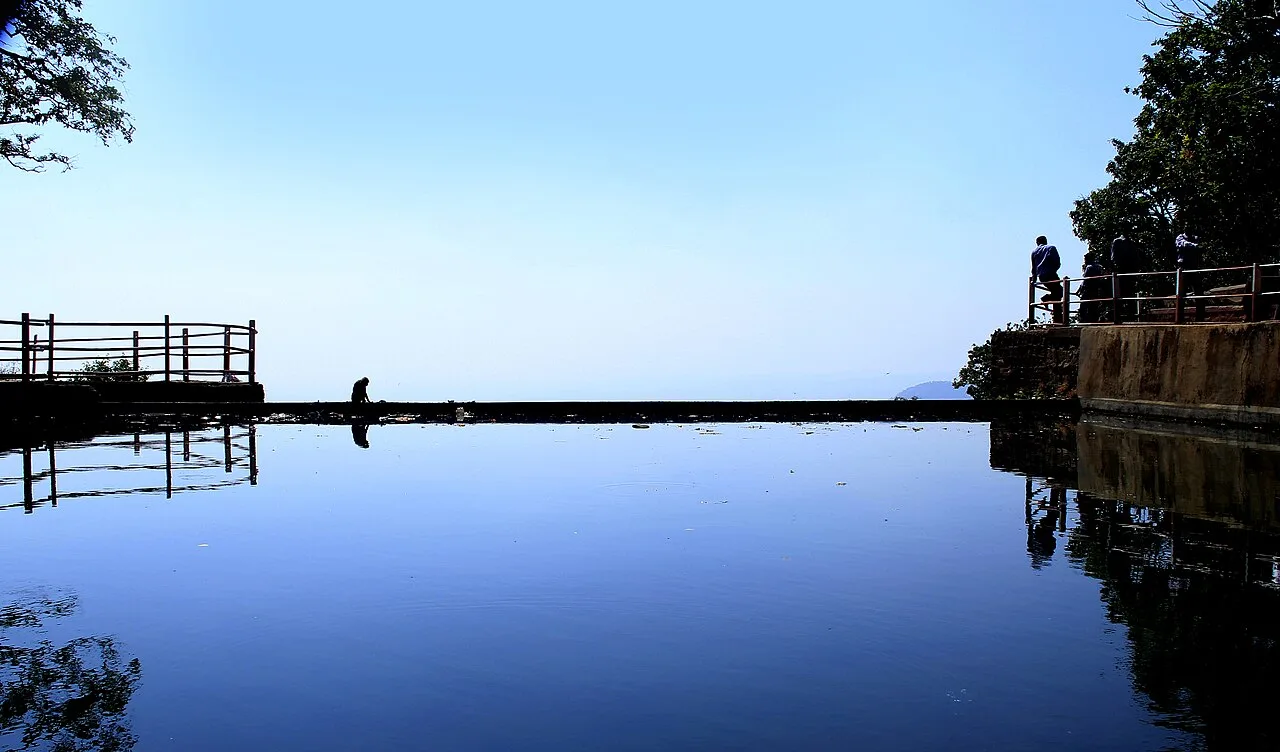
Chikhaldara

209 km away · Amravati district

Chikhaldara

Chikhaldara is a hill settlement and municipal council in Maharashtra’s Amravati district. Visitors come for its highland setting, coffee-growing area and nearby wildlife at the Melghat Tiger Project.

Melghat Tiger Reserve

263 km away · Amravati district

Melghat Tiger Reserve

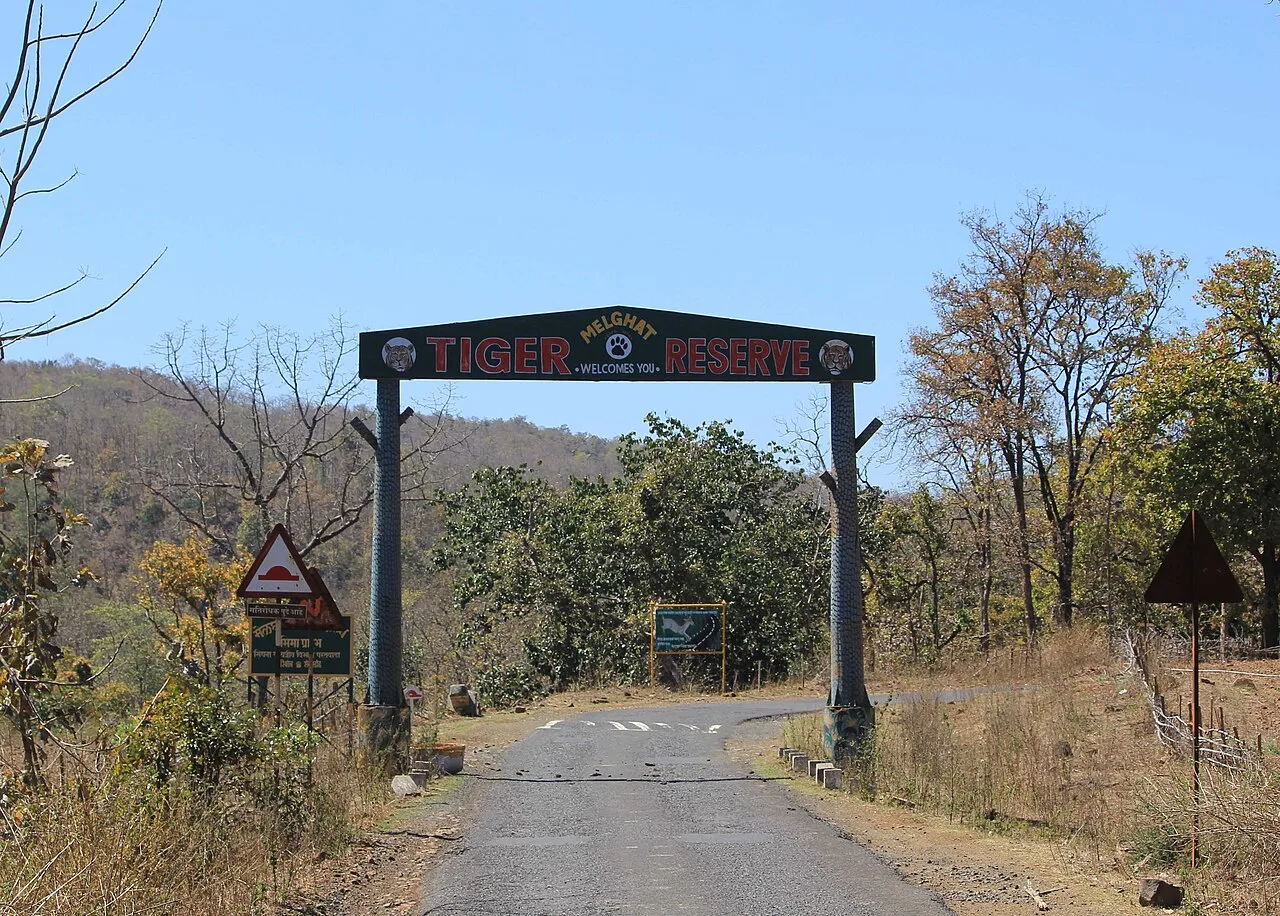
Melghat Tiger Reserve is a protected area in northern Amravati district, Maharashtra. Visitors come to experience its wildlife and learn about its place in India’s Project Tiger programme.

Map

Tumsar on the map

  1. 1Ramtek Fort Temple
  2. 2Pench Tiger Reserve
  3. 3Navegaon National Park
  4. 4Deekshabhoomi
  5. 5Tadoba Andhari Tiger Reserve
  6. 6Sevagram Ashram
  7. 7Chikhaldara
  8. 8Melghat Tiger Reserve

Maharashtra

Other cities to explore