Ghumoopedia — Explore, Discover, Experience
Sign in
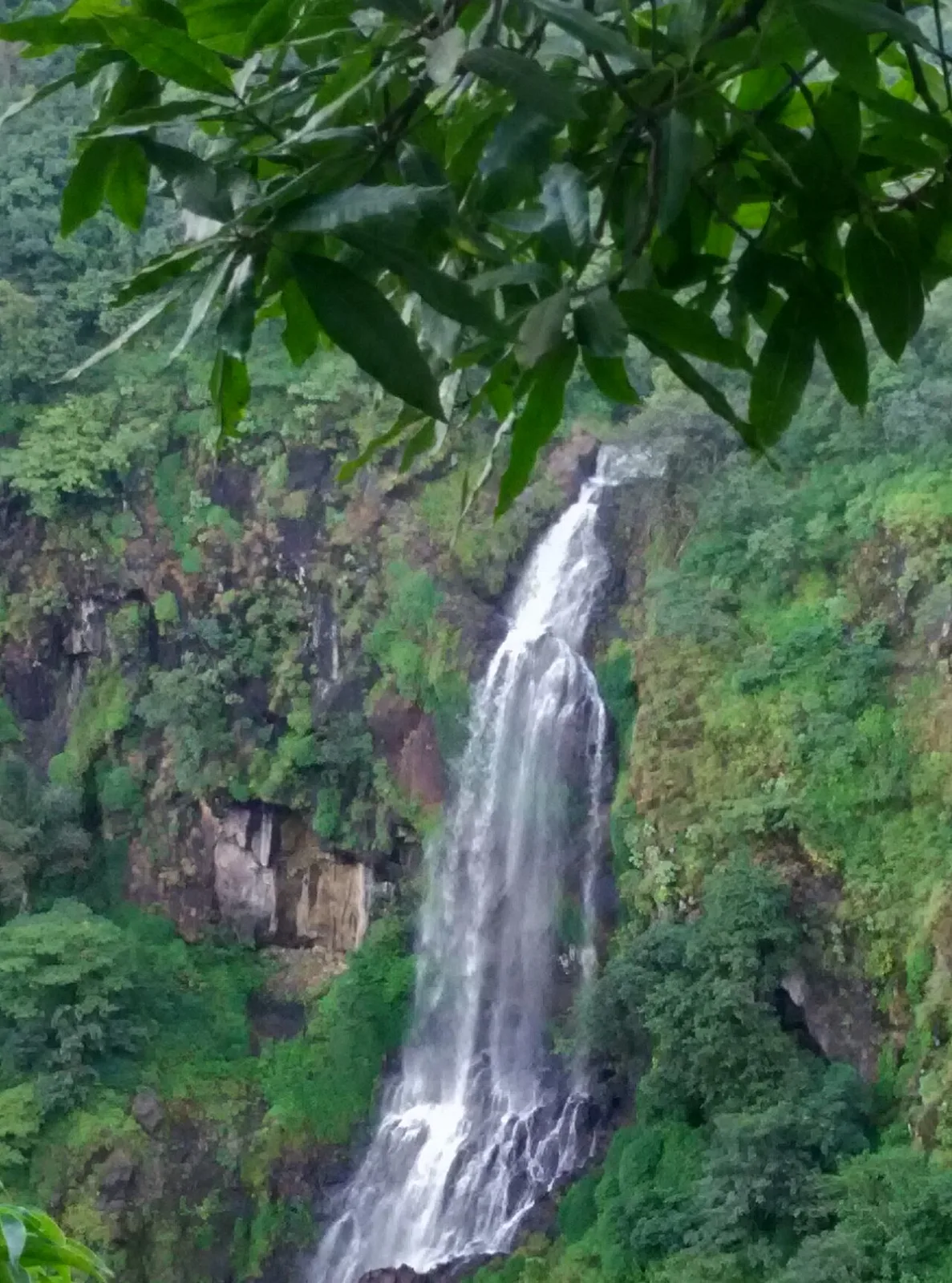
Thoseghar Falls, near Karad

City guide · Maharashtra

Karad

Karad is a regional centre in Satara district, western Maharashtra, known for its location at the meeting of the Krishna and Koyna rivers. Their confluence, called Pritisangam, is a focal point for visitors and a defining feature of the city.

Famous for

  • Krishna–Koyna Pritisangam
  • Sugar production
  • Yashwantrao Chavan Samadhi
  • Agashiv Buddhist caves
  • Western Maharashtra education

Why Karad matters

Karad is a regional centre in Satara district, western Maharashtra, known for its location at the meeting of the Krishna and Koyna rivers. Their confluence, called Pritisangam, is a focal point for visitors and a defining feature of the city. Nearby, the samadhi of Yashwantrao Chavan, Maharashtra’s first chief minister, gives the riverfront added historical significance. Temples, gardens and local landmarks make the centre an easy place to explore on a short visit.

Karad is also associated with the sugar industry, with factories in and around the city supporting its reputation as a sugar-producing centre. Its colleges and other educational institutions serve students from across western Maharashtra. The surrounding region offers further excursions, including the Buddhist caves at Agashiv, forts, dams and religious sites. Karad’s mix of river landscape, industry, education and regional history makes it more than a stop between larger cities, while its position between Pune, Kolhapur and Sangli helps connect it to the wider Deccan region.
Famous for: crafts, trade & products

Karad is best known for sugar production. Factories in and around the city process sugarcane from the agricultural region, and the industry is an important part of its local economy and identity. Sugar and everyday regional groceries can be found through the town’s ordinary shops and markets; sugar factories are working industrial sites, not necessarily visitor attractions.

The city’s other prominent strength is education, with colleges and institutions drawing students from across western Maharashtra. Karad is not especially identified with a particular saree tradition, handicraft or locally based GI-tagged product. Visitors looking for textiles, souvenirs or regional goods can browse central shopping areas, but should not expect a distinctive Karad craft market. The city’s heritage is more visible in its landmarks than in a signature product: the Pritisangam riverfront, Yashwantrao Chavan’s samadhi, historic religious sites and the nearby Agashiv caves offer a stronger sense of place. For locally made or packaged goods, check labels and ask retailers about their origin rather than assuming they are specific to Karad.

History

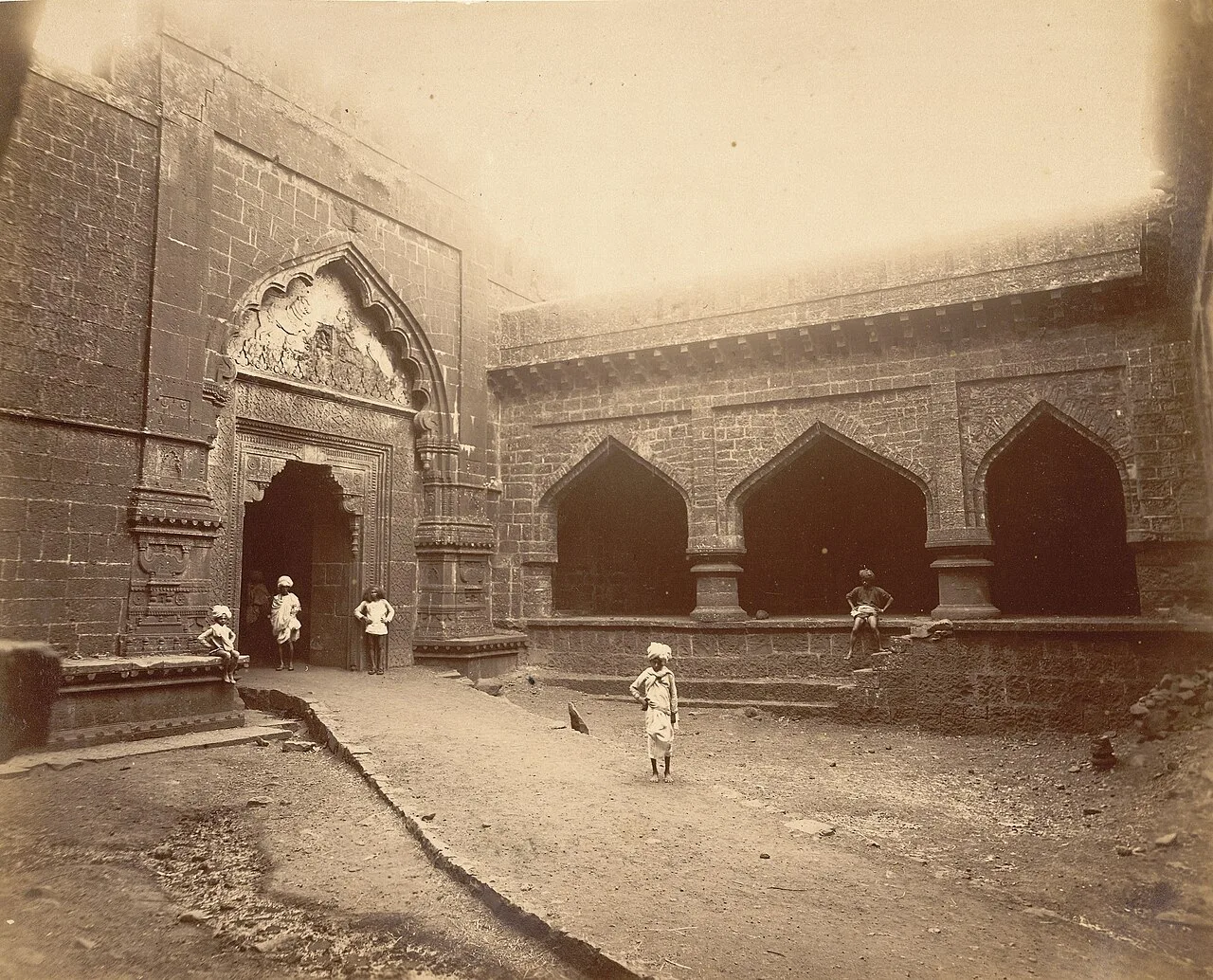
Karad has older roots as a settlement in the Krishna valley. It was once known as Karhatak, a name traditionally interpreted as “elephant market.” The city is associated with the Shilahara dynasty: during the reign of Jatiga II, Karad was probably an early capital of the Shilaharas, who are sometimes called the Shilaharas of Karad. Their seat later shifted to Kolhapur. The nearby Agashiv caves, with early Buddhist symbols, point to the area’s older religious and cultural history. Stories connecting Karad with the Mahabharata and Lord Rama belong to local religious tradition.

Under British rule, Karad formed part of Satara district in the Bombay Presidency. In the decades after independence, the city developed as an administrative, educational and industrial centre. Sugar factories strengthened its role in the surrounding agricultural economy. Its planned underground drainage system, developed in the 1960s, was an early example of municipal infrastructure investment. The adjoining town of Malkapur developed its own municipal administration.

Food, festivals & culture

Marathi is the principal language of daily life; Hindi and English are also heard, particularly in educational and administrative settings. Food is broadly Maharashtrian, with meals often built around bhakri or rice, vegetables, lentils and preparations such as pithla. Sweets and snacks vary by household and season; Karad does not have one widely recognised signature dish. The surrounding sugarcane economy is a visible part of the region, though it does not by itself define the city’s cuisine.

Ganesh Chaturthi, usually in August or September, brings household and community celebrations. Diwali in October or November, Gudi Padwa in March or April, and Makar Sankranti in January are also observed. Bhajans, kirtan and devotional music are part of religious gatherings, while lavani and powada belong to the broader cultural traditions of Maharashtra. Places of worship include the Krishnamai Temple near the confluence and mosques in the city; Ram temples and other devotional sites can be visited in the surrounding area. Festival dates follow the lunar calendar and shift from year to year.

Visiting the city

October to February is generally the most comfortable season for sightseeing. The monsoon brings greener scenery around the rivers and hills, while summer can be hot. Karad Railway Station is the main rail stop. Karad Airport is the local airfield; check for suitable commercial services before planning around it. Kolhapur Airport and Pune International Airport are alternatives, with current routes and schedules worth confirming before travel.

Auto-rickshaws, local buses and hired vehicles are useful for getting around. Begin around Pritisangam, the riverfront garden and Yashwantrao Chavan’s samadhi, then explore the town centre’s temples and historic sites. Malkapur is close by, while Sadashivgad and the Agashiv caves make worthwhile nearby outings. For longer trips to forts, dams or wildlife areas, arrange transport suited to the destination.

Trips from the city

Nearest places to visit from Karad

Our closest destination guides, by straight-line distance.

Thoseghar Falls

49 km away · Satara district

Thoseghar Falls

Thoseghar Falls is a series of cascades near Thoseghar village in Maharashtra’s Satara district. Visitors come to see the waterfalls, especially during the monsoon, when rainfall swells their flow.

Panhala Fort

54 km away · Kolhapur district

Panhala Fort

Panhala Fort is a hilltop stronghold in Kolhapur district, Maharashtra, overlooking a Western Ghats pass. Visitors come to see its surviving structures and explore its connections with Deccan conflicts and Tarabai.

Jyotiba Temple

55 km away · Kolhapur district

Jyotiba Temple

Near Wadi Ratnagiri in Maharashtra’s Kolhapur district, Jyotiba Temple is a Hindu place of worship. People visit the shrine and its annual fair, held at full moon in Chaitra and Vaishakha.

Kaas Plateau

61 km away · Satara district

Kaas Plateau

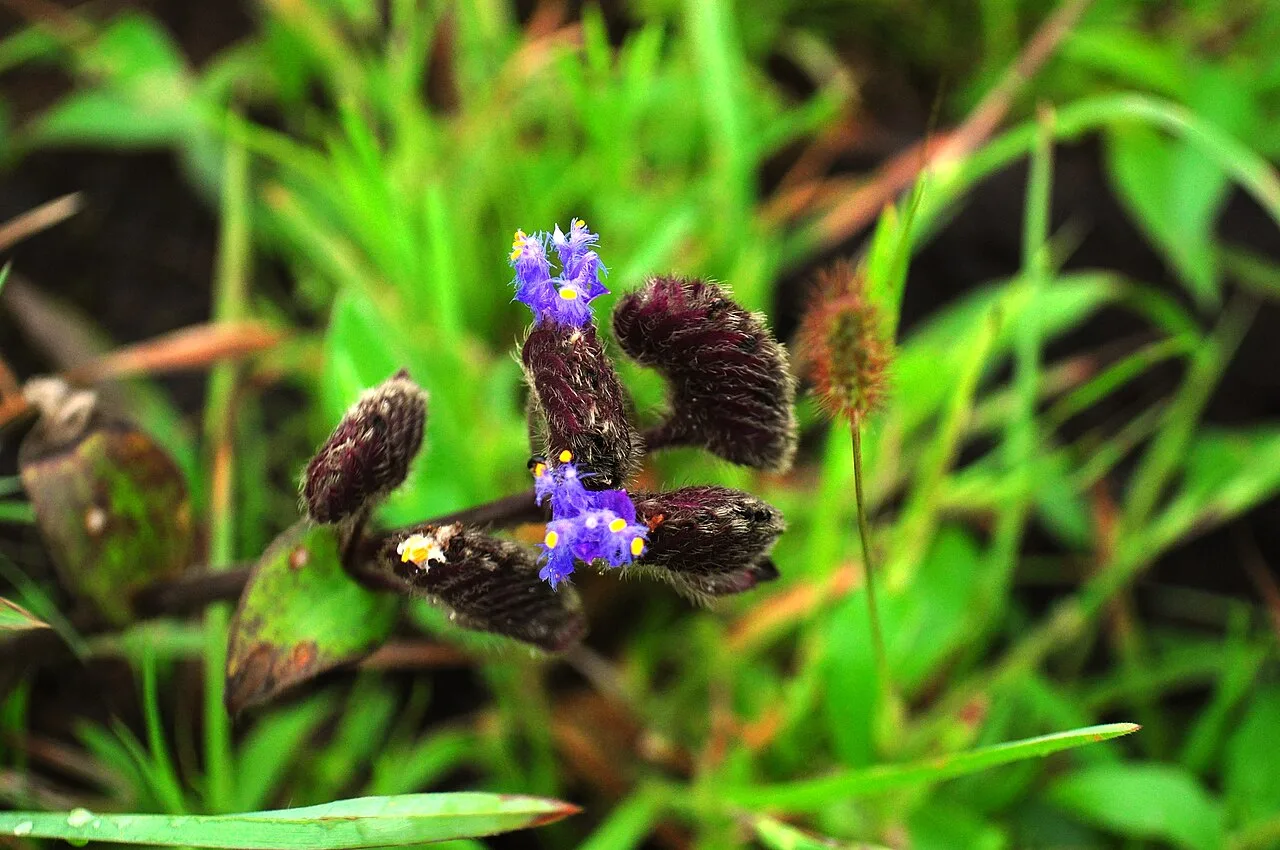
Kaas Plateau is a high basalt tableland and reserve forest in Maharashtra’s Satara district. Its seasonal wildflowers, endemic butterflies and distinctive plants make it a destination for nature visits, especially in August and September.

Mahalakshmi Temple, Kolhapur

66 km away · Kolhapur district

Mahalakshmi Temple, Kolhapur

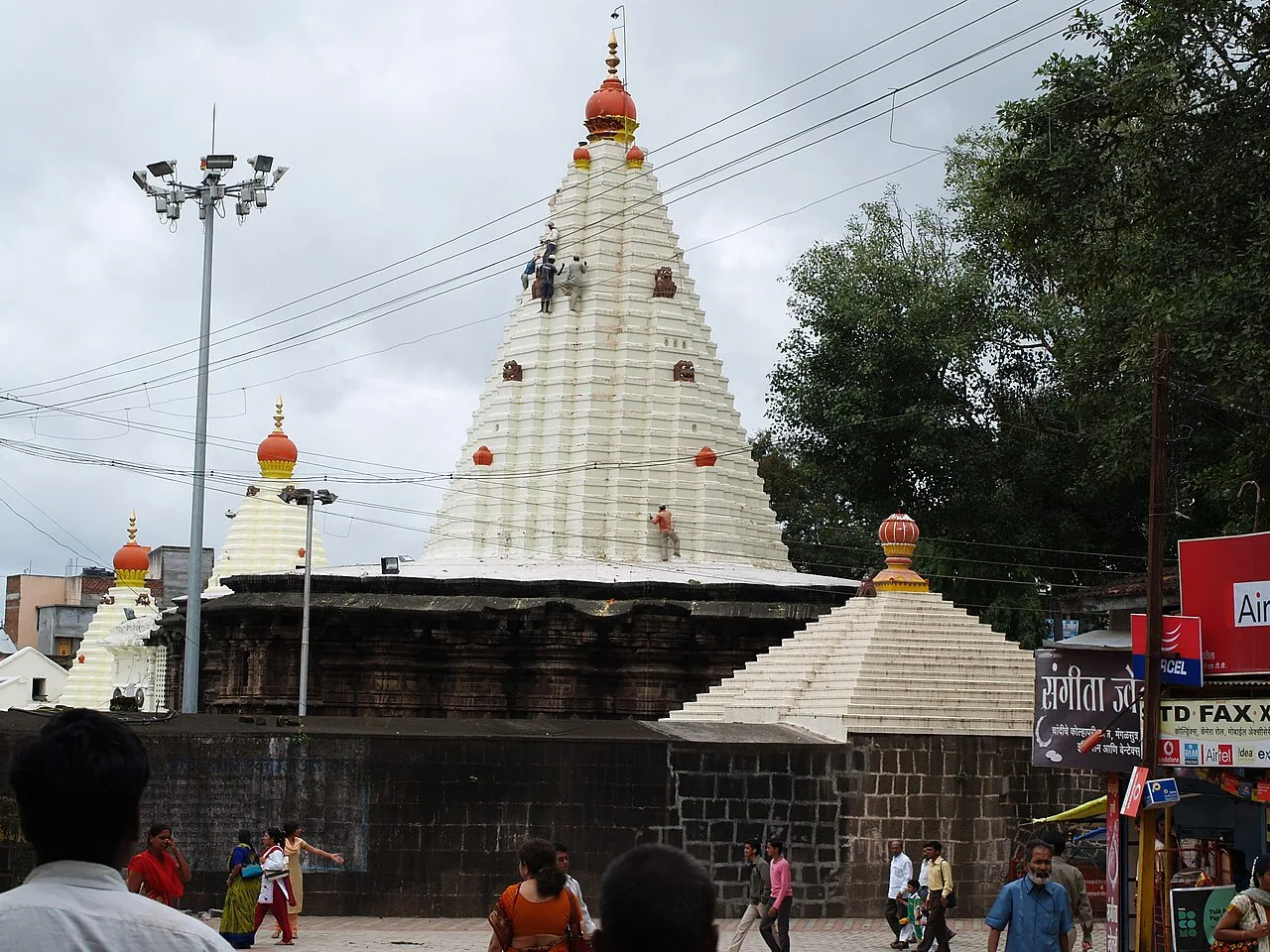
The Mahalakshmi Temple, also called Ambabai Mandir, is a shrine in Kolhapur district, Maharashtra, dedicated to Goddess Mahalakshmi and visited as part of Hindu pilgrimage.

Rankala Lake

67 km away · Kolhapur district

Rankala Lake

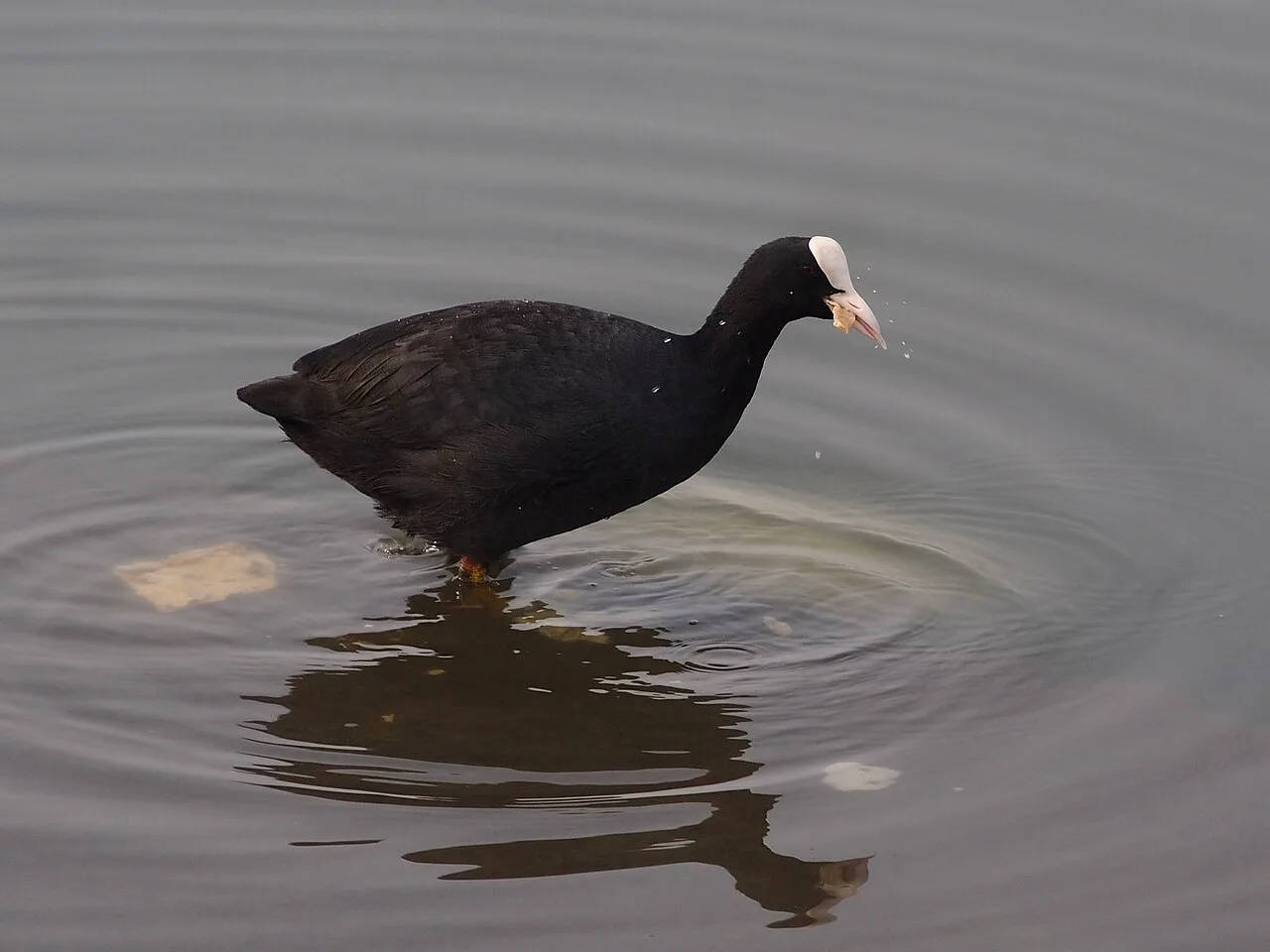
Rankala Lake is a freshwater lake in Kolhapur, Maharashtra. Visitors can come to see a lake within the city and spend time beside its waters.

Panchgani

81 km away · Satara district

Panchgani

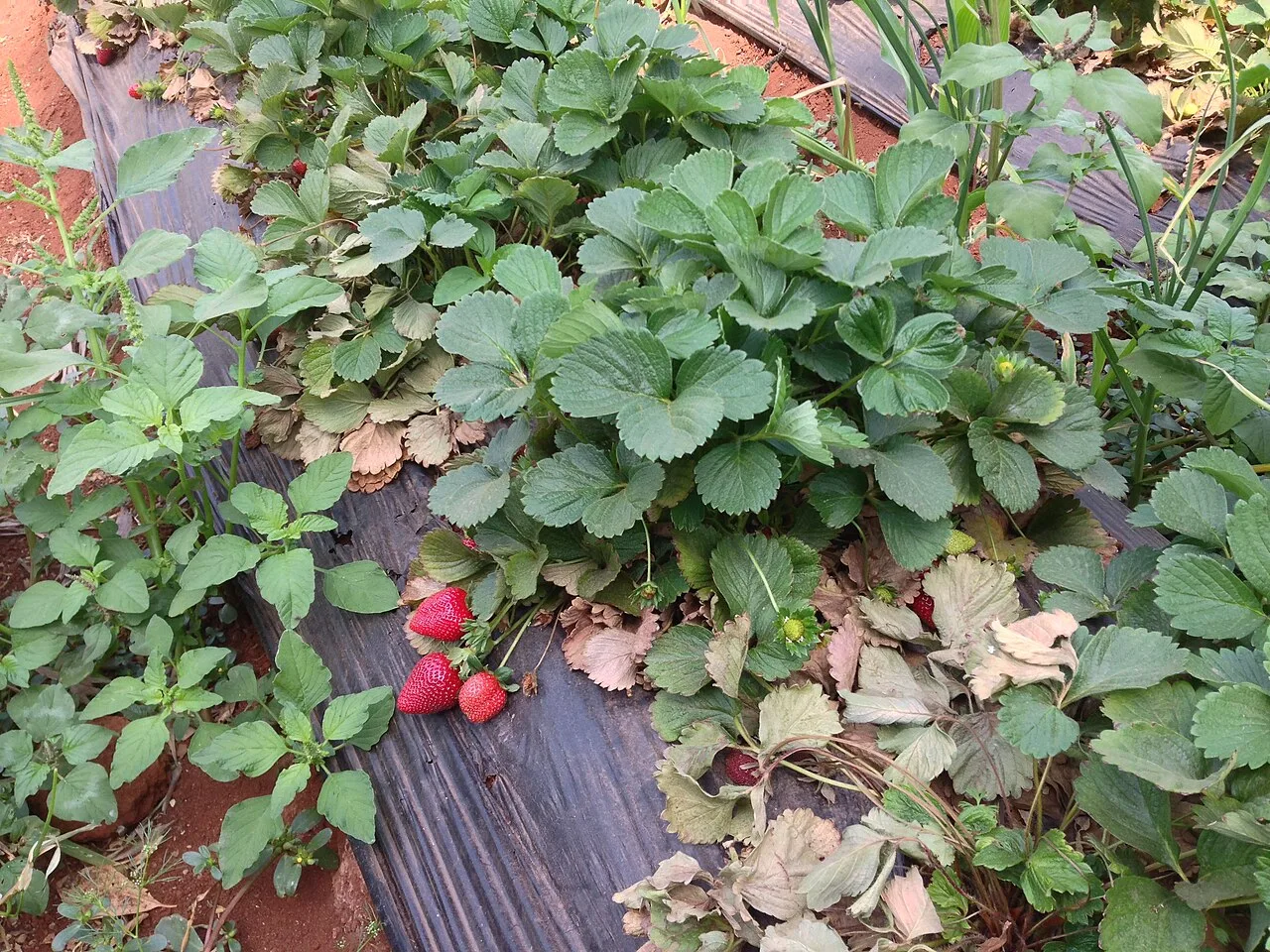
Panchgani, also known as Paachgani, is a hill station in Maharashtra’s Satara district with municipal-council status. Visitors come throughout the year, and its many convent boarding schools are also well known.

82 km away · Satara district

Bhilar (Book Village)

Bhilar is a village in Maharashtra’s Satara district, known as the Book Village. Visitors may be drawn by its distinctive association with books.

Map

Karad on the map

  1. 1Thoseghar Falls
  2. 2Panhala Fort
  3. 3Jyotiba Temple
  4. 4Kaas Plateau
  5. 5Mahalakshmi Temple, Kolhapur
  6. 6Rankala Lake
  7. 7Panchgani
  8. 8Bhilar (Book Village)

Maharashtra

Other cities to explore