Ghumoopedia — Explore, Discover, Experience
Sign in

City guide · Maharashtra

Mangrulpir

Mangrulpir is a taluka town in Washim district, in Maharashtra’s Vidarbha region. Its importance comes from its role as a local administrative and service centre, as well as from the religious sites that draw visitors from surrounding settlements.

Famous for

  • Dada Hayat Qalandar Dargah
  • Sayyad Ahmad Kabeer shrine
  • Birbalnath Maharaj Temple
  • Birbalnath annual fair

Why Mangrulpir matters

Mangrulpir is a taluka town in Washim district, in Maharashtra’s Vidarbha region. Its importance comes from its role as a local administrative and service centre, as well as from the religious sites that draw visitors from surrounding settlements. The town is particularly associated with the Dada Hayat Qalandar Dargah and the shrine of Hazrat Sayyad Ahmad Kabeer, alongside the temple dedicated to Birbalnath Maharaj.

These places give Mangrulpir a distinctive shared devotional character. The annual fair held in honour of Birbalnath Maharaj is a major occasion in the town’s calendar, while the dargah remains a focus of pilgrimage and reverence. Visitors generally come for worship, the fair and the town’s religious history rather than for a large tourist infrastructure or a nationally known commercial product. Mangrulpir’s municipal council and taluka-level role also make it a point of everyday civic activity for nearby communities. Its appeal lies in this combination of regional importance, active places of worship and recurring pilgrimage traditions.
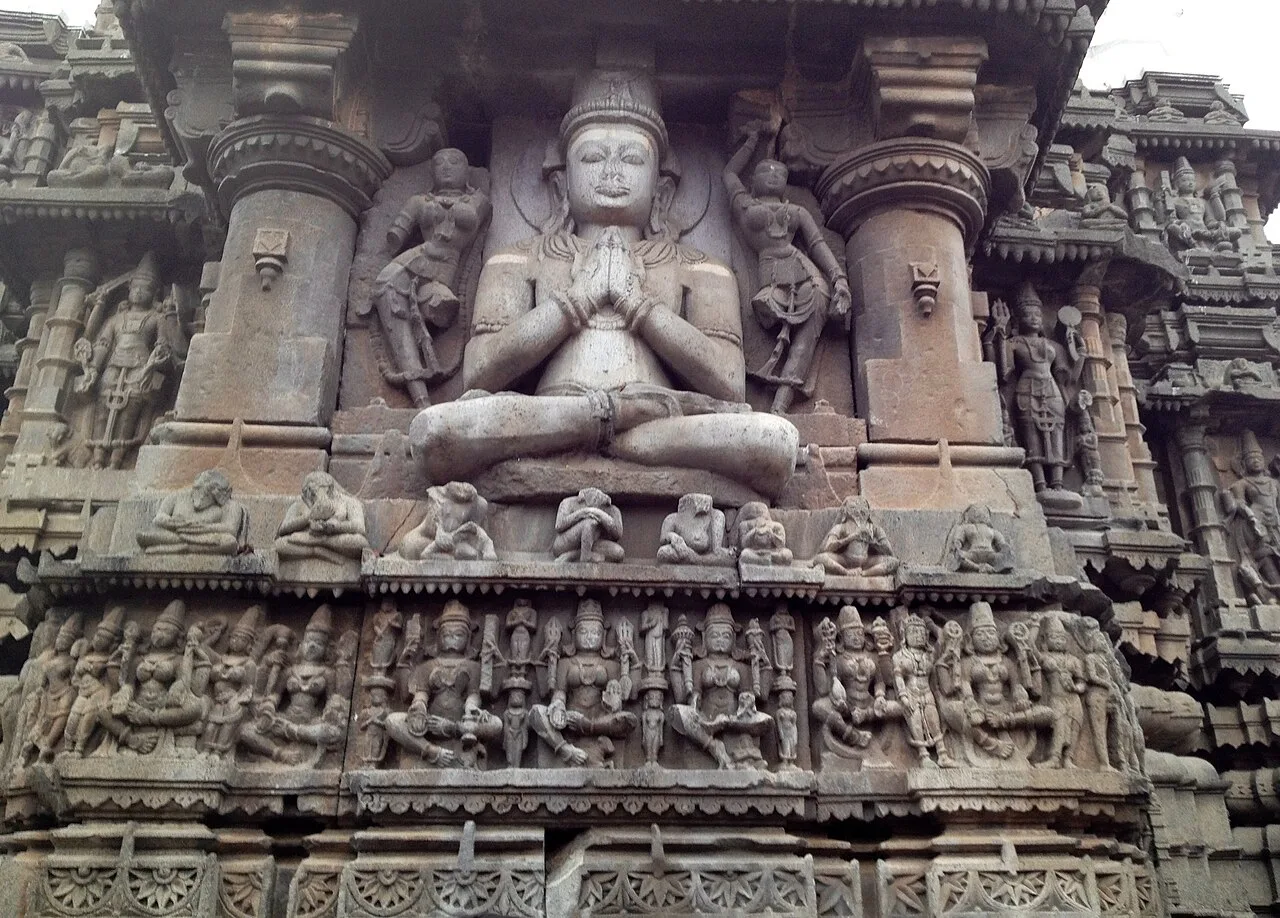
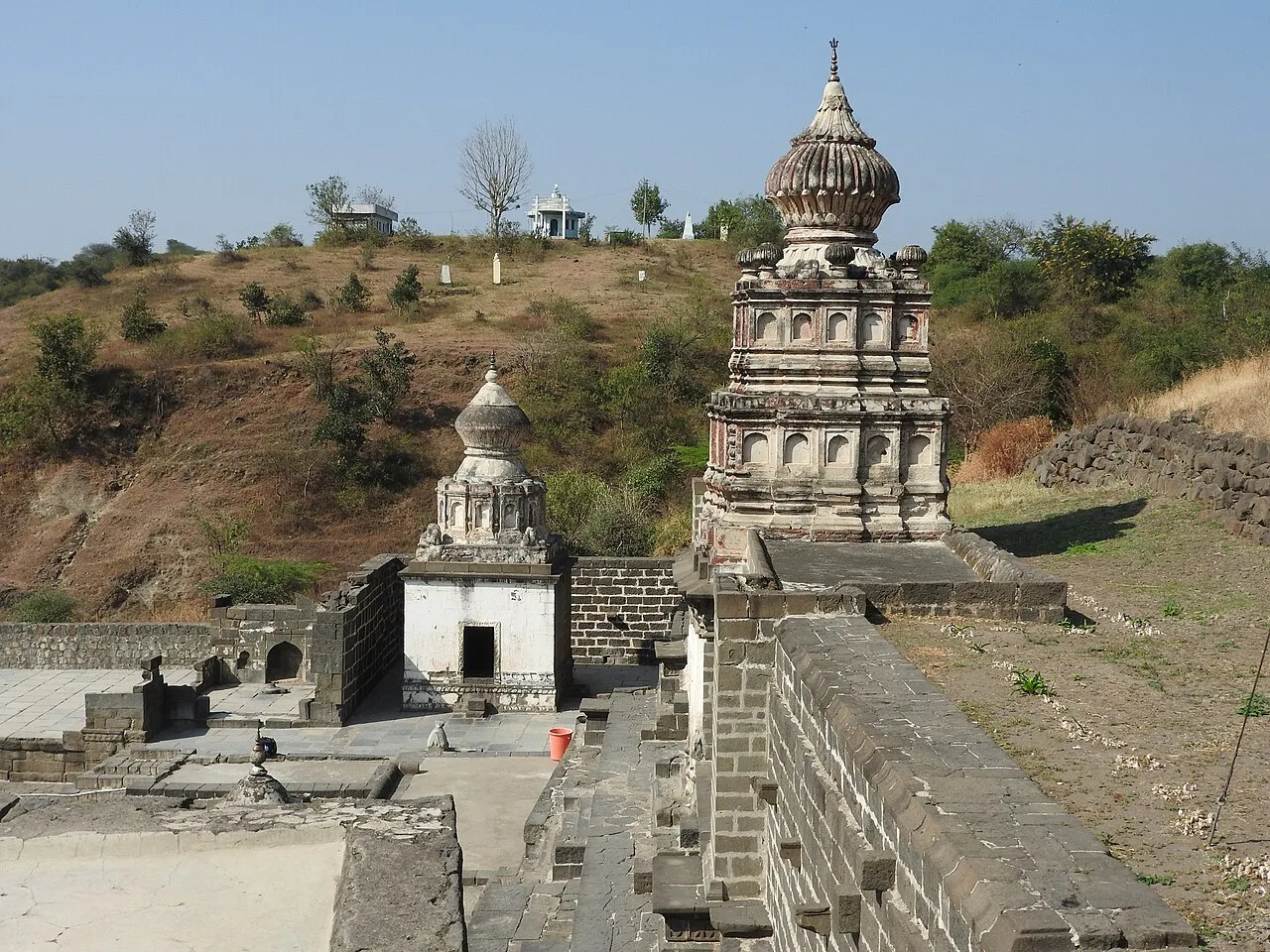
Famous for: crafts, trade & products

Mangrulpir is best known for its religious institutions and pilgrimage traditions, rather than for a widely recognized textile, handicraft or manufacturing specialty. No particular GI-tagged product or signature saree is strongly associated with the town. Its identity is centred on the Dada Hayat Qalandar Dargah, the shrine of Hazrat Sayyad Ahmad Kabeer and the Birbalnath Maharaj Temple.

The town’s local markets serve residents and visitors with everyday shopping needs. Bazaar streets and shops around the central town are the practical places to look for routine provisions, clothing and devotional items, though Mangrulpir is not especially known as a specialist destination for crafts or high-end retail. Visitors attending the Birbalnath fair may find seasonal stalls and offerings associated with the gathering, but these should not be confused with a distinct local craft industry. For a sense of what Mangrulpir is known for, the shrines and their surrounding devotional activity are more representative than any particular product or trade.

History

Mangrulpir’s local identity is closely connected with the dargahs of Hazrat Sayyad Ahmad Kabeer and other Muslim saints and peers; these associations are traditionally linked to the town’s name. The religious sites have helped make it a destination for devotees and have shaped its place in the surrounding region. The Birbalnath Maharaj Temple is another important part of this history. Birbalnath Maharaj, who came from Punjab, took samadhi in 1928, and a recurring fair honours his memory.

Mangrulpir developed as a taluka town in what is now Washim district. Its municipal council was established in 1959, and municipal governance is conducted under the Maharashtra Municipalities Act, 1965. This formal civic administration reflects the town’s development as a service centre for nearby communities. No particular dynasty or colonial-era episode is central to Mangrulpir’s commonly recognized history; its best-known historical associations remain its religious institutions and pilgrimage traditions.

Food, festivals & culture

Mangrulpir’s cultural life reflects its mix of Muslim and Hindu places of worship. The Dada Hayat Qalandar Dargah and the shrine associated with Hazrat Sayyad Ahmad Kabeer are important devotional destinations, while the Birbalnath Maharaj Temple is the focus of a major annual gathering. Its fair runs from Magha Shuddha Panchami to Mahashivratri, usually in February or March, and draws large numbers of devotees. Eid, Muharram, Diwali, Ganesh festivities and Holi are also observed in the town and surrounding area.

Marathi is widely used, with Urdu and Hindi also heard. Everyday food generally reflects the wider Vidarbha and Maharashtra tradition: meals may include bhakri, pithla and spicy regional curries, with familiar sweets such as puran poli on festive occasions. These are regional foods, not specialties unique to Mangrulpir. Devotional prayer, bhajans and religious gatherings are central to its public cultural life; the town is not particularly identified with a distinctive local dance form.

Visiting the city

The cooler months, roughly October to February, are generally the most comfortable time to visit. The Birbalnath fair takes place around February–March, so dates vary with the religious calendar. Washim railway station is the main rail access point for Mangrulpir. Akola Airport is a nearby airport, but travellers should check whether suitable passenger services are available; Nagpur offers a larger airport option farther away.

Within town, local auto-rickshaws and other road transport can help visitors reach the dargah, Birbalnath Maharaj Temple and central market streets. The main areas to explore are the shrine precincts and the town centre, especially during the fair. Mangrulpir is best approached as a pilgrimage and local-town visit rather than as a place with a broad network of tourist districts.

Trips from the city

Nearest places to visit from Mangrulpir

Our closest destination guides, by straight-line distance.

Aundha Nagnath Temple

92 km away · Hingoli district

Aundha Nagnath Temple

Aundha Nagnath Temple is an old Shiva shrine in Maharashtra’s Hingoli district, regarded as the eighth of the twelve Jyotirlinga shrines. Visitors come for its religious importance, historical associations and distinctive architecture.

Lonar Lake

95 km away · Buldhana district

Lonar Lake

Lonar Lake is a saline, soda-rich lake in Maharashtra’s Buldhana district, set within a meteorite-impact crater. Visitors come to see its unusual geological formation and recognised conservation status.

Chikhaldara

107 km away · Amravati district

Chikhaldara

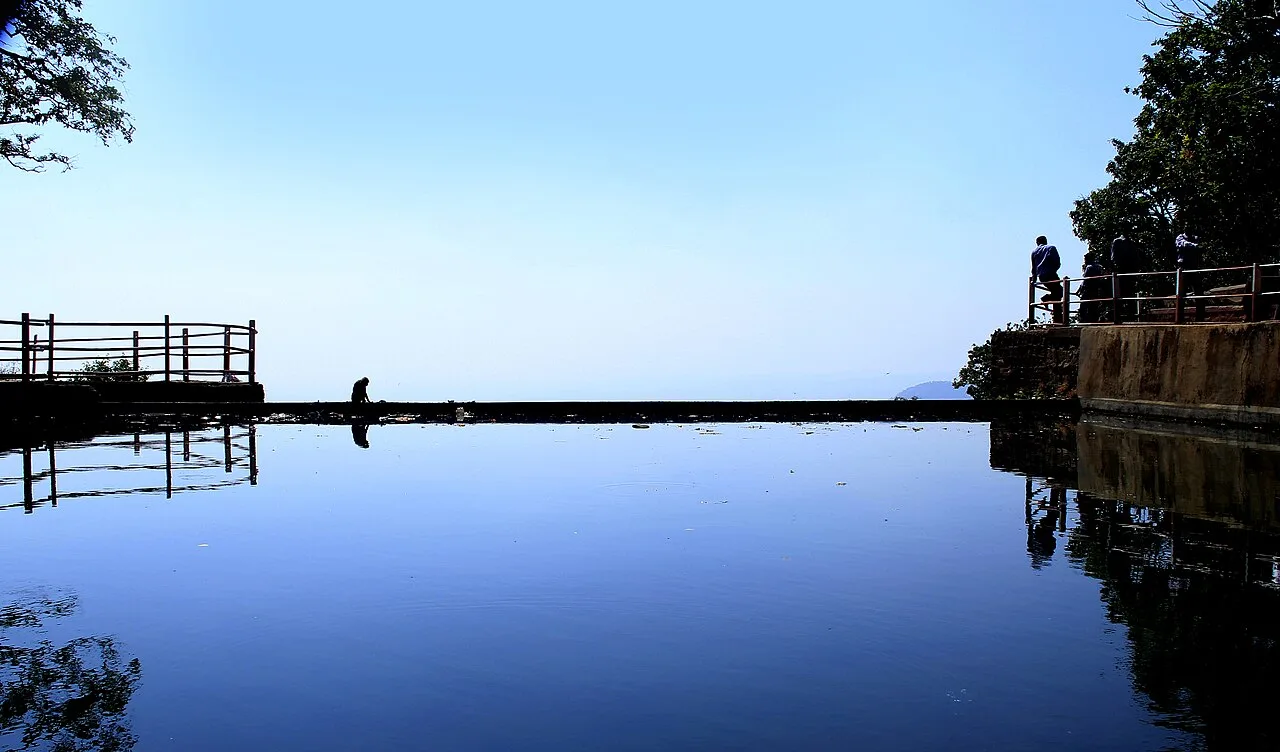
Chikhaldara is a hill settlement and municipal council in Maharashtra’s Amravati district. Visitors come for its highland setting, coffee-growing area and nearby wildlife at the Melghat Tiger Project.

Melghat Tiger Reserve

127 km away · Amravati district

Melghat Tiger Reserve

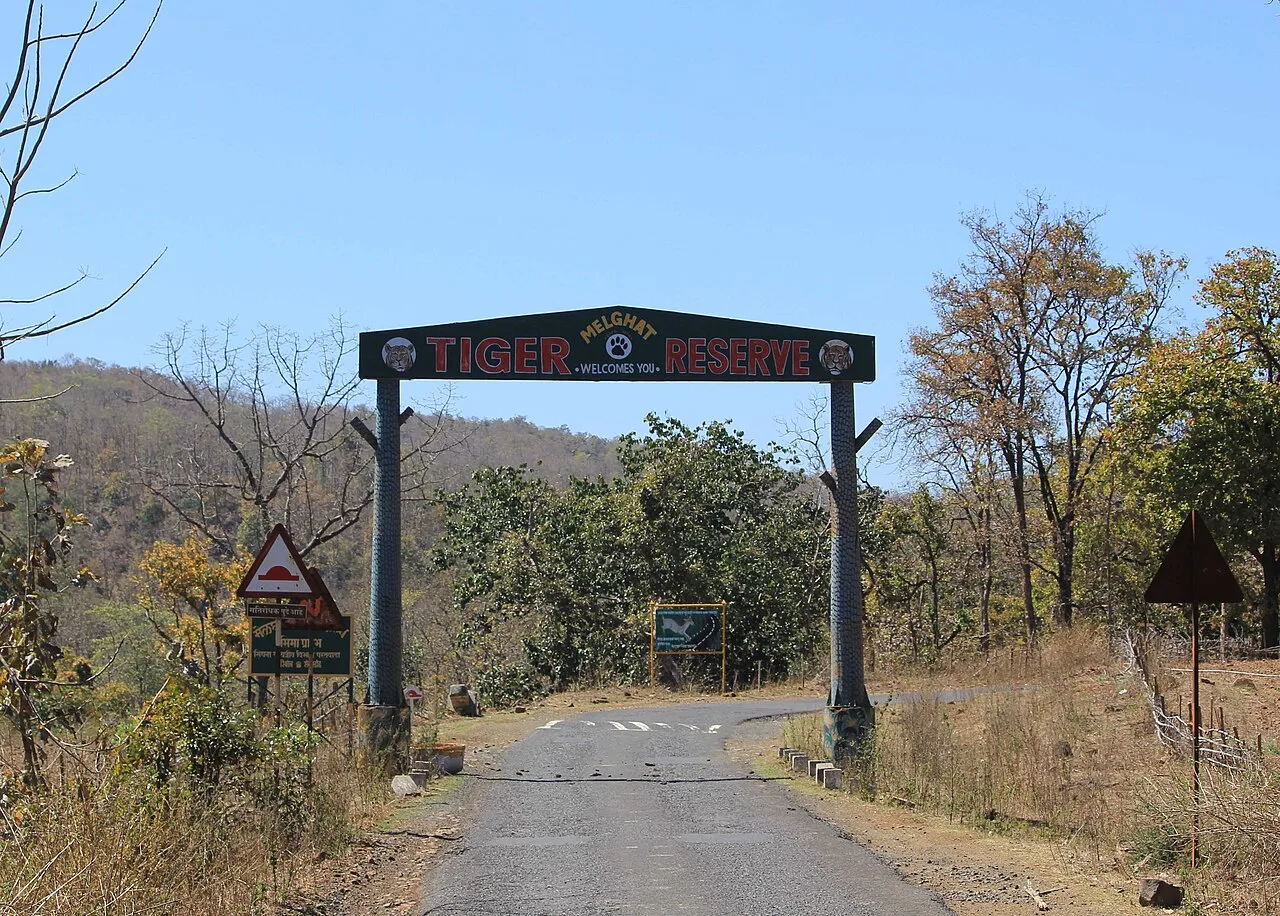
Melghat Tiger Reserve is a protected area in northern Amravati district, Maharashtra. Visitors come to experience its wildlife and learn about its place in India’s Project Tiger programme.

Hazur Sahib

129 km away · Nanded district

Hazur Sahib

Takht Sachkhand Sri Hazur Abchalnagar Sahib is one of Sikhism’s five takhts, in Nanded, Maharashtra. Visitors come to worship and remember Guru Gobind Singh at the site associated with his death and cremation.

Sevagram Ashram

145 km away · Wardha district

Sevagram Ashram

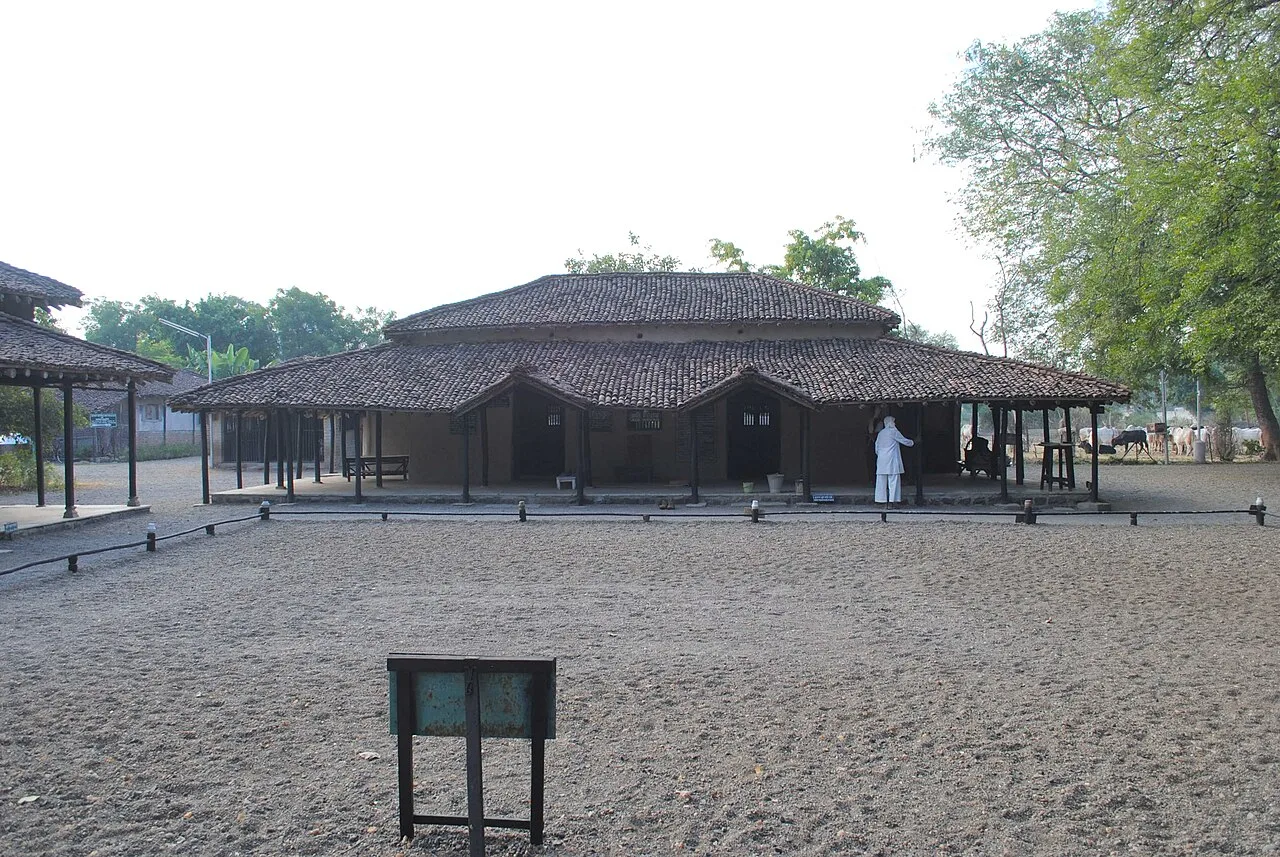
Sevagram Ashram, in Wardha district, Maharashtra, is known as Mahatma Gandhi’s ashram and home from 1936 until his death in 1948. People visit for its connection with his life.

Ajanta Caves

173 km away · Chhatrapati Sambhajinagar district

Ajanta Caves

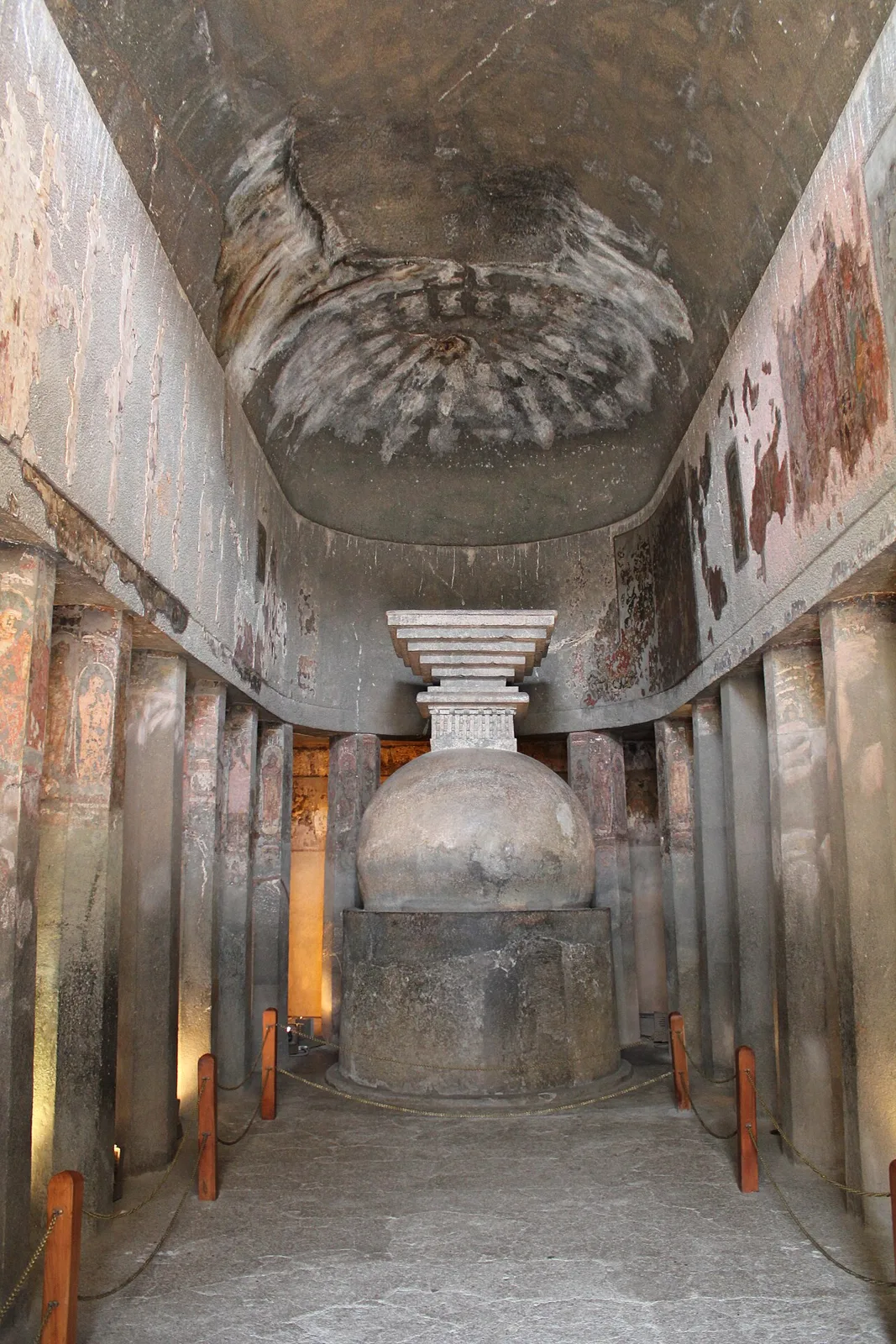
Ajanta is a group of 30 Buddhist caves in Maharashtra, known for its ancient paintings, sculptures and religious architecture. Visitors come to explore the site’s artistic and monastic heritage.

Shri Vaijnath Temple

184 km away · Beed district

Shri Vaijnath Temple

Shri Vaijnath Temple is a Shiva shrine at Parli Vaijnath in Maharashtra’s Beed district. Worshippers visit to perform abhishekam, and the temple is regarded as the fifth of Shiva’s twelve Jyotirlingas.

Map

Mangrulpir on the map

  1. 1Aundha Nagnath Temple
  2. 2Lonar Lake
  3. 3Chikhaldara
  4. 4Melghat Tiger Reserve
  5. 5Hazur Sahib
  6. 6Sevagram Ashram
  7. 7Ajanta Caves
  8. 8Shri Vaijnath Temple

Maharashtra

Other cities to explore