Ghumoopedia — Explore, Discover, Experience
Sign in

City guide · Maharashtra

Bhoom

Bhoom is a small municipal town in Maharashtra’s Marathwada region and the headquarters of Bhoom tahsil. Its position beside the Banaganga River gives the town a strong connection to the surrounding countryside; the river eventually joins the Bhima.

Famous for

  • Banaganga River
  • Bhoom tahsil headquarters
  • Marathwada farm trade
  • Deccan plateau landscapes

Why Bhoom matters

Bhoom is a small municipal town in Maharashtra’s Marathwada region and the headquarters of Bhoom tahsil. Its position beside the Banaganga River gives the town a strong connection to the surrounding countryside; the river eventually joins the Bhima. Bhoom serves as a local centre for administration, shopping and everyday services for nearby villages, making it a useful stop for travellers exploring this part of the Deccan plateau.

Visitors are drawn less by big-city attractions than by the rhythms of a regional market town, its river setting and the rural landscapes beyond its streets. The surrounding district is known for farming, traditional food and places of worship, while road links connect Bhoom with larger centres such as Dharashiv and Solapur. A visit offers a chance to experience everyday life in inland Maharashtra: market activity, Marathi-speaking neighbourhoods and the changing colours of the dry plateau through the seasons. Bhoom is best understood as a practical regional hub and a starting point for exploring nearby towns and countryside.
Famous for: crafts, trade & products

Bhoom is known chiefly as a tahsil centre and local marketplace rather than as a major textile or handicraft destination. Its shops and weekly-market trade serve residents of the town and surrounding villages. Everyday purchases include clothing, household goods and farm supplies, while seasonal produce reflects the agricultural character of the wider Marathwada region. Jowar, pulses and oilseeds are familiar crops across the area, though they are regional products rather than a distinct Bhoom-branded specialty.

Visitors can browse the central bazaar and streets around the town’s administrative centre for locally used goods and everyday snacks. The town is not especially associated with a signature saree, craft or GI-tagged product; for a wider selection of branded goods and specialist shopping, larger regional centres are more suitable. Its strongest commercial identity is the role it plays in connecting nearby rural communities with services and trade. For a sense of that role, visit during the day when shops are active and local residents come into town on market errands. The Banaganga-side setting and surrounding farmland provide a broader picture of Bhoom’s links to the land and local economy.

History

Bhoom developed as an inland settlement serving the villages and agricultural lands of the surrounding plateau. Its position by the Banaganga and its role as the headquarters of a tahsil helped establish it as a centre for administration and local exchange. The town’s growth has been closely tied to these practical functions rather than to a single royal court or large industrial base.

For much of the pre-independence period, this part of Marathwada was within the princely state of Hyderabad, ruled by the Nizam under British paramountcy. Hyderabad State joined the Indian Union in 1948, and the region became part of Maharashtra when the state was formed in 1960. In modern times, Bhoom has continued to serve as a municipal and administrative centre for its tahsil. Roads, public services and market activity connect it with Dharashiv district’s larger towns, while agriculture remains central to life in the surrounding settlements. The district’s later renaming from Osmanabad to Dharashiv reflects a wider change in regional place-names, not a break in Bhoom’s everyday role.

Food, festivals & culture

Daily life in Bhoom reflects the food and customs of inland Maharashtra. Jowar bhakri, pithla, zunka, lentils, rice and spicy thecha are familiar elements of regional meals; festive kitchens may also prepare puran poli and other sweets. Marathi is the main language of everyday life, with Hindi and Urdu also heard in the wider region. Local markets, family gatherings and visits to places of worship shape the town’s social calendar.

Ganesh Chaturthi and Diwali are widely observed, generally during the monsoon-to-autumn and autumn seasons respectively. Gudi Padwa marks the Marathi New Year in spring, while Holi brings seasonal celebrations near the end of winter. Religious observances include temple worship, mosque gatherings, bhajans and kirtan. Lavani and powada belong to Maharashtra’s broader folk traditions and may feature at community events, alongside devotional singing. Rather than a single large cultural spectacle, Bhoom’s character is found in neighbourhood celebrations, regional food and the everyday exchange between the town and nearby villages.

Visiting the city

The cooler months, roughly October to February, are generally the most comfortable time to visit; summer afternoons can be very hot, while monsoon rains change the look of the surrounding plateau. Pune Airport is the principal practical air gateway for Bhoom. Kurduvadi Junction is a useful nearby rail connection, with Dharashiv railway station another option for reaching the region; onward travel is by road.

Buses and private vehicles connect Bhoom with surrounding towns, and local auto-rickshaws are useful for short trips. Explore the central bazaar and administrative area for everyday town life, then walk or drive towards the Banaganga River and the rural roads beyond town. Bhoom also works as a base for visits to nearby villages and larger regional centres. Check current road and rail connections before setting out, as onward travel may require a change of vehicle.

Trips from the city

Nearest places to visit from Bhoom

Our closest destination guides, by straight-line distance.

Tulja Bhavani Temple

70 km away · Dharashiv district

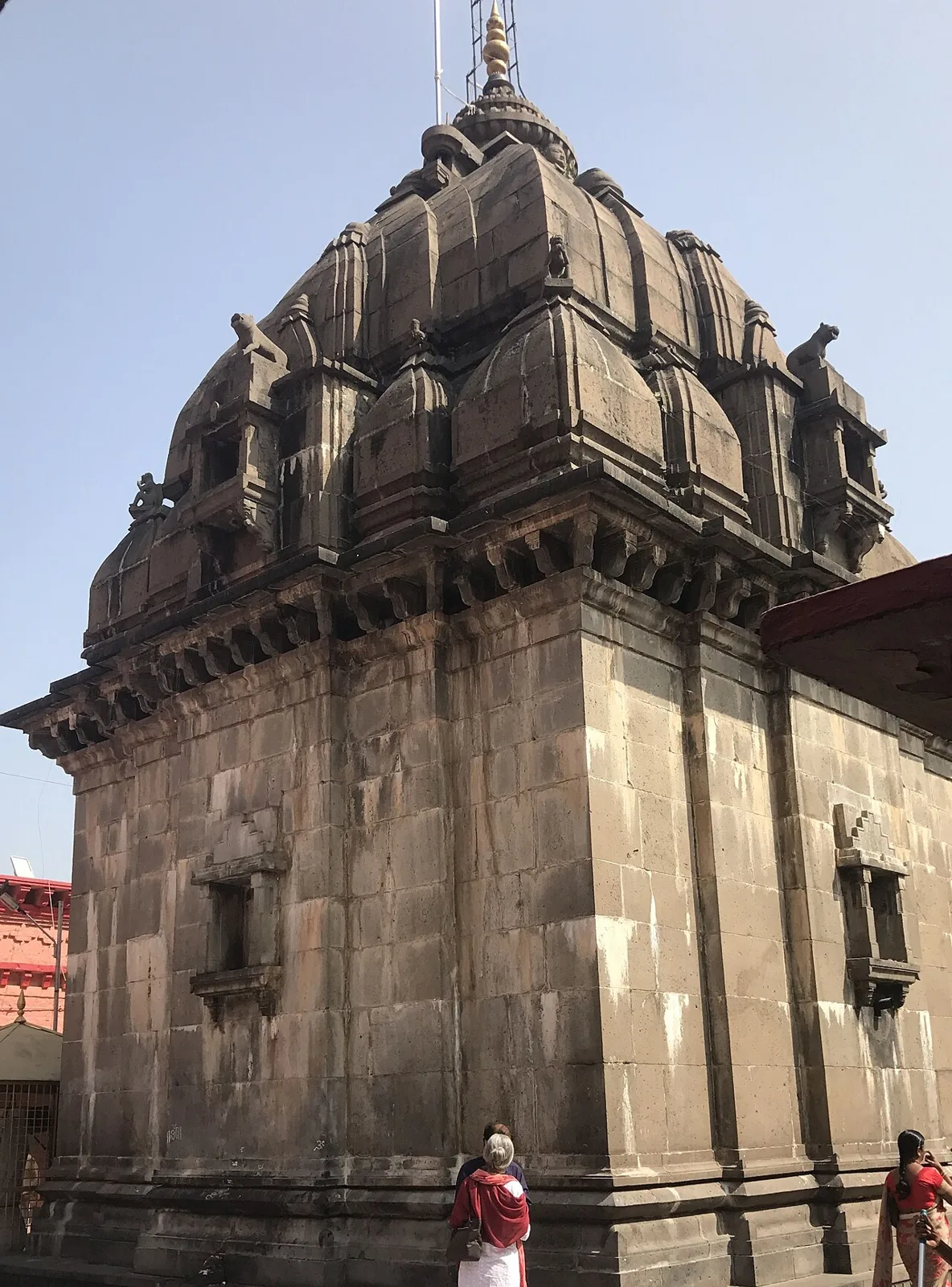
Tulja Bhavani Temple

Tulja Bhavani Temple is a 12th-century shrine to goddess Bhavani in Tuljapur, Maharashtra. It is counted among India’s 51 Shakti Pithas and the state’s four major Shakti shrines.

Vithoba Temple

94 km away · Solapur district

Vithoba Temple

The Vithoba Temple, also called Shri Vitthal-Rukmini Mandir, is a Hindu shrine in Pandharpur, Maharashtra. Devotees visit to worship Vithoba and Rakhumai and join major Warkari pilgrimages.

Shri Vaijnath Temple

102 km away · Beed district

Shri Vaijnath Temple

Shri Vaijnath Temple is a Shiva shrine at Parli Vaijnath in Maharashtra’s Beed district. Worshippers visit to perform abhishekam, and the temple is regarded as the fifth of Shiva’s twelve Jyotirlingas.

Ahmednagar Fort

118 km away · Ahilyanagar district

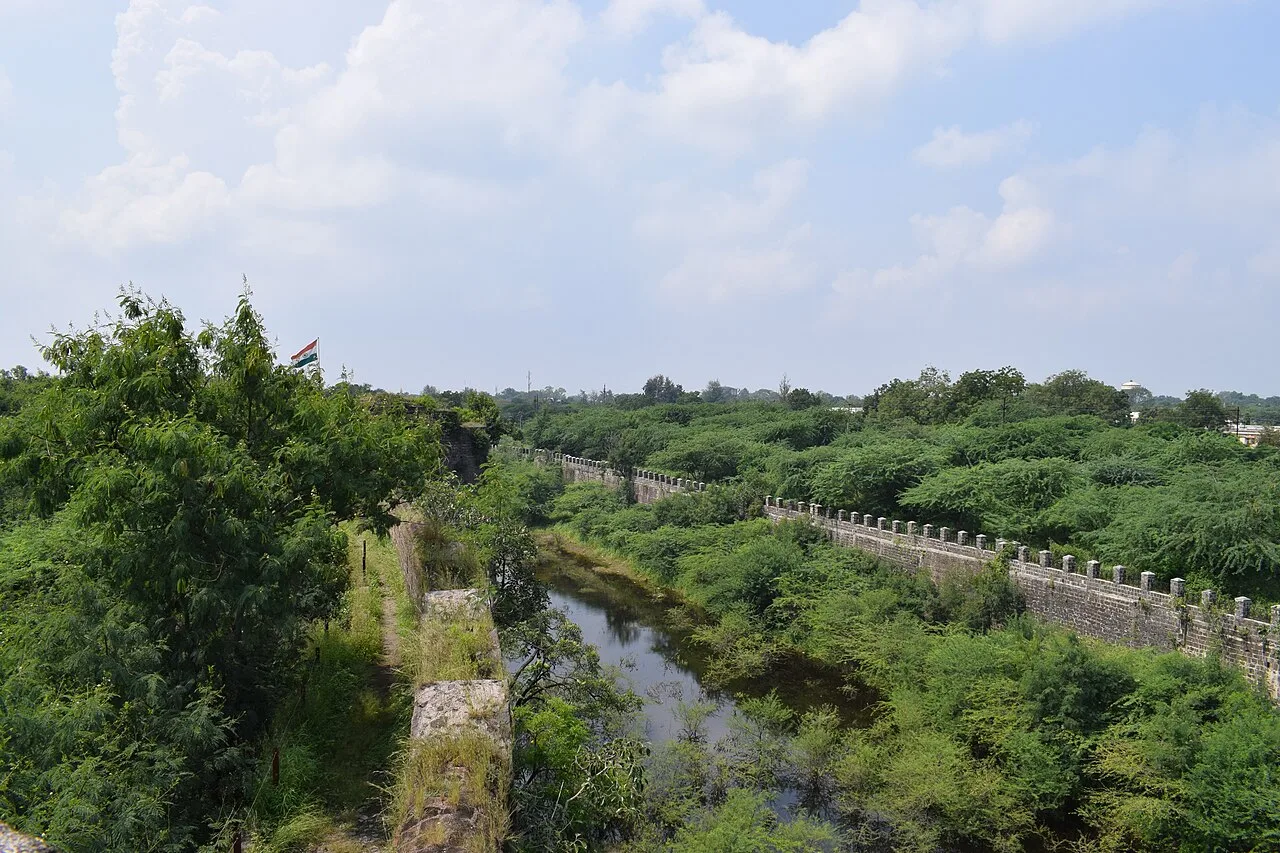
Ahmednagar Fort

Ahmednagar Fort, in Maharashtra, is a historic stronghold associated with the Ahmednagar Sultanate, the 1803 Anglo-Maratha conflict and imprisonment under British rule, making it a point of historical interest.

130 km away · Ahilyanagar district

Hiware Bazar

Hiware Bazar is a village in Maharashtra’s Ahmednagar district, known for its irrigation system and water-conservation efforts to tackle drought and drinking-water difficulties.

Shani Shingnapur

137 km away · Ahilyanagar district

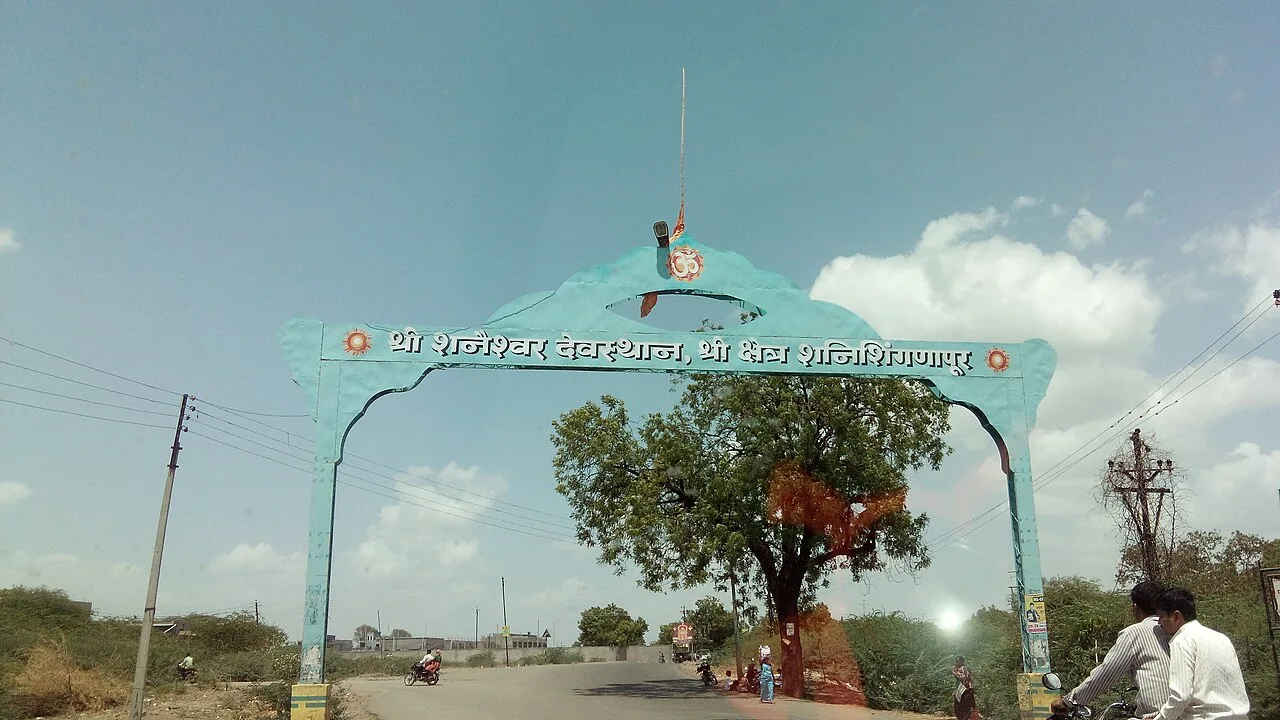
Shani Shingnapur

In Maharashtra, Shani Shingnapur is a village visited for its temple to Shani, the Hindu deity linked to the graha Saturn.

141 km away · Ahilyanagar district

Ralegan Siddhi

Ralegan Siddhi is a village in Maharashtra’s Ahmednagar District, noted for environmental conservation and renewable energy. Travellers may visit to see its measures for protecting soil, retaining rainwater and generating local power.

Jejuri

159 km away · Pune district

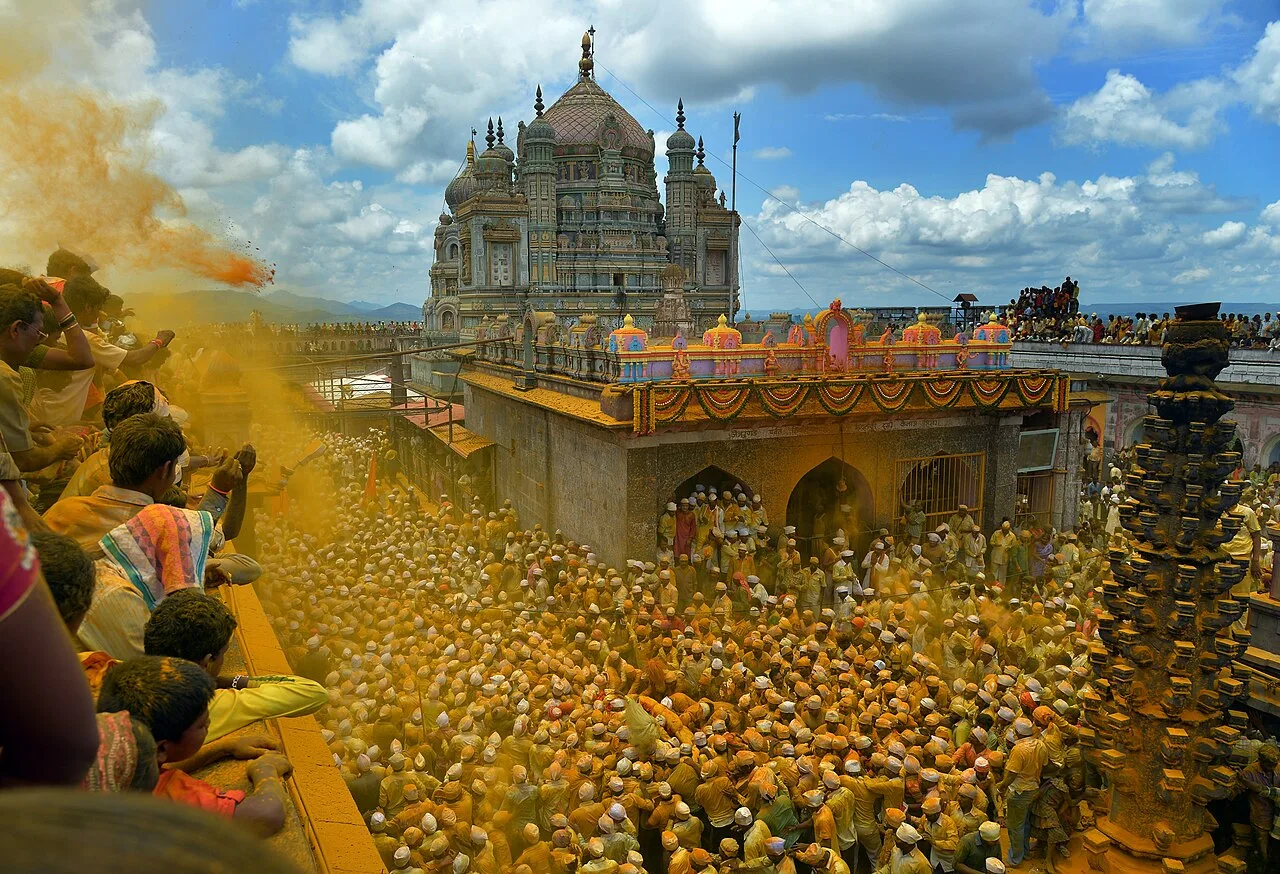
Jejuri

Jejuri, a city with a municipal council in Pune district, Maharashtra, is known for the Khandoba Mandir, an important Hindu pilgrimage site for communities across the state.

Map

Bhoom on the map

  1. 1Tulja Bhavani Temple
  2. 2Vithoba Temple
  3. 3Shri Vaijnath Temple
  4. 4Ahmednagar Fort
  5. 5Hiware Bazar
  6. 6Shani Shingnapur
  7. 7Ralegan Siddhi
  8. 8Jejuri

Maharashtra

Other cities to explore