Ghumoopedia — Explore, Discover, Experience
Sign in
Chikhaldara, near Amravati

City guide · Maharashtra

Amravati

Amravati is a major centre in Maharashtra’s Vidarbha region, serving as the headquarters of both Amravati district and the wider Amravati division. Its administrative role, educational institutions and commerce make it an important hub for surrounding towns and agricultural areas.

Famous for

  • Ambadevi and Ekvira temples
  • Cotton and textile trade
  • Vidarbha administrative centre
  • Rishabhanatha Jain heritage
  • Gateway to Melghat

Why Amravati matters

Amravati is a major centre in Maharashtra’s Vidarbha region, serving as the headquarters of both Amravati district and the wider Amravati division. Its administrative role, educational institutions and commerce make it an important hub for surrounding towns and agricultural areas. Cotton has long shaped the local economy, alongside trade in other regional produce. The city is also part of Maharashtra’s Smart Cities Mission.

Visitors come for the Ambadevi and Ekvira temples, the city’s Jain heritage and its busy central markets. Amravati is a useful base for exploring the wider region: Chikhaldara hill station and the forests of Melghat lie to the north. The city’s name is traditionally linked to the Ambadevi temple, while older forms include Udumbravati and Umbravati. Its appeal is less about a single landmark than the mix of religious sites, regional food, commerce and access to Vidarbha’s landscapes.
Famous for: crafts, trade & products

Amravati’s best-established commercial association is with cotton. The surrounding region produces cotton, and the city serves as a trading and processing centre, with businesses connected to cotton ginning, pressing, yarn and textiles. Local shops sell everyday clothing and fabrics, but Amravati is not especially known for one signature saree or craft tradition. Nor should visitors assume there is a particular GI-tagged product identified with the city; its identity is more closely tied to regional trade and agriculture.

For clothing, household goods and locally traded produce, explore the central bazaar streets and commercial areas around Rajkamal Square, Jaistambh Square and Jawahar Gate. These are practical places to browse shops and sample the city’s everyday retail life. Markets also reflect the wider Vidarbha economy, with seasonal agricultural goods moving through the city. Amravati’s colleges, offices and public institutions add to its role as a service and education centre for the division. Visitors looking for a distinctive handmade souvenir may find a broader selection in larger regional markets rather than a single specialised Amravati craft district.

History

Amravati’s history is reflected in religious sites and inscriptions as well as its changing rulers. A marble image of the Jain tirthankara Rishabhanatha bears an inscription recording its installation in 1097, evidence of an established settlement by that period. In the thirteenth century, the region was associated with the Yadava kingdom of Devagiri. The name Amravati is traditionally connected with the Ambadevi temple, though older forms of the name include Udumbravati and Umbravati.

After a severe drought in the fourteenth century, many residents left the area; settlement later revived. In the eighteenth century, the city came under the influence of the Bhonsles, and Ranoji Bhonsle is associated with its reconstruction and growth. British forces took Gawilgarh Fort in 1803, and the region subsequently passed through changing political arrangements. Amravati developed as a district and divisional centre, becoming a municipal corporation in 1983. Its modern role combines government, education, trade and regional services.

Food, festivals & culture

Marathi is the principal language of everyday life, while Hindi and Urdu are also widely heard. Food reflects Vidarbha’s fondness for bold flavours: visitors may encounter tarri poha, spicy curries, lentil dishes and bhakri, as well as familiar Maharashtrian snacks and sweets. Recipes and levels of heat vary between households and eateries, so asking for a milder preparation is useful if needed.

Ganesh Chaturthi, usually in August or September, brings public celebrations and devotional music. Navratri, generally in September or October, is marked by worship and community gatherings, while Diwali is celebrated in autumn. Ambadevi and Ekvira temples are important places of worship, alongside Jain and Muslim religious sites that reflect the city’s diverse communities. Bhajans, kirtan and Marathi devotional singing are part of religious occasions; Lavani and powada belong to the wider cultural traditions of Maharashtra and may feature at performances and festivals.

Visiting the city

The most comfortable time to visit is from November to February, when days are generally milder. Summers, especially April and May, can be very hot; the monsoon usually runs from July to October. The nearest airport with regular commercial connections is Dr. Babasaheb Ambedkar International Airport in Nagpur. Amravati railway station serves the city, while Badnera Junction is an important nearby rail hub.

Auto-rickshaws, city buses and taxis are useful for getting around; confirm a fare before starting an auto-rickshaw journey. Explore the central commercial area around Rajkamal and Jaistambh squares, then visit Ambadevi and Ekvira temples. Chatri Talao and Wadali Lake offer quieter outings. Amravati also makes a convenient starting point for trips toward Chikhaldara and Melghat, though these require separate road travel.

Trips from the city

Nearest places to visit from Amravati

Our closest destination guides, by straight-line distance.

Chikhaldara

31 km away · Amravati district

Chikhaldara

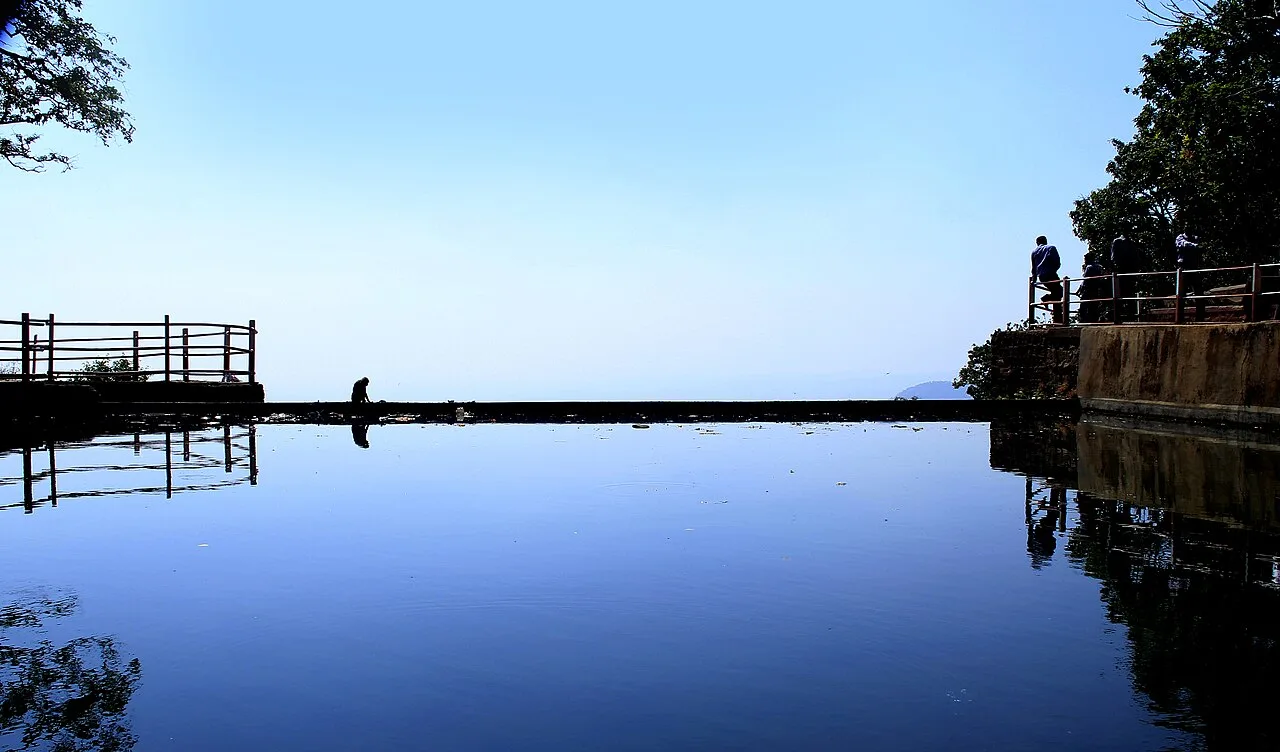
Chikhaldara is a hill settlement and municipal council in Maharashtra’s Amravati district. Visitors come for its highland setting, coffee-growing area and nearby wildlife at the Melghat Tiger Project.

Melghat Tiger Reserve

81 km away · Amravati district

Melghat Tiger Reserve

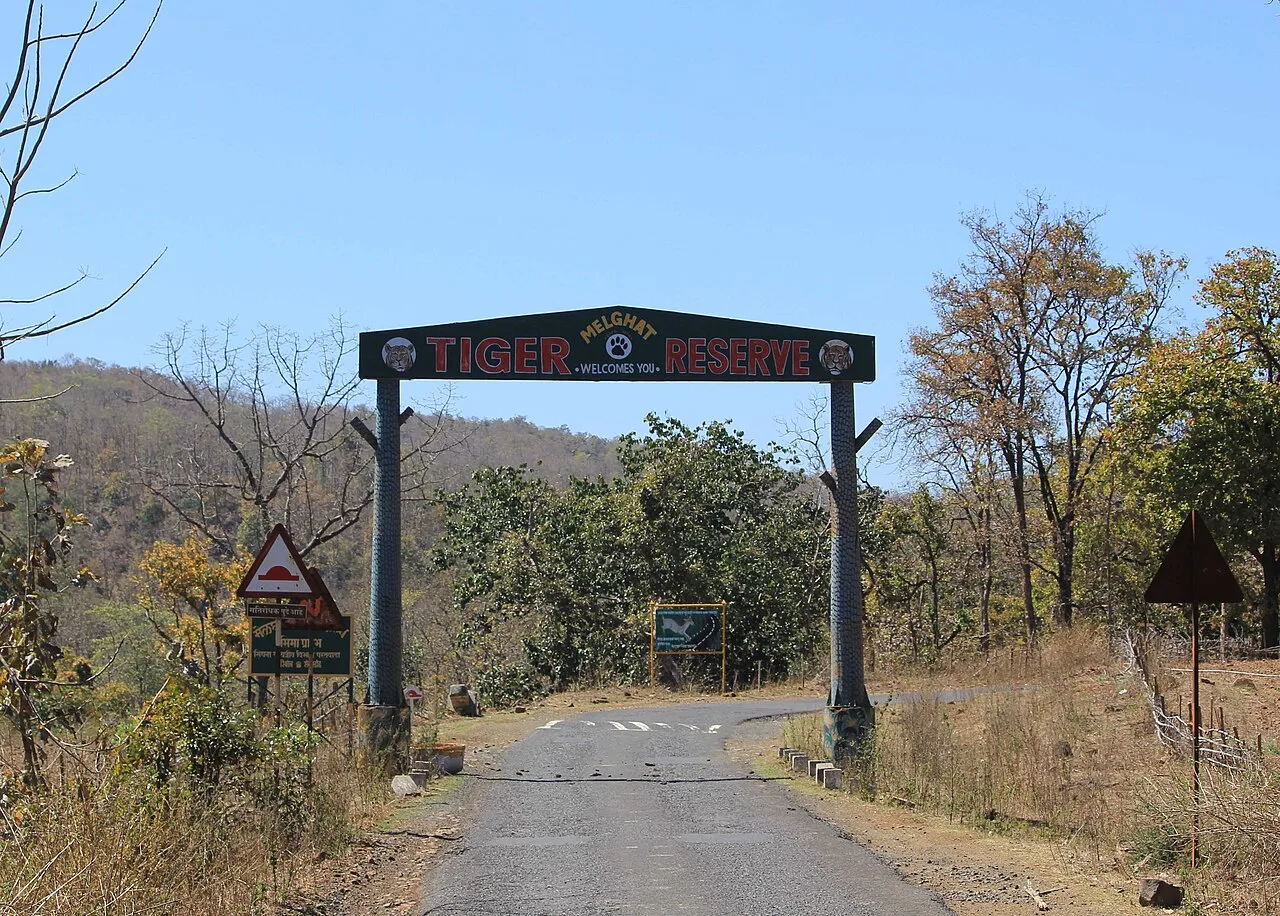
Melghat Tiger Reserve is a protected area in northern Amravati district, Maharashtra. Visitors come to experience its wildlife and learn about its place in India’s Project Tiger programme.

Sevagram Ashram

97 km away · Wardha district

Sevagram Ashram

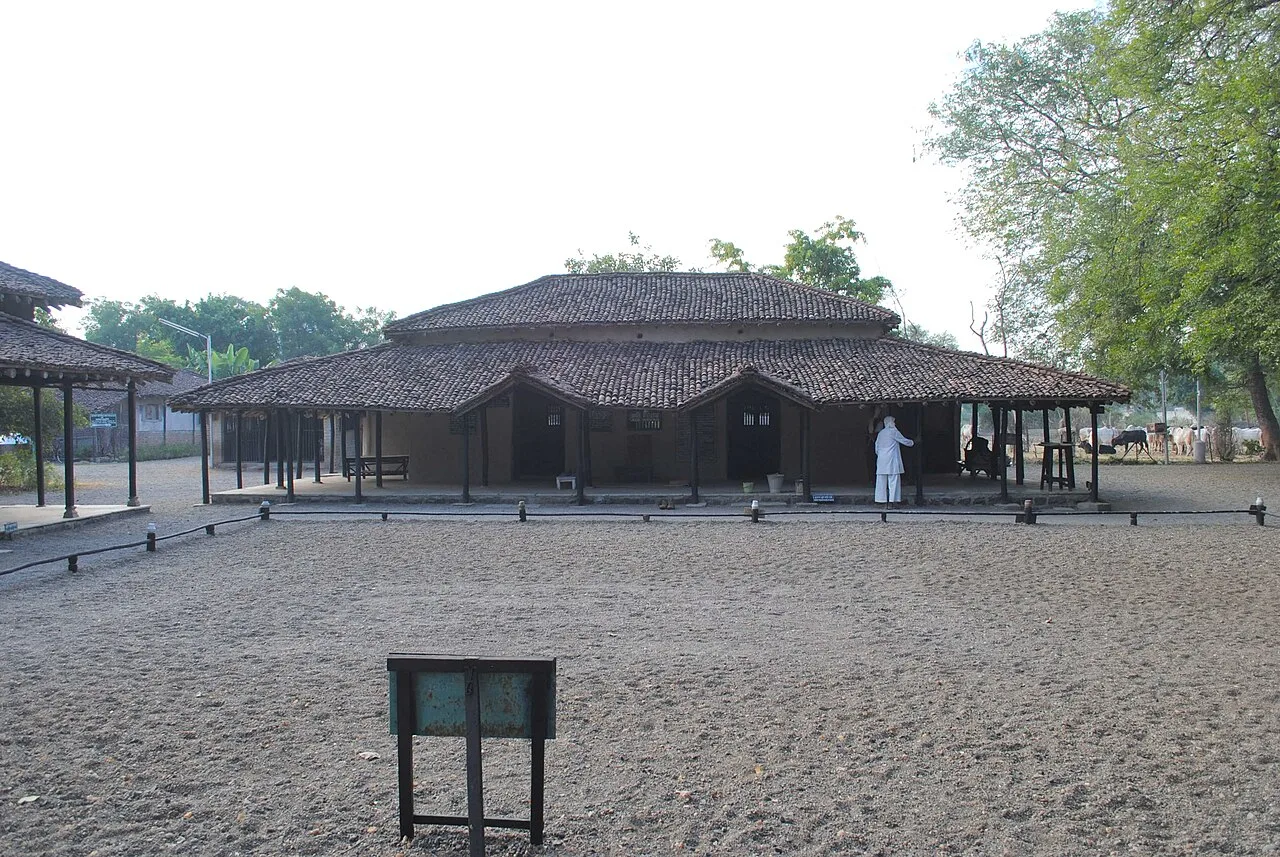
Sevagram Ashram, in Wardha district, Maharashtra, is known as Mahatma Gandhi’s ashram and home from 1936 until his death in 1948. People visit for its connection with his life.

Deekshabhoomi

138 km away · Nagpur district

Deekshabhoomi

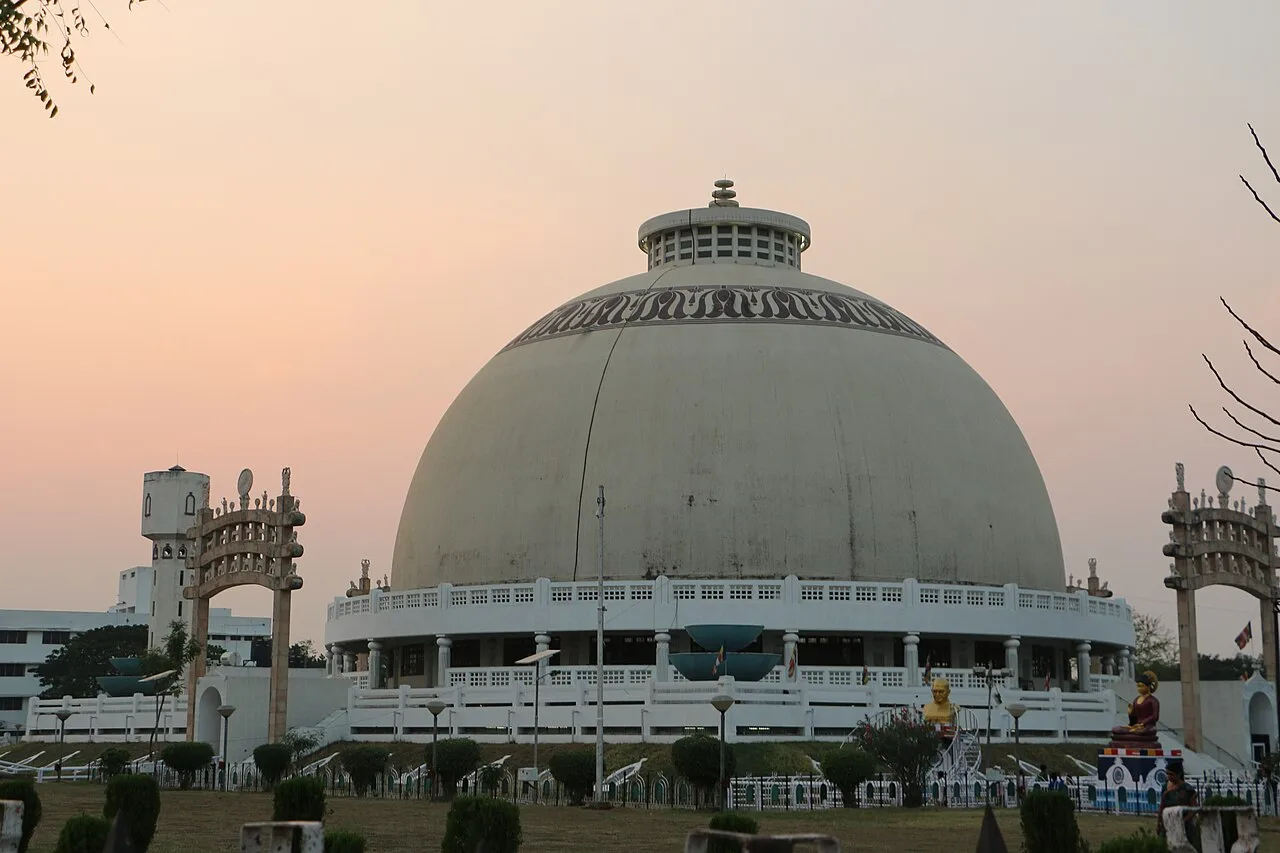
Deekshabhoomi is a Navayana Buddhist memorial in Nagpur, where B. R. Ambedkar and a vast following embraced Buddhism in 1956. Pilgrims visit to mark the conversion and its continuing significance.

Lonar Lake

168 km away · Buldhana district

Lonar Lake

Lonar Lake is a saline, soda-rich lake in Maharashtra’s Buldhana district, set within a meteorite-impact crater. Visitors come to see its unusual geological formation and recognised conservation status.

Ramtek Fort Temple

171 km away · Nagpur district

Ramtek Fort Temple

Ramtek Fort Temple is a Hindu pilgrimage site in Maharashtra, visited for its shrines on Ramtek Hill and its association with Rama and the Vakataka dynasty.

Aundha Nagnath Temple

172 km away · Hingoli district

Aundha Nagnath Temple

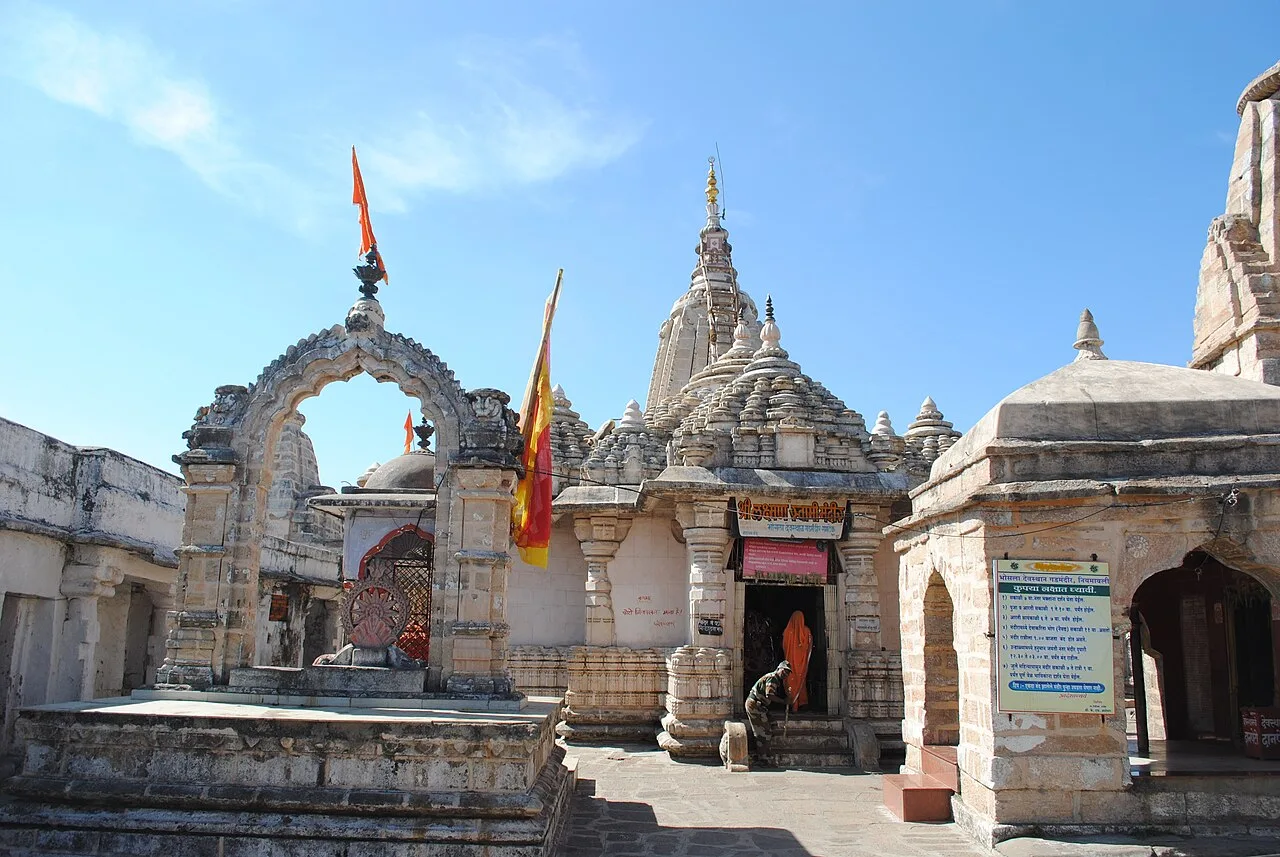
Aundha Nagnath Temple is an old Shiva shrine in Maharashtra’s Hingoli district, regarded as the eighth of the twelve Jyotirlinga shrines. Visitors come for its religious importance, historical associations and distinctive architecture.

Pench Tiger Reserve

177 km away · Nagpur district

Pench Tiger Reserve

Pench Tiger Reserve spans Madhya Pradesh and Maharashtra, with its Maharashtra section in Nagpur district. People visit to experience its protected landscape and wildlife.

Map

Amravati on the map

  1. 1Chikhaldara
  2. 2Melghat Tiger Reserve
  3. 3Sevagram Ashram
  4. 4Deekshabhoomi
  5. 5Lonar Lake
  6. 6Ramtek Fort Temple
  7. 7Aundha Nagnath Temple
  8. 8Pench Tiger Reserve

Maharashtra

Other cities to explore