Ghumoopedia — Explore, Discover, Experience
Sign in
Tadoba Andhari Tiger Reserve, near Rajur

City guide · Maharashtra

Rajur

Rajur is a small town in Yavatmal district, eastern Maharashtra, best known by the name Rajur Colliery. Its identity is closely tied to coal mining and the working settlements of the wider Wani coal belt.

Famous for

  • Rajur Colliery
  • Wani coal belt
  • Coal-mining settlement
  • Yavatmal district
  • Deccan Plateau setting

Why Rajur matters

Rajur is a small town in Yavatmal district, eastern Maharashtra, best known by the name Rajur Colliery. Its identity is closely tied to coal mining and the working settlements of the wider Wani coal belt. Rather than a major sightseeing centre, it is a place of regional and industrial interest, with everyday life shaped by the surrounding mining economy and the needs of nearby communities.

The town stands at about 741 metres above sea level in the inland Deccan landscape. Visitors may come for work, to meet local residents or to understand the area’s coal-mining character; Rajur can also serve as a stop while travelling around the Wani part of Yavatmal district. It is not widely known for a signature craft, landmark or tourist attraction, so a visit is best approached as an opportunity to see a working small-town setting. For broader services and regional connections, travellers can look to Wani and other larger centres nearby.
Famous for: crafts, trade & products

Rajur is chiefly associated with coal and the colliery settlement that gives it its alternate name. Its place in the Wani coal belt is more prominent than any documented tradition of textiles, handicrafts or specialty manufacturing. The town’s importance is therefore tied to mining and the local economy that supports it, rather than to a nationally recognised product or a major commercial market.

Everyday shops in Rajur serve residents and workers with groceries, household goods and basic necessities. Visitors looking for a wider choice of retail, services or regional provisions can enquire in Wani, the nearby larger town. There is no widely established tourist market or known cluster of craft shops in Rajur, and no particular GI-tagged product is associated with the town. Local food and produce are best sought through ordinary shops and eateries rather than specialist visitor outlets. The colliery area and its surrounding settlement provide the clearest way to understand what distinguishes Rajur, though mining sites are workplaces and should only be approached where public access is permitted.

History

Rajur’s modern identity developed around coal mining and the settlement associated with Rajur Colliery. The town’s growth has been linked to the workforce, services and transport needs of the wider Wani coal belt. This industrial character sets it apart from many rural settlements in Yavatmal district, where agriculture also plays an important role in local life.

The town lies within the broader Vidarbha region, whose political history included successive Deccan powers and later British administration. Yavatmal was part of the Berar region under colonial rule; after Independence, the area became part of Maharashtra when the state was formed in 1960. These regional changes provide context for Rajur, but detailed accounts of the town’s early rulers or a distinct pre-industrial history are not widely established. In more recent decades, coal mining and the services connected with it have remained central to Rajur’s local character and development.

Food, festivals & culture

Daily life in Rajur reflects the culture of eastern Maharashtra and the working communities of the Wani area. Marathi is the principal regional language; Hindi is also commonly useful in everyday interactions. Meals are likely to draw on familiar Vidarbha and Maharashtrian staples such as bhakri, rice, dal, pithla and spicy thecha. Sweets such as puran poli are associated with festive meals across the region, though Rajur is not known for a signature local dish.

Ganesh Chaturthi, Diwali, Holi, Gudi Padwa and Makar Sankranti are observed in the broader region, with celebrations following the usual Hindu calendar seasons. Local religious life centres on neighbourhood places of worship; visitors should ask locally about access and observances. Marathi devotional and folk traditions are part of the wider cultural setting, while contemporary music and community events also shape town life.

Visiting the city

The cooler months, roughly October to February, are generally the most comfortable time to visit. Summers can be hot, while the monsoon brings rain and greener surroundings. Nagpur’s Dr. Babasaheb Ambedkar International Airport is the main air gateway commonly used for this part of eastern Maharashtra. Wani railway station is a useful rail access point for Rajur; check onward connections locally before travelling.

Within town, walking and locally available auto-rickshaws or hired vehicles are practical options. Rajur Colliery and the surrounding settlement are the most relevant areas for understanding the town, but mining premises may be restricted. Wani is a useful nearby centre for services and a wider range of shops. Rajur is a working town rather than a destination with established tourist neighbourhoods, so arrange local transport and accommodation ahead of time.

Trips from the city

Nearest places to visit from Rajur

Our closest destination guides, by straight-line distance.

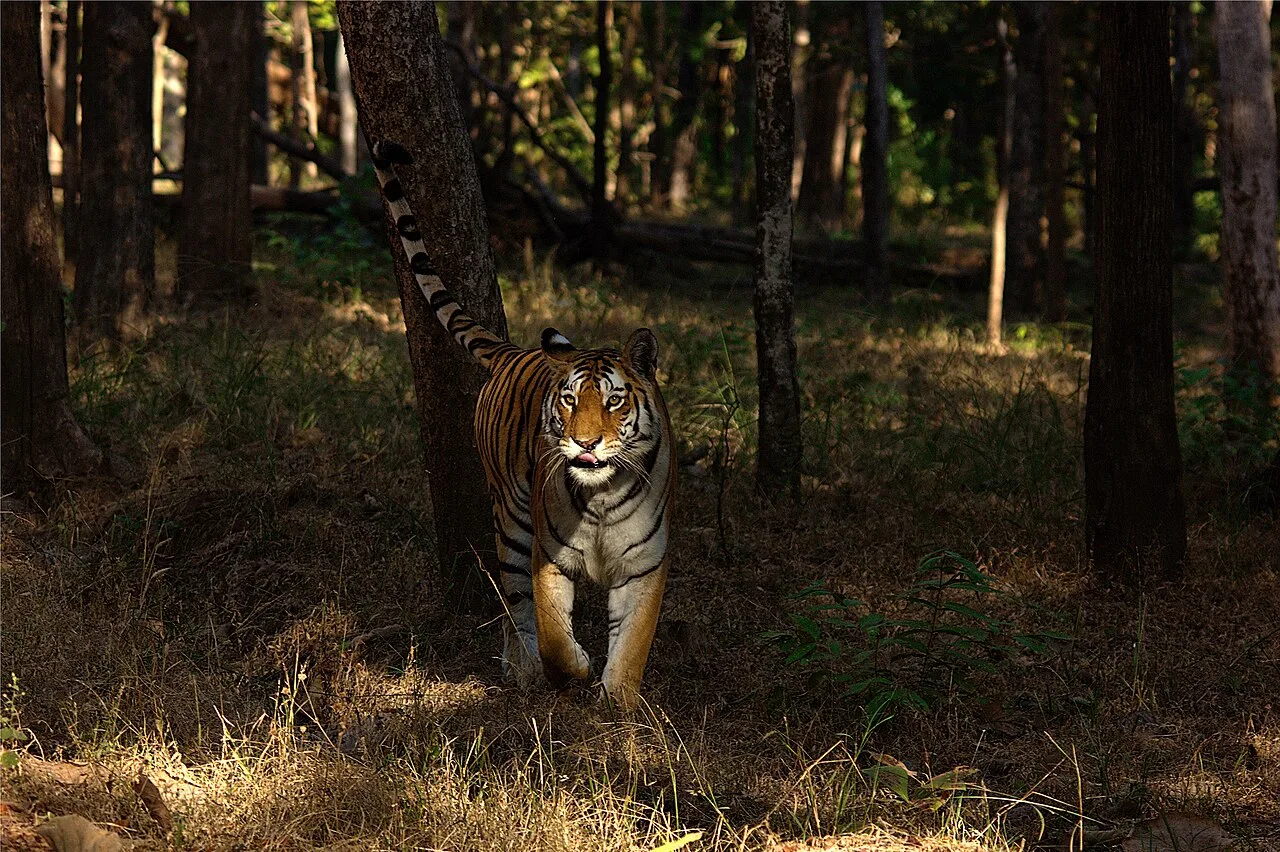
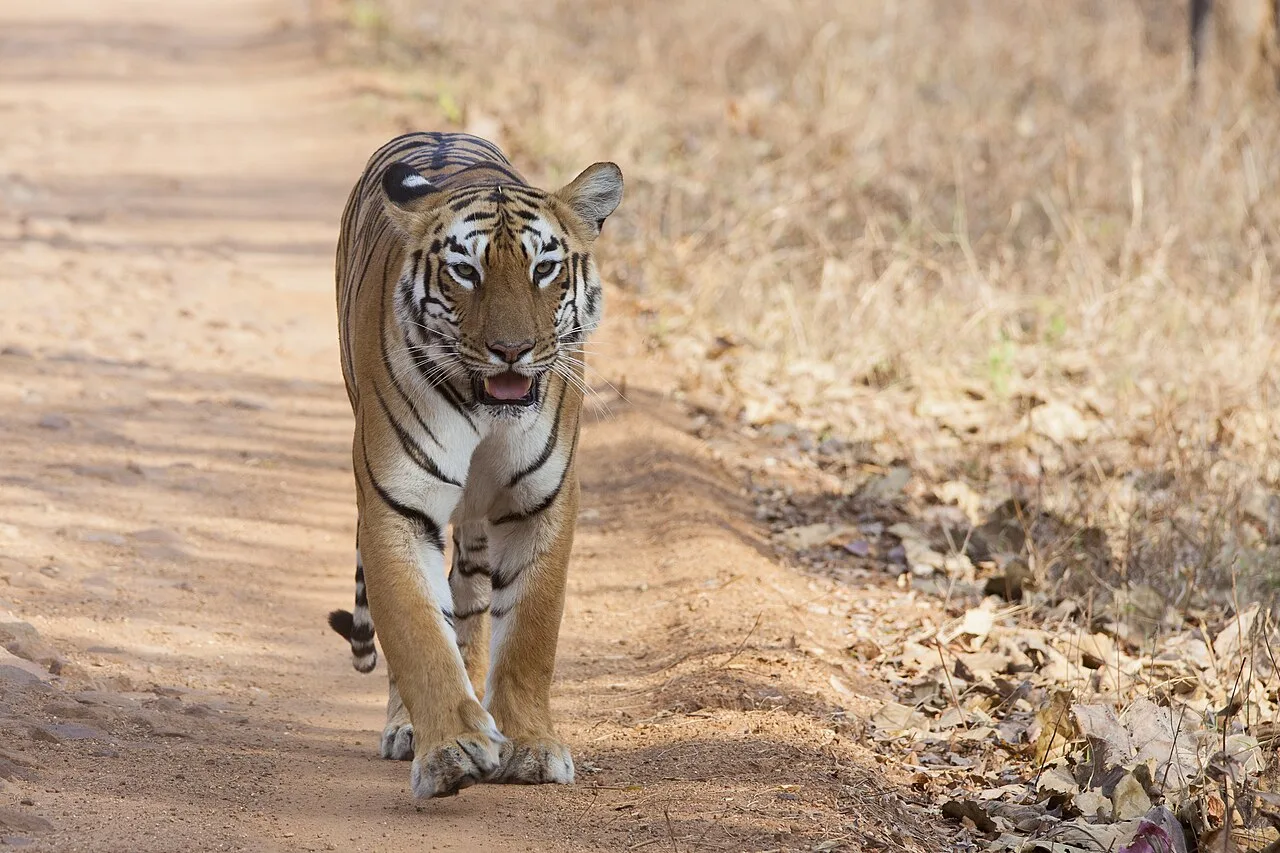
Tadoba Andhari Tiger Reserve

56 km away · Chandrapur district

Tadoba Andhari Tiger Reserve

Set in Maharashtra’s Chandrapur district, Tadoba Andhari Tiger Reserve combines a national park and wildlife sanctuary within a protected area. Visitors come to experience its forests and wildlife.

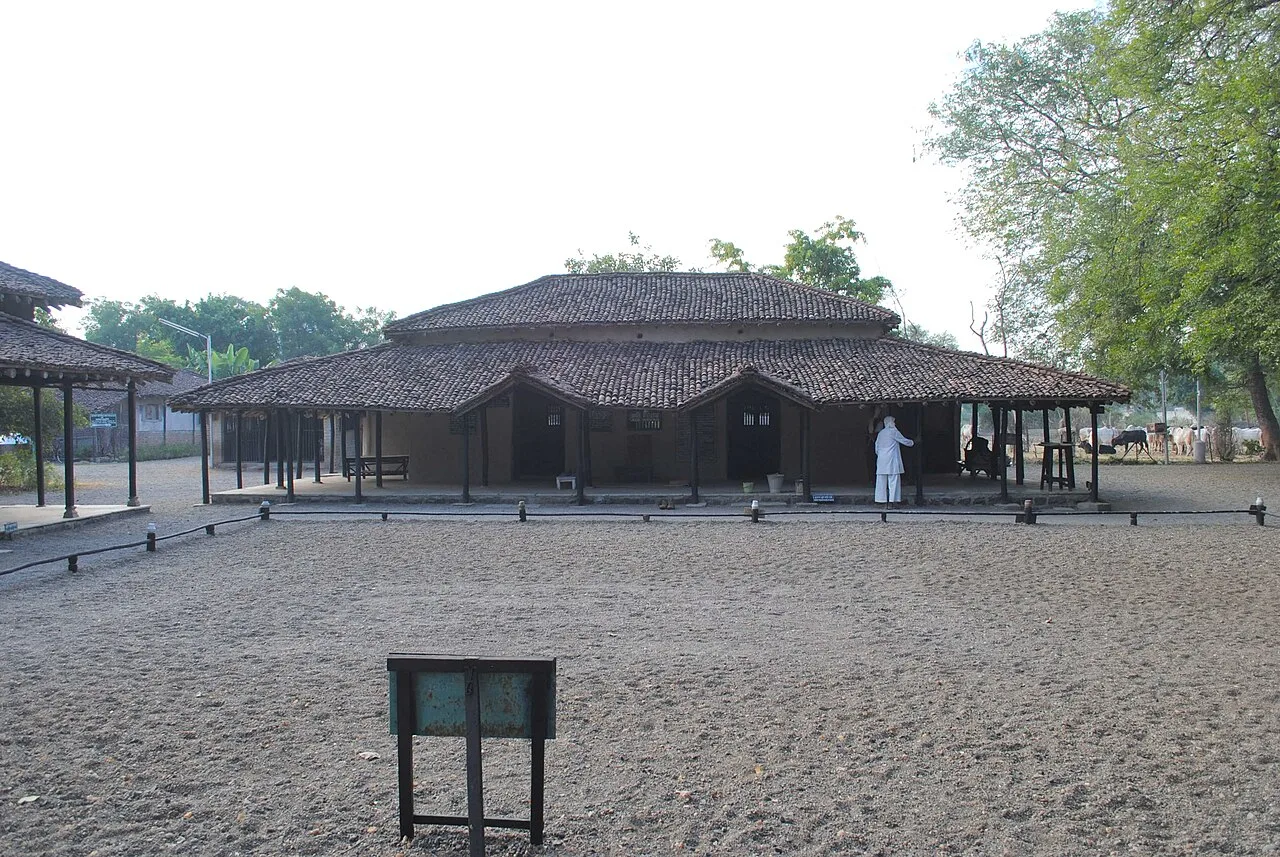
Sevagram Ashram

74 km away · Wardha district

Sevagram Ashram

Sevagram Ashram, in Wardha district, Maharashtra, is known as Mahatma Gandhi’s ashram and home from 1936 until his death in 1948. People visit for its connection with his life.

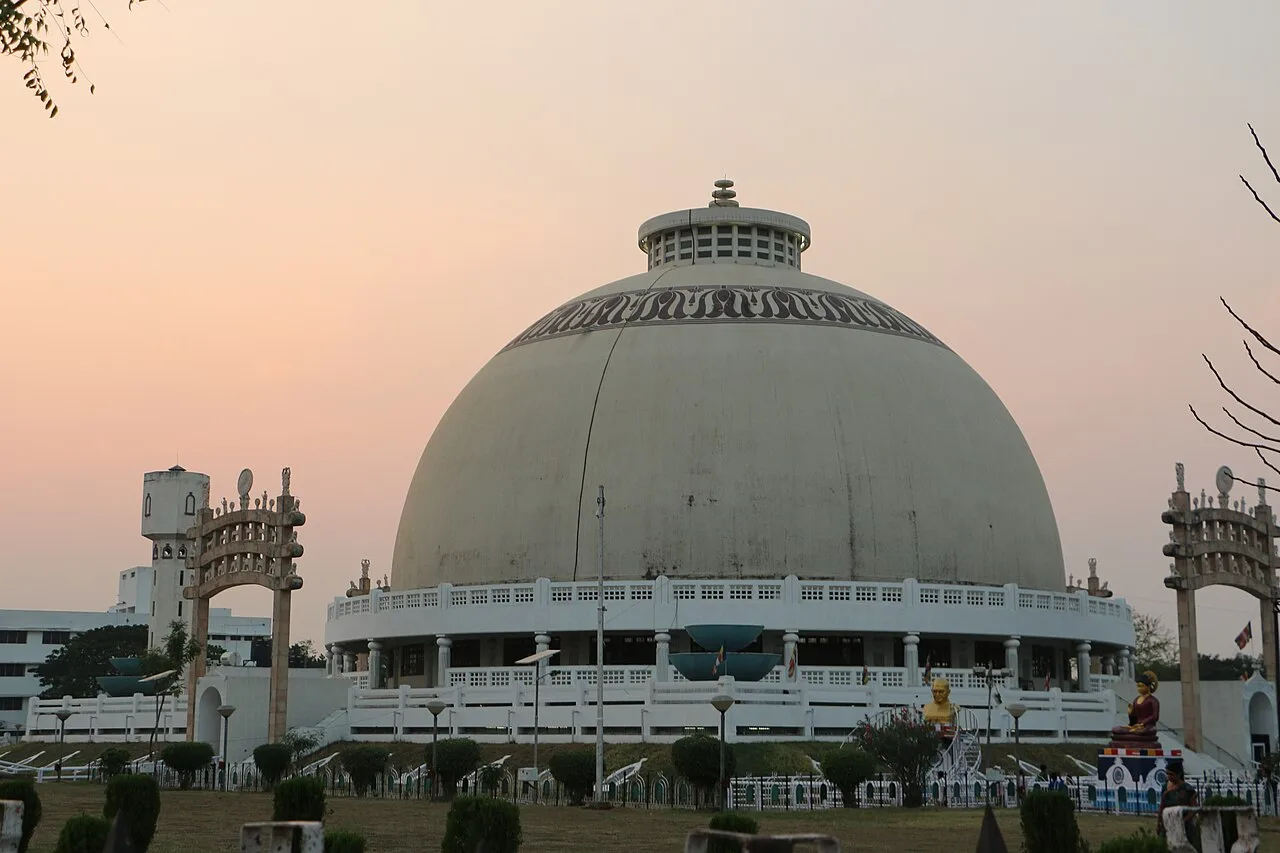
Deekshabhoomi

115 km away · Nagpur district

Deekshabhoomi

Deekshabhoomi is a Navayana Buddhist memorial in Nagpur, where B. R. Ambedkar and a vast following embraced Buddhism in 1956. Pilgrims visit to mark the conversion and its continuing significance.

Ramtek Fort Temple

150 km away · Nagpur district

Ramtek Fort Temple

Ramtek Fort Temple is a Hindu pilgrimage site in Maharashtra, visited for its shrines on Ramtek Hill and its association with Rama and the Vakataka dynasty.

Navegaon National Park

161 km away · Gondia district

Navegaon National Park

Navegaon National Park is in Gondia district, Maharashtra, within the Arjuni Morgaon subdivision. Visitors are drawn by wintering migratory birds at its lake and the park’s varied forest cover.

Chikhaldara

173 km away · Amravati district

Chikhaldara

Chikhaldara is a hill settlement and municipal council in Maharashtra’s Amravati district. Visitors come for its highland setting, coffee-growing area and nearby wildlife at the Melghat Tiger Project.

Pench Tiger Reserve

180 km away · Nagpur district

Pench Tiger Reserve

Pench Tiger Reserve spans Madhya Pradesh and Maharashtra, with its Maharashtra section in Nagpur district. People visit to experience its protected landscape and wildlife.

Hazur Sahib

196 km away · Nanded district

Hazur Sahib

Takht Sachkhand Sri Hazur Abchalnagar Sahib is one of Sikhism’s five takhts, in Nanded, Maharashtra. Visitors come to worship and remember Guru Gobind Singh at the site associated with his death and cremation.

Map

Rajur on the map

  1. 1Tadoba Andhari Tiger Reserve
  2. 2Sevagram Ashram
  3. 3Deekshabhoomi
  4. 4Ramtek Fort Temple
  5. 5Navegaon National Park
  6. 6Chikhaldara
  7. 7Pench Tiger Reserve
  8. 8Hazur Sahib

Maharashtra

Other cities to explore