Ghumoopedia — Explore, Discover, Experience
Sign in
Ramtek Fort Temple, near Bhandara

City guide · Maharashtra

Bhandara

Bhandara is an administrative and commercial centre in eastern Maharashtra, serving as the headquarters of both Bhandara district and Bhandara taluka. Its location near the Wainganga and Sur rivers, and on the route of National Highway 53, connects the town with Nagpur and other parts of the region.

Famous for

  • Traditional brassware
  • Rice-growing hinterland
  • Wainganga and Sur rivers
  • Bhandara district headquarters
  • Nearby Norgyaling settlement

Why Bhandara matters

Bhandara is an administrative and commercial centre in eastern Maharashtra, serving as the headquarters of both Bhandara district and Bhandara taluka. Its location near the Wainganga and Sur rivers, and on the route of National Highway 53, connects the town with Nagpur and other parts of the region. The surrounding countryside is strongly associated with rice cultivation, making Bhandara an important market town for local farming communities.

Brassworking is one of the city’s best-known traditions, while the wider district is recognised for its many lakes. Visitors can experience a working regional town, browse local metalware and markets, and explore the river landscape. Bhandara is also a practical starting point for journeys through the district, rather than a destination built around a large concentration of visitor attractions. Nearby Norgyaling, established as a Tibetan settlement in 1972, adds a distinctive cultural presence: it is home to Maharashtra’s Tibetan community. The town’s mix of agriculture, craft, river geography and regional administration gives it importance beyond its size.
Famous for: crafts, trade & products

Bhandara is particularly associated with brass goods, including household metalware. Visitors can look for these items in the town’s central market and metalware shops; availability and styles vary, so it is worth asking locally about traditional makers. The craft is a more characteristic local purchase than textiles or sarees, for which Bhandara is not especially known. No specific GI-tagged product is firmly associated with the city.

Rice is central to the economy of the surrounding agricultural region, and local markets serve farmers and nearby settlements. Bhandara also sits within an industrial belt that includes major manufacturing and engineering operations, such as Sunflag Steel, Ashok Leyland and an ordnance factory. These are regional employers and industrial landmarks, rather than visitor shopping destinations; access to working sites may be restricted. The district’s lakes are another important part of its identity, though they are a natural feature rather than a city-made product. For visitors, the most straightforward places to explore local trade are the central market streets, where everyday provisions, produce and brassware reflect Bhandara’s role as a service centre for the surrounding countryside.

History

The name Bhandara is locally understood as a development of “Bhanara,” a name recorded in an inscription at Ratanpur dating to 1100. The town’s prominence grew through its role as an administrative centre. Before 1820, the district was administered from Lanji; the headquarters moved to Bhandara in 1820–1821. The district was under regency administration from 1818 to 1830, during a period of changing political control in the region.

The area became British territory in 1853. After Indian independence, Bhandara district remained part of the Central Provinces and Berar region until state reorganisation. In 1956 it was transferred to Bombay State, and in 1960 became part of Maharashtra. Its modern growth has been shaped by district administration, road links and its role as a market for a rice-growing hinterland. Industry in the surrounding area has added another dimension to the local economy, while the town continues to serve as the district’s civic and commercial hub.

Food, festivals & culture

Marathi is the principal language of everyday life. Food reflects the rice-growing Vidarbha region: rice with dal, vegetables and spicy curries is common, alongside familiar Maharashtrian dishes such as pithla and bhakri. These are regional staples rather than dishes unique to Bhandara. Local shops and eateries offer everyday snacks and sweets, though the city is not especially known for a signature confection.

Ganeshotsav, usually celebrated in late summer, and Diwali in autumn bring community gatherings and decorated public spaces. Makar Sankranti in January, Holi in late winter or early spring, and the agricultural festival of Pola, generally observed during the monsoon season, are also part of the regional calendar. Bhajans, devotional music, dhol-tasha and folk performances feature in festival settings. Hindu temples serve local communities, while nearby Norgyaling is associated with Tibetan Buddhist culture and worship. Its Tibetan residents give the area a cultural character uncommon elsewhere in Maharashtra; visitors should be considerate and check locally before entering community spaces.

Visiting the city

The most comfortable time to visit is generally October to February, when days are cooler. Summers can be very hot, while the monsoon brings rain and greener surroundings. The nearest major airport is Dr. Babasaheb Ambedkar International Airport in Nagpur. Bhandara Road is the main railway station serving the city; it lies outside the town centre. Local buses, auto-rickshaws and hired vehicles are useful for reaching the centre and nearby areas.

Explore the central market for everyday trade and brassware, and the town’s river-side areas for a sense of its setting near the Wainganga and Sur. Norgyaling, close to Bhandara, offers a glimpse of the region’s Tibetan community, but is a residential settlement, so approach respectfully and confirm local access. Bhandara can also serve as a base for exploring the wider district’s lakes and countryside.

Trips from the city

Nearest places to visit from Bhandara

Our closest destination guides, by straight-line distance.

Ramtek Fort Temple

42 km away · Nagpur district

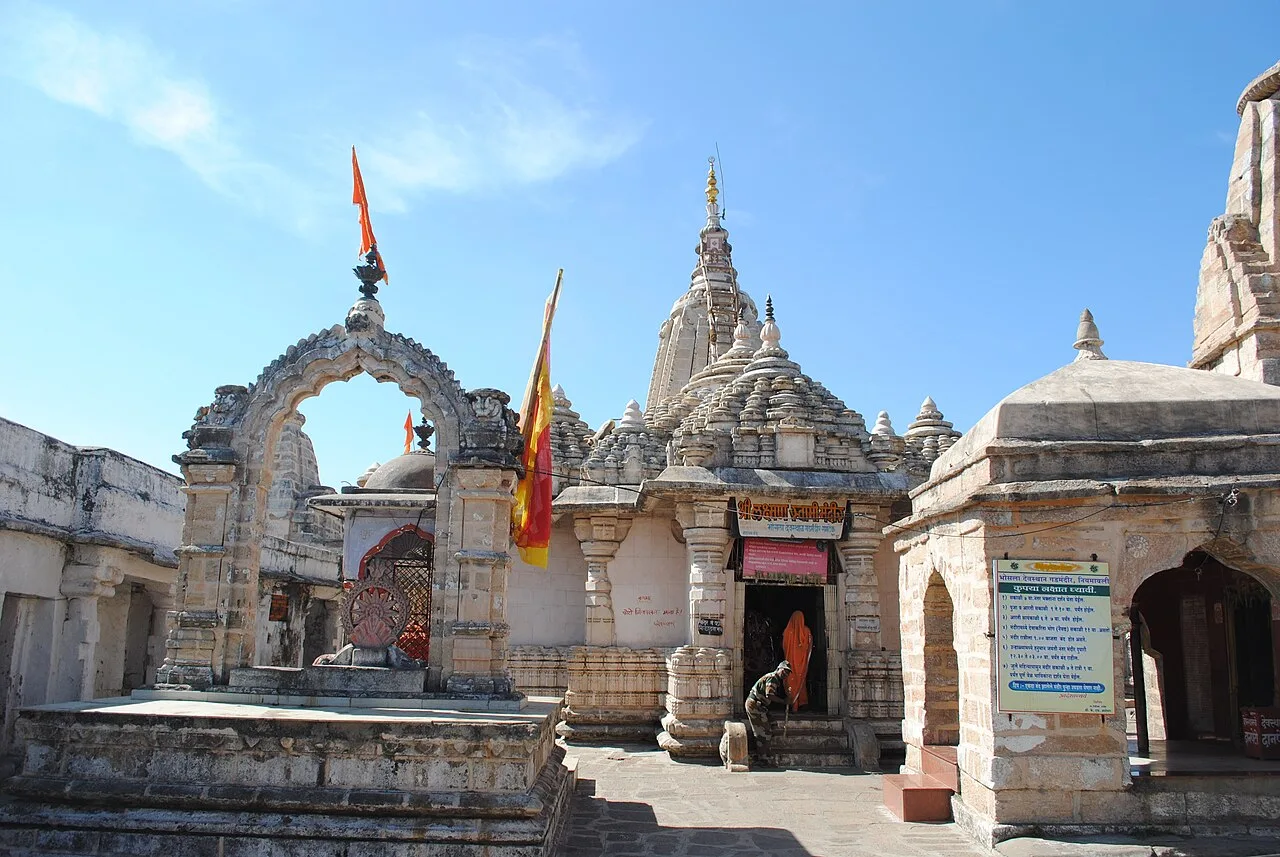
Ramtek Fort Temple

Ramtek Fort Temple is a Hindu pilgrimage site in Maharashtra, visited for its shrines on Ramtek Hill and its association with Rama and the Vakataka dynasty.

Navegaon National Park

60 km away · Gondia district

Navegaon National Park

Navegaon National Park is in Gondia district, Maharashtra, within the Arjuni Morgaon subdivision. Visitors are drawn by wintering migratory birds at its lake and the park’s varied forest cover.

Deekshabhoomi

61 km away · Nagpur district

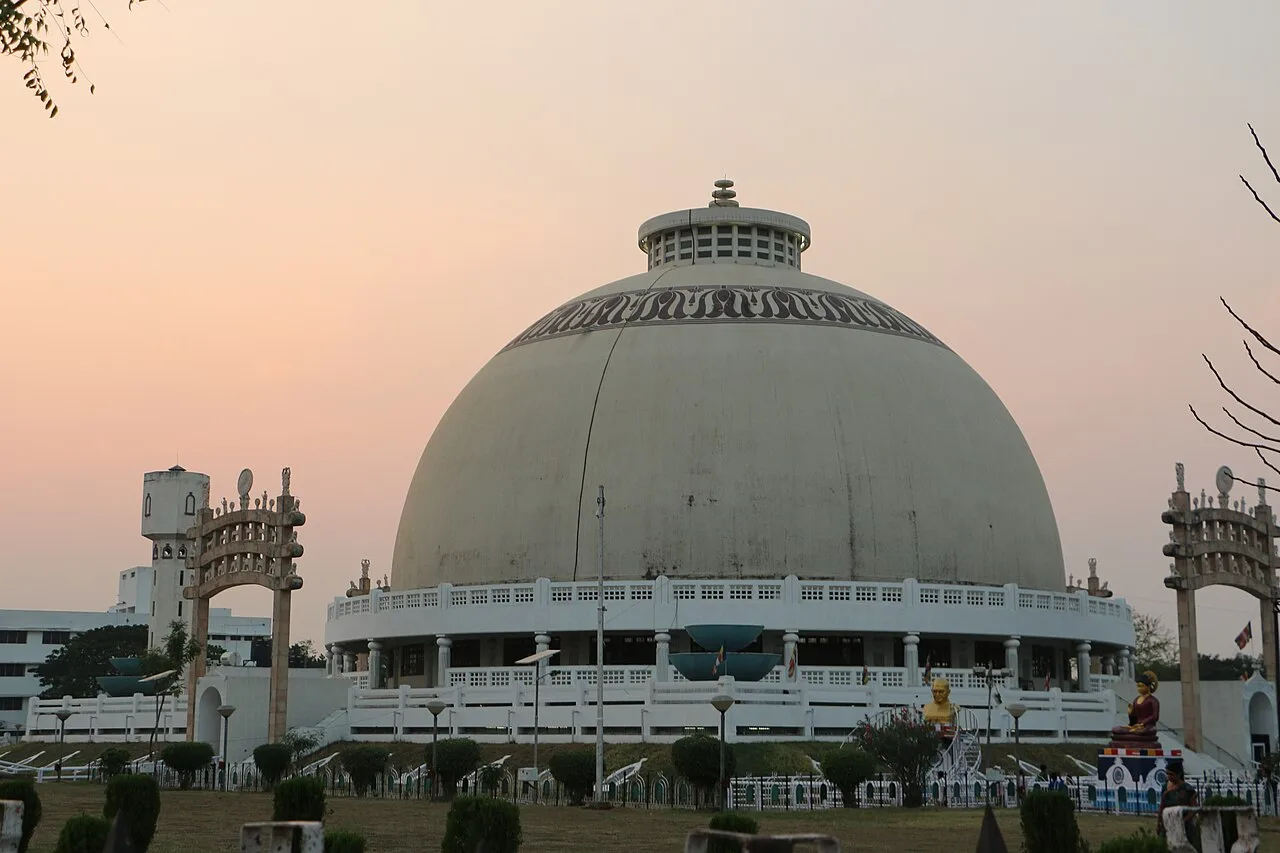
Deekshabhoomi

Deekshabhoomi is a Navayana Buddhist memorial in Nagpur, where B. R. Ambedkar and a vast following embraced Buddhism in 1956. Pilgrims visit to mark the conversion and its continuing significance.

Pench Tiger Reserve

72 km away · Nagpur district

Pench Tiger Reserve

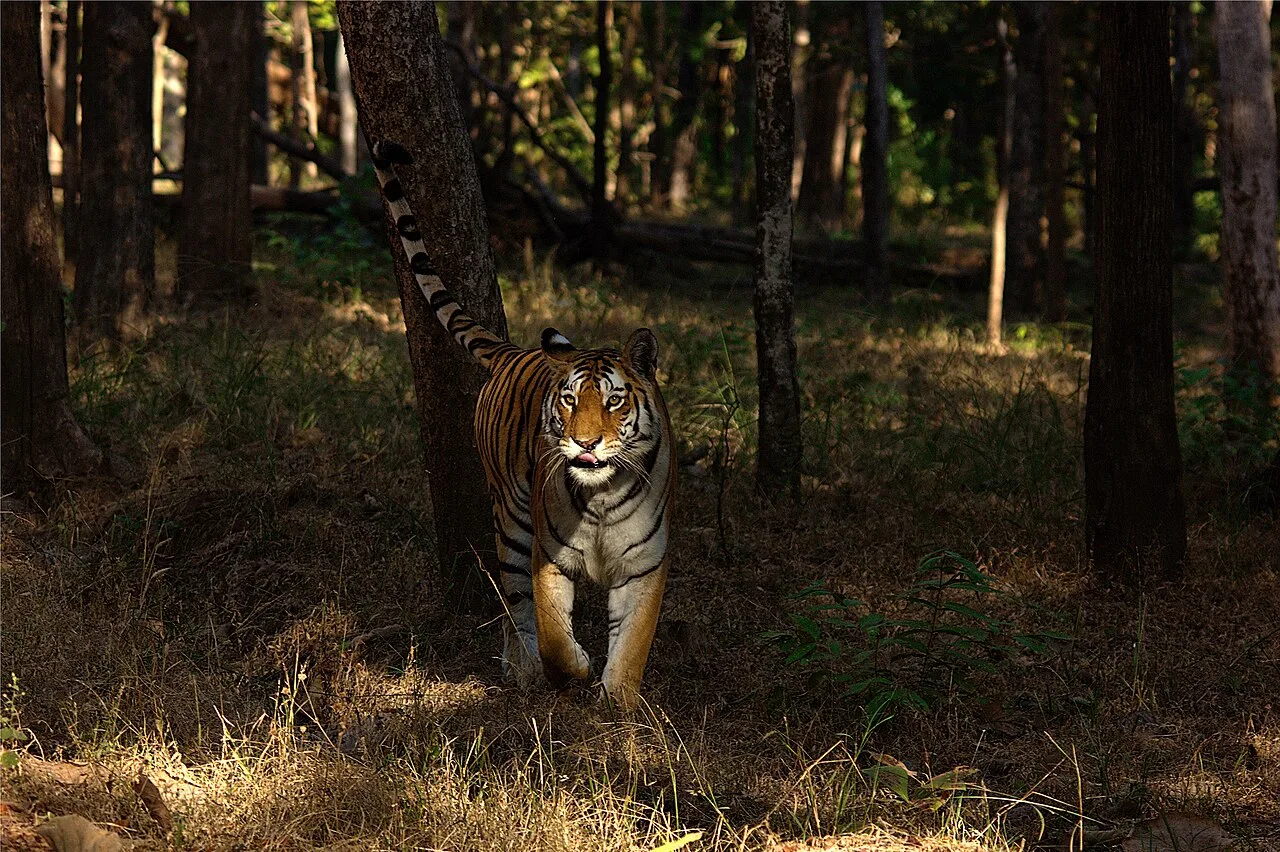
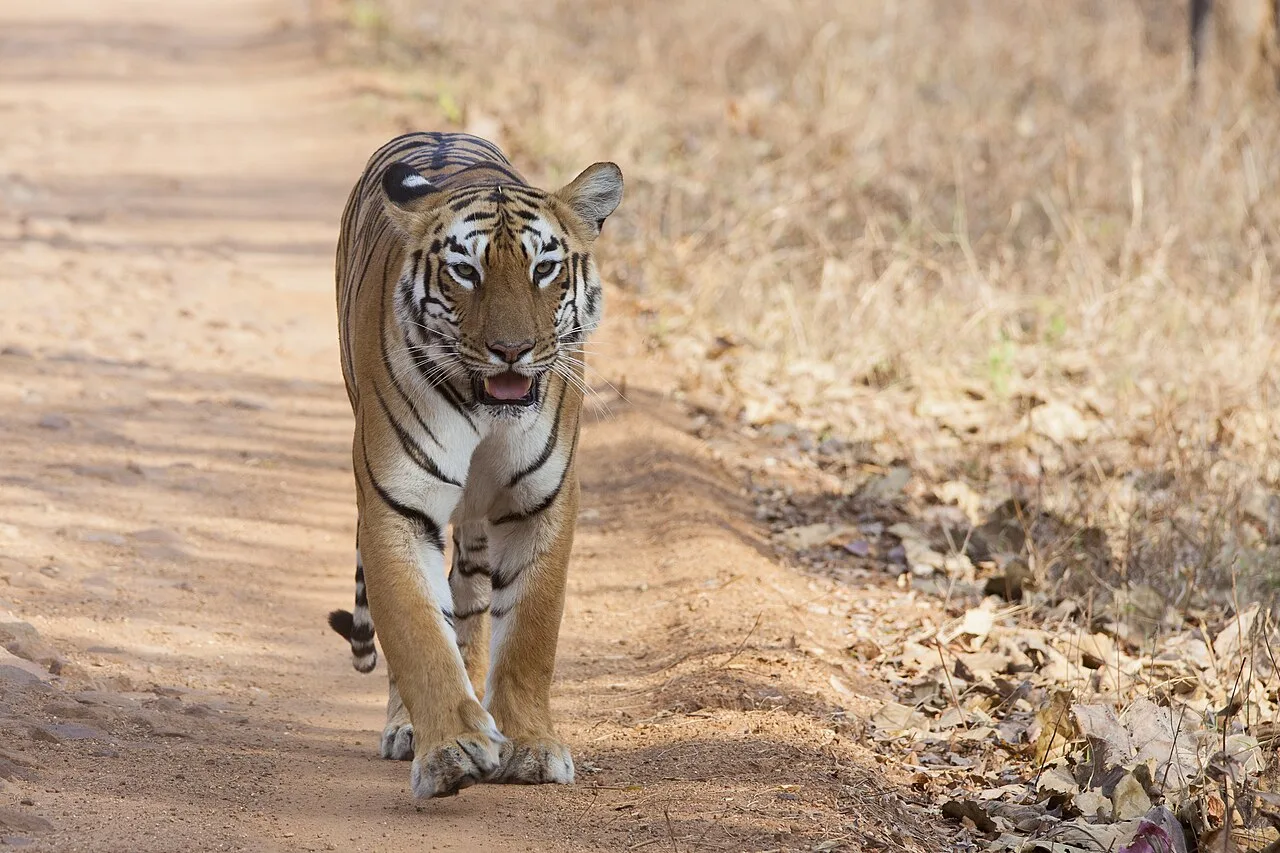
Pench Tiger Reserve spans Madhya Pradesh and Maharashtra, with its Maharashtra section in Nagpur district. People visit to experience its protected landscape and wildlife.

Tadoba Andhari Tiger Reserve

104 km away · Chandrapur district

Tadoba Andhari Tiger Reserve

Set in Maharashtra’s Chandrapur district, Tadoba Andhari Tiger Reserve combines a national park and wildlife sanctuary within a protected area. Visitors come to experience its forests and wildlife.

Sevagram Ashram

113 km away · Wardha district

Sevagram Ashram

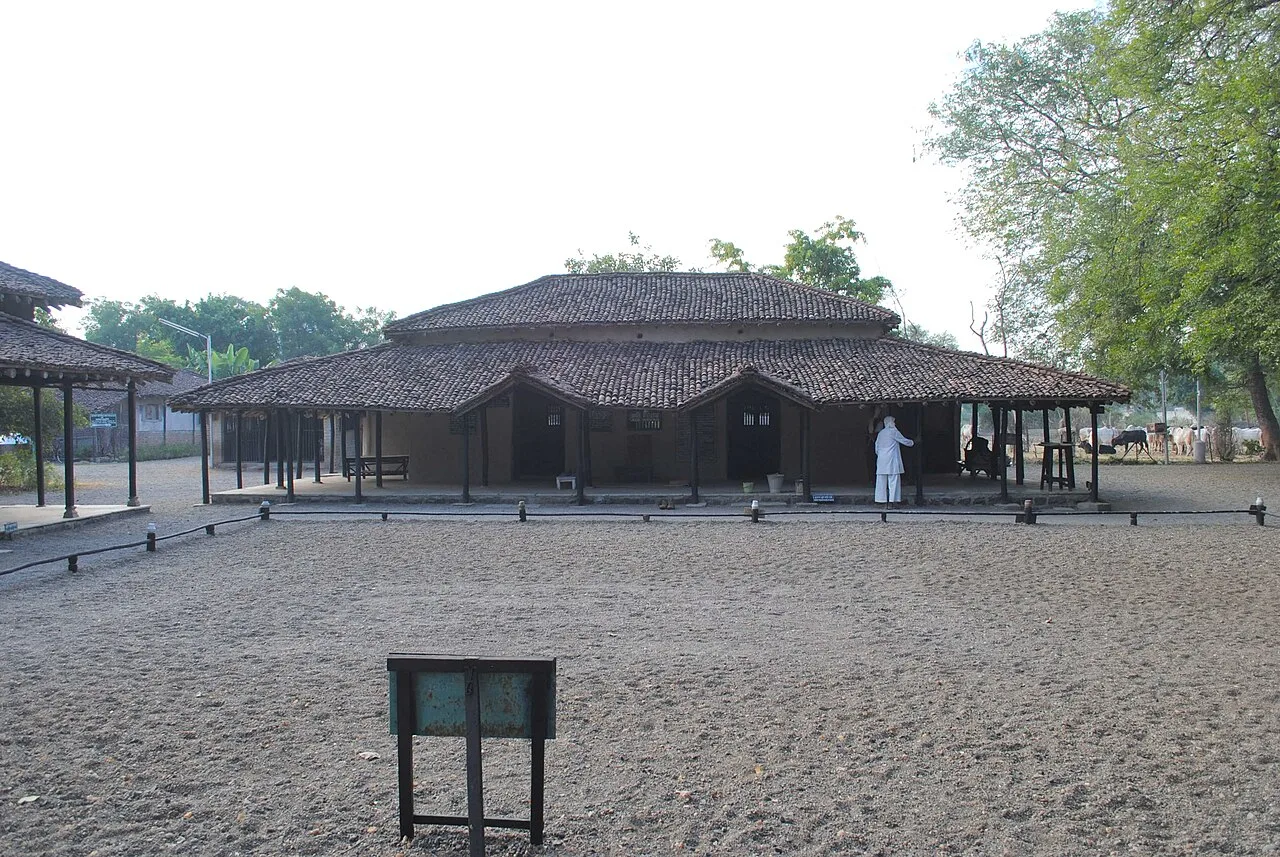
Sevagram Ashram, in Wardha district, Maharashtra, is known as Mahatma Gandhi’s ashram and home from 1936 until his death in 1948. People visit for its connection with his life.

Chikhaldara

200 km away · Amravati district

Chikhaldara

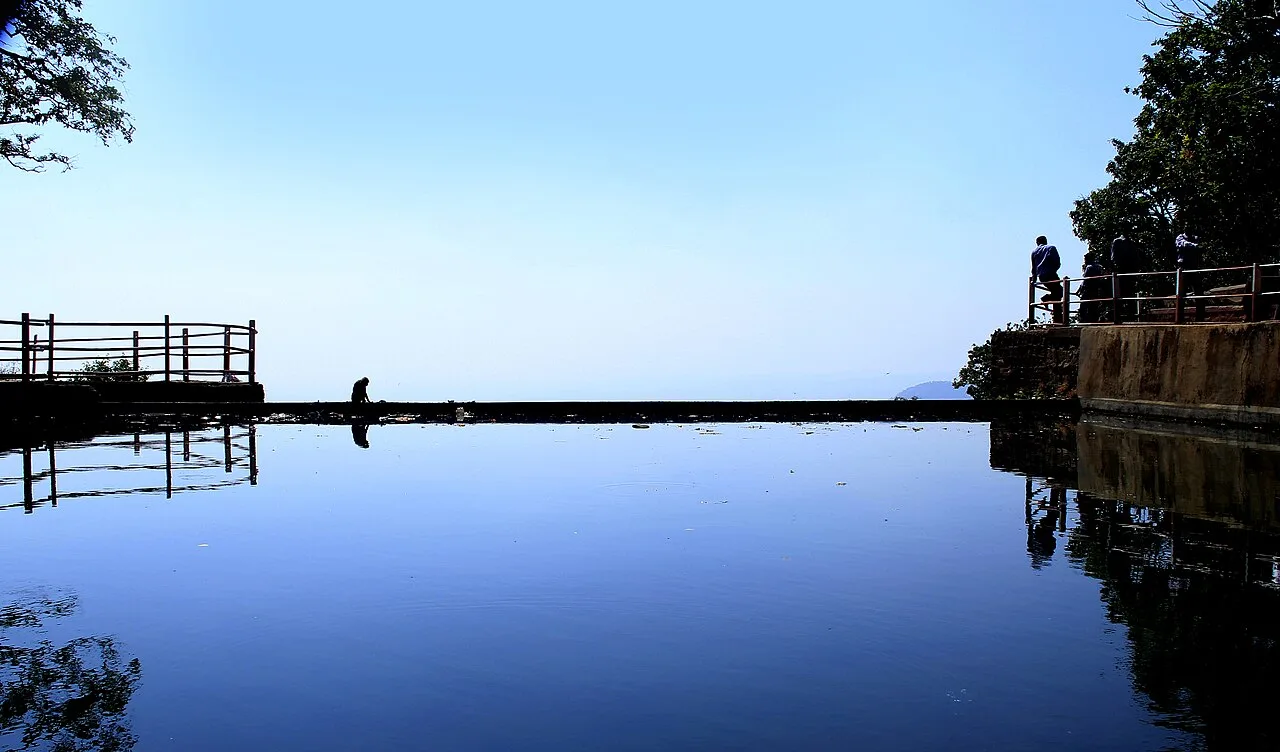
Chikhaldara is a hill settlement and municipal council in Maharashtra’s Amravati district. Visitors come for its highland setting, coffee-growing area and nearby wildlife at the Melghat Tiger Project.

Melghat Tiger Reserve

256 km away · Amravati district

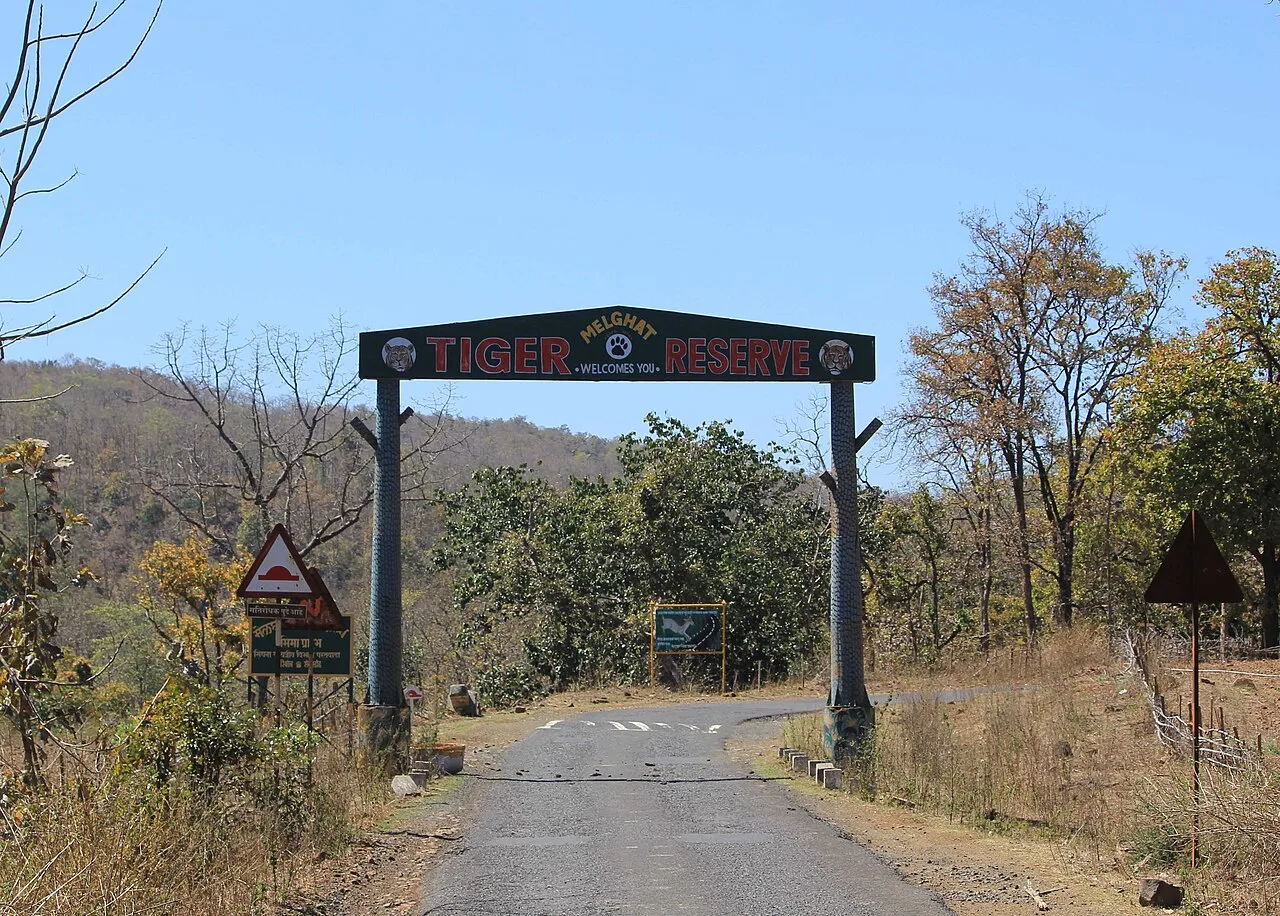
Melghat Tiger Reserve

Melghat Tiger Reserve is a protected area in northern Amravati district, Maharashtra. Visitors come to experience its wildlife and learn about its place in India’s Project Tiger programme.

Map

Bhandara on the map

  1. 1Ramtek Fort Temple
  2. 2Navegaon National Park
  3. 3Deekshabhoomi
  4. 4Pench Tiger Reserve
  5. 5Tadoba Andhari Tiger Reserve
  6. 6Sevagram Ashram
  7. 7Chikhaldara
  8. 8Melghat Tiger Reserve

Maharashtra

Other cities to explore