
Ghumoopedia — Explore, Discover, Experience
Sign in
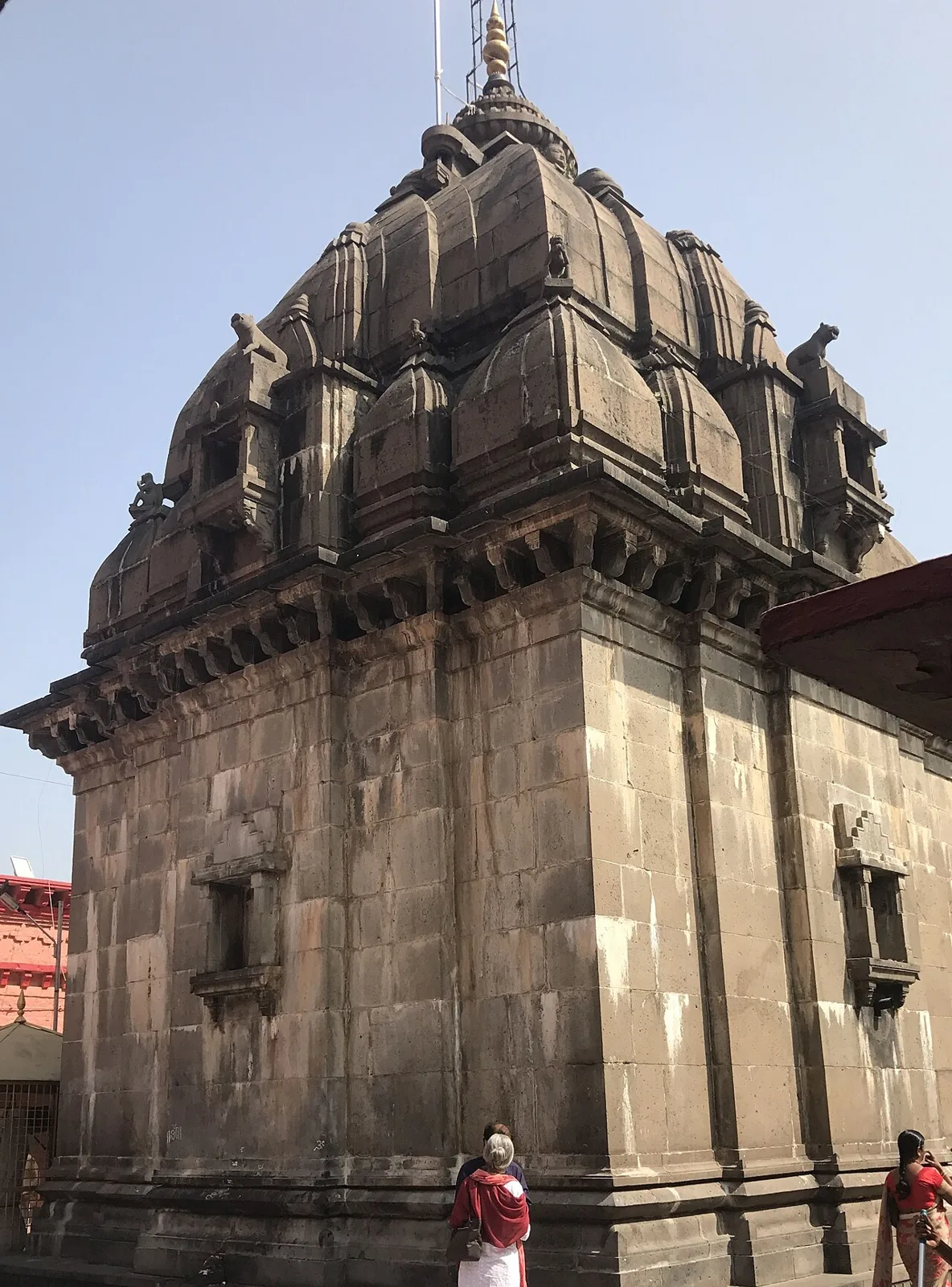
Shri Vaijnath Temple, near Parli

City guide · Maharashtra

Parli

Parli, also known as Parli Vaijnath, is a municipal town in Beed district and the headquarters of Parli taluka. Its best-known landmark is Shri Vaijnath Temple, a major Shiva shrine that draws pilgrims throughout the year.

Famous for

  • Shri Vaijnath Temple
  • Mahashivratri fair
  • Parli Thermal Power Station
  • Vaijnath Sugar Factory
  • Marathwada pilgrimage centre
In the city
1
District
Beed

Why Parli matters

Parli, also known as Parli Vaijnath, is a municipal town in Beed district and the headquarters of Parli taluka. Its best-known landmark is Shri Vaijnath Temple, a major Shiva shrine that draws pilgrims throughout the year. The temple is revered in traditions identifying Vaijnath as one of India’s Jyotirlingas, and the annual Mahashivratri gathering is a defining event in the town’s calendar.

Parli is also an important working town in Marathwada. The Maharashtra State Power Generation Company’s Parli Thermal Power Station, a sugar factory and other engineering and industrial businesses contribute to its regional role. Visitors often combine a temple visit with a trip to Ambajogai, about 25 kilometres away, known for the Yogeshwari Devi temple and the memorial of Marathi poet Mukundraj. Parli’s appeal is therefore both devotional and regional: it serves local communities and industry while welcoming visitors drawn by its temple, pilgrimage traditions and nearby heritage sites.

Famous for: crafts, trade & products

Parli is most closely associated with Shri Vaijnath Temple and the pilgrimage economy around it. The town is also known for the Parli Thermal Power Station, Vaijnath Sugar Factory, India Cements’ local presence and engineering services, including Ghawalkar Engine, Transmission and Motor Repair and Overhaul Facility. Vaidyanath Co-operative Bank has its head office here. These institutions reflect a mix of religious activity, power generation, sugar production, finance and industrial services.

Parli is not widely identified with a particular textile, handicraft or GI-tagged product. Visitors looking for everyday goods can browse the town’s general markets and shops, especially around the central town and temple approaches; these serve residents and pilgrims rather than a distinct craft-shopping trade. The temple is the principal place to encounter locally made devotional offerings and worship supplies, though these are not a documented signature craft. For a broader excursion, Ambajogai offers additional religious and literary heritage, including the Yogeshwari Devi temple and Mukundraj’s samadhi. Check locally for current market activity, as shops and offerings can vary with the pilgrimage season.

History

Parli’s history is shaped by its temple traditions and its position in the Marathwada region. Local religious accounts connect the surrounding landscape with Savitri and Satyavan, and say that the sage Markandeya received a boon here. These are sacred traditions rather than independently established accounts of the town’s early chronology. The history of Shri Vaijnath Temple credits Rani Ahilyadevi Holkar with renovating it in 1706, an important chapter in the shrine’s development as a pilgrimage centre.

In the colonial era, the Parli area formed part of the Hyderabad princely state rather than British-administered Bombay Presidency. Following Hyderabad’s integration into India, the region became part of Bombay State and then Maharashtra in 1960. In modern times, the town’s regional importance has expanded beyond pilgrimage through the growth of power generation, sugar production, engineering businesses and financial services. Parli now combines an established religious role with the practical functions of a taluka headquarters and industrial centre.

Food, festivals & culture

Marathi is the principal language of daily life; Hindi is also understood in many public settings. The town’s religious calendar centres on Shiva worship, especially Mahashivratri, when a large fair brings pilgrims to Shri Vaijnath Temple. Shravan, the monsoon month associated with Shiva, is another important period for worship. Ganeshotsav and Navratri are observed as part of the wider Maharashtrian festival calendar, with local participation varying by community and year.

Food is broadly Maharashtrian and Marathwada in character. Jowar bhakri, pithla, seasonal vegetables and dal-rice are familiar regional meals; puran poli is enjoyed on festive occasions. These are regional favourites rather than dishes unique to Parli. Devotional activity is most visible at Vaijnath Temple, while the nearby town of Ambajogai adds another important cultural stop through the Yogeshwari Devi temple and the samadhi of Mukundraj, regarded as an early Marathi poet. Music and devotional singing are commonly associated with temple worship and festival gatherings; there is no single local dance or craft tradition for which Parli is especially known.

Visiting the city

The cooler months, from October to February, are generally the most comfortable for exploring Parli and visiting its temple. Summers can be very hot, while the monsoon brings rain. The nearest airport commonly used for the region is Nanded Airport; check current flight availability before planning. Parli Vaijnath railway station is the town’s main rail station.

Auto-rickshaws and local taxis are practical for getting around town, and road transport connects Parli with nearby settlements. Allow time for the temple precinct and the surrounding central market streets. Ambajogai makes a worthwhile nearby excursion, particularly for the Yogeshwari Devi temple and Mukundraj’s samadhi. During Mahashivratri, expect heavier visitor activity around the shrine and plan local movement accordingly. Check current road and transport conditions before travel.

Attractions

Places to visit in Parli

Sights within about 12 km of each other, even when they fall in different districts.

Map

Parli on the map

  1. 1Shri Vaijnath Temple

Maharashtra

Other cities to explore