Ghumoopedia — Explore, Discover, Experience
Sign in
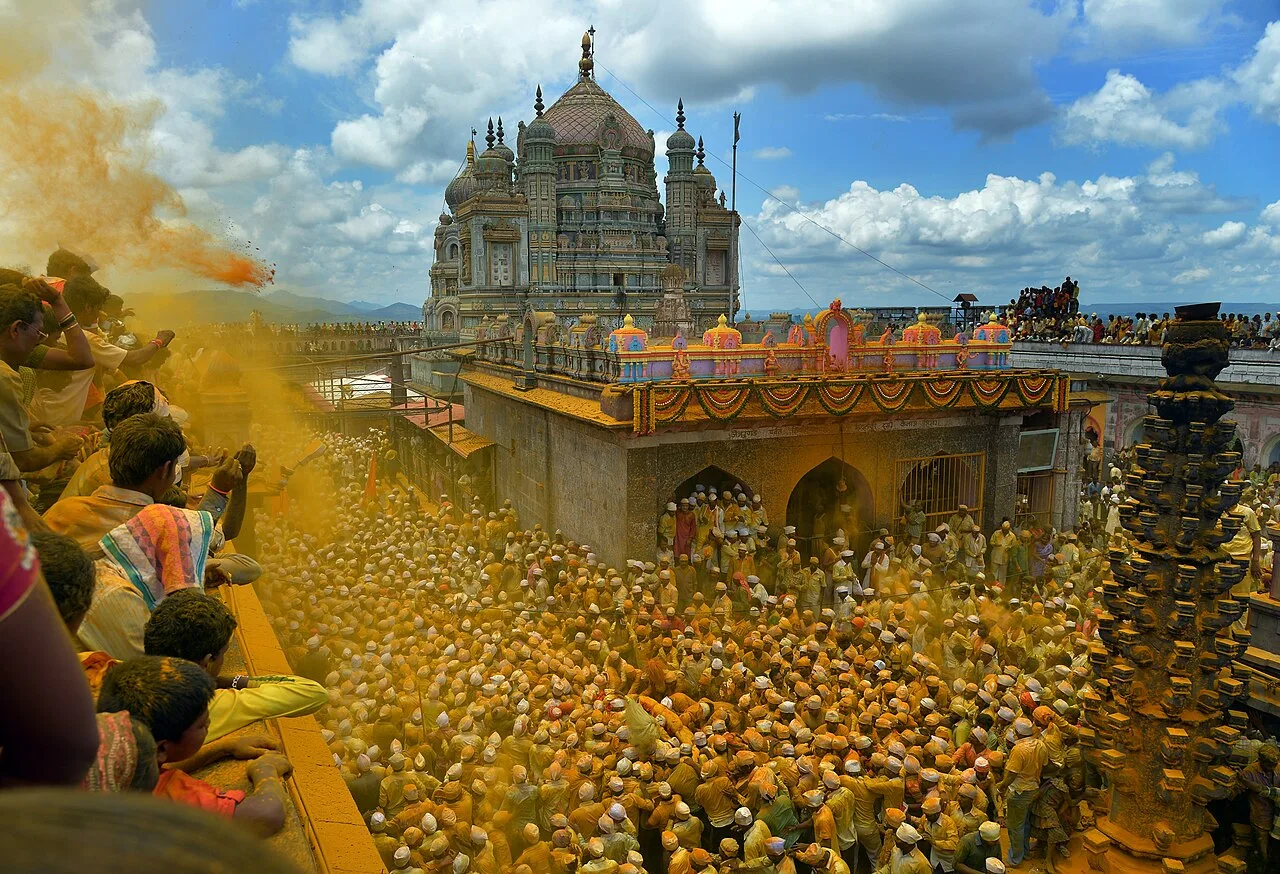
Jejuri, near Phaltan

City guide · Maharashtra

Phaltan

Phaltan is a municipal town and tehsil centre in Satara district, serving the agricultural communities of Maharashtra’s eastern Deccan plateau. Its location between Satara and Pune makes it a regional stop for local trade, administration and travel.

Famous for

  • Nimbalkar princely heritage
  • Phaltan Rajwada
  • Jabreshwar Temple
  • Sugarcane and agriculture
  • Veer Dam irrigation

Why Phaltan matters

Phaltan is a municipal town and tehsil centre in Satara district, serving the agricultural communities of Maharashtra’s eastern Deccan plateau. Its location between Satara and Pune makes it a regional stop for local trade, administration and travel. The surrounding countryside is known for a dry climate and variable monsoon rainfall; irrigation from Veer Dam on the Nira River supports farming in parts of the area.

Visitors come for the town’s Maratha-era associations, especially the Nimbalkar family’s former princely state and the historic Rajwada. Temples, traditional streets and the everyday activity of the central market offer a sense of local life, while the wider region provides a quieter contrast to larger cities. Phaltan is also linked to sugarcane cultivation and agro-based activity in its hinterland. It is best approached as a heritage and regional-market town rather than a large resort destination: a visit can combine its historic core with nearby countryside and places of worship.
Famous for: crafts, trade & products

Phaltan’s best-known heritage landmark is the Rajwada, associated with the Nimbalkar rulers. The town’s temples and older central streets are also part of its local identity. There is no widely established Phaltan-specific craft, textile or GI-tagged product to seek out, so visitors should not expect a dedicated craft bazaar or a signature city-made souvenir.

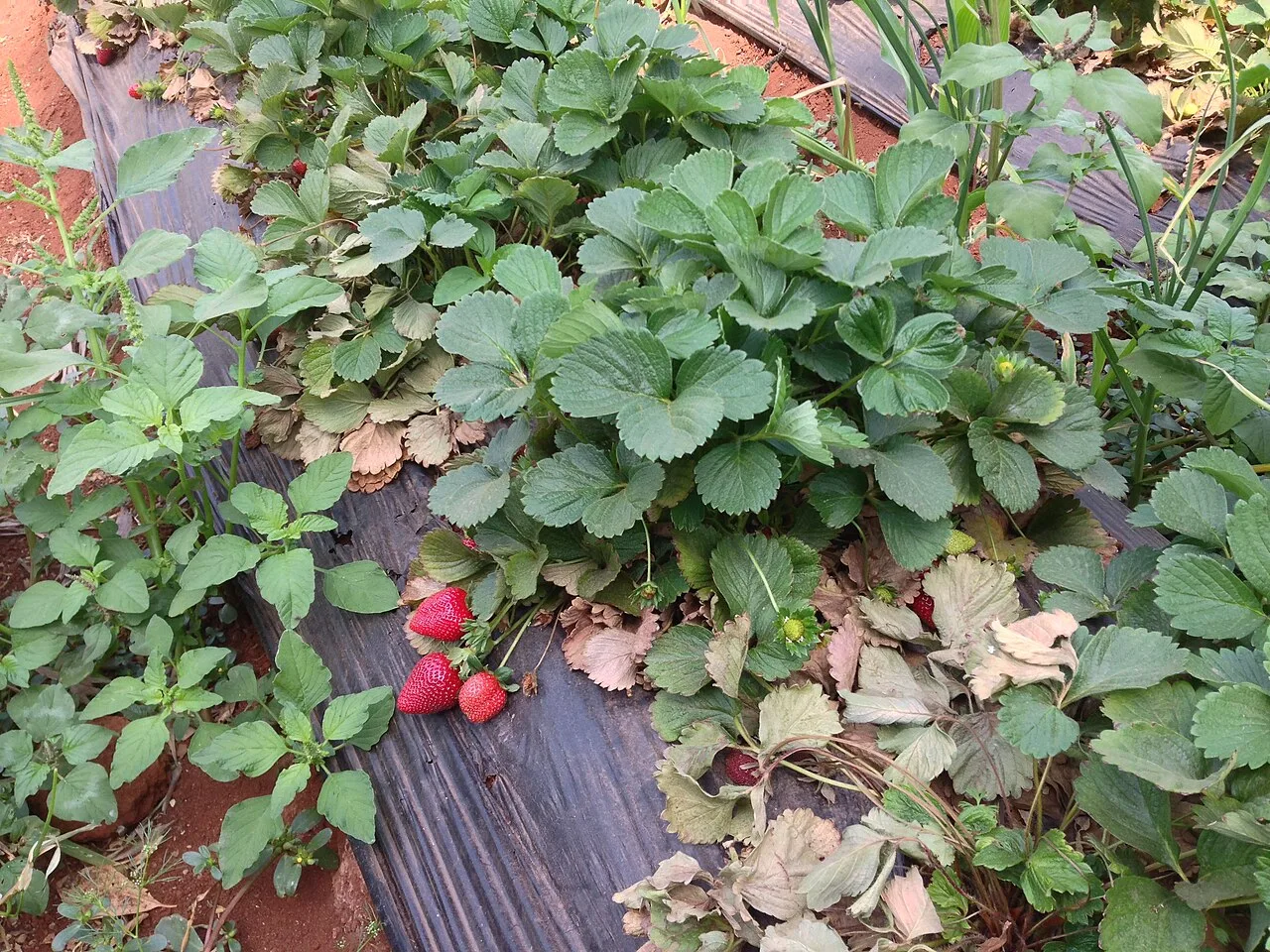
The local economy is closely connected to agriculture. Sugarcane and other farm produce support trading and agro-industrial activity across the surrounding region, with sugar processing among the area’s important industries. For everyday goods and seasonal produce, look around the central market and the town’s regular trading areas; these are more useful than specialist tourist shops. Local retailers stock ordinary household goods and regional foods, while larger or more specialised purchases may be easier to find in Pune or Satara. The town also functions as a service centre for nearby villages, with shops and institutions serving the wider tehsil. Ask locally about seasonal produce, since availability varies with rainfall and harvest conditions.

History

Phaltan developed as the seat of a Maratha princely state ruled by the Nimbalkar family. Its former palace, the Rajwada, remains a visible reminder of that political and royal history. During British rule, Phaltan was a non-salute princely state within the Bombay Presidency’s central division. Its administration and relations with the British formed part of the wider system of princely states in western India.

After India became independent, princely territories were integrated into the new national and state administrations. Phaltan subsequently became part of Maharashtra and grew as a municipal and tehsil centre in Satara district. Its role today is shaped less by princely government than by local administration, commerce, education and agriculture. Farming in the surrounding dry plateau has long depended on uncertain monsoon rains; irrigation from Veer Dam on the Nira River has helped support cultivation in the region. The town’s heritage buildings and temples sit alongside the practical infrastructure of a modern regional centre.

Food, festivals & culture

Everyday food in Phaltan reflects the wider western Maharashtra and Deccan traditions. Meals commonly draw on jowar or bajra bhakri, rice, lentils, seasonal vegetables and spicy accompaniments such as thecha; pithla and zunka are familiar regional dishes. Puran poli is associated with festive meals. Menus vary between households and eateries, so these are regional favourites rather than foods unique to Phaltan.

Marathi is the principal language of local life, with Hindi also understood in many public settings. Ganeshotsav, usually in the monsoon season, and Diwali in autumn are prominent points in the festival calendar; Gudi Padwa in spring and Navratri in autumn are also observed. Temple worship, bhajans and kirtan are part of community religious life, while lavani and tamasha belong to the broader cultural traditions of Maharashtra. Phaltan’s temples, including Jabreshwar Temple, and its other places of worship are focal points for local observance. Festival events and performances can vary from year to year.

Visiting the city

October to February is generally the most comfortable period to visit, with milder days than in the hot, dry summer. Summer can be very hot, while monsoon rainfall is variable. Pune International Airport is the nearest major airport. Phaltan railway station is the closest station; Satara railway station is another option for access to the wider main-line network. Check current connections before travelling, as services and routes can change.

Auto-rickshaws, local buses and hired cars are useful for getting around. Begin in the central area to explore the Rajwada, nearby temples and market streets. The town’s edges offer a look at the surrounding agricultural landscape, and Veer Dam is a regional excursion worth considering when conditions and access permit. Carry water in hot weather and allow flexibility during the monsoon.

Trips from the city

Nearest places to visit from Phaltan

Our closest destination guides, by straight-line distance.

Jejuri

43 km away · Pune district

Jejuri

Jejuri, a city with a municipal council in Pune district, Maharashtra, is known for the Khandoba Mandir, an important Hindu pilgrimage site for communities across the state.

Panchgani

67 km away · Satara district

Panchgani

Panchgani, also known as Paachgani, is a hill station in Maharashtra’s Satara district with municipal-council status. Visitors come throughout the year, and its many convent boarding schools are also well known.

71 km away · Satara district

Bhilar (Book Village)

Bhilar is a village in Maharashtra’s Satara district, known as the Book Village. Visitors may be drawn by its distinctive association with books.

Kaas Plateau

71 km away · Satara district

Kaas Plateau

Kaas Plateau is a high basalt tableland and reserve forest in Maharashtra’s Satara district. Its seasonal wildflowers, endemic butterflies and distinctive plants make it a destination for nature visits, especially in August and September.

Thoseghar Falls

76 km away · Satara district

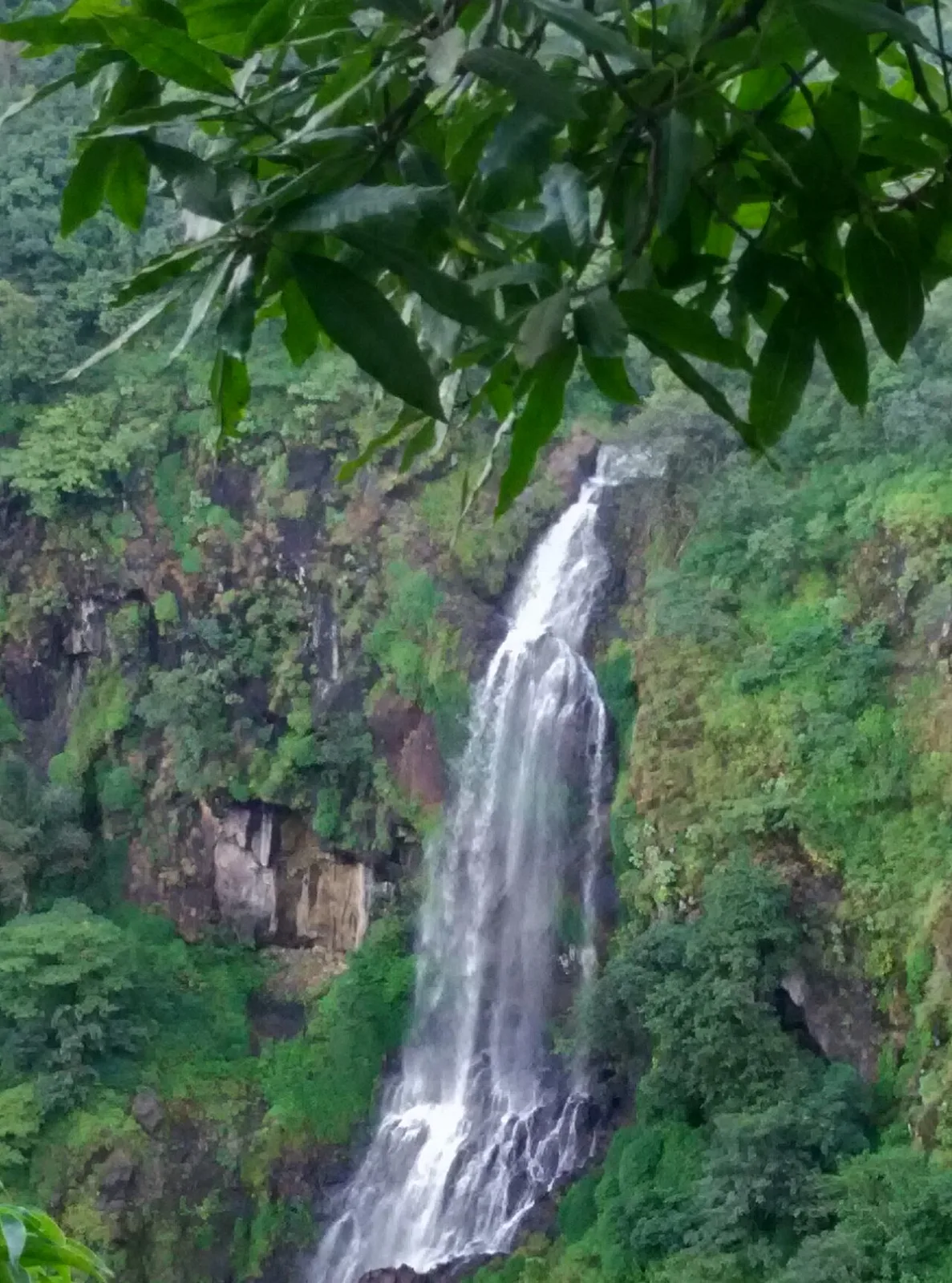
Thoseghar Falls

Thoseghar Falls is a series of cascades near Thoseghar village in Maharashtra’s Satara district. Visitors come to see the waterfalls, especially during the monsoon, when rainfall swells their flow.

Mahabaleshwar

82 km away · Satara district

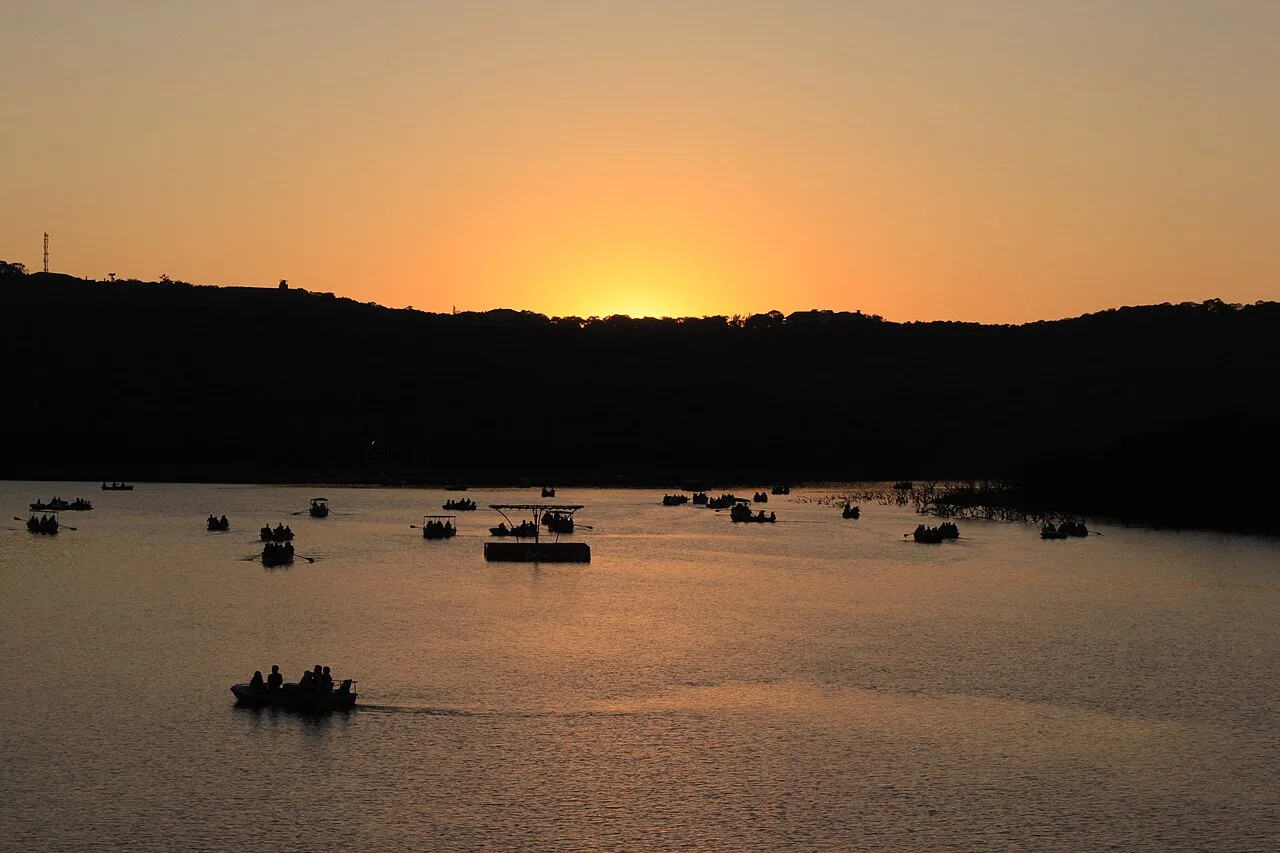
Mahabaleshwar

Mahabaleshwar is a town and municipal council in Satara district, Maharashtra. People visit for its religious connection to the sacred Krishna River and five tributaries, as well as its history as a hill station.

Sinhagad

83 km away · Pune district

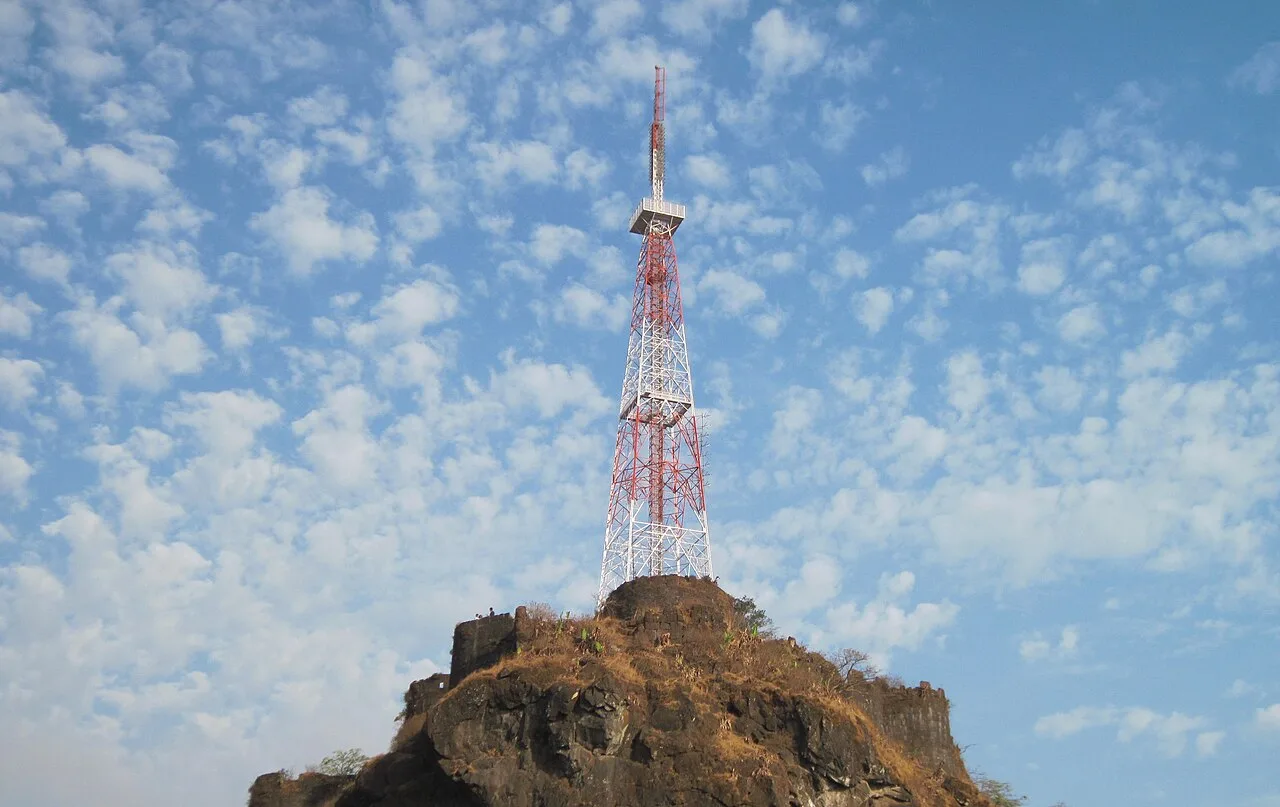
Sinhagad

Sinhagad is an ancient hill fort near Pune, Maharashtra, valued for its history and as a destination for walks and weekend outings from the city.

Aga Khan Palace

84 km away · Pune district

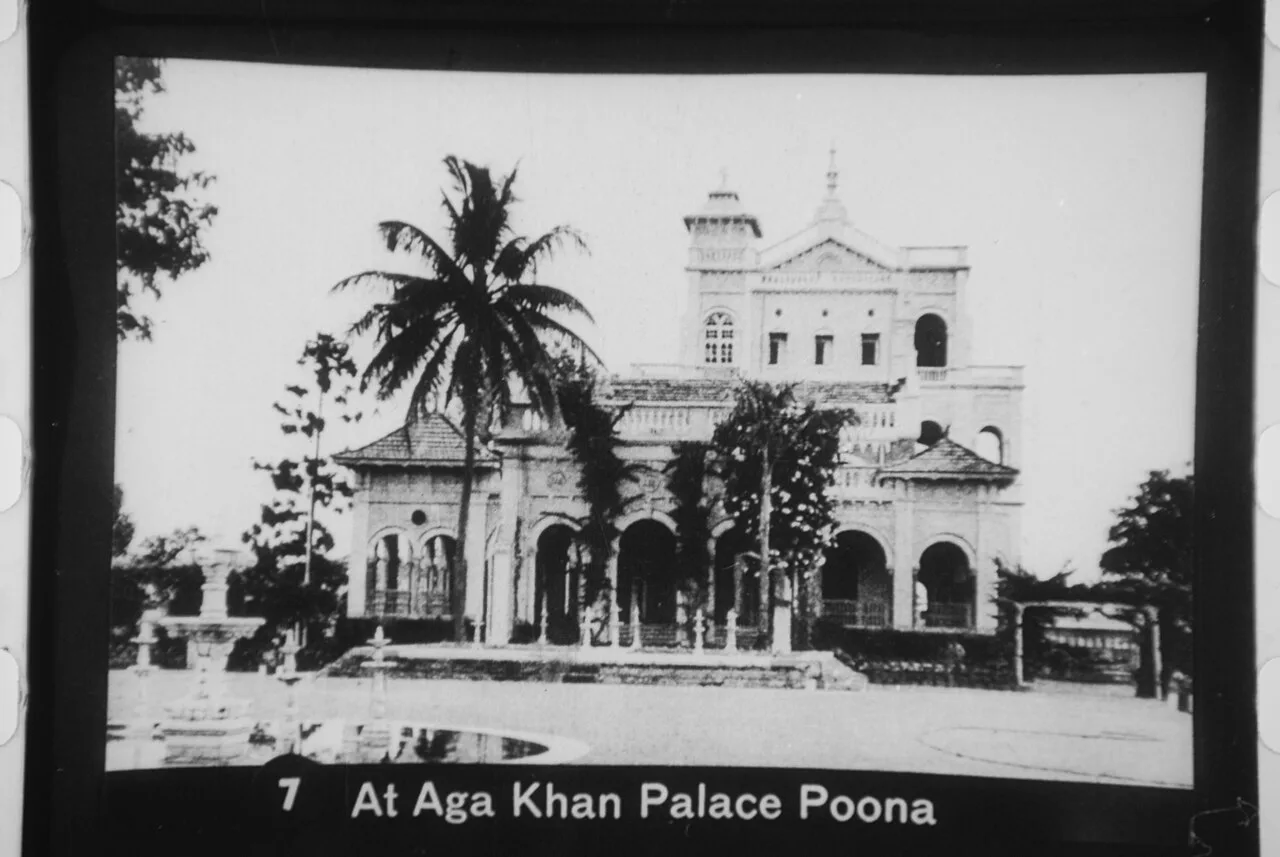
Aga Khan Palace

Aga Khan Palace is a historic building in Pune district, built by Sultan Muhammed Shah Aga Khan III. Visitors come for its connections to famine relief and the freedom struggle, as well as its architecture and greenery.

Map

Phaltan on the map

  1. 1Jejuri
  2. 2Panchgani
  3. 3Bhilar (Book Village)
  4. 4Kaas Plateau
  5. 5Thoseghar Falls
  6. 6Mahabaleshwar
  7. 7Sinhagad
  8. 8Aga Khan Palace

Maharashtra

Other cities to explore