Ghumoopedia — Explore, Discover, Experience
Sign in
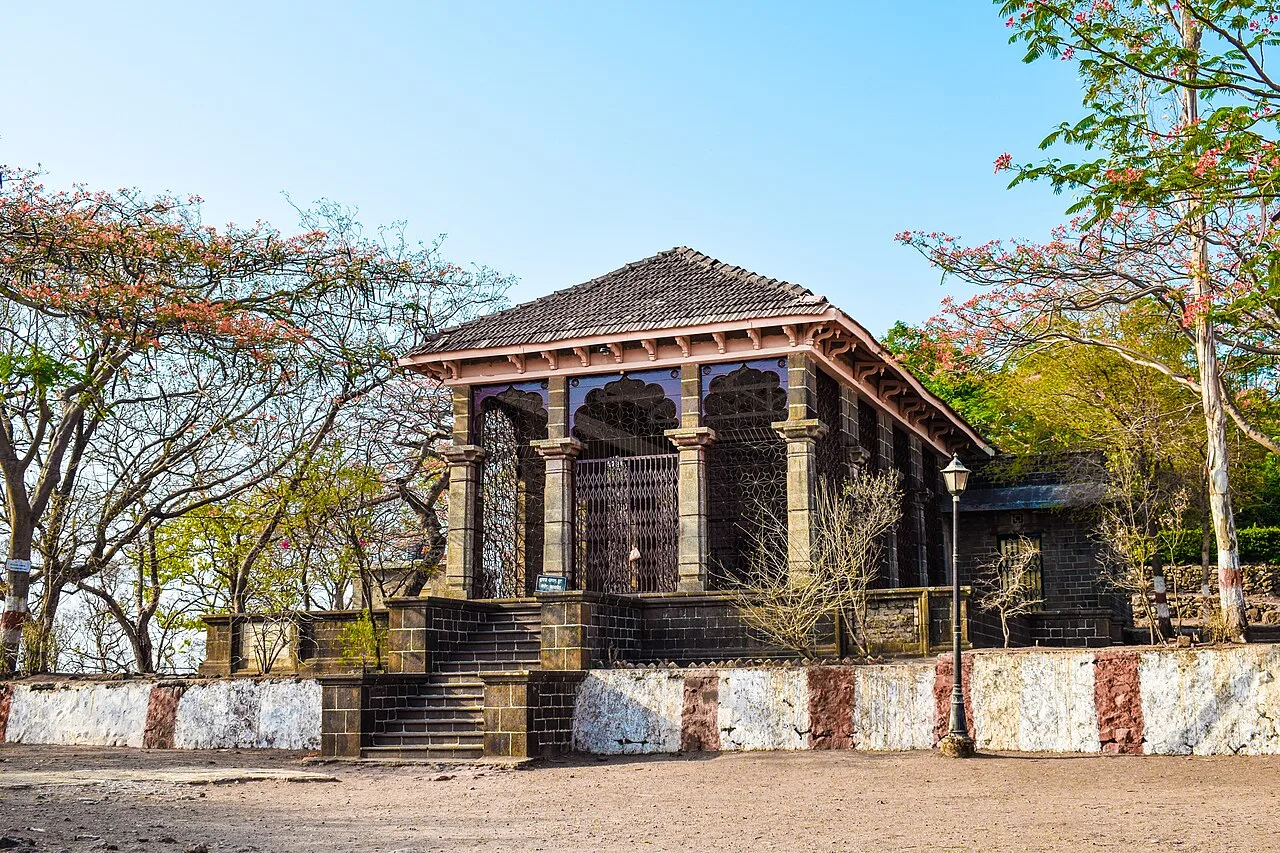
Shivneri Fort, near Kalamb

City guide · Maharashtra

Kalamb

Kalamb is a village in Ambegaon taluka, in Pune district, Maharashtra. Its importance is primarily local: it is part of the rural settlement network of the taluka and is administered through an elected village Sarpanch under India’s Panchayati Raj system.

Famous for

  • Village in Ambegaon taluka
  • Rural Pune district setting
  • Gram Panchayat governance

Why Kalamb matters

Kalamb is a village in Ambegaon taluka, in Pune district, Maharashtra. Its importance is primarily local: it is part of the rural settlement network of the taluka and is administered through an elected village Sarpanch under India’s Panchayati Raj system. It is not widely known as a large urban centre or a destination with nationally recognised landmarks.

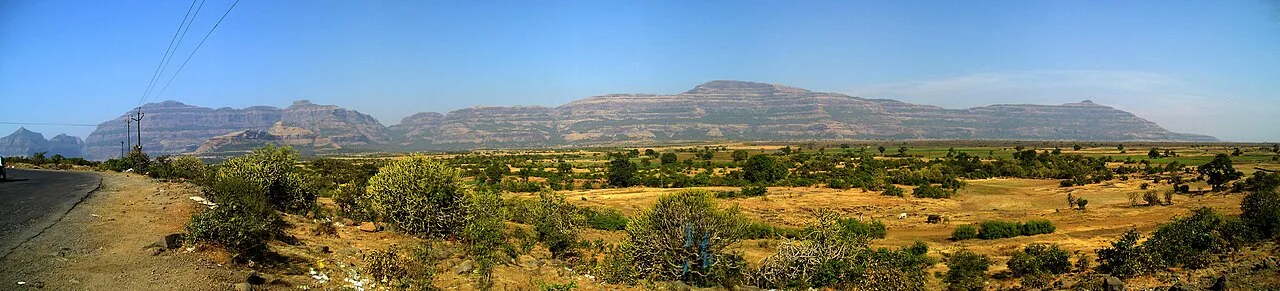
Visitors are more likely to come for local connections, work or journeys through the surrounding countryside than for a dedicated sightseeing itinerary. Kalamb’s appeal lies in experiencing village life in the Pune district, including the everyday role of the Gram Panchayat and the area’s links with nearby settlements. Public information about specific attractions, signature products or visitor facilities in the village is limited, so travellers should check locally before planning a visit around a particular site. For wider services and onward travel, the larger towns and city gateways of the region are more practical bases.
Famous for: crafts, trade & products

Kalamb does not have a widely documented signature textile, handicraft, GI-tagged product or major industrial speciality. It is best understood as a village rather than a prominent manufacturing or wholesale centre. There is also no well-established tourist market or named shopping district associated with the village in commonly available information.

Visitors looking for local goods can ask residents or shopkeepers about everyday village shops and nearby markets; availability and operating days may vary. For a broader choice of retail, services and regional produce, travellers can look to larger settlements in Ambegaon taluka or Pune. No specific craft outlet, cooperative, institution or product should be assumed to operate in Kalamb without checking locally. This modest commercial profile is part of the distinction between Kalamb and Pune district’s larger urban centres, which have more developed shopping and visitor infrastructure.

History

Kalamb’s documented profile is chiefly that of a village within Ambegaon taluka of Pune district. The available local details identify its present form of administration: an elected Sarpanch represents the village within the Panchayati Raj system. More detailed accounts of the settlement’s founding, historic rulers or particular monuments are not readily established, so a distinct local chronology should not be inferred from the wider history of Pune district.

The surrounding district has experienced the broader political changes of the Pune region, including Maratha rule, British administration and the formation of modern Maharashtra after independence. These regional developments provide context, but they do not by themselves establish specific events in Kalamb. In contemporary life, village-level governance and connections with nearby settlements shape its civic role. For archival or family history, local residents and the relevant village and taluka offices may be able to provide more specific information than general travel accounts.

Food, festivals & culture

Marathi is the principal language of everyday life in this part of Maharashtra, though individual residents may also use other languages. There is limited published information describing customs or performing arts unique to Kalamb. As in many villages across the state, community and family observances may include festivals such as Ganeshotsav, usually in the monsoon season, and Diwali in autumn, alongside Gudi Padwa in spring. The scale and manner of celebration can differ from household to household.

The wider regional food tradition includes staples such as bhakri, pithla, zunka, rice, lentils and spicy accompaniments; these are regional examples, not a claim of a distinct Kalamb speciality. No particular sweet, music tradition, dance form or named place of worship is widely documented as a village attraction. Travellers interested in local religious or cultural life should ask residents about community events and appropriate visiting etiquette, especially before entering a place of worship.

Visiting the city

The cooler, drier months from roughly October to February are generally comfortable for travel in the Pune region. Pune Airport and Pune Junction are major gateways for onward journeys; the final leg to Kalamb is by road. Confirm the most convenient route and current local transport options before setting out, as services to a village may be less frequent than those in a city.

Within Kalamb, walking and locally arranged road transport are practical ways to get around. There is no widely documented visitor district or established sightseeing circuit. Explore the village centre and ask locally about community spaces or places of worship that are appropriate to visit. Nearby settlements in Ambegaon taluka may offer additional services, while Pune is the region’s larger urban base. Allow time for a flexible visit rather than planning around attractions or facilities that have not been confirmed.

Trips from the city

Nearest places to visit from Kalamb

Our closest destination guides, by straight-line distance.

Shivneri Fort

20 km away · Pune district

Shivneri Fort

Shivneri Fort, also called Killa, is an ancient stronghold near Junnar in Maharashtra’s Pune district. People visit for its historical connection as the birthplace of Chatrapati Shivaji Maharaj, founder of the Maratha Kingdom.

Lenyadri

23 km away · Pune district

Lenyadri

Lenyadri is a group of Buddhist caves near Junnar, Maharashtra, some later adapted for Hindu worship. Visitors come to see the cave complex and its Ganesha shrine, part of the Ashtavinayak.

Harishchandragad

43 km away · Ahilyanagar district

Harishchandragad

Harishchandragad is a hill fort in Maharashtra’s Ahilyanagar district, within the Western Ghats. Visitors come to see its rock-cut caves, temples, water cisterns and Kedareshwar cave shrine.

Bhimashankar Temple

44 km away · Pune district

Bhimashankar Temple

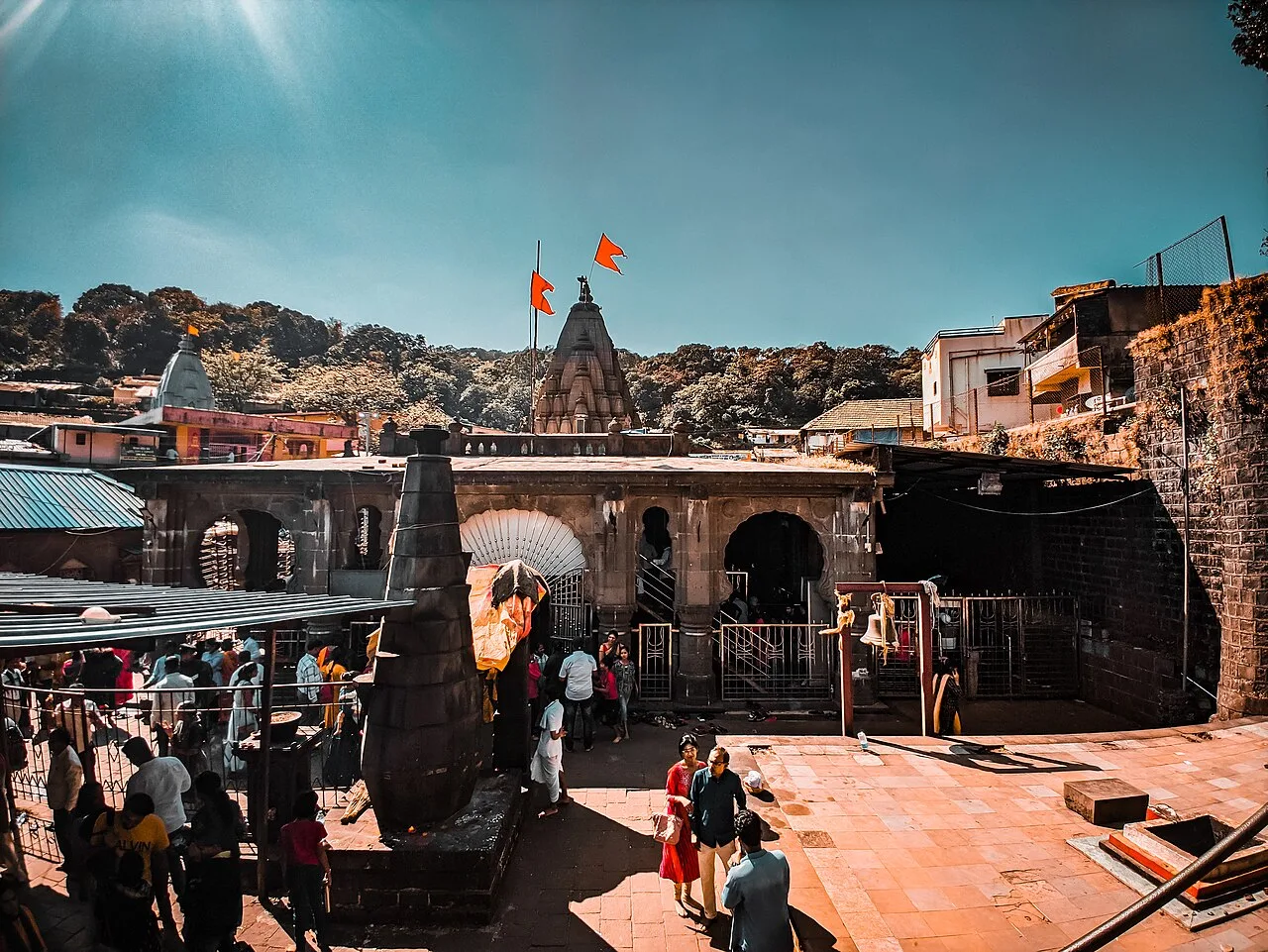
In Pune district, Maharashtra, Bhimashankar Temple is a Shiva shrine and one of the twelve Jyotirlinga sites, attracting pilgrims to its mountain location.

50 km away · Ahilyanagar district

Ralegan Siddhi

Ralegan Siddhi is a village in Maharashtra’s Ahmednagar District, noted for environmental conservation and renewable energy. Travellers may visit to see its measures for protecting soil, retaining rainwater and generating local power.

Aga Khan Palace

55 km away · Pune district

Aga Khan Palace

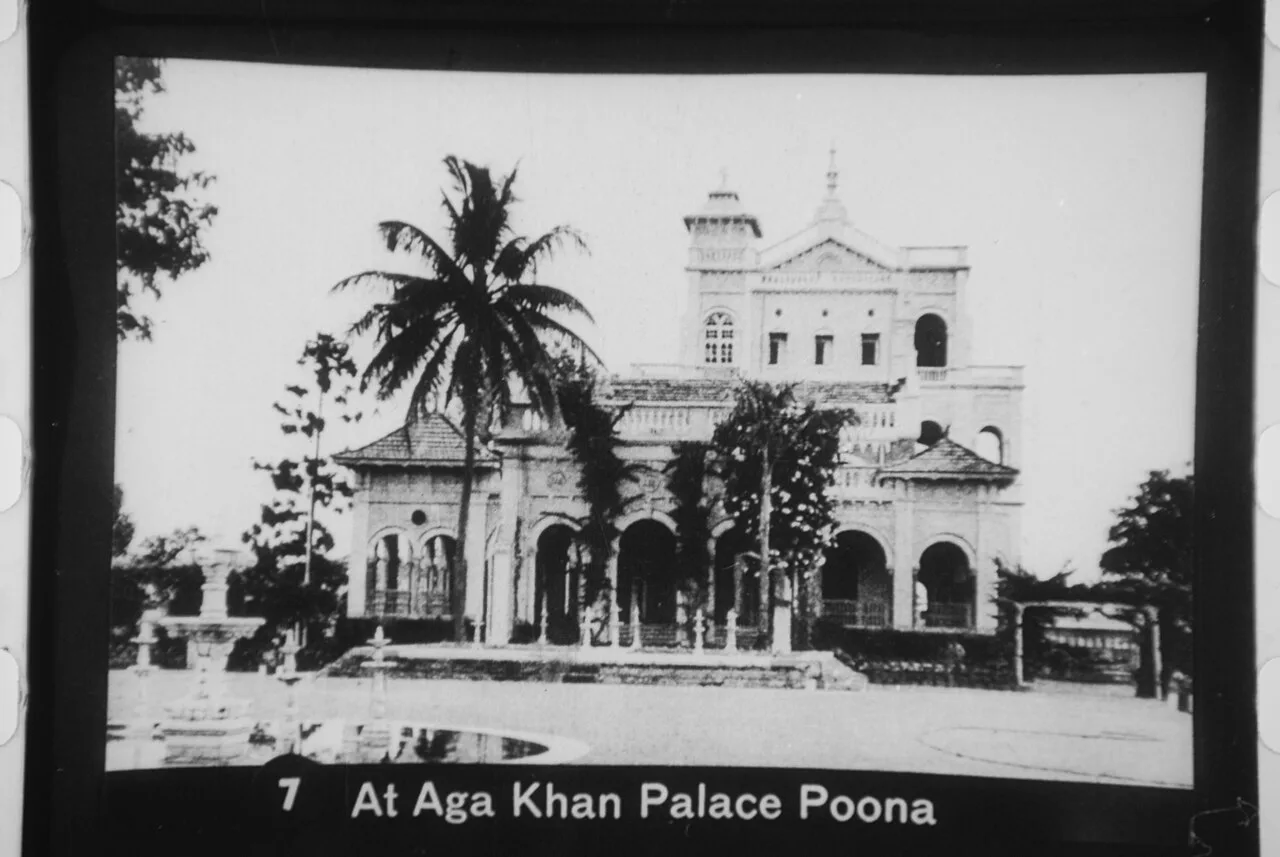
Aga Khan Palace is a historic building in Pune district, built by Sultan Muhammed Shah Aga Khan III. Visitors come for its connections to famine relief and the freedom struggle, as well as its architecture and greenery.

Bhandardara

58 km away · Ahilyanagar district

Bhandardara

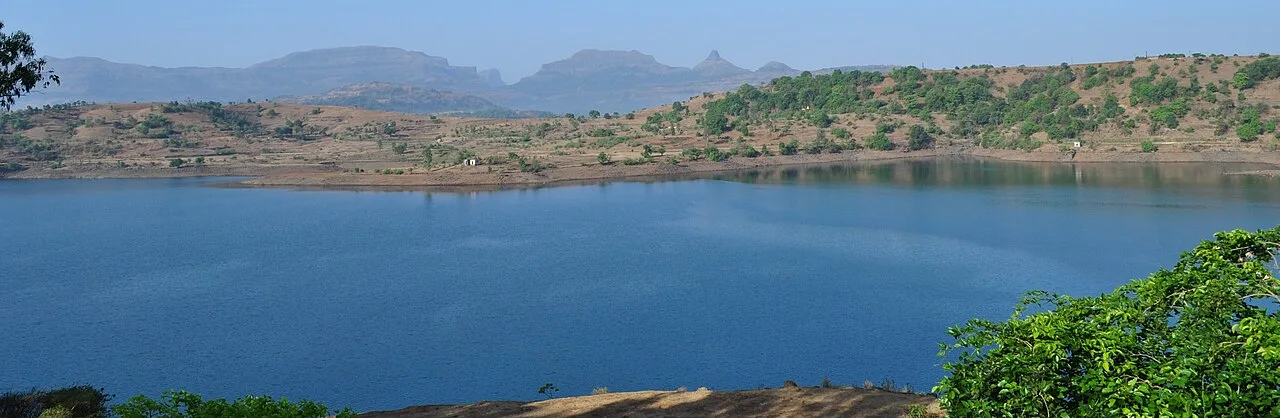
Bhandardara is a village in Maharashtra’s Ahilyanagar district, beside the Pravara River in the Western Ghats. Visitors come for Wilson Dam and Arthur Lake, as well as nearby forts and Mount Kalsubai.

Karla Caves

59 km away · Pune district

Karla Caves

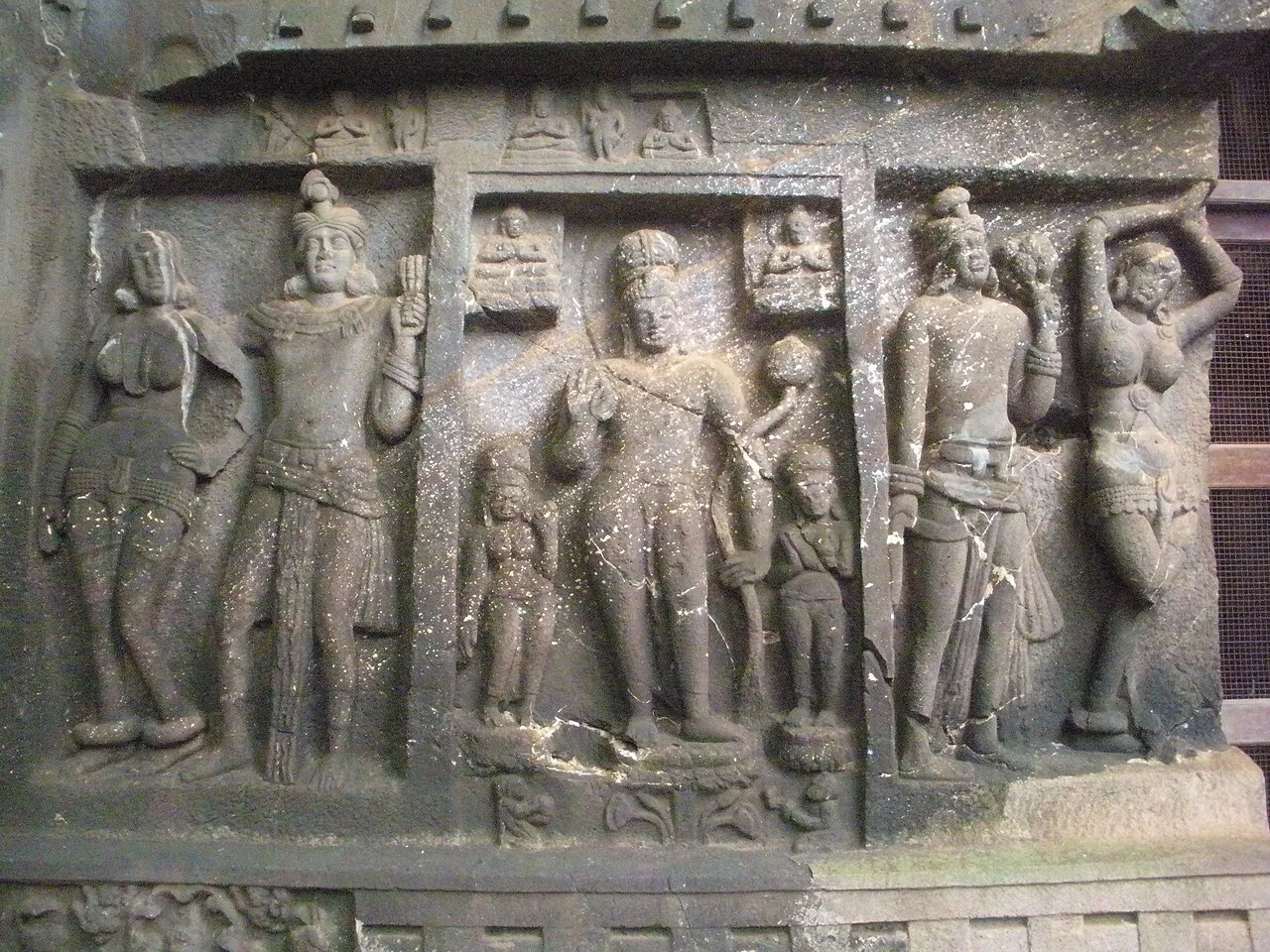
Karla Caves is an ancient Buddhist cave complex near Lonavala in Maharashtra. Visitors come to see its Grand Chaitya, notable for its scale and surviving sculpture.

Map

Kalamb on the map

  1. 1Shivneri Fort
  2. 2Lenyadri
  3. 3Harishchandragad
  4. 4Bhimashankar Temple
  5. 5Ralegan Siddhi
  6. 6Aga Khan Palace
  7. 7Bhandardara
  8. 8Karla Caves

Maharashtra

Other cities to explore