Ghumoopedia — Explore, Discover, Experience
Sign in
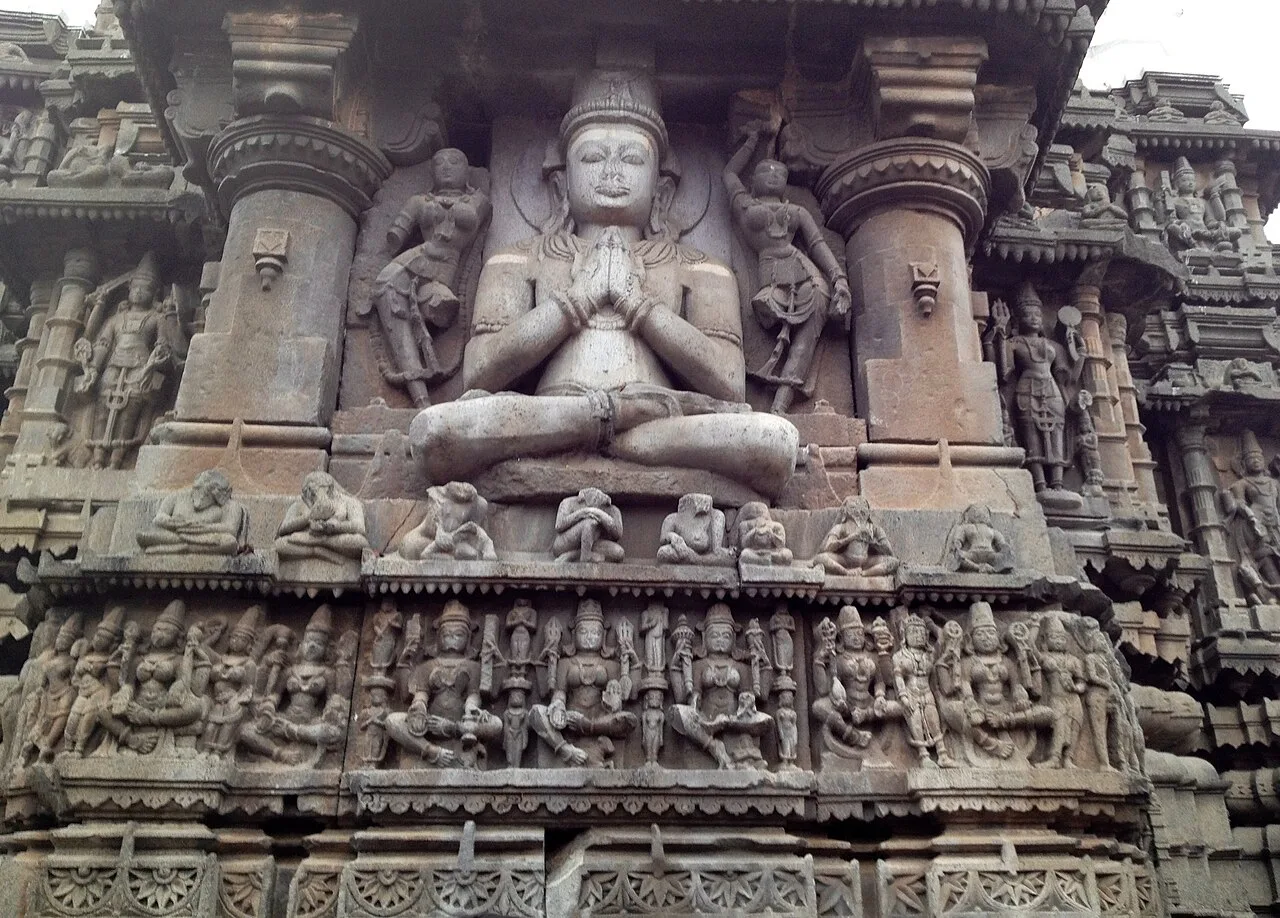
Tulja Bhavani Temple, near Naldurg

City guide · Maharashtra

Naldurg

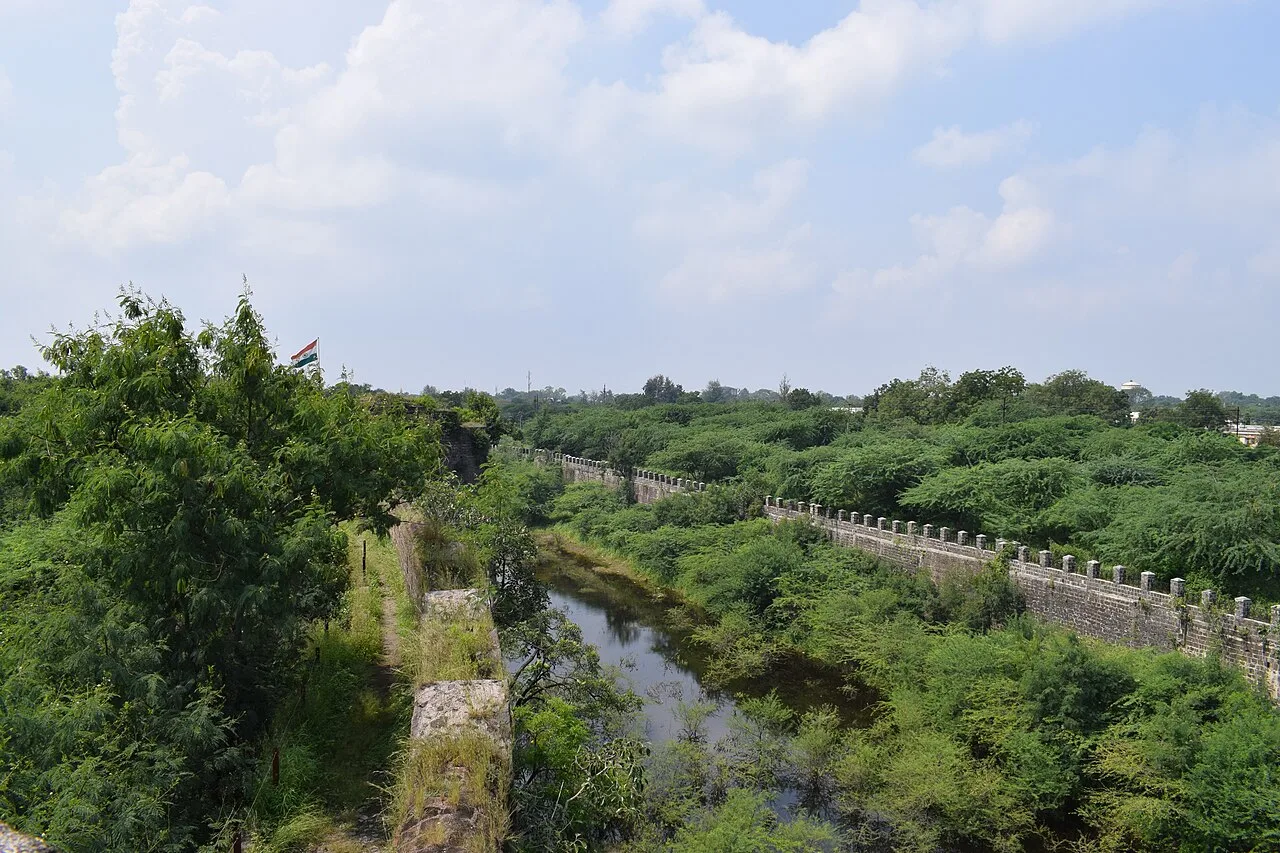
Naldurg is a small historic city in Maharashtra’s Dharashiv district, best known for the imposing fort that rises above the surrounding landscape. Its strong walls and historic architecture reflect the area’s strategic importance under the Bahmani and Adil Shahi rulers.

Famous for

  • Naldurg Fort
  • Bahmani-era fortifications
  • Adil Shahi architecture
  • Bori river setting
  • Regional agricultural trade

Why Naldurg matters

Naldurg is a small historic city in Maharashtra’s Dharashiv district, best known for the imposing fort that rises above the surrounding landscape. Its strong walls and historic architecture reflect the area’s strategic importance under the Bahmani and Adil Shahi rulers. The Bori river setting adds to the appeal of a visit, while the fort is the city’s principal draw for travellers interested in the Deccan’s layered past.

Today, Naldurg also serves as a local administrative and commercial centre for nearby settlements. Agriculture and small-scale industries support the regional economy, and road connections link the town with Solapur and Dharashiv. Visitors often include Naldurg as part of a wider journey through the historic sites of the region, rather than as a large urban destination. The town offers a quieter experience: time to explore its fort, see everyday market life and appreciate how a historic stronghold remains part of a working regional centre.
Famous for: crafts, trade & products

Naldurg is best known for its fort, rather than for a widely recognised textile, handicraft or GI-tagged product. The fort’s scale and historic masonry are the city’s most distinctive heritage features. There is no particular saree tradition or signature craft that can confidently be identified as a defining Naldurg speciality, so visitors looking for those products should not assume they are a central part of the local economy.

The town’s commercial role is practical and regional. Its shops and market areas serve residents and surrounding villages, with everyday goods and agricultural trade more prominent than a specialist tourist bazaar. For a sense of local commerce, explore the central market streets and small shops; availability and selection vary. Agriculture and small-scale industries contribute to the local economy, but particular products are not established as visitor-focused souvenirs. The fort is the clearest place to encounter Naldurg’s distinctive identity, while the town centre gives a glimpse of its present-day role as a service hub. For locally made goods, ask shopkeepers about current availability rather than expecting a specific craft market.

History

Naldurg’s history is closely tied to its fort, whose position near the Bori river made it strategically important in the Deccan. The fort developed during the Bahmani period and was later associated with the Adil Shahi sultanate. Its substantial defensive works reflect the shifting power struggles that shaped the region, though the fort’s fabric represents more than one phase of construction and use.

During the colonial era, Naldurg lay within the Hyderabad State rather than the directly administered territories of British India. The end of princely rule and the later reorganisation of states brought the town into modern Maharashtra. It is now in Dharashiv district, formerly known as Osmanabad district. In recent decades Naldurg has continued as a local administrative and trading centre, with agriculture and small-scale industry supporting daily life. The fort remains its most visible link to the political and military history of the Deccan.

Food, festivals & culture

Daily life in Naldurg reflects its position in the Marathi-speaking Deccan and its connections with neighbouring communities. Marathi is widely used, and Urdu and Dakhni are also heard. Meals are shaped by the region’s home cooking: visitors may find bhakri, lentil dishes, vegetable preparations and spicy curries. These are regional favourites rather than dishes unique to Naldurg; sweets and festive foods vary among households and shops.

Ganesh Chaturthi, Diwali, Navratri and Holi are observed during their usual Hindu festival seasons, while Eid brings together Muslim families and communities. Religious observances and local gatherings are centred on neighbourhood places of worship, including temples and mosques. Music, devotional singing and community celebrations are part of festival life, though Naldurg is not especially known as a major performance or dance centre. A walk through the town can offer a modest view of this everyday mix of faith, language and regional custom, alongside the historic setting of the fort.

Visiting the city

The cooler months, broadly from October to February, are generally the most comfortable for exploring Naldurg Fort and the town. Summer can be very hot, while the monsoon brings rain and greener surroundings. Solapur Airport is the nearest airport by name; check current passenger services before planning around it. Solapur Junction is a major nearby railway station, with onward travel to Naldurg by road.

Buses and private vehicles connect Naldurg with Solapur, Dharashiv and nearby towns. Within the town, local auto-rickshaws and short road journeys are useful; confirm local availability on arrival. Spend time around the fort and its Bori river setting, then explore the central market streets for a sense of everyday town life. Naldurg works well as a day visit or as a stop on a wider regional itinerary.

Trips from the city

Nearest places to visit from Naldurg

Our closest destination guides, by straight-line distance.

Tulja Bhavani Temple

27 km away · Dharashiv district

Tulja Bhavani Temple

Tulja Bhavani Temple is a 12th-century shrine to goddess Bhavani in Tuljapur, Maharashtra. It is counted among India’s 51 Shakti Pithas and the state’s four major Shakti shrines.

Vithoba Temple

102 km away · Solapur district

Vithoba Temple

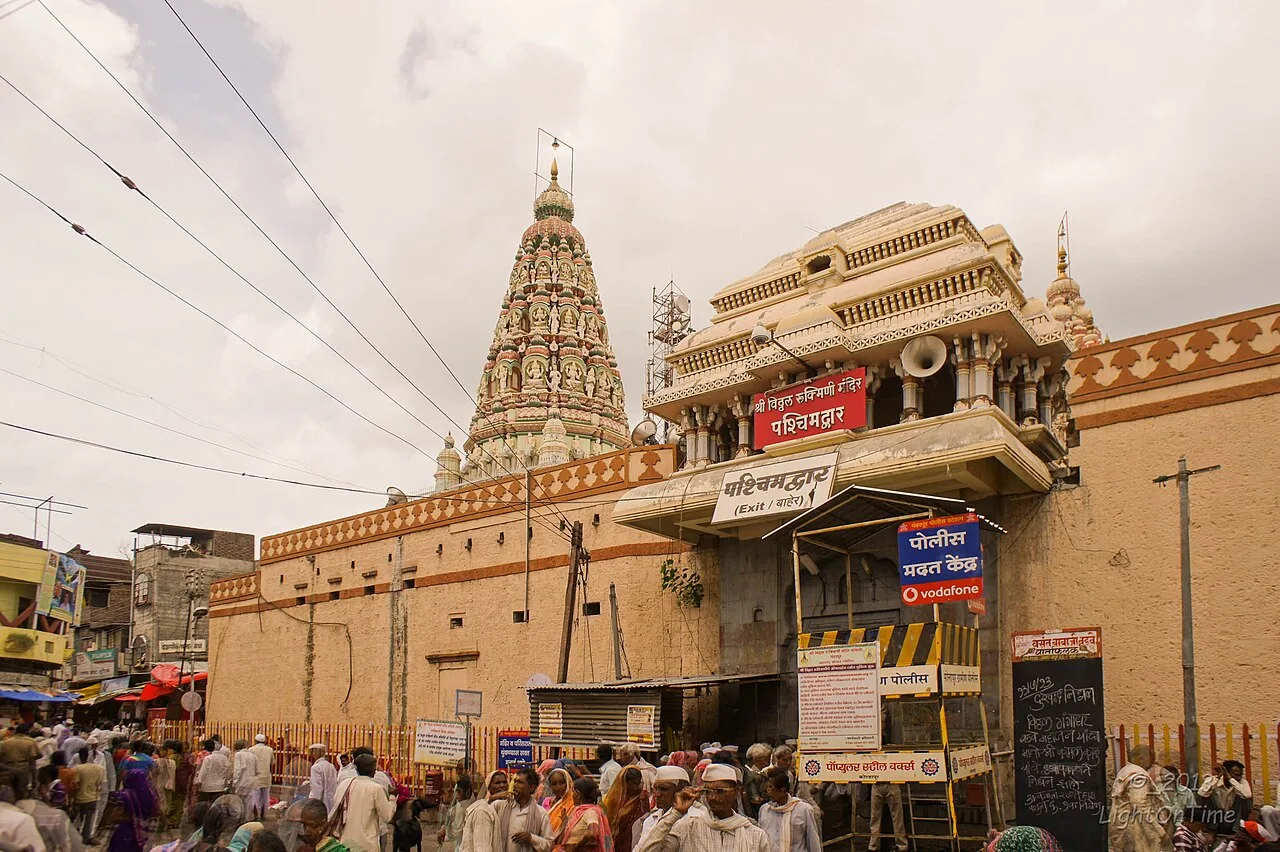
The Vithoba Temple, also called Shri Vitthal-Rukmini Mandir, is a Hindu shrine in Pandharpur, Maharashtra. Devotees visit to worship Vithoba and Rakhumai and join major Warkari pilgrimages.

Shri Vaijnath Temple

117 km away · Beed district

Shri Vaijnath Temple

Shri Vaijnath Temple is a Shiva shrine at Parli Vaijnath in Maharashtra’s Beed district. Worshippers visit to perform abhishekam, and the temple is regarded as the fifth of Shiva’s twelve Jyotirlingas.

Hazur Sahib

184 km away · Nanded district

Hazur Sahib

Takht Sachkhand Sri Hazur Abchalnagar Sahib is one of Sikhism’s five takhts, in Nanded, Maharashtra. Visitors come to worship and remember Guru Gobind Singh at the site associated with his death and cremation.

Aundha Nagnath Temple

207 km away · Hingoli district

Aundha Nagnath Temple

Aundha Nagnath Temple is an old Shiva shrine in Maharashtra’s Hingoli district, regarded as the eighth of the twelve Jyotirlinga shrines. Visitors come for its religious importance, historical associations and distinctive architecture.

Ahmednagar Fort

215 km away · Ahilyanagar district

Ahmednagar Fort

Ahmednagar Fort, in Maharashtra, is a historic stronghold associated with the Ahmednagar Sultanate, the 1803 Anglo-Maratha conflict and imprisonment under British rule, making it a point of historical interest.

225 km away · Ahilyanagar district

Hiware Bazar

Hiware Bazar is a village in Maharashtra’s Ahmednagar district, known for its irrigation system and water-conservation efforts to tackle drought and drinking-water difficulties.

Jejuri

230 km away · Pune district

Jejuri

Jejuri, a city with a municipal council in Pune district, Maharashtra, is known for the Khandoba Mandir, an important Hindu pilgrimage site for communities across the state.

Map

Naldurg on the map

  1. 1Tulja Bhavani Temple
  2. 2Vithoba Temple
  3. 3Shri Vaijnath Temple
  4. 4Hazur Sahib
  5. 5Aundha Nagnath Temple
  6. 6Ahmednagar Fort
  7. 7Hiware Bazar
  8. 8Jejuri

Maharashtra

Other cities to explore