Ghumoopedia — Explore, Discover, Experience
Sign in

City guide · Maharashtra

Pandharkawada

Pandharkawada is a municipal town in Yavatmal district and an administrative and trading centre for the surrounding countryside. Its everyday life is closely connected to agriculture: cotton, jowar, groundnut and rice are among the important crops grown in the wider region, with wheat and gram also cultivated.

Famous for

  • Tipeshwar Wildlife Sanctuary
  • Cotton-growing hinterland
  • Saikheda Dam
  • Vidarbha market town

Why Pandharkawada matters

Pandharkawada is a municipal town in Yavatmal district and an administrative and trading centre for the surrounding countryside. Its everyday life is closely connected to agriculture: cotton, jowar, groundnut and rice are among the important crops grown in the wider region, with wheat and gram also cultivated. Local shops and services support residents and nearby villages, while road links make the town a useful stop for exploring this part of Vidarbha.

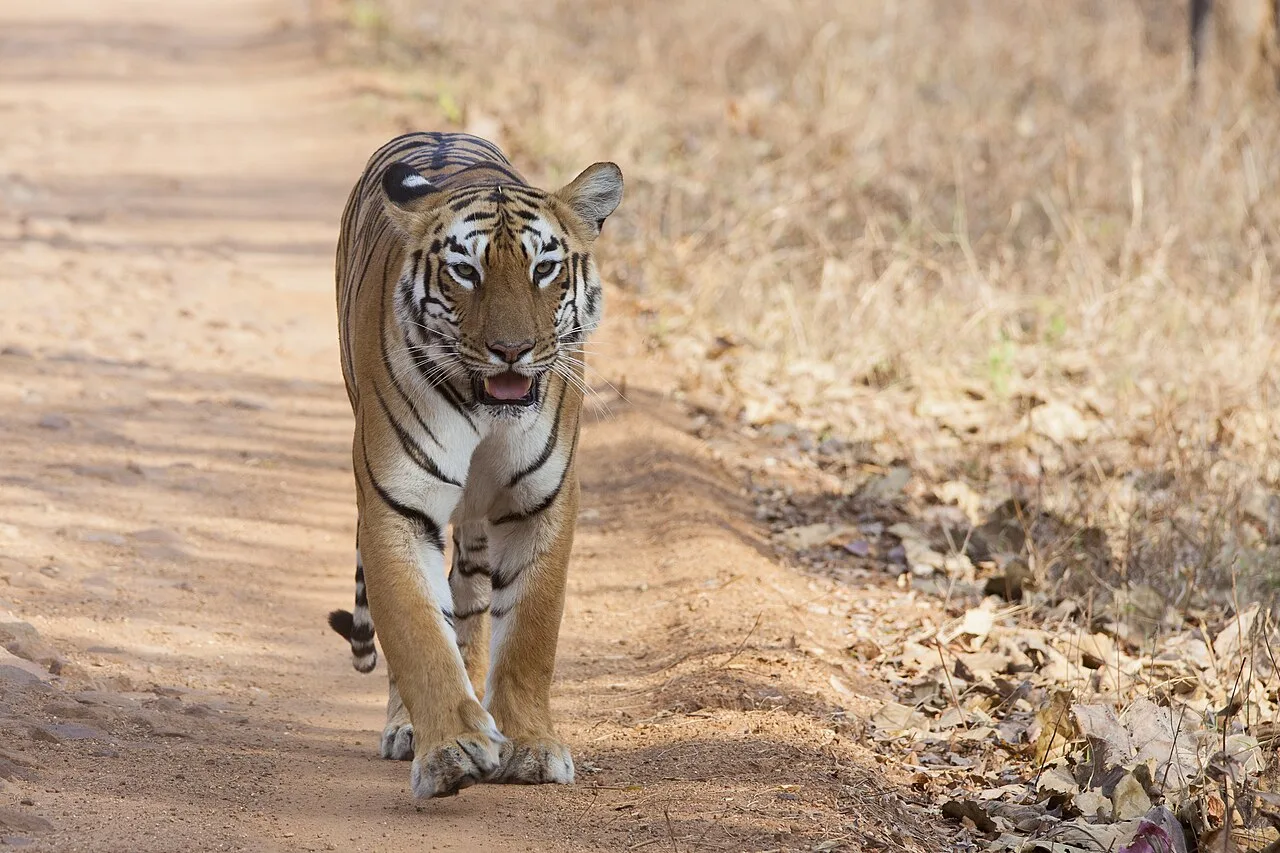
The best-known visitor draw nearby is Tipeshwar Wildlife Sanctuary, a dry-forest reserve popular with people hoping to see tigers and other wildlife. Pandharkawada can serve as a practical base for arranging a visit, though sanctuary access and safari arrangements should be checked locally. Saikheda Dam, built across the Khuni River, offers another point of interest in the surrounding area. The municipal council received a divisional award in 2006 and an education-related quality award in 2011, reflecting local civic and public-service initiatives.
Famous for: crafts, trade & products

Pandharkawada is better known for its agricultural hinterland and local trade than for a signature textile, handicraft or manufactured product. Cotton is especially important across Yavatmal district, alongside seasonal crops such as jowar, groundnut and rice. Wheat and gram are also grown in the region. Produce and everyday goods are most readily found in the town’s central bazaar and local shops; availability varies with the farming season.

The town is not widely associated with a GI-tagged product, a distinct saree tradition or a recognised craft quarter, so visitors should not expect a dedicated craft market. Its commercial character is practical: local businesses serve nearby villages and the farming community. Ask shopkeepers or traders about seasonal produce and locally made goods, and check in town for supplies before heading towards Tipeshwar Wildlife Sanctuary. Saikheda Dam and the Khuni River are regional landmarks rather than commercial attractions, while the sanctuary is the area’s best-known reason for many visitors to stop here.

History

Pandharkawada’s growth has been shaped chiefly by its role as a local administrative and market centre. Its wider region forms part of Berar, whose history passed through several Deccan and central Indian powers, including the Marathas and the Nizam, before coming under British colonial administration. Local accounts and surviving attractions do not make the town chiefly known for a major royal capital or a prominent cluster of historic monuments.

During the colonial period, the surrounding countryside became closely tied to agricultural production and market networks, with cotton an important crop in the district. Roads and trading links helped connect rural settlements with larger towns. After independence, Pandharkawada continued to develop as a municipal and administrative centre serving nearby communities. Its modern identity rests on civic services, local commerce and agriculture, as well as its proximity to Tipeshwar Wildlife Sanctuary. The municipal council’s awards in 2006 and 2011 are part of its more recent civic record.

Food, festivals & culture

Daily life reflects the rural character of Vidarbha. Meals commonly draw on regional staples such as bhakri, rice, lentils and vegetables, with spicy preparations, pithla, zunka and thecha familiar across the wider area. Sweets such as puran poli may be prepared for festivals and family occasions. Food choices in town are generally straightforward local fare rather than a distinct destination cuisine.

Marathi is the principal language of public life; Hindi and Urdu are also used, and other regional languages may be heard among residents and visitors. Ganesh Chaturthi, usually in the monsoon season, and Diwali in autumn are widely observed, alongside Holi in spring, Dussehra and the harvest-linked bull festival of Pola. Local temples, mosques and other places of worship serve as community gathering points. Folk music and dance traditions of Vidarbha are part of festive life, though performances are more likely to be tied to local celebrations than to regular visitor programmes.

Visiting the city

The cooler months, roughly October to February, are generally the most comfortable for visiting Pandharkawada and the nearby sanctuary. Summers can be very hot, while monsoon conditions may affect road and outdoor plans. For flights, the main airport to consider is Dr. Babasaheb Ambedkar International Airport in Nagpur. Wani railway station is a useful railhead; travellers may also find Adilabad station convenient depending on their route. Continue by road to town, using buses or hired vehicles, and arrange local transport for nearby sights.

Explore the central bazaar for everyday town life and provisions. The surrounding countryside and Saikheda Dam make worthwhile short excursions, while Tipeshwar Wildlife Sanctuary is the main nature outing. Confirm access and safari arrangements locally before setting out.

Trips from the city

Nearest places to visit from Pandharkawada

Our closest destination guides, by straight-line distance.

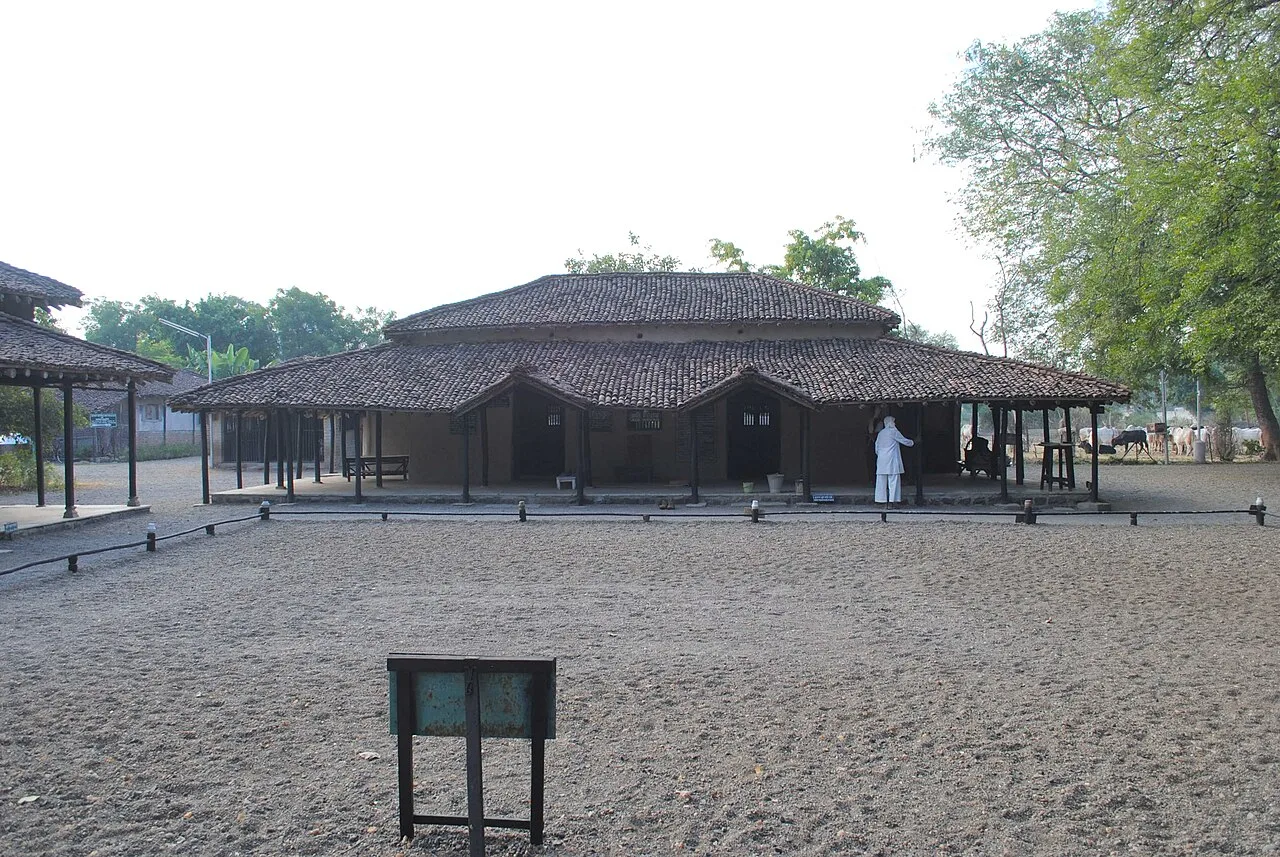
Sevagram Ashram

80 km away · Wardha district

Sevagram Ashram

Sevagram Ashram, in Wardha district, Maharashtra, is known as Mahatma Gandhi’s ashram and home from 1936 until his death in 1948. People visit for its connection with his life.

Tadoba Andhari Tiger Reserve

93 km away · Chandrapur district

Tadoba Andhari Tiger Reserve

Set in Maharashtra’s Chandrapur district, Tadoba Andhari Tiger Reserve combines a national park and wildlife sanctuary within a protected area. Visitors come to experience its forests and wildlife.

Deekshabhoomi

134 km away · Nagpur district

Deekshabhoomi

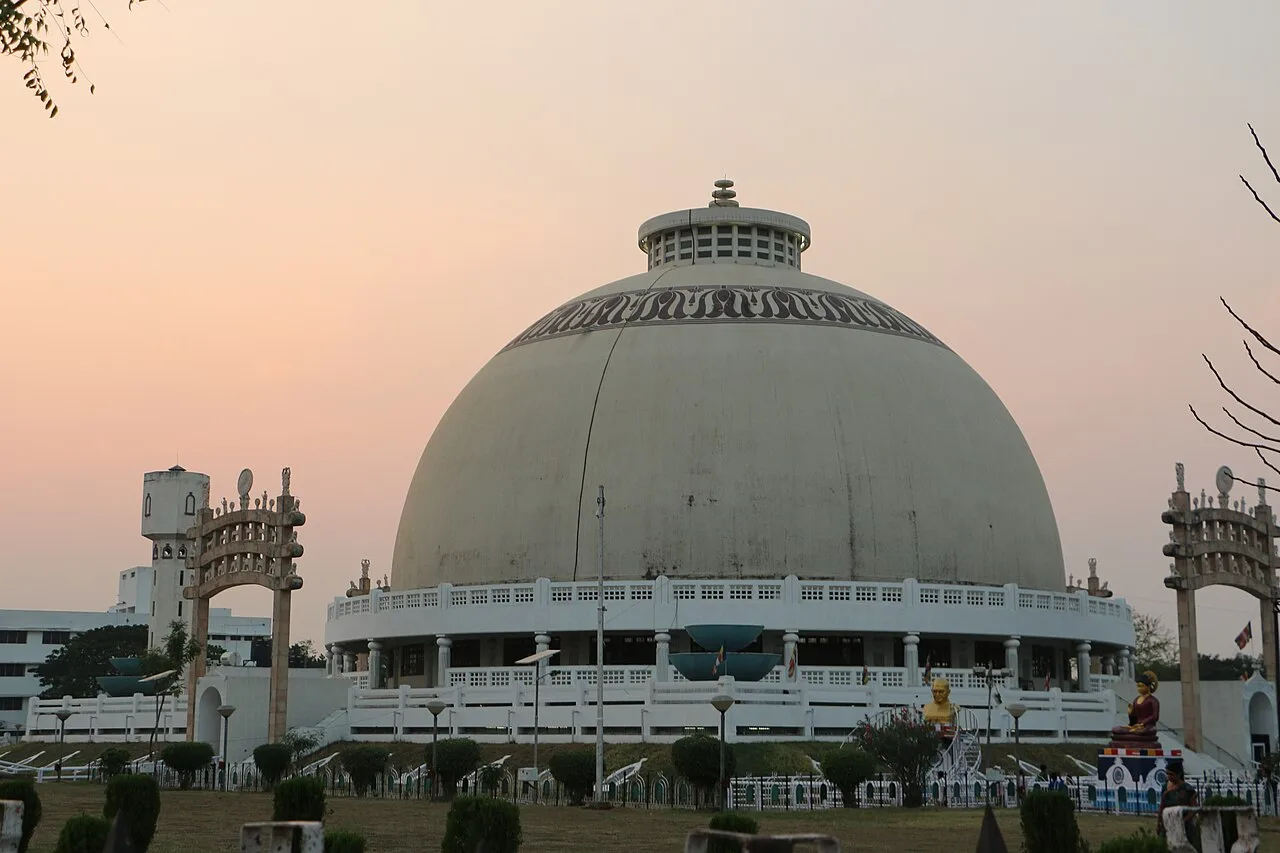
Deekshabhoomi is a Navayana Buddhist memorial in Nagpur, where B. R. Ambedkar and a vast following embraced Buddhism in 1956. Pilgrims visit to mark the conversion and its continuing significance.

Chikhaldara

158 km away · Amravati district

Chikhaldara

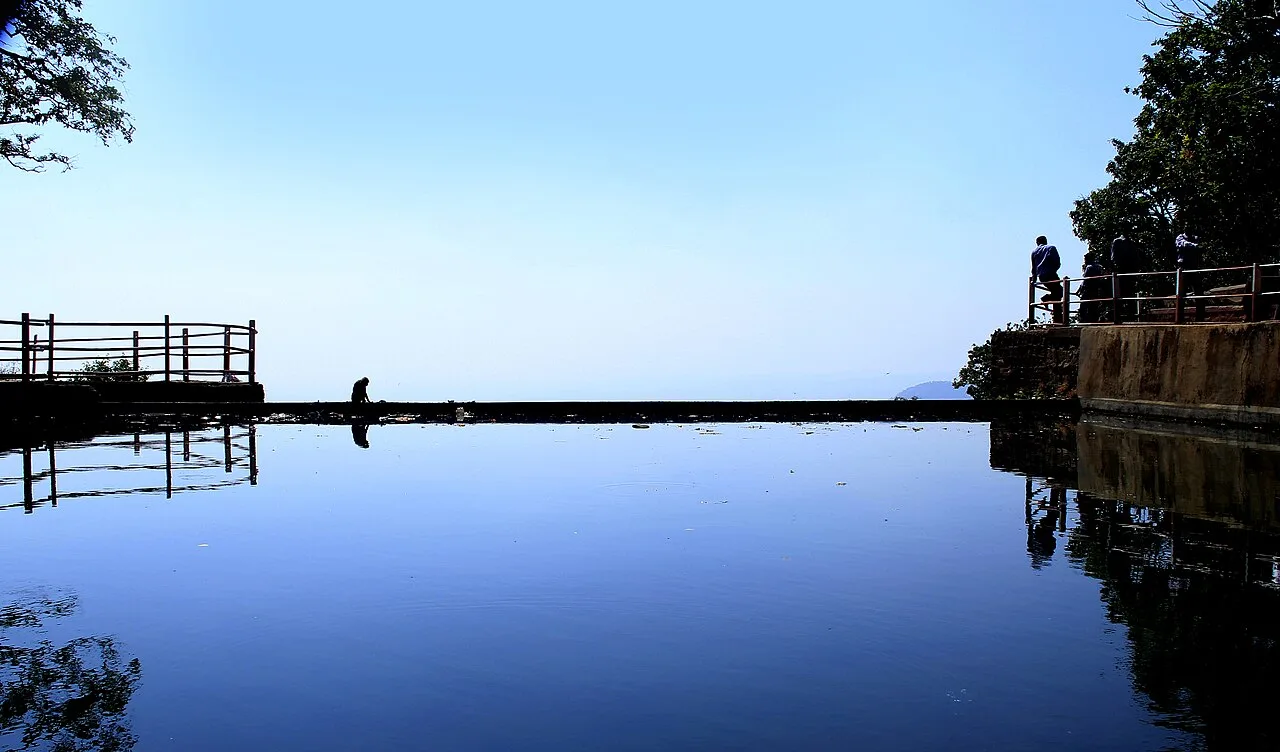
Chikhaldara is a hill settlement and municipal council in Maharashtra’s Amravati district. Visitors come for its highland setting, coffee-growing area and nearby wildlife at the Melghat Tiger Project.

Hazur Sahib

161 km away · Nanded district

Hazur Sahib

Takht Sachkhand Sri Hazur Abchalnagar Sahib is one of Sikhism’s five takhts, in Nanded, Maharashtra. Visitors come to worship and remember Guru Gobind Singh at the site associated with his death and cremation.

Aundha Nagnath Temple

166 km away · Hingoli district

Aundha Nagnath Temple

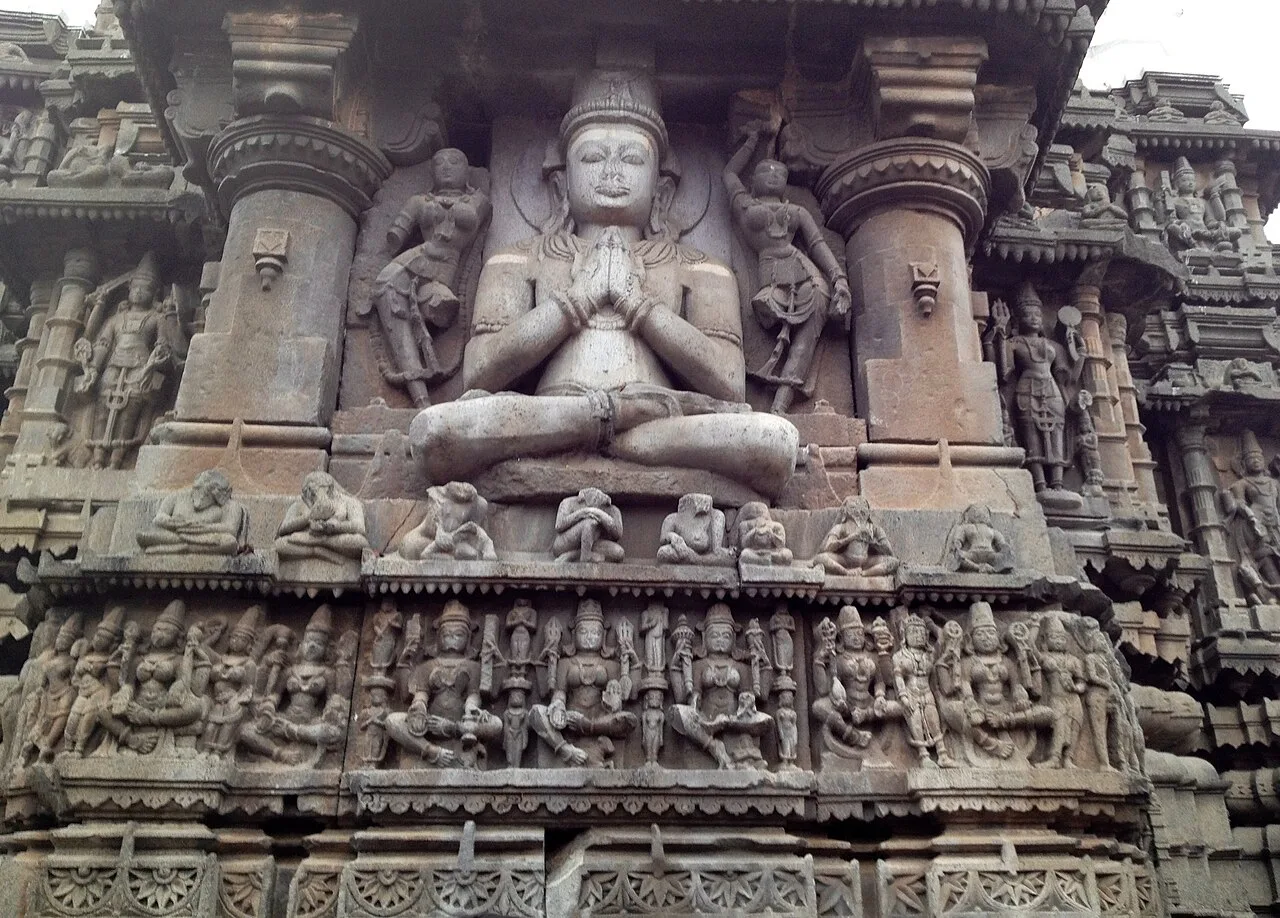
Aundha Nagnath Temple is an old Shiva shrine in Maharashtra’s Hingoli district, regarded as the eighth of the twelve Jyotirlinga shrines. Visitors come for its religious importance, historical associations and distinctive architecture.

Ramtek Fort Temple

173 km away · Nagpur district

Ramtek Fort Temple

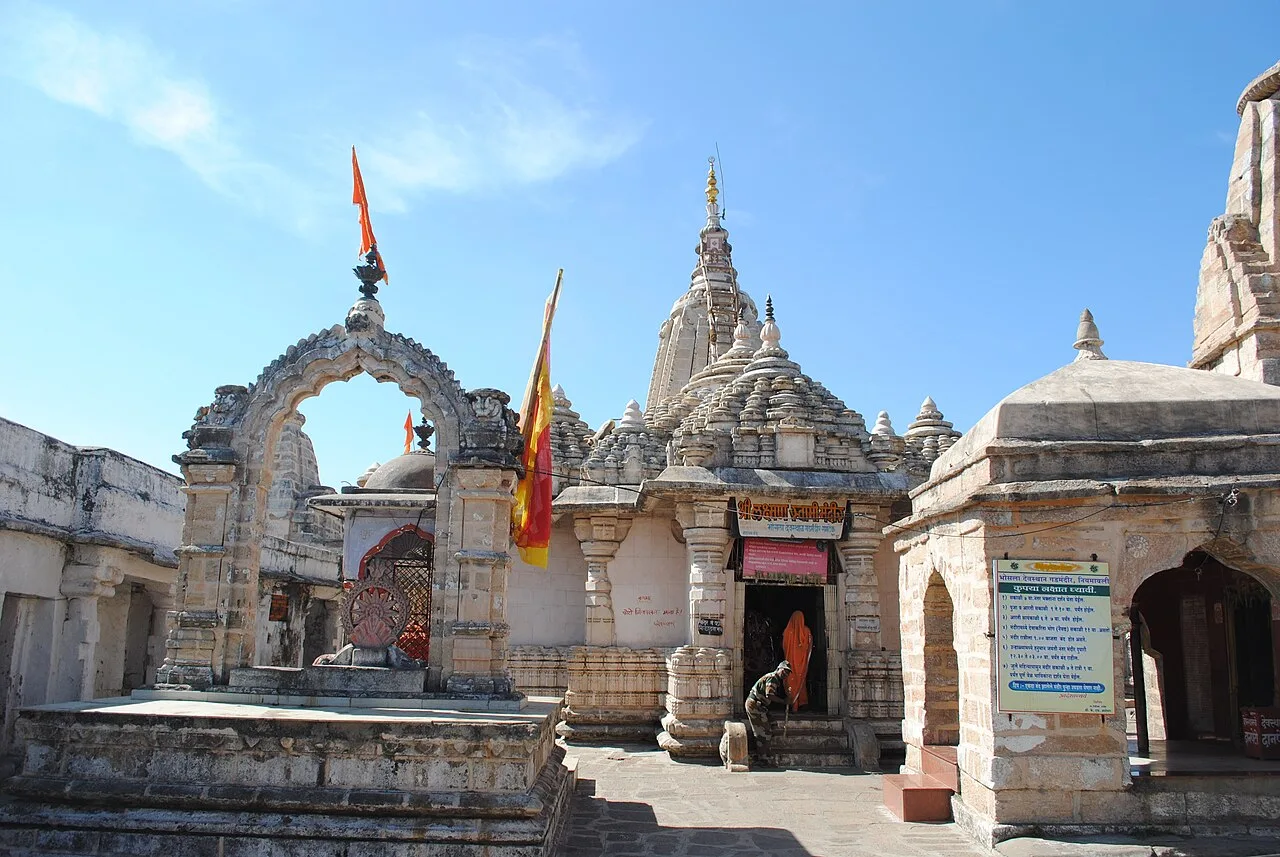
Ramtek Fort Temple is a Hindu pilgrimage site in Maharashtra, visited for its shrines on Ramtek Hill and its association with Rama and the Vakataka dynasty.

Navegaon National Park

197 km away · Gondia district

Navegaon National Park

Navegaon National Park is in Gondia district, Maharashtra, within the Arjuni Morgaon subdivision. Visitors are drawn by wintering migratory birds at its lake and the park’s varied forest cover.

Map

Pandharkawada on the map

  1. 1Sevagram Ashram
  2. 2Tadoba Andhari Tiger Reserve
  3. 3Deekshabhoomi
  4. 4Chikhaldara
  5. 5Hazur Sahib
  6. 6Aundha Nagnath Temple
  7. 7Ramtek Fort Temple
  8. 8Navegaon National Park

Maharashtra

Other cities to explore