Ghumoopedia — Explore, Discover, Experience
Sign in
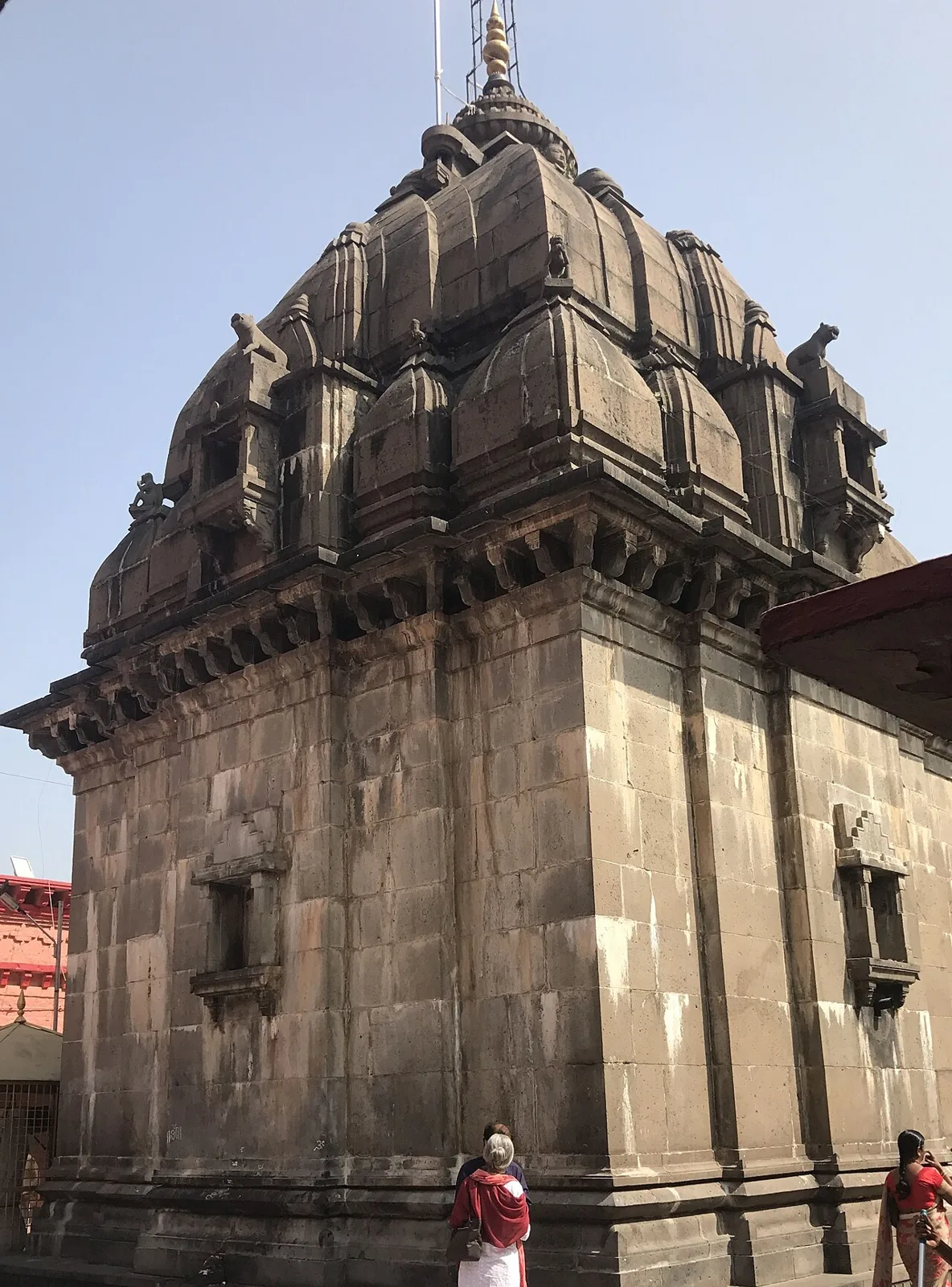
Tulja Bhavani Temple, near Dharashiv

City guide · Maharashtra

Dharashiv

Dharashiv is an important town in Maharashtra’s Marathwada region and the administrative centre of Dharashiv district. Its location on the Balaghat plateau connects it with nearby towns such as Tuljapur, Kalamb and Bhoom, while its shops and services support surrounding rural communities.

Famous for

  • Dharashiv rock-cut caves
  • Tulja Bhavani pilgrimage
  • Marathwada agricultural markets
  • Bhogavati River setting

Why Dharashiv matters

Dharashiv is an important town in Maharashtra’s Marathwada region and the administrative centre of Dharashiv district. Its location on the Balaghat plateau connects it with nearby towns such as Tuljapur, Kalamb and Bhoom, while its shops and services support surrounding rural communities. The city is also a useful base for exploring the district’s historic sites and pilgrimage destinations.

Visitors are drawn to the Dharashiv Caves, a group of rock-cut Buddhist monuments associated with the city’s older name, and to the wider region’s forts and temples. Tuljapur, home to the revered Tulja Bhavani temple, is a popular excursion from town. Dharashiv’s identity reflects several layers of history: ancient dynasties, the Deccan sultanates and the former Hyderabad State. Renamed from Osmanabad in 2023, the city remains known both for its historical setting and for its everyday role as a commercial and transport hub in south-central Maharashtra.
Famous for: crafts, trade & products

Dharashiv is better known as a regional service and trading centre than as a specialist textile or handicraft destination. Its markets cater to residents and farmers from nearby towns and villages, with everyday goods and agricultural produce moving through the local trade. The surrounding district’s farming economy includes crops such as pulses, oilseeds and grains; availability varies by season. The city is not widely identified with a particular GI-tagged product or a signature saree tradition.

For visitors, the central market area is the most convenient place to browse general shops, food stalls and devotional goods, especially before or after a visit to nearby pilgrimage sites. Local shops also serve practical needs such as clothing, household supplies and travel provisions. Dharashiv’s stronger cultural draw is its heritage: the rock-cut caves are the landmark most closely associated with the city’s name, while the district’s forts and temples provide further excursions. Those looking for specialist crafts or regionally distinctive textiles may find a wider selection in larger Maharashtra cities.

History

Dharashiv’s history reflects the changing powers that shaped the Deccan. The wider region was ruled at different times by the Mauryas, Satavahanas, Rashtrakutas and Yadavas. The city and its surroundings later came under the influence of the Chalukyas and Devagiri Yadavas, followed by the Bahmani and Bijapur sultanates. The nearby rock-cut caves preserve an earlier religious and artistic heritage.

In the modern period, the town formed part of the Hyderabad State, ruled by the Nizams. The name Osmanabad referred to the seventh Nizam, Mir Osman Ali Khan. The region joined the Indian Union in 1948 and later became part of Maharashtra when the state was formed in 1960. Over time, the town developed as an administrative centre and market hub for its rural hinterland. In 2023, it was officially renamed Dharashiv, taking its name from the caves associated with the area.

Food, festivals & culture

Marathi is the main language of daily life in Dharashiv; Urdu and Hindi are also used. Local meals commonly draw on Marathwada staples such as jowar bhakri, pithla and other lentil- or vegetable-based dishes. Puran poli and other familiar Maharashtrian sweets appear especially around celebrations, though menus differ from household to household. The city’s eateries and market stalls offer simple regional meals alongside standard Indian fare.

Ganeshotsav, Gudi Padwa and Diwali are widely observed, while Navratri brings particular devotional activity in the surrounding region because of the importance of Tulja Bhavani at nearby Tuljapur. Eid is also celebrated by the city’s Muslim community. Bhajans, kirtan and folk forms such as lavani and powada belong to the broader cultural life of Maharashtra; devotional gondhal is associated with worship traditions in the region. Temples, mosques and other neighbourhood places of worship are part of the city’s everyday community life.

Visiting the city

The most comfortable time to visit is generally from November to February, when days are cooler. Summer can be hot, while the monsoon, usually from mid-June into September, may bring rain. Dharashiv railway station is the main rail stop serving the city. Solapur Airport is the nearest airport, but flight availability can be limited; travellers may need to consider larger airports such as Pune and continue by road or rail.

Auto-rickshaws and local buses are useful for getting around town, while a hired vehicle is convenient for the caves and sites farther afield. Explore the central market and civic areas for shops and everyday city life, then visit the Dharashiv Caves outside the centre. Tuljapur makes a worthwhile regional trip. Check current transport connections before setting out, particularly if relying on air travel.

Trips from the city

Nearest places to visit from Dharashiv

Our closest destination guides, by straight-line distance.

Tulja Bhavani Temple

21 km away · Dharashiv district

Tulja Bhavani Temple

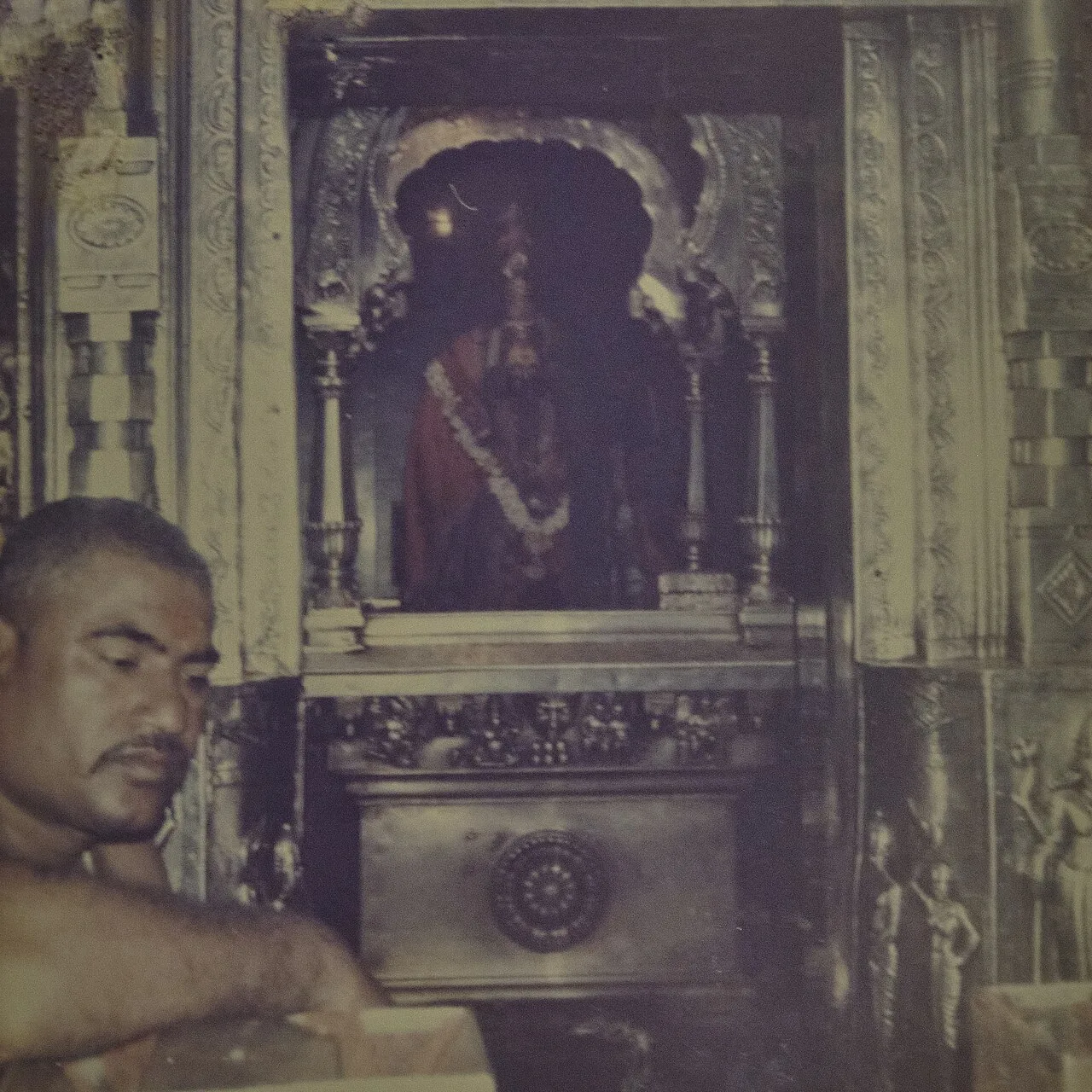
Tulja Bhavani Temple is a 12th-century shrine to goddess Bhavani in Tuljapur, Maharashtra. It is counted among India’s 51 Shakti Pithas and the state’s four major Shakti shrines.

Shri Vaijnath Temple

90 km away · Beed district

Shri Vaijnath Temple

Shri Vaijnath Temple is a Shiva shrine at Parli Vaijnath in Maharashtra’s Beed district. Worshippers visit to perform abhishekam, and the temple is regarded as the fifth of Shiva’s twelve Jyotirlingas.

Vithoba Temple

94 km away · Solapur district

Vithoba Temple

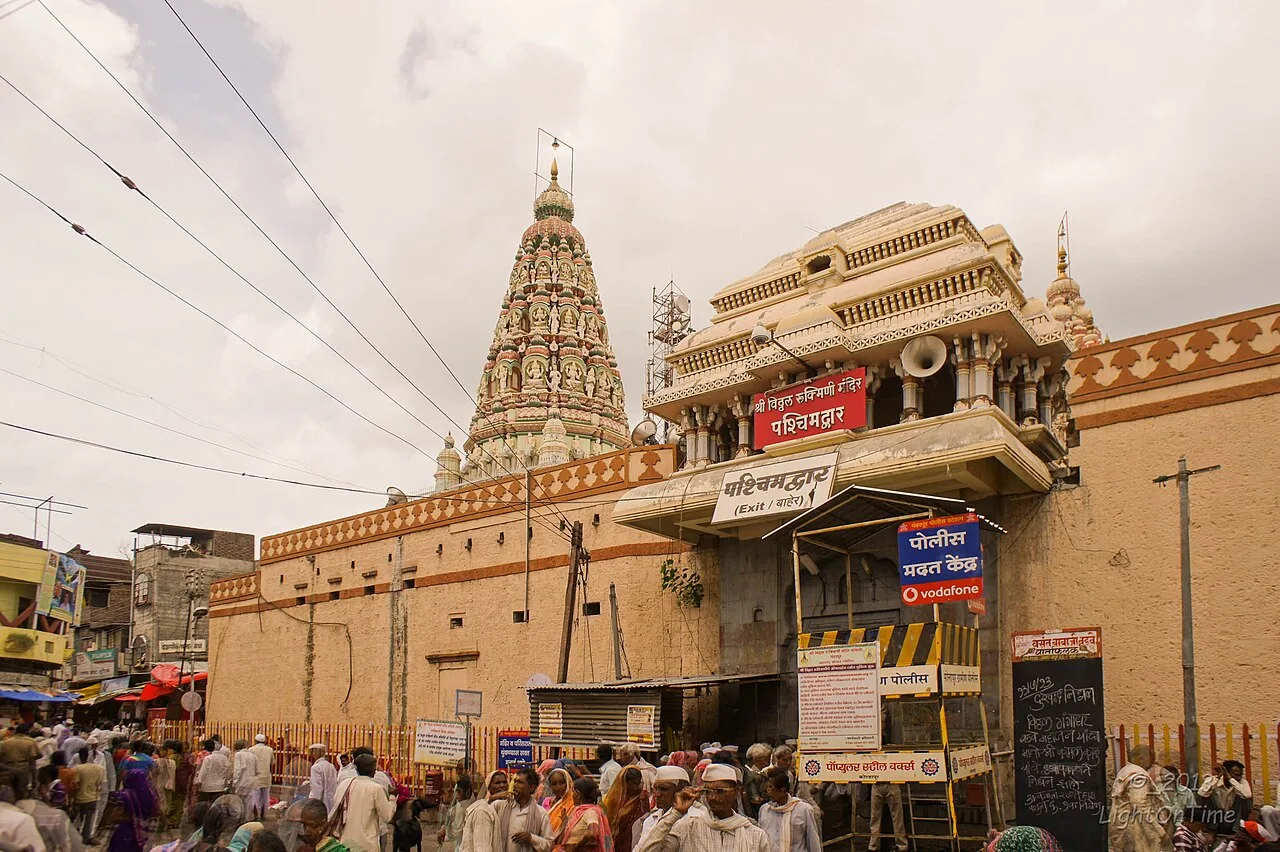
The Vithoba Temple, also called Shri Vitthal-Rukmini Mandir, is a Hindu shrine in Pandharpur, Maharashtra. Devotees visit to worship Vithoba and Rakhumai and join major Warkari pilgrimages.

Ahmednagar Fort

169 km away · Ahilyanagar district

Ahmednagar Fort

Ahmednagar Fort, in Maharashtra, is a historic stronghold associated with the Ahmednagar Sultanate, the 1803 Anglo-Maratha conflict and imprisonment under British rule, making it a point of historical interest.

Hazur Sahib

173 km away · Nanded district

Hazur Sahib

Takht Sachkhand Sri Hazur Abchalnagar Sahib is one of Sikhism’s five takhts, in Nanded, Maharashtra. Visitors come to worship and remember Guru Gobind Singh at the site associated with his death and cremation.

181 km away · Ahilyanagar district

Hiware Bazar

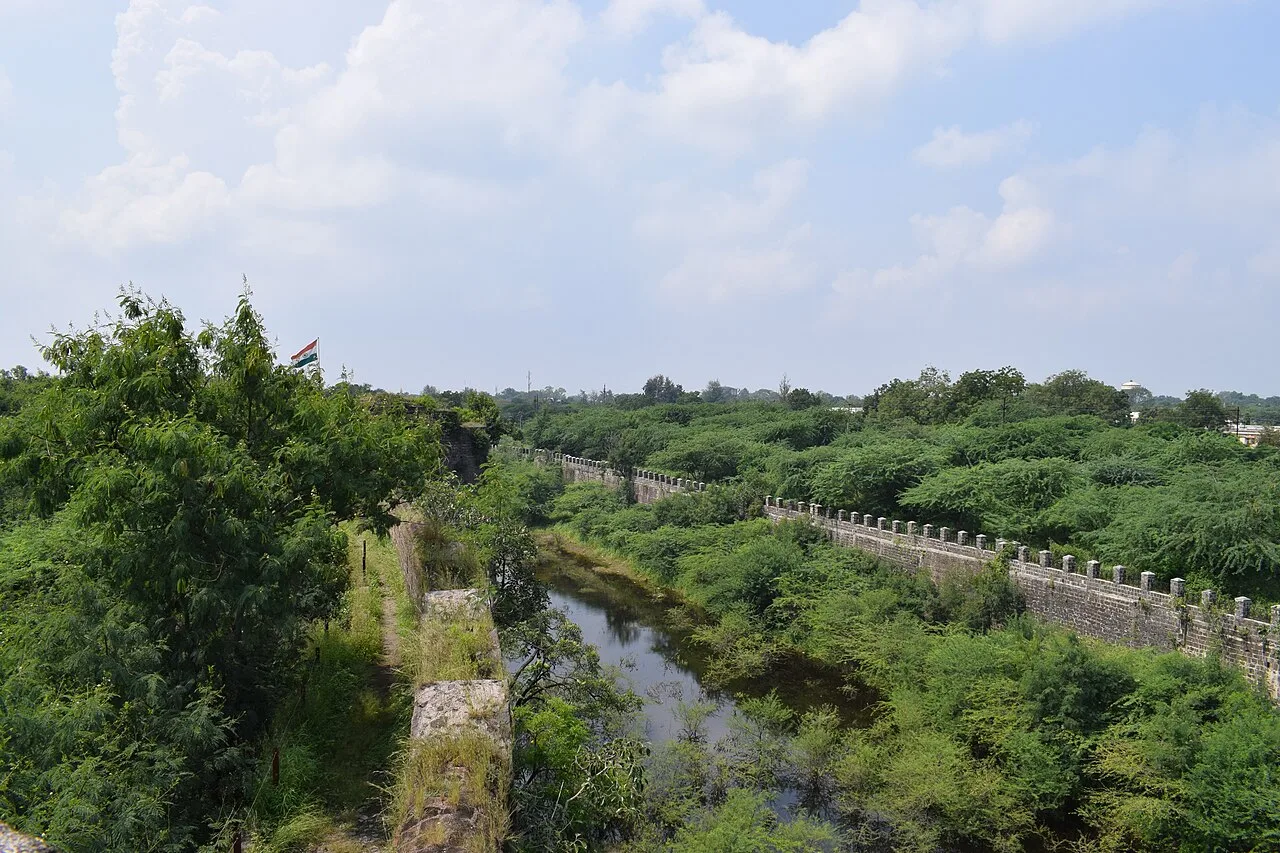
Hiware Bazar is a village in Maharashtra’s Ahmednagar district, known for its irrigation system and water-conservation efforts to tackle drought and drinking-water difficulties.

Aundha Nagnath Temple

184 km away · Hingoli district

Aundha Nagnath Temple

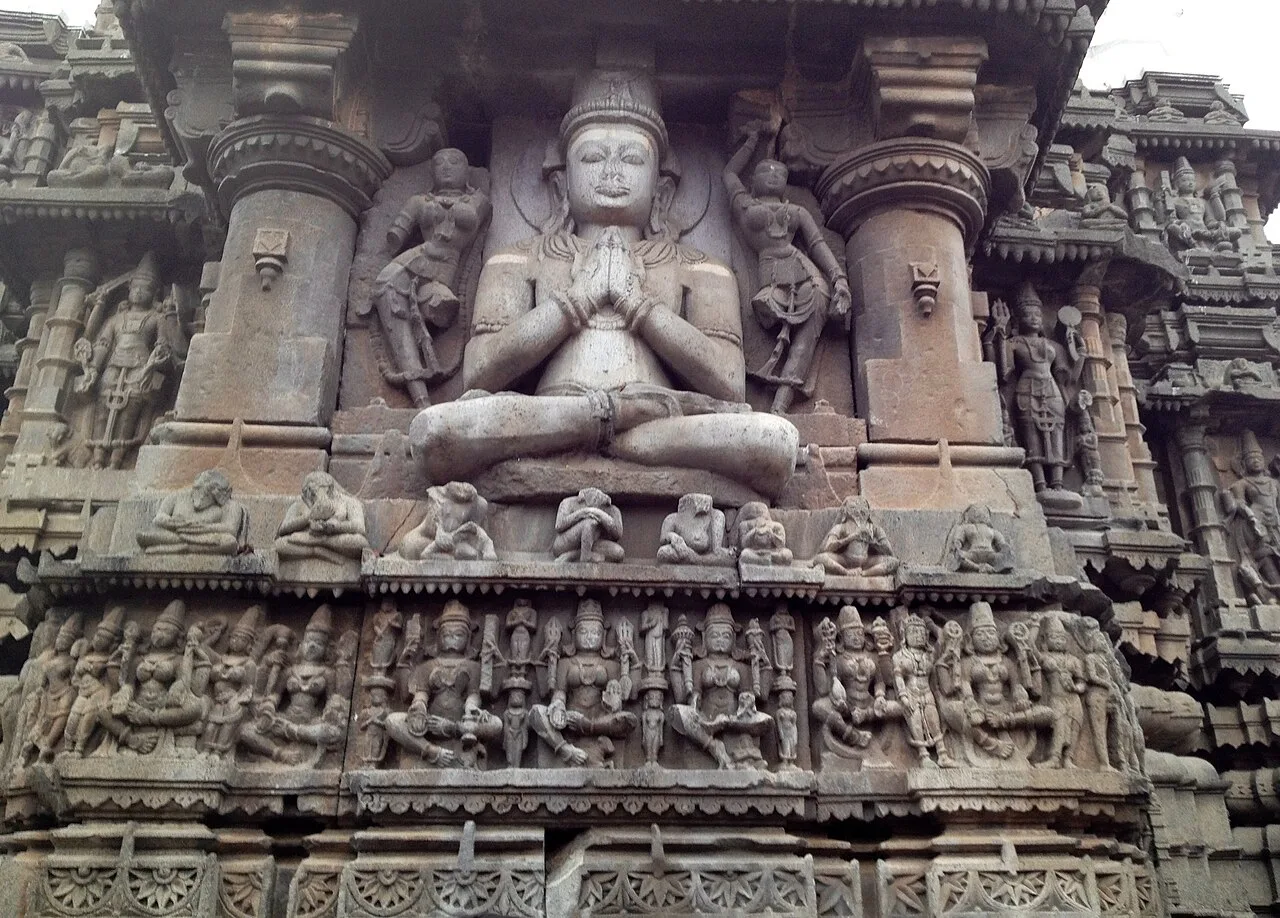
Aundha Nagnath Temple is an old Shiva shrine in Maharashtra’s Hingoli district, regarded as the eighth of the twelve Jyotirlinga shrines. Visitors come for its religious importance, historical associations and distinctive architecture.

Shani Shingnapur

187 km away · Ahilyanagar district

Shani Shingnapur

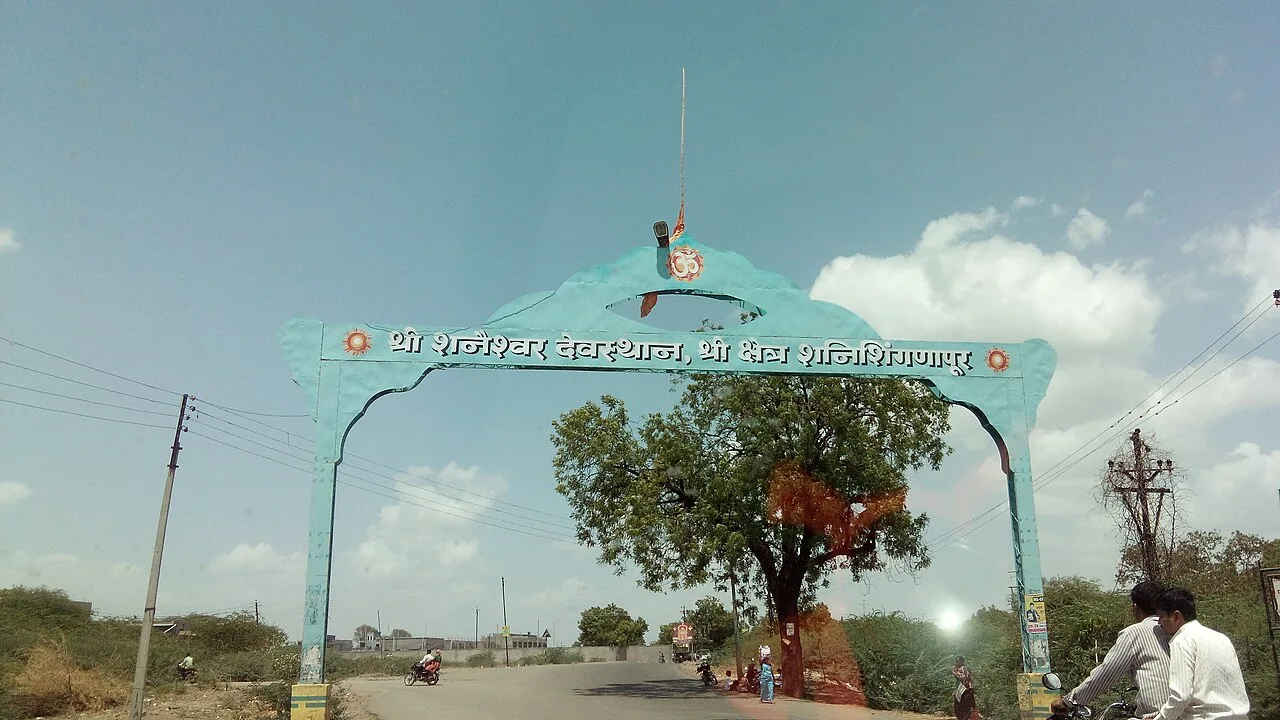
In Maharashtra, Shani Shingnapur is a village visited for its temple to Shani, the Hindu deity linked to the graha Saturn.

Map

Dharashiv on the map

  1. 1Tulja Bhavani Temple
  2. 2Shri Vaijnath Temple
  3. 3Vithoba Temple
  4. 4Ahmednagar Fort
  5. 5Hazur Sahib
  6. 6Hiware Bazar
  7. 7Aundha Nagnath Temple
  8. 8Shani Shingnapur

Maharashtra

Other cities to explore