
Ghumoopedia — Explore, Discover, Experience
Sign in
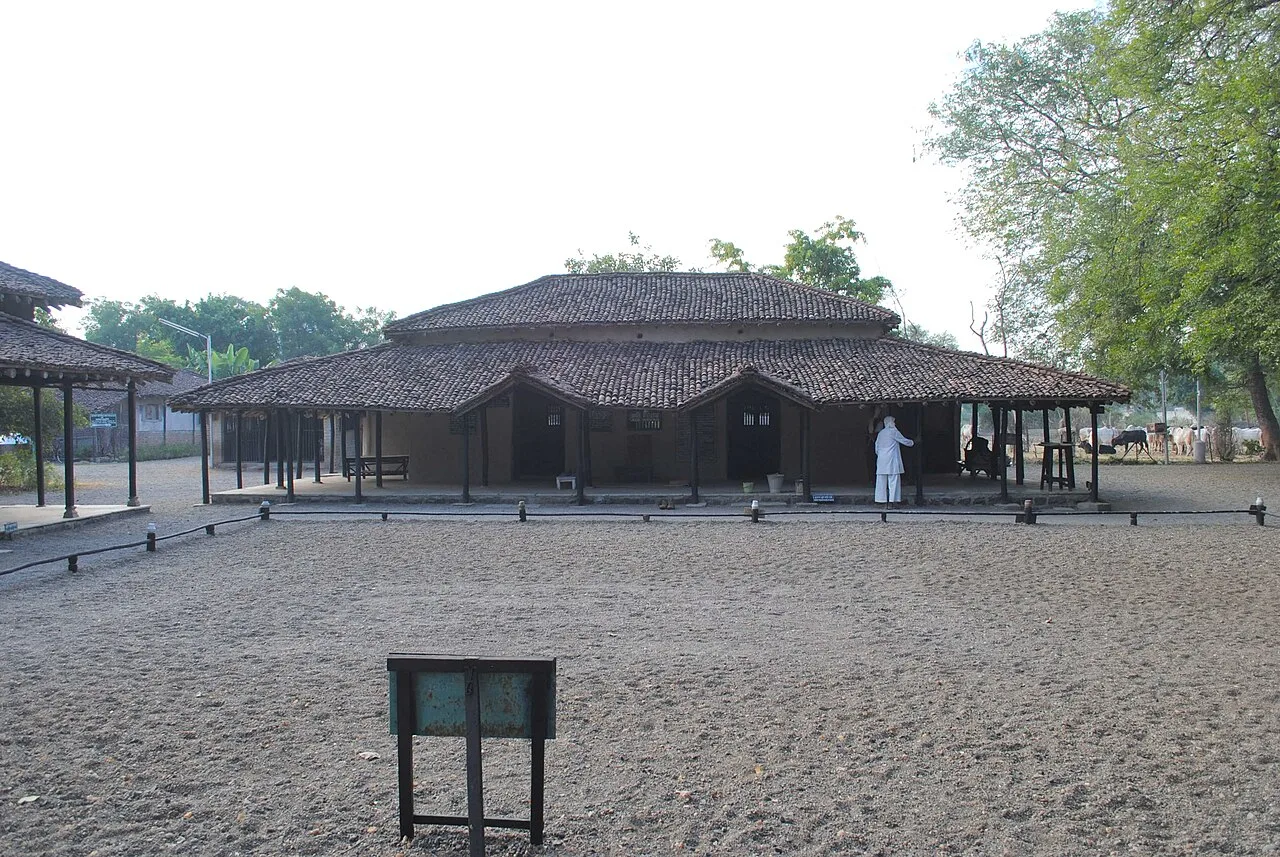
Sevagram Ashram, near Wardha

City guide · Maharashtra

Wardha

Wardha is the administrative headquarters of Wardha district in eastern Maharashtra and a regional centre for public services, education and commerce. Its location in the cotton-growing Vidarbha region has long supported trade in cotton and other agricultural produce.

Famous for

  • Sevagram Gandhi Ashram
  • Cotton trade
  • Wardha Khadi
  • Pavnar Ashram
  • Gandhian heritage
In the city
1
District
Wardha

Why Wardha matters

Wardha is the administrative headquarters of Wardha district in eastern Maharashtra and a regional centre for public services, education and commerce. Its location in the cotton-growing Vidarbha region has long supported trade in cotton and other agricultural produce. The city is also a gateway to places closely associated with India’s independence movement and Gandhian thought.

Visitors often combine Wardha with nearby Sevagram, where Mahatma Gandhi established his ashram, and Pavnar, associated with Vinoba Bhave. These institutions give the area a distinctive place in India’s modern history and draw people interested in social reform, non-violence and rural development. Within Wardha, older civic buildings and local markets offer a quieter picture of a planned town shaped during the colonial era. The city is best known not for a single monument or luxury destination, but for the way its commercial life, cotton-growing hinterland and neighbouring centres of national importance come together.

Famous for: crafts, trade & products

Wardha’s best-established commercial association is cotton. The city serves a cotton-growing hinterland, and its markets and trading businesses reflect the crop’s importance to the local economy. Khadi is also closely connected with the area’s Gandhian institutions and emphasis on self-reliance. Visitors interested in handspun and handwoven cloth can look for khadi products at Gandhi-related centres and local shops; availability and product range vary.

Wardha is better known for cotton commerce and Gandhian institutions than for a signature GI-tagged craft or product. It does not have a widely recognised city-specific saree tradition. Local markets are useful for everyday clothing, household goods and regional produce, while small retailers may stock textiles and items linked to the ashram movement. The city’s economic life also serves surrounding agricultural communities, so markets can be a good place to encounter seasonal produce and everyday regional trade. For a more focused visit, ask locally about current khadi outlets and sales at the institutions around Sevagram and Pavnar rather than expecting a large specialist handicrafts district.

History

Wardha’s region passed through the hands of several dynasties, including the Mauryas, Shungas, Satavahanas and Vakatakas. Nearby Pavnar, then known as Pravarapura, served as a Vakataka capital. Later rulers included the Chalukyas, Rashtrakutas, Yadavas, the Delhi and Bahamani sultanates, Gond rulers and the Marathas.

In the 1850s, the area came under British rule as part of the Central Provinces. Wardha district was separated from Nagpur district in 1862, and its headquarters moved from Kawatha to Palakwadi in 1866. A new town was laid out there under British administration and named after the Wardha River. Its planned streets and surviving colonial-era civic buildings reflect this period.

In the twentieth century, nearby Sevagram became a major centre of the independence movement. Wardha and Sevagram hosted the Indian National Congress session of 1934, and Gandhi’s presence gave the area lasting national significance. Today Wardha remains the district headquarters and a centre for regional administration and trade.

Food, festivals & culture

Wardha’s everyday food reflects the flavours of Vidarbha and Maharashtra. Meals commonly feature bhakri or chapati with vegetables, lentils and spicy curries; rice-based dishes and familiar Maharashtrian preparations such as varan-bhaat and puran poli are also enjoyed. Sweets and snacks vary between households and shops, so the city is better approached through its local eateries and markets than as a destination for one defining dish.

Marathi is the principal local language, with Hindi and Urdu also heard. Ganeshotsav, usually in August or September, brings devotional gatherings and neighbourhood celebrations. Diwali in autumn, Holi in spring and Makar Sankranti in January are widely observed, alongside Dussehra. Folk forms such as lezim and lavani may feature at celebrations, while bhajans and devotional singing are part of religious life. Gandhi’s legacy is especially visible at Sevagram, and Pavnar’s ashram offers another important setting for reflection. Temples, mosques, churches and other places of worship serve the city’s diverse communities.

Visiting the city

The cooler, drier months from November to February are generally the most comfortable time to visit. Summers can be very hot, while the monsoon brings rain and greener surroundings. The nearest major airport is Dr. Babasaheb Ambedkar International Airport in Nagpur. Wardha Junction is the city’s main railway station and a useful rail connection for the district.

Auto-rickshaws and local buses help visitors get around Wardha; transport to Sevagram and Pavnar can be arranged locally. Allow time for the Gandhi Ashram at Sevagram and the ashram area at Pavnar, both just outside the city centre. In Wardha itself, explore the central market streets and older civic quarter, where colonial-era buildings can be seen. Local transport conditions and access to individual sites may vary, so confirm arrangements before setting out.

Attractions

Places to visit in Wardha

Sights within about 12 km of each other, even when they fall in different districts.

Map

Wardha on the map

  1. 1Sevagram Ashram

Maharashtra

Other cities to explore