Ghumoopedia — Explore, Discover, Experience
Sign in
Aga Khan Palace, near Koregaon Bhima

City guide · Maharashtra

Koregaon Bhima

Koregaon Bhima is a small town in Shirur taluka, Pune district, on the north bank of the Bhima River. Its name is closely associated with the Battle of Koregaon, fought here on 1 January 1818, and with the memorial obelisk known as the Vijay Stambh.

Famous for

  • Battle of Koregaon
  • Vijay Stambh memorial
  • Dalit history and remembrance
  • Bhima River setting
  • Pune–Ahmednagar road

Why Koregaon Bhima matters

Koregaon Bhima is a small town in Shirur taluka, Pune district, on the north bank of the Bhima River. Its name is closely associated with the Battle of Koregaon, fought here on 1 January 1818, and with the memorial obelisk known as the Vijay Stambh. The site draws visitors interested in the region’s colonial-era history and, especially, Dalit history and public remembrance.

The town also serves as a local centre for nearby villages along the road linking Pune with Shikrapur and the wider Shirur area. Its setting beside the river and its position within Pune district make it a convenient stop for travellers exploring the eastern side of the Pune region. Koregaon Bhima is not a large urban destination with a wide range of tourist attractions; its importance is more focused. Visitors generally come to see the memorial, learn about the battle’s varied interpretations, and understand why the site remains significant to many Mahar and Dalit communities. A visit is best approached with care for the site’s commemorative meaning and the people who gather there.
Famous for: crafts, trade & products

Koregaon Bhima is best known for its historical memorial rather than for a signature textile, handicraft, GI-tagged product or specialist market. The Vijay Stambh commemorates Company soldiers who died in the 1818 battle. Names on the obelisk include Mahar soldiers, and the monument has become an important place of remembrance for Dalit communities. Visitors can see the memorial in the town and learn about its place in local and wider Indian history.

The town’s everyday commerce serves residents and surrounding villages. Small shops and roadside businesses provide daily necessities and basic refreshments, while nearby Shikrapur and larger Pune offer broader shopping choices. Koregaon Bhima is not widely recognised as a centre for a particular craft, saree tradition or manufactured product, so visitors should not expect a dedicated craft bazaar or speciality shopping district. Its regional importance comes chiefly from its location on the Pune–Shikrapur corridor and its historical association. For visitors, the most meaningful place to explore is the memorial and its immediate surroundings; purchases are generally limited to ordinary local retail rather than distinctive souvenirs.

History

Koregaon Bhima’s best-known historical event was the Battle of Koregaon, fought on 1 January 1818 during the conflict between the Peshwa and the East India Company. The Peshwa’s forces attacked a much smaller Company contingent, composed mainly of Mahar soldiers. The defenders held their position, and the Peshwa’s army withdrew during the night. After the Company’s victory in the wider war, it commissioned an obelisk at Koregaon to commemorate its dead. The names of Mahar soldiers on the monument later gave it particular meaning for communities confronting the history of caste oppression.

For many Dalits who honour Dr B. R. Ambedkar, the battle represents resistance to the injustice associated with Peshwa rule. The memorial became a focus of annual remembrance and a landmark in Dalit public history. Beyond this legacy, Koregaon Bhima developed as a village and town within Shirur taluka, serving its rural surroundings and benefiting from road connections with Pune and Shikrapur. Its modern identity remains closely tied to the memorial and its continuing significance.

Food, festivals & culture

Marathi is the principal language of everyday life in Koregaon Bhima; Hindi and some English may also be understood, particularly in shops and visitor-facing settings. Local meals reflect the wider rural Maharashtrian kitchen, with dishes such as bhakri, pithla, rice, lentils and seasonal vegetables. Poha and other simple snacks are common across the region. Puran poli and modak are familiar festive sweets, though the town is not especially known for a distinctive local dish.

Ganeshotsav, Diwali, Holi and Gudi Padwa are observed as part of Maharashtra’s festival calendar, with celebrations generally following their customary seasonal dates. The Vijay Stambh is central to a different kind of gathering: visitors come in large numbers around the battle’s anniversary on 1 January to pay their respects and reflect on its meaning. Bhajan, kirtan and regional forms such as lavani belong to Maharashtra’s broader cultural traditions, rather than being unique to this town. Local temples serve neighbourhood worship, while the memorial is the most prominent place for visitors seeking to understand Koregaon Bhima’s public and commemorative life.

Visiting the city

The cooler months, roughly October to February, are generally comfortable for exploring the town and its memorial. The nearest major air gateway is Pune Airport. Pune Junction is the principal railway station for visitors travelling by train; onward travel to Koregaon Bhima is by road. The town lies northeast of Pune, on the route toward Shikrapur, and can be reached by car, taxi or regional bus services. Local movement is generally easiest by auto-rickshaw or on foot around the central area, though visitors should confirm local transport availability on arrival.

The main place to explore is the Vijay Stambh and its surroundings. The Bhima River offers a sense of the town’s landscape, while nearby Shikrapur can serve as a practical stop along the route. The memorial may be especially busy around 1 January, so allow extra time and be considerate of visitors gathered for remembrance.

Trips from the city

Nearest places to visit from Koregaon Bhima

Our closest destination guides, by straight-line distance.

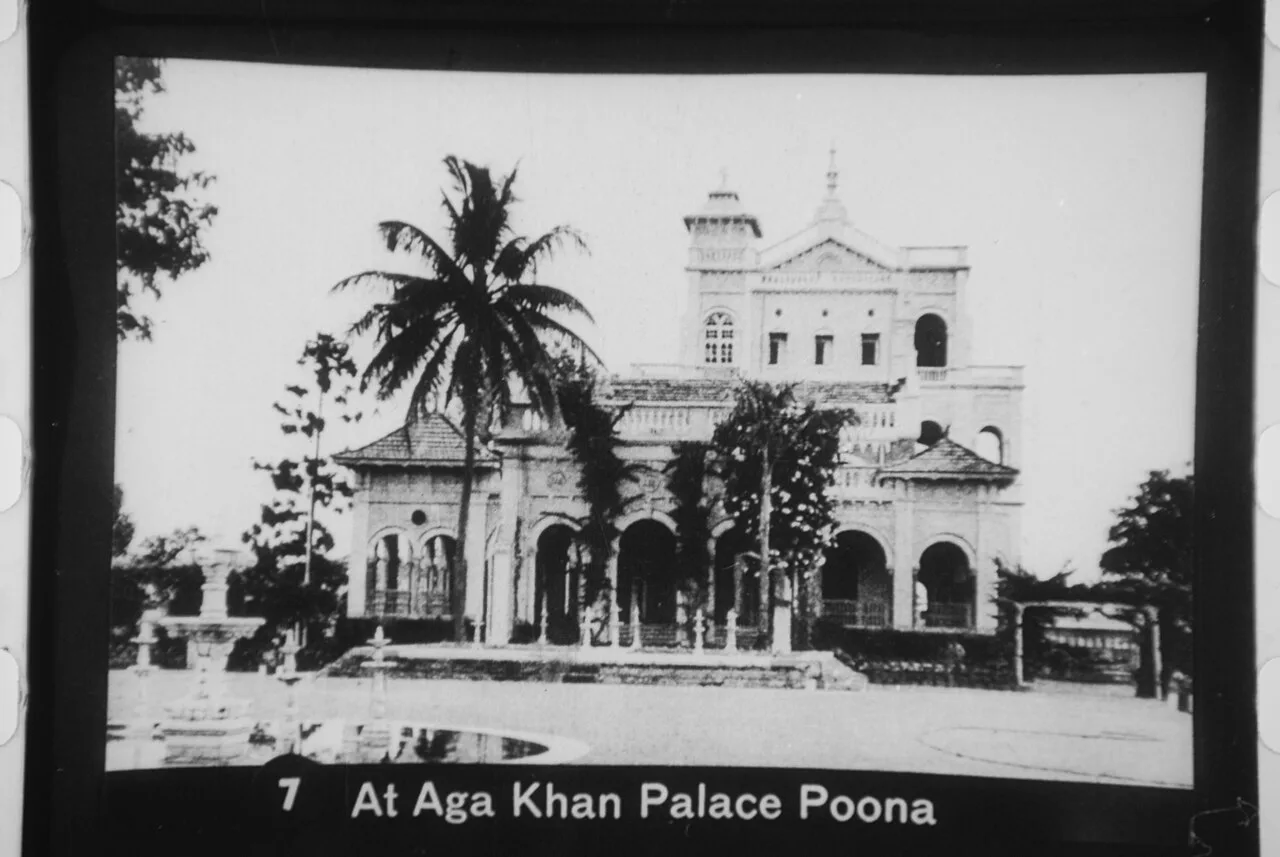
Aga Khan Palace

20 km away · Pune district

Aga Khan Palace

Aga Khan Palace is a historic building in Pune district, built by Sultan Muhammed Shah Aga Khan III. Visitors come for its connections to famine relief and the freedom struggle, as well as its architecture and greenery.

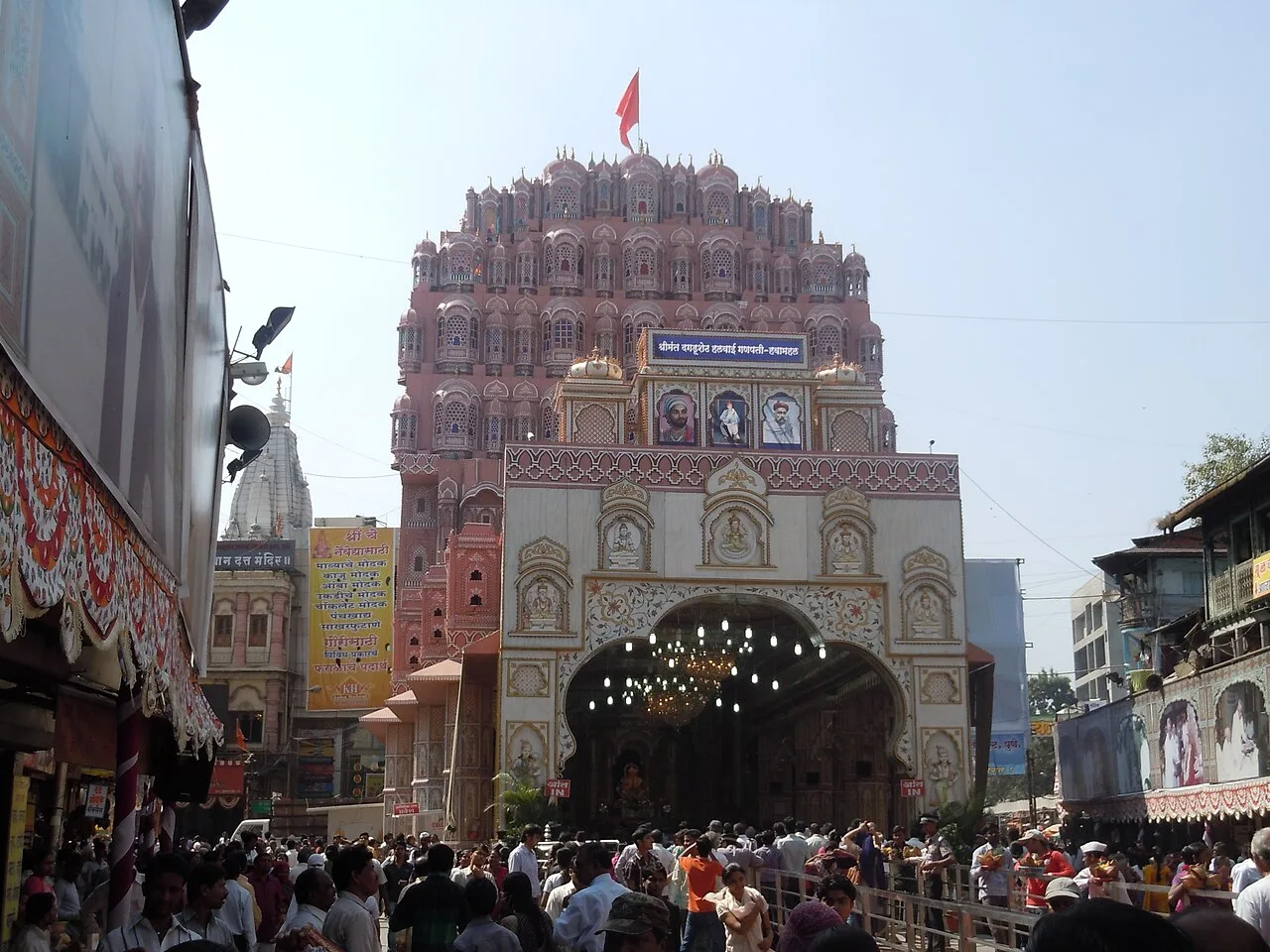
Dagadusheth Halwai Ganapati Temple

26 km away · Pune district

Dagadusheth Halwai Ganapati Temple

In Pune, Maharashtra, Dagadusheth Halwai Ganapati Temple honours Ganesha and draws devotees throughout the year, especially for the annual ten-day public Ganeshotsav celebration.

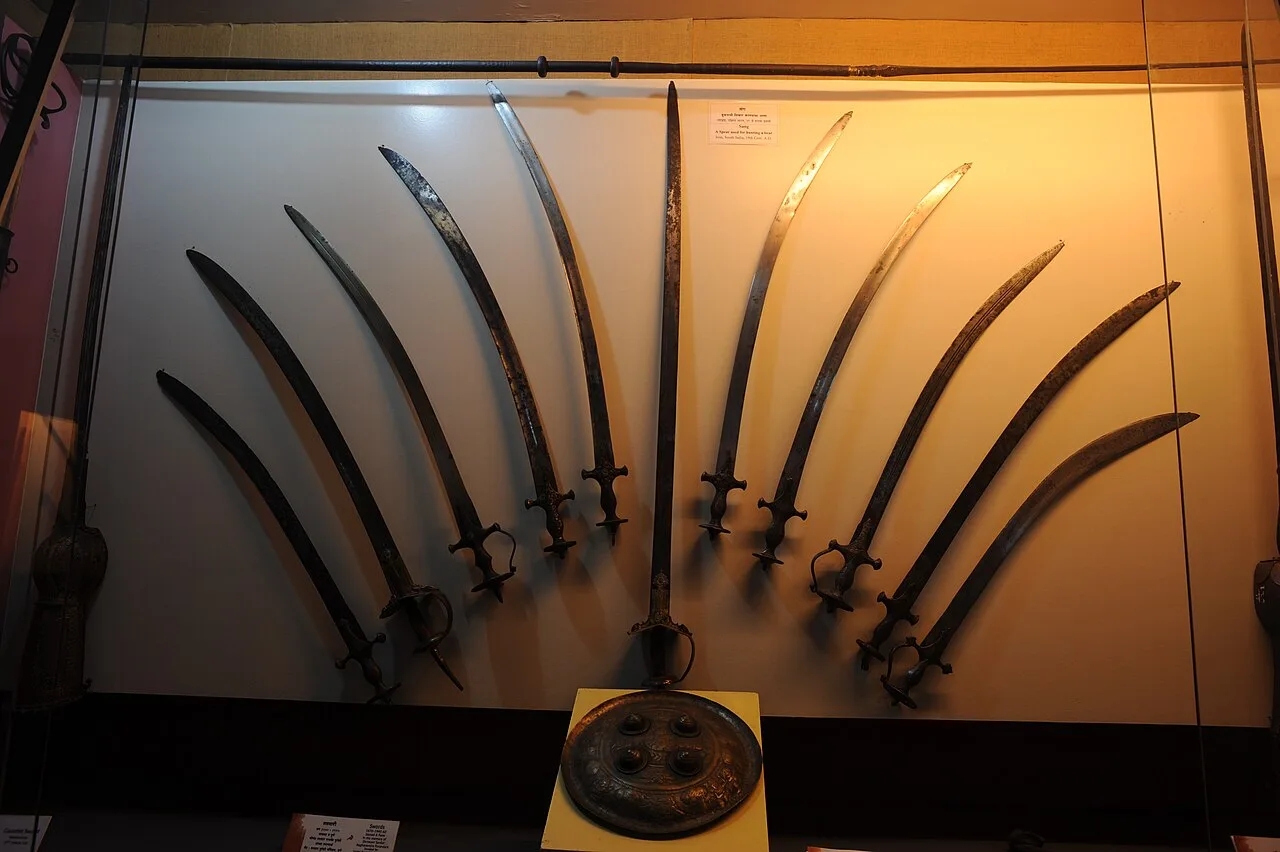
Raja Dinkar Kelkar Museum

26 km away · Pune district

Raja Dinkar Kelkar Museum

In Pune, Maharashtra, Raja Dinkar Kelkar Museum displays Dr. Dinkar G. Kelkar’s collection, attracting visitors interested in sculptures, musical instruments, ornaments, war weapons and vessels.

Shaniwar Wada

26 km away · Pune district

Shaniwar Wada

Shaniwar Wada is a historic fortification in Pune, linked to the Peshwas and the Maratha Confederacy. Visitors come to see the structures that remain after a major fire.

Jejuri

43 km away · Pune district

Jejuri

Jejuri, a city with a municipal council in Pune district, Maharashtra, is known for the Khandoba Mandir, an important Hindu pilgrimage site for communities across the state.

Sinhagad

45 km away · Pune district

Sinhagad

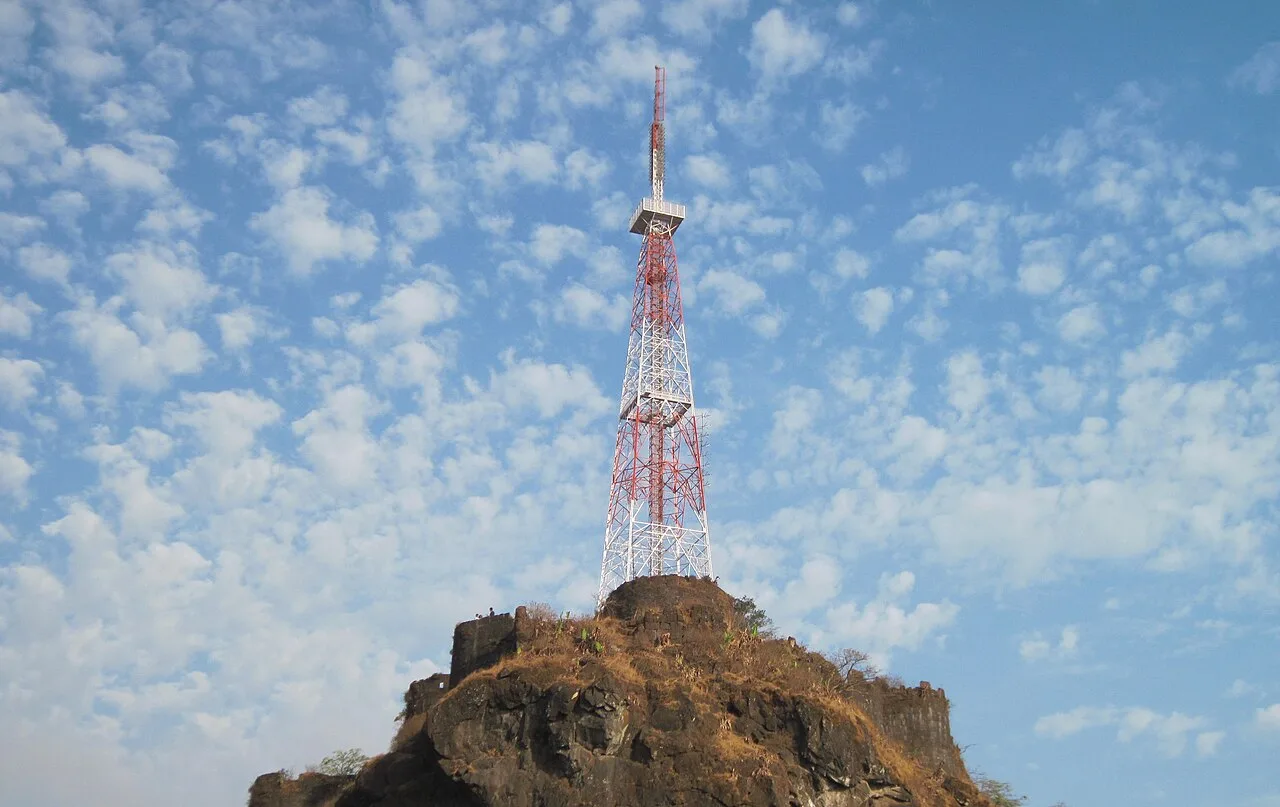
Sinhagad is an ancient hill fort near Pune, Maharashtra, valued for its history and as a destination for walks and weekend outings from the city.

48 km away · Ahilyanagar district

Ralegan Siddhi

Ralegan Siddhi is a village in Maharashtra’s Ahmednagar District, noted for environmental conservation and renewable energy. Travellers may visit to see its measures for protecting soil, retaining rainwater and generating local power.

Bhaja Caves

61 km away · Pune district

Bhaja Caves

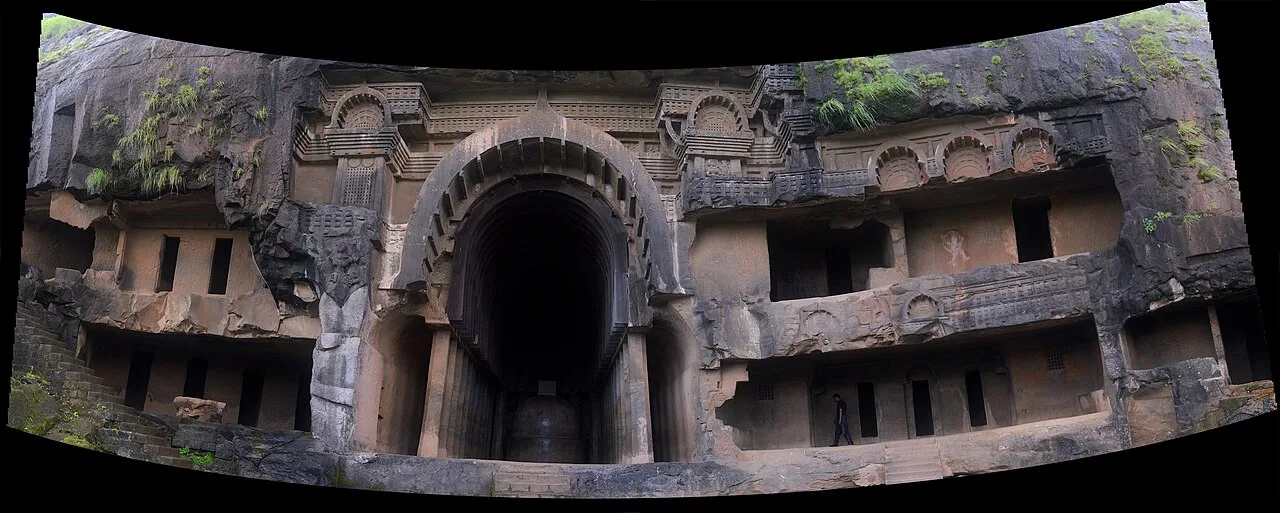
Bhaja Caves is a group of 22 Buddhist rock-cut caves in Pune district, Maharashtra. Visitors explore its stupas, early chaitya architecture and carvings, including a scene of a woman playing the tabla.

Map

Koregaon Bhima on the map

  1. 1Aga Khan Palace
  2. 2Dagadusheth Halwai Ganapati Temple
  3. 3Raja Dinkar Kelkar Museum
  4. 4Shaniwar Wada
  5. 5Jejuri
  6. 6Sinhagad
  7. 7Ralegan Siddhi
  8. 8Bhaja Caves

Maharashtra

Other cities to explore